
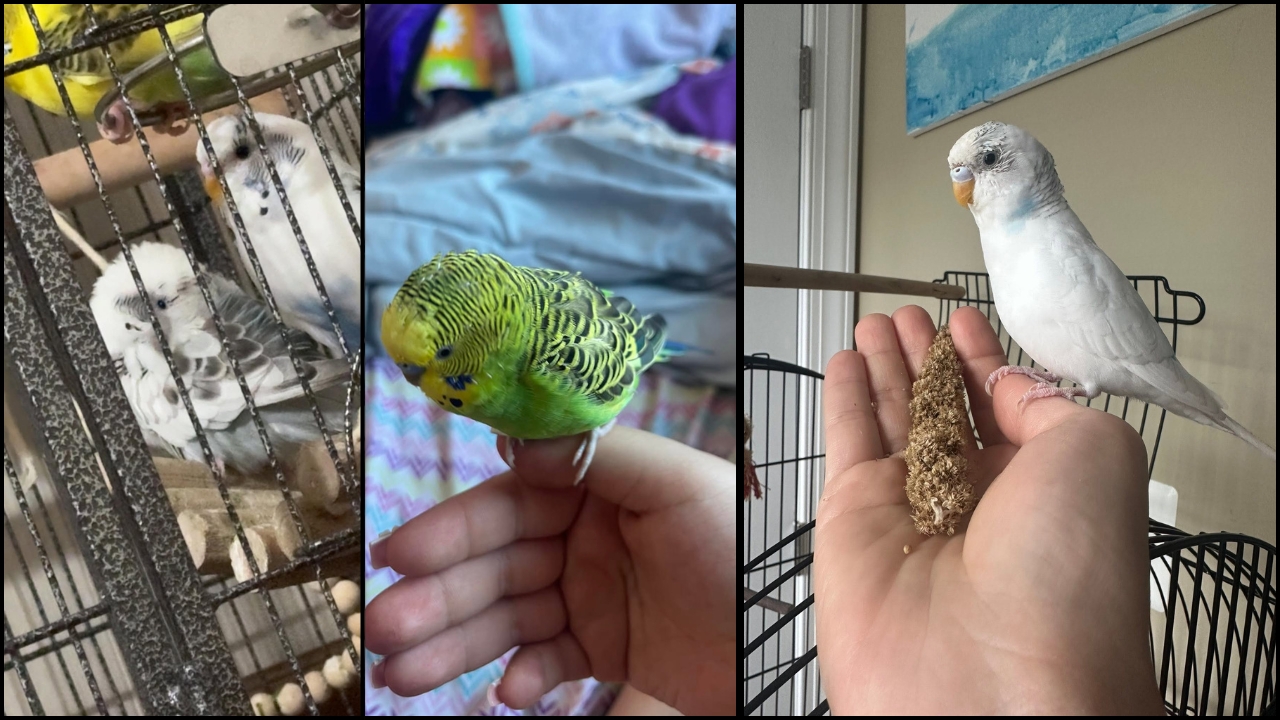

A fluffed-up budgie can look cute for a moment. The problem is when it becomes the bird’s new normal.
Many budgie owners first worry because the bird looks rounder, quieter and less alert than usual. A short fluff after preening or while settling can be normal. A bird that stays puffed up, sits still and looks withdrawn needs a much closer check.
This guide is not a diagnosis. It is a practical owner checklist from Neil, based on common questions people ask at the counter and the kind of behaviour changes bird owners often notice at home.
The Quick Answer
A fluffed-up budgie is not automatically dying, but it is one of the signs owners should not ignore. The key question is whether the bird quickly returns to normal behaviour.
If the bird is also sleepy, weak, not eating, breathing oddly, sitting low, or hiding illness, treat it as urgent and speak to a qualified vet.
What Can Be Normal
Budgies can briefly fluff up when resting, preening, warming themselves or settling before sleep. They may look relaxed, alert and responsive at the same time.
A normal brief fluff usually changes when the bird moves, eats, chirps or interacts.
What Is Not Normal
It is not normal for a budgie to stay puffed up for long periods, ignore food, sit at the bottom of the cage or look dull.
Birds often hide weakness, so a quiet change can matter more than owners expect.
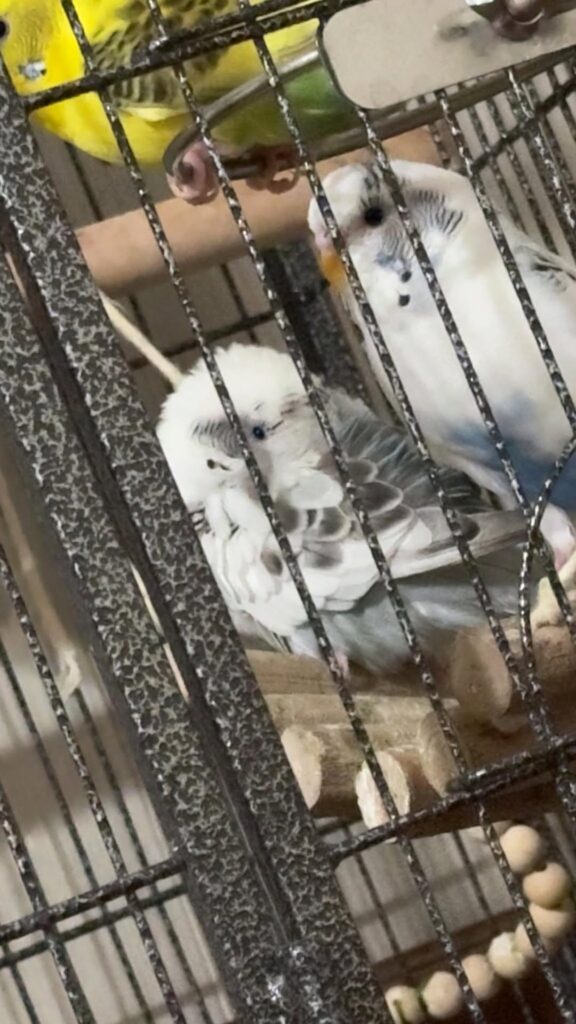
The 60-Second Owner Check
- Watch posture
Is the bird upright and alert, or rounded, low and withdrawn? - Check food
Has seed, pellet or fresh food actually been eaten today? - Look at breathing
Any tail bobbing, open-mouth breathing or effort should be taken seriously. - Check droppings
Sudden changes in number, colour or wetness are useful clues. - Check room temperature
Cold draughts and overheated sunny spots can both create stress.
What To Do Today
- Observe without crowding
Give the bird calm space while you check behaviour. - Warm the room sensibly
Avoid direct heat blasts, but remove obvious cold draughts. - Offer familiar food
Do not force food, but check whether the bird chooses to eat. - Prepare vet details
If the bird looks weak or keeps declining, call a qualified vet. - Take a photo or video
A short clip can help explain symptoms clearly to a vet.
The Mistake Neil Sees Most Often
The common mistake is waiting until the budgie looks dramatically ill. With birds, dramatic signs can arrive late.
Another mistake is assuming a fluffed bird is simply cold and only changing the temperature. The full behaviour picture matters.
When To Contact A Vet
Contact a vet if the budgie remains fluffed up, stops eating, sits on the cage floor, breathes with effort, looks weak, or cannot perch properly.
Do not rely on home remedies for a bird that is visibly unwell.
Neil’s Honest Advice
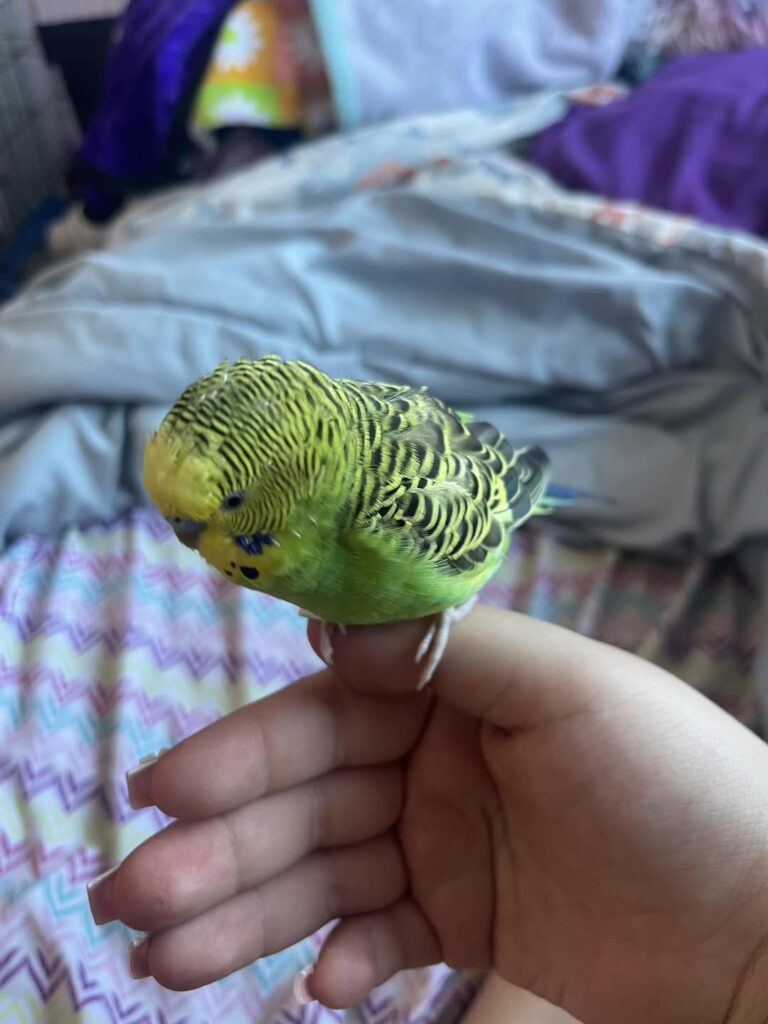
Neil’s advice is to compare the bird with its own normal behaviour, not with a generic internet picture.
If your normally busy budgie becomes still, round and quiet, act early rather than hoping it will pass overnight.
Need practical budgie advice in Swindon?
Bring your questions to Paradise Pets. Neil can help with cage setup, daily care, food, enrichment and when a symptom should be checked by a qualified vet.