


Neil has been keeping, breeding, and selling birds at Paradise Pets Swindon since 1988 — over 35 years of watching UK pet bird ownership from the inside. Summer is the season he sees the most birds coming back to shops, going to rescues, or being advertised online by owners who have realised, often months too late, that the bird they bought was not what they expected. This is his honest account of why it happens, what the pattern looks like from behind the counter, and what — almost without exception — would have prevented it.
The phone call that crystallised this article for me came on a Wednesday morning in June. A woman, clearly distressed, asking whether we could take back a cockatiel. She had bought it in January as a Christmas gift for her daughter. It had been biting. It had been screaming. The daughter had lost interest. They had tried everything they could think of. Could we take it?
I asked how they had been handling it. She described the approach — reaching into the cage quickly, trying to pick it up, putting it on the daughter’s shoulder, the bird objecting loudly and biting, the daughter reacting with alarm, the whole cycle repeating.
I asked how much they had read about cockatiels before buying one.
There was a pause that told me everything I needed to know.
I told her I would do what I could to help find a solution — a bird that could be properly rehomed and matched to an appropriate owner with the experience for it. I also told her, as gently and honestly as I could, that almost everything she had described was preventable. Not the screaming, not the biting, not the daughter’s lost interest, not the phone call she was making to me now. All of it, almost certainly preventable, with about an hour of reading before the bird came home.
That hour does not happen often enough. That is why this pattern exists.
The Pattern — What Summer Rehoming Actually Looks Like
Before explaining the causes, I want to describe the pattern clearly, because most of it plays out according to a predictable sequence that I have watched enough times over 35 years to recognise from the first few sentences of a conversation.
- The bird was bought in autumn or winter — often as a Christmas or birthday gift, or after a period of wanting a pet and deciding a bird was more manageable than a dog or cat; the purchase felt considered at the time
- The first weeks seemed to go reasonably well — the bird was new and different, the family was engaged with the novelty, problems were dismissed as settling-in behaviour that would resolve
- By spring, one or two specific problems had developed — screaming, biting, feather plucking, or simply an absence of the interactive, friendly behaviour the owner had expected; these problems were not resolving and the engagement level in the household was dropping
- By early summer, a decision has been made — the bird needs to go; the reasons given are usually a combination of the specific problem behaviour, a change in household circumstances, and a general sense that the relationship was not what was hoped for
- The actual cause, almost always, is the same — the expectation set before purchase did not match what the species actually offers, and the preparation for what the species actually needs was insufficient; the bird behaved exactly as it was always going to; the owner was not ready for it
budgie cockatiel rehoming UK expectation gap
The Three Species Most Commonly Rehomed — And The Specific Expectation That Failed For Each
The three species I see most consistently arriving in the rehoming pipeline are cockatiels, budgies, and parrots of various sizes. Each has a specific, consistent expectation failure that drives the rehoming.
Cockatiels — The Screaming And The Biting
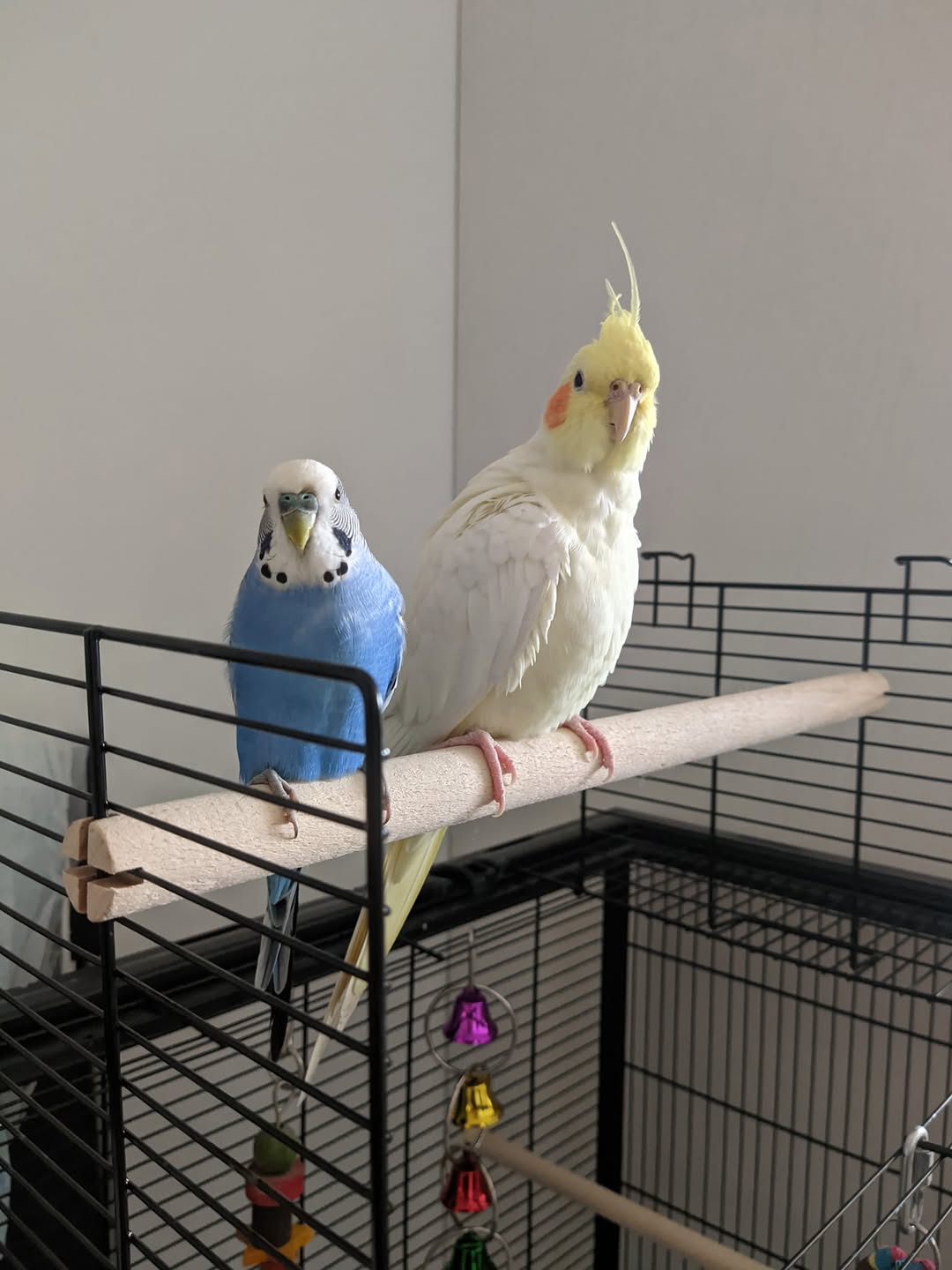
Cockatiels are rehomed more often than any other bird I deal with, and the reason is almost always one of two things: unexpected screaming volume, or biting that the owner does not understand and cannot manage.
- The screaming — cockatiels are flock birds that communicate vocally; a cockatiel that cannot see its owner, that is bored or under-stimulated, or that has learned that screaming produces a response will scream; this is not a personality defect, it is normal cockatiel behaviour; an owner who was not told this will experience it as shocking and unmanageable
- The screaming is almost always manageable with the right approach — not by ignoring it in a way that increases anxiety, and not by rushing to the bird every time it vocalises; but through appropriate stimulation, consistent routine, and understanding what the bird is communicating; owners who know this before the bird arrives handle it; owners who discover it six weeks in after trying multiple approaches and failing do not
- The biting — a cockatiel that bites is communicating; it has given warning signals that were not read and has escalated; the bite is not unpredictable to the bird, only to the owner who does not know the warning signals; knowing the crest positions, the eye pinning, the forward lean that precedes a bite, and respecting those signals, eliminates most biting; an owner who has never been taught these signals experiences the bite as random and frightening
Budgies — The Untameable Expectation
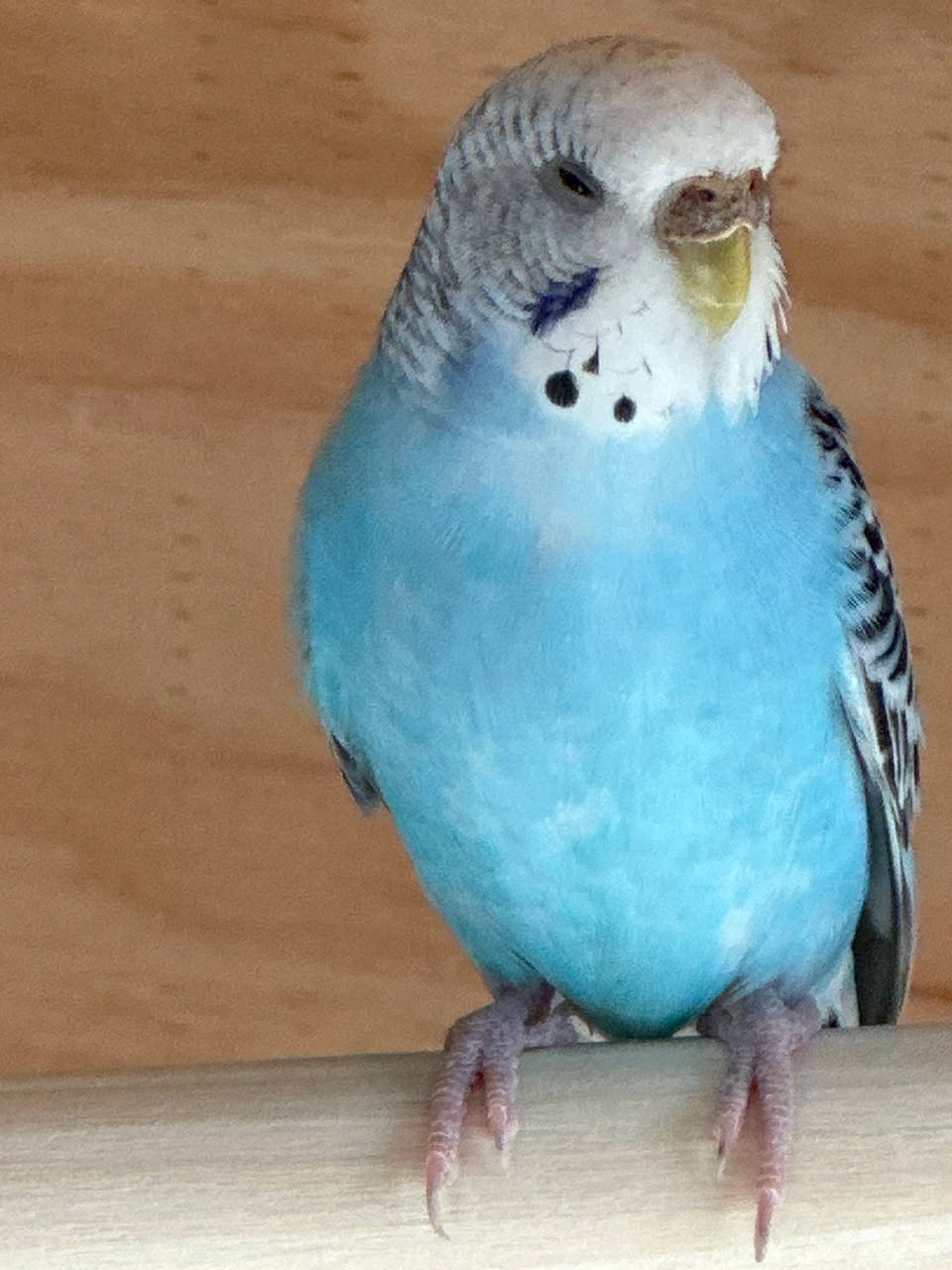
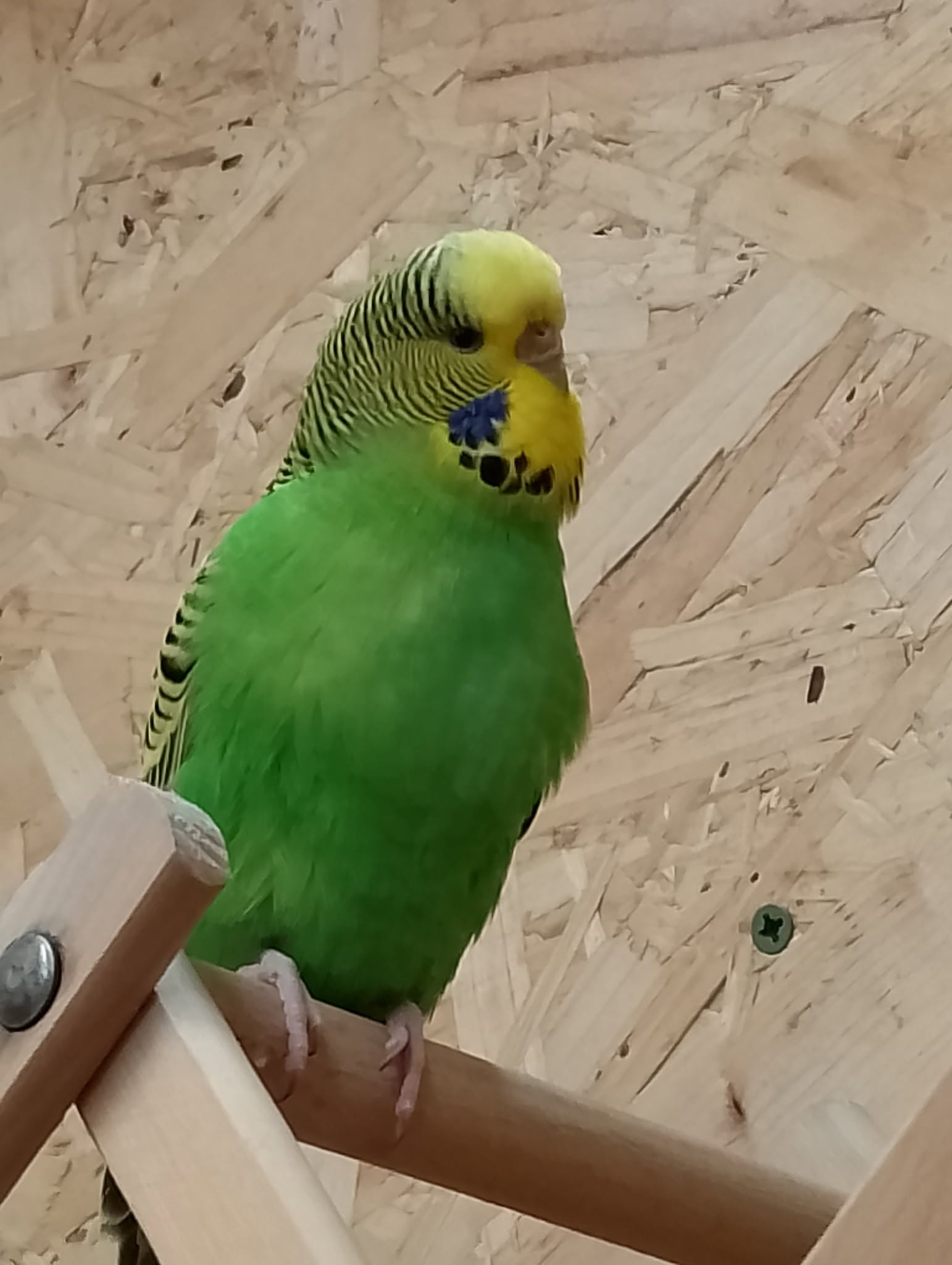
The budgie rehoming pattern is slightly different and in some ways more poignant, because budgies are sold as the easy, beginner’s bird and the expectation that accompanies that framing is often that the bird will quickly become friendly and interactive without much specific effort.
- Budgies do not tame themselves — they require a consistent, patient approach to handling, starting from the very beginning, and they require a relationship to be built before they will voluntarily step onto a finger or seek interaction; an owner who expected this to happen naturally within a few weeks will experience the bird as unusually stubborn or unfriendly
- A budgie bought as a child’s pet and then largely left to the child to tame will almost never tame — children’s approach to bird handling is typically too fast, too unpredictable, and too inconsistent for the gradual trust-building that taming requires; the adults in the household need to be actively involved in the taming process for it to work
- A single budgie kept without adequate interaction becomes a bored, anxious, or screaming bird — the solution is either significantly more human interaction than most households can provide, or a companion budgie; owners who were not told this arrive at the screaming or withdrawn bird phase and cannot identify the cause
Larger Parrots — The Commitment That Was Not Understood
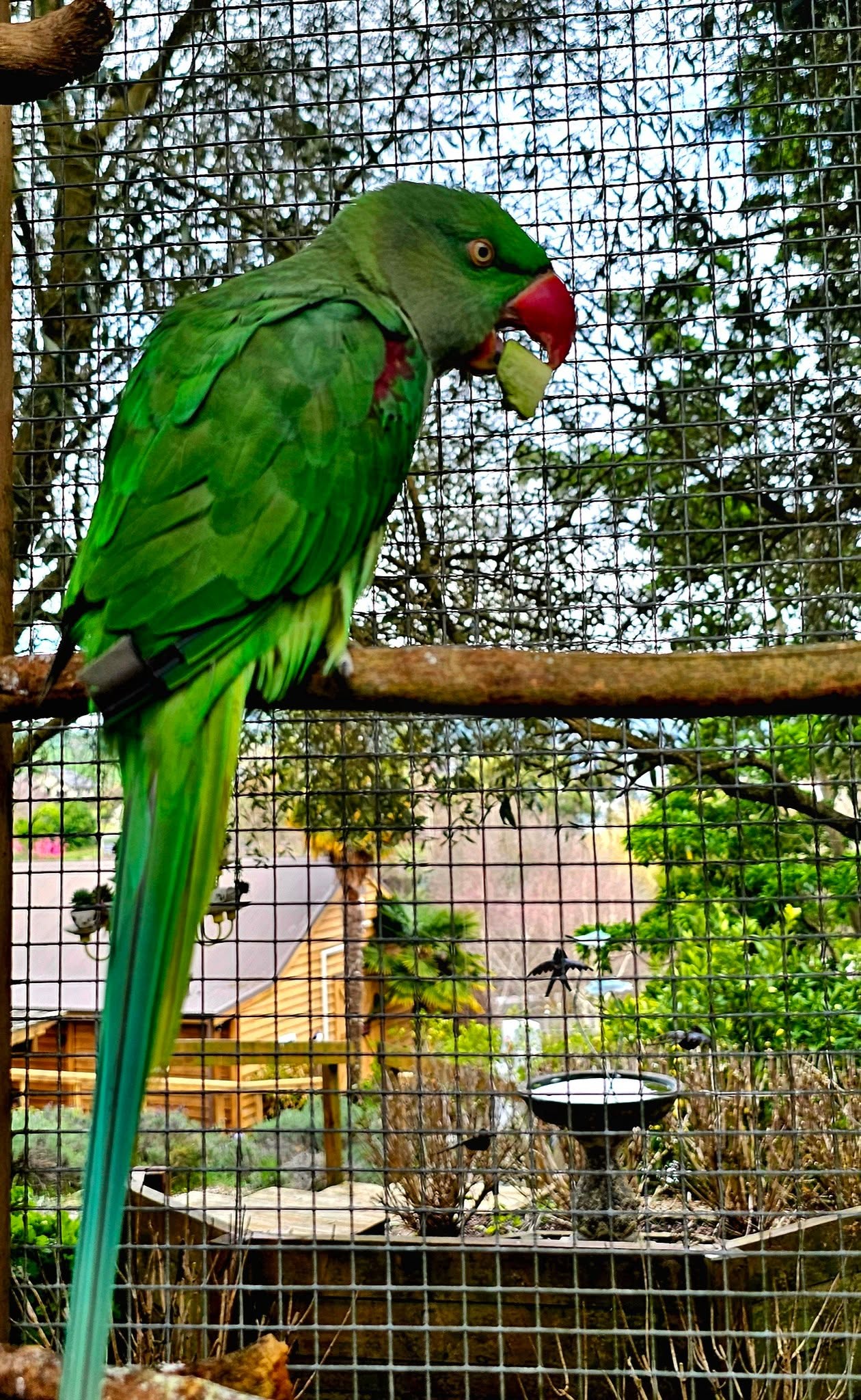
The larger parrot rehoming cases — African greys, Amazon parrots, cockatoos — are the cases that genuinely distress me, because these are birds whose intelligence and emotional complexity make rehoming genuinely traumatic for the animal in a way that is not true for all species.
- Larger parrots can live forty to sixty years or more — this is a commitment of a scale most owners genuinely do not internalise when they buy the bird; a bird purchased at age thirty by an owner who lives to seventy-five will outlive its owner; arrangements for the bird’s lifetime care need to be made and that reality needs to be faced before the bird comes home, not after
- The intelligence that makes large parrots appealing is exactly what makes inadequate care so damaging — a bored, under-stimulated large parrot does not sit quietly; it develops stereotypic behaviours, screams, plucks its feathers, or becomes aggressive; these are not personality problems, they are the behavioural expression of an animal with significant cognitive needs being housed in an environment that cannot meet them
- The noise level is consistently underestimated — even by owners who have been told about it; there is a significant gap between reading that an Amazon parrot can be loud and living in a house with one that is screaming for interaction at 7am; owners who discover this gap post-purchase often have no framework for managing it and reach the rehoming decision relatively quickly
The One Thing That Would Have Prevented Most Of It
I said at the beginning that almost every rehoming I see could have been prevented with about an hour of honest research before the bird came home. That is not an exaggeration. The research is not difficult, and it is not time-consuming. What it requires is the willingness to approach it as a genuine information-gathering exercise rather than confirmation of a decision already made.
The specific question that the research needs to answer is not “what is this species like” in a general sense. It is “what will this species do, specifically, in the circumstances I am planning to put it in, and am I prepared for that.”
- What does this species sound like, and at what volume, and how often — not a general description but a specific, honest account; if you can, listen to a recording of the species vocalising at its loudest before you buy one; that sound in your home, at 7am, with neighbours nearby, is what you are committing to
- What does this species need in terms of daily interaction, and can you honestly provide it — not what you can provide on a good day, or in the first weeks of novelty, but what you can provide consistently, fifty weeks a year, when work is busy and the initial excitement has settled; be honest with yourself about this
- What will this species do if its social and environmental needs are not met — screaming, biting, feather plucking, stereotypic behaviour; know which of these your chosen species is most likely to produce and be realistic about whether you can manage it or prevent it
- Come to the shop before you have made the decision, not after — the most useful conversation I can have with a prospective buyer is the one that happens before they have emotionally committed to a species; it allows the conversation to be genuinely exploratory; after the decision is made, the same conversation is often received as discouragement rather than information
- Ask specifically, not generally — “is this a good bird” is not the question; “this is my household, this is my daily routine, this is what I am expecting — is this the right bird for that” is the question; the answer to the specific version is much more useful than the answer to the general one
What Happens To The Birds — The Honest Picture
This is the part of the conversation that most sellers avoid because it is uncomfortable, but it is worth being honest about because it is part of the full picture of what a rehoming decision actually means.
- Rescue organisations and shelters have limited capacity for birds — unlike dogs, for whom an extensive rescue network exists with fostering options and substantial public engagement, bird rescues are relatively few, often overwhelmed, and significantly under-resourced; a bird that cannot be easily rehomed may spend extended periods in a shelter environment that is less than ideal for its welfare
- A bird that has developed problem behaviours in its first home is harder to rehome than one that has not — a biting cockatiel that bites because of inadequate handling in its first home will bite potential new owners too, at least initially; this makes it a more difficult rehoming candidate; the problem created by the original handling situation becomes a barrier to finding an appropriate new home
- Some birds, particularly larger parrots, are rehomed multiple times across their life — each rehoming is a disruption to the animal, and an accumulation of disruptions over a lifetime of human inconsistency has documented negative welfare consequences; what begins as a single owner’s decision compounds into a long-term welfare problem for the animal
- The birds that come through this system well are the ones that reach experienced owners who understand them — and experienced owners specifically seeking a rescue bird of a difficult species are a smaller group than the general supply of birds needing rehoming; the match does not always happen quickly or well
What Responsible Sellers Should Do — And What To Look For When Buying
The responsibility for the pattern I am describing is not exclusively with buyers. Sellers — including shops — have a role in either contributing to or interrupting it.
- A good seller asks questions before completing a sale — not as an obstacle but as a genuine assessment; what is the buyer’s previous experience, what is the household like, what is the primary reason for choosing this species, what is the plan for daily care and interaction; the answers to these questions shape whether the bird goes to a home that will suit it
- A good seller tells you the difficult information, not just the appealing information — that the species screams, that it bites when mishandled, that it requires X hours of interaction per day, that it will live for fifteen years; this is the information that shapes informed decisions, and a seller who only tells you what the bird does when it is happy is not giving you what you need
- Buyers should be cautious about sellers who do not ask questions — the seller who has no interest in whether the bird is going to an appropriate home is telling you something about their priorities; the birds sold without appropriate assessment are disproportionately the birds that appear in rehoming three to six months later
- Ask the seller directly what the most common reasons are that people return this species — the answer tells you both the genuine welfare challenges of the species and something about the seller’s honesty; a seller who claims no one ever returns this species is either not paying attention or not being straight with you
If You Are Already In This Situation — What To Do Before Rehoming
If you are reading this because you are currently in a difficult situation with a bird, I want to give you something useful before the rehoming decision is finalised.
- Come in and talk about the specific problem before making any decision — most of the behaviours that drive rehoming decisions are manageable with the right approach, and most owners who are in this situation have not had access to specific, relevant guidance; the screaming, the biting, the apparent unfriendliness — these are almost always understandable from the bird’s perspective and almost always improvable with the right intervention
- Identify what the bird is actually doing and why — the bite that comes after specific warning signals that were missed is a different problem from the bite that comes with no warning; the screaming that occurs when the owner leaves the room is a different problem from the screaming that occurs at dawn regardless of anything; knowing the specific trigger points to a specific solution
- If rehoming is genuinely the right decision, do it responsibly — not through a quick online listing to whoever responds first, but through a bird rescue organisation, a specialist society, or a reputable seller who will assess the next home properly; the bird deserves a transition that prioritises its welfare, not one that prioritises the owner’s convenience
- Be honest with the next owner about the bird’s history and behaviours — a bird sold or donated with its history hidden is a welfare problem waiting to repeat; the next owner deserves the information that allows them to approach the bird appropriately from the beginning
Frequently Asked Questions
My cockatiel is screaming all the time. Is this normal and is there anything I can do?
Screaming is normal cockatiel behaviour in specific contexts — when the bird cannot see the person it is bonded to, when it is bored, or when it has learned that screaming produces a response. The approach that makes it worse is rushing to the bird every time it screams; this teaches the bird that screaming works. The approach that helps is ensuring the bird is not alone for extended periods, providing adequate stimulation, and responding to quiet behaviour rather than to screaming. This is manageable in most cases; it requires consistency rather than any single technique.
My budgie will not step onto my finger after three months. Have I failed?
Not necessarily — three months is not a long time in the relationship with a prey animal, and the taming approach matters as much as the duration. If the approach has involved reaching into the cage quickly, the bird pressing against the far side to avoid contact, or any element that the bird experiences as threatening rather than neutral, the relationship is building on a foundation of avoidance. Restarting with a different approach — hand near but not chasing the bird, food offered from the hand, patience measured in weeks not days — produces different results in most birds.
How should I rehome a bird responsibly if I genuinely cannot keep it?
Contact a bird-specific rescue organisation or specialist society first. In the Swindon area or more broadly in the UK, the National Council for Aviculture and various species-specific parrot and budgerigar societies maintain rehoming networks and can advise on appropriate options. Be completely honest about the bird’s history, behaviours, and any health considerations. Do not sell or donate to the first person who expresses interest without assessing whether they are a genuinely appropriate home for this specific bird.
My child wanted the bird and has lost interest. What do I do?
This is one of the most common scenarios and one where the honest answer is that the bird’s care now needs to become an adult responsibility rather than a child’s. A child’s lost interest does not change the bird’s needs; it changes who is responsible for meeting them. If the adults in the household can step into that responsibility, the bird stays and the child may — or may not — re-engage over time; this is worth attempting before the rehoming decision is made. If the adults genuinely cannot take on the care responsibility, a responsible rehoming is preferable to the bird continuing to receive inadequate care.
Where can I get advice about a difficult bird in Swindon without feeling judged?
Come in to Paradise Pets at Manor Garden Centre, Cheney Manor Industrial Estate, Swindon SN2 2QJ — or call us on 01793 512400. Tell me what is actually happening — the specific behaviour, the specific context, what has been tried — and I will give you my honest assessment of what might help and whether the situation is salvageable. I am not going to judge how you got here; I am going to try to help you figure out what happens next in the way that is best for the bird. That is what we are here for. Free advice, no obligation, no judgment.
One Last Thing From Me
The woman who phoned about the cockatiel in June — the Christmas gift that had become a problem — came back into the shop three weeks later. Not with the bird, but with the question she should have been able to ask in December.
She had done her reading, belatedly. She had understood, reading it now, why the cockatiel had behaved the way it had, and what the correct approach would have been from the beginning. She was not angry. She was, in a way I recognise in people who have had this realisation late, slightly grieving the relationship that could have been different.
The bird had been rehomed through a contact we knew — an experienced keeper who had specifically wanted a cockatiel with some history and some trust issues to work through. That keeper understood exactly what they were taking on. The bird was in a better situation than it had been. The woman felt some relief in that, alongside the regret.
She asked me, before she left, whether she could get another bird.
I said yes, but that I wanted to talk to her first. Not for an hour — more like twenty minutes. But genuinely, honestly, about what the bird would need and what the first month would look like and what to do when the first difficult thing happened.
She sat down. We talked. She left with a budgie, eventually — the right bird for her household, from what I could tell. And with considerably more preparation than she had had the first time.
That twenty minutes was all the first conversation ever needed to be.
Thinking About Getting A Bird, Or Struggling With One You Have? Come In First.
Whether you are at the beginning or the middle of a difficult situation with a bird, an honest conversation before the next decision costs nothing and almost always changes the outcome for the better. No judgment, no pressure. That is how we have done things here for 35 years.
⭐ Customer Reviews
Amazing Bird Selection
Had a lovley visit today,staff were very friendly and very helpful,such a great petshop,their selection of birds is incredible,really impressed,thank so much to the staff at Paradise Pets

Friendly Helpful Staff
I have been coming to this place for years and they have a great stock of food for all types of pets. Have a great selection of small mammals and a lot of birds. Staff are friendly and helpful.

Great Quality Hutch
Bought a guinea pigs hutch and run combo, very happy with the service, the hutch was put in my car for me without even asking for help. The wood quality is very good, the instructions easy to follow and we are extremely happy with the fully built hutch. A good size for 2 guinea pigs

Response from Paradise Pets | Wiltshire
Thank you Melanie Latus Nice to provide services to you.
Best Bird Shop Around
It’s the best pet shop in and around Swindon. They always have an amazing selection of birds and all you need to keep them happy. I keep birds myself and the guys there are happy to answer questions and really know their stuff. I have seen budgies etc. in chain pet shops in the area looking really unhealthy and ill – I wouldn’t go anywhere else than Paradise Pets for animals.

Highly Recommended Bird Shop
I could not praise this shop enough. Really helped my Grandson buy his first bird and he’s loving it. Travelled from Somerset and was welcomed with open arms.

Great Shop with Competitive Prices
Great shop with amazing selection for small animals, hamsters, mice ect, highly recommend!
Also has a great selection for dogs & cats too & very competitive prices! 💖

