
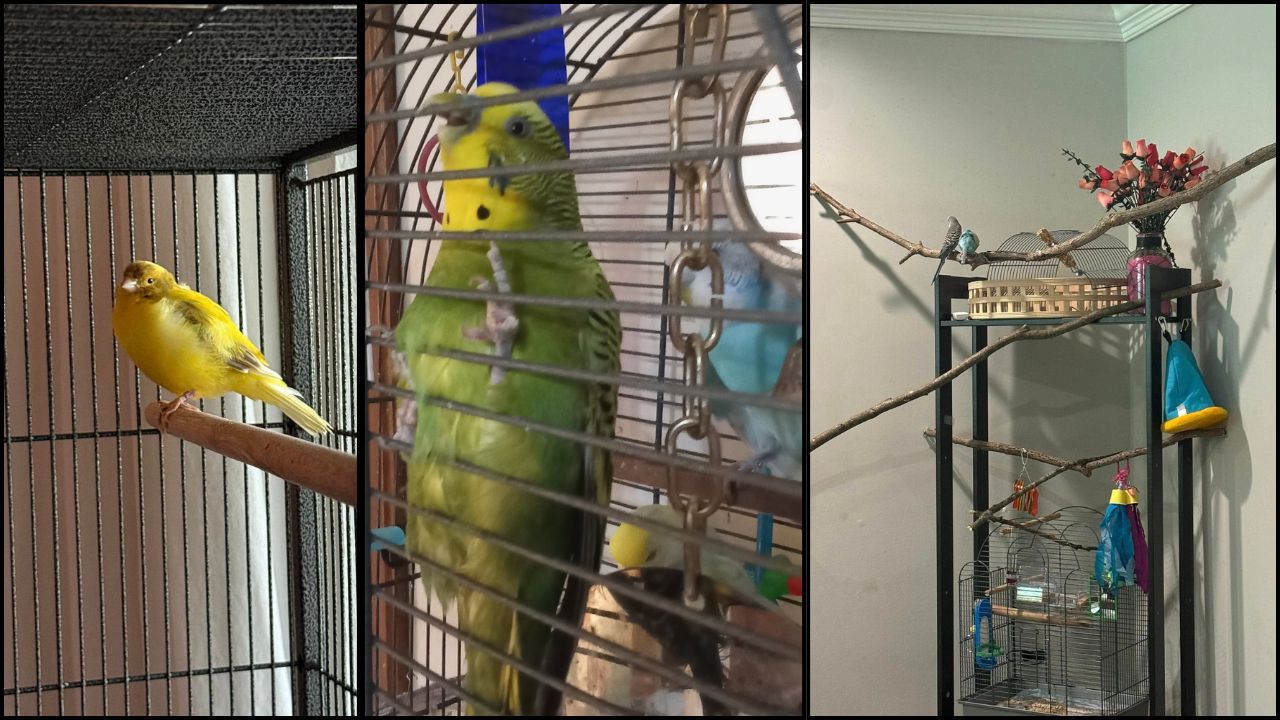

Neil has kept, bred, and sold cage and aviary birds at Paradise Pets Swindon since 1988 — over 35 years of first-hand experience with budgerigars, cockatiels, canaries, finches, and dozens of other species. Every summer, without fail, birds die in UK homes from heat that their owners did not realise was dangerous. Most of those deaths are preventable. This is the article Neil wishes every bird owner in the UK would read before the temperature rises.
I am going to say something at the start of this article that I want every bird owner reading it to take seriously, because I have seen the consequences of it being ignored more times than I want to count.
A bird in a cage positioned in direct sunlight — in front of a window, in a conservatory, in a sun-facing room with the curtains open — during a UK summer heatwave is a bird in genuine, life-threatening danger. Not discomfort. Not stress. Danger.
Birds cannot sweat. They cannot move away from the heat source if they are in a cage. They cannot open a window. They cannot do any of the things a human in the same situation would automatically do to manage their temperature. They sit in the heat and they deteriorate, often with no dramatic visible sign until it is too late to do anything about it.
Every summer this happens in UK homes. Every summer I hear about it from customers who did not know the risk, or who knew in a vague way but did not act on it, or who left the house for a few hours on a warm day and came back to a bird that had not survived. These are not negligent owners. They are owners who were not told clearly enough, early enough, how fast this can go wrong and how completely preventable it is.
With a heatwave forecast for this weekend, this is the article I want you to read today. Not next week.
Why Birds and Heat Are a Dangerous Combination
To understand why this matters so much, it helps to understand what is actually happening physiologically when a bird overheats — because it is different from what happens to a mammal in the same situation, and the difference is what makes it so dangerous.
Mammals, including humans, sweat. Sweating is an active cooling mechanism — moisture evaporates from the skin surface, taking heat with it, and the body temperature is managed dynamically as conditions change. It is not a perfect system but it is a responsive one, and it buys time.
Birds do not sweat. Their primary cooling mechanism is respiratory — they breathe faster and hold their wings slightly away from their bodies to allow heat to dissipate, and in some species they pant with the beak open. These mechanisms work within a range, but they are significantly less effective than mammalian sweating, and they have limits. When ambient temperature rises above those limits — particularly in a confined cage with no airflow and direct solar heating through glass — a bird’s ability to thermoregulate simply fails.
The second factor is that glass magnifies heat. A window in direct sunlight does not simply let the outdoor temperature in — it concentrates solar radiation into the space behind it, creating temperatures that can be significantly higher than the outdoor air temperature. A cage positioned in front of a south or west-facing window on a sunny afternoon can reach internal temperatures that are fatal to birds even when the outdoor temperature feels merely warm rather than extreme.
The third factor is speed. Heat stress in birds progresses quickly — from the first visible signs of distress to a critical state can be a matter of minutes in severe cases. And because birds are instinctively inclined to suppress visible signs of weakness, the first sign many owners notice is already the late stage. The bird that looks fine at noon and is found in crisis at two in the afternoon was in trouble long before it showed it.
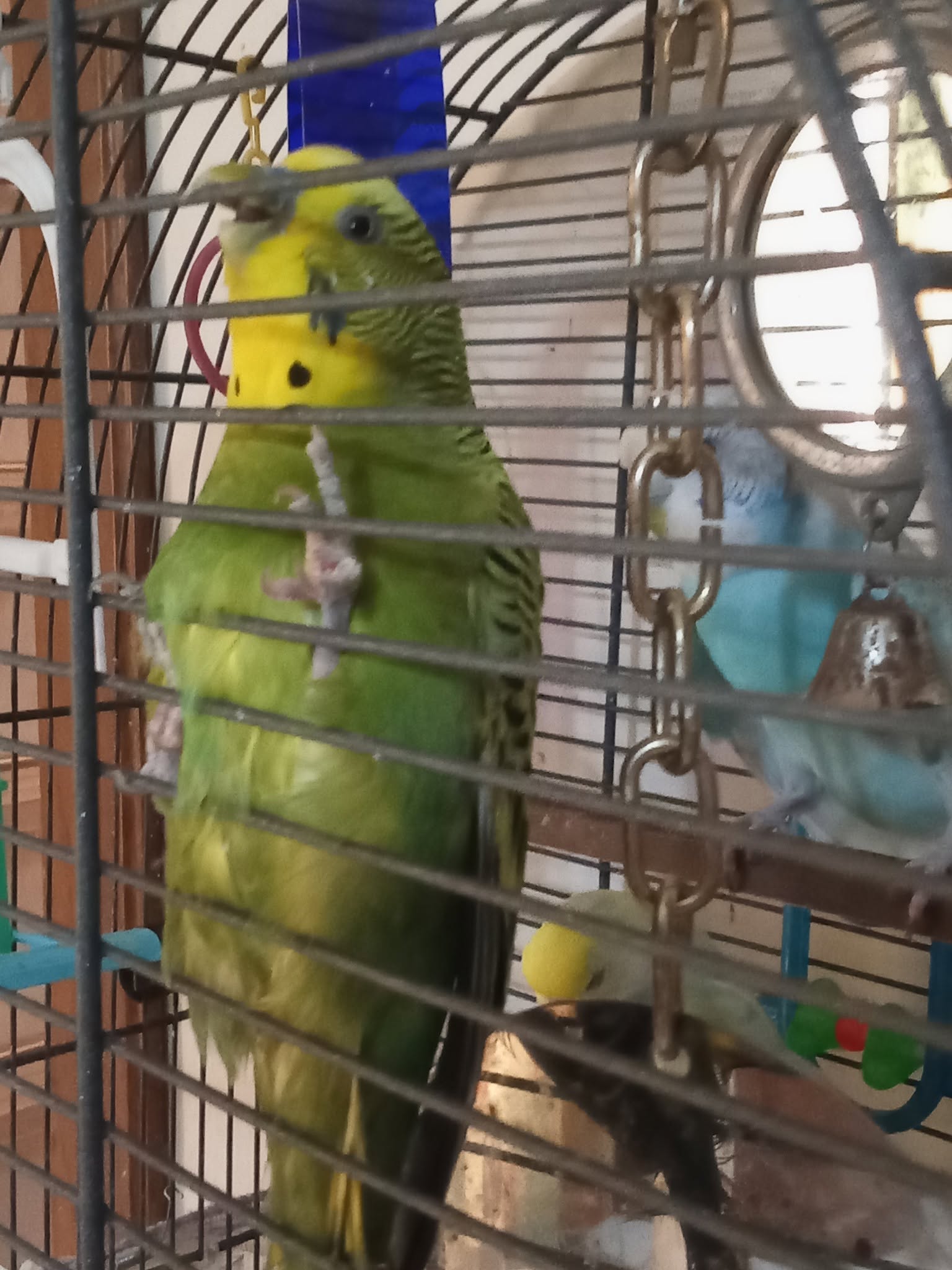
The Window Position That Kills — What It Actually Looks Like
I want to be specific about this because I think the risk is sometimes described in general terms that do not quite convey the everyday, normal-looking situations in which it occurs.
The window position that kills pet birds in UK homes during summer is not an unusual one. It is, in fact, one of the most common cage positions I see — chosen because it looks bright and cheerful, because the owner wants the bird to have natural light, because it seems like a pleasant spot. It is a cage positioned directly in front of or beside a window, particularly one that faces south, south-west, or west, in a room where the curtains are not drawn during the day.
On an overcast UK winter day, this position is fine. Natural light without direct sun poses no meaningful heat risk. But the same position on a clear July afternoon is a different proposition entirely. The sun moves around during the day, and a window that was in shade at ten in the morning may be in full direct sun by two in the afternoon. The owner who arranged the cage in the morning on a mild day and left the house may return to a bird that has been in full direct afternoon sun for several hours.
Conservatories are the most extreme version of this risk. A conservatory that is pleasant in spring becomes a glass oven during a heatwave. Temperatures in unventilated UK conservatories during summer can reach fifty degrees Celsius or more. A bird in a cage in a conservatory during a heatwave is in immediate, serious danger, and I say this with no qualification — birds should not be in conservatories during summer without active ventilation and temperature monitoring, and should be removed entirely during any period of high heat.
Cars are worth mentioning even though this article is primarily about the home environment. A bird left in a car — even briefly, even with the windows cracked — on a warm summer day faces the same rapidly escalating heat risk that makes leaving dogs in cars dangerous. Do not transport birds in vehicles without active ventilation, and never leave them unattended in a vehicle during warm weather.
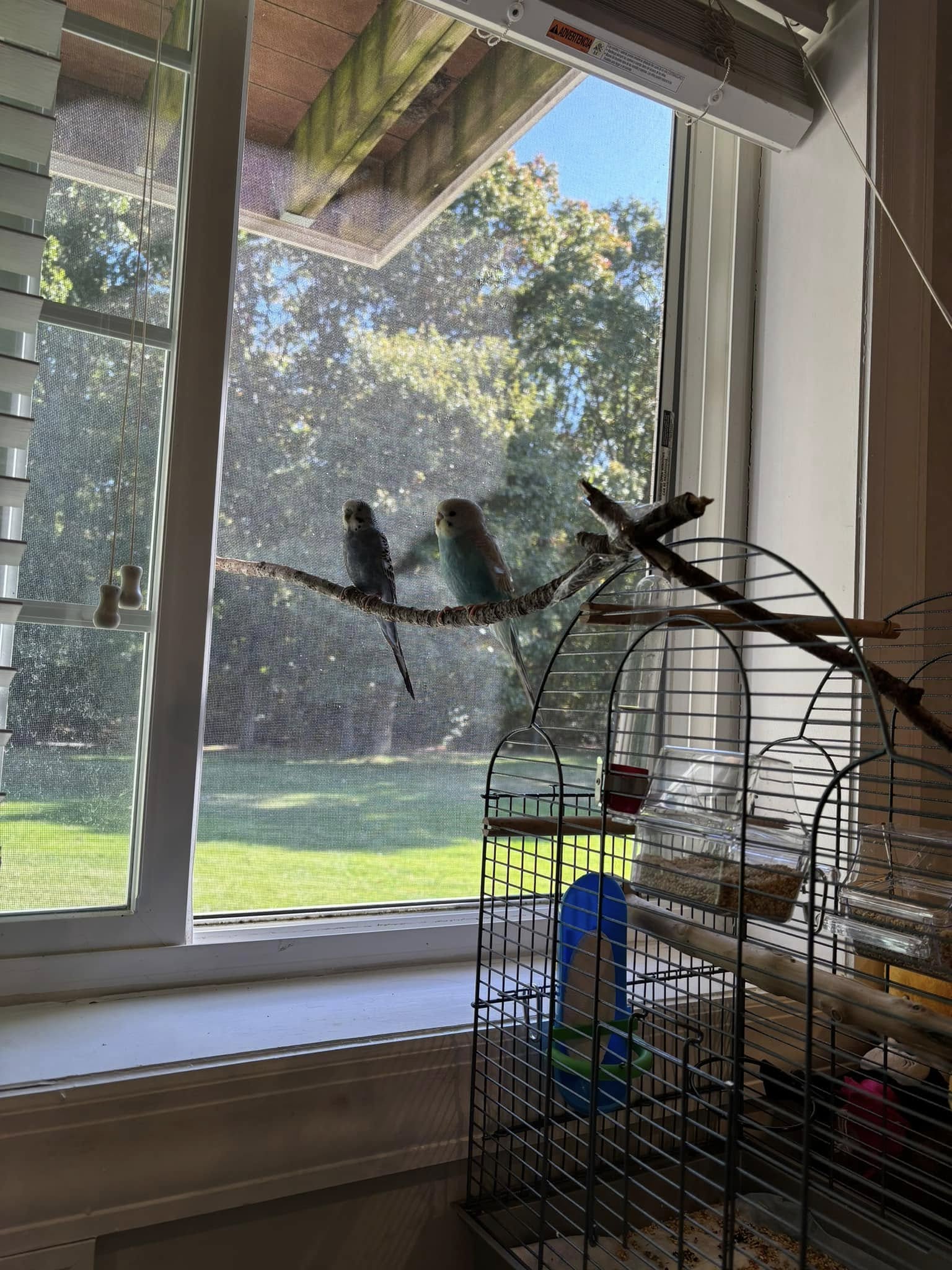
What Temperature Is Actually Dangerous for Pet Birds
UK bird owners are sometimes reassured by the fact that our summers are mild compared to the natural habitats of many pet bird species. Budgies, cockatiels, and other popular species come from warm climates — surely they can handle a British summer?
This logic is flawed in an important way, and I want to address it directly.
Wild birds in hot climates manage heat through behaviour. They find shade. They reduce activity during the hottest part of the day. They seek out water. They move. A pet bird in a cage cannot do any of these things. It is fixed in one position, in whatever microclimate the cage creates, with no ability to seek shade or cooler air. The relevant temperature is not the outdoor temperature or the room temperature — it is the temperature inside the cage, which in direct sunlight can be dramatically higher than either.
As a general guide, ambient temperatures above 30 degrees Celsius in the cage environment represent meaningful risk for most pet bird species. Temperatures above 35 degrees Celsius are dangerous. In direct sunlight, cage temperatures can reach these levels even when the outdoor temperature is in the low to mid twenties — entirely typical of a UK summer day, let alone a heatwave.
The signs that a bird is already overheating are worth knowing, because they are the point at which you need to act immediately:
- Panting with open beak. A bird breathing with its beak open is a bird that has moved beyond normal respiratory cooling and is in active heat stress. This is not normal behaviour in a comfortable bird.
- Wings held away from the body. A small amount of wing-holding can be normal temperature regulation. Wings held significantly out from the body, combined with panting, indicates serious overheating.
- Lethargy and loss of balance. A bird that is unsteady on its perch or sitting on the cage floor in hot conditions is in an advanced stage of heat stress. This requires immediate action.
- Unresponsiveness or collapse. If a bird is not responding to sound or movement and has lost its normal posture, this is an emergency. Move to cooling immediately and contact a vet.
- Fluffing in hot conditions. While fluffing is usually a sign of cold or illness, in hot conditions it can indicate the bird is unwell from the heat rather than trying to retain warmth.
What to Do Right Now — Before This Weekend
The heatwave is forecast for this weekend. That means the time to act is today, not on Saturday morning when the temperature is already rising. Here is exactly what to do.
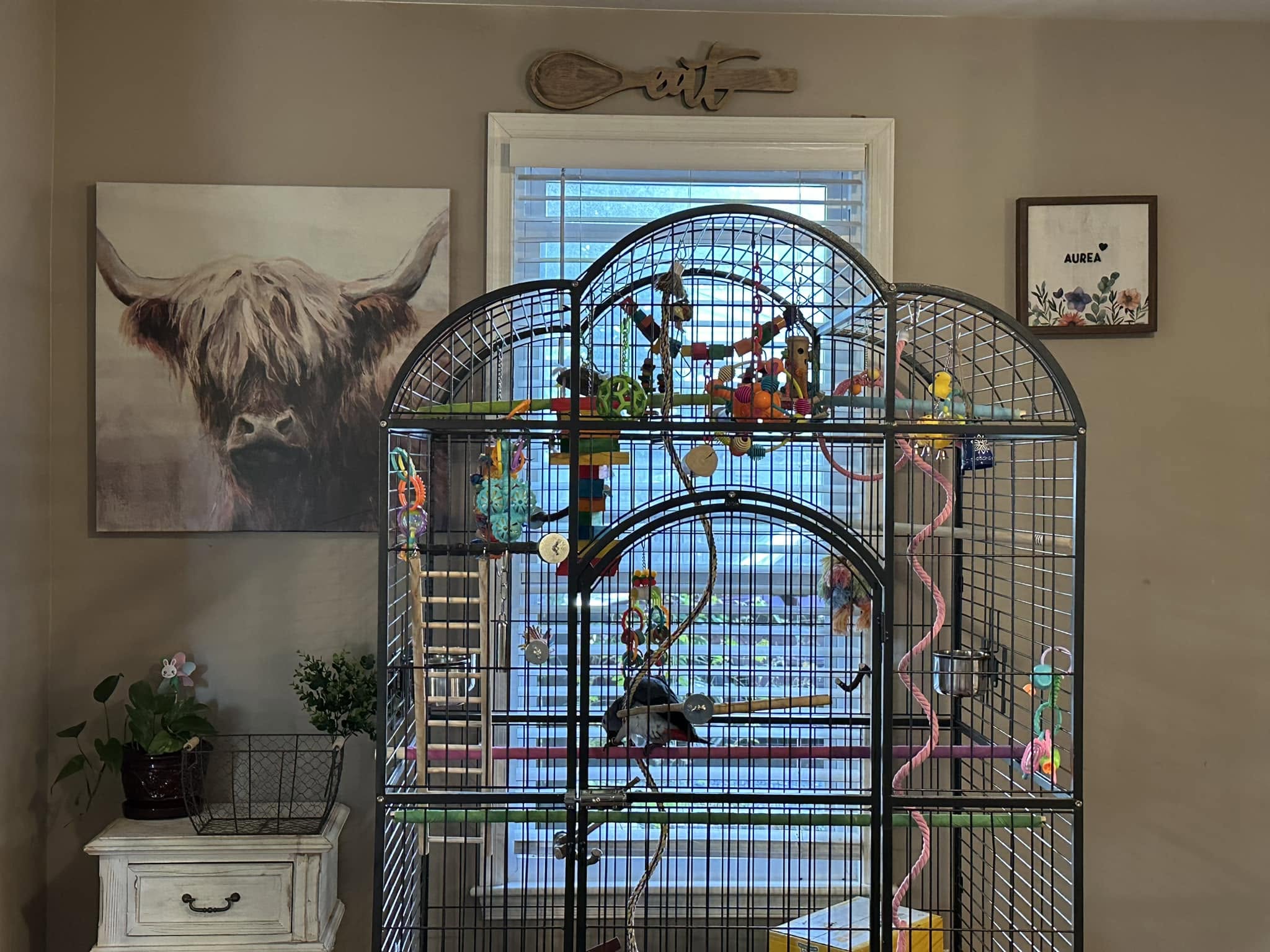
Move the Cage Away From Direct Sunlight
If your cage is currently positioned in front of or beside a south, south-west, or west-facing window, move it now. The new position should be where the bird gets indirect natural light — a north-facing wall, the centre of the room, or beside a window that faces away from the afternoon sun. Natural light is important for birds and should not be eliminated entirely, but direct solar exposure during a heatwave is not natural light. It is a heat trap.
Identify the Hottest Part of Your Home and Keep the Bird Away From It
During a heatwave, different rooms in a UK home vary significantly in temperature depending on aspect, insulation, and ventilation. The coolest room in the house is almost always the one facing north, or one that has been kept shaded and ventilated. Move the cage to the coolest room that still allows adequate light. If your home is a flat with no north-facing aspect, use curtains or blinds to shade windows on the sun-facing side, and maximise ventilation with a fan — not blowing directly onto the cage, but moving air through the room.
Provide Water and Light Misting
Ensure fresh, cool water is always available and check it more frequently during hot weather than you normally would — water heats quickly in warm rooms and a bird drinking warm water gets less benefit from it. Most budgies and cockatiels tolerate and appreciate a light misting with cool water from a clean spray bottle during hot weather — not soaking, but a fine mist that allows evaporative cooling. Offer this once or twice during the hottest part of the day and observe how your bird responds. Most welcome it.
Freeze Treats
A small piece of fruit or vegetable, frozen and offered during the hottest part of the day, provides a cooling effect alongside nutrition. Frozen carrot, cucumber, or apple — all safe for budgies and cockatiels — give the bird something cool to interact with and help manage body temperature gently.
If You Are Leaving the House, Think It Through
This is where most hot weather bird deaths happen — not when the owner is home and watching, but when they have left for work, for shopping, for a day out, and the temperature in the house has risen beyond what they anticipated while they were gone. Before you leave during a heatwave: check the cage position, check the water, draw curtains on sun-facing windows, consider whether leaving a fan on in the room is appropriate, and think honestly about what the temperature will be in that room in four hours.
If you cannot be confident the room will stay safe, find a solution before you leave. A trusted neighbour who can check. A different room. Whatever it takes. Do not leave it to chance.
The Conservatory Rule — Non-Negotiable During Summer
I want to restate this separately because I feel strongly enough about it to give it its own section.
Do not keep a bird in a conservatory during a UK summer, and particularly not during a heatwave. There are no qualifications to this. There is no sufficiently good ventilation setup that makes it reliably safe. There is no monitoring system that substitutes for not putting the bird there in the first place.
A conservatory in summer is the most dangerous possible environment for a caged bird in the UK. The glass panels that make it pleasant in spring concentrate solar heat to an extreme degree in summer, and temperatures inside an unventilated conservatory during a heatwave are entirely capable of killing a bird within an hour or less. I have heard this outcome described to me more than once. It is a terrible thing and it is entirely preventable by one simple action: move the cage out of the conservatory before the warm weather arrives, and do not return it until the temperature is reliably safe.
What to Do If Your Bird Is Already Showing Signs of Heat Stress
If you have found your bird panting, unsteady, or unresponsive in hot conditions, you need to act immediately — calmly, but without delay.
Move the cage to the coolest part of the house immediately. Offer fresh cool water. Mist the bird lightly with cool — not cold — water. Do not use ice or very cold water, as sudden extreme cold on an overheating bird can cause shock. Open windows for airflow if the outdoor air is cooler than the room air. If a fan is available, use it to move air through the room but not directly onto the bird.
If the bird does not show visible improvement within fifteen to twenty minutes — if it is still panting heavily, unresponsive, or on the floor of the cage — this is a veterinary emergency. Call your avian vet or the nearest practice with emergency provision and get there. Heat stroke in birds can cause organ damage that requires treatment beyond what home cooling can address, and the window for effective intervention is not long.
Do not wait to see if it improves on its own. Do not assume the cooling measures are enough without watching the bird closely for a response. Act, watch, and escalate if needed.
The Longer-Term Lesson — Cage Position as a Year-Round Decision
Once the heatwave has passed, I would encourage every bird owner to think about cage position as a year-round decision rather than a set-and-forget one.
The ideal cage position for a pet bird in a UK home has several components that need to be balanced against each other. It needs natural light — important for the bird’s physiological rhythms and overall health. It needs to be away from direct sunlight during the hours when the sun is strong, which changes with the seasons and with the aspect of the window. It needs to be away from draughts. It needs to be at a height where the bird feels secure. And it needs to be away from the kitchen, where cooking fumes — particularly from non-stick cookware — present a year-round risk that has nothing to do with summer heat.
Finding the position in your home that satisfies all of these is worth doing properly, once, with thought. The position that works in December may not be safe in July. A north-facing wall with indirect natural light from a nearby south-facing window is often the best solution for year-round safety — the bird gets the light cycle it needs without direct solar exposure at any time of year.
If you are uncertain about the position you have, or you want to talk through the specific layout of your home, come in and we will think it through with you. It costs nothing and it is exactly the kind of question we are here for.
Frequently Asked Questions
How do I know if the room my bird is in is too hot?
A thermometer in or near the cage is the most reliable answer to this question, and it is a modest investment worth making during summer months. Ambient room temperature above 30 degrees Celsius near the cage is a warning sign. Above 35 degrees Celsius is dangerous. If you do not have a thermometer, use the rule of thumb that if you feel uncomfortably warm sitting in the room, the bird is almost certainly in distress — and the cage environment, particularly in any sun exposure, will be worse than the ambient room temperature suggests.
Can I use a fan to cool my bird during a heatwave?
Yes, with an important caveat — the fan should move air through the room but not blow directly onto the cage. A fan blowing directly at a bird creates a draught that is both a respiratory risk and a stress factor. Position the fan to circulate room air generally, improving overall ventilation, rather than directing it at the cage itself.
My budgie seems fine in its usual spot — does it really need to be moved?
A bird in the early stages of heat stress does not look obviously distressed. It sits. It is perhaps slightly less active. It may be holding its wings slightly out. These are easy to miss or dismiss, particularly if you are not watching closely. By the time the bird looks obviously unwell, it is already in difficulty. The answer to this question is: if the usual spot involves any direct sunlight during the hot part of the day, move it — not because the bird looks distressed, but because waiting until it does is waiting too long.
What should I do with my bird if I am away from home during a heatwave?
Arrange for someone to check on it, ensure the cage is in the safest position in the house, provide ample fresh water, draw curtains on sun-facing windows, and consider whether leaving a fan running in the room is appropriate. If there is no one who can check on the bird and you are not confident the home environment will be safe, a trusted bird-knowledgeable person who can have the bird stay with them is worth considering for the duration of the hottest period.
Where can I get urgent advice about my bird during a heatwave in Swindon?
Call us on 01793 512400 or come into Paradise Pets at Manor Garden Centre, Cheney Manor, Swindon SN2 2QJ. We will tell you honestly whether what you are describing sounds safe or whether action is needed. For a bird already showing signs of heat stress, call your avian vet directly — do not delay seeking veterinary advice if the bird is symptomatic.
The Last Thing I Want to Say
I have been in this shop for 35 years and every summer, without exception, I hear about birds that did not survive the heat. Not because their owners did not care. Because their owners did not know — or knew in a vague way that heat was a risk but did not act on it specifically and in time.
This article is the specific, in-time version of that knowledge. The heatwave is this weekend. The cage position is the thing to check today. The conservatory is the thing to act on right now if your bird is in one.
I would far rather you read this and move a cage that turns out not to have needed moving than not read it and face the alternative. Move the cage. Check the water. Draw the curtains. It takes ten minutes and it is the difference between a bird that gets through the weekend comfortably and one that does not.
Worried About Your Bird During This Weekend’s Heatwave? Call Us or Come In
We will tell you honestly whether your setup sounds safe and what to change if it does not. Free advice, no obligation. Do not wait until there is a problem — call us now on 01793 512400.