
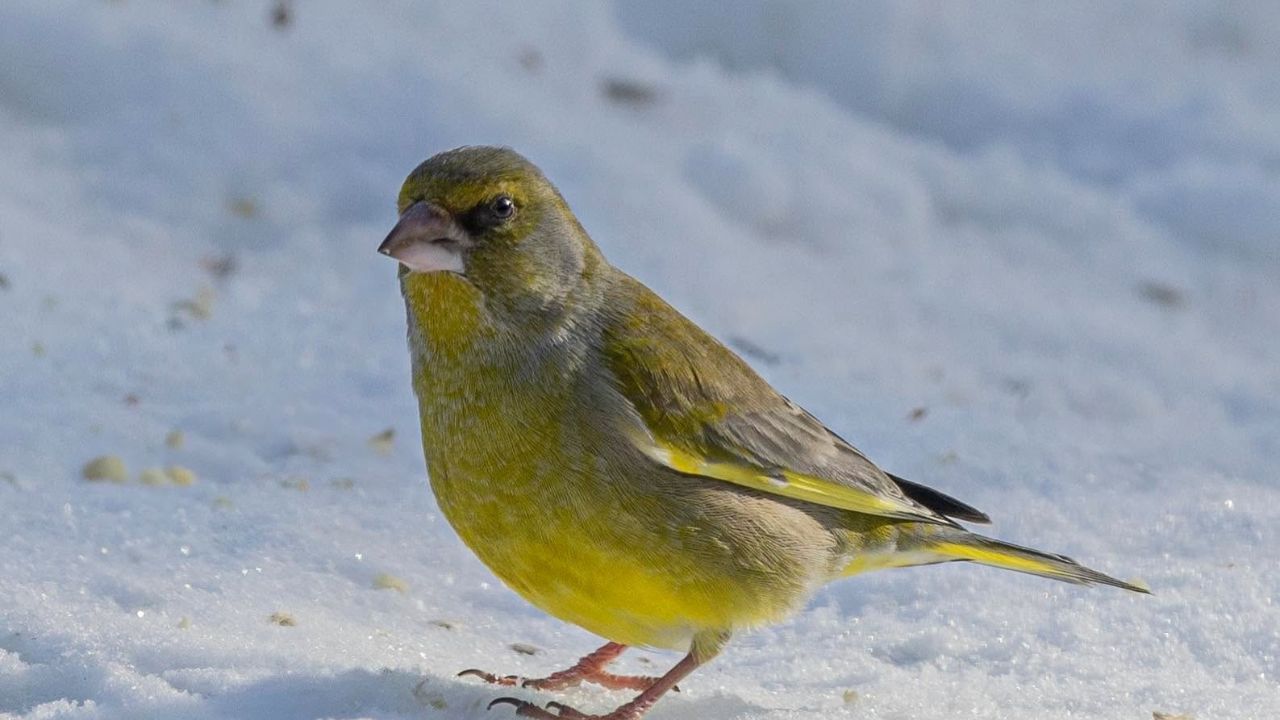

Neil has kept, bred, and sold cage and aviary birds at Paradise Pets Swindon since 1988 — over 35 years of watching how the UK’s relationship with birds, wild and kept, has changed. The Greenfinch’s collapse onto the UK Red List is one of the most significant bird conservation stories of his career. This is his honest reflection on what it means, and what every pet bird owner can genuinely learn from it.
I remember Greenfinches being everywhere in gardens across Swindon when I started this shop in 1988. A genuinely common bird — bright, social, a regular at any feeder with sunflower seeds on offer. I did not think of it as a species that needed protecting. Nobody did. It was simply there, the way House Sparrows and Blue Tits were there.
It is not simply there anymore. The Greenfinch is now on the UK Red List — the official category for birds of highest conservation concern — following a population collapse of more than 65% over the past three decades, amounting to an estimated loss of over two million individual birds. One detailed assessment of UK species against international IUCN criteria found the current rate of decline was severe enough that the species would actually be rated as Endangered by those standards specifically, which gives some sense of how serious this particular collapse has been, even within a Red List that already represents the UK’s most concerning bird species.
I have sold bird feeders and seed at this counter for 35 years, and I do not think I have seen a more striking single-species story than this one. It deserves attention in its own right. But I also think it carries genuine, specific lessons for anyone who keeps a pet bird, and I want to lay those out honestly rather than just retell the conservation story on its own.
What Has Actually Happened To The Greenfinch
The numbers are worth stating plainly, because the scale genuinely matters. Greenfinches have declined by more than 65% over the past three decades according to UK monitoring data, with some assessments specifically measuring a 67% drop between 2008 and 2018 alone — a remarkably steep fall within just a single decade. The species moved from being unlisted as a conservation concern as recently as 2015 to being added directly to the Red List, the UK’s highest tier of bird conservation concern, in the 2021 assessment.
This was not a slow, ambiguous decline that crept up gradually over generations. Population data shows Greenfinch numbers actually increased through much of the 1990s, followed by a sudden, sharp fall connected to a specific, identifiable cause. That cause is a disease called trichomonosis, caused by a parasite that affects the digestive tract and makes it difficult for birds to eat, drink, or breathe properly.
Why This Particular Disease Hit This Particular Bird So Hard
Trichomonosis is not new — it has affected pigeons, doves, and birds of prey for a long time, where it is known by different names such as canker or frounce. What changed in the mid-2000s was its emergence in British finches, first documented in 2005, with significant outbreaks following in 2006 and 2007.
The disease spreads through regurgitated food and saliva, both directly between birds feeding one another and indirectly through shared, contaminated food and water sources. Greenfinches are highly social birds that gather in flocks and feed readily, often in large numbers, at garden feeders — precisely the kind of concentrated, repeated-contact environment in which this particular disease spreads most efficiently. The species’ sociability, normally an attractive trait that made it such a familiar garden visitor, became the very thing that made it especially vulnerable once a disease capable of exploiting that social feeding behaviour appeared.
This is the part of the story I think carries the clearest lesson, and it is one I will come back to throughout this article: an animal’s most normal, healthy behaviour pattern can become the exact route through which a serious threat spreads, once the surrounding conditions change in the wrong way.
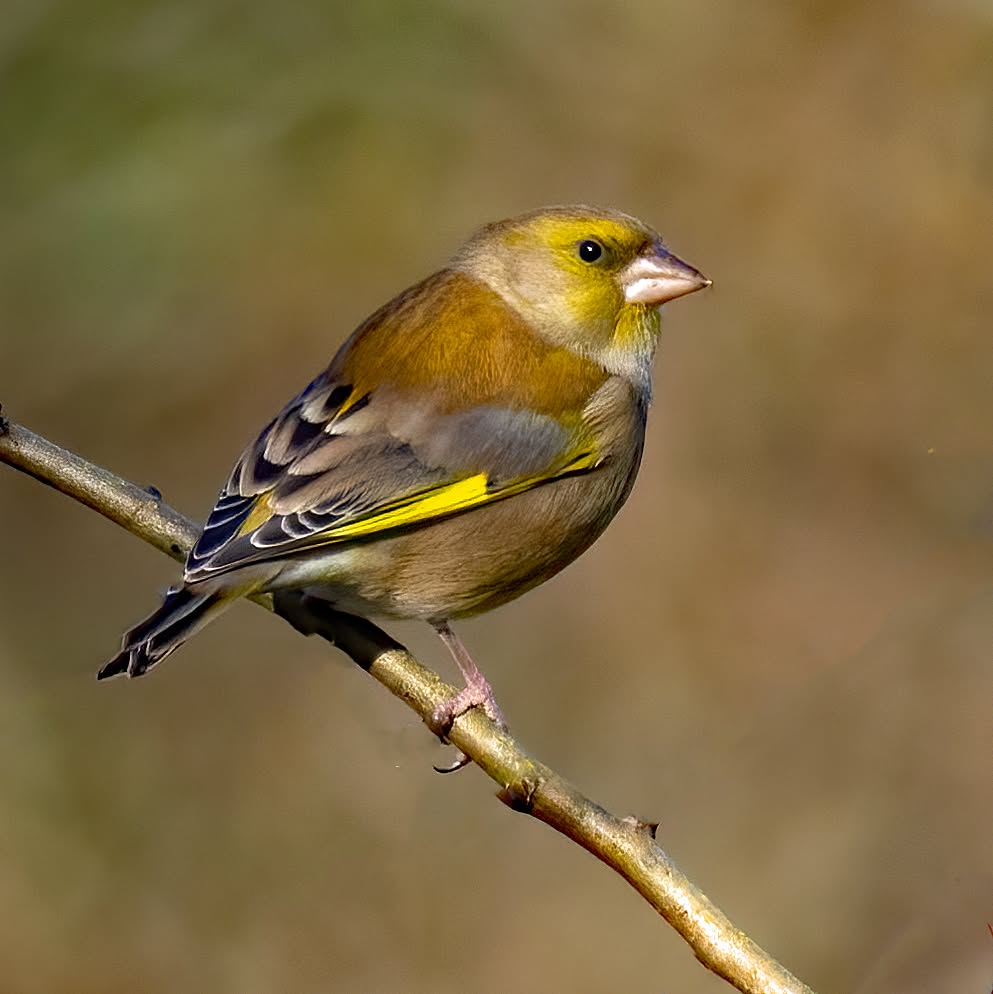
The First Lesson — Social Gathering Points Are Disease Multipliers
For 35 years, I have sold feeders and recommended setups without giving nearly enough thought to a fairly basic principle: any point where multiple animals gather repeatedly to eat, drink, or interact becomes a concentrated opportunity for disease to spread between them, in a way that simply would not happen if those same animals were spread out and not sharing the same contact points.
This applies directly to pet bird keeping, not just wild garden birds. If you keep more than one bird — a pair of budgies, a small aviary, a flock of finches — every shared food bowl, water dish, and perch is a potential transmission point for anything one bird is carrying, healthy-looking or not. The Greenfinch situation is, in a sense, a large-scale, visible demonstration of a risk that exists at a smaller scale in every multi-bird household, every single day.
The practical lesson is not to avoid keeping birds in groups — most species genuinely need company, as I have written about elsewhere regarding both budgies and guinea pigs. The lesson is to take feeding and watering hygiene as seriously in a household aviary as the RSPB is now asking the entire country to take it in gardens.
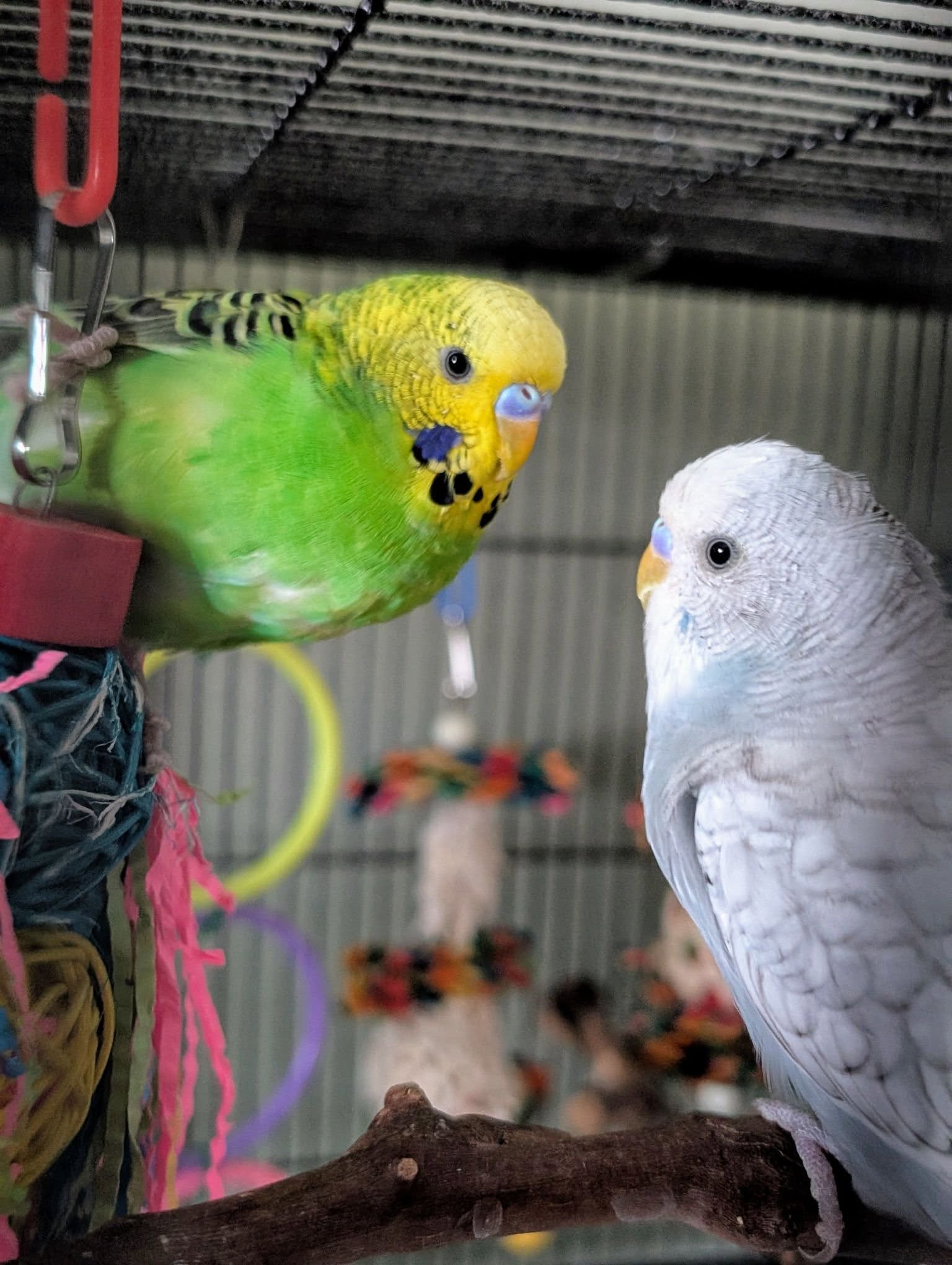
The Second Lesson — A Disease Can Be Present Long Before It Looks Like A Crisis
Trichomonosis was first documented in British finches in 2005. The dramatic, headline-level population collapse became fully apparent only over the following two decades. There was a real gap between the disease establishing itself and the scale of its impact becoming undeniable.
For an individual pet bird owner, this translates into a genuinely important habit: do not wait for dramatic, obvious signs before you take a health concern seriously. The early signs of illness in birds — subtle changes in droppings, slightly reduced activity, small shifts in weight — are exactly the kind of thing that, multiplied across an entire population over years, produces a collapse like the Greenfinch’s. Catching a problem in a single bird early, rather than waiting for it to become unmistakable, is the individual-scale version of exactly the surveillance gap that allowed trichomonosis to do as much damage as it has at the population scale.
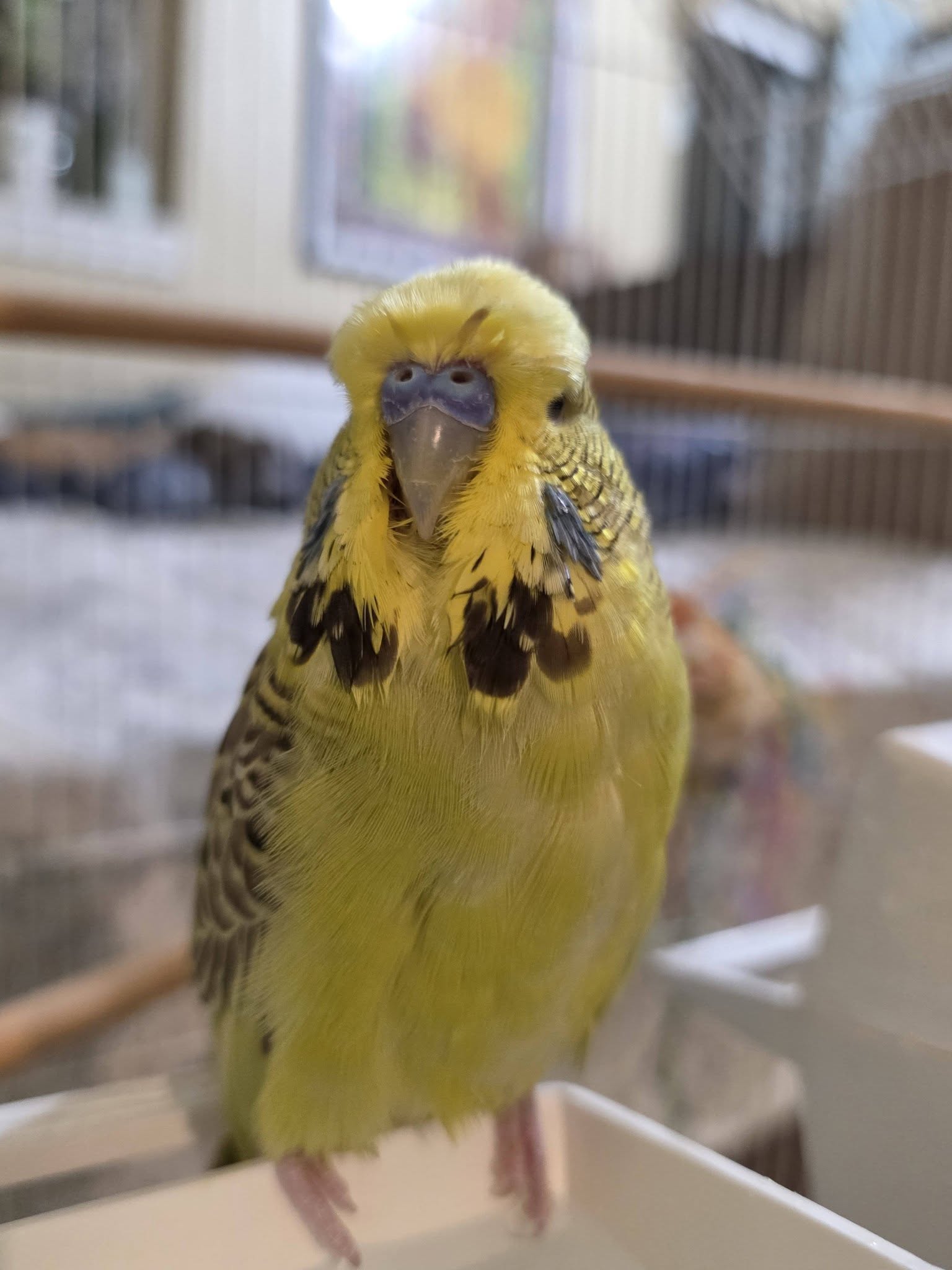
The Third Lesson — Good Intentions Can Have Unintended Consequences Without Proper Knowledge
This is, to me, the most important and most uncomfortable lesson in the entire Greenfinch story, and it is one I think applies directly to how many of us have approached pet bird keeping as well as garden bird feeding.
Feeding garden birds is an act of genuine care, done by millions of people who love birds and want to support them. And yet the way most of us were taught to feed — flat-surfaced tables, infrequent cleaning, year-round seed regardless of season — turned out to be part of what allowed trichomonosis to spread as effectively as it has. Nobody fed birds badly on purpose. The advice itself, built up over decades of well-meaning practice, had simply not caught up with what is now understood about disease transmission.
This same pattern shows up regularly in pet bird keeping. Cages sold and marketed as “suitable for budgies” that are, by current welfare understanding, genuinely too small. Seed-only diets recommended for years before nutritional research caught up with what birds actually need. Good intentions, built on outdated information, producing outcomes nobody intended. The Greenfinch’s situation is, in that specific sense, a larger, more visible version of a pattern that plays out in individual households every day — and it is exactly why I think it is worth regularly questioning whether the advice you are following for your own bird reflects current understanding, rather than assuming that because something has always been done a certain way, it remains the right way to do it.
What’s Actually Being Done — And What It Tells Us About Recovery
There is a genuinely hopeful element to this story worth including, because the Greenfinch’s situation has not simply been left to continue unaddressed.
The RSPB, working with the British Trust for Ornithology and the Institute of Zoology, has updated its garden bird feeding guidance significantly in direct response to this specific disease — pausing seed and peanuts during the higher-risk summer and autumn months, retiring flat-surfaced feeders, and emphasising weekly cleaning and daily water changes. This represents a genuine, evidence-led change in long-standing practice, made specifically because the previous approach was found to be part of the problem.
That willingness to change established practice in light of new evidence is, I think, the single most important thing any of us — conservation bodies, pet shops, individual owners — can take from this whole episode. The Greenfinch population may recover meaningfully if this updated guidance is followed widely enough and for long enough, and that possibility exists specifically because the underlying cause was identified and addressed rather than ignored.
What I’d Want Every Pet Bird Owner To Take From This
Pulling the lessons together into something practical: review your own bird’s feeding and watering hygiene with the same seriousness the RSPB is now asking of the entire country, particularly if you keep birds in any group or shared-space setup. Do not wait for dramatic symptoms before taking subtle health changes seriously — the gap between early signs and an undeniable crisis is exactly where the most damage gets done, at both the individual and population level. And stay open to updating how you do things, even practices you have followed for years, if better evidence comes along — the Greenfinch’s situation exists partly because long-standing, well-meaning practice did not keep pace with emerging understanding, and that same risk applies to any of us, in any aspect of how we care for the birds in our own homes.
If you keep garden bird feeders alongside any pet birds, following the RSPB’s updated guidance protects both the wild bird population the Greenfinch belongs to, and any pet bird with proximity to that same garden environment — a connection I have written about in more detail elsewhere on this site for budgie owners specifically.
Frequently Asked Questions
Is the Greenfinch officially classified as “Endangered” in the UK?
The Greenfinch’s official UK status is Red List under the Birds of Conservation Concern assessment, which is the country’s highest tier of conservation concern for regularly occurring bird species. One specific international IUCN-criteria assessment found that the current rate of decline was severe enough to merit an “Endangered” rating by those particular standards, which reflects just how serious the situation has become even within an already high-concern category.
Could Greenfinches actually recover from this decline?
Recovery is genuinely possible if the disease driving the decline is brought under better control, which is the explicit goal of the RSPB’s updated feeding guidance. Bird populations have recovered from serious declines before when the underlying cause was identified and addressed, though it typically takes sustained effort over a number of years rather than a quick reversal.
Does keeping pet birds indoors mean I don’t need to worry about any of this?
The specific disease driving the Greenfinch decline is a genuine risk consideration mainly for birds with some outdoor exposure or contact with wild bird feeding areas, which I have covered in more detail in a separate article on this site. The broader lessons in this article — about hygiene, early symptom awareness, and updating outdated practices — apply to all pet bird keeping, indoor or outdoor.
Are other finch species also affected by this decline?
Yes, Chaffinches have also been significantly affected by the same disease, with notable population losses recorded over the past decade, and trichomonosis has been documented in several other garden bird species too, including House Sparrows, Dunnocks, and Great Tits, though finches have been hit hardest overall.
What is the single biggest thing an ordinary person can do to help?
Following the RSPB’s updated feeding guidance in your own garden — feeding seasonally, retiring flat-surfaced feeders, cleaning and relocating feeders weekly, and changing water daily — is the most direct, practical action available to most people, and it genuinely contributes to reducing disease spread at a population level when followed widely.
Where can I learn more about the disease itself rather than just this article’s broader lessons?
We have covered trichomonosis and the RSPB’s updated guidance in more detail in other articles on this site, including a specific breakdown for indoor and outdoor bird owners and a practical checklist for budgie owners.
One Last Thing From Me
I think about the Greenfinch differently now than I would have even ten years ago. It is no longer just a bird I remember being common. It is a genuine case study in how quickly something we assume is permanent — a familiar species, a settled way of doing things — can change, and in how good intentions without updated knowledge can quietly contribute to exactly the outcome nobody wanted.
After 35 years in this trade, the thing I keep coming back to is this: the birds in our care, wild or kept, are relying on us to keep learning, not just to keep doing what we have always done. The Greenfinch’s story is a difficult one, but it is also, genuinely, an instructive one — and I think every pet bird owner, including me, has something real to take from it.
If you want to talk through anything in this article, or have questions about your own bird’s care, come and find us at Manor Garden Centre, Cheney Manor, Swindon SN2 2QJ. Get in touch here or call 01793 512400.
Want To Talk Through Your Bird’s Care? Come And See Us
Whether it is garden bird feeding, an aviary setup, or general pet bird care, we are happy to talk it through honestly. Come in and ask us anything.