
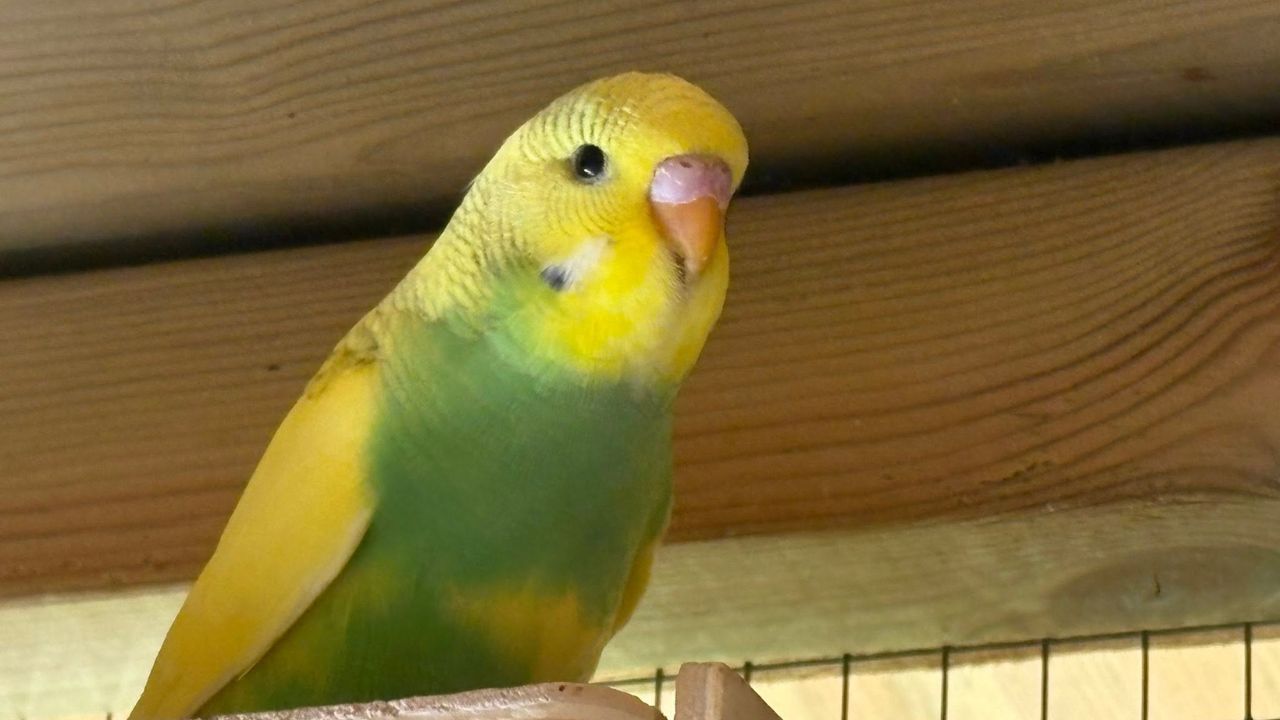

Neil has run Paradise Pets Swindon since 1988 — over 35 years of selling budgerigars, cockatiels, canaries, finches, and watching which birds genuinely thrive in UK homes and which ones struggle. In 2026, the budgerigar remains the UK’s most popular pet bird by a considerable margin. This is his honest account of why that is, what it actually means for owners, and what has not changed in 35 years of telling people the same thing.
Somebody asked me last week which bird I would recommend if they had never kept one before and were not sure where to start. It is the question I get asked more than any other at this counter. I have been asked it hundreds of times over the years — possibly thousands — and my answer has not changed once in 35 years.
A budgerigar. Almost always, a budgerigar.
That answer is not laziness and it is not a sales pitch. It is the conclusion I have arrived at from watching more combinations of people and birds than I can count, and seeing which ones work and which ones do not. The budgerigar keeps coming out on top, not because it is the most impressive bird or the most exotic, but because it is the most consistently well-suited to the reality of how most people in the UK actually live.
The data, as it happens, agrees with me. In 2026, the budgerigar remains the single most popular pet bird in the United Kingdom by a significant margin — with over a million kept across British homes, making it not just the most popular pet bird but the most numerically common exotic pet species in the country full stop. That is a number that has held up for decades, through changes in housing, changes in lifestyle, changes in what is fashionable, and changes in what else is available. The budgie has outlasted every trend and outlasted every competitor that was supposed to replace it.
I want to explain why I think that is, what it has taught me, and — because this is always the more useful half of any conversation — what it means for anyone considering getting one in 2026.
Why The Budgerigar Has Been Number One For Decades
The honest answer is that the budgerigar fits the UK better than almost any other pet bird, and it does so across every dimension that actually matters to real people living real lives.
It is small. The average UK home has become smaller over the decades I have been running this shop, and a bird that thrives in a well-set-up cage of a size most rooms can accommodate has a natural advantage over species that need larger spaces or outdoor aviaries. The budgie does not require a spare room. It does not require a house with a garden. It works in a flat, in a small terraced house, in a retirement apartment. That practical fit with UK living conditions is not a minor point — it is one of the main reasons the numbers have stayed where they are.
It is affordable. The purchase price of a budgerigar from a reputable source is accessible to most families, the food and equipment costs are manageable, and while veterinary care — as I have written about elsewhere this year — has become considerably more expensive, the day-to-day cost of keeping a budgie properly is not prohibitive for most households.
It is genuinely interactive. This is the part that surprises people who have not kept one before and think of budgies as background pets. A well-socialised budgerigar is an engaged, responsive, often entertaining companion. They learn whistles and words. They notice routine. They respond to the people they trust. A budgie that has been properly handled from a young age and given consistent, patient attention is a different animal from the one sitting ignored in a cage — and it is the version that has kept people coming back to buy them from me for 35 years.
And it is forgiving of the inevitable mistakes that first-time owners make. Not indefinitely forgiving — there are things that will harm a budgie seriously, and I have written about those — but more tolerant of the small errors in diet, environment, and handling that are almost impossible to avoid entirely when you are learning. For a first bird, that margin matters.
What The 2026 Numbers Actually Show
I am not an economist and I do not pretend to read industry data the way a researcher would. But the picture from 2026 is consistent enough that it is worth setting out clearly, because it tells a story that goes beyond the budgerigar specifically.
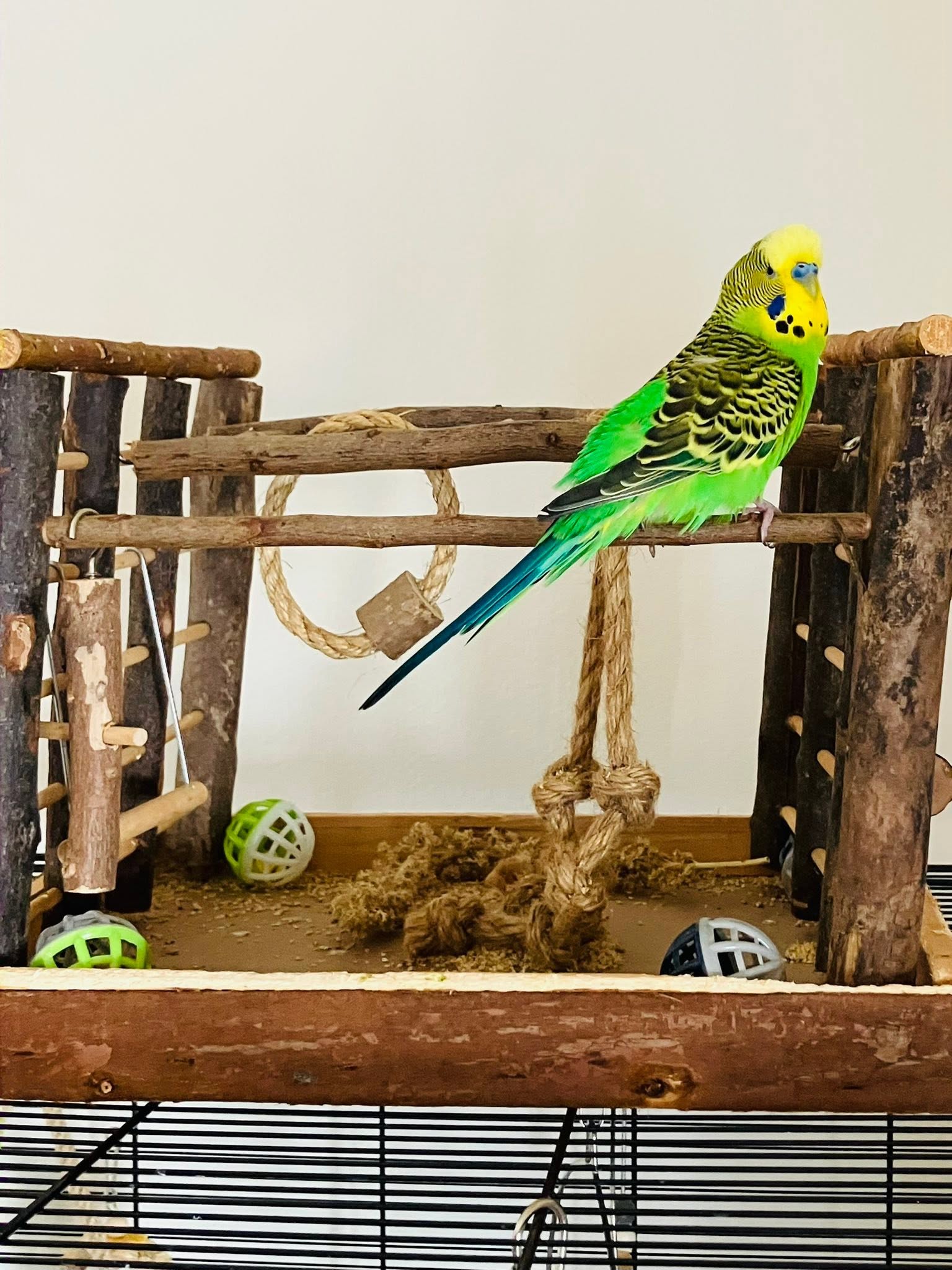
There are currently around three million pet birds kept in UK homes. The budgerigar accounts for well over a million of those — the single largest population of any exotic pet species in the country. Indoor birds as a category have moved up in the rankings of most-kept UK pets in recent years, with some surveys now placing them third behind dogs and cats. The cockatiel is the second most popular pet bird and has grown a following considerably larger than it had when I started this shop. The canary, which I regard as one of the most underrated birds in the trade, continues to hold a steady position. African Greys, lovebirds, and finches all have their devoted communities.
But the budgerigar’s lead at the top has not narrowed meaningfully. Despite the growth of other species, despite the rise of more exotic options that were barely available in the UK in 1988, the budgie remains where it has always been.
The broader context is that UK pet ownership has grown substantially over the past decade, and particularly since 2020. Around 61 per cent of UK homes now own a pet of some kind. The pandemic years brought a significant increase in pet ownership as people sought companionship during isolation, and while some of that surge has settled, overall ownership levels remain high. For birds specifically, that has meant more people discovering what the budgerigar offers for the first time — and, in my experience, often being more pleasantly surprised than they expected.
The Thing I Have Been Saying Since 1988
Here is the part that has not changed, and I want to be direct about it because it matters as much now as it ever has.
The budgerigar’s reputation for being easy has been the single most damaging thing that has ever happened to budgerigars.
I do not mean that budgies are difficult to keep. They are not. What I mean is that “easy” has come to mean, in the minds of many people who buy one, that no real thought or learning is required. That you can put a bird in a small cage with a bowl of seed and a mirror and it will be fine. That because it is cheap to buy and small to house, the standard of care required is proportionally lower.
None of that is true, and the birds pay the price for it.
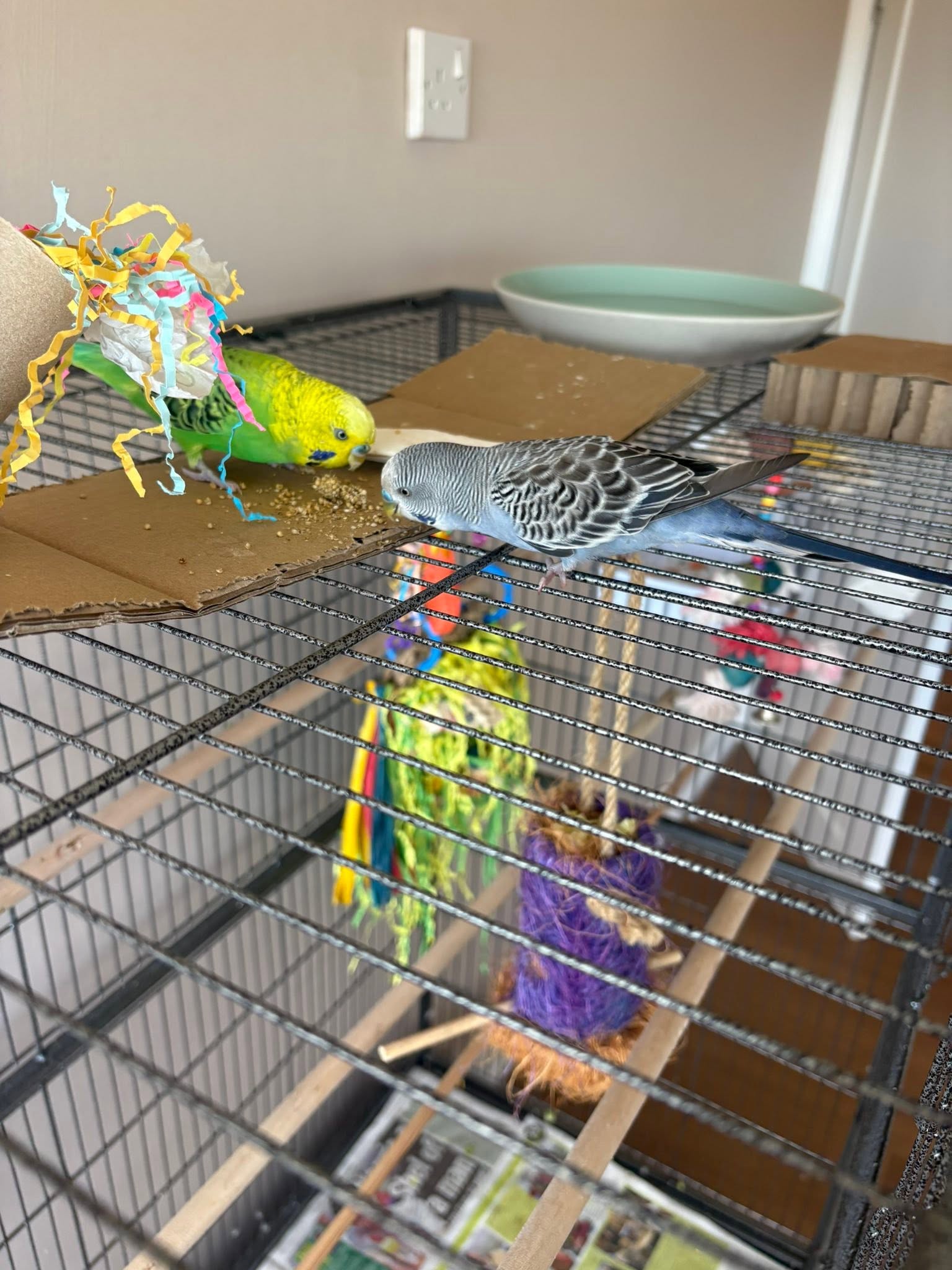
A budgerigar kept in a cage too small to fly properly, fed exclusively on seed, given no out-of-cage time, kept alone without adequate interaction, and never observed carefully enough to catch the early signs of illness is not a well-kept budgie. It is a budgie surviving, usually not for long enough, in conditions that do not meet its actual needs. The fact that it does not complain loudly — that, like all prey animals, it is designed to conceal discomfort — means the problems are often invisible until they are serious.
What I tell every person who buys a budgerigar from me is the same thing I have been telling people since 1988. The bird is not a decoration. It is not low-maintenance in the sense of requiring no attention. It is a social, intelligent animal that needs a correctly sized space, a properly varied diet, consistent human interaction or the company of another bird, and an owner who knows what a healthy budgie looks like well enough to notice when something changes.
That is not a long list. It is entirely achievable. But it requires actually knowing it, and too many people who come through this door with a sick bird did not know it when they bought the animal.
Why The Budgie Beats Every Competitor — Honestly
I sell cockatiels, canaries, finches, and other species, and I recommend them genuinely and regularly. But I want to explain honestly why the budgerigar has held its position at the top for as long as I have been watching.
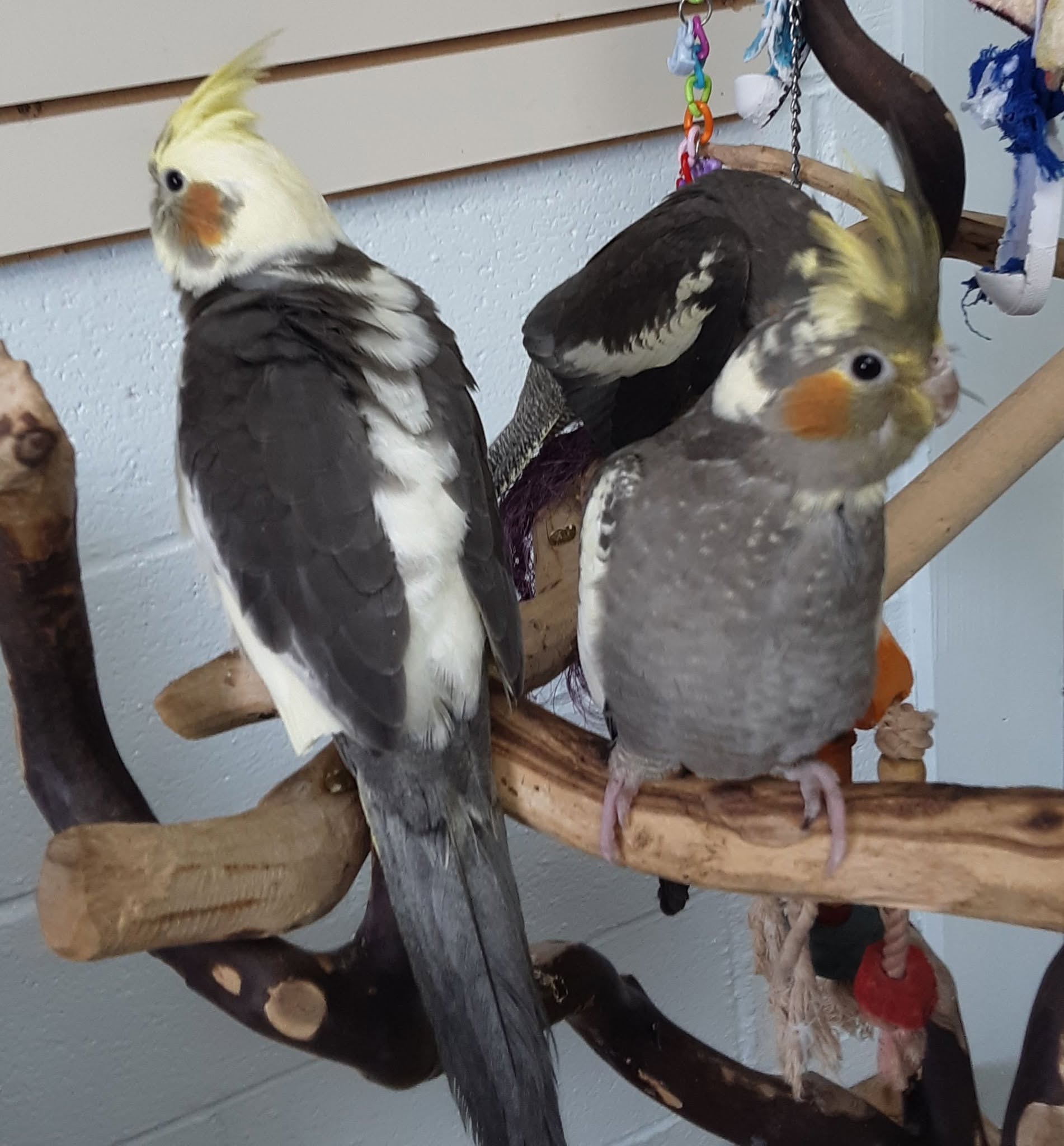
The cockatiel is a wonderful bird. It is more affectionate and often more demonstrably bonded to its owner than a budgie. It is also louder, larger, and more demanding of time and interaction. For the right owner — someone with experience, time, and a home where the noise is manageable — a cockatiel is an excellent choice. For a first-time bird owner in a small flat, it is often more than they were expecting, and not always in a pleasant way.
The canary is, in my view, one of the most underrated pets in the trade. It is beautiful, its song is genuinely extraordinary, and it is content to be admired rather than handled constantly. But it is not an interactive pet in the way a budgie is, and people who buy one expecting a budgie-like relationship are usually disappointed. The canary suits a particular type of owner very well, and suits others not at all.
The African Grey is one of the most intelligent animals you can keep as a pet, full stop. It is also a multi-decade commitment, expensive to keep properly, and demanding in ways that are difficult to overstate. I will always have a conversation with anyone considering an African Grey about whether they are genuinely ready for what that means. Most people, on reflection, are not — and that is not a criticism, it is simply an honest assessment of what the bird requires.
The budgerigar sits in a position that no other species quite occupies. It is interactive enough to be a genuine companion. It is small enough to fit any home. It is affordable enough to be accessible. It is robust enough to be appropriate for first-time owners. And it is intelligent enough to be genuinely interesting over a long period, rather than something that becomes repetitive once the novelty fades.
That combination is why the numbers look the way they do. It is not marketing. It is 35 years of watching which birds come back into the shop with their owners, and which ones do not.
What Has Changed Since 1988 — And What Has Not
Some things in this trade have shifted considerably over the 35 years I have been running Paradise Pets. The cost of veterinary care has increased dramatically, and I have written about that at length this year. The range of species available has expanded considerably — in 1988, the choice of pet birds in most UK shops was considerably narrower than it is now. The internet has changed how people research animals before they buy, which is mostly a good thing, though it has also given currency to some advice I would rather had stayed obscure.
The budgerigar’s place in the market has not changed. Nor has the gap between what people think keeping one involves and what it actually involves. Nor has the advice I give to every person who buys one.
What has changed, and I think this is worth acknowledging, is that the best resources available to new budgie owners in 2026 are considerably better than they were in 1988. There is good information available from reputable sources about diet, housing, health, and behaviour. The ability to find an avian vet — still harder in some parts of the country than I would like — has improved. The awareness that budgerigars have specific needs that differ from those of other small pets has grown, even if it has not grown as much as it should.
The opportunity to do this well has never been greater. The proportion of people taking that opportunity remains, in my honest assessment, lower than it should be.
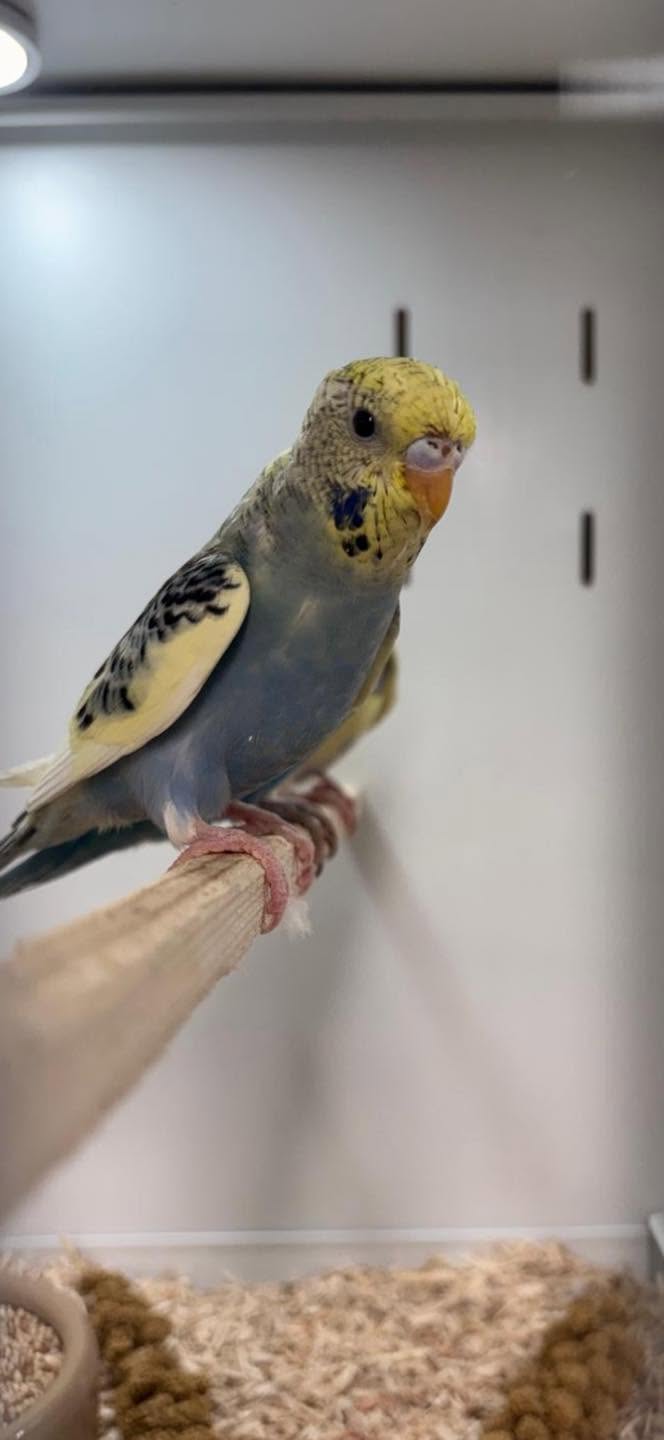
What I Would Tell Anyone Considering A Budgie In 2026
The same things I would have told them in 1988. Some of them more urgently, given what veterinary costs look like now.
Get the cage right before you get the bird. The cage sold as a “budgie cage” in many shops and online is, in a significant proportion of cases, too small. A budgerigar needs to be able to fly laterally between perches, not just hop. If you are buying a cage and it seems compact and convenient, it is probably not large enough. Come and talk to us about what we actually recommend before you spend money on something you will need to replace.
Seed alone is not a diet. A varied feeding plan that includes good quality pellets or a properly balanced seed mix, fresh leafy greens offered regularly, and cuttlebone for calcium is not complicated to provide. It is, however, meaningfully different from a bowl of mixed seed topped up without thought. The birds fed well live longer and have fewer health problems. That has not changed in 35 years.
Budget for veterinary care, not just purchase costs. In 2026, an avian veterinary consultation is not cheap, and finding a vet with genuine bird expertise can take some research depending on where you live. A savings buffer for unexpected vet bills, or appropriate pet insurance where it is available for the species, matters more now than it has at any point in my career.
Know what your bird looks like when it is well. Observe it daily. A budgerigar that is puffed up during the day, sleeping at unusual times, quieter than normal, or showing any change in droppings is telling you something. Acting on those early signals produces dramatically better outcomes than waiting until something is obviously wrong. By the time a budgie looks obviously sick, it has usually been unwell for some time.
And — because I have said this enough times that it deserves to be said plainly — consider whether one bird is really the right choice, or whether two would serve the animal better. A budgie left alone for significant portions of the day without adequate interaction is a budgie under a level of social stress that has real consequences for its health. Two budgies kept well cost only marginally more than one and are considerably better for each other’s wellbeing.
Frequently Asked Questions
Is a budgerigar really the best first bird for a beginner?
For most people and most UK homes, yes — and I say that after 35 years of selling almost every species of commonly kept pet bird. The budgerigar offers the best combination of accessibility, interactivity, and suitability for first-time owners of any bird I know. That does not mean it requires no thought or learning. It means that the learning curve is manageable and the margin for the inevitable small mistakes of a first-time owner is realistic.
How does a budgie compare to a cockatiel?
The cockatiel is a more affectionate and often more dramatically bonded bird — it is larger, louder, and more demanding of time and interaction. For an experienced owner with the right home and lifestyle, it is an excellent choice. For a first-time bird owner in a small flat who works full-time, a budgie is usually the more honest recommendation. The cockatiel is not a harder budgie — it is a different animal with genuinely different requirements.
Why do budgies remain so popular when there are so many other options now?
Because the combination of qualities that makes a budgerigar work for most UK homes has not been replicated by another species at a similar price point and size. More exotic birds have grown in popularity, but they suit a smaller proportion of owners well. The budgie suits a very broad range of people and homes, and 35 years of watching the market tells me that fit is what drives lasting popularity rather than novelty.
What is the biggest mistake budgie owners make in 2026?
The same one they made in 1988. Assuming that because the bird is small and affordable, the standard of care required is proportionally lower. The cage is too small. The diet is seed only. The bird shows early signs of illness that are not recognised. These are not new mistakes — they are the same mistakes, made by people who were not told what to watch for. That is the conversation I would rather have before someone buys a bird than after one becomes unwell.
Is it worth getting pet insurance for a budgerigar?
Given where avian veterinary costs are in 2026, this is a question worth taking seriously rather than dismissing. Whether insurance makes sense depends on the premium available, the excess, and what the policy actually covers for birds — some policies are more useful than others for avian species specifically. A dedicated savings buffer set aside for unexpected vet costs is an alternative worth considering if appropriate insurance is not available or not affordable. The key point is that veterinary costs should be planned for, not treated as unlikely.
The Same Answer, Every Time
The person who asked me which bird to start with last week left with a pair of young budgerigars, a cage of the size I actually recommended rather than the one they had initially been looking at online, and a conversation about diet, early illness signs, and what to do if they were ever unsure about anything. They will be back for food and supplies, and I hope to see them here for years.
That is what 35 years of giving the same answer looks like in practice. Not just a bird, but the conversation that goes with it. The budgerigar has earned its place at the top of the list not by being fashionable but by being genuinely right for the people and homes it goes into when the choice is made properly.
If you are considering one, come and talk to us first. We will tell you honestly what it involves, what to avoid, and what to expect. That conversation has not changed since 1988, and it remains the most useful thing we can offer alongside the bird itself.
Thinking About Getting A Budgerigar? Come And Talk To Us First.
We will give you an honest picture of what a budgerigar actually needs — not just to survive, but to thrive. No pressure. No upselling. Just the same straight conversation we have been having at this counter since 1988.