
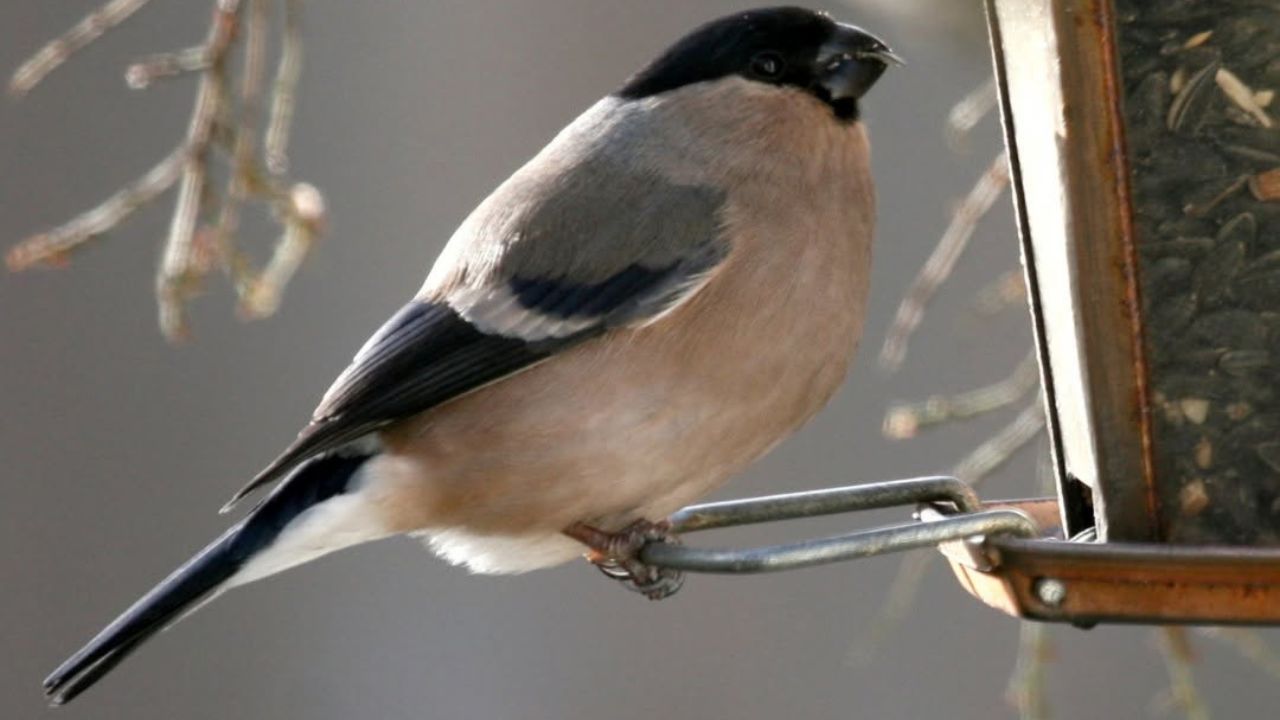

Neil has kept, bred, and sold cage and aviary birds at Paradise Pets Swindon since 1988 — over 35 years of first-hand experience with both garden birds and pet birds. Trichomonosis, the disease currently driving major declines in UK garden birds, is mostly written about in terms of wild bird welfare. This is his honest guide to what indoor bird owners specifically need to understand and do.
A customer came in last week with a question I had not been asked quite this way before. She keeps budgies indoors, takes good care of them, and had read about the disease killing Greenfinches in gardens this summer. Her question was simple: could this affect her budgies too, and was there anything she should be doing differently?
It is a genuinely good question, and one that most of the coverage of this disease — quite reasonably focused on wild bird conservation — does not really address. I want to give indoor bird owners a straight, honest answer, because the relationship between what is happening to garden birds and what it means for the budgie, cockatiel, or canary in your living room is real, but it is not the simple, direct danger some people assume when they first hear about it.
What Is Actually Killing UK Garden Birds This Summer
The disease responsible is trichomonosis, caused by a microscopic parasite called Trichomonas gallinae that infects the upper digestive tract of birds. It is not new — it first emerged prominently in British finches back in 2005, with major outbreaks in 2006 and 2007 — but it has continued to drive serious, sustained population decline ever since, and summer remains its most active season for spreading.
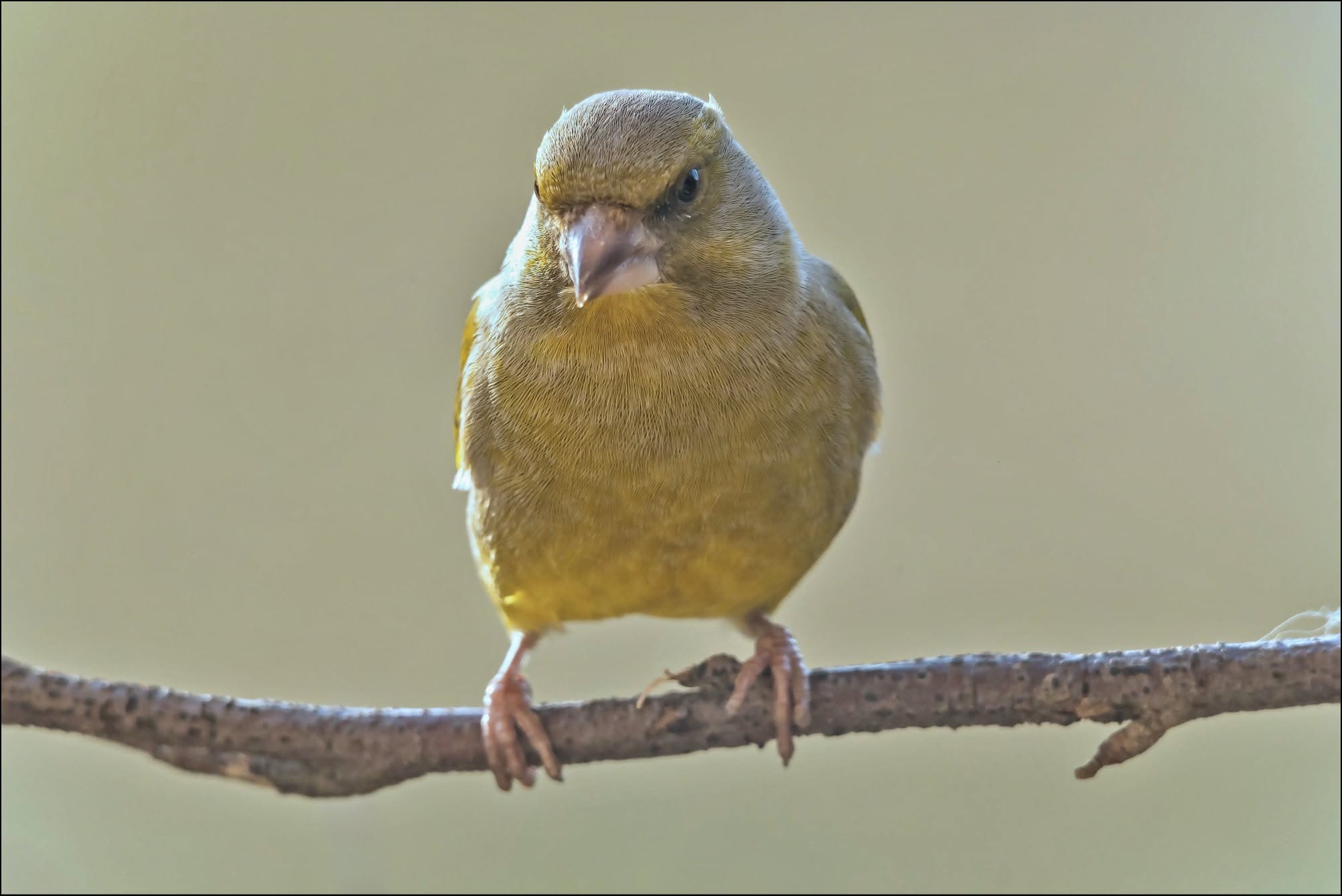
The scale of the impact on Greenfinches specifically is genuinely striking. The species has seen population declines of more than 65% over the past three decades, largely attributed to this disease, and Greenfinches are now on the UK Red List of birds of conservation concern as a direct result. Chaffinches have also been significantly affected, with population losses of nearly 40% recorded over a roughly ten-year period. The disease has additionally been documented in House Sparrows, Dunnocks, Great Tits, Siskins, and other species, though finches have been hit hardest.
This is widely described by the RSPB as potentially the largest scale mortality of British birds due to infectious disease on record. That is not a minor seasonal concern — it represents one of the most significant wildlife disease events affecting UK bird populations in living memory.
How The Disease Actually Spreads
Understanding the transmission route matters enormously for working out what it does and does not mean for indoor birds, so it is worth being precise about it.
Trichomonosis spreads through regurgitated food and fresh saliva. This happens both directly — when birds feed one another, such as parents feeding chicks, or during courtship feeding — and indirectly, when a bird contaminates a food or water source that another bird then uses. Infected birds typically develop lesions in the gullet that interfere with their ability to swallow properly, causing them to regurgitate food and water, which is precisely the mechanism that then spreads the parasite onward to other birds sharing that same source.
This is why garden bird feeders, where many individual birds from potentially many different households’ worth of visiting birds gather repeatedly at the same point, have become such effective transmission sites. The disease did not change to become more dangerous — the conditions that let it spread efficiently, concentrated feeding points with shared food and water, became more common as garden bird feeding grew in popularity.
So Can My Indoor Pet Bird Actually Catch This?
This is the central question, and I want to give an honest, properly considered answer rather than either dismissing the concern or overstating it.
The realistic route of transmission to an indoor pet bird is indirect contact with wild birds or their droppings and saliva, rather than the disease somehow spreading through the air or affecting indoor birds independently of any contact with wild bird sources. A budgie, cockatiel, or canary that lives entirely indoors, eats only its own dedicated food, and has no direct or indirect contact with wild garden birds is at very low risk through this specific route.
The genuine risk points are connections between your indoor bird’s environment and the wild bird population outside, even ones that might not seem obvious at first. This is the part of the conversation indoor bird owners are rarely warned about, and it is the actual substance of what this article is for.
The Real Risk Points For Indoor Bird Owners
Here are the specific, practical ways an indoor pet bird’s situation can connect to what is happening with garden birds outside, and what to do about each one.
Shared Outdoor Time
If your indoor bird gets supervised time in an outdoor aviary, a garden enclosure, or even brief outdoor exposure, and that space has any contact with wild bird droppings, old garden feeders, or surfaces wild birds have used, there is a genuine indirect transmission route. Thoroughly clean and, ideally, dedicate any outdoor space used by pet birds separately from areas where wild birds are regularly fed or known to gather.
Garden Bird Feeders Near Pet Bird Housing
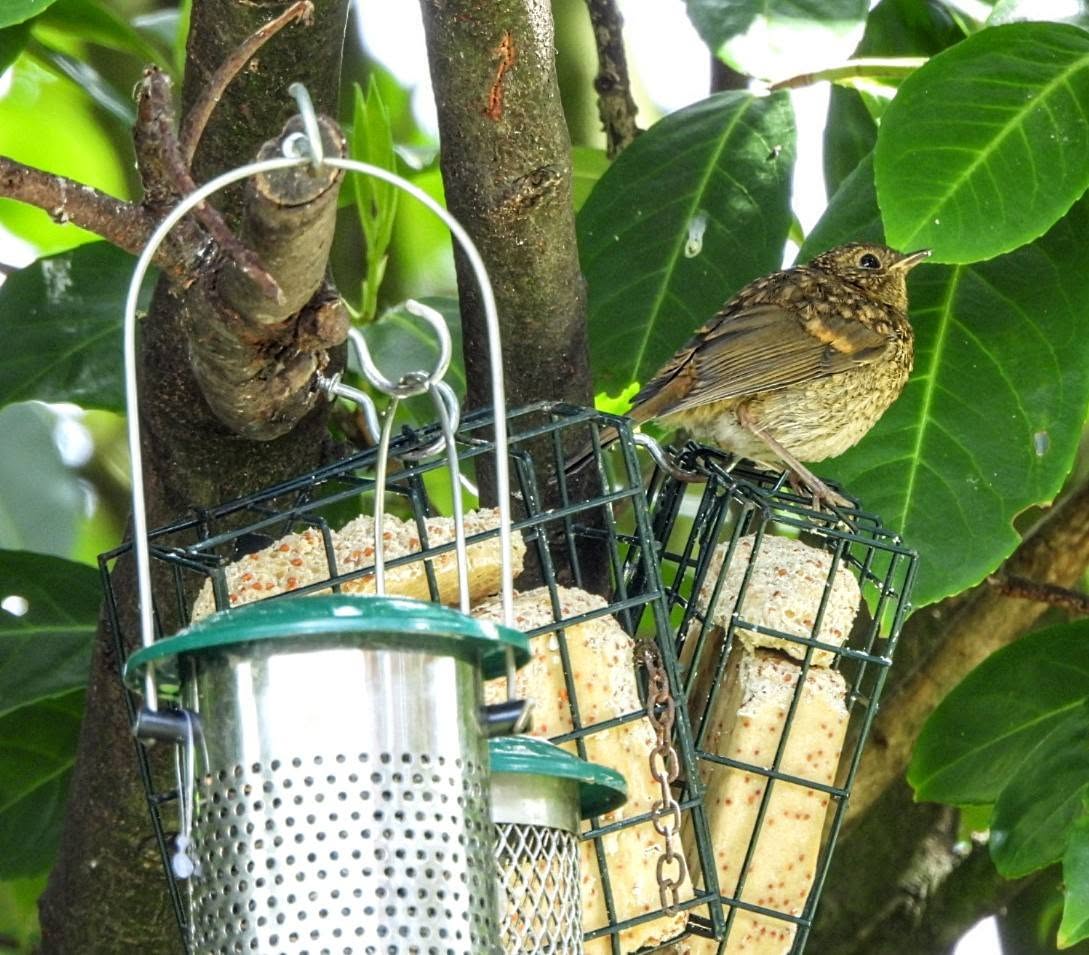
If you keep an outdoor aviary or your pet bird’s housing is near garden bird feeders, you have effectively created a shared environment between the wild bird population using those feeders and your pet bird’s space. Following the RSPB’s updated feeding guidance — described below — reduces the risk in your garden generally, which in turn reduces risk to any pet bird with proximity to that environment.
Hands, Clothing, And Equipment Crossover
If you handle garden bird feeders, clean a bird table, or otherwise come into contact with garden bird feeding equipment, and then handle your indoor bird or its food and water without washing your hands or changing clothing in between, you create a transmission pathway that has nothing to do with the birds being in the same airspace and everything to do with you being the connecting link.
New Birds Or Rescued Wild Birds
If you have ever taken in an injured or orphaned wild bird, even temporarily, proper quarantine and separation from any existing pet birds is essential. A wild bird, including a fledgling that looks perfectly healthy, can carry trichomonosis without showing obvious signs, particularly in its early stages.
What Trichomonosis Looks Like, So You Know What To Watch For
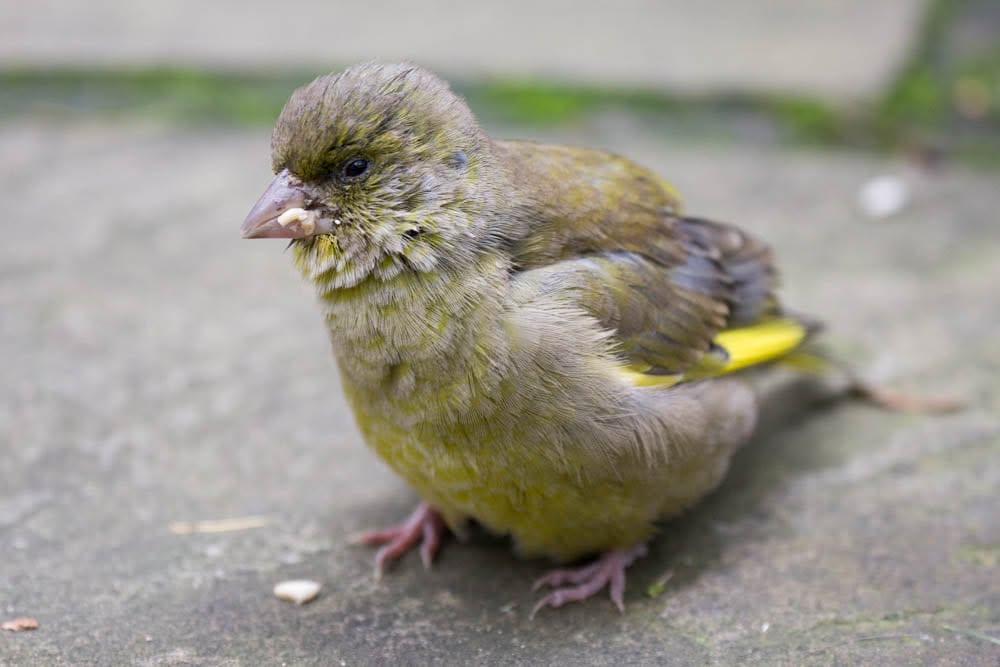
Whether in a garden bird or, in the rare event of transmission, an indoor pet bird, the signs of trichomonosis follow a recognisable pattern.
The matted, wet-looking plumage around the beak and face, combined with visible difficulty swallowing, is the combination most specific to this particular disease rather than general illness, and it is the detail worth remembering if you are ever assessing a bird — wild or kept — for the possibility of trichomonosis.
What’s Changed In The Official Advice This Year
Because of the scale of the ongoing decline, the RSPB has updated its long-standing garden bird feeding guidance significantly, working alongside the British Trust for Ornithology and the Institute of Zoology. The headline message is to feed seasonally and feed safely: pausing seed and peanuts from 1 May to 31 October, when disease risk is highest, while continuing small amounts of mealworms, fat balls, or suet year-round; retiring flat-surfaced feeders including bird tables, since research confirmed contaminated food regurgitated onto a flat surface remains available to other birds even with regular cleaning; cleaning and relocating feeders weekly; and changing any water provided every single day.
The Scottish SPCA has issued matching guidance, and has been clear that supplementary feeding during the warmer months can itself promote disease spread, which is why the advice now actively asks people to reduce, rather than simply maintain, what they put out during summer specifically.
If you are an indoor bird owner who also feeds garden birds — which a great many people are — following this updated guidance in your own garden is genuinely one of the most useful things you can do, both for the wild bird population and to reduce any indirect risk pathway into your own home.
What I’d Actually Recommend For Indoor Bird Owners This Summer
Pulling this together into practical terms: if your pet bird lives entirely indoors with no outdoor aviary time and no contact with garden feeding areas, your direct risk from this specific disease is very low, and there is no need for alarm.
If you do use any outdoor space for your pet bird, or keep garden feeders in the same outdoor area, follow the updated RSPB seasonal feeding guidance in your garden, keep pet bird outdoor equipment entirely separate from wild bird feeding equipment, and wash your hands thoroughly after handling anything related to garden bird feeders before going anywhere near your pet bird.
Never introduce a wild bird, even one you intend to help temporarily, into the same space as an existing pet bird without proper quarantine and, ideally, professional wildlife rescue guidance first.
And if you notice any of the specific signs described above in your own bird — regardless of how it might have been exposed — treat it as a genuine veterinary matter rather than something to monitor casually, since trichomonosis is treatable with prompt veterinary care but becomes considerably more dangerous if it progresses untreated.
Frequently Asked Questions
Can my budgie or cockatiel catch trichomonosis just by being in the same garden as wild birds, without direct contact?
The disease spreads through regurgitated food, saliva, and contaminated food or water sources rather than through the air, so simple proximity without any shared surfaces, food, water, or equipment carries very low risk. The realistic risk comes from shared outdoor space, equipment, or contact, not from a pet bird and wild birds simply existing in the same general outdoor area.
Is it safe to let my pet bird have outdoor aviary time during this outbreak?
It can be, provided the outdoor space is kept separate from wild bird feeding areas, is regularly and thoroughly cleaned, and has no shared food, water, or equipment with any wild bird feeding setup nearby. The risk comes from shared contact points, not outdoor time itself.
Should I stop feeding garden birds in my garden if I also keep pet birds outdoors?
You do not need to stop feeding entirely, but following the RSPB’s updated seasonal guidance — pausing seed and peanuts from May to October, retiring flat-surfaced feeders, cleaning and moving feeders weekly — reduces the disease risk in your garden generally, which indirectly benefits any pet bird with outdoor access in that same space.
How is trichomonosis actually treated if my pet bird does become infected?
An avian vet can diagnose and treat trichomonosis, generally with antiprotozoal medication. Prompt treatment generally leads to good outcomes, but the disease can become serious, including fatal, if it progresses without treatment, which is why prompt veterinary attention matters as soon as signs appear.
Are some pet bird species more at risk than others?
In garden bird populations, finches have been hit hardest, though the disease has also been documented in several other species. There is no strong evidence to suggest particular pet bird species kept indoors are inherently more vulnerable than others — the risk relates far more to exposure pathway than to species susceptibility specifically.
What should I do if I find a sick or dead wild bird in my garden?
Avoid handling it directly. If you need to move it, use gloves and wash your hands thoroughly afterward. You can report sightings of sick or dead garden birds through the Garden Wildlife Health reporting portal, which helps ongoing research into the disease, and if you find several dead wild birds together, report this through the government’s avian influenza surveillance portal as a separate precaution.
One Last Thing From Me
The customer who asked me about this left with a clearer picture than the general news coverage on its own had given her — not because the headlines were wrong, but because they were, quite reasonably, written for people thinking about garden wildlife rather than people specifically keeping birds indoors.
What is happening to Greenfinches and other garden birds this summer is genuinely serious, and it deserves the attention it is getting. For indoor bird owners, the honest takeaway is not alarm, but awareness of the specific, controllable points where your situation connects to that wider picture — and the confidence that, once you understand those points, you are in a strong position to keep your own bird safe while also doing your bit for the garden birds outside your window.
If you have any concern about your bird’s health, or want to talk through your specific outdoor setup, come and find us at Manor Garden Centre, Cheney Manor, Swindon SN2 2QJ. Get in touch here or call 01793 512400.
Got Questions About Keeping Your Pet Bird Safe This Summer? Come And Talk To Us
We stock everything you need for safe indoor and outdoor pet bird keeping, including feeder and hygiene supplies for your garden. If you have any concerns, come in and talk to us — and if your bird shows any signs of illness, please contact an avian vet promptly.
⭐ Customer Reviews
Amazing Bird Selection
Had a lovley visit today,staff were very friendly and very helpful,such a great petshop,their selection of birds is incredible,really impressed,thank so much to the staff at Paradise Pets

Friendly Helpful Staff
I have been coming to this place for years and they have a great stock of food for all types of pets. Have a great selection of small mammals and a lot of birds. Staff are friendly and helpful.

Great Quality Hutch
Bought a guinea pigs hutch and run combo, very happy with the service, the hutch was put in my car for me without even asking for help. The wood quality is very good, the instructions easy to follow and we are extremely happy with the fully built hutch. A good size for 2 guinea pigs

Response from Paradise Pets | Wiltshire
Thank you Melanie Latus Nice to provide services to you.
Best Bird Shop Around
It’s the best pet shop in and around Swindon. They always have an amazing selection of birds and all you need to keep them happy. I keep birds myself and the guys there are happy to answer questions and really know their stuff. I have seen budgies etc. in chain pet shops in the area looking really unhealthy and ill – I wouldn’t go anywhere else than Paradise Pets for animals.

Highly Recommended Bird Shop
I could not praise this shop enough. Really helped my Grandson buy his first bird and he’s loving it. Travelled from Somerset and was welcomed with open arms.

Great Shop with Competitive Prices
Great shop with amazing selection for small animals, hamsters, mice ect, highly recommend!
Also has a great selection for dogs & cats too & very competitive prices! 💖

