
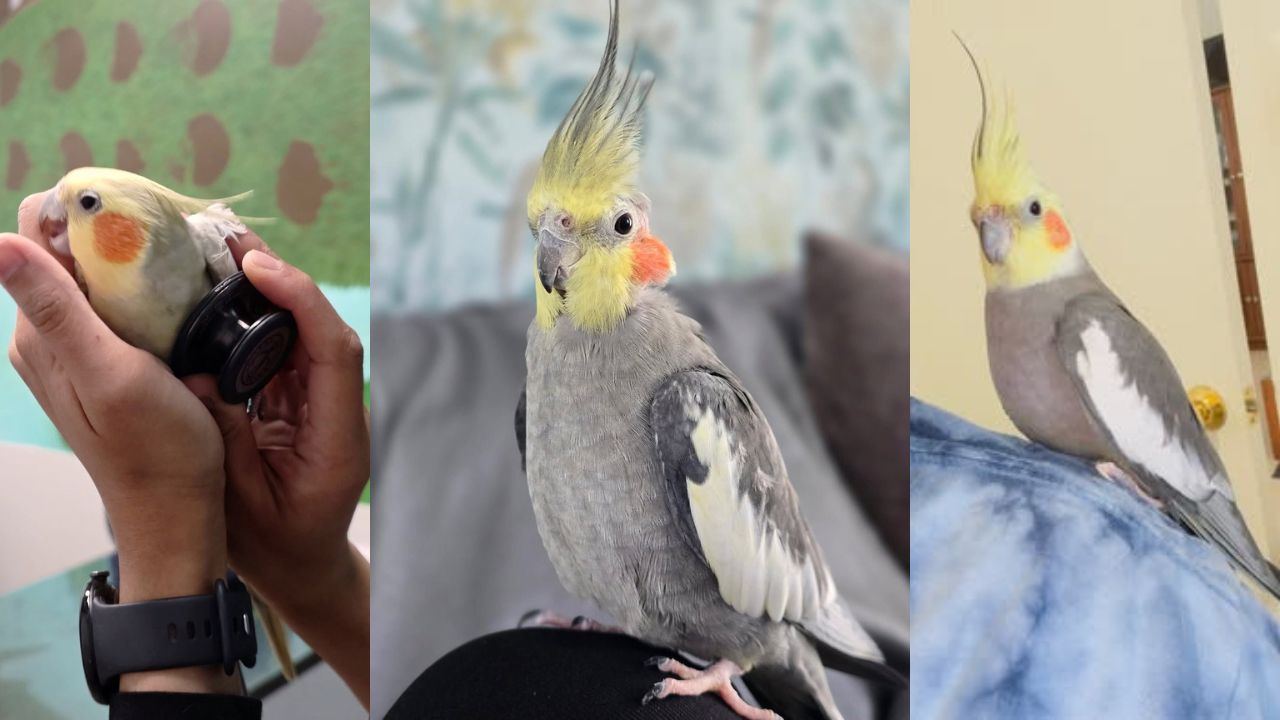

Neil has kept, bred, and sold cockatiels at Paradise Pets Swindon since 1988 — over 35 years of first-hand experience with this species. A cockatiel on the floor of its cage is one of the most consistent warning signs in bird keeping. This is his honest, urgent guide to what it means and what to do.
A man rang the shop a few months ago, audibly worried. His cockatiel — eight years old, normally a confident, noisy bird — was sitting on the floor of the cage. Not moving much. Quiet. He had never seen it do this before.
I asked him a few direct questions. How long had it been on the floor? Was it fluffed up? Was its tail bobbing with its breathing? Had it eaten that day? Was the cage warm?
He went and looked while we were on the phone. The tail was bobbing with every breath. The bird was fluffed and would not climb back to the perch when he offered his hand, which it normally took readily.
I told him to get to a vet that day, not the next morning. He did. The bird had a respiratory infection that was caught early enough to treat properly because he acted immediately rather than waiting to see if it improved overnight.
That is the conversation I want to have with you before it becomes an emergency at your end. A cockatiel on the cage floor is one of the clearest, most urgent signals a bird can give you. This article explains exactly why, and exactly what to do about it.
Why This Sign Matters So Much With Cockatiels Specifically
Birds in general are prey animals, and prey animals hide weakness as a survival strategy. A bird that looks visibly ill to a human eye has often been unwell for some time already — the outward signs only appear once the animal can no longer mask them.
Perching is not incidental to a bird’s life. It is a fundamental, instinctive behaviour. A perch keeps a bird off the ground, away from predators, and is where birds rest, sleep, and spend the overwhelming majority of their waking hours. A cockatiel choosing the cage floor over a perch is overriding one of its strongest instincts. That only happens when the bird does not have the strength, balance, or wellbeing to maintain a normal perched position.
This is why I take this sign more seriously than almost any other single behavioural change in a cockatiel. It is rarely ambiguous, and it is rarely early-stage. By the time a cockatiel is on the floor, something has usually been building for a while.
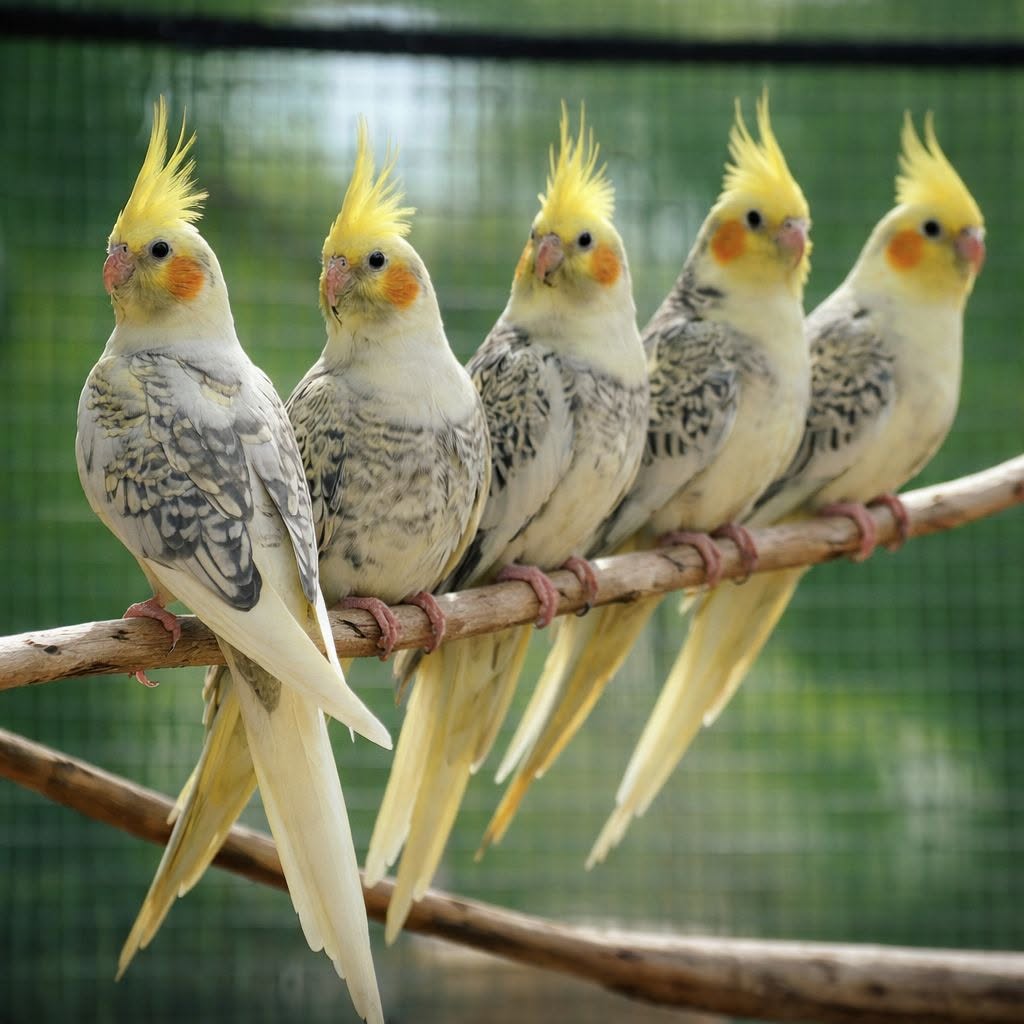
The Most Common Reasons A Cockatiel Sits On The Floor
There are several distinct explanations, and the right response depends on which one fits. I will go through them honestly, starting with the most common.
Illness — The Most Frequent Cause
Respiratory infections, digestive problems, organ issues, and general systemic illness all reduce a bird’s energy and balance. A cockatiel fighting an infection simply does not have the strength reserves to maintain a perched position for long periods, and the floor becomes the easiest place to rest.
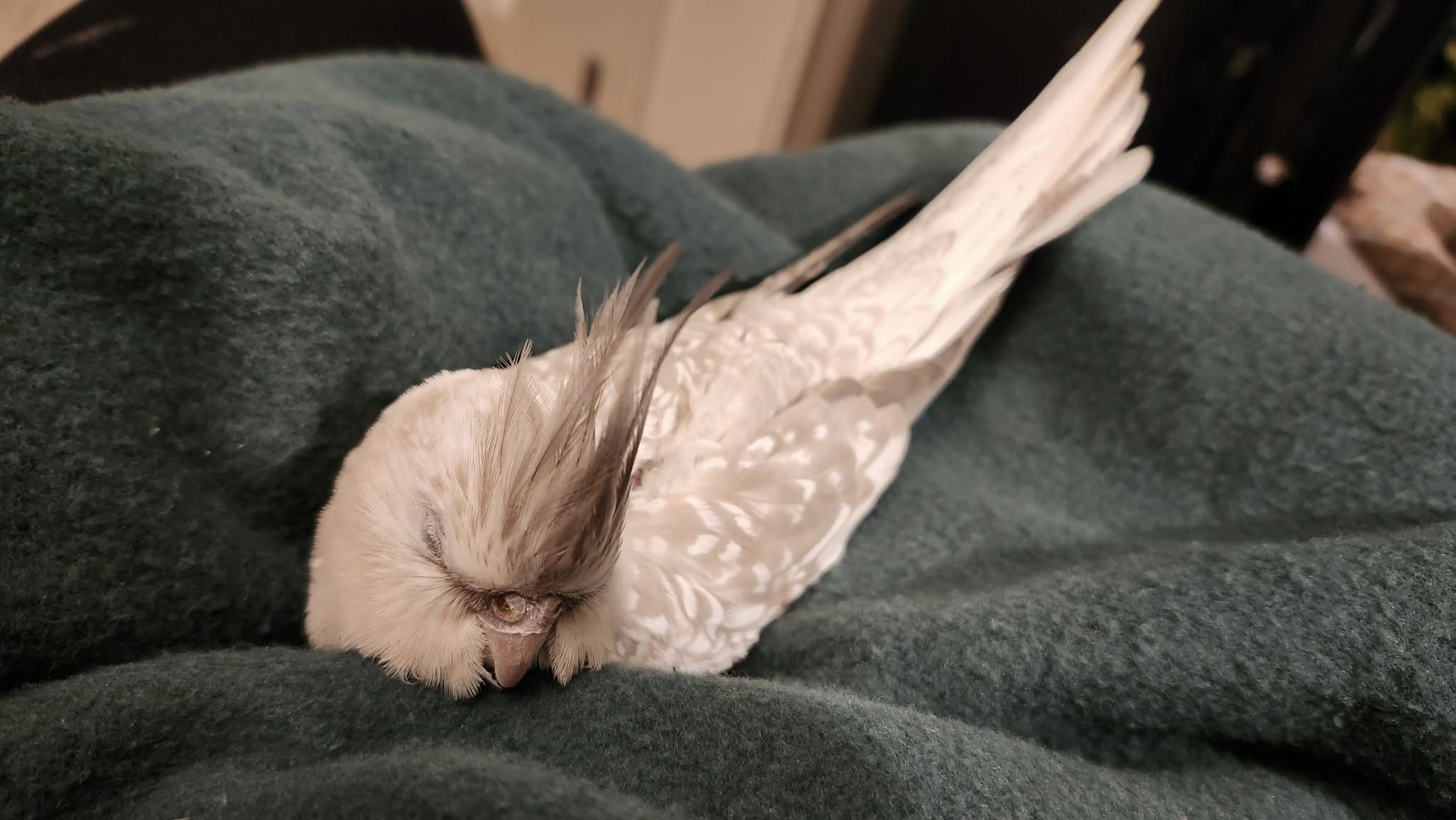
This is almost always accompanied by other signs — fluffed feathers, tail bobbing with breathing, reduced appetite, quietness, and a duller appearance to the eyes. The combination of floor-sitting with any of these additional signs moves this from a concern to an emergency.
Egg Binding — A Female-Specific Emergency
In female cockatiels, floor-sitting combined with straining, a swollen abdomen, or fluffed lethargy can indicate egg binding — a condition where an egg becomes stuck in the reproductive tract. This is a genuine emergency that can be fatal within hours if untreated.
If you have a female cockatiel and any possibility she has been laying or is of breeding age, egg binding must be considered alongside general illness. A vet visit should not be delayed for this possibility.
Injury
A fall, a collision with cage furniture, or an injury from another bird can leave a cockatiel unable or unwilling to use a perch normally. Look for any asymmetry — a wing held differently, favouring one leg, reluctance to grip. Injuries are often more visually obvious than illness once you know to look.
Old Age and Genuine Decline
Cockatiels can live 15 to 20 years, and in genuinely elderly birds, reduced strength and balance toward the end of life can mean more time spent low in the cage or on the floor. This is real, but it should never be assumed without first ruling out treatable causes — an old bird with a treatable infection deserves the same urgency as a young one.
Severe Stress Or A Frightening Environment
Occasionally a bird that has been badly frightened — by a predator outside a window, a sudden loud noise, or a new animal in the house — will crouch low or sit on the floor temporarily. This should resolve within a short period once the bird calms. If it does not resolve quickly, treat it as a health concern rather than continuing to assume stress.
The Signs That Tell You How Urgent This Is
Not every instance of floor-sitting carries the same urgency, but I want to be clear: in my experience, the safe default is to treat it as urgent until you have good reason not to.
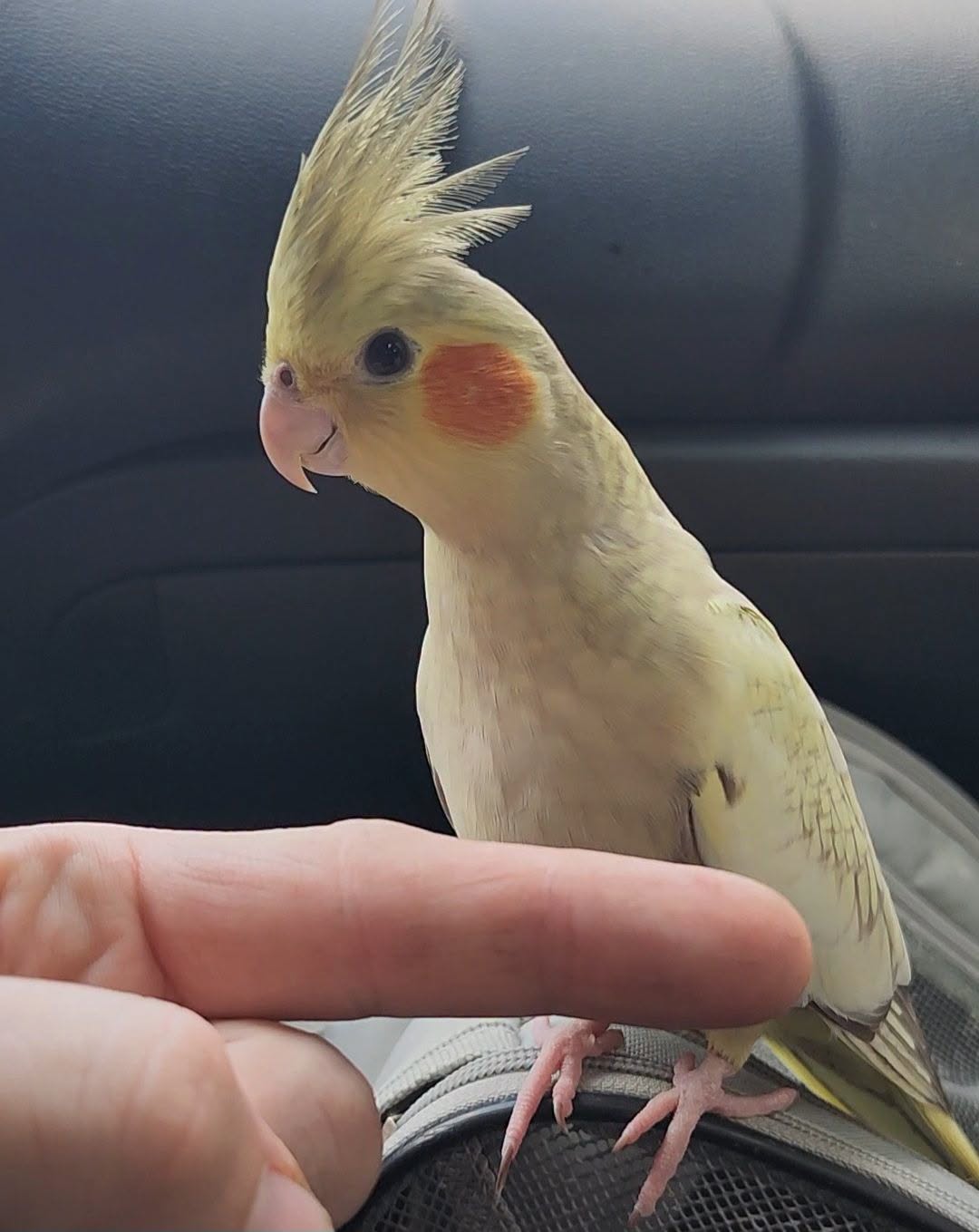
The trio that should move you to act without delay is fluffed feathers, low energy, and reluctance to perch occurring together. Individually, each can sometimes be explained away. Together, they are a pattern I take very seriously after 35 years of seeing it.
What To Check Before You Call A Vet
If you find your cockatiel on the cage floor, a calm, quick assessment helps you describe the situation accurately and decide how urgent it is.
- Is the tail bobbing with each breath?
This indicates respiratory effort and is one of the clearest urgent signs in any bird. - Are the feathers fluffed up?
Sustained fluffing is the bird trying to conserve heat and energy — a sign of poor condition. - Does the bird respond when you offer your hand or speak to it?
A normal response, even a weak one, is more reassuring than no response at all. - Has it eaten or drunk today?
Check the food and water levels, and look at the droppings on the cage floor for anything unusual. - Is it a female, and could she be carrying an egg?
Look for straining, a visibly swollen abdomen, or repeated attempts to push. - Is there any visible injury — a wing, a leg, an awkward posture?
Look for asymmetry compared to how the bird normally holds itself.
This is not a substitute for veterinary assessment. It is so that when you do call, you can describe exactly what you are seeing, which helps the vet judge urgency and gives you the clearest possible picture of what you are dealing with.
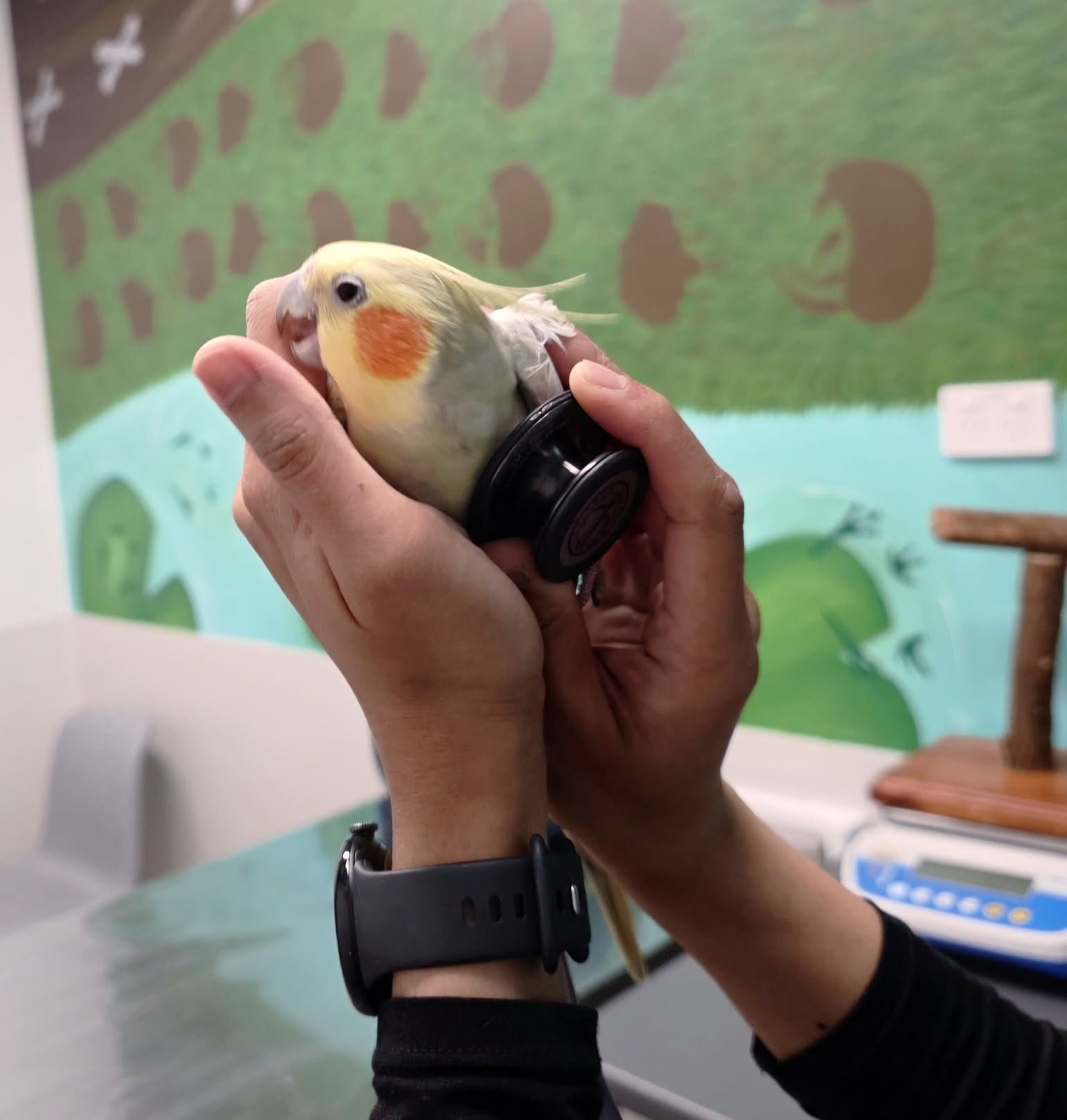
What To Do While You Arrange Veterinary Care
Keep the bird warm. A sick or injured bird loses the ability to regulate its own body temperature effectively, and warmth reduces the energy it needs to spend on staying warm, leaving more for fighting whatever is wrong. A covered cage in a warm room, or a heat source placed safely outside the cage, is appropriate.
Reduce stimulation. Move the cage somewhere quiet, away from other pets, loud noise, and excessive handling. A bird that is unwell does not need additional stress on top of whatever is already affecting it.
Do not withhold food and water in the hope the bird will perk up on its own. Leave both easily accessible, including at a lower height in the cage if the bird genuinely cannot reach a normal perch.
Do not attempt to medicate with anything you have at home, including over-the-counter products intended for other animals or for humans. Get professional guidance before giving the bird anything beyond its normal food and water.
Why Speed Matters With Birds More Than With Most Pets
Birds have fast metabolisms and comparatively small energy reserves relative to their size. An illness that might take days to become serious in a larger mammal can become critical in a cockatiel within twelve to twenty-four hours. The masking instinct compounds this — by the time the floor-sitting and other obvious signs appear, the bird has often already been compromised for longer than the visible symptoms suggest.
This is the single biggest reason I push people toward same-day veterinary contact rather than a wait-and-see approach. With most pets, a day’s delay rarely changes the outcome. With a genuinely unwell cockatiel, it sometimes does.
Frequently Asked Questions
My cockatiel went to the floor once and came straight back up — was that serious?
A single brief trip to the floor that the bird corrects on its own, with no other signs of illness, is usually not a cause for alarm. Birds do occasionally explore the cage floor briefly. The concern is sustained floor-sitting, or floor-sitting combined with fluffed feathers, quietness, or laboured breathing.
How do I get my cockatiel back onto a perch if it won’t move?
Offer your hand gently at floor level and see if the bird steps up, which it would normally do readily if it is able. If it does not respond or seems unable to grip properly, do not force it — this is itself useful information for your vet, and handling an unwell bird more than necessary adds stress on top of whatever is already affecting it.
Could low perches in the cage be the actual cause rather than illness?
Cage setup is worth ruling out. If perches are too high, too few, poorly placed, or the bird has had a previous fall that has made it nervous of height, that can contribute to time spent low in the cage. But this should be considered alongside a health check, not as an automatic alternative to one — particularly in a bird that has always used its perches normally before.
Is floor-sitting more urgent in an older cockatiel?
Age does not reduce the urgency — if anything, it should increase your attention. Older birds are more vulnerable to a range of illnesses, and while genuine age-related decline is real in cockatiels in their late teens, it should never be assumed without ruling out a treatable cause first.
What if my vet surgery is closed when this happens?
Most areas have emergency or out-of-hours veterinary services, often run by larger practices or dedicated emergency clinics. Search for emergency vet services in your area or call your usual practice’s number — most have an answering message directing you to emergency cover. Do not wait until normal opening hours if the bird is showing the urgent signs described in this article.
Can stress alone cause a cockatiel to sit on the floor for a long time?
Brief floor-sitting after a genuine fright can happen, but it should resolve quickly once the bird settles. Prolonged floor-sitting attributed to stress, without improvement over a reasonably short period, should be treated as a health concern and assessed by a vet rather than assumed to be purely behavioural.
One Last Thing From Me
The man who rang me that day did the right thing. He noticed something was different, he did not wait to see if it would resolve on its own, and he got his bird seen the same day. That decision is very likely the reason his cockatiel is still with him.
I have had the opposite conversation too many times over 35 years — an owner who noticed the same sign, assumed it would pass, and came in the next day or the day after with a bird that was much harder to help.
A cockatiel on the cage floor is not something to monitor over a few days and see how it goes. It is something to check thoroughly, right then, and act on immediately if anything about the picture looks wrong. That single piece of knowledge — knowing this sign matters as much as it does — is one of the most useful things any cockatiel owner can carry with them.
If you are ever uncertain about what you are seeing, call us or call a vet. It costs nothing to ask, and the alternative can cost a great deal more.
If you want to talk through anything specific about your cockatiel’s health or behaviour, come and find us at Manor Garden Centre, Cheney Manor, Swindon SN2 2QJ. Get in touch here or call 01793 512400.
Worried About Your Cockatiel? Come And Talk To Us
We stock cockatiels and everything you need to keep them well. If something about your bird’s behaviour does not look right, come in and talk to us — and if it is urgent, please contact a vet straight away.
⭐ Customer Reviews
Amazing Bird Selection
Had a lovley visit today,staff were very friendly and very helpful,such a great petshop,their selection of birds is incredible,really impressed,thank so much to the staff at Paradise Pets

Friendly Helpful Staff
I have been coming to this place for years and they have a great stock of food for all types of pets. Have a great selection of small mammals and a lot of birds. Staff are friendly and helpful.

Great Quality Hutch
Bought a guinea pigs hutch and run combo, very happy with the service, the hutch was put in my car for me without even asking for help. The wood quality is very good, the instructions easy to follow and we are extremely happy with the fully built hutch. A good size for 2 guinea pigs

Response from Paradise Pets | Wiltshire
Thank you Melanie Latus Nice to provide services to you.
Best Bird Shop Around
It’s the best pet shop in and around Swindon. They always have an amazing selection of birds and all you need to keep them happy. I keep birds myself and the guys there are happy to answer questions and really know their stuff. I have seen budgies etc. in chain pet shops in the area looking really unhealthy and ill – I wouldn’t go anywhere else than Paradise Pets for animals.

Highly Recommended Bird Shop
I could not praise this shop enough. Really helped my Grandson buy his first bird and he’s loving it. Travelled from Somerset and was welcomed with open arms.

Great Shop with Competitive Prices
Great shop with amazing selection for small animals, hamsters, mice ect, highly recommend!
Also has a great selection for dogs & cats too & very competitive prices! 💖

