

Neil has run Paradise Pets Swindon since 1988 — over 35 years of conversations with British gardeners about the wild birds they support and the changes affecting them. A genuinely positive UK news story has been quietly unfolding over recent years — more than fifty UK councils have now gone pesticide-free, and the evidence is beginning to show that this matters for British garden birds. This is his honest, practical look at which UK councils have led the way, why the science shows it helps wildlife, and how UK households can encourage their own local council to follow.
A retired teacher came into the shop one Wednesday afternoon, beaming. She wanted to tell me about something she had noticed in her Swindon garden over the past two summers. The numbers of insects in her garden had increased noticeably. She had seen more bees and butterflies than she had spotted in decades. And the small birds — particularly Blue Tits and House Sparrows — seemed busier, feeding their chicks more actively than she had seen in years. She wanted to know whether I thought this could be connected to changes in how local public spaces were being managed.
I told her she might well be onto something. The picture is more complex than any one cause, but the broader pattern she described is one I have been hearing from UK customers for several years now — particularly from those who live in or near towns where the local council has made the decision to stop using pesticides in public spaces. The science behind why this matters is genuinely well-established. The political picture in the UK is also shifting in a positive direction. And the role of individual UK households in supporting this change is more significant than many people realise.
This article is the conversation I have at the counter with UK customers who have noticed positive changes and want to understand what is happening. By the end of it, you will know exactly which UK councils have led the pesticide-free movement, why the science shows this matters for British garden birds, what current UK political progress looks like, what your own town could do next, and how UK households can practically contribute to expanding this genuinely positive trend.
First — The Genuinely Good News
For UK customers used to a steady stream of worrying conservation headlines, here is the picture that is rarely given enough attention. The UK pesticide-free council movement has grown substantially over the past decade and is now genuinely changing how many British public spaces are managed.
What the current UK picture shows:
- More than fifty UK councils have now gone fully pesticide-free — covering parks, playgrounds, pavements, and public spaces
- Around 45% of UK councils are actively reducing or eliminating pesticide use — based on recent PAN UK survey data
- Public opinion is shifting significantly — around 65% of UK adults now believe shared public spaces should be pesticide-free
- More than 100 UK councils are taking some form of action on pesticide reduction
- A UK Bill is currently in Parliament that would ban pesticide use by all UK public authorities by 2028
- UK government is consulting on glyphosate reapproval with a decision expected before the end of 2026
- Around 55% of British people are happy to accept “untidier” public spaces in exchange for healthier wildlife
- Examples from France, Denmark, and Netherlands — where urban pesticide use has been nationally banned — provide proof of concept
This is not a story that grabs headlines the way disease outbreaks or wildlife declines do. But it is genuinely happening, and the cumulative effect across UK landscapes is becoming visible. For UK gardeners and bird enthusiasts who have been worried about the broader picture, this is the kind of positive change worth paying attention to — and supporting.
Why This Matters For UK Garden Birds — The Science
For UK readers who want to understand why pesticide reduction genuinely helps British garden birds, here is the honest picture based on recent UK research. The connection between pesticides and bird welfare is more direct and more troubling than many UK households realise.
What recent UK research has shown:
- SongBird Survival research found pesticide residues in 100% of UK garden birds tested — across blackbirds, blue tits, chaffinches, dunnocks, and goldfinches
- 88% of UK bird samples contained imidacloprid — a neonicotinoid pesticide banned for plant protection in the EU since 2018
- 72% contained fipronil — another pesticide banned for EU agricultural use since 2014
- Many of these residues originate from household pet flea treatments — which UK pet owners frequently use
- UK wild bird populations dropped 7% in England between 2018-2023 — based on government statistics
- One in six species is now at risk of extinction in Great Britain — across all wildlife
- Pesticides reduce insect populations that birds and chicks depend on — particularly during breeding season
- Pesticides contaminate UK soil and water — affecting whole ecosystems
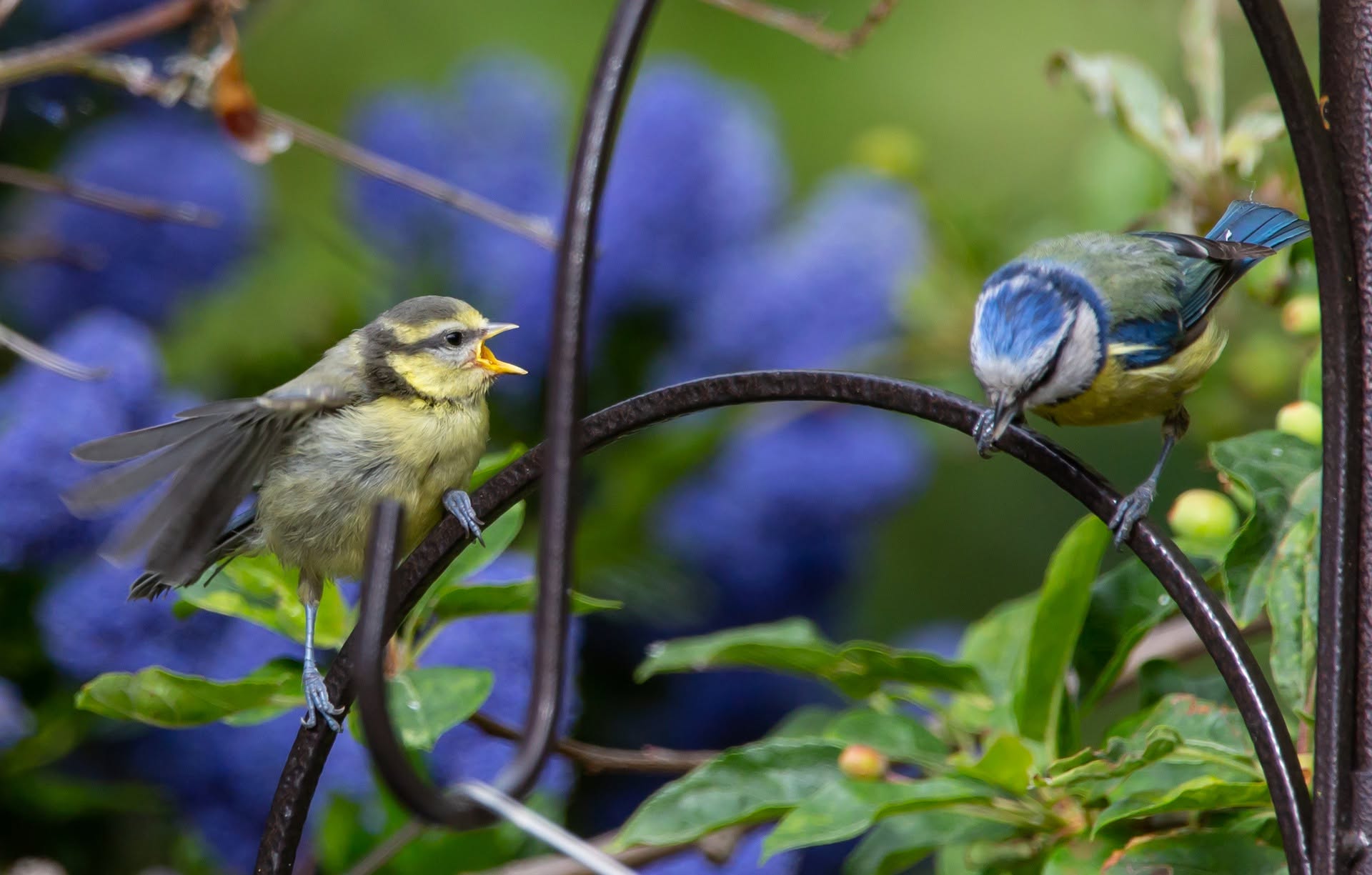
The 100% contamination figure from the SongBird Survival research is genuinely striking. UK garden birds — across multiple common species — are universally carrying pesticide residues in their bodies. Some of these chemicals are already banned in EU countries because of the harm they cause. The research suggests UK households are inadvertently contributing to bird contamination through pet flea treatments that wash off into the environment.
This is the practical reality behind why UK council pesticide bans matter. Public space pesticide use is only about 10% of total UK pesticide consumption, but it is concentrated in exactly the areas where wildlife and human communities overlap. Removing it from parks, playgrounds, pavements, and public spaces takes pressure off the species that share those environments with us.
The Direct Connection — Pesticides To Bird Decline
For UK customers who want to understand how exactly pesticide use affects British garden birds, here are the documented mechanisms based on conservation research over recent decades.
How pesticides harm UK garden birds:
- Direct poisoning — birds eating treated seeds, sprayed insects, or contaminated water
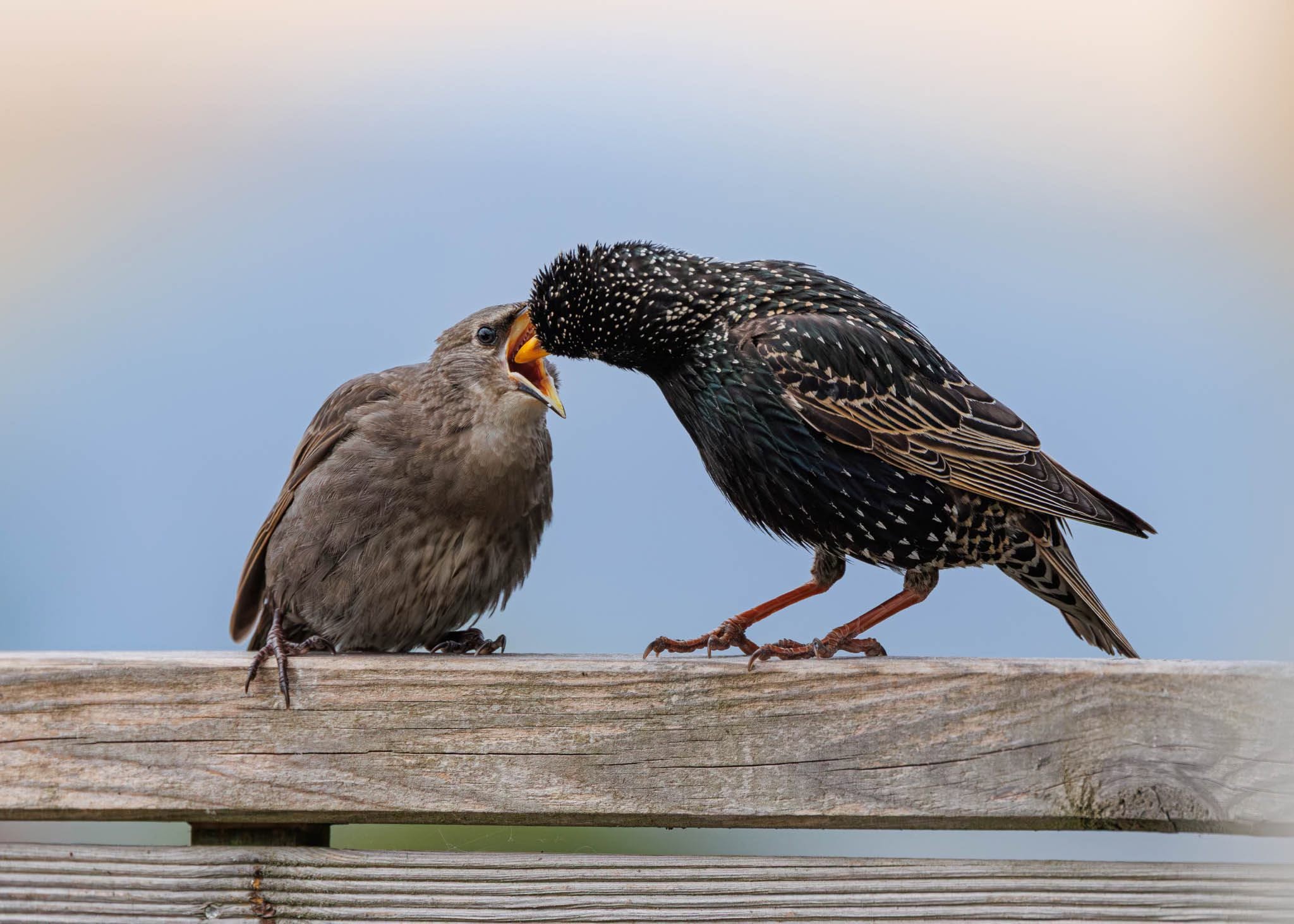
- Reduced chick survival — fewer insects available to feed young during critical breeding weeks
- Sub-lethal effects on adults — reduced fertility, weakened immune systems, behavioural changes
- Endocrine disruption — long-term reproductive and developmental harm
- Cumulative bioaccumulation — chemicals build up in bird tissues over time
- Contaminated water sources — pesticides washing off treated surfaces into ponds and streams
- Habitat destruction — loss of the wild plants and insect populations birds depend on
- Pet flea treatment contamination — chemicals from treated pets entering bird environments
None of these effects are dramatic individually. None of them produce obvious immediate bird deaths that gardeners would necessarily notice. They accumulate across populations and generations, contributing to the long-term declines that organisations like the RSPB and BTO have documented across UK garden bird species. Reducing pesticide exposure — through council bans, household choices, and agricultural reform — removes some of the pressure that has been mounting for decades.
For more on UK garden bird welfare trends, our recent article on the 2026 RSPB Big Garden Birdwatch results covers the latest UK garden bird data, and our article on why house sparrows topping Britain’s garden bird list hides a worrying sign covers the longer-term decline story in detail.
Which UK Councils Have Led The Way
For UK households wondering whether their own council is part of the pesticide-free movement, here is the broader picture of how UK councils currently compare. Practices vary enormously across the country, and the variation matters.
What the most recent PAN UK survey of UK council pesticide use showed:
- UK councils reported using 354 tonnes of pesticides in 2024 — roughly equivalent to 23 double-decker buses of chemicals
- The vast majority of these are herbicides (weedkillers) — used largely for cosmetic purposes
- 73% of UK councils still use pesticides in parks and green spaces
- Only 23% of UK councils reported using no pesticides on hard surfaces (pavements, paths)
- 47% of UK councils keep playing fields pesticide-free — the best-performing category
- 34% manage cemeteries without pesticides
- 26% manage their parks and green spaces without any pesticide use
- Glyphosate remains the most widely used UK council pesticide — by a significant margin
The honest picture is mixed. Real progress has been made, with more than fifty UK councils now genuinely pesticide-free across all their operations. But the majority of UK councils continue to use pesticides somewhere in their public space management. The gap between what UK public opinion now supports and what UK councils are doing remains substantial.
If you want to know specifically what your own UK council is doing, the Pesticide Action Network UK (PAN UK) maintains tools to help residents find this out — and to contact their local councillors about it. The information is genuinely available, and the questions are reasonable for any UK resident to ask.
The International Comparison — What’s Possible
For UK readers wondering whether full pesticide-free public spaces are realistic, the international examples are instructive. Several European countries have now banned urban pesticide use entirely at national level, and their experiences provide proof that the approach works.
International examples worth knowing:
- France has banned urban pesticide use nationally — covering all public spaces
- Denmark and the Netherlands have similar national bans
- Paris has been pesticide-free for more than a decade — well-maintained throughout
- These countries have not seen public space management collapse — non-chemical alternatives have proved effective
- Wildlife populations have shown measurable benefits in pesticide-free urban areas
- The transition has been managed practically — typically over phased multi-year periods
The UK Bill currently in Parliament — tabled by Sian Berry MP — would bring the UK into line with these international examples by banning pesticide use by all UK public authorities by 2028. The Bill is making its way through the legislative process, with public consultation, lobbying activity, and political negotiation continuing. The Chemicals Minister has acknowledged the need for UK councils to reduce pesticide use but has not yet taken concrete national action.
For UK households who want to see the bigger picture change, supporting both the proposed national legislation and local council action provides genuine leverage. The combination of national pressure and local progress is what has produced change in other European countries.
How UK Councils Have Made The Change
For UK households curious about HOW councils actually go pesticide-free — and what the alternatives look like — here is the practical picture based on what has worked.
What pesticide-free UK councils have done instead:
- Adopted PAN UK’s “three-year phase out plan” — a proven framework used by many UK councils
- Invested in mechanical weeding equipment — for pavements and hard surfaces
- Used hot foam systems — environmentally safer alternative for difficult areas
- Changed public space design — reducing areas that require weed management
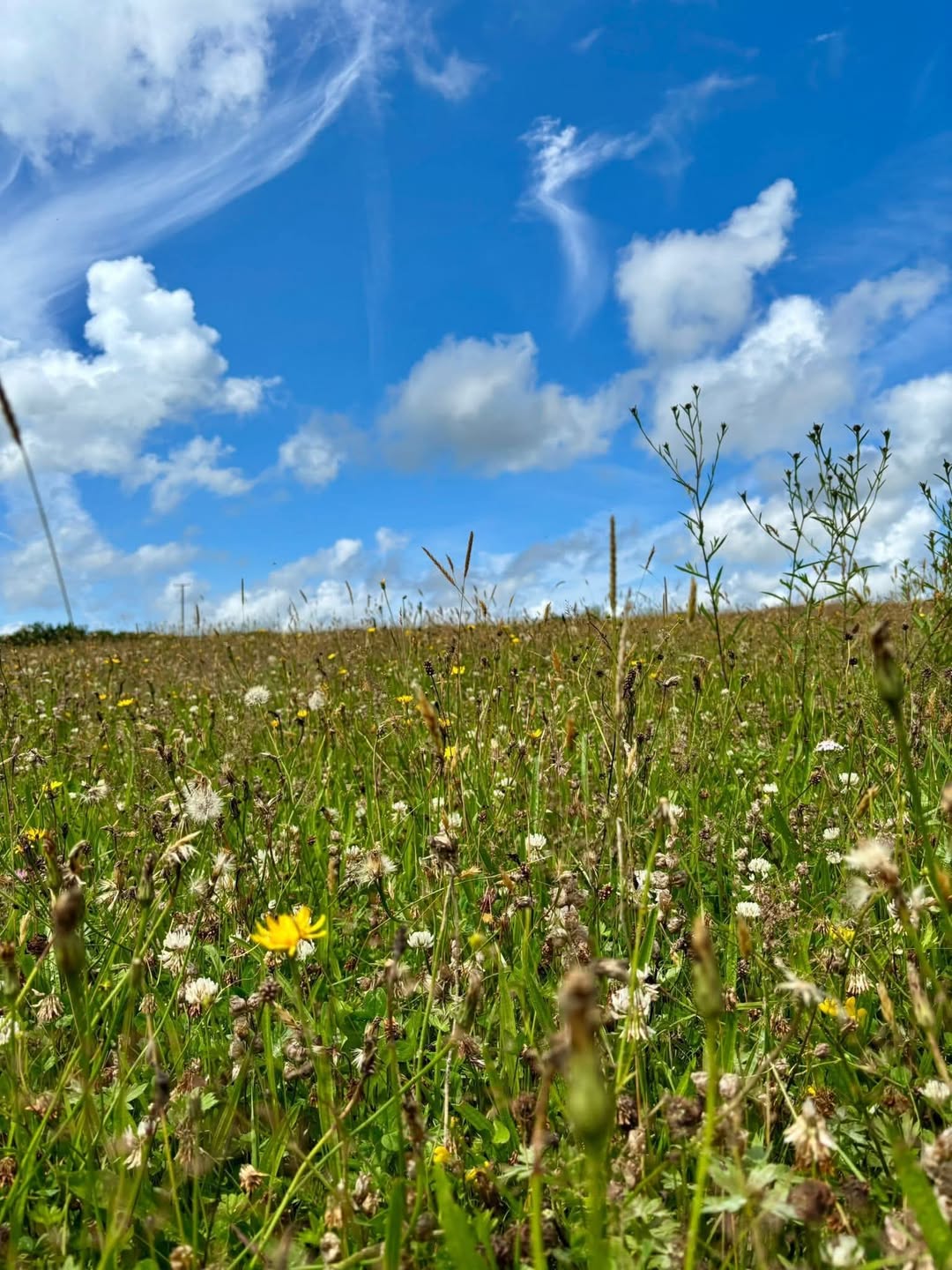
- Planted wildflower verges — replacing close-mown grass with biodiversity-friendly alternatives
- Embraced rewilding principles in parks — letting designated areas grow naturally
- Communicated with residents about changes — managing expectations around “tidiness”
- Trained staff in alternative methods — building practical expertise
The practical transition is genuinely manageable. The main challenge has typically been cultural rather than technical — UK residents and councillors getting comfortable with public spaces that look slightly less manicured than they used to. The 55% of UK adults now happy to accept “untidier” public spaces in exchange for wildlife benefits suggests this cultural shift is genuinely underway.
What Your UK Town Could Do Next
For UK residents who want their own town or council to follow the pesticide-free pathway, here is the practical roadmap based on what has worked in the councils that have already made the change.
- Find out what your UK council currently does
PAN UK maintains a database and FOI templates. Your council should answer reasonable questions about pesticide use in your area. - Contact your local councillors specifically
A direct, polite email to your ward councillors is the most effective starting point. Reference PAN UK resources and the three-year phase-out plan. - Use the PAN UK resources
Pesticide Action Network UK has templates, briefings, and guidance specifically designed for UK residents campaigning at council level. - Connect with local wildlife and gardening groups
Most UK towns have RSPB local groups, wildlife trusts, allotment societies, gardening clubs — many of whom care about this issue. - Attend local council meetings where possible
Public meetings and consultations are where these decisions get made. Visible local interest matters. - Highlight successful UK examples
Many UK councils have made the change. Referencing those examples helps your own council see the path forward. - Talk to your neighbours
Local action grows from local conversations. The more UK residents in your area asking, the more likely councils are to act. - Support the national UK Bill
Write to your MP about the Plant Protection Products (Prohibition on Public Sector Use) Bill — local and national pressure work together. - Make your own garden a pesticide-free example
Demonstrate locally that pesticide-free works. Your garden becomes part of the proof of concept. - Stay engaged over time
Change at council level typically takes 2-3 years. Persistence matters more than a single push.
The single most impactful thing most UK residents can do is contact their own councillors directly. UK councils rarely receive substantial volumes of correspondence on this issue, which means even a small number of residents asking can shift council priorities. The PAN UK three-year phase out plan provides a tested framework that UK councils can adopt without needing to invent their approach from scratch.
The Pet Flea Treatment Issue UK Households Should Know About
For UK households who want to also address what they personally contribute to UK bird pesticide contamination, the SongBird Survival research highlights an issue most pet owners are unaware of.
What UK pet owners should know about flea treatments:
- Many UK pet flea treatments contain imidacloprid and fipronil — the same chemicals found in 88% and 72% of garden bird samples
- These chemicals wash off pets into the environment — through bathing, swimming, drainage
- They are banned for plant protection in the EU — but available in UK pet products without restriction
- UK government is now investigating whether veterinary-only distribution should apply
- A government education campaign is launching for UK pet owners in 2026
- British Veterinary Association now advises against blanket flea treatment — risk assessment for individual animals
- UK pet owners can ask their vet about alternatives — for pets that swim or bathe
- Use treatments only when genuinely needed — not as routine year-round application
This is an issue UK pet owners can directly address through their own choices. The next time you take your dog or cat to the vet for flea treatment, it is worth asking whether they actually need it currently (rather than as routine), and whether a less environmentally-persistent option exists. The British Veterinary Association now formally supports this risk-based approach over blanket treatment.
The connection between UK household pet care and UK garden bird contamination is genuinely surprising, and not widely understood. Sharing this awareness with other UK pet-owning households is itself a form of supporting British wildlife.
What Individual UK Gardens Can Do — Right Now
For UK households wanting to take immediate practical action beyond council advocacy, here are the changes individual gardens can make that genuinely support British garden birds.
Practical UK garden actions that work:
- Stop using garden pesticides and herbicides entirely
The single biggest direct action UK gardeners can take for their local birds. - Use non-chemical pest management
Companion planting, hand-removal, encouraging natural predators, coffee grounds for slugs, beer traps. - Leave wild garden corners
Long grass, wildflowers, “messy” areas support the insects birds and chicks depend on. - Plant native UK plants
Hawthorn, blackthorn, native wildflowers — designed for British wildlife by evolution. - Maintain hedges rather than fences where possible
Hedges provide habitat that fences cannot. - Provide year-round water sources
Bird baths cleaned weekly, refilled daily with tap water. - Follow new RSPB feeding guidance
Seasonal approach reduces disease risk while supporting birds throughout the year. - Ask vets about risk-based pet treatments
Reduce unnecessary application of imidacloprid and fipronil products. - Talk to neighbours about pesticide-free gardening
Connected gardens multiply impact across larger areas. - Participate in citizen science surveys
Big Garden Birdwatch and similar projects track collective progress.
The 16+ million UK households estimated to feed garden birds represent a substantial collective force. If even a significant fraction of those households also commit to pesticide-free gardening, the cumulative impact across UK landscapes is genuinely significant. Individual gardens matter most when they are part of broader patterns.
Common Mistakes UK Residents Make
For balance, here are the genuine mistakes I see UK customers make when they think about local pesticide reduction. Avoiding these helps your efforts have more impact.
- Assuming their UK council is already pesticide-free — most are not; check specifically
- Believing change requires national legislation only — local action has produced 50+ pesticide-free UK councils already
- Thinking individual households cannot influence councils — direct contact with councillors works
- Focusing only on garden pesticides without considering pet flea treatments
- Expecting pesticide-free spaces to look identical to chemically-treated ones — slightly “untidier” appearance is the trade-off
- Giving up after one council communication — sustained engagement over time matters
- Not connecting with existing local groups — RSPB local groups, wildlife trusts, gardening clubs already work on this
- Believing “natural” alternatives don’t work — France, Denmark, Netherlands prove they do
- Assuming the issue is only about bees, not birds — bird research now shows direct impact
- Treating this as “someone else’s problem” — UK garden bird welfare is a shared responsibility
The single most common mistake I see is UK residents who care about this issue but assume their individual voice cannot make a difference. The reality is the opposite. UK council decisions are made by people who respond to constituent contact. A polite, well-informed letter to your local councillor — referencing the PAN UK resources and successful UK examples — has more influence than most residents realise.
Frequently Asked Questions
How many UK councils have gone pesticide-free?
More than fifty UK councils have now fully eliminated pesticide use in their public spaces, with around 45% of all UK councils actively reducing or eliminating pesticide use according to recent Pesticide Action Network UK (PAN UK) survey data. Around 100+ UK councils are taking some form of action on pesticide reduction. The movement has grown substantially over the past decade and continues to expand.
Is there a UK law banning council pesticide use?
Not yet at national level — but a Bill is currently progressing through UK Parliament. The Plant Protection Products (Prohibition on Public Sector Use) Bill, tabled by Sian Berry MP, would ban pesticide use by UK public authorities by 2028. The UK government is also consulting on whether to reapprove glyphosate, with a decision expected before the end of 2026. Several European countries (France, Denmark, Netherlands) have already implemented national bans on urban pesticide use.
Do pesticides actually harm UK garden birds?
Yes — and the recent research has been genuinely striking. SongBird Survival research found pesticide residues in 100% of UK garden birds tested across multiple common species. Imidacloprid (banned for EU plant protection use) appeared in 88% of samples; fipronil (banned for EU agricultural use) in 72%. UK wild bird populations dropped 7% in England between 2018-2023 according to government statistics. The connection between pesticide use and bird decline is well-documented through multiple research channels.
What can I do to help in my UK town?
The most impactful actions are contacting your local councillors directly to ask about your council’s pesticide use, using PAN UK resources for templates and guidance, connecting with local wildlife groups (RSPB local groups, wildlife trusts), supporting the proposed national UK Bill by writing to your MP, making your own garden pesticide-free as a local example, and talking to neighbours. The combination of local pressure and national legislation is what has produced change in other countries.
Are pet flea treatments really contributing to UK bird contamination?
Yes — and this is one of the most surprising recent findings. SongBird Survival research traced significant proportions of bird pesticide contamination back to chemicals used in standard UK household pet flea treatments. The British Veterinary Association now advises against blanket flea treatment, recommending risk-based assessment for individual animals. UK government is investigating whether these products should require veterinary distribution only. A government education campaign for UK pet owners launched in spring 2026.
What if my UK council says they cannot afford to change?
This is a common council response, but the experience of UK councils that have already made the change shows it is manageable. The PAN UK three-year phase-out plan provides a phased approach that spreads costs. Mechanical alternatives (weeding equipment, hot foam systems) involve initial investment but reduce chemical purchase costs over time. Many UK councils have found that resident acceptance of “untidier” public spaces actually reduces overall maintenance demands. Cost is rarely the genuine barrier when councils commit to the change.
Where can I get UK garden bird supplies in Swindon?
Come and see us at Paradise Pets, Manor Garden Centre, Cheney Manor, Swindon SN2 2QJ. We stock proper UK garden bird food, feeders, nest boxes, and supplies that support pesticide-free wildlife gardening. Free honest advice based on 35 years of helping UK gardens support British birds. Ring us on 01793 512400.
One Last Thing From Me
“Is anything actually getting better for UK garden birds?” is one of the questions I get from UK customers most often at the counter, and one I am genuinely glad to be able to answer with some good news. The honest answer, after 35 years of watching British wildlife trends, is — yes, something genuinely positive is happening with UK council pesticide bans. More than fifty UK councils have now gone pesticide-free. The science supports this approach helping British garden birds. UK public opinion has shifted substantially toward supporting it. A national UK Bill is progressing through Parliament. And the role of individual UK households in encouraging their own councils to follow is more significant than most British people realise. After 35 years of mostly worrying conservation news, this is one of the most genuinely hopeful developments I can point to — and one that any UK resident can actively support.
The retired teacher with the busier garden that Wednesday afternoon? She went home with a clearer picture of what she had been noticing, the contact details for her ward councillors, the PAN UK website address, and a determination to write to her council about their current pesticide use. Three months later she came back with news. She had received a substantive reply from her council acknowledging the issue, and they had agreed to provide her with information about their three-year reduction plan. It was not full success — but it was movement in the right direction, sparked by one UK resident’s polite, well-informed letter.
That is genuinely what I want for every UK household that cares about British garden birds. Not just concern about the worrying trends, but active engagement with the positive changes that are already underway. The pesticide-free council movement is one of the most successful UK wildlife campaigns of recent decades. Its expansion depends on UK residents continuing to ask their own councils to follow.
If you have a UK garden and care about the birds in it, please consider taking one small step from this article — contacting your council, writing to your MP, going pesticide-free in your own garden, talking to your neighbours, asking your vet about pet flea treatments. Any one of these contributes to a broader change that is genuinely possible and already happening in many UK communities.
If you are local to Swindon and want to come in to talk about supporting UK garden birds in any practical way, we are always happy to have that conversation. After 35 years at the counter, helping UK customers connect their personal interest in birds to the broader changes that protect bird populations is exactly the kind of conversation I most value.
Want To Support The UK Pesticide-Free Movement? Come And See Me
We stock proper UK garden bird food, pesticide-free gardening supplies, and everything British households need to support wildlife in their gardens. Free honest advice based on 35 years of helping UK gardens become genuine wildlife havens. That is how we have done things since 1988.
⭐ Customer Reviews
Amazing Bird Selection
Had a lovley visit today,staff were very friendly and very helpful,such a great petshop,their selection of birds is incredible,really impressed,thank so much to the staff at Paradise Pets

Friendly Helpful Staff
I have been coming to this place for years and they have a great stock of food for all types of pets. Have a great selection of small mammals and a lot of birds. Staff are friendly and helpful.

Great Quality Hutch
Bought a guinea pigs hutch and run combo, very happy with the service, the hutch was put in my car for me without even asking for help. The wood quality is very good, the instructions easy to follow and we are extremely happy with the fully built hutch. A good size for 2 guinea pigs

Response from Paradise Pets | Wiltshire
Thank you Melanie Latus Nice to provide services to you.
Best Bird Shop Around
It’s the best pet shop in and around Swindon. They always have an amazing selection of birds and all you need to keep them happy. I keep birds myself and the guys there are happy to answer questions and really know their stuff. I have seen budgies etc. in chain pet shops in the area looking really unhealthy and ill – I wouldn’t go anywhere else than Paradise Pets for animals.

Highly Recommended Bird Shop
I could not praise this shop enough. Really helped my Grandson buy his first bird and he’s loving it. Travelled from Somerset and was welcomed with open arms.

Great Shop with Competitive Prices
Great shop with amazing selection for small animals, hamsters, mice ect, highly recommend!
Also has a great selection for dogs & cats too & very competitive prices! 💖

