


Neil has kept, bred, and sold birds at Paradise Pets Swindon since 1988 — over 35 years of conversations with British gardeners and birdwatchers about the wild birds in their gardens. The house sparrow has just topped the British garden bird list again in the latest UK survey results — but the headline number conceals a longer-term story that worries me, and that every UK garden bird enthusiast should understand. This is his honest, practical look at what the latest figures actually mean, the worrying sign behind the apparent good news, and what UK households can do about it.
A retired teacher came into the shop one Thursday morning, holding a clipping from her local paper. The headline reported the latest UK garden bird survey results — house sparrows had once again come out on top as the most-spotted garden bird across Britain. She was, on the face of it, pleased. She had been feeding the sparrows in her Swindon garden for over twenty years and had grown to love them.
But she had also, she told me, noticed something odd over those decades. The flock that visited her garden used to be much larger. There used to be more of them. Even though the survey kept saying sparrows were “top of the list,” her garden — and gardens of friends — seemed to have fewer than they used to. She wanted to ask me whether she was imagining it.
I told her she was not imagining it. What she was describing is one of the genuine paradoxes of recent UK garden bird data — the house sparrow remains the most common garden bird by sightings, but the long-term trend tells a more worrying story. The headline number that says “sparrows top the list” hides a longer-term decline that experienced UK birdwatchers have been quietly observing for decades.
This article is the conversation I have at the counter with British garden bird enthusiasts who are paying attention to the longer story. By the end of it, you will understand what the latest UK survey figures actually show, what the worrying long-term trend behind them genuinely is, why this matters more than the headlines suggest, and what UK households can practically do to support house sparrows and other declining British garden birds.
First — What The Latest Garden Bird Survey Actually Showed
The latest UK garden bird survey results — based on hundreds of thousands of households across Britain who count the birds in their gardens over a set period — confirmed what many British birdwatchers expected. The house sparrow once again topped the list as the most-frequently-spotted garden bird in the UK.
What the survey told us:
- House sparrows appeared in more UK gardens than any other species — top of the rankings
- Blue tits, starlings, and woodpigeons followed close behind — typical top-five contenders
- The list of common UK garden birds remained largely stable — same species in similar positions year on year
- Total bird numbers per garden varied significantly by region
- Some species showed regional variation worth noting — different birds dominate different parts of the UK
- Garden bird-feeding behaviour by UK households was confirmed as widespread — millions of UK households actively support garden birds
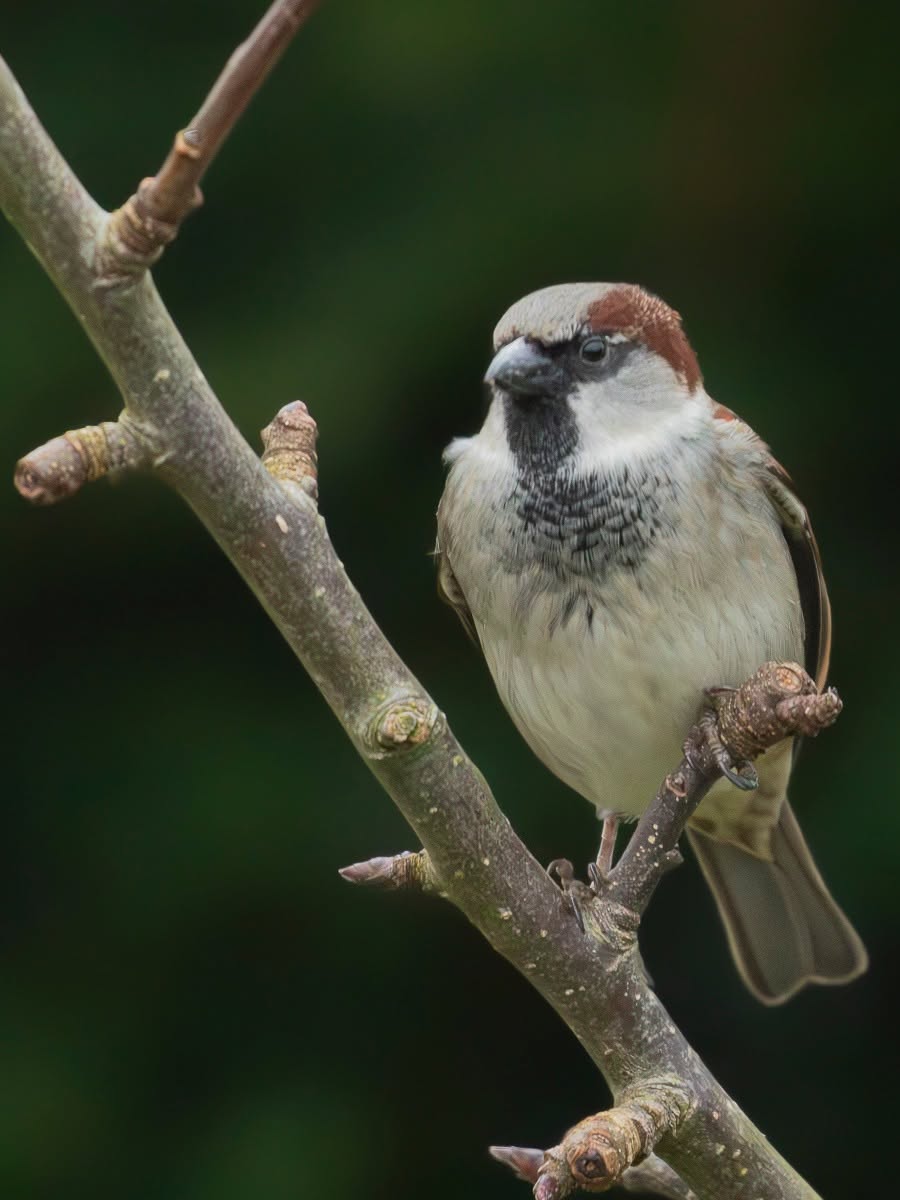
On the face of it, this is a positive picture. The most familiar UK garden birds are still the most familiar UK garden birds. British gardeners are still seeing the same species their parents and grandparents saw. The garden bird experience that has been part of British life for generations continues.
The trouble is — that is only part of the picture.
The Worrying Sign Behind The Headline
For UK gardeners and bird enthusiasts who pay attention to the longer-term picture, here is the honest story that the annual “top of the list” headlines do not tell.
What the longer-term data shows:
- House sparrow populations in the UK have declined by an estimated 60-70% since the 1970s — based on Breeding Bird Survey and other long-term monitoring
- The decline has been particularly severe in urban and suburban areas — including parts of UK cities where sparrows have nearly disappeared
- The house sparrow is now amber-listed in the UK — formally recognised as a species of conservation concern
- Average numbers per garden have fallen over decades — even though they remain widespread
- Many UK gardeners who fed sparrows in their childhoods report fewer now — anecdotal observation supports the data
- Other once-common UK garden birds have declined similarly — starlings, song thrushes, house martins
- The “top of the list” position has shifted significantly downward in absolute numbers

This is the genuinely worrying sign. The house sparrow remains the most visible UK garden bird because there are still enough of them spread across British gardens to be the most spotted species — but the actual population is dramatically smaller than it was within living memory. The “winning the popularity contest” headline does not change the underlying reality of substantial long-term decline.
After 35 years of selling and observing wild birds, I have watched this play out in real time. The gardens I sold bird food to in the early 1990s typically reported flocks of 20-30 sparrows visiting daily. The same gardens today often report 5-10. That is not someone forgetting — that is genuine measurable change.
Why UK House Sparrows Have Been Declining
For UK gardeners who want to understand what has been happening to British house sparrows, here are the main causes identified by conservation organisations and research. None of these are catastrophic individually — but together they have produced the long-term decline we are seeing.
1. Loss Of Nesting Sites
House sparrows traditionally nest in the eaves, roof spaces, and small cavities of British buildings. They have lived alongside human habitation for thousands of years and depend on the architectural features of older British buildings to nest successfully.
Modern UK building practices have systematically removed these nesting opportunities. Newer houses are typically sealed against pest entry, with no eaves access points. Older buildings have been renovated to close off the spaces sparrows used. Insulation upgrades have eliminated traditional cavity nesting sites.
What this means in practice:
- Fewer nesting opportunities in modern UK housing developments
- Loss of traditional cavity sites in renovated older buildings
- Reduced breeding success even where sparrows persist
- UK conservation efforts now include “sparrow terraces” — dedicated nest boxes designed for colonial sparrow nesting

2. Reduction In Flying Insects
Adult sparrows eat seeds, but chicks during their first weeks need a diet of small invertebrates — particularly aphids, small caterpillars, and similar soft-bodied insects. The dramatic UK decline in flying insect populations over the past few decades has had a direct effect on sparrow breeding success.
Causes of insect decline relevant to sparrows:
- Widespread garden and agricultural insecticide use
- Loss of “messy” garden areas with wild flowers and long grass
- Reduction in hedgerow habitat across the UK countryside
- Climate-related changes in insect populations
- Increasing “tidiness” of urban and suburban green spaces
A sparrow pair cannot raise a successful brood without sufficient flying insects to feed the chicks during their first week or two of life. Failing chicks have been a major contributor to UK sparrow decline.
3. Habitat And Garden Changes
The way British gardens have changed over recent decades has affected sparrows specifically. Traditional UK gardens with messy hedges, untidy corners, fruit bushes, and a mix of cover and open ground supported sparrow populations well. The shift toward neater, more designed, less varied gardens has reduced the habitat available.
Habitat changes affecting UK sparrows:
- Loss of hedges in favour of fences
- Reduction in shrub cover providing roosting and shelter
- Paved-over front gardens replacing grass and planting
- Increased garden chemical use affecting both food and insects
- Loss of agricultural margins and wild edges
4. Disease And Predation Pressures
UK sparrows face additional pressures from disease (particularly trichomonosis, which has affected greenfinches and other species and may be relevant to sparrows too) and from increasing predation by domestic cats and sparrowhawks. Neither is the primary cause of the decline, but both add pressure to populations already weakened by habitat and food shortages.
5. Air Pollution And Urban Stresses
Some research has suggested that air pollution in urban UK areas may affect sparrow health and breeding success. The decline in urban sparrow populations has been particularly severe in some UK cities — areas where air quality may be a contributing factor.
What This Means For UK Gardeners
For UK gardeners reading this and wondering whether the situation is hopeless — it genuinely is not. House sparrows have proven adaptable and resilient. Where conditions are right, they can recover. UK gardens are part of where conditions can become right.
What UK households can practically do:
- Install sparrow-friendly nest boxes — particularly “sparrow terrace” boxes designed for colonial nesting
- Reduce or eliminate garden pesticide use — protects the insect populations sparrows need
- Leave wildflower areas in the garden — supports the flying insects sparrow chicks depend on
- Maintain hedges rather than fences where possible — provides cover and habitat
- Provide year-round feeding — particularly during winter and breeding season
- Keep water available — bird baths or small water sources support sparrows and many other species
- Plant native shrubs and hedges — provide both food and shelter
- Consider mealworms during breeding season — gives parent sparrows easy access to protein for chicks
- Participate in citizen science surveys — helps track populations and identify trends
- Talk to neighbours about garden bird support — connected friendly gardens are more effective than isolated ones
For more on supporting UK garden birds generally, our guide on the simple way British birdwatchers are attracting more birds covers the water source approach in detail, and our article on why UK gardens are seeing more robins covers another distinctive British garden bird seasonal story.
The Best Foods For UK Sparrows
For UK households wanting to specifically support sparrows in their gardens, here are the foods that genuinely work. Sparrows are not particularly fussy eaters, but some food types are far more useful than others.
| Food Type | Value To UK Sparrows | When To Provide |
|---|---|---|
| Mixed seed (good quality) | High — sparrows love seed mix | Year-round |
| Sunflower hearts | High — easy to eat, high energy | Year-round, particularly winter |
| Mealworms (dried or live) | Very high during breeding | Particularly spring/summer (chick season) |
| Suet pellets and balls | High — provides essential winter energy | Particularly autumn and winter |
| Peanuts (in mesh feeder) | Moderate — sparrows will use these | Year-round (mesh feeder essential) |
| Plain bread (occasionally only) | Low — should not be primary food | Occasional only, never as main food |
| Cooked rice (small amounts) | Low — okay as occasional addition | Occasional |
| Niger seed | Low for sparrows specifically | Better for goldfinches |
The combination of good-quality mixed seed, mealworms during breeding season, and suet during the colder months provides UK sparrows with everything they genuinely need to thrive in your garden. The cost is modest and the impact is real.
The Best Garden Setup For UK Sparrows
For UK households wanting to actively encourage sparrows beyond just providing food, here is what genuinely makes a sparrow-friendly garden based on what works for them in British conditions.
- Provide cover near feeding areas
Sparrows need shrubs or hedges within a few metres of where they feed — they prefer not to be exposed. - Install sparrow terrace nest boxes
Sparrows are colonial nesters; a “sparrow terrace” with multiple compartments supports natural behaviour. - Leave wild garden corners
Long grass, wildflowers, and “messy” areas support the insects sparrows need for chicks. - Maintain hedges and shrubs
Native hedging like hawthorn or blackthorn provides excellent year-round habitat. - Provide a shallow water source
Bird baths used by sparrows year-round; shallow water is essential. - Year-round feeding with seasonal variation
Mixed seed always; mealworms in spring; suet in winter. - Multiple feeding stations
Sparrows feed in groups; multiple feeders reduce conflict. - Minimise pesticide and herbicide use
Chemicals reduce the insects sparrows depend on, particularly for chicks. - Connect with neighbours
Sparrow colonies range across multiple gardens; supportive neighbours multiply your impact.

The single most impactful change most UK households can make is reducing pesticide use — this affects every part of the food chain that sparrows depend on, from their own diet to the insects their chicks need. The visible result might take a season or two, but it is genuinely measurable over time.
What Britain Could Look Like Without Sparrows
This is the question worth sitting with for a moment. House sparrows have been so fundamentally part of British life for so long that imagining gardens without them is genuinely difficult. They are the chirping noise outside the kitchen window, the bustling flock at the bird feeder, the cheerful presence in suburban streets across the country.
Where local populations have been lost, the absence is noticeable:
- The characteristic dawn chorus is quieter
- Gardens feel emptier even with other species visiting
- The sense of British familiarity is reduced
- The interconnected ecosystem of garden bird species is weakened
- Cultural references to sparrows lose their immediate resonance
The current “topping the list” status is, in some ways, a generation-spanning safety net. The species is still present widely enough that it is still familiar to most British households. But the decades-long decline trend, if continued, would eventually break that net. UK gardeners and bird enthusiasts have a role to play in deciding whether that happens or not.
How UK Gardeners Can Make A Genuine Difference
For UK households wanting to do more than just acknowledge the worrying trend, here is the practical reality. Individual gardens matter, but they matter most when they are part of broader patterns.
What individual UK gardens can achieve:
- Support a small local sparrow population through year-round food and cover
- Provide nesting opportunities through appropriate nest boxes
- Contribute insect-friendly habitat that supports breeding success
- Connect to neighbour gardens to create larger habitat patches
- Participate in citizen science to track local populations
What broader action involves:
- Supporting conservation organisations (RSPB, BTO, county wildlife trusts)
- Advocating for sparrow-friendly building practices in new developments
- Engaging with local councils on pesticide use and habitat management
- Talking to neighbours and friends about garden bird support
- Choosing local food sources that reduce agricultural intensification pressures
- Supporting reduced-pesticide farming practices through food choices
The decline of UK house sparrows is reversible if enough British people decide it matters. Individual gardens cannot do it alone — but the sum of millions of UK gardens working together is genuinely significant. The choice each UK household makes about their garden affects what UK gardens collectively look like.
Common Mistakes UK Garden Bird Enthusiasts Make
For balance, here are the genuine mistakes I see at the counter when UK garden bird enthusiasts talk about supporting sparrows. Avoiding these helps your efforts have more impact.
- Feeding only in winter — sparrows need food year-round, particularly during breeding
- Providing only seed — sparrows benefit from mealworms during breeding and suet in winter
- Cheap bird food — much of it is filler; quality matters for both nutrition and waste reduction
- Feeding bread as primary food — limited nutritional value, can be problematic
- Not providing cover near feeders — sparrows are nervous in exposed locations
- Excessive garden chemical use — reduces insects sparrows and their chicks need
- Removing all “messy” areas — wild corners support the insects breeding sparrows need
- Installing wrong type of nest box — sparrows need colonial-style nest boxes, not single-pair boxes
- Stopping when sparrows do not immediately appear — building up garden populations takes time
- Assuming sparrows will always be there — they will only continue if conditions support them
The single most impactful change most UK gardeners can make is reducing chemical use in their gardens. The second is providing varied food year-round. The third is providing appropriate nesting opportunities. After 35 years of selling bird food and advice, those three changes — together — make the biggest difference for UK sparrow populations.
Frequently Asked Questions
Are house sparrows really in decline in the UK?
Yes, despite their continued presence at the top of garden bird survey rankings. UK house sparrow populations have declined by an estimated 60-70% since the 1970s based on long-term monitoring data from organisations including the British Trust for Ornithology and the RSPB. The species is now amber-listed in the UK as a species of conservation concern. The fact that they remain the most-spotted garden bird reflects how common they once were — not that the population is healthy.
Why do house sparrows keep topping the UK garden bird list?
Because they were so abundant historically that even after substantial decline, they remain more widespread than other species. UK garden bird surveys measure presence (how many gardens see the species) rather than absolute numbers. A species can still appear in many gardens while existing in much smaller numbers per garden — which is what has happened with UK house sparrows over recent decades.
What can I do to support house sparrows in my UK garden?
The most impactful actions are providing year-round food (mixed seed, mealworms in spring, suet in winter), installing sparrow terrace nest boxes (colonial-style boxes designed for sparrows), maintaining hedges and shrub cover, leaving wild garden areas to support insects, and reducing or eliminating garden pesticide use. The combination matters more than any single action — sparrows need food, shelter, nesting sites, and insect populations all working together.
Why are there fewer sparrows in my UK garden than there used to be?
Several factors contribute — loss of nesting sites in modern UK buildings, dramatic decline in flying insects (which sparrow chicks depend on), reduction in hedge and shrub habitat, increased garden chemical use, paved-over front gardens, and various other habitat pressures. The decline has been particularly noticeable in many UK urban and suburban areas over the past 20-40 years.
Are sparrows protected in the UK?
Yes — like all wild birds in the UK, house sparrows are protected under the Wildlife and Countryside Act 1981. It is illegal to intentionally kill, injure, or take wild sparrows, or to damage their nests during breeding. The species is also on the UK Birds of Conservation Concern amber list, reflecting its long-term decline despite still being widespread.
How can I tell if I am seeing house sparrows versus other small brown birds?
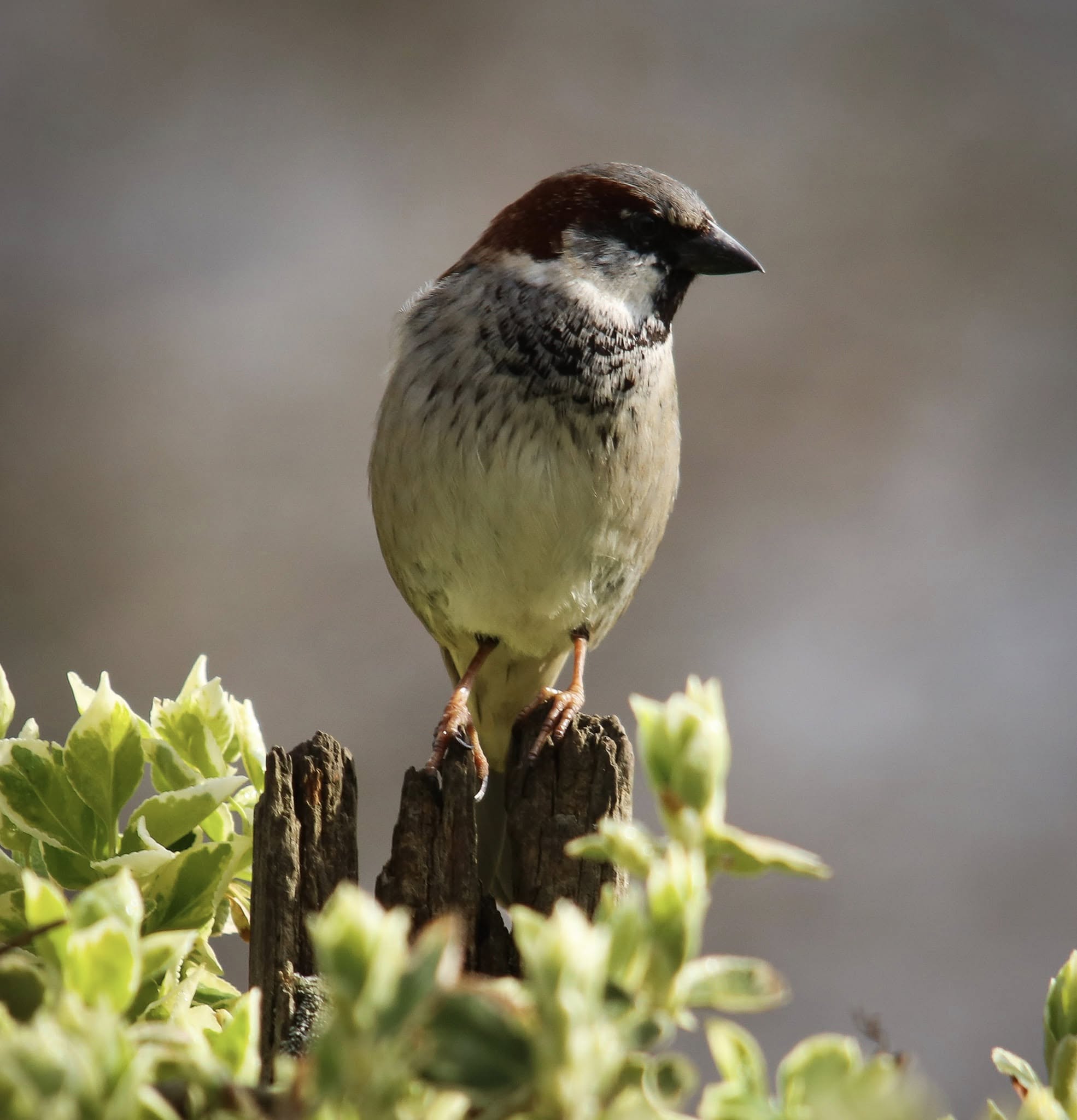
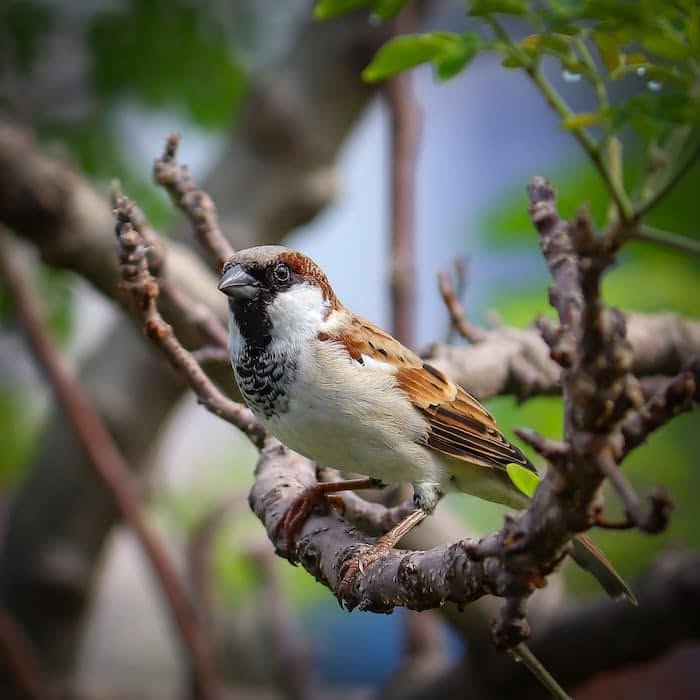
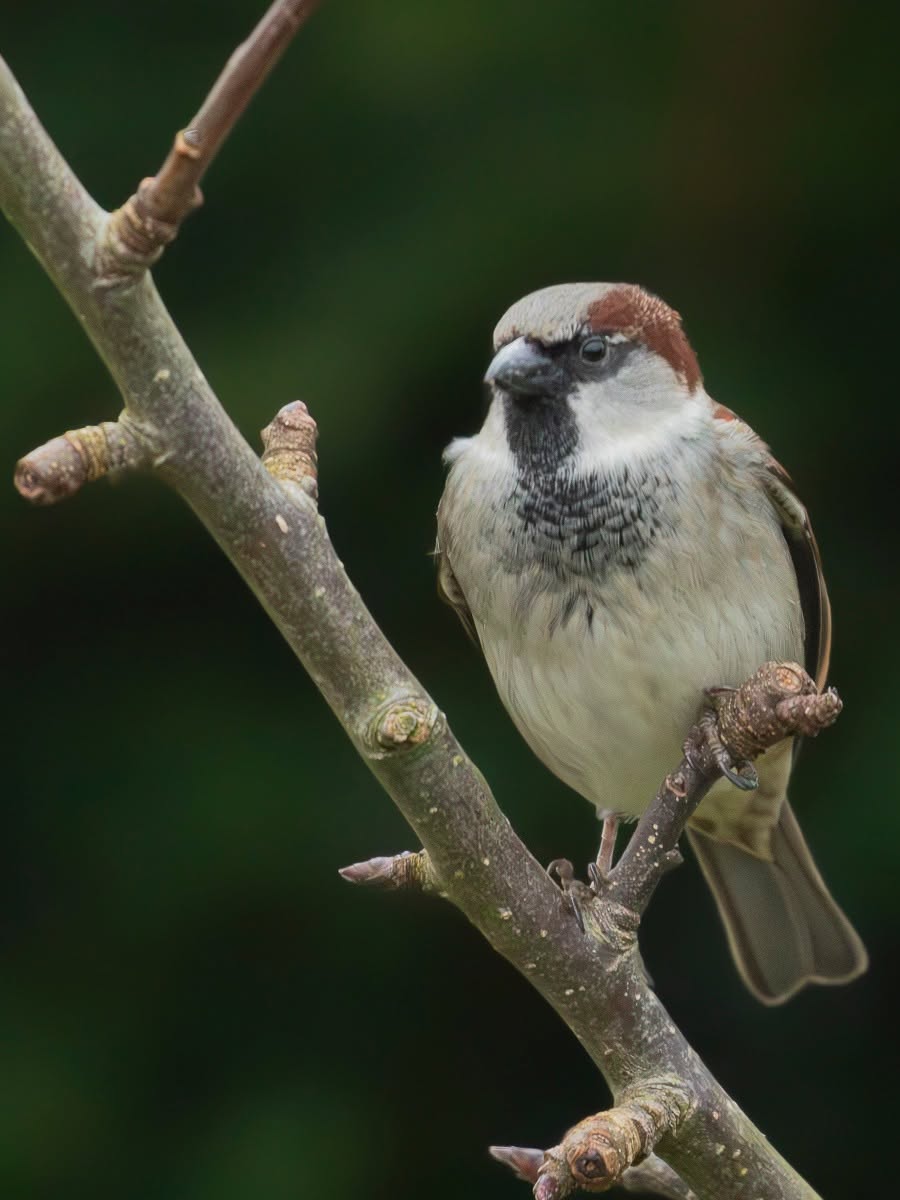
Male house sparrows have a distinctive chestnut-brown back with grey crown and a black “bib” on the chest. Females are plainer brown overall with a pale stripe behind the eye. They are typically seen in small noisy flocks, particularly around hedges and feeders. They are sometimes confused with tree sparrows (rarer, with chestnut crown and black cheek spot) or dunnocks (smaller, slimmer, slate-grey head).
Where can I get UK garden bird supplies in Swindon?
Come and see us at Paradise Pets, Manor Garden Centre, Cheney Manor, Swindon SN2 2QJ. We stock proper UK garden bird food, feeders, water sources, and nest boxes including sparrow terraces. Free honest advice based on 35 years of helping British gardeners support their local wildlife. Ring us on 01793 512400.
One Last Thing From Me
“Why are sparrows still topping the list if they are declining?” is one of the most thoughtful questions I get from UK garden bird enthusiasts, and one that deserves a genuinely honest answer. The honest answer, after 35 years of watching British garden birds, is — the headline that sparrows top the UK garden bird list is true but incomplete. The longer-term reality is that the species has declined dramatically over recent decades, and the apparent “top of the list” status reflects how common they used to be, not how common they currently are. The worrying sign is real, the decline is documented, and the response from UK households genuinely matters.
The retired teacher with the newspaper clipping that Thursday morning? She went home with a clearer picture of what was happening, a list of practical changes she could make in her own garden, and an order for a sparrow terrace nest box and high-quality bird food. Three months later she came back to update me. She had installed the nest box, reduced her use of garden chemicals, and added mealworms to her feeding routine during the spring. The sparrows that visited her garden seemed slightly more numerous than the previous year — possibly coincidence, possibly her changes, possibly both. But more importantly, she had become an active participant in trying to do something about the decline rather than just an observer of it.
That is what I want for every UK household that cares about British garden birds. Not just continuing to feed them the way they have always been fed, but updating practices in response to what is actually happening with these populations. The house sparrow has been part of British life for thousands of years. Whether it remains so in another 50 years depends partly on millions of small decisions UK households make in their gardens over the coming decades.
If you have a UK garden and want to support sparrows specifically, please consider the practical steps in this article. The cost is modest, the time investment is small, and the cumulative impact across millions of British gardens is genuinely significant. The decline can be reversed if enough of us decide it should be.
If you are local to Swindon and want to come in to talk about supporting your local garden birds, we are always happy to have that conversation. After 35 years at the counter, hearing UK customers genuinely engaging with British wildlife is one of the most rewarding parts of the job — and one of the most useful contributions Paradise Pets can make.
Want To Help Reverse The UK Sparrow Decline? Come And See Me
We stock proper UK garden bird food, sparrow terrace nest boxes, water sources, and everything British households need to support their local wildlife. Free honest advice based on 35 years of helping UK gardens support British birds. That is how we have done things since 1988.