
Neil has been running Paradise Pets Swindon since 1988 — over 35 years of buying, keeping, selling, and caring for animals at the same shop on the same site. The question of what happens to animals that do not sell is one that comes up regularly, and it deserves an honest answer rather than a deflection. This is his account of how it actually works at Paradise Pets, and why the question matters more than most people realise.
A woman came into the shop on a quiet Tuesday afternoon and asked me directly. She had been looking at a pair of zebra finches we had in stock for several weeks. She had been thinking about buying them. But before she did, she said, she wanted to know: what would have happened to them if she had not come in?
It was not an accusatory question. She was genuinely curious — the kind of person who thinks carefully about where things come from and what systems she is participating in when she makes a purchase.
I told her the honest answer.
Those specific finches were going nowhere. They had been with us for eight weeks. They were healthy, well-fed, and settled in the aviary. If she had not bought them, they would have continued living exactly as they were — eating, flying, socialising — until someone else came in and they did, or until I decided to move them to my own aviary at home, which is where several of our longer-stay birds have ended up over the years.
She looked slightly surprised. She had expected a more complicated or more troubling answer.
I told her the full picture — because it is more complicated than one pair of finches, and because the honest answer to this question says more about how a pet shop actually operates than almost any other question a customer could ask.
Why This Question Matters — And Why Most Shops Do Not Answer It Directly
I want to start by acknowledging why this question gets asked in the first place. The concern behind it is legitimate and it comes from a real history. The pet industry has not always covered itself in glory when it comes to the welfare of animals that do not move quickly. Large-scale operations with high turnover have, historically, treated unsold animals as a cost problem rather than a welfare responsibility. The image of animals in deteriorating conditions in the back of pet shops exists because it has, at some points and in some places, been real.
That context is why I take the question seriously when someone asks it. It is not an unfair question. It is the right question.
- The answer reveals the shop’s actual values — a shop that deflects the question or gives a vague reassurance without specifics is telling you something; a shop that can answer it directly and specifically has thought about it and has actual policies
- It affects the welfare of every animal the shop sells — a shop that manages unsold animals well manages all of its animals well; the two are not separable
- It tells you about the sourcing model — a shop that takes on more animals than it can responsibly house, expecting rapid turnover, is operating differently from one that takes on animals it is prepared to keep
- As a customer, you are part of the system — understanding how the system works lets you make a genuinely informed decision about where to buy
How We Source Animals — Because It Starts Here
The answer to what happens to unsold animals begins before those animals arrive in the shop. The sourcing model determines how many animals come in, at what rate, and with what expectations about how quickly they need to move.
We do not operate on a large-turnover model. We do not take weekly deliveries of animals from wholesale suppliers and expect rapid throughput. We source selectively, from trusted breeders we have worked with for years — in many cases decades — and we take on animals we are prepared to care for for as long as is needed.
- All our birds are UK-bred, from known breeders — we do not import birds; we know where every bird came from, how it was raised, and the conditions it was born into; this is not a marketing claim, it is a practical requirement of running a shop where I stand behind what I sell
- We take on animals at a pace the shop can properly accommodate — not because there is unlimited demand, but because the animal’s welfare between arrival and sale is our responsibility; an overcrowded shop is a welfare problem regardless of how quickly the animals sell
- We choose breeders partly based on what happens to animals that come back — a relationship with a breeder includes the understanding that if we need to return an animal because it is not thriving in the shop environment, there is a responsible home for it to return to
- Small mammals are sourced from breeders with whom we have multi-year relationships — guinea pigs, hamsters, rabbits; each comes from someone we know and trust; the sourcing relationship includes welfare expectations on both sides
What Actually Happens to Animals That Stay With Us — The Honest Categories
There are several distinct situations that the question covers, and they have different answers.
Birds That Stay For Weeks or Months
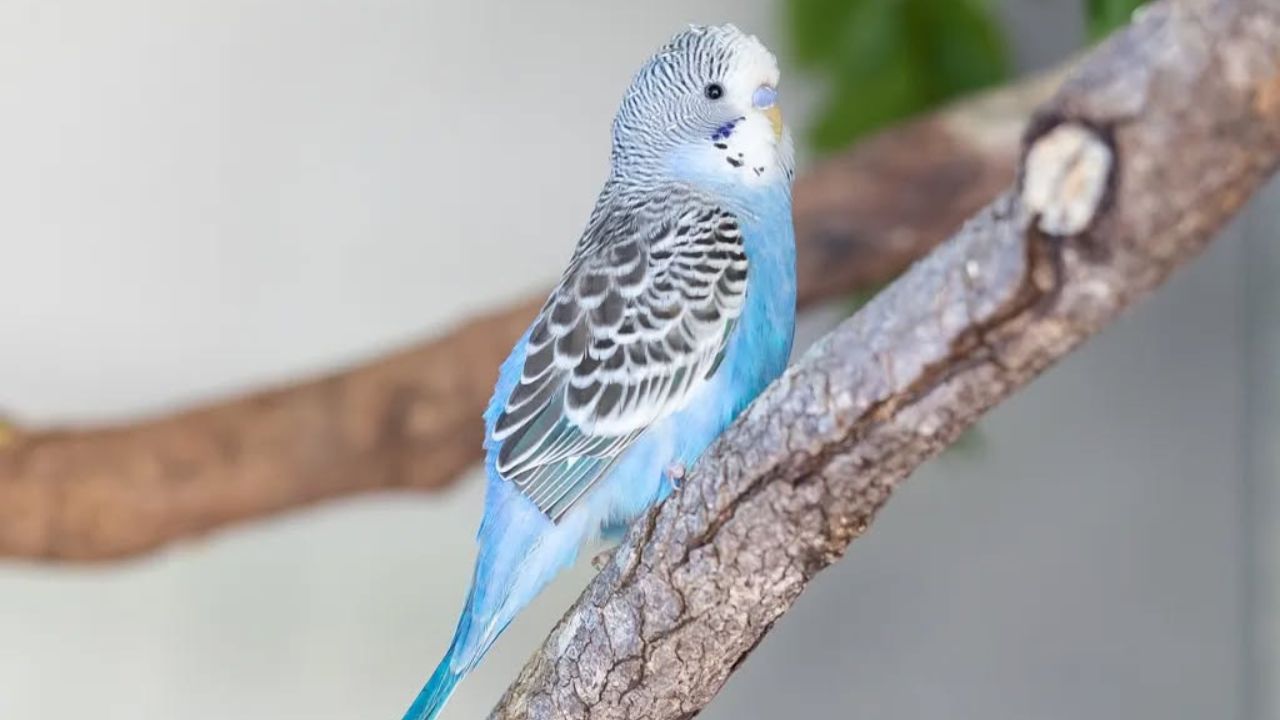
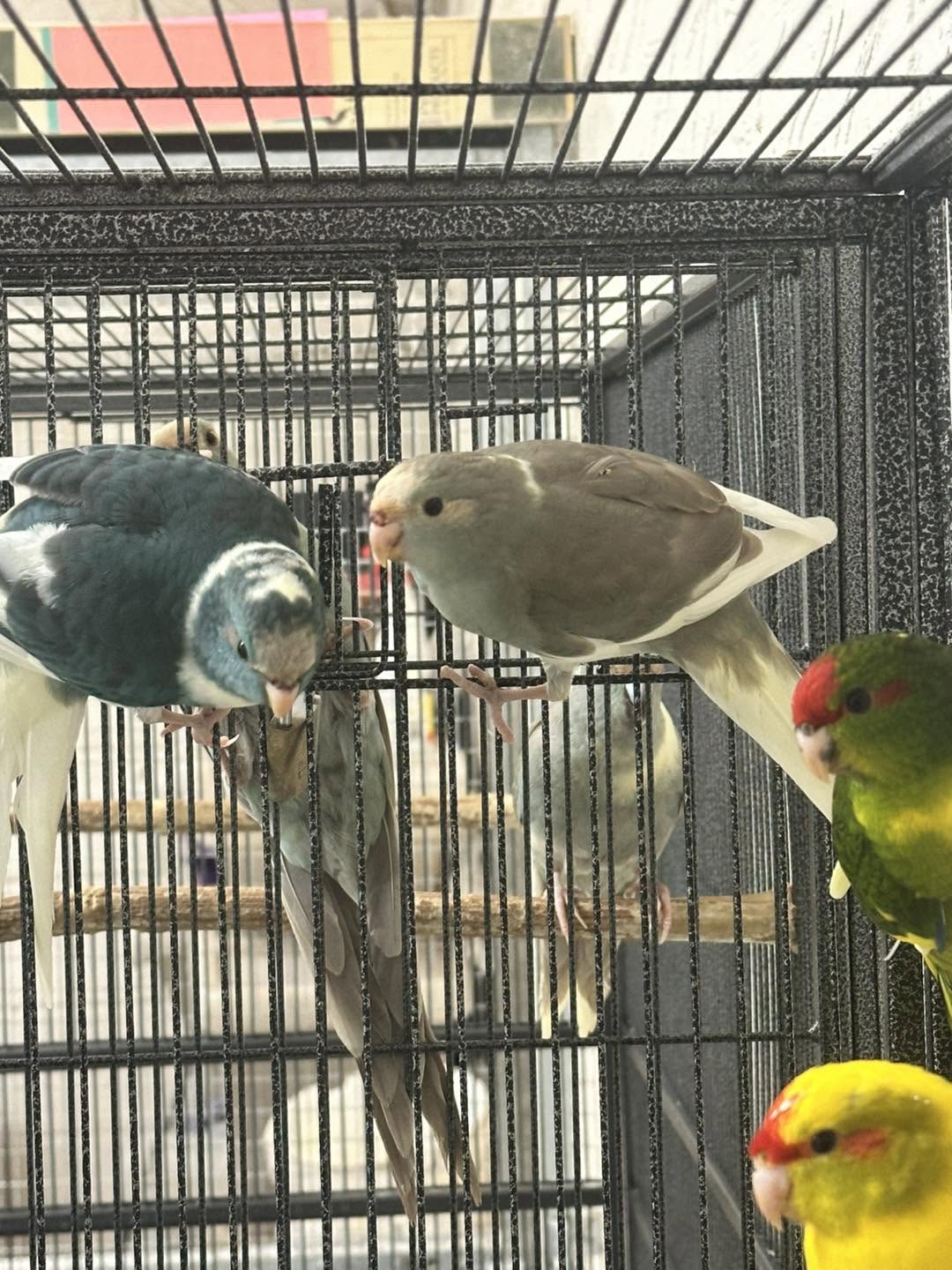
Birds are the most common long-stay animals in any bird-focused pet shop. A canary might sell in a week or might be with us for three months. A pair of finches might be rehomed quickly or might become part of the shop’s established aviary population for an extended period.
- They simply stay with us, in appropriate housing, for as long as it takes — there is no threshold at which a bird stops being welcome in the shop; the shop aviary is their home for as long as they are here
- Longer-stay birds often become shop fixtures that customers develop attachments to — I have had cockatiels that were in the shop for six months or more before finding the right home; in that time they became known to regular customers, more socialised and handleable, and often sold to someone who had built a relationship with the specific bird over multiple visits
- Some birds have gone home with me — over 35 years, a number of birds that were with us for extended periods have ended up in my own aviary at home; this is not a formal policy but it is the honest reality of what happens when a bird has been with us long enough that the shop feels like home and the right buyer has not appeared
- We do not reduce prices under pressure to move animals — an animal’s value does not decrease because it has been with us for eight weeks; we do not create artificial urgency by marking down animals to encourage rapid purchase
Small Mammals — Hamsters, Guinea Pigs, and Rabbits
Small mammals are a slightly different situation because they have shorter lifespans and because some species — hamsters particularly — have welfare needs that mean extended shop housing has real limits.
- Hamsters are homed quickly by design — we do not maintain large hamster populations in the shop; we take on small numbers at a time from breeders and aim to home them in the six to twelve week window when they are at the ideal age for handling and settling; we do not take on more than we expect to home in this period
- Guinea pigs and rabbits can stay with us longer without welfare concerns — their social needs are met in group or paired housing; they continue to thrive in appropriate conditions; a guinea pig pair that has been with us for two months is typically more socialised and better assessed for compatibility than one that has just arrived
- Rabbits that have been with us for extended periods are offered to rescue organisations if we feel a rescue environment would better suit the individual animal — this is rare but it happens; a rabbit that is not thriving in a shop environment but would do better in a foster home is better served by the rescue route
- We have a small network of trusted customers who take on animals we feel need a specific type of home — not formal fostering, but relationships built over years with people whose setups we know and trust; this is an informal but genuine part of how some animals find their homes

Animals With Health or Behavioural Needs That Make Them Harder to Home
This is the category that the question most often implies — the bird with the missing toe, the rabbit that is more nervous than its siblings, the hamster that is the last of a litter. These animals exist in every pet shop and how a shop handles them says a great deal.
- We do not euthanise healthy animals because they are proving difficult to sell — this is stated as a direct answer because it is the concern behind the question; a healthy animal with a minor physical difference or a more cautious temperament stays with us and is homed when the right match comes along
- We are honest with customers about individual animals’ characteristics — a nervous animal is described as nervous; an animal with a physical difference has that difference disclosed; we do not oversell or misrepresent to move an animal faster; this is both an ethical position and a practical one — a customer who buys an animal under false expectations returns
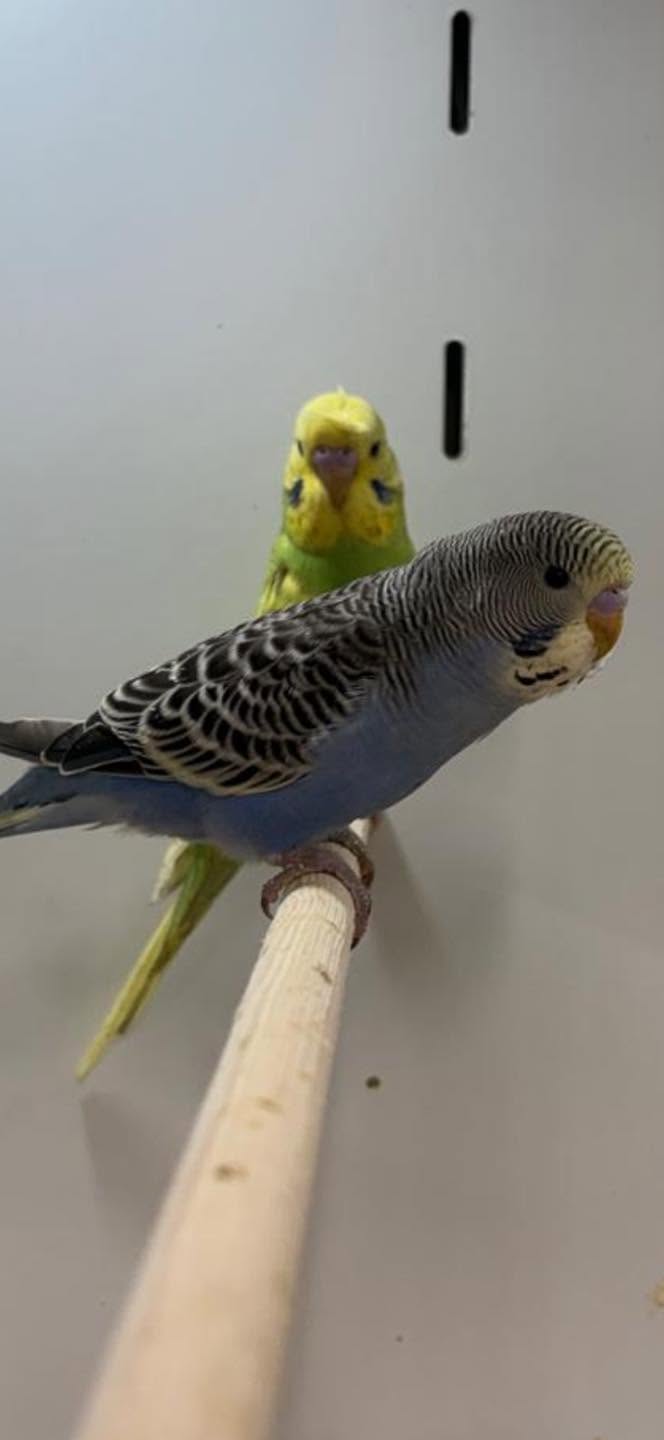
- Some of our most successful rehomings have been animals others might have dismissed — the one-eyed budgie that ended up with a retired gentleman who came in every week for months to check on it before he bought it; the nervous guinea pig that went to a calm, quiet household and became completely relaxed within weeks; the right match matters more than the fastest match
- Animals that develop health problems while with us are treated — veterinary care for shop animals is a cost we absorb; an animal that becomes unwell while in our care receives treatment; this is a basic obligation that is sometimes not as universal in the industry as it should be
Animals That Are Clearly Not Suited to Pet Shop Life
Some animals, once in a shop environment, make it clear that the experience is not appropriate for them — through persistent stress responses, health deterioration, or simply a temperament that requires a different environment.
- These animals are returned to their breeders where possible — a bird that is not thriving in a shop aviary goes back to the breeder it came from; this is built into our supplier relationships as an expectation on both sides
- Where return to a breeder is not possible, appropriate rescue organisations are contacted — we maintain relationships with several small animal and bird rescue organisations in the Swindon and Wiltshire area; these relationships exist precisely for situations where an animal needs a different environment than we can provide
- We do not take animals into the shop that we do not believe can thrive in a shop environment — this is the preventive version of the same principle; species that do not do well in retail environments are not species we stock; we have declined to take on certain species over the years specifically because we did not believe we could house them appropriately
What We Have Said No To — The Other Side of This Question
The question of what happens to animals that do not sell connects to a question we face regularly from the other direction — what we have declined to take on in the first place.
- We have declined supplier offers for species we could not house appropriately — over 35 years there have been animals we could have stocked and chosen not to, because we did not have housing we considered adequate, or because we did not believe the species would thrive in a retail environment regardless of housing quality
- We have declined to take on animals from breeders whose practices we had concerns about — a supplier whose animals arrived in poor condition, or whose breeding practices we did not consider acceptable, did not become a repeat supplier; the long-term relationships we maintain are with breeders whose standards we genuinely respect
- We have told customers we would not sell them an animal we did not think was right for their situation — this happens more than people might expect; a customer whose setup is inadequate for the animal they want to buy is told this directly; some of them come back with an improved setup; some of them do not come back; both outcomes are acceptable
- We have refused to sell to customers we had concerns about — impulse purchases, setups we knew were unsuitable, situations where we believed the animal would not be properly cared for; the refusals are not always popular in the moment; some of them have been thanked for later
The Honest Limits of What We Can Do
I want to be direct about where the honest answer gets complicated — because any shop that presents itself as having perfect answers to all of these questions is not being completely straight with you.
- A pet shop is a commercial enterprise and it needs to sell animals to operate — this is not a rescue centre; we are not funded to keep animals indefinitely regardless of outcomes; the commercial reality shapes every decision, and pretending otherwise would be dishonest
- We cannot track every animal after it leaves the shop — we can vet customers as well as we are able and we can be honest about the animal’s needs; we cannot follow up on every rehoming and we cannot guarantee every animal’s subsequent life; this is a genuine limitation
- The industry has genuine problems that Paradise Pets has not solved — the broader pet industry supply chain has issues around breeding standards, transport welfare, and the treatment of animals that do not move quickly; being a responsible individual shop does not fix the systemic problems, and claiming otherwise would be misleading
- We make judgment calls under uncertainty — every decision about whether a customer and animal are a good match involves uncertainty; we do our best and we are sometimes wrong in both directions — refusing someone who would have been a great owner, or selling to someone whose care turned out to be inadequate

What This Means If You Are Considering Buying From Us
- Every animal we sell has been properly housed and cared for throughout its time with us — not as a promise but as a practical commitment that we have maintained for 35 years; our reputation in Swindon depends on it, and our own standards require it
- We will tell you honestly if we think you are not the right match for an animal — this is not always comfortable but it is the service we offer; if we have concerns about your setup or your experience level, we will raise them directly
- We will answer questions about specific animals honestly — the history of the animal, how long it has been with us, any health or behavioural considerations; if there is something relevant to know, we will tell you rather than hoping you do not ask
- Come in, ask questions, and take the time you need — a good match between animal and owner is in everyone’s interest including ours; we are not in a hurry and we would rather you made the right decision than the quick one
Frequently Asked Questions
Do you ever put animals down if they do not sell?
Not healthy animals. A healthy animal that has not sold stays with us in appropriate housing for as long as needed. Veterinary euthanasia is only considered for animals that are genuinely suffering from untreatable conditions — the same standard that applies to any animal in any responsible keeper’s care. This is not a universal standard across the industry, which is one reason the question gets asked. It is our standard.
What happens to older animals that are harder to sell?
They stay with us and are rehomed when the right match comes along, which sometimes takes longer for older animals. In some cases — particularly with birds — older animals that have been with us for extended periods have found homes with experienced keepers who specifically wanted a settled, mature animal rather than a young one. In a small number of cases they have become permanent shop or personal residents. We have never had a policy of disposing of animals that reach a certain age unsold.
Do you take animals back if the buyer cannot keep them?
We ask that people contact us first if their circumstances change. We do not have a formal take-back policy with legal obligations attached, but we do our best to help find solutions — whether that is rehoming advice, referral to rescue organisations, or in some cases taking the animal back ourselves. We would rather be contacted and involved in finding a good outcome than have an animal end up in an unsuitable situation because the owner did not know who to call.
How do you choose which breeders to work with?
Through direct visits, long-term relationships, and the track record of animals that come from them. We do not work with breeders whose facilities we have not seen or whose practices we have concerns about. The relationships we maintain are with people who share our standards — which means they care about what happens to animals after they leave the breeding facility just as we care about what happens to animals after they leave the shop.
Are you affiliated with any rescue organisations?
We maintain informal working relationships with several small animal and bird rescue organisations in the Swindon and Wiltshire area. These are not formal partnerships with branding attached — they are genuine relationships built over time with people doing good work. We refer customers to them when rescue or rehoming is the right answer, and we contact them when we have an animal that needs a different environment than we can provide.
Can I visit the shop just to look and ask questions without buying?
Yes, always. We are at Manor Garden Centre, Cheney Manor, Swindon — come in and take as long as you need. The staff are experienced and the advice is free. We would rather someone came in six times over two months before making a decision than made an impulse purchase they later regretted. The animals benefit from considered ownership and so does everyone involved.
One Last Thing From Me
The woman who asked about the zebra finches bought them that day. Not because I had given her a reassuring answer — I hope I gave her an honest one — but because the honest answer satisfied her that the shop she was buying from was operating in a way she could support.
She came back about a year later. The finches were doing well. She had a colony of six by that point and had become what people in this trade call a proper finch keeper — the kind of person who has read everything, knows what they are doing, and finds the birds genuinely absorbing.
She said the question she had asked on the first day had been important to her. She had asked it in other pet shops before she came to us and had not got answers she believed.
I do not know what those other shops were doing with their unsold animals. I know what we do. I have described it as honestly as I can in this article because I think it is worth describing, and because the question deserves a real answer.
If you are thinking about buying a pet from us and you have more questions than this article has answered, come in and ask them. We have been doing this for 35 years. We are used to the questions and we are not afraid of them.
Questions Before You Buy? Come In And Ask Them.
No pressure, no sales pitch, and no question is too direct. Thirty-five years of experience means we have been asked most things. The ones we have not been asked yet are usually the most interesting. Come and find us at Manor Garden Centre.