


Neil has spent over 35 years at Paradise Pets Swindon watching birds — not just the ones in the cages, but the ones outside the windows of the shop, in the garden centre grounds, and in the gardens of customers who come in asking about what they have seen. The tiny brown bird that visits most British gardens every morning is one of the most overlooked and most remarkable birds in the country. This is his guide to it.
A woman came in last autumn and described a bird to me.
She had been watching it in her garden most mornings for weeks. It was tiny, she said — genuinely small, much smaller than the sparrows that visited the feeders. Brown. Secretive, mostly — it stayed close to the ground, working along the base of the fence and in and out of the bottom of the hedge. But occasionally it would stop, lift its tail, and produce a sound so loud and so extraordinary relative to its size that the first time it did it she had looked around for a larger bird that must be nearby.
She had not found a larger bird. The sound was coming from this tiny brown creature.
She had looked it up and not found it. She had asked a neighbour who did not know. She was in our shop, she said, because she thought someone here might.
I told her what she had been watching.
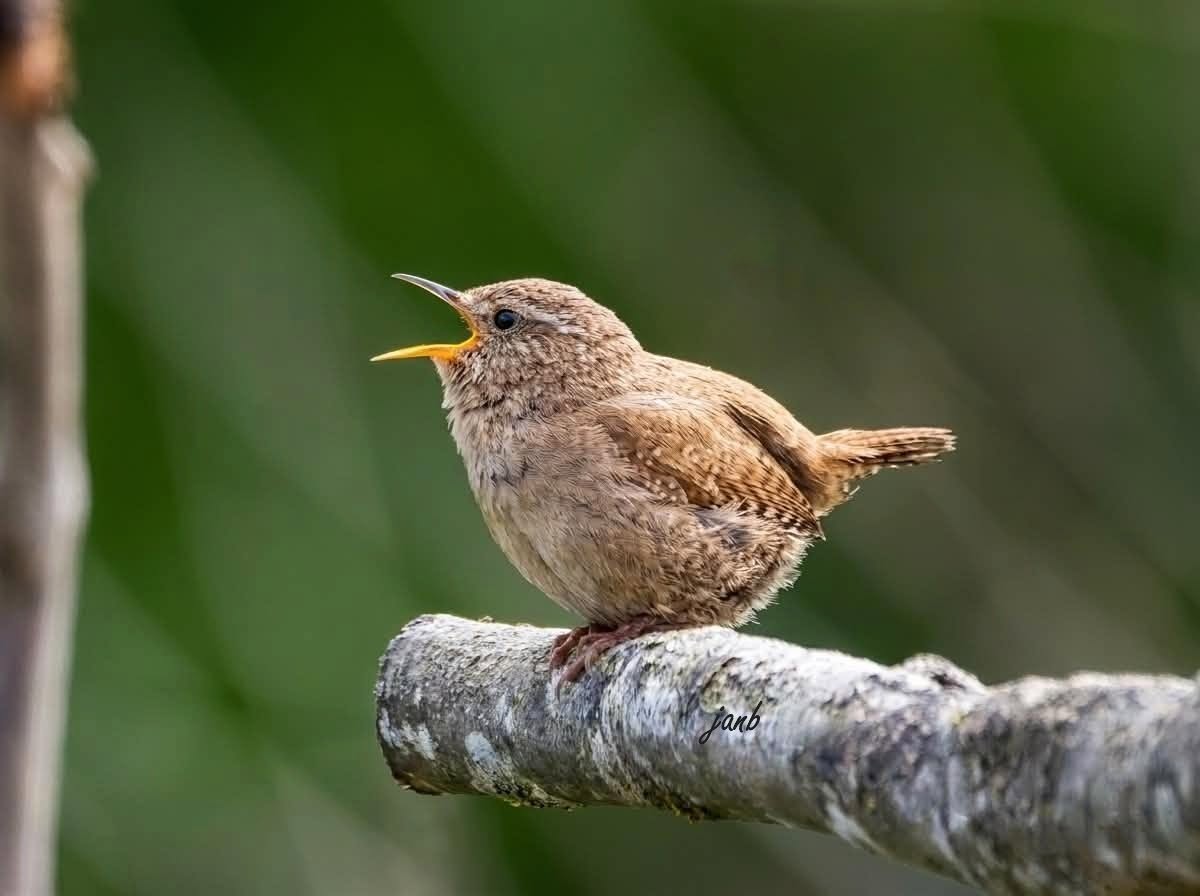
The wren. Troglodytes troglodytes. Britain’s most common breeding bird, present in more British gardens than almost any other species, and — in my experience — one of the least recognised by the people in whose gardens it lives. Most people who have a garden in the UK have a wren in it. Most of them do not know.
The Bird You Almost Certainly Have — And Probably Do Not Know
The wren holds an extraordinary statistical position in British wildlife. With an estimated eight to nine million breeding territories across the UK, it is typically described as the most common breeding bird in Britain. Not the most visible, not the most recognised — the most common.
It is present in woodland, hedgerow, moorland, coastal scrub, and in most British gardens that have any ground-level cover at all — a hedge, a border, a pile of leaves, an overgrown corner, a gap under a shed. The wren does not need much. It is an opportunist that finds its living in the edges and bottoms of things, and gardens, with their combination of planted borders, fences, compost heaps, and low hedges, are ideal wren habitat.
The reason most people do not recognise it is that the wren works in places that human eyes tend not to focus on. It is at ground level or just above it, moving through dense vegetation rather than sitting in open view. It does not come to feeders in the way that blue tits and sparrows do — it is not a seed eater and has little interest in hanging feeders. It is there, in your garden, doing its job — and you are looking at the feeders.
What the Wren Actually Looks Like — A Field Identification Guide
Identifying a wren, once you know what to look for, is straightforward. The shape and the behaviour together make it essentially unmistakable among British garden birds.
Size first: the wren is genuinely small. Body length of about nine to ten centimetres. Weight of approximately nine to eleven grams — comparable to a large marble, or as I usually describe it to customers, about the weight of a twenty-pence coin. When you see one for the first time knowing what it is, the size surprises you. When you see it producing its song, the size continues to surprise you.
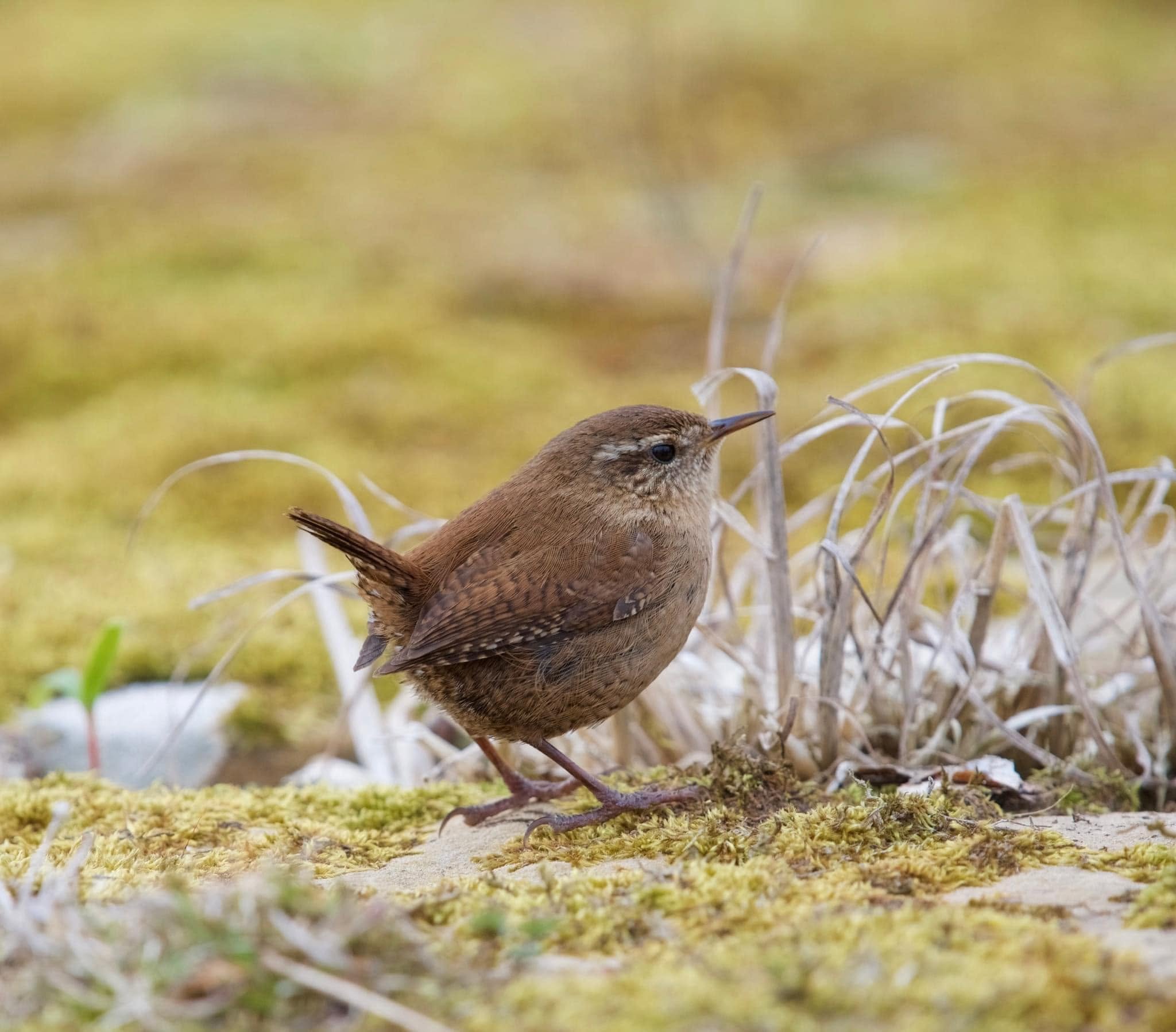
The body shape is distinctive: short, compact, round-bodied, with a short neck and a short, straight bill. The tail is characteristically cocked — held upright, almost perpendicular to the body, in a way that is immediately recognisable once you know it. A tiny brown bird with its tail stuck straight up like a flag is almost certainly a wren.
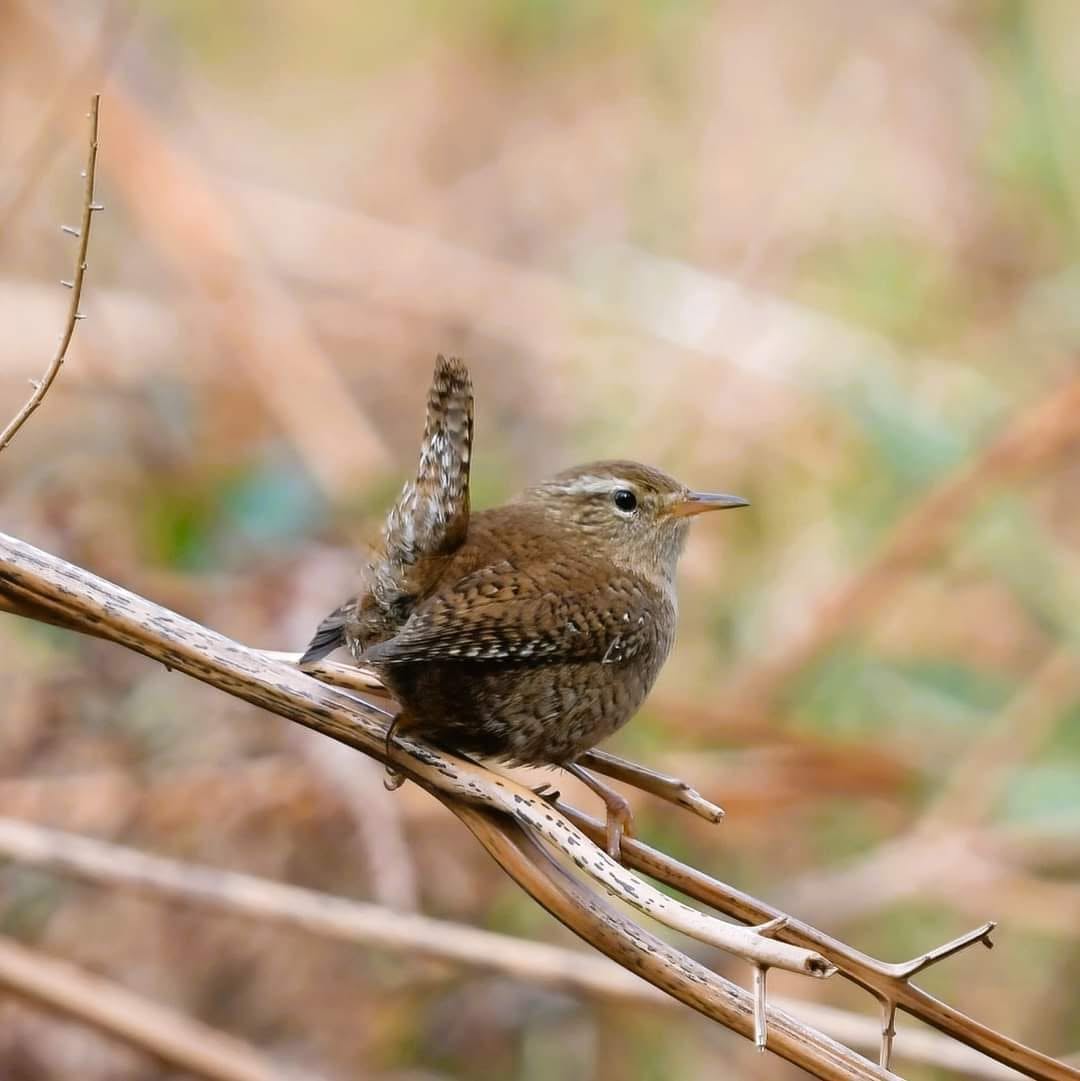
Colouring: brown, but not flat or dull brown. Rich, warm, reddish-brown on the back and wings. Paler, buffier tones on the underparts. Fine barring on the wings and flanks — a close-looking pattern of subtle lines that becomes visible when the bird is in good light at close range. A pale stripe above the eye — the supercilium — that gives the face a slightly striped appearance. The overall impression is a small, compact, warm-brown bird with a cocked tail and an alert, slightly pugnacious expression.
The bill is fine and slightly downcurved — designed for probing into crevices and under bark for insects and spiders, which is the entirety of the wren’s diet. It is not a beak for cracking seeds. This is why the wren does not come to seed feeders, and why most people who watch their feeders carefully can spend months not seeing a wren that is nonetheless present in their garden.
The Song — Disproportionate in Every Way
This is the thing that most reliably alerts people to the wren’s presence before they have learned to look for the bird itself — and it is the characteristic that, in my view, makes the wren one of the most remarkable small animals in the British countryside.
The wren’s song is extraordinary. It is loud — genuinely, startlingly loud — in a way that is completely inconsistent with the size of the animal producing it. Volume per unit of body weight, the wren’s song is among the loudest of any British bird. It carries over a considerable distance. It fills a garden. When you are standing in a small back garden and a wren decides to sing from a nearby hedge, it is not a small sound in the background — it is an insistent, bright, cascading torrent of notes that occupies the auditory space completely.
The song itself is complex and rapid — a long sequence of trills, whistles, and notes delivered at speed, with a rattling quality that gives it a slightly mechanical or mechanical-musical character. It is not a soft, melodious song in the way a blackbird’s is. It is bright, urgent, and relentless. One Victorian naturalist described it as the loudest sound in proportion to the singer’s size in the natural world, and while the accuracy of that specific claim is debatable, the subjective impression it produces — when you are standing next to a wren in full song and know how small the bird is — is compelling.
You are most likely to hear the song in early morning — wrens begin singing before most other garden species — and again in the evening. During breeding season (broadly February to August) the male sings almost continuously throughout the day. Even in winter, on milder days, the wren sings — it is one of the few birds that maintains a year-round singing pattern in British gardens.
Where to Find It in Your Garden — Exactly
The key to watching wrens is knowing where to look, which is low and in cover rather than high and in open space.
The base of a hedge is the most productive wren location in most gardens. Wrens work along hedge bases methodically, probing between the stems for insects and spiders in the leaf litter and soil. A native hedge — hawthorn, blackthorn, hazel — is particularly good because the dense base structure provides both foraging habitat and protection from predators. A garden with a well-established native hedge has a high probability of resident wrens year-round.
Borders with dense low plantings — particularly ones with some leaf litter or mulch left at the base rather than being cleared perfectly — are productive wren foraging habitat. The pile of last year’s leaves against the back of the border that you have been meaning to clear out is excellent wren habitat. Leave it.
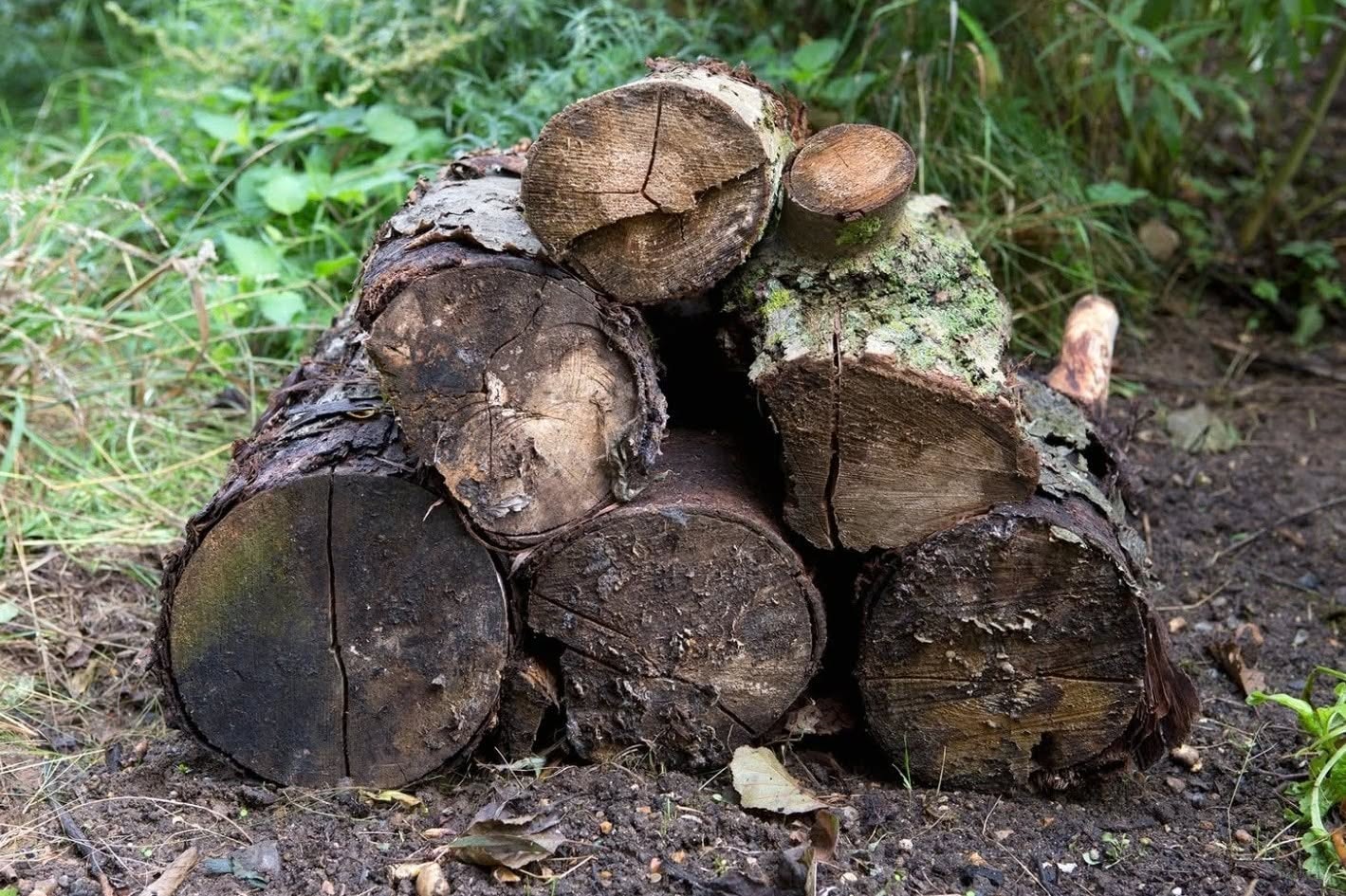
Compost heaps, woodpiles, gaps under sheds, the space behind low walls, the area around tree roots — any ground-level feature that provides cover and contains insects and spiders is wren territory. If your garden has a corner that has been left relatively undisturbed, with some leaf litter and low cover, you probably have a resident wren there.
Feeding areas for other birds are worth watching near ground level — wrens will occasionally work around the base of a feeding station picking up fallen fragments, and this ground-level foraging can bring them into view more easily than their normal hedge-base activity.
The Nest — One of the More Remarkable Stories in British Garden Wildlife
The wren’s nesting behaviour is worth knowing about because it is more interesting than most people realise, and because it changes how you read certain landscape features in the garden.
The male wren builds not one nest but several — sometimes as many as eight or nine in a single territory — in the weeks before breeding. These are dome-shaped structures of leaves, moss, and grass, with a small entrance hole at the side. They are built into dense vegetation, ivy, bramble, crevices in walls, and similar locations. The male builds multiple nests and then brings the female to inspect them. The female chooses one, lines it with feathers, and this becomes the actual breeding nest. The others — the cock nests, as they are sometimes called — are either abandoned or used by the male himself for roosting.
In cold weather, wrens roost communally — sometimes in remarkable numbers. Groups of wrens will pack into a single nest box or crevice on cold nights, using shared body heat to survive temperatures that would individually be fatal. The record count from a single nest box in Britain is over sixty wrens, though clusters of ten to twenty are the more common record in cold snaps.
If you have a nest box in your garden — particularly a traditional enclosed box with a small entrance hole — wrens may roost in it through winter even if they do not breed in it. Worth knowing when you go to clean the box in late winter.
What Wrens Eat and How to Help Them
The wren is an insectivore — insects, spiders, and other small invertebrates make up essentially its entire diet. It does not eat seeds, and it rarely eats berries or fruit in the way that thrushes and blackbirds do.
This means the conventional approach to garden bird feeding — hanging feeders stocked with sunflower hearts and nyjer seeds — does not directly help wrens. They do not eat these foods and do not use these feeders.
What does help wrens is habitat. Leaving areas of the garden in a state that supports insect life — patches of leaf litter, log piles, dense low plantings, areas of longer grass, a compost heap, native hedging — provides the actual food source that sustains wrens. A garden managed intensively, with every surface cleared and every corner tidied, is a less productive habitat for wrens regardless of how full the feeders are.
Live food can attract wrens and is particularly valuable in cold weather when invertebrates are difficult to find. Mealworms placed on a ground-level tray — not in a hanging feeder — can bring wrens in closer and more consistently than almost anything else. Put the tray near cover rather than in the open, and place the mealworms in a shallow dish with slightly raised edges so they do not escape across the garden.
Suet crumble scattered at ground level near cover is sometimes taken by wrens, as are very small suet pellets. But live or dried mealworms are the most reliably attractive food option for this species.
We stock dried mealworms, live mealworms in season, and ground-level feeding trays at the shop — I am always happy to talk through what setup works best for the specific garden you are describing.
The Other Tiny Garden Visitor — Britain’s Smallest Bird
While the wren is almost certainly the tiny bird you have been seeing daily, it is worth mentioning the goldcrest — because if the bird you have seen is even smaller than you expected, and was in a conifer or ivy-covered wall, it may be a goldcrest rather than a wren.
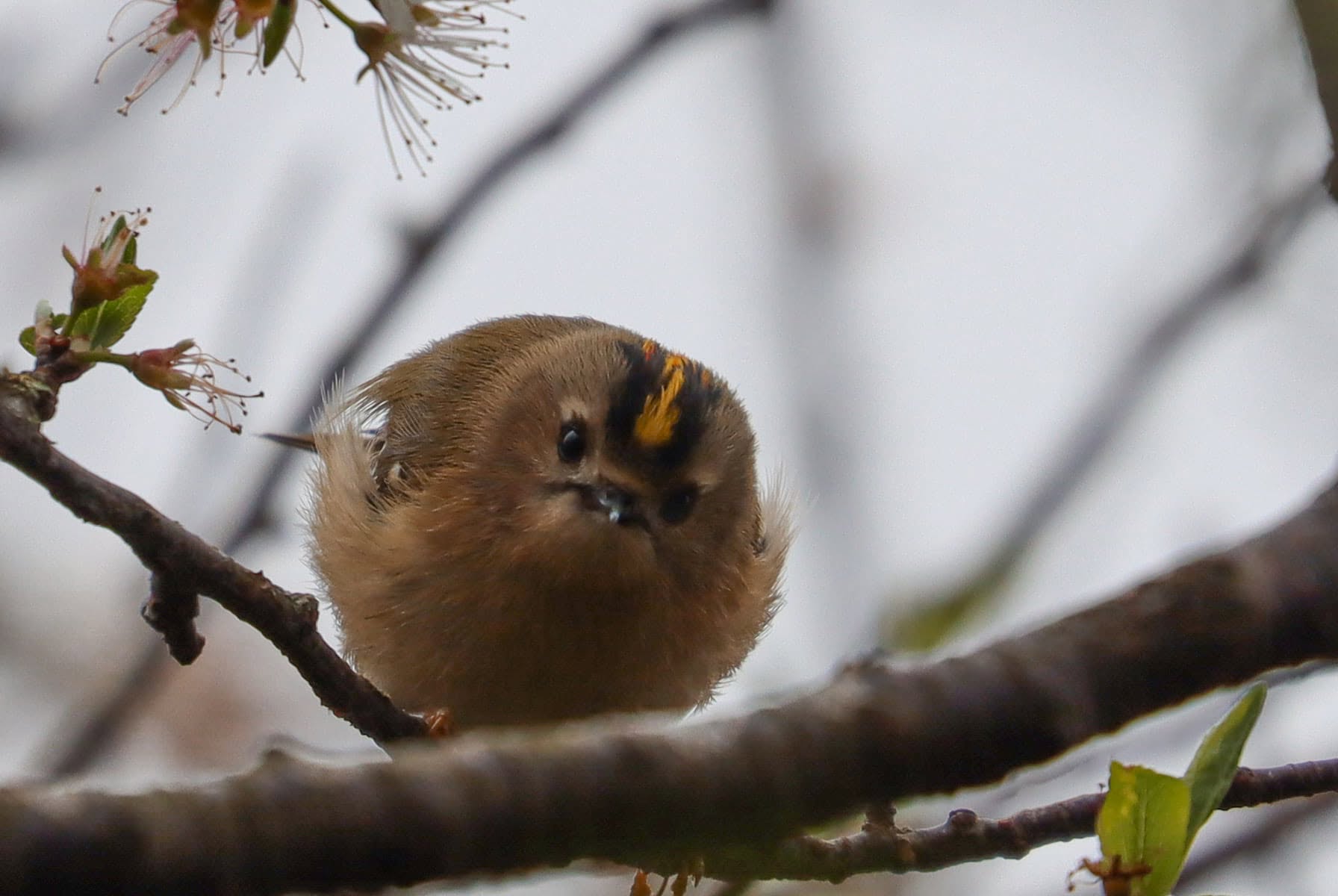
The goldcrest holds the distinction of being Britain’s smallest bird. Weight of approximately five to six grams — noticeably lighter than a wren, which is itself tiny. Length of about eight to nine centimetres. The goldcrest is olive-green, with white wing bars and the characteristic golden-yellow stripe on the crown that gives it its name — in males this stripe has an orange centre that is raised into a small crest during display.
Goldcrests are associated primarily with coniferous trees — spruce, Leylandii, yew — and with dense ivy. They forage at the tips of branches, hovering briefly to pick insects from foliage, and their foraging style is very different from the ground-level searching of the wren. If you have a large conifer or a substantial ivy-covered wall in your garden, and you have seen a tiny bird foraging actively in the upper parts of it rather than at ground level, goldcrest is a serious possibility.
Goldcrests visit gardens less commonly than wrens, but their numbers increase in autumn and winter when continental birds migrate into the UK to join the resident population. They may appear in gardens that do not normally host them during October and November in particular.
Quick Reference — Identifying Tiny British Garden Birds
| Bird | Size | Colour and Key Features | Where in Garden | Sound |
|---|---|---|---|---|
| Wren | 9–10cm, ~10g | Warm reddish-brown, pale underparts, cocked tail, pale eyestripe | Hedge bases, borders, log piles, ground level cover | Extraordinarily loud, rapid cascading song. Harsh churring alarm call. |
| Goldcrest | 8–9cm, ~5–6g | Olive-green, white wing bars, golden-yellow crown stripe | Conifers, ivy, dense evergreen shrubs | Very high-pitched, thin, repeated notes. Often at the edge of human hearing for older adults. |
| Long-tailed tit | 14cm including tail, ~8g | Black, white and pink. Extremely long tail. Rounded body. | Trees, shrubs, often visits in small flocks. Uses feeders. | High, thin trilling calls. Usually heard as a group passes through. |
| Coal tit | 11cm, ~9g | Black head with white cheeks and white patch on back of neck. Buff-grey underparts. | Conifers, feeders. Often visits briefly and takes food to cache elsewhere. | High, clear repeated notes similar to great tit but thinner. |
Making Your Garden Better for Small Birds — The Practical Version
The single most useful thing most UK gardeners can do to improve their garden for wrens and other small birds is, paradoxically, to do less.
A corner left undisturbed — with leaf litter, dense low vegetation, and some natural debris — is worth more to a wren than a bird table stocked with expensive food. A native hedge left to grow a thick base is better habitat than a neatly trimmed ornamental one. A log pile in a quiet corner provides both foraging habitat for insects, and roosting and nesting cover for the birds that eat them.
Beyond habitat, the practical additions that make the most difference for small insectivores like wrens are ground-level feeding points with live or dried mealworms, placed near cover rather than in the open. A low water source — a shallow dish or small bird bath at ground level — is used by wrens where a traditional elevated bird bath is not.
Predator management — keeping cats away from the areas where small birds forage at ground level, particularly in the breeding season — matters for the same reason that it always matters for ground-feeding birds.
And patience. Wrens are present in most British gardens already. The work is not attracting them from elsewhere — it is creating the conditions that allow the ones already there to be seen and heard more fully.
Frequently Asked Questions
What is the tiny brown bird in my UK garden with its tail up?
Almost certainly a wren. The cocked tail — held upright, almost perpendicular to the body — is the wren’s most immediately distinctive field mark. Combined with a small, compact, reddish-brown body and its habit of working at ground level near hedges and dense cover, this combination is essentially unmistakable in a British garden. The wren is Britain’s most common breeding bird, present in the vast majority of UK gardens, and overlooked by most of the people in whose gardens it lives.
Why does such a tiny bird make such a loud sound?
The wren’s song is genuinely extraordinary relative to its body size. The exact physiological reasons involve the efficiency of the syrinx — the bird vocal organ — relative to body mass, but the subjective experience of standing next to a singing wren and understanding how small the bird is never quite loses its capacity to surprise. The song serves a territory-defending and mate-attracting function, and in woodland and garden environments with dense cover, carrying power is important — the wren’s song cuts through vegetation in a way that a softer song would not.
Do wrens come to bird feeders?
Rarely to standard hanging feeders with seeds — the wren is an insectivore and has no interest in seeds or peanuts. Dried or live mealworms placed on a ground-level tray near cover are the most effective way of attracting wrens to a feeding point. Suet crumble scattered at ground level is sometimes taken. But the most effective support for wrens is habitat rather than supplementary feeding — leaf litter, dense low planting, log piles, and native hedging provide the invertebrate food that wrens actually need.
Is the wren Britain’s smallest bird?
No — Britain’s smallest bird is the goldcrest, weighing approximately five to six grams. The wren weighs approximately ten grams and is the second or third smallest depending on the season. The wren is, however, Britain’s most common breeding bird in terms of number of territories. The goldcrest is considerably less common and more associated with conifers than with typical garden habitat, though it does visit gardens, particularly in autumn and winter.
Where do wrens nest in gardens?
Wrens build dome-shaped nests in dense vegetation — into the base of a hedge, among ivy, in a crevice in a wall, under a pile of bramble, in a corner where equipment is stored. The male builds multiple nests and the female chooses one to actually breed in. If you find what looks like a carefully constructed ball of leaves and moss with a small entrance hole in a dense part of your garden, this is almost certainly a wren nest — active or historic. Leave it undisturbed.
Where can I get wild bird food and feeders in Swindon?
We stock a range of wild bird food at Paradise Pets — including dried mealworms, suet products, and mixed seeds — alongside feeders and ground-feeding trays. Come and see us at Manor Garden Centre, Cheney Manor, Swindon SN2 2QJ, or call 01793 512400. We are happy to talk through what setup works best for the birds you have in your specific garden.
Want to Attract More Wildlife to Your Garden? Come and Talk
If you want practical advice on feeding stations, ground-level feeders for insect-eating birds, or habitat features that will bring more wildlife into your garden — come and see us. We are at Manor Garden Centre, which means we have both the birds and the gardening knowledge on the same site.