
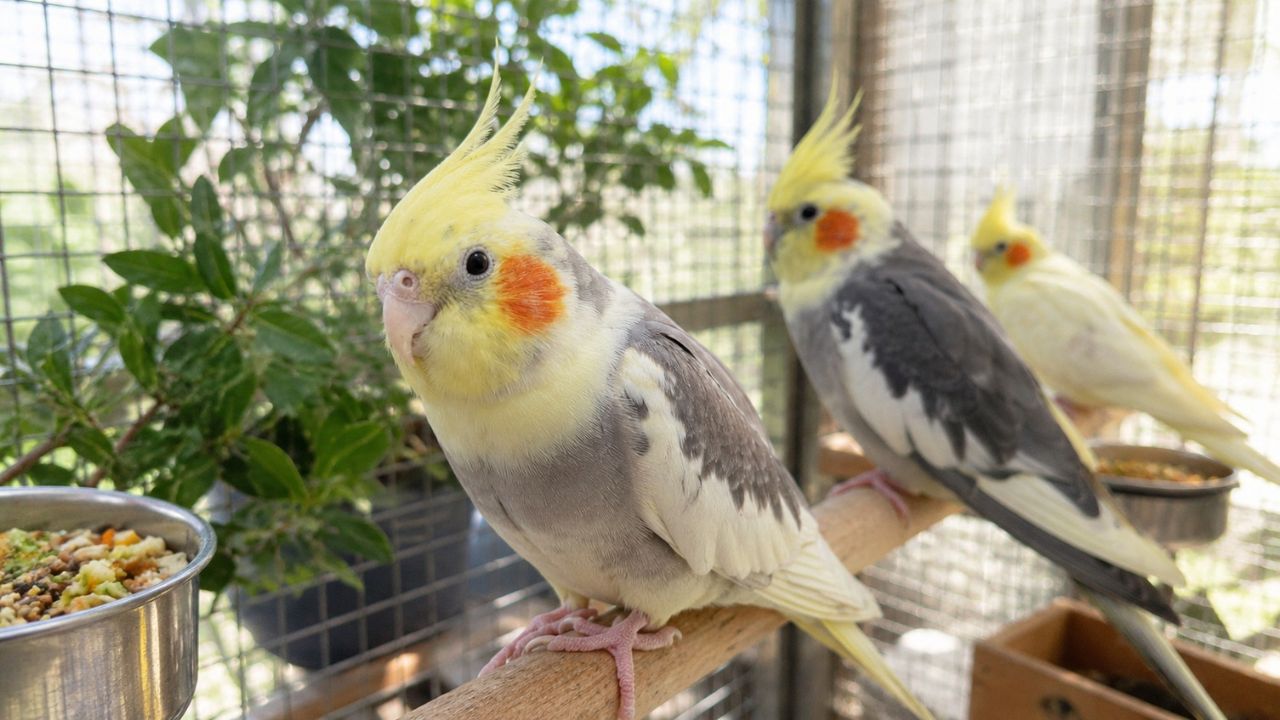

Neil has kept, bred, and sold cockatiels at Paradise Pets Swindon since 1988 — over 35 years of first-hand experience with these birds. The question of how long cockatiels live is the one he considers most important to answer honestly before any purchase. Most people are not prepared for the answer. This guide is his attempt to make sure they are.
It stops people every time.
Someone comes in, they have been looking at the cockatiels for five minutes, they are clearly interested, and then I mention the lifespan. And I watch their expression change.
Not in a bad way, usually. More in the way of someone who has just been given a piece of information that genuinely changes the shape of a decision they thought they had already made.
Twenty years. Sometimes more.
A cockatiel bought today — by a parent who thinks they are getting their ten-year-old a manageable first bird — could still be in that household when the child is thirty. That is not a warning. It is a fact. And it is a fact that deserves to be the first thing anyone knows before they buy one of these birds.
This guide covers everything I know about cockatiel lifespan — what affects it, what shortens it, what extends it, and what three decades of watching these animals has taught me about how to give one a genuinely long and healthy life.
The Honest Answer — How Long Cockatiels Actually Live
A well-kept cockatiel in a good UK home typically lives between fifteen and twenty-five years. The commonly cited veterinary range is ten to twenty-five years, and both ends of that range are real — ten-year lifespans occur, usually in birds that were not kept well, and lifespans beyond twenty-five are documented, usually in birds that were kept exceptionally well.
In my experience across thirty-five years — hundreds of cockatiels sold, many of whose owners I still see regularly — the majority of birds in genuinely good homes reach between fifteen and twenty years. That is the realistic middle of the range for an owner who gets the diet right, manages the environment properly, and pays attention to their bird’s health.
Wild cockatiels in their native Australia typically live ten to fifteen years. The captive lifespan is longer because the risks of the wild — predation, drought, disease, competition for food — do not apply. A captive bird with reliable food, clean water, no predators, and access to veterinary care can significantly exceed what wild conditions allow.
The number that matters is this: if you buy a cockatiel today, you should assume it will be part of your household for at least fifteen years. Plan accordingly. Make decisions accordingly. And if fifteen years is not a commitment you can genuinely make — find a different pet. There is no shame in that. The shame is in finding out ten years in that you were not ready.
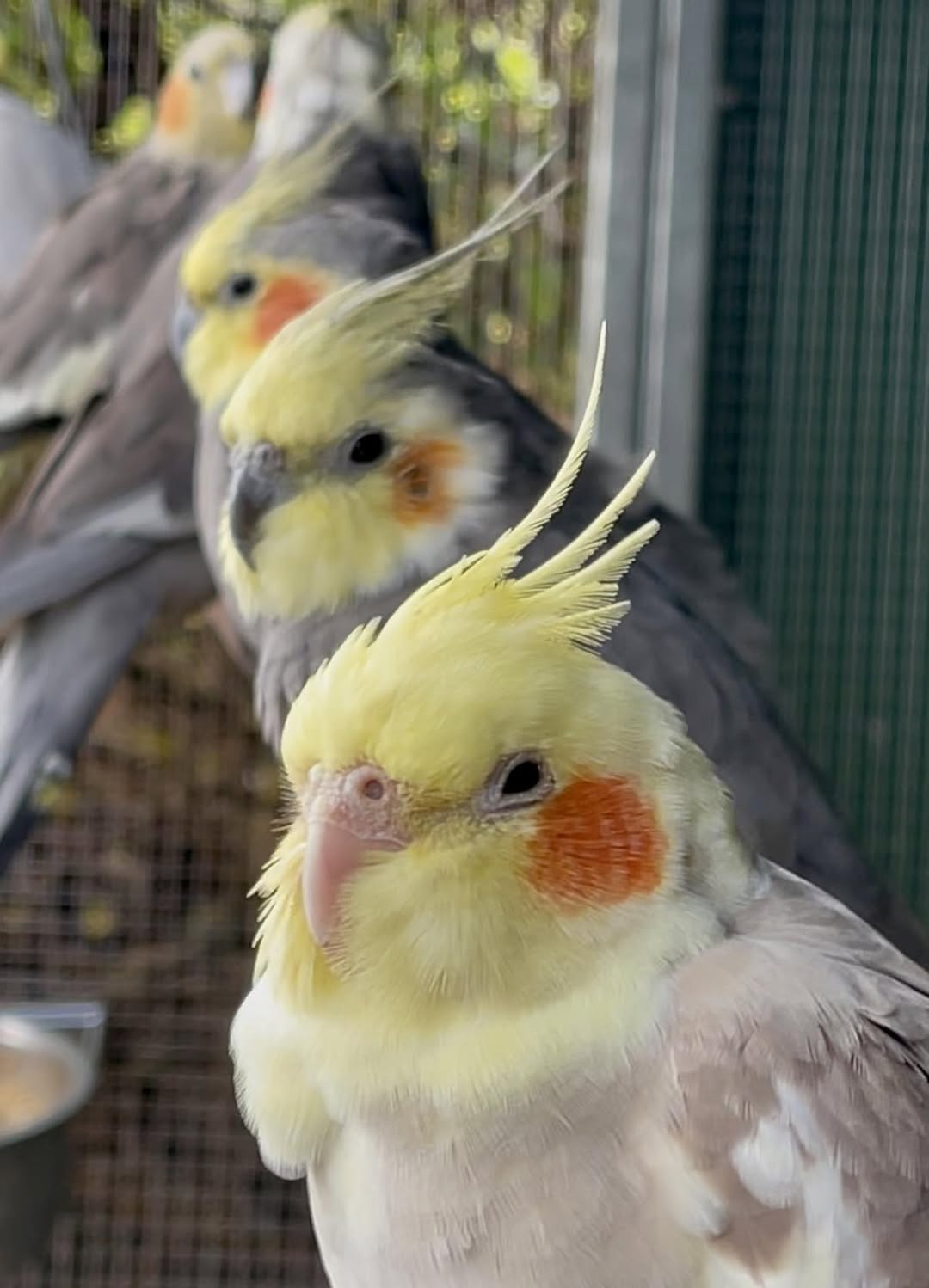
Why the Range Is So Wide — From 10 Years to 25
The ten-to-twenty-five-year range is wide, and the reason it is wide is that cockatiel lifespan is genuinely sensitive to the quality of care they receive. More so than many other birds.
A cockatiel in a poor environment — wrong diet, chronic stress, constant exposure to airborne irritants, illness undetected for months — will not reach fifteen years. In serious cases, it will not reach ten. This is not about dramatic neglect. It is about a collection of common, everyday mistakes that individually seem minor but together take years off a bird’s life.
A cockatiel in a genuinely good environment — correct diet, appropriate stimulation, clean air, prompt attention to health changes — will reliably reach the upper end of the range. The difference between a twelve-year-old cockatiel and a twenty-two-year-old cockatiel is almost always traceable to specific decisions made by their owners throughout those years.
Genetics plays a role, as it does in all animals. A bird from a healthy breeding line, from a breeder who has selected for vigour and health over generations, starts life with better odds than one from an unknown background. This is one of the reasons we source our cockatiels only from UK breeders we have worked with for decades — not because it guarantees a long life, but because it sets the best possible starting point.
But genetics sets a ceiling. Care is what determines how close to that ceiling the bird actually gets.
The Diet Question — The Biggest Factor Most Owners Get Wrong
If there is one thing that shortens cockatiel lives more consistently than anything else I have observed in thirty-five years, it is a seed-only diet.
Seeds are not inherently bad for cockatiels. They are part of a natural wild diet and cockatiels enjoy them. The problem is that seeds are high in fat and low in the full range of nutrients a cockatiel needs for long-term health. A cockatiel living exclusively on seeds — which is how the majority of UK pet cockatiels are kept, because it is easy and the birds eat them readily — is developing fatty liver disease slowly and silently over the years. By the time the symptoms are obvious, the damage is significant.
The diet I recommend, and the one that is associated with the longest-lived cockatiels I have seen, looks like this:
A quality seed mix as a base — not as the whole diet. A good portion of pellets formulated specifically for cockatiels, which provide the full nutritional profile that seeds lack. Daily fresh vegetables: leafy greens, broccoli, carrot, courgette, red bell pepper. Small amounts of cooked egg or other protein occasionally. Cuttlefish bone always available for calcium. Fresh water changed daily.
This is not complicated. It is slightly more effort than filling a seed bowl. And the difference it makes to a cockatiel’s coat condition, energy levels, and long-term health is visible and measurable.
Switching an established seed-addict cockatiel to a better diet requires patience — birds that have eaten seeds all their lives can be resistant to change. There are methods for transitioning gradually, and we are always happy to talk through them at the counter. But the transition is worth making regardless of the bird’s age.
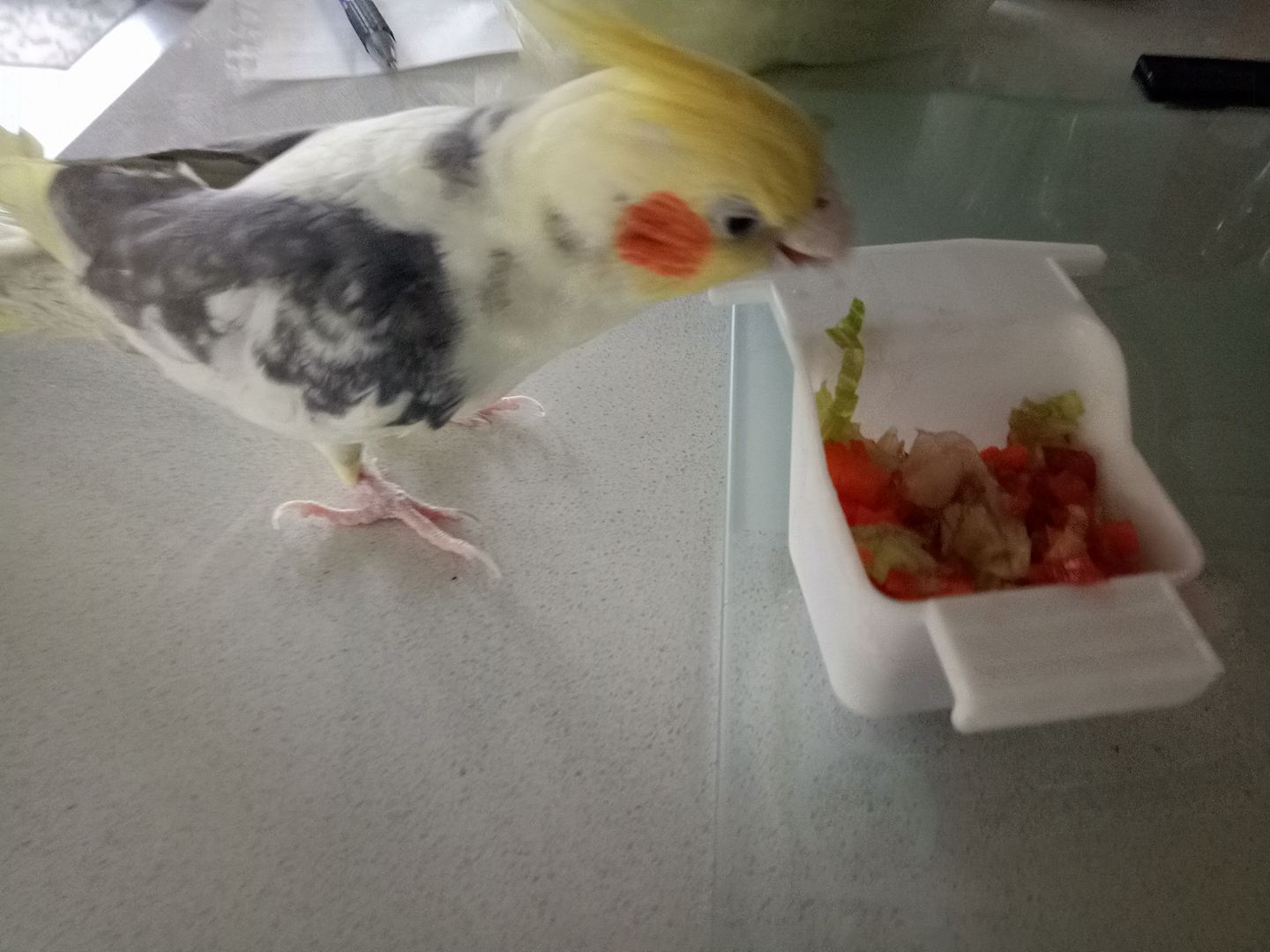
The Things That Cut Years Off a Cockatiel’s Life
Beyond diet, these are the factors I see most consistently in birds that die before their time.
Airborne fumes — particularly PTFE. Cockatiels, like all birds, have an extraordinarily efficient respiratory system that extracts oxygen far more effectively than a mammal’s. The same efficiency that makes them good flyers makes them acutely vulnerable to airborne toxins. Non-stick cookware heated to high temperatures releases PTFE fumes that can kill a cockatiel in minutes. But even at lower exposure levels — a kitchen where non-stick pans are used regularly, a home where scented candles are burned in the same rooms as the bird — there is chronic low-level respiratory irritation that accumulates over time. Stainless steel and cast iron cookware, no aerosol sprays near the bird, no scented candles in the bird’s room. These are not optional adjustments.
Chronic stress from isolation or boredom. A cockatiel kept alone with no stimulation, no out-of-cage time, and minimal human interaction is a stressed bird. Chronic stress suppresses the immune system, increases susceptibility to illness, and has direct physiological effects that shorten life. A cockatiel that has hours of out-of-cage time, regular interaction, foraging enrichment, and either a companion bird or a genuinely engaged owner will be healthier and longer-lived than one that does not. This is not conjecture. It is what I have observed consistently for thirty-five years.
Chronic egg laying in females. Unspayed female cockatiels can lay eggs without a male present, and some do so obsessively. Each clutch of eggs depletes calcium significantly. A female laying repeatedly without adequate calcium supplementation will develop metabolic bone problems, organ damage, and a shortened lifespan. If you have a female cockatiel and she is laying frequently, this needs to be discussed with a vet. There are management strategies that work — the problem is that many owners do not know to look for it.
Night frights. Cockatiels are prone to sudden nocturnal panic — startled by a noise or a shadow, they thrash around the cage in darkness, sometimes injuring themselves. A low-level night light near the cage prevents this almost entirely. It is a simple fix. Owners who do not know about night frights and do not use a night light may find their bird injuring itself repeatedly — and the cumulative stress and occasional injury of regular night frights is not without health consequences over many years.
Illness not caught early. Birds are prey animals. They hide illness until they cannot. By the time a cockatiel is visibly unwell — sitting on the cage floor, puffed up, tail bobbing — the condition has usually been progressing for some time. An owner who handles and observes their bird daily, who knows what normal looks like and notices small changes early, will get help sooner. Earlier almost always means better outcomes and a longer overall life. I have written about the warning signs every cockatiel owner should know in detail — read it and know it.
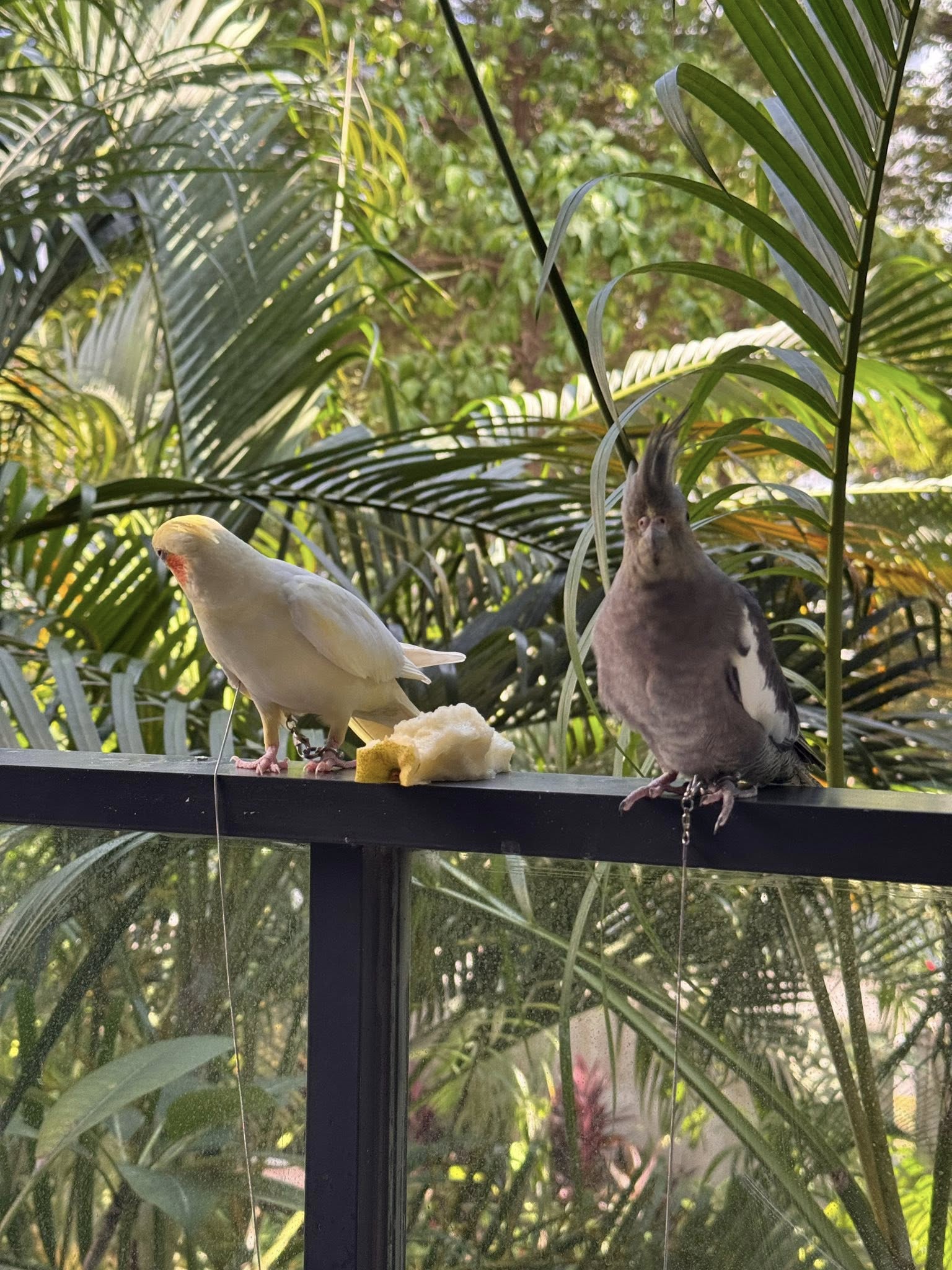
What Consistently Extends a Cockatiel’s Life
The other side of the same coin. These are the things I see in cockatiels that reach twenty years or more in genuinely good condition.
A varied, nutritionally complete diet from the start. The birds that live longest are almost universally the ones whose owners got the diet right early and maintained it consistently. Pellets, fresh vegetables, limited seeds. Simple, consistent, sustained.
A companion or genuinely engaged owner. Cockatiels are flock animals. They are not built for solitude. A bird with a companion — another cockatiel, ideally same-sex unless breeding is intended — or an owner who provides several hours of genuine interaction daily will be less stressed, more stimulated, and longer-lived than one kept alone with minimal contact.
Clean air throughout their entire life. No PTFE, no aerosols, no scented candles in the bird’s environment. Not just when you remember. Consistently, as a household policy, for the entire duration of the bird’s life.
Regular health monitoring and prompt veterinary attention. Twice-yearly vet checks from a vet with avian experience — not a general practice that rarely sees birds. Weight monitored at home regularly, so gradual changes are caught before they become significant. Any change in behaviour, droppings, appetite, or vocalisation taken seriously rather than waited out.
Adequate space and daily out-of-cage time. A cockatiel that flies, climbs, explores, and uses its body fully will maintain better physical condition into old age than one confined to a cage permanently. Muscle tone, cardiovascular health, mental engagement — all of these benefit from freedom of movement. Two or more hours out of the cage every day, in a bird-proofed space where the bird is safe.
What Ageing Looks Like in a Cockatiel
Knowing what normal old age looks like in a cockatiel matters — because some signs of ageing are exactly that, and others are illness wearing the disguise of age.
A genuinely ageing cockatiel, from around ten to twelve years onwards, will slow down. Less frantic movement, more time sitting contentedly on a favoured perch. The feathers may become slightly less vibrant — the orange cheek patches a little less bright in males, the overall plumage slightly less glossy. The bird sleeps more. It may become more routine-bound, less interested in investigating new objects.
None of these things are causes for concern on their own. They are what getting old looks like in a cockatiel.
What is not normal ageing: significant weight loss, a bird that has stopped calling or singing when it always did, obvious difficulty breathing, a bird that sits on the cage floor, or one that has stopped eating. These are signs of illness in an old bird as much as a young one. Old age is not a diagnosis — if a cockatiel seems unwell, it is unwell, and it needs a vet regardless of its age.
Older cockatiels need the same essentials as younger ones, with some adjustments. Softer perches — rope perches and wider dowelling are easier on ageing feet. More accessible food and water — if the bird is less mobile, make sure nothing requires significant climbing to reach. Warmth — an older bird is less able to regulate its own temperature. And a vet familiar with the bird’s history, who can distinguish normal ageing from the onset of a treatable condition.
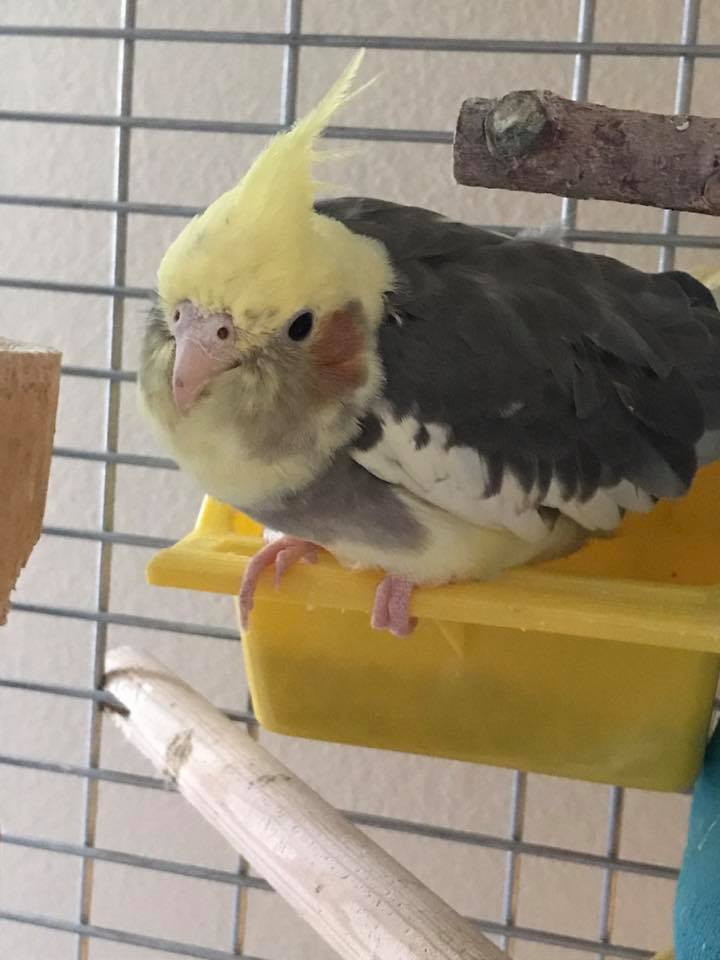
- “My last cockatiel only lived eight years — they don’t live that long” — Eight years is significantly below the expected lifespan for a well-kept cockatiel. It is worth honestly examining what that bird’s diet, environment, and health monitoring looked like. In most cases where cockatiels die young, there is a specific, identifiable cause — usually diet or an environmental factor. It is not the norm for a healthy bird.
- “She’s ten — she’s had a good innings” — A ten-year-old cockatiel is middle-aged. With good care, it may have another ten to fifteen years ahead of it. Treating a ten-year-old cockatiel as nearly at the end of its life risks under-investing in its care precisely when maintaining good management matters most.
- “Seeds are fine — cockatiels eat seeds in the wild” — Wild cockatiels eat a much more varied diet than the seed mixes available in UK pet shops — different grasses, insects, plant matter, and seasonal variety. A captive bird on a single commercial seed mix is not eating what a wild bird eats. It is eating the equivalent of the same processed food every day for its entire life, and the health consequences are real.
- “Non-stick pans are fine if you don’t burn them” — PTFE releases fumes at temperatures that do not require visible burning. A pan heated empty on a high gas ring — common in UK kitchens — can reach fume-releasing temperatures without any smoke or smell. The safest policy with cockatiels in the house is no non-stick cookware. Not “be careful with non-stick cookware.”
- “Twenty years sounds like a long time but it goes quickly” — It does go quickly — which is exactly why it is important to get the care right from the beginning. Twenty years of a seed-only diet is twenty years of cumulative damage. Twenty years of good diet is twenty years of building genuine health. The time passes either way.
- “We’ll think about what happens to it if we move abroad when that comes up” — It comes up. People’s lives change — moves, divorce, illness, allergies, new babies. A twenty-year commitment needs a contingency. Have a conversation now about what would happen to the bird if your circumstances changed significantly. A cockatiel that has bonded deeply with its family is not easy to rehome successfully at twelve years old.
What I Tell Every Cockatiel Buyer at the Counter
When someone comes in seriously interested in a cockatiel, the lifespan question is the first thing I address. Not to put them off — to make sure what follows is grounded in reality.
- They understand the lifespan in concrete terms.
Not “cockatiels live a long time” — specifically, fifteen to twenty-five years. I ask them to think about what their life looks like in fifteen years. Where will they be living. Whether their children will still be at home. Whether their circumstances are likely to change significantly. A commitment made with clear eyes is a commitment that holds. - They know about the diet.
Seed mix alone is not a diet. Pellets, fresh vegetables, limited seeds — every day, not occasionally. I explain why, clearly. If someone pushes back with “but seeds are easier” I explain what the long-term consequence of a seed-only diet looks like. In my experience, most people will make the effort once they understand the reason. - They have thought about PTFE and airborne fumes.
I ask directly: do you use non-stick cookware? Do you use air fresheners or scented candles in the house? If yes to either, I explain why this needs to change before the bird comes home. Not after. This is a non-negotiable for me. - They know about the noise.
Contact calls at dawn and dusk. A cockatiel that cannot see its owner and wants to know where they are. Loud, carrying, persistent. I describe it accurately rather than minimising it. Households where this will cause a genuine problem need to know before the bird arrives, not after. I cover this in detail in our full cockatiel guide. - They have a plan for veterinary care.
A vet with avian or exotic animal experience, ideally one identified before the bird arrives. General practice vets vary considerably in their confidence with birds, and a cockatiel that becomes ill needs a vet who knows what they are looking at. I always recommend identifying this in advance rather than searching in an emergency.
If you leave that conversation still wanting a cockatiel — and most people do — we go and look at the birds. If something in that conversation changes the decision, I would rather it change it now. A cockatiel that goes to the right home will be there for twenty years. Getting that right is worth every minute of the conversation.
Come and see us at Manor Garden Centre, Cheney Manor Industrial Estate, Swindon, SN2 2QJ — open every day. Or call us on 01793 512400.
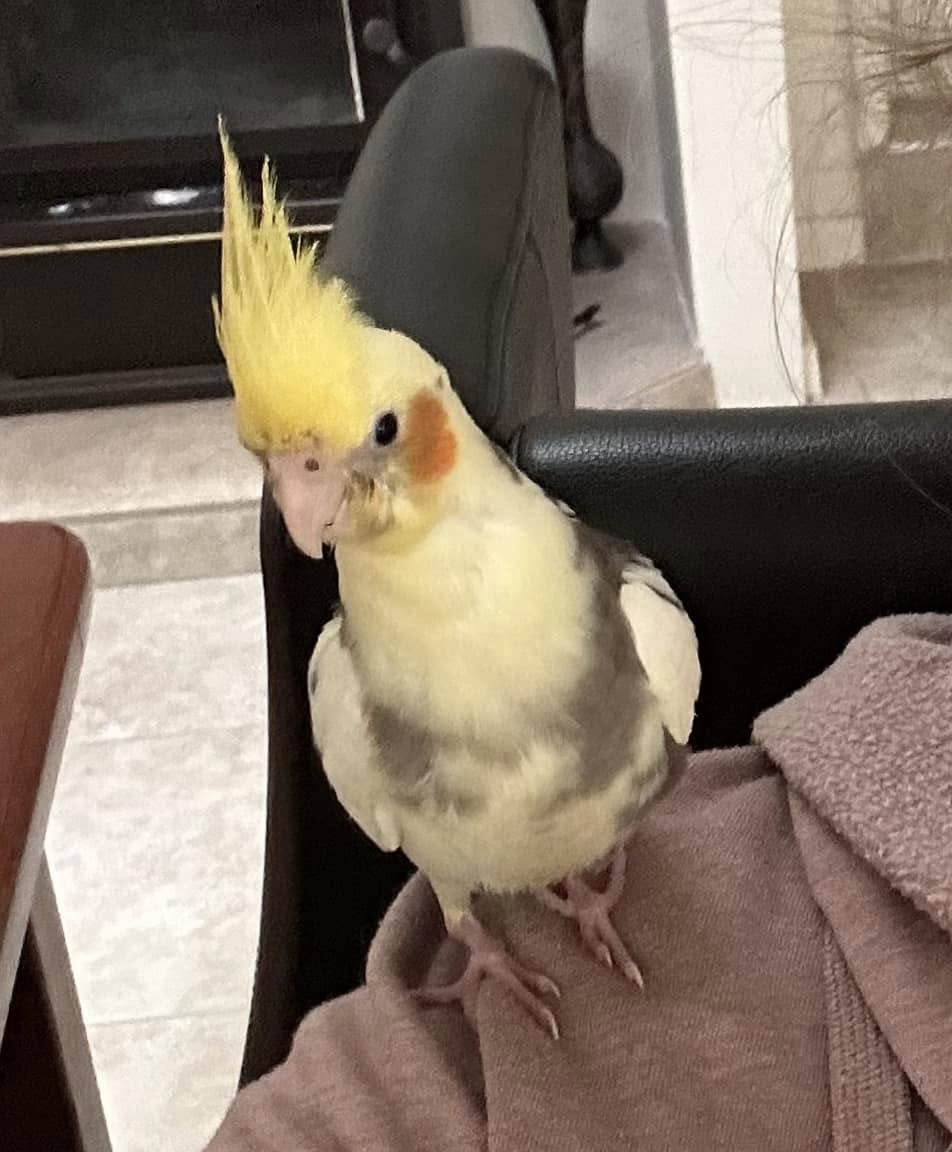
Visit Us at Paradise Pets Swindon
We stock cockatiels year-round — normal greys, lutinos, pieds, pearls, and cinnamons depending on availability. All UK-bred, all from breeders we have worked with for years, all handled from a young age. Come in and spend time with the birds before you decide. There is no rush and no pressure.
We also stock a full range of budgerigars, guinea pigs, rabbits, and an extensive range of gerbils and hamsters.