
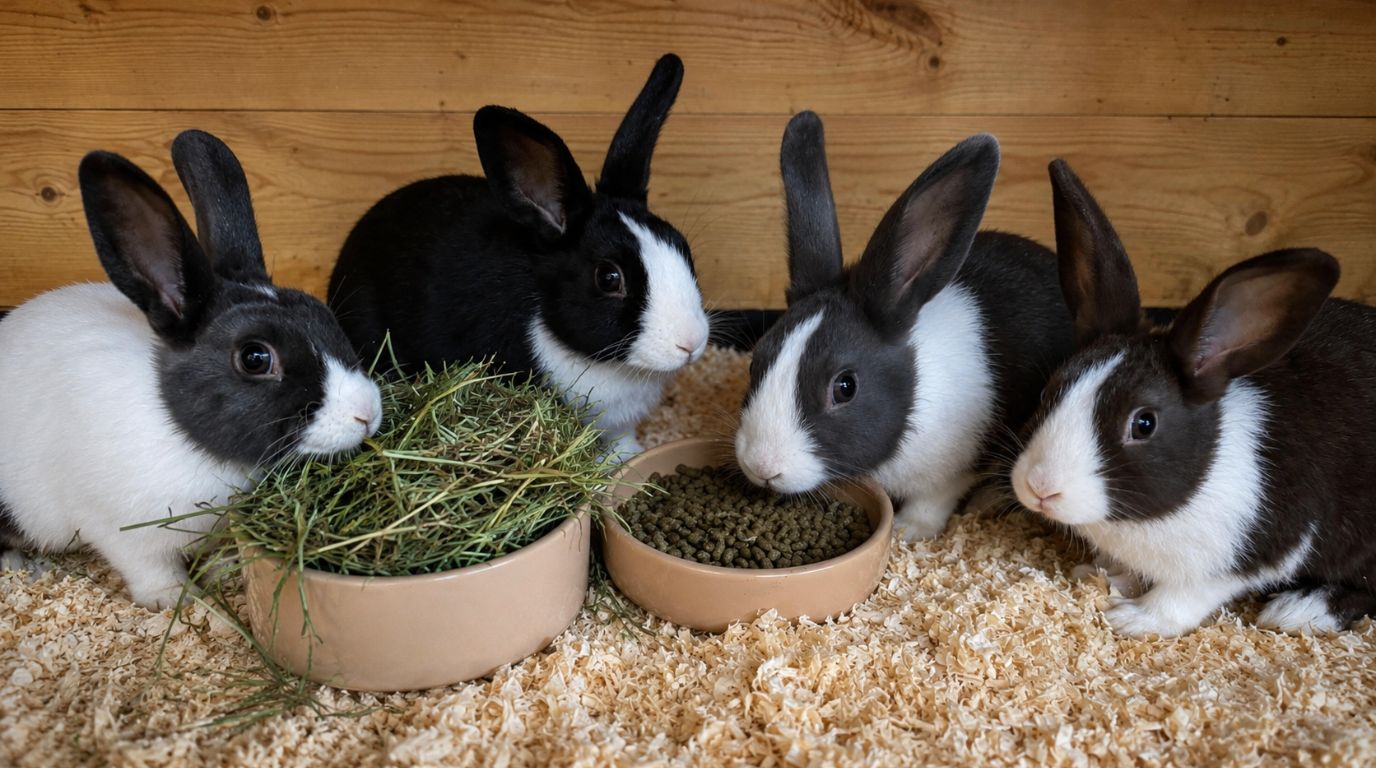

From the counter at Paradise Pets
Neil has owned and run Paradise Pets Swindon since 1988 — over 35 years of selling, keeping, and advising on small animals and birds. This article reflects what he has observed at first hand, in store, over three decades.
Every spring, usually in the weeks around Easter, I have the same conversation. A family walks through the door — mum, dad, two children — and before they have even properly looked around, one of the kids says it: “Can we get a rabbit?”
The parents look at each other. They have already discussed this at home. The decision, in their minds, is made. Rabbits are small. Rabbits live in a hutch outside. Rabbits are quiet. Easy. Low-maintenance. Perfect for children.
And then I have to gently explain that most of those assumptions are wrong.
I am not trying to talk anyone out of owning a rabbit. We sell rabbits. I love rabbits. We breed most of our own here, and the ones we stock are healthy, well-handled, and genuinely lovely animals. But I would rather have an honest conversation with a family for ten minutes now than have them come back in six months — embarrassed, upset — having given the rabbit away.
That happens. More often than most pet shops will tell you. And it doesn’t have to.
“The number of rabbits that get rehomed in the UK every year is staggering. Most of those rehomings were entirely preventable — if someone had just been honest at the start.”
The Myth That Starts at Easter
Rabbits have been sold as “starter pets” and “children’s pets” for generations. And I understand why — they are small, they are cute, they do not bark, they do not scratch the furniture. From the outside, they look manageable.
But there are a few basic facts about rabbits that tend to surprise people who have not owned one before.
The lifespan catches people off guard most often. A rabbit is not a six-month commitment. It is a ten-year commitment — which means the child who wanted the rabbit at eight will still technically “have a rabbit” when they are at university. In practice, when that happens, the rabbit becomes the parents’ rabbit. That is worth thinking about before you buy one.
The hutch situation is something I see constantly. The colourful plastic and wood hutches that get sold in large chain pet shops — the ones that look impressive on the shelf — are almost universally too small. A rabbit needs space to take at least three full hops in any direction. Most small hutches do not allow that. A rabbit that cannot move properly is a rabbit that will develop physical and behavioural problems.
- Buying a hutch that is too small — the animal cannot move, turn, or stretch properly
- Keeping a rabbit alone — they are highly social and need company (ideally another neutered rabbit)
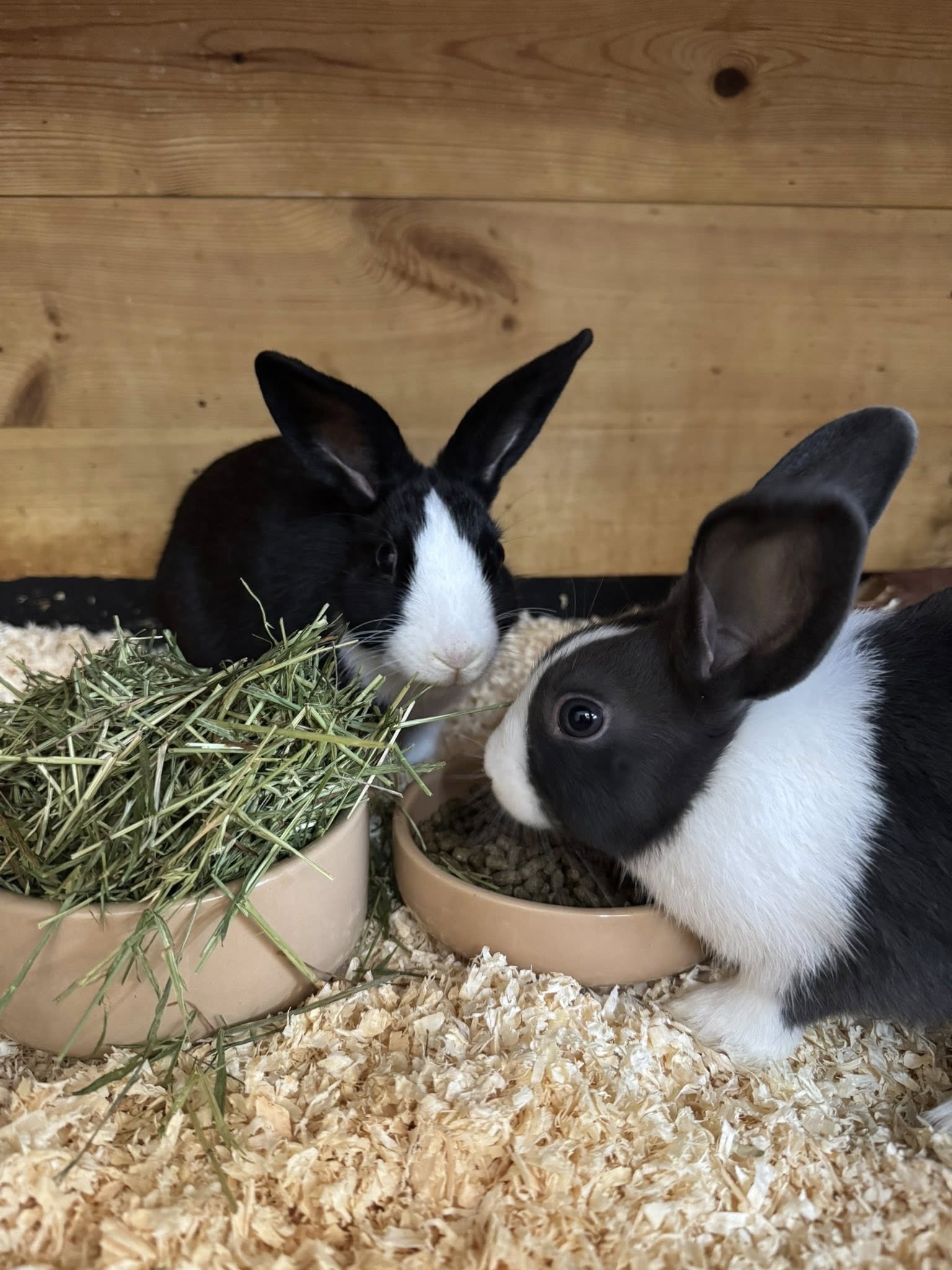
- Feeding mostly pellets — a rabbit’s diet should be 80% hay, not pellets
- Leaving the rabbit outside in summer without adequate shade — rabbits overheat and die quickly in direct sun
- Not handling the rabbit regularly — an unhandled rabbit becomes fearful, then aggressive when approached
- Skipping vaccinations — myxomatosis and RHD2 are fatal and both are preventable
What Rabbits Actually Need Every Single Day
This is where the “low-maintenance” idea really breaks down. Rabbits have daily needs that are more demanding than most people expect — not impossible, not even particularly difficult if you are prepared for them, but definitely not low-maintenance.
Diet
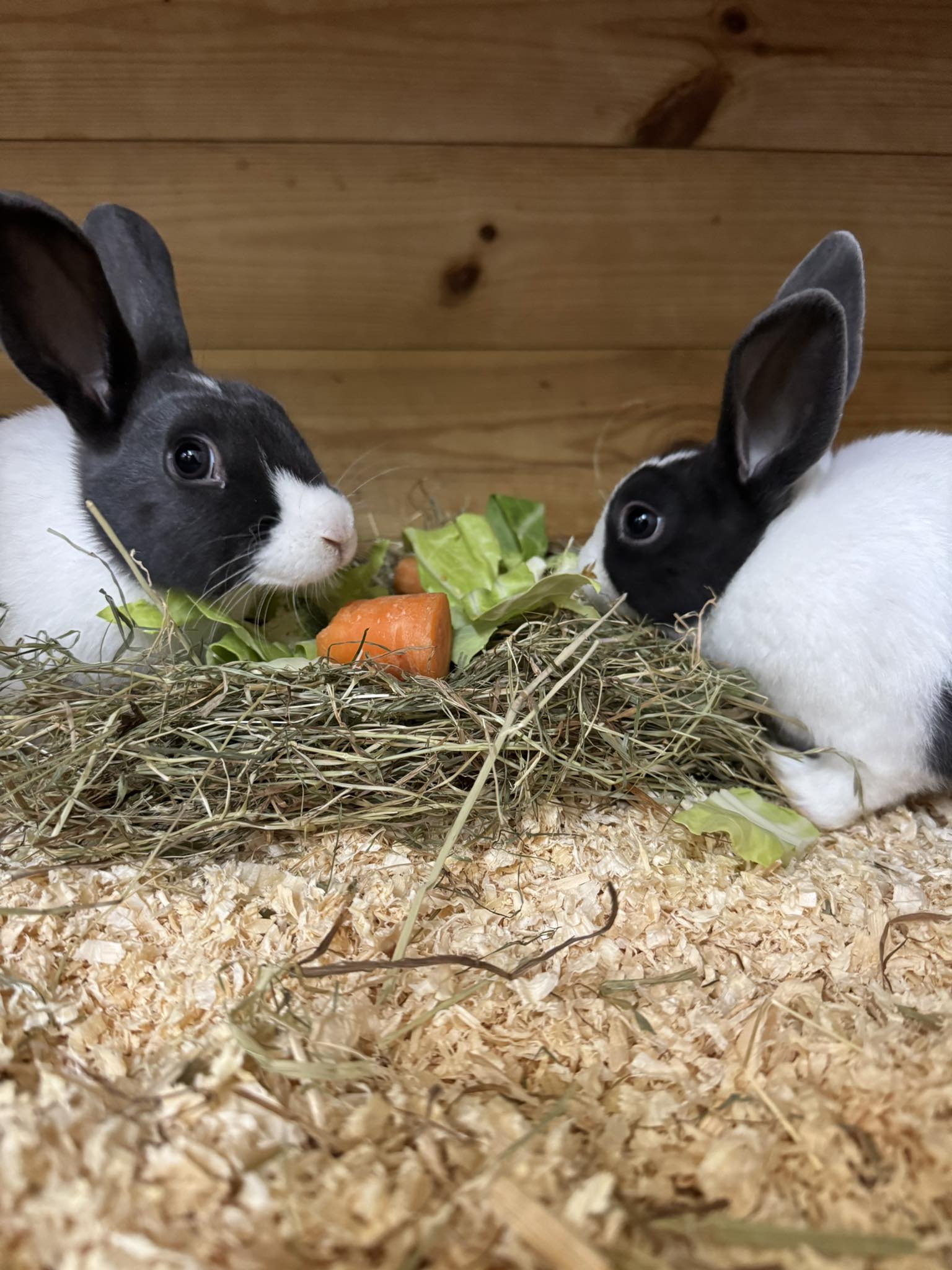
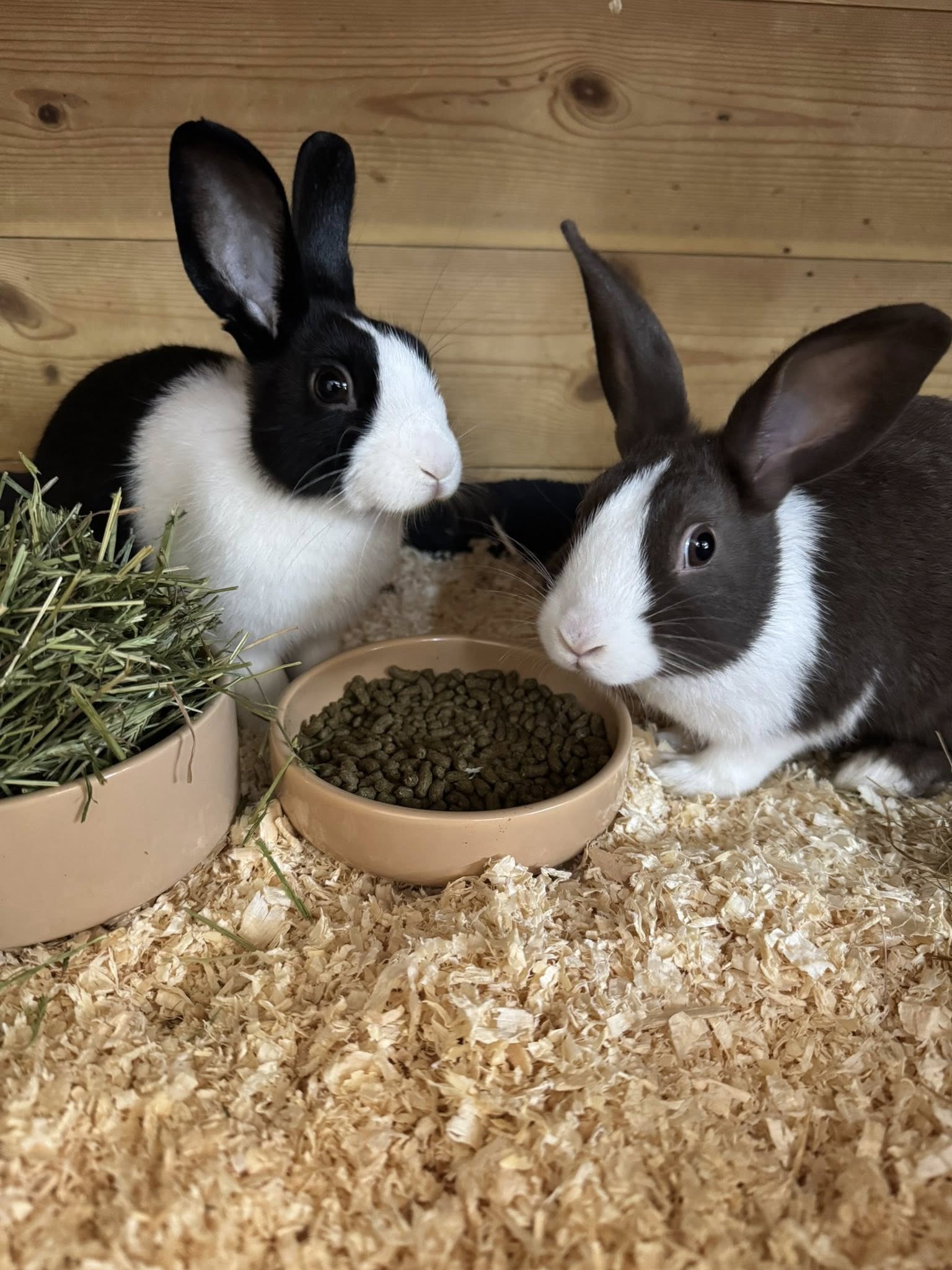
A rabbit’s digestive system is built around hay. Not pellets. Not vegetables. Hay — and lots of it, available at all times. Hay should make up around 80% of what a rabbit eats. Fresh leafy greens (not iceberg lettuce) can supplement this daily. Pellets should be used sparingly — a small amount per day, not a bowl kept constantly full.
The reason this matters is that a rabbit’s gut needs to keep moving constantly. If it slows down — due to stress, wrong diet, or not enough fibre — you get a condition called GI stasis, which can be fatal within 24–48 hours. It is one of the most common causes of rabbit death, and it is almost always diet and stress related.
Space and Exercise
Rabbits cannot live in a hutch all day. They need to come out — to run, to explore, to binky (the joyful leap and twist they do when they are happy and have enough space). A rabbit that never runs will develop weak bones and muscle problems. If you do not have a garden, you need to create indoor space for this. A rabbit-proofed room works well, but it requires planning.
Companionship
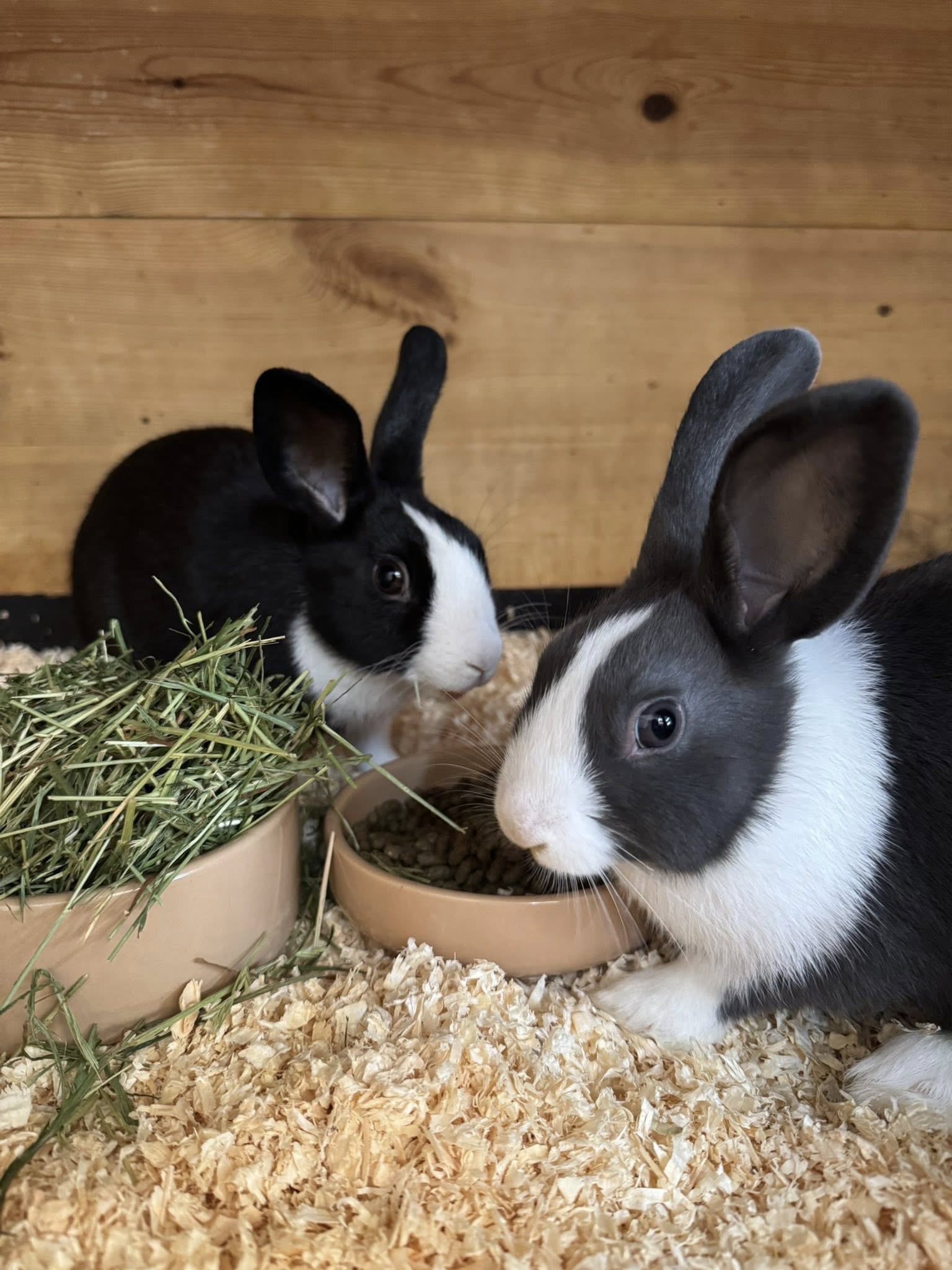
Rabbits are prey animals with a strong social instinct. A lone rabbit is, in most cases, a lonely rabbit. The ideal situation is two neutered rabbits kept together — they groom each other, sleep in a pile, and are visibly calmer and more settled than solitary rabbits. Yes, neutering costs money. But the difference in the animal’s wellbeing is significant.
Regular Handling
A rabbit that is not handled regularly from a young age will not stay tame. This is something children in particular need to understand. You cannot ignore a rabbit for a week and then expect it to enjoy being picked up. The relationship requires consistent, gentle, daily contact. A well-handled rabbit is relaxed and genuinely affectionate. A poorly handled one will thump, scratch, and bite — not because it is a bad animal, but because it is frightened.
When a Rabbit IS the Right Pet
I have spent most of this article telling you what can go wrong. I want to be equally honest about what goes right — because when a rabbit goes to the right home, it is a genuinely brilliant pet.
A well-kept rabbit has a personality. They recognise their owners. They come to the edge of their enclosure when you approach. They flop dramatically onto their sides when they are fully relaxed (which, if you have never seen it before, looks alarming but is actually a sign of complete contentment). They can be trained to use a litter tray. Some will sit on a lap for extended periods. Some will follow you around the house.
The families who get the most from a rabbit are usually:
- Families with older children — ten or eleven and above — who are old enough to handle gently and consistently
- Households where at least one person is home during the day, so the rabbit is not isolated for eight hours at a stretch
- People with outdoor space — even a modest garden — where a properly sized run can be set up
- Families who have thought seriously about a ten-year commitment and are genuinely comfortable with it
- People who have owned pets before and understand that animals have daily needs regardless of whether it is convenient
If you fit most of those, come and talk to us. A rabbit might be exactly the right choice.
The Questions I Ask Every Family Before They Decide
When a family comes in and they are serious about buying a rabbit, I ask them a few things before we go any further. Not to put them off — just to make sure the match is right. Because a rabbit that goes to the wrong home is bad for the rabbit, bad for the family, and bad for everyone.
- Who will be responsible for the rabbit day-to-day?
Not “the children” as a vague answer — specifically which adult will make sure it is fed, watered, and handled every single day, including school holidays, Christmas, and the February half-term when the family is away. - What is your plan for the rabbit during holidays?
Unlike a cat, you cannot leave a rabbit for a weekend with a bowl of dry food. They need daily care. Do you have someone you trust to look after it properly? - Have you budgeted for vet costs?
Annual vaccinations, potential illness, dental issues (common in older rabbits), neutering if you want two. Over a ten-year lifespan, the vet costs of a rabbit are not trivial. - Where will the rabbit actually live?
Outside in a hutch is fine if the setup is correct — right size, weatherproofed, protected from predators, with a run. Indoor rabbits can work beautifully too. What does not work is a tiny hutch with no run and no daily contact. - Are the children actually interested — or is this a this-week interest?
I ask this kindly. Every parent knows the difference between genuine sustained interest and a phase. A rabbit deserves the former.
None of these questions are designed to put people off. They are designed to make sure that the family walking out of our shop with a rabbit is going to give that rabbit a good life.
The Rabbits We Stock at Paradise Pets
We breed most of our own rabbits, and we source the remainder from trusted UK breeders only. We do not import animals — every rabbit we sell has been born and raised in this country, and most of them here on site. That matters to us, and it should matter to you.
Here is a quick guide to the breeds we typically stock and what makes each one suited to different homes:
| Breed | Size | Best suited for |
|---|---|---|
| Netherland Dwarf | Small (0.9–1.1kg) | Experienced owners — can be skittish; not always ideal for young children |
| Mini Lop | Medium (2–2.5kg) | Families — calm temperament, good with gentle children, easy to handle |
| Dwarf Lop | Medium (2–2.5kg) | Families and first-time owners — one of the most relaxed and affectionate breeds |
| Mini Rex | Small-medium (1.5–2kg) | People who want a rabbit that enjoys being handled — velvety coat, distinctive feel |
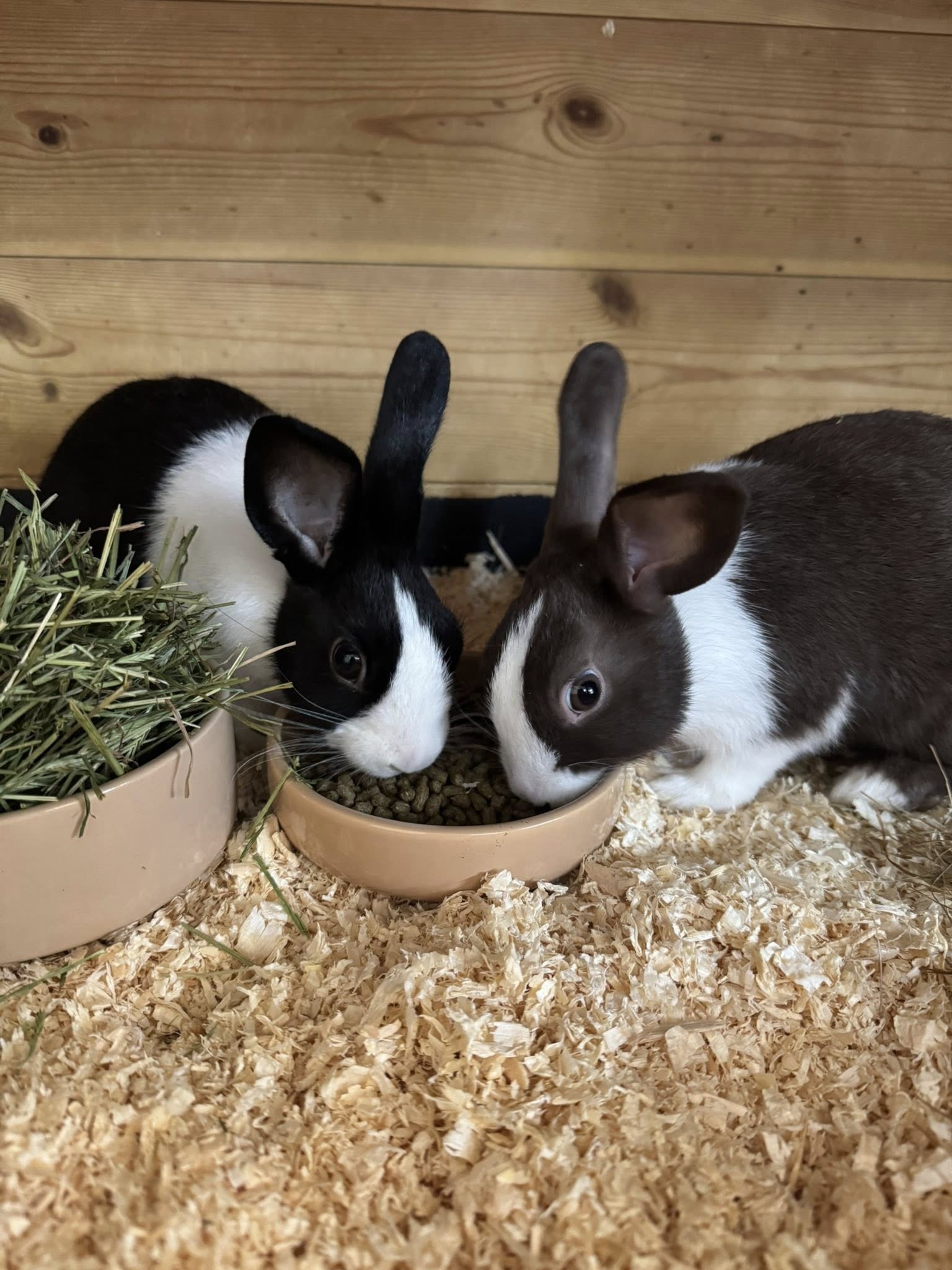
| Dutch | Medium (2–2.5kg) | All types of owners — friendly, robust, and one of the most reliably even-tempered breeds |
Availability changes regularly — we often have babies visible with their mother while they are still growing on, and we update stock as we go. If you are looking for a specific breed, it is always worth calling ahead or dropping in to see what we currently have.
Our rabbits page has more information on what is in stock and how to find us.
One Final Thing — And I Mean This
If you come into Paradise Pets and we talk through everything above and I think you are not quite ready — I will tell you. Gently, and without making you feel bad about it. But I will tell you.
And if you come back six months later, having thought about it properly, with a clearer plan — I will be genuinely glad to see you. Because that rabbit is going to go to a home that is actually ready for it.
We have been doing this since 1988. We have seen thousands of animals go to thousands of homes. The ones that work — the families who still talk about their rabbit ten years later, the children who grew up with animals and carry that with them — those families were ready before they bought.
The ones that did not work were not bad people. They just were not told the truth at the start.
Come and see us. We stock a full range of small animals, and we are happy to spend as long as you need talking through your options — whether you leave with a rabbit, a guinea pig, a hamster, or nothing at all. We would rather you walk out without a rabbit and come back ready than sell you one today and see it rehomed next spring.
That is the honest answer. And after 35 years, it is still the only one I know how to give.
Visit Us at Paradise Pets Swindon
We stock Netherland Dwarfs, Mini Lops, Dwarf Lops, Mini Rex and Dutch rabbits — all UK-bred, most raised on site. Drop in to see what we currently have, or give us a call before you make the trip.
While you are here, our team is happy to walk you through enclosures, feeding, and everything your rabbit will need from day one. We also stock a full range of guinea pigs, hamsters and gerbils, and an extensive selection of cage and aviary birds.
Manor Garden Centre, Cheney Manor Industrial Estate, Swindon, SN2 2QJ
⭐ Customer Reviews
Amazing Bird Selection
Had a lovley visit today,staff were very friendly and very helpful,such a great petshop,their selection of birds is incredible,really impressed,thank so much to the staff at Paradise Pets

Friendly Helpful Staff
I have been coming to this place for years and they have a great stock of food for all types of pets. Have a great selection of small mammals and a lot of birds. Staff are friendly and helpful.

Great Quality Hutch
Bought a guinea pigs hutch and run combo, very happy with the service, the hutch was put in my car for me without even asking for help. The wood quality is very good, the instructions easy to follow and we are extremely happy with the fully built hutch. A good size for 2 guinea pigs

Response from Paradise Pets | Wiltshire
Thank you Melanie Latus Nice to provide services to you.
Best Bird Shop Around
It’s the best pet shop in and around Swindon. They always have an amazing selection of birds and all you need to keep them happy. I keep birds myself and the guys there are happy to answer questions and really know their stuff. I have seen budgies etc. in chain pet shops in the area looking really unhealthy and ill – I wouldn’t go anywhere else than Paradise Pets for animals.

Highly Recommended Bird Shop
I could not praise this shop enough. Really helped my Grandson buy his first bird and he’s loving it. Travelled from Somerset and was welcomed with open arms.

Great Shop with Competitive Prices
Great shop with amazing selection for small animals, hamsters, mice ect, highly recommend!
Also has a great selection for dogs & cats too & very competitive prices! 💖

