
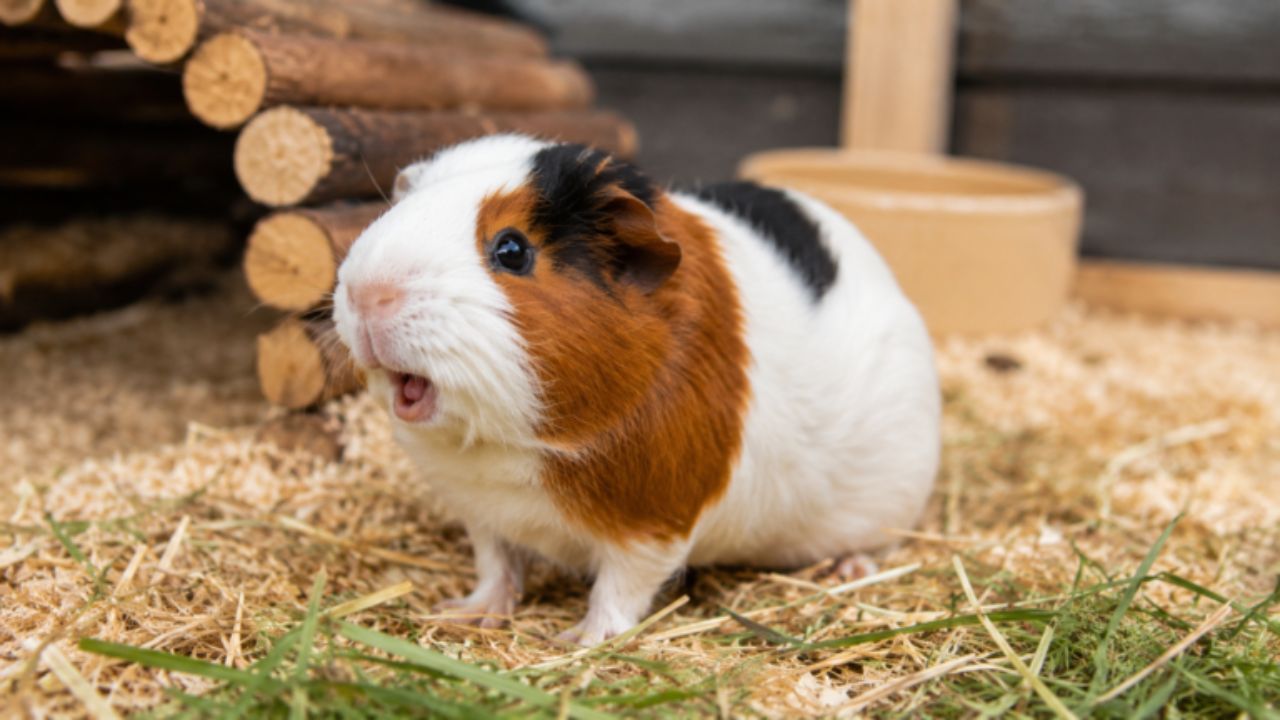

Neil has run Paradise Pets Swindon since 1988. Sarah leads our small animal section and has worked with guinea pigs for over 35 years. Between them, that is 75 years of combined hands-on experience. This article is their guide to what every guinea pig sound actually means — and which ones should make you act immediately.
A customer came in last spring carrying her guinea pig in both hands — no carrier, just cupped between her palms. “She keeps making this noise I’ve never heard before,” she said. “Like a loud rattling. Is that normal?”
It was not normal. It was tooth chattering — a warning sign — and it told us immediately that her two guinea pigs were in the middle of a serious territorial dispute. We sorted it out that afternoon. But what struck me was how little most owners know about what their guinea pig is actually trying to say.
Guinea pigs are one of the most vocal small animals we stock at Paradise Pets. They have a remarkably varied vocabulary — different sounds for completely different situations — and once you learn to read them, everything changes. You stop guessing and start actually understanding the animal you are living with.
The sounds are also one of the earliest warning systems you have. A guinea pig that has changed how it sounds — or gone silent altogether — is often telling you something is wrong before any other visible sign appears. After 75 years of combined experience between Sarah and me, we can tell a great deal from a few seconds of listening.
This is our complete guide to every sound your guinea pig makes, what each one means, and when you need to do something about it.
Why Guinea Pig Sounds Matter More Than Most People Realise
Let me explain something about guinea pigs that changes how you think about their sounds entirely.
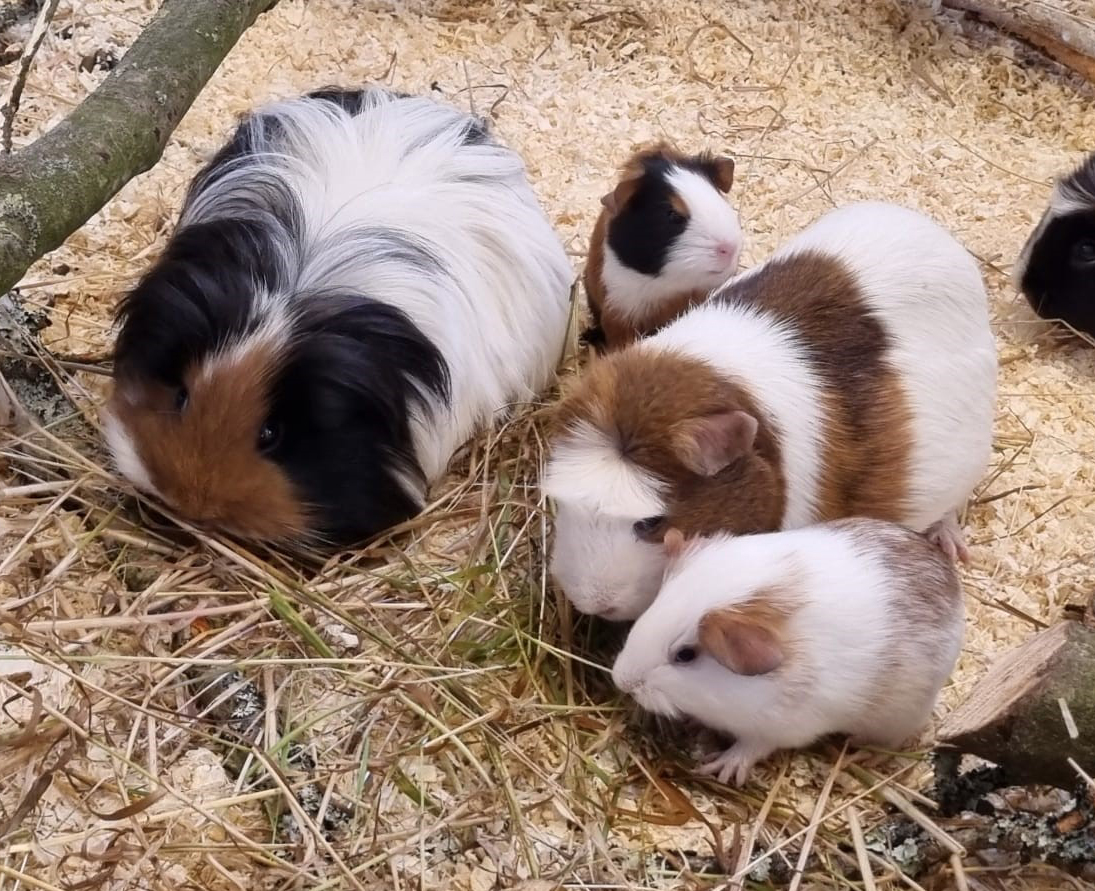
Guinea pigs are prey animals. In the wild, they live in large social groups and survive by staying alert and communicating constantly. That communication did not disappear when they became pets — it just got redirected at us.
The other thing to understand is that guinea pigs are hardwired to hide weakness. They will keep eating, keep moving, keep looking normal even when something is genuinely wrong — right up until they physically cannot manage it anymore. By the time you see visible symptoms of illness, the problem is often well advanced.
Sounds are different. A guinea pig in pain will grind its teeth. A guinea pig in distress will shriek. A guinea pig with gut problems goes unnervingly quiet. The sounds change before the physical signs do. If you know what to listen for, you will catch things early.
This is why we always ask owners — not just what does it look like, but what does it sound like?
The 8 Main Guinea Pig Sounds — And What They Each Mean
Sound 1: Wheeking — The One You Will Hear Most
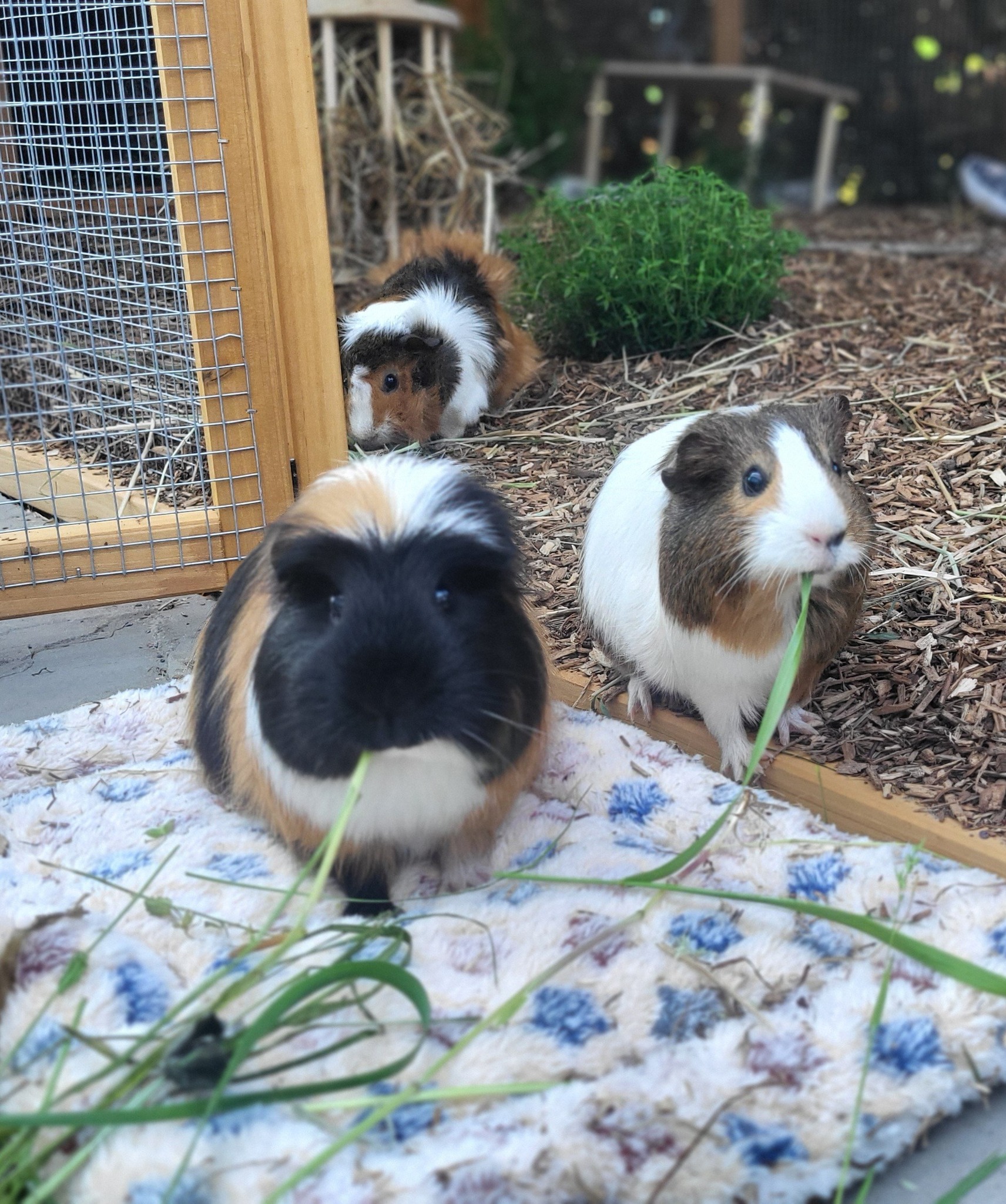
That long, high-pitched squeal — wheek wheek wheek — is the guinea pig’s most recognisable sound, and almost certainly the first one new owners encounter. It is loud. It is insistent. And it is extremely effective.
It almost always means one thing: anticipation.
Open the fridge. Rustle a bag near the kitchen. Walk into the room at the usual feeding time. The wheeking starts immediately. They have made the connection between the cue and the reward, and they are making absolutely sure you have not forgotten them.
It spreads between animals too — one starts and the others join in, which is one reason a pair of guinea pigs in a kitchen at mealtimes can make a surprising amount of noise for animals that fit in your hands.
What your guinea pig’s wheeking is telling you
- Regular wheeking at mealtimes — healthy, settled animal. Take it as a compliment. They trust you.
- Wheeking at random times with no food cue — they want attention, or something in the environment has unsettled them.
- A guinea pig that never wheeking — either not yet settled in, or has learned that calling out gets no response. Worth investigating.
- Wheeking that has stopped in a previously vocal animal — this is a warning sign. A quiet guinea pig is often an unwell guinea pig.
Sound 2: Purring — But Not The Kind You Are Thinking Of
Guinea pigs purr. It is a low, rolling, rumbling sound from deep in the chest. Unlike almost everything else in their sound library, it can mean two entirely different things depending on context — and confusing the two is a common mistake.
A slow, steady purr during handling or stroking is contentment. The animal is relaxed, comfortable with you, and telling you so. This is exactly the sound you want to hear when you are spending time with your guinea pig. It means you are getting it right.
A shorter, higher, more tense purr — sometimes called a rumblestrut — is something else entirely. This is territorial or dominance-related. You will usually hear it when two guinea pigs first meet, or when an established pair has a reason to reassert their hierarchy. It comes with body language to match: stiff posture, slow deliberate movement, sometimes a slight swaying motion.
The difference becomes obvious once you have heard both. Contentment purring is rhythmic and relaxed. Dominance rumbling has a tension to it — you can hear the edge. Most owners learn to tell them apart within a few weeks of having their first guinea pig.
Sound 3: Teeth Chattering — Take This One Seriously
This is the sound you do not ignore.
Teeth chattering — a rapid clicking or grinding sound made with the front teeth — is the guinea pig’s clearest warning signal. It means: back off, I mean it. It is nearly always directed at another animal, though occasionally at a person who has pushed their luck.
- Watch them closely — do not immediately separate, but do not leave them unsupervised
- If it escalates to chasing, biting, or fur pulling, separate them immediately
- Do not assume it will resolve on its own — some pairs simply do not get on
- Prolonged teeth chattering causes real stress, even without physical injury
- Come in and speak to Sarah if you are unsure — introducing or re-bonding guinea pigs is something we do regularly
Some squabbling is normal, particularly when two guinea pigs are first getting to know each other. But if teeth chattering becomes the background noise of your guinea pig’s day, something needs to change.
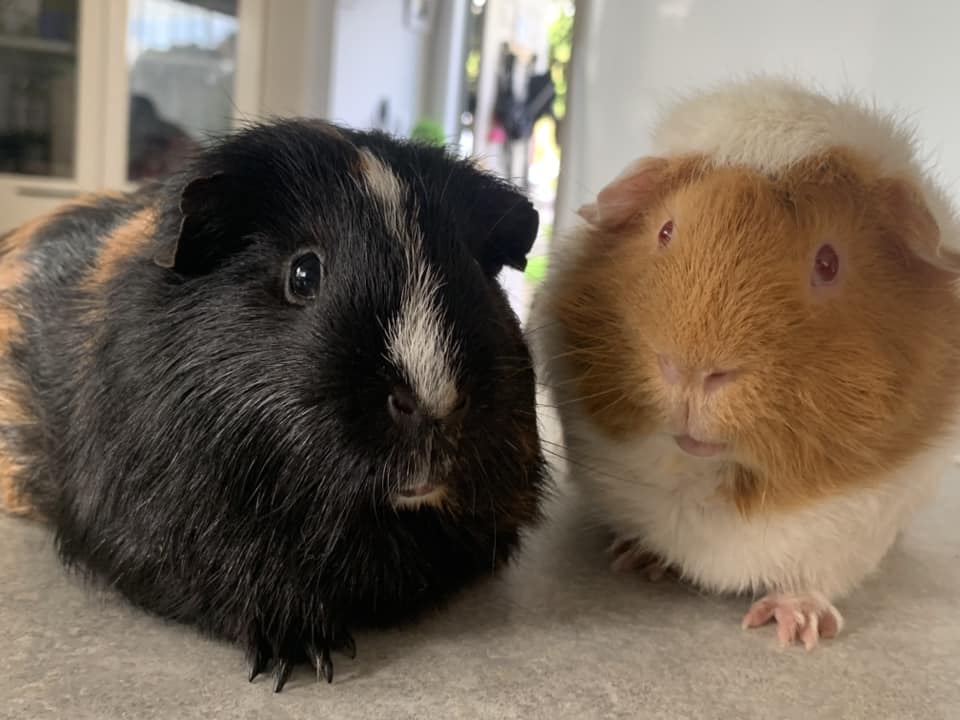
Sound 4: Chutting — The Sound Of A Guinea Pig That Is Genuinely Happy
This one is easy to miss, especially when you are new to guinea pigs. A quiet, low, repetitive murmur — somewhere between a soft click and a rumble — made while they are exploring, foraging, or going about their day with no particular urgency.
It is the sound of a guinea pig that is calm, engaged, and completely at ease in its environment.
Not excited. Not alarmed. Just content — doing what guinea pigs are built to do, in a space where they feel safe enough to relax completely.
In Sarah’s experience, guinea pigs that chuttle regularly are ones being kept well. Good space, good diet, a companion, and an environment that gives them enough to do. If your guinea pig chuttles while it potters around the enclosure, you have got the setup right.
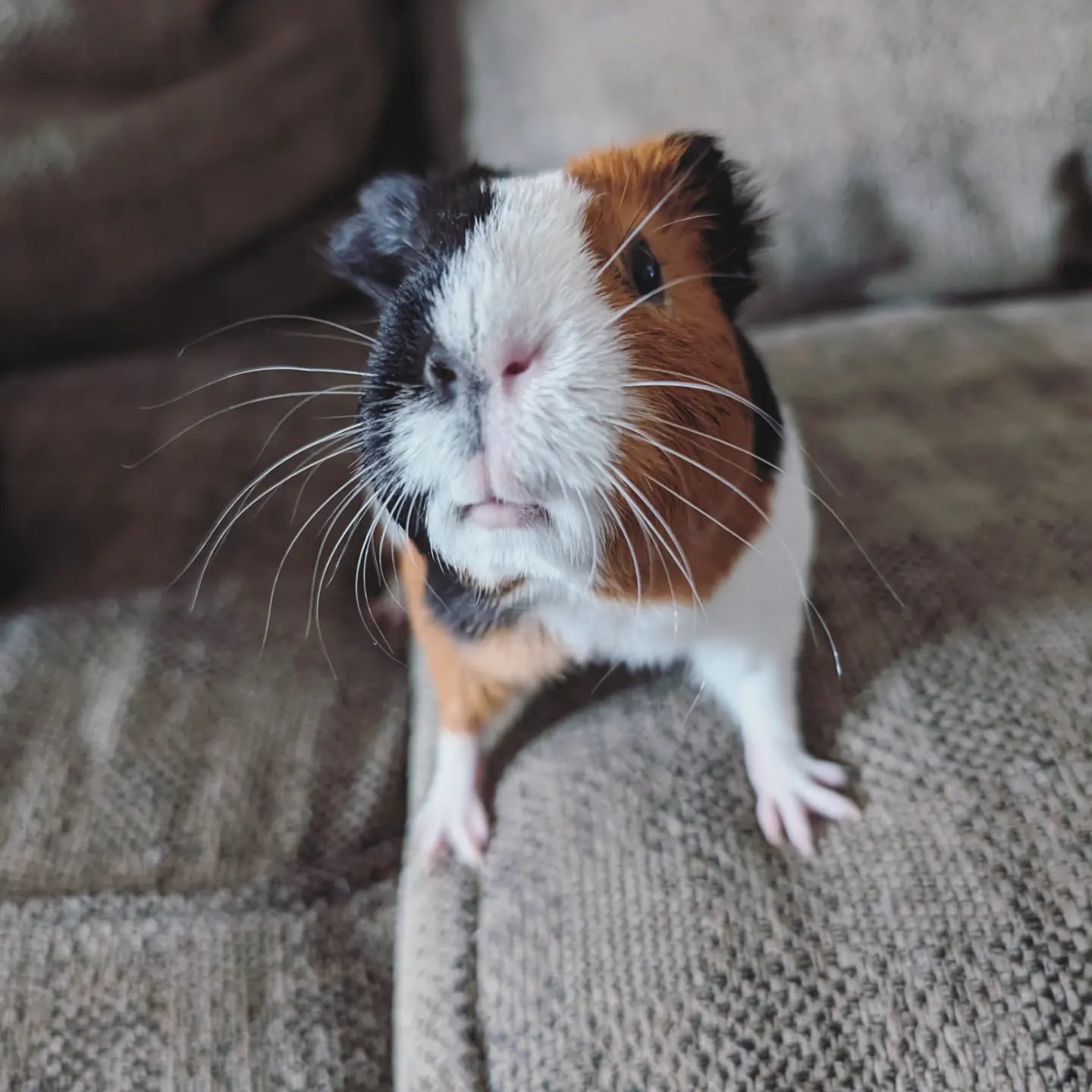
Sound 5: Whining Or Shrieking — Fear Or Pain
A short, sharp shriek is usually a fright response — something startled them, they reacted, and they settle again within a few seconds. Perfectly normal.
A prolonged, high-pitched cry is different. That is genuine distress, and it needs your attention.
- Repeated shrieking with no obvious cause — check the animal over carefully for injury
- Crying during handling — you may have pressed on an injury without knowing
- Shrieking when another guinea pig approaches — the cagemate may be bullying or attacking
- Any prolonged distress vocalisation — if you cannot identify the cause, speak to a vet
The important thing to understand is this: guinea pigs do not complain unless it is real. They are hardwired to stay quiet and stay still when something is wrong — because in the wild, noise attracts predators. A guinea pig that is vocalising pain is genuinely in pain. Take it seriously.
Sound 6: Rumblestrutting — What Is Normal And What Is Not
When you introduce two guinea pigs for the first time — or when something shifts in an established pair — you will often see a specific sequence. One animal makes that low rumbling sound, sways slightly, and moves in slow deliberate circles around or near the other. This is a dominance display, and it is entirely normal.
Guinea pigs have a social hierarchy. They need to establish who is in charge, and this is how they do it. As long as it does not escalate to teeth chattering, chasing, or actual contact, leave them to sort it out.
The most common mistake owners make is stepping in too early. Separating guinea pigs the moment there is any rumbling means they never settle a social order — and you have to start the introduction process from scratch each time. The skill is patience, observation, and knowing when the line has actually been crossed.
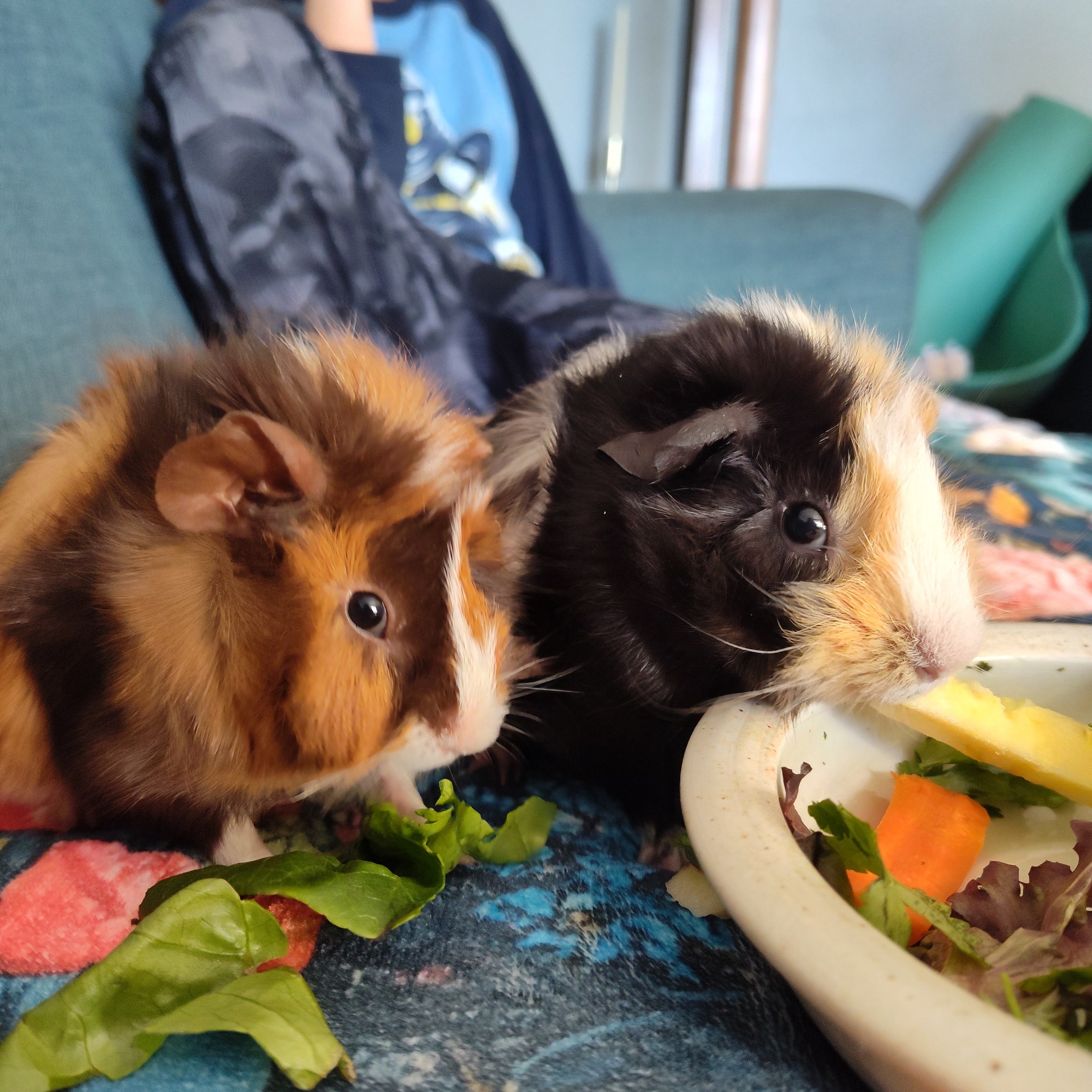
Sound 7: Cooing And Soft Chirping — Usually Mother To Young
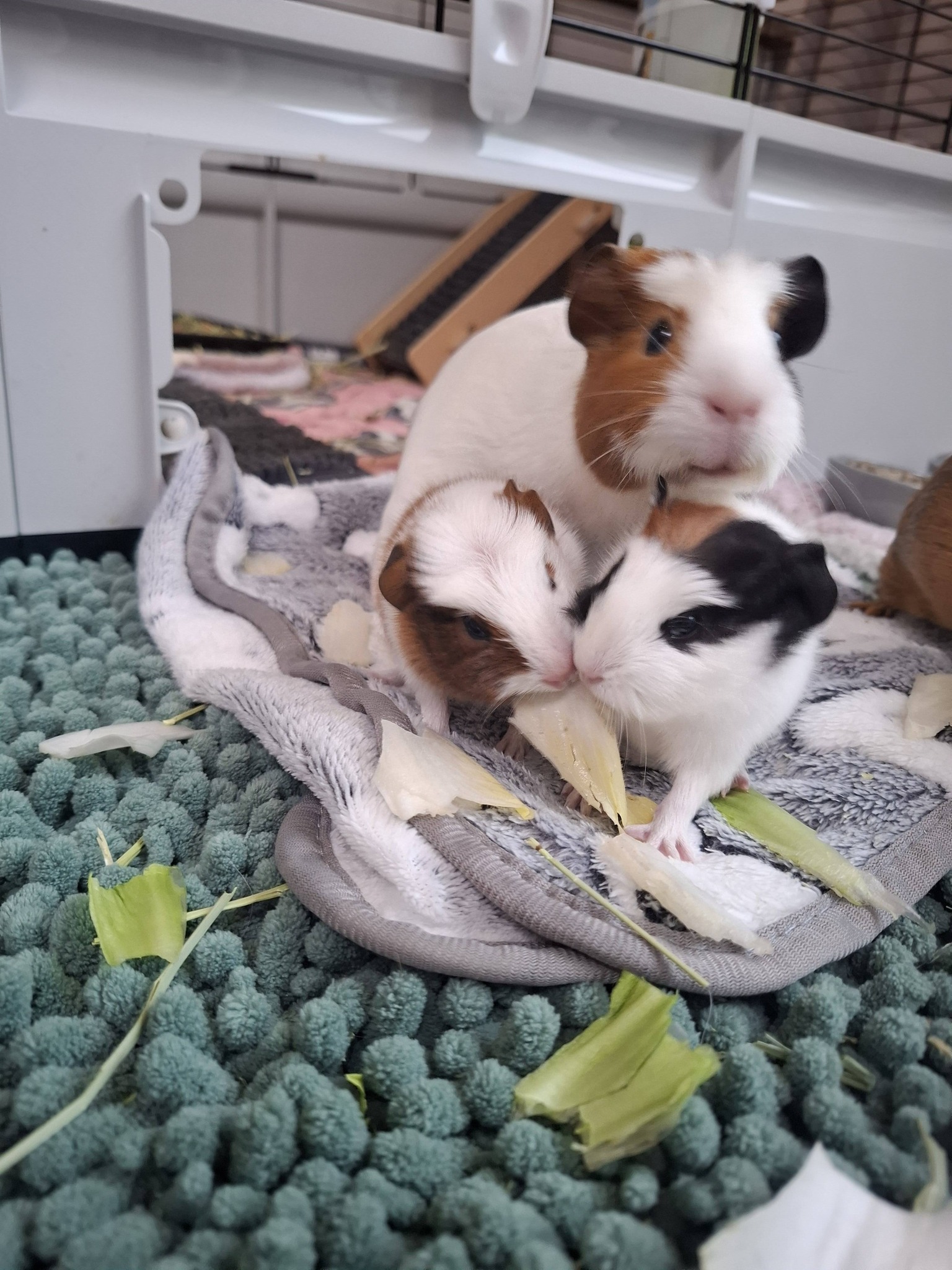
If you have a breeding pair or a mother with pups, you may hear a quiet, gentle cooing as the sow tends to her young. It is a reassurance sound — she is communicating with them, keeping them settled, telling them she is present.
It is one of the softer sounds in the guinea pig repertoire, and lovely to hear if you are lucky enough to witness it. Outside of this context, some guinea pigs will also coo gently during very calm, relaxed handling — though this is less common than the other sounds on this list.
Sound 8: Silence — The One That Should Concern You Most
This is the one most new owners do not expect to be told about.
A guinea pig that has gone completely quiet — that does not wheek at feeding time, does not react to sounds and movement around it, does not chuttle while exploring — is sometimes a guinea pig that is not well.
- Check whether the animal is eating and drinking — a guinea pig that has not eaten in 12 hours needs urgent veterinary attention
- Check droppings — absent or very small droppings alongside silence points strongly to gut stasis
- Check body temperature — an unusually cold guinea pig needs warming immediately and then a vet
- If the animal is also sitting hunched, unresponsive, or breathing oddly — same-day vet visit, no exceptions
- If you are local to Swindon, ring us on 01793 512400 — we will help you judge the urgency
A new guinea pig that is quiet has often simply not settled in yet. Give it a few calm days before drawing conclusions. But a guinea pig that has been vocal for months and has suddenly gone quiet — that change in behaviour is telling you something. Do not wait and see on this one.
What The Sounds Tell You At A Glance
| Sound | What it means | What to do |
|---|---|---|
| Wheeking | Anticipation — food, attention, excitement | Nothing — this is a happy, settled animal |
| Slow purring during handling | Contentment and comfort | Keep doing what you are doing |
| Rumblestrut purring | Dominance display or territorial behaviour | Watch and observe — intervene only if it escalates |
| Chutting | Calm, content, thriving | Nothing — your setup is working |
| Teeth chattering | Warning signal — back off or I will fight | Monitor closely, separate if it escalates to contact |
| Short shriek | Startled — fright response | Usually nothing — check they settle quickly |
| Prolonged crying or whining | Pain or genuine distress | Check for injury — speak to a vet if cause is unclear |
| Complete silence | Potential illness — especially if combined with other changes | Check eating, droppings, temperature — vet if in doubt |
Common Mistakes We See Guinea Pig Owners Make With Sounds
- Ignoring teeth chattering between bonded pairs — pairs that have lived together for years can still fall out. Hierarchy can shift. Do not assume it is fine because they have always got on.
- Mistaking dominance purring for contentment — they sound similar until you have heard both. Context is everything. Contentment purring happens during quiet handling. Dominance rumbling happens near another guinea pig.
- Assuming a quiet guinea pig is just calm — some guinea pigs are naturally less vocal than others. But sudden quiet in a normally chatty animal is a red flag, not a personality shift.
- Not noticing that wheeking has stopped — this is gradual and easy to miss. If a guinea pig that used to wheek enthusiastically at the fridge has stopped responding, that is worth investigating.
- Dismissing repeated shrieking as personality — some guinea pigs do vocalise more than others, but repeated unexplained shrieking is not normal. Check the cagemate relationship, and check for injury or illness.
Frequently Asked Questions
Why is my guinea pig making a noise that sounds like it is grinding its teeth?
If it is a rapid, clicking sound directed at another guinea pig, that is teeth chattering — a warning signal. If it is a slower, softer sound during handling, that may actually be a form of purring or tooth grinding from discomfort. If it happens repeatedly and you cannot explain it, speak to a vet — tooth grinding can also be a sign of dental problems or pain.
My guinea pig is making a very loud noise at night — is this normal?
Guinea pigs are crepuscular, meaning they are most active at dawn and dusk. Some vocalisation at these times is normal. But loud, sustained noise at night — particularly if unusual for that animal — is worth investigating. Check the environment for draughts, predator scents (cats, foxes nearby), or other stressors.
Why has my guinea pig suddenly gone very quiet?
This is one of the most important questions you can ask. A sudden change in vocalisation — especially going quieter — is often an early sign of illness. Check whether the animal is still eating, still producing normal droppings, and still moving around normally. If any of those have also changed, speak to an exotic vet the same day.
Is it normal for guinea pigs to wheek all the time?
Frequent wheeking around mealtimes is completely normal. If the wheeking is constant throughout the day with no obvious cue, the animal may need more enrichment, more company, or more time outside the enclosure. A single guinea pig left alone for long periods will often wheek persistently out of loneliness.
My guinea pig makes a sound when I pick it up — is it in pain?
It depends on the sound. A short squeak when first picked up is usually a startle or mild protest — normal. A prolonged cry or whine during handling suggests discomfort. Check that you are supporting the animal properly, and if it happens repeatedly, have a vet check for injury or underlying illness.
Where can I get advice about my guinea pig’s behaviour in Swindon?
Come and see Sarah at Paradise Pets, Manor Garden Centre, Cheney Manor, Swindon SN2 2QJ. Or ring us on 01793 512400. For genuine health concerns, go straight to an exotic vet — we will help you decide which it is.
One Last Thing From Us
Guinea pigs communicate all day, every day. Once you learn the vocabulary, you gain a direct window into how your animal is actually feeling — not a guess, not an assumption, but a genuine read on whether things are right or whether something needs attention.
The owners who develop an ear for their guinea pig’s sounds are the ones who catch problems early. They notice the wheek that stopped. The chuttle that disappeared. The silence that replaced a chatty morning routine. And in our experience, those are the owners whose guinea pigs live the longest.
If you ever hear a sound you do not recognise, or you are not sure whether something you are hearing is normal — bring the animal in. Or send us a voice note or a short video if you are not local. We have heard it all, across 75 years between us. We would rather answer a question that turns out to be nothing than have you dismiss something that was worth catching.
Worried About Your Guinea Pig? Come And See Sarah — Or Give Us A Ring
For genuine health emergencies, go straight to an exotic vet. For everything else — unusual sounds, behavioural changes, questions about diet or housing — bring the animal in or phone us. Sarah will take a proper look and tell you honestly what she thinks. Free advice, no obligation. 75 years of combined small animal experience.
⭐ Customer Reviews
Amazing Bird Selection
Had a lovley visit today,staff were very friendly and very helpful,such a great petshop,their selection of birds is incredible,really impressed,thank so much to the staff at Paradise Pets

Friendly Helpful Staff
I have been coming to this place for years and they have a great stock of food for all types of pets. Have a great selection of small mammals and a lot of birds. Staff are friendly and helpful.

Great Quality Hutch
Bought a guinea pigs hutch and run combo, very happy with the service, the hutch was put in my car for me without even asking for help. The wood quality is very good, the instructions easy to follow and we are extremely happy with the fully built hutch. A good size for 2 guinea pigs

Response from Paradise Pets | Wiltshire
Thank you Melanie Latus Nice to provide services to you.
Best Bird Shop Around
It’s the best pet shop in and around Swindon. They always have an amazing selection of birds and all you need to keep them happy. I keep birds myself and the guys there are happy to answer questions and really know their stuff. I have seen budgies etc. in chain pet shops in the area looking really unhealthy and ill – I wouldn’t go anywhere else than Paradise Pets for animals.

Highly Recommended Bird Shop
I could not praise this shop enough. Really helped my Grandson buy his first bird and he’s loving it. Travelled from Somerset and was welcomed with open arms.

Great Shop with Competitive Prices
Great shop with amazing selection for small animals, hamsters, mice ect, highly recommend!
Also has a great selection for dogs & cats too & very competitive prices! 💖

