

Safety correction, 24 September 2026: Veterinary guidance on recognising illness in birds supports prompt professional contact for reduced appetite or illness signs. Do not use a time threshold or an apparently alert posture to decide that it is safe to delay care.
Neil has kept, bred, and sold budgies at Paradise Pets Swindon since 1988 — nearly 40 years of first-hand experience with these birds. In that time, he has seen hundreds of owners walk through the door convinced their budgie is dying, when the real problem was something entirely fixable. This article is his honest guide to what is actually going on when a budgie stops eating — and what to do about it.
It was a Tuesday morning, about nine o’clock, and a man came into the shop holding a small cage with both hands like he was carrying something precious. His budgie — a little green and yellow male called Pip — had not touched his food since Sunday. Two days. The owner had not slept properly. He was convinced something was seriously wrong.
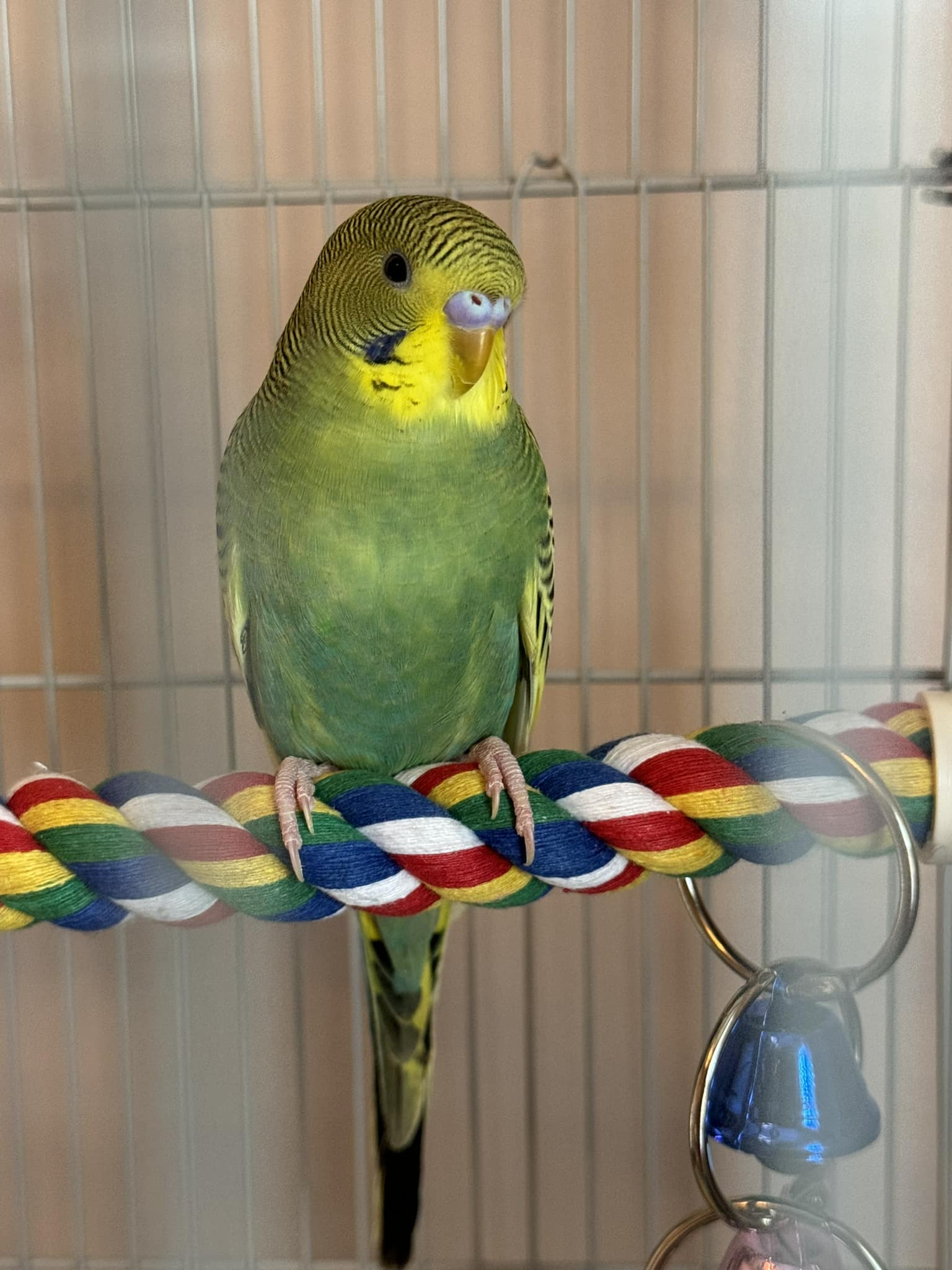
The first thing I did was look at the bird. Pip was sitting upright, eyes bright, moving around the perch, feathers flat against his body. He whistled when I tapped the cage. Then I looked at the food bowl. It was full of seed husks. The owner had been topping it up every morning without realising he was just piling fresh seed on top of two days worth of empty shells. Pip had been eating perfectly well the entire time.
I tell this story not to embarrass anyone — I tell it because it is one of the most common things I see. A budgie that appears not to be eating is one of the top five reasons owners walk through my door. And in my experience, roughly half the time, the bird is eating fine and the owner does not realise it. The other half of the time, something genuinely is wrong — and knowing the difference matters enormously.
After nearly 40 years of running Paradise Pets, here is everything I know about budgies and food refusal. Read it carefully. It might save your bird’s life.
First — Is Your Budgie Actually Not Eating?
Before we go any further, I need you to do one thing. Take the food bowl out of the cage, tip it into a bin, and look at what falls out.
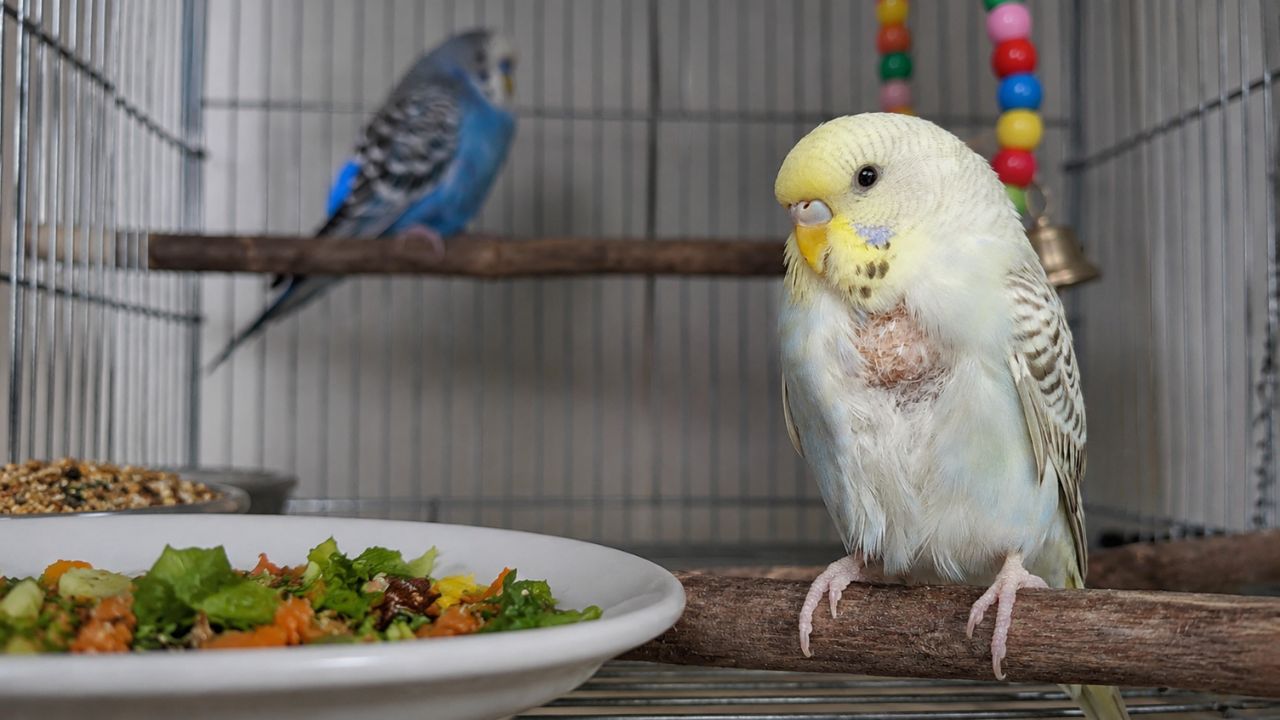
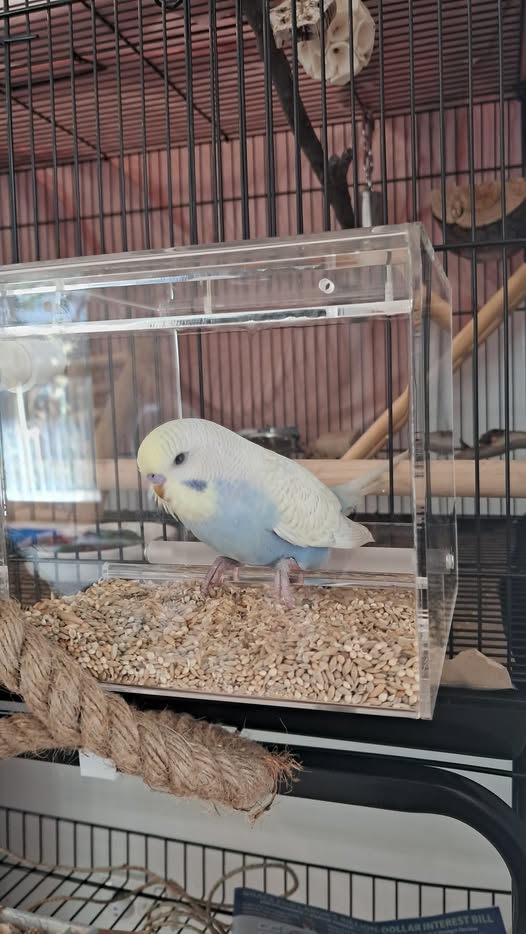
Seed husks show that some seed has been opened, but do not prove that your budgie is eating enough now. Check that fresh food is accessible and describe any change in intake or droppings to an avian vet.
Empty husks can make a bowl look full. Replace them with fresh food, but do not use the bowl alone to decide that a bird with reduced appetite is well.
Once you have confirmed the bird genuinely is not eating — or eating significantly less than normal — then we need to start working out why. Here are the causes I see most often, in the order I encounter them.
Reason 1: A New Environment or Recent Change
Moving home can affect a bird’s behaviour, but reduced food intake still needs veterinary advice. Do not assume that a newly arrived bird is simply settling in.
When a budgie arrives in a new home, it is in an entirely unfamiliar place. New smells, new sounds, new people, new light patterns, a different cage, different food, different water. For a prey animal that is wired to be suspicious of anything unfamiliar, this is genuinely stressful. And one of the first things stress does to a budgie is reduce its appetite.
A newly homed budgie that is eating very little needs a prompt call to an avian vet, even if it looks alert. Keep familiar food available and the environment calm while arranging advice; do not wait two or three days for appetite to return.
- Eating very little for the first 2–3 days is common and usually not serious
- The bird should still be alert — bright eyes, upright posture, responsive to sound
- Keep the environment quiet, consistent, and calm while it settles
- Do not keep moving the cage — pick a spot and leave it there
- If the bird is not eating, contact an avian vet promptly. Weakness, breathing difficulty or collapse requires emergency help.
The same pattern — temporary food refusal after a change — can happen when you move the cage to a new room, bring a new pet into the house, change the cage layout significantly, or even rearrange the furniture near the cage. Budgies notice everything, and they sometimes express that discomfort by going off their food for a day or two.
Reason 2: You Have Changed the Food
This one seems obvious when I say it out loud, but it catches people off guard more often than you would think — because the change is sometimes very small.
Budgies are creatures of habit. They learn from a very young age what food looks like, what it smells like, and what it tastes like. Introduce something unfamiliar — a new brand of seed mix, pellets for the first time, a different type of millet — and many budgies will simply refuse to touch it. Not because it is bad for them. Because it is not what they know.
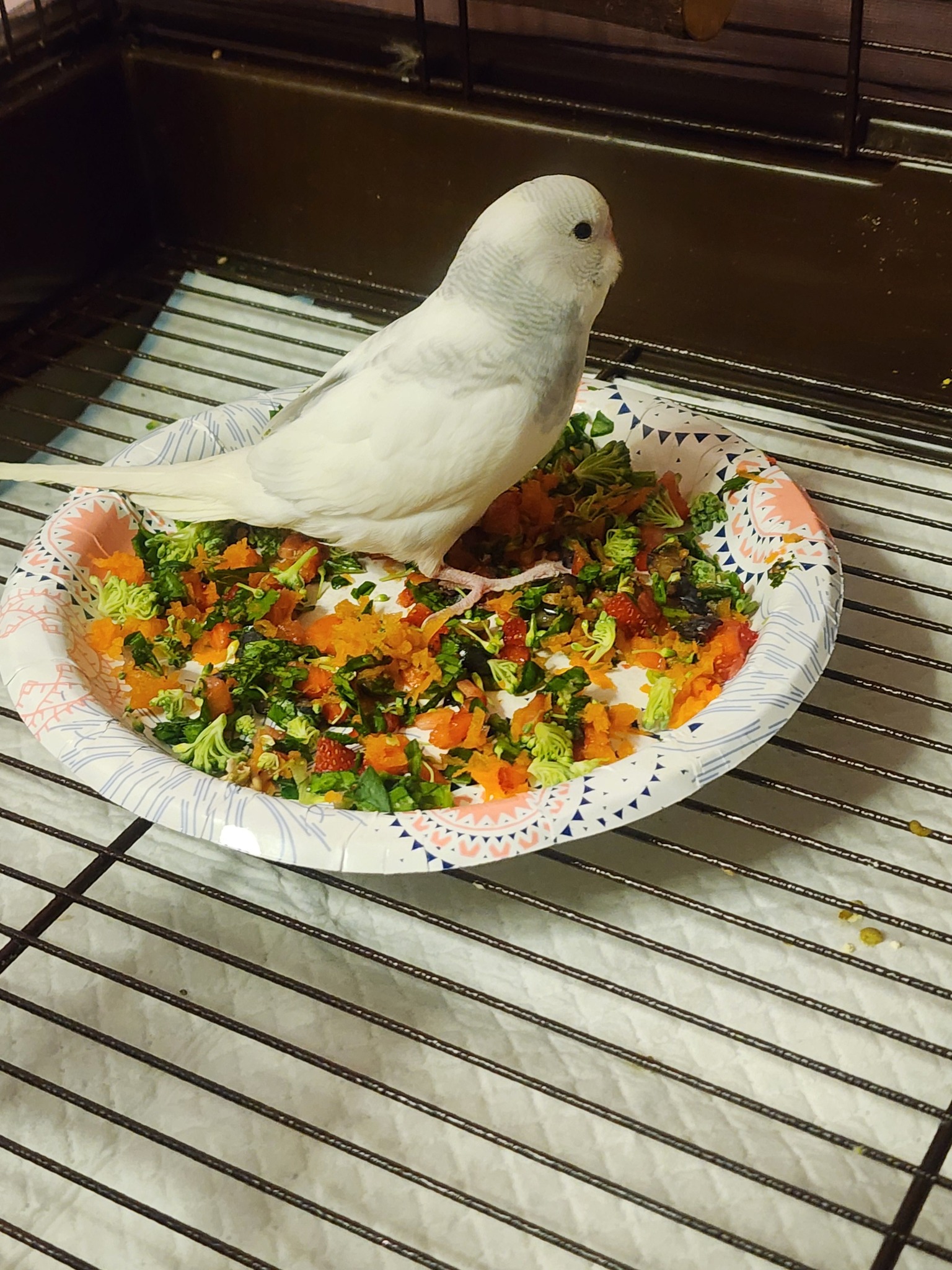
I see this a lot when owners read one of my articles about the seed-only diet — which is a real problem and worth fixing — and then immediately swap their bird’s entire diet to pellets overnight. The bird stops eating. The owner panics. They think the pellets are harmful. They are not. The bird is just refusing something unfamiliar.
- Never swap everything overnight. Keep the old food in the bowl and introduce a tiny amount of the new food alongside it.
- Let them see you eat it. Budgies are flock animals — if they see you (or another bird) eating something, they are far more likely to try it.
- Try it on a flat surface first. Some budgies are suspicious of new things in their bowl but will investigate the same food placed on the cage floor or a flat dish.
- Be patient. It can take weeks, sometimes months, for a budgie to accept a new food. That is completely normal.
- Never starve a budgie into eating new food. Keep familiar food available during a planned transition and contact an avian vet if intake falls.
Reason 3: Illness — The One You Cannot Afford to Miss
Right. This is the serious one, and I want you to read it carefully.
A budgie that stops eating needs prompt veterinary assessment. Small birds can deteriorate quickly, and a fixed 24-, 48- or 72-hour countdown cannot establish a safe period to wait.
The difficulty is that budgies hide illness. It is a survival instinct — in the wild, a weak bird gets picked off by a predator, so they are hardwired to mask their symptoms until they cannot any longer. By the time a budgie looks visibly unwell, it has often been unwell for some time already.
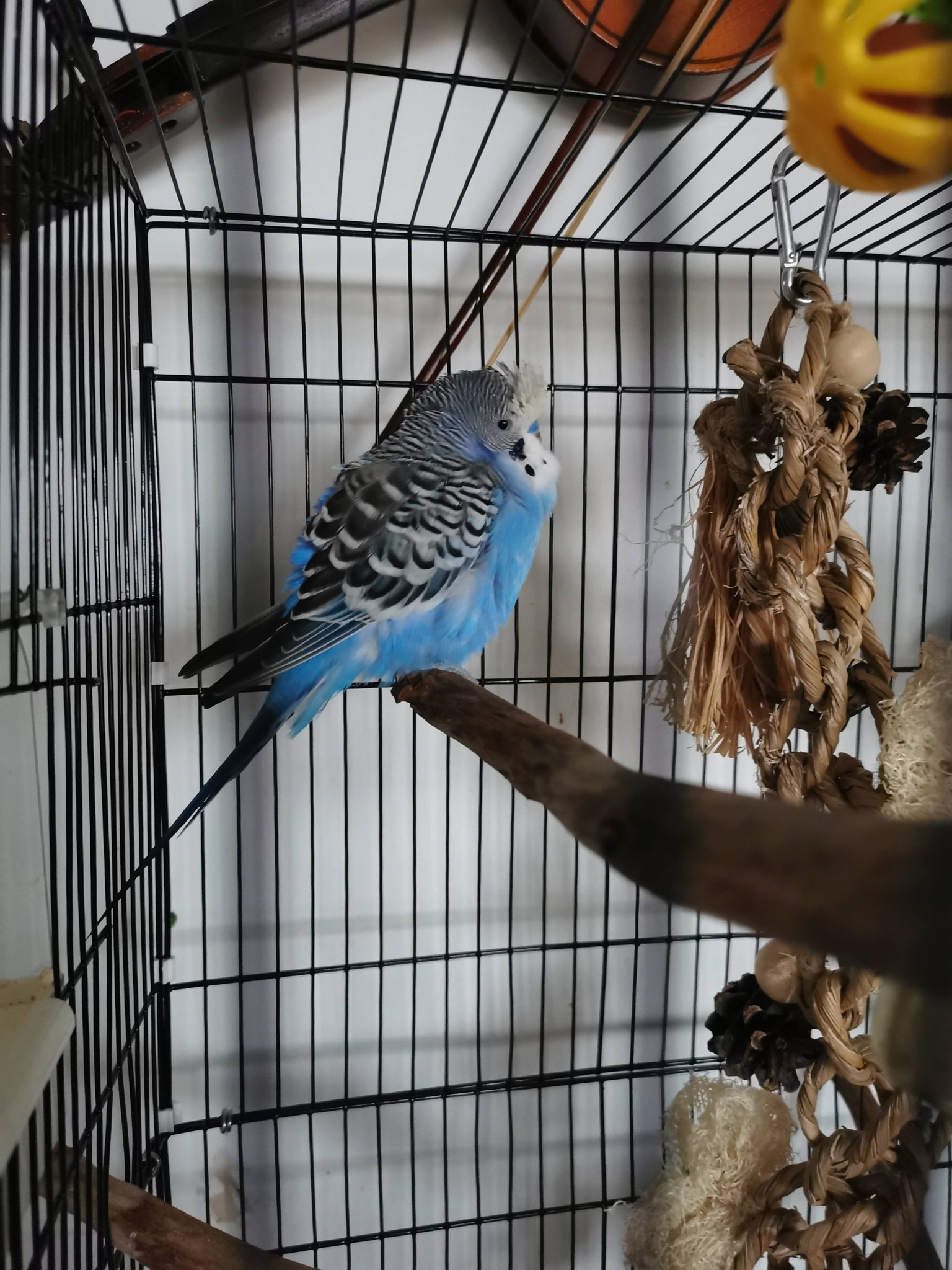
- Fluffed feathers — especially if the bird looks “puffed up” for more than a few minutes
- Sitting very low on the perch, or on the cage floor
- Both feet flat on the perch rather than gripping properly
- Eyes closing during the day — healthy budgies are alert during daylight hours
- Tail bobbing rhythmically — this often indicates respiratory difficulty
- Droppings that have changed — watery, very dark, greenish, or almost absent
- Discharge from the nostrils or eyes
- The bird has stopped eating or is eating noticeably less than usual
If you are seeing any of the above alongside food refusal, please do not wait. Get to an avian vet the same day if at all possible. Do not wait to see if it improves overnight. I have seen too many cases where the owner waited one more day and the bird did not make it.
The illnesses I most commonly see behind food refusal in budgies are respiratory infections, crop infections, liver disease (usually connected to long-term poor diet), and kidney problems. All of these are treatable if caught early. Most of them become very difficult to treat if you wait.
Reason 4: Dental and Beak Problems
This is one that people rarely think of, but I see it in the shop with some regularity — particularly in older birds and birds that have not had proper perches.
A budgie with an overgrown beak, a misaligned beak, or a sore mouth will stop eating — not because it has lost its appetite, but because eating hurts or is physically difficult. The bird may approach the food bowl, pick at seeds without eating them properly, and then give up. It looks like food refusal. It is actually a physical inability to eat comfortably.
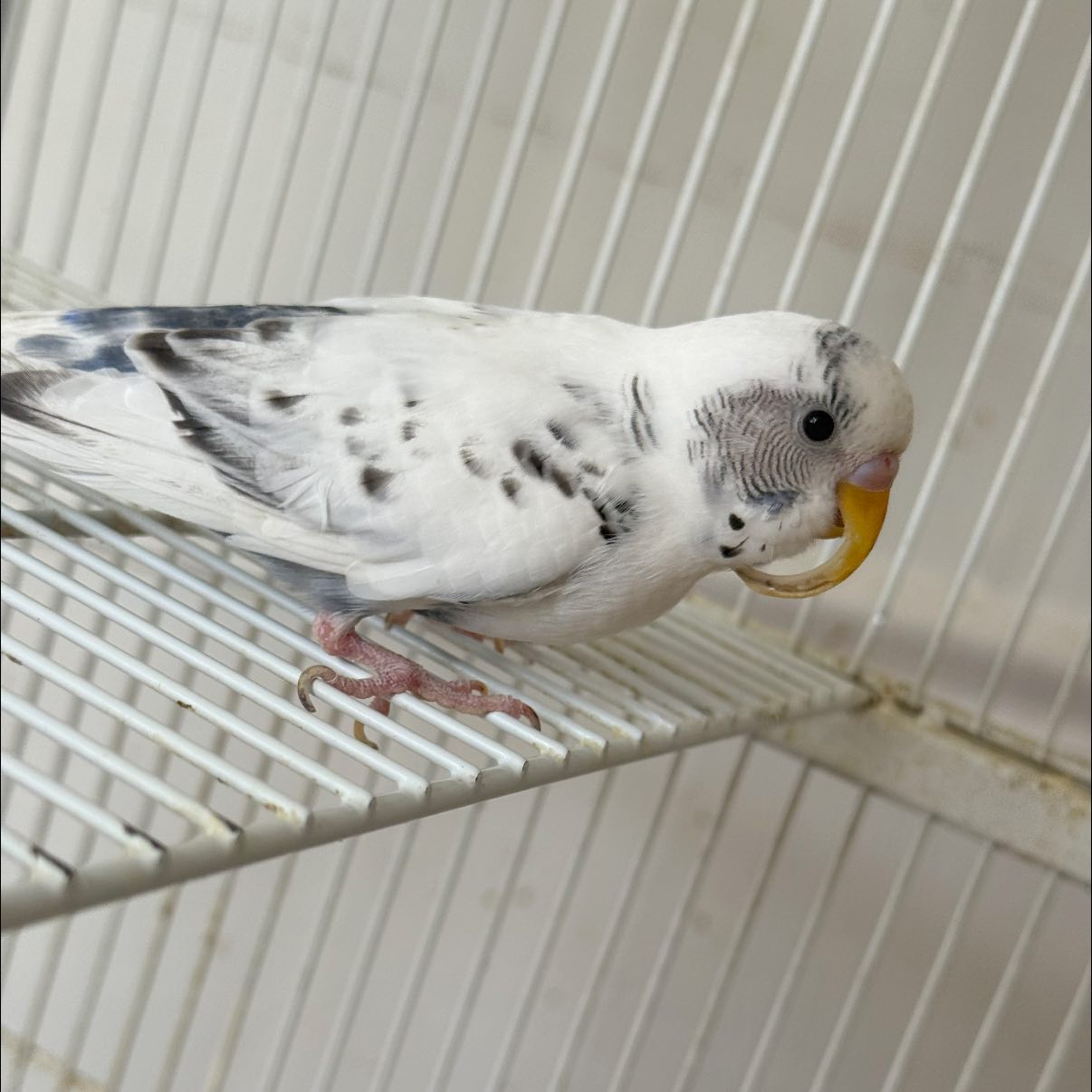
Dropping food, an abnormal-looking beak or difficulty handling seeds should be described to an avian vet promptly when the bird is eating less. General shop advice about food or equipment cannot assess the medical cause.
The fix is a beak trim by an avian vet, which is a quick and straightforward procedure. Do not attempt to trim a beak at home.
Reason 5: Boredom, Loneliness and Low Mood
This one tends to surprise people, but it should not. Budgies are social, intelligent animals. A budgie that is lonely, bored, or living in a chronically unstimulating environment can genuinely lose interest in food — in the same way that a depressed person might lose their appetite.
I see this most often in single budgies kept in small cages with minimal enrichment and limited daily interaction. The bird is not stimulated, not engaged, and eventually begins to withdraw. Eating less is often one of the first visible signs.
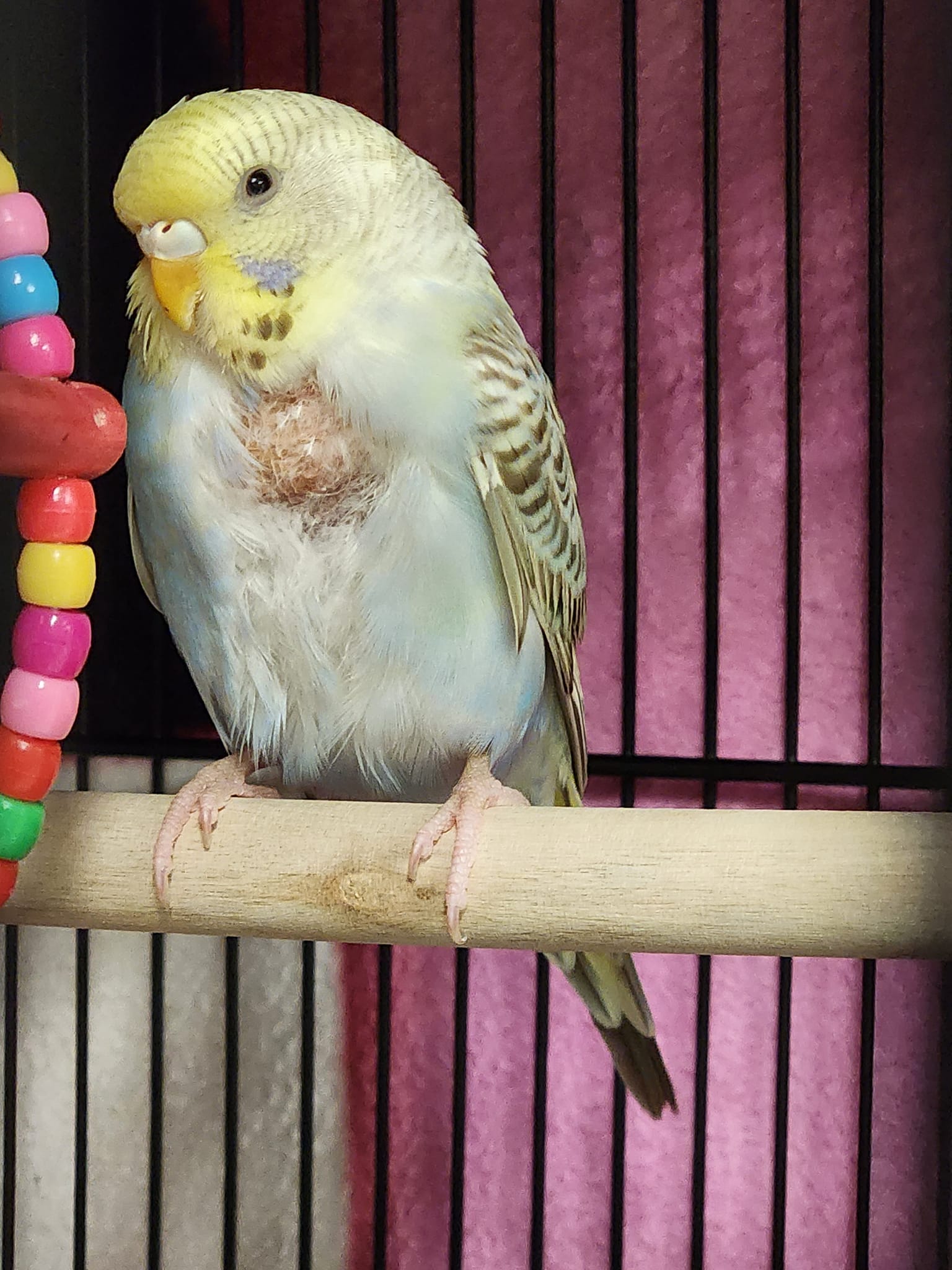
Enrichment and companionship matter, but gradual appetite loss must not be assigned to boredom or loneliness without veterinary assessment. Call an avian vet before treating a change in eating as a housing problem.
I cover this in detail in our guide on feather plucking in budgies, where loneliness is also the leading cause. The two problems often appear together.
What I Check When a Bird Comes Into the Shop
These are useful details to record for the vet when a budgie is eating less. Do not bring an unwell bird to the shop as a substitute for veterinary assessment.
- Check the food bowl properly. Tip it out, blow off the husks, confirm whether food is actually being consumed or not.
- Record posture and activity. Describe alertness, fluffing or low posture to the vet. An upright, responsive bird can still be unwell.
- Check the droppings. Normal budgie droppings are small, dark green with a white centre and a small amount of clear liquid. Anything different — very watery, very dark, greenish-yellow, or almost absent — is a flag.
- Ask about recent changes. New food, moved cage, new pet, new person in the house, change in routine, anything at all different in the last week or two.
- Record how long you have had the bird. A recent move is relevant information, but it does not prove that stress is the cause.
- Look at the beak. Is it the right shape and length? Does it look symmetrical?
These observations help a veterinary practice triage the call. They cannot rule illness out in the shop or establish a safe waiting time.
What You Should Do Right Now — Step By Step
Right. Let me give you the practical version — exactly what I would tell you if you were standing at my counter today.
| Situation | What To Do | How Urgently |
|---|---|---|
| Bowl full of husks and eating normally confirmed | Replace husks with fresh food and check access | Daily care; call a vet if intake is reduced or uncertain |
| New bird eating little or nothing | Keep familiar food available and call an avian vet | Promptly; do not wait for settling-in to resolve it |
| Food change with reduced intake | Offer familiar food and seek veterinary advice | Promptly |
| Bird alert but genuinely not eating | Call an avian vet directly | Now for triage |
| Fluffed feathers, low posture, lethargic | Avian vet — do not wait | Today, urgently |
| Changed droppings alongside not eating | Avian vet — do not wait | Today, urgently |
| Abnormal beak with feeding difficulty | Avian vet to assess the cause and treatment | Promptly; do not wait several days |
How Long Can a Budgie Go Without Eating?
I get asked this a lot, and I want to give you an honest answer rather than a reassuring one.
There is no dependable home countdown for how long an individual budgie can safely go without food. If eating has stopped or clearly fallen, call an avian vet promptly rather than waiting for a stated number of hours.
This is much shorter than most people expect — and much shorter than most mammals. It is because budgies have extremely fast metabolisms. They are designed to eat constantly throughout the day in the wild, foraging almost continuously during daylight hours.
Do not wait for a full day without food or for additional symptoms. Explain the change to the veterinary practice and follow its advice about assessment and transport.
Keeping Records Helps More Than People Think
One thing I always recommend to budgie owners — and very few do until something goes wrong — is keeping a simple daily note about the bird. It does not need to be complicated. Just a quick observation each morning: is the bird alert, is it eating, what are the droppings like, any changes in behaviour.
When something does go wrong, those notes are invaluable. They tell you exactly when the problem started, which helps enormously in working out the cause — and they give your vet a much clearer picture of what has been happening.
You do not need an app or a notebook. A quick note on your phone is fine. Thirty seconds a day. It has saved birds’ lives in my experience, because it means owners catch problems at the two-day mark rather than the week mark.
Related Problems Worth Reading About
A budgie that is not eating is often showing the first sign of a wider problem. These articles cover the things that most commonly sit behind food refusal in my experience.
Our guide on why your budgie is sleeping too much covers the hidden signs of illness that owners miss — and loss of appetite and excess sleeping almost always go together when a budgie is unwell.
Our article on the 5 mistakes UK budgie owners still make covers the diet issues that lead to long-term health problems — including the seed-only diet that is behind much of the liver disease I see.
And our guide to feather plucking in budgies covers loneliness and boredom in detail — the same root cause that sometimes shows up as food refusal in single birds.
Frequently Asked Questions
How do I know if my budgie is actually not eating or just leaving husks?
Husks can hide how much fresh food is left. Replace them and observe access to food, but do not treat husks as proof of adequate intake. If eating is reduced or uncertain, call an avian vet.
My budgie stopped eating overnight — should I be worried?
Yes. Call an avian vet promptly if eating has stopped, even if the bird is upright and alert. Do not wait another day to test whether a food change or recent move explains it.
Can a budgie die from not eating?
Yes. Food refusal can become serious quickly. Contact an avian vet promptly; weakness, collapse or breathing difficulty requires emergency help.
My new budgie has not eaten since I brought it home — is this normal?
A move can affect behaviour, but a new bird that is not eating needs veterinary advice promptly. Provide familiar food and a calm environment while you arrange help. Do not wait 48 to 72 hours or until lethargy appears.
Is it safe to switch my budgie to pellets if it stops eating seed?
Never switch everything overnight. A budgie that does not recognise pellets as food will simply not eat them — and budgies cannot safely go without food for long. Transition very slowly, introducing pellets alongside the existing seed over several weeks. I cover this in detail in our budgie mistakes article.
Where can I get honest budgie advice in Swindon?
For general food and equipment questions, visit Paradise Pets at Manor Garden Centre, Cheney Manor, Swindon SN2 2QJ, or call 01793 512400. For a bird eating less or refusing food, contact an avian vet first.
Worried About Your Budgie? Come And See Me
Bring your bird, bring a video, or just bring your questions. I will have a proper look and tell you honestly what I think. Free advice, no obligation. That is how we have done things for nearly 40 years.