
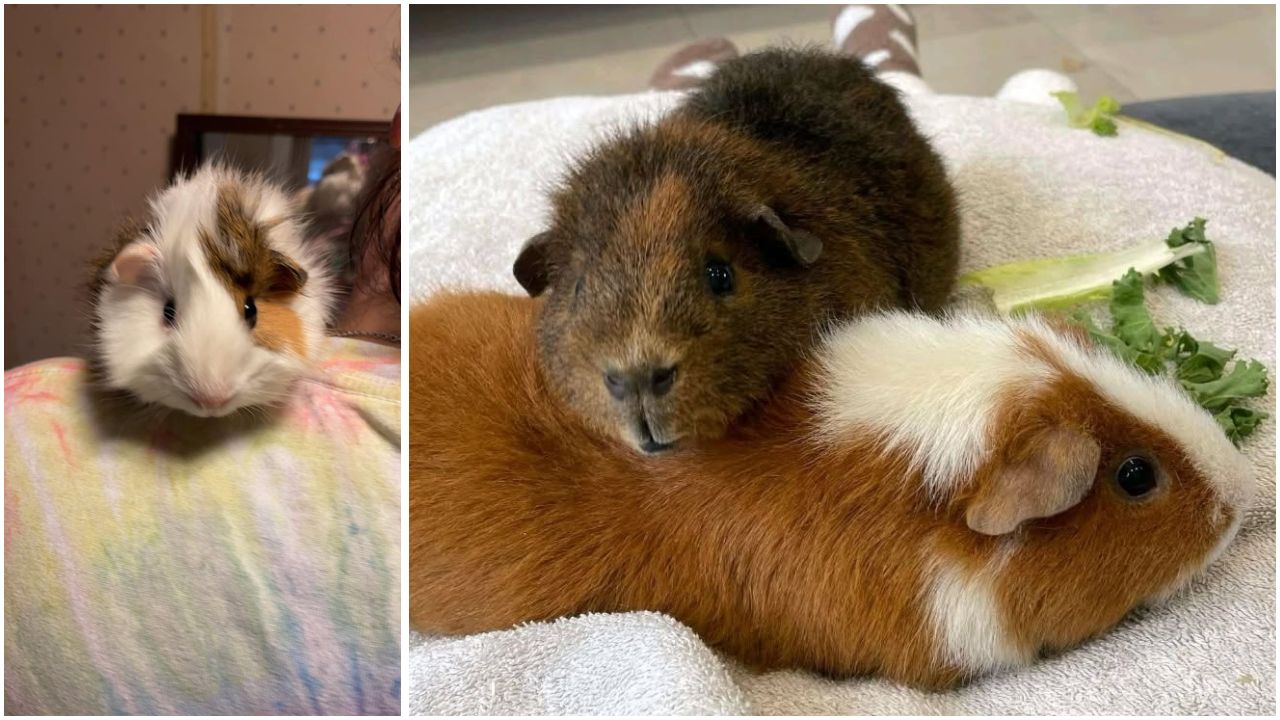

Neil has kept, bred, and sold small animals at Paradise Pets Swindon since 1988 — over 35 years of first-hand experience with guinea pigs, rabbits, hamsters, and dozens of other small pets. “Why does my guinea pig squeak so loudly?” is a question he hears at the counter more often than most people would expect. This is his honest guide to what guinea pig squeaking actually means — and how to tell the difference between a happy pig and a worried one.
A young girl came in with her mum about a month ago, genuinely upset. “Neil,” she said, “my guinea pig has started squeaking really loudly and I don’t know what I’ve done wrong.” She looked like she had been worrying about it all morning.
I asked her a few questions — when does he squeak, how long has he been doing it, what happens just before it starts — and within two minutes I was able to tell her, with complete confidence, that she had done nothing wrong at all. Her guinea pig was squeaking because he was hungry, it was nearly his feeding time, and he had simply learned that making noise got results. He was, in short, a perfectly normal guinea pig doing a perfectly normal guinea pig thing.
That is the conversation I have at the counter more times than I can count. Guinea pig owners — particularly new ones, and particularly the children who love them most — hear a loud squeak and immediately assume something is wrong. Sometimes they are right to be concerned. But most of the time, a squeaking guinea pig is simply a communicating guinea pig, and understanding what it is saying makes all the difference.
In 35 years of keeping and selling small animals, I have come to regard guinea pigs as one of the most vocal and expressive small pets you can own. They have a genuine range of sounds, each with its own meaning, and once you learn to read them you will wonder how you ever thought they were quiet little animals.
This is my honest guide to why your guinea pig squeaks, what each type of squeak means, and — importantly — when loud squeaking is telling you something that genuinely needs your attention.
First — Understanding That Guinea Pigs Are Meant To Be Vocal
Before anything else, I want to address the assumption that catches a lot of new owners off guard — the idea that a quiet guinea pig is a normal guinea pig, and a loud one is a problem.
Guinea pigs are herd animals. In the wild, they live in groups and communication is constant — between individuals, as warnings, as greetings, as expressions of contentment or distress. That communication did not disappear when they became pets. A guinea pig that is squeaking at you is doing exactly what guinea pigs are built to do. It is talking.
The question is not “why is my guinea pig making noise?” The question is “what is it saying?” — and that is what I am going to help you work out.
The Different Types Of Guinea Pig Squeak — And What Each One Means
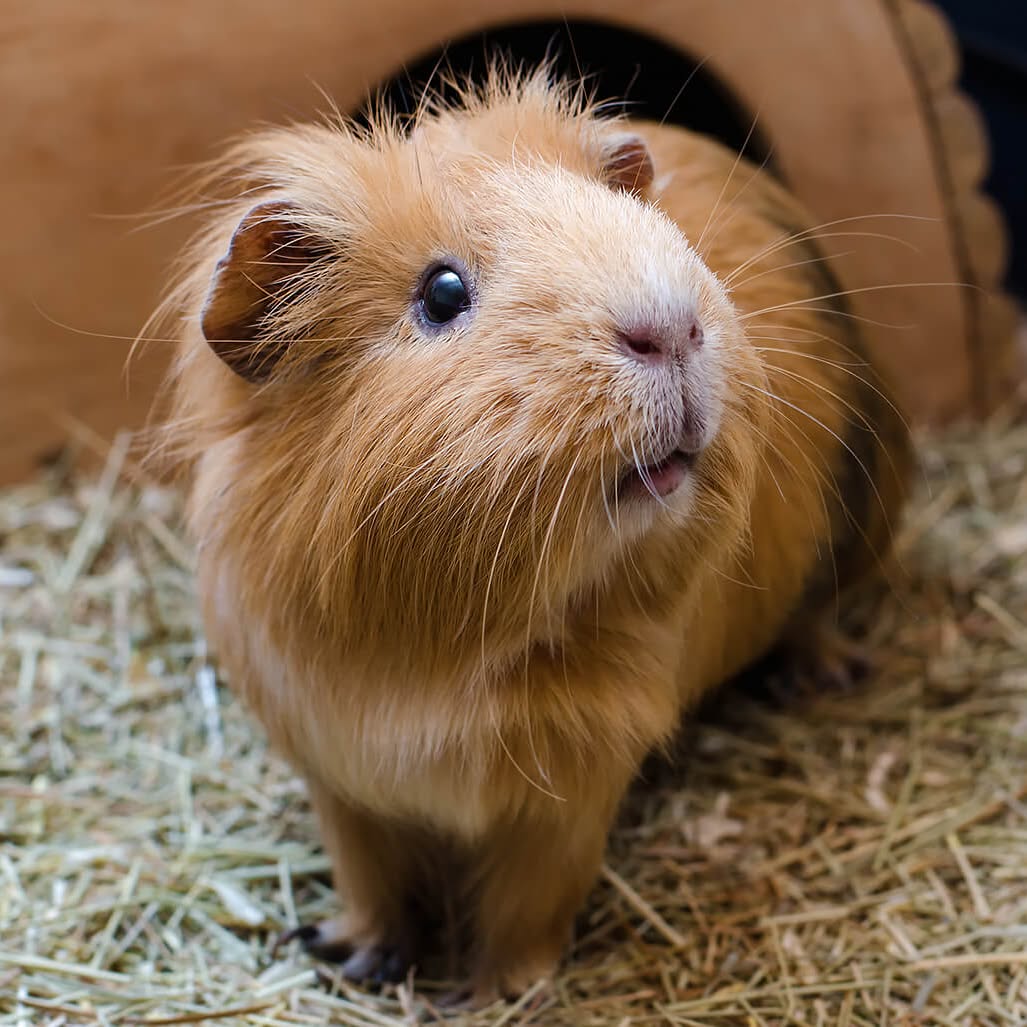
Guinea pigs do not make one sound. They make a whole range of vocalisations, and experienced owners learn to distinguish them fairly quickly. Here are the main ones I explain at the counter.
1. The Wheek — The Loudest Squeak Of All
This is the one that brings people into the shop in a panic. The wheek is a loud, high-pitched squeal — sometimes sustained, sometimes repeated — and it is the most dramatic sound a guinea pig makes. It sounds urgent. It sounds like something is very wrong.
Almost always, it is not.
The wheek is a guinea pig’s way of demanding something it wants, usually food. It is anticipatory excitement. If your guinea pig starts wheeking when you open the fridge, when it hears the rustle of a vegetable bag, when you walk into the room at feeding time — that is a wheek. It means “I know what is coming and I want it now.” It is enthusiasm, not distress.
Guinea pigs that have learned the sounds and rhythms of their household become extraordinarily good at wheeking at exactly the right moment. Some owners joke that their guinea pig can hear a lettuce being torn from three rooms away. In my experience, that is not far from the truth.
2. Purring — The Sound Most People Do Not Expect
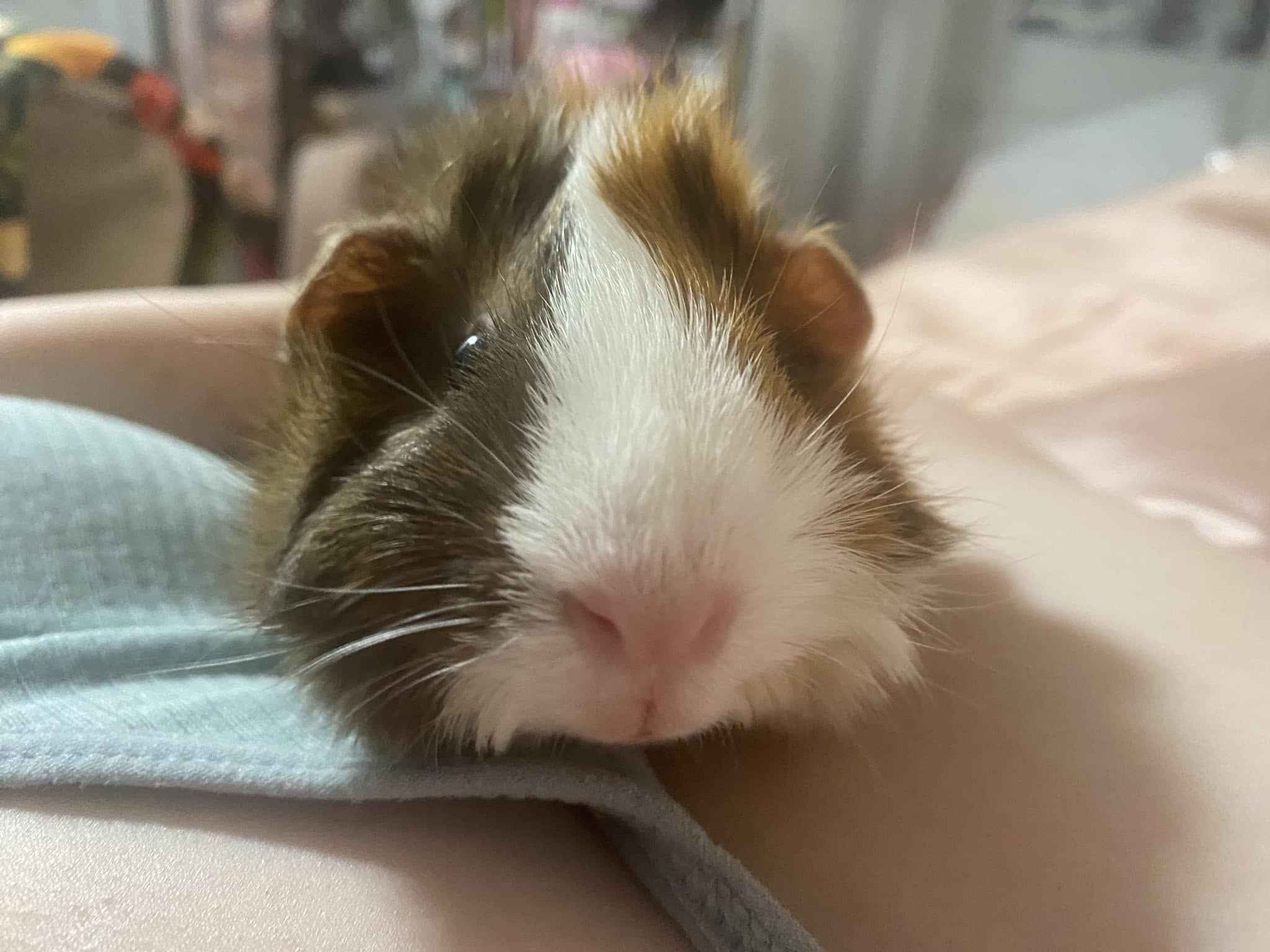
Guinea pigs purr. Not exactly like a cat, but close enough that most owners recognise it immediately once they hear it. A low, rumbling purr during handling means your guinea pig is relaxed and content. It is one of the most reassuring sounds a guinea pig makes, and once your pig is comfortable with you, you will hear it regularly during lap time and gentle stroking.
There is a different purr to be aware of, however — a higher-pitched, shorter rumble that sounds slightly tense. This is sometimes called “rumblestrutting” and it is a dominance or agitation sound, usually directed at another guinea pig. If you hear this between cage-mates, watch for any signs of conflict.
3. Chutting — The Happy Chattering Sound
A soft, rapid series of short sounds — almost like a contented chatter — is called chutting. You will hear this when your guinea pig is exploring happily, foraging in fresh hay, or pottering around a space it feels comfortable in. It is a relaxed, positive sound and a good sign that your guinea pig is settled and at ease. Many owners never notice it because it is quiet and easy to miss under the louder wheeks.
4. Teeth Chattering — The One To Take Seriously
Teeth chattering — a rapid, sharp clicking of the teeth — is different from all of the above and worth knowing clearly. This is an agitation or warning sound. It means the guinea pig is annoyed, threatened, or uncomfortable. Between two guinea pigs it can precede a fight. Directed at a human, it means the animal does not want to be handled right now.
If you hear teeth chattering, give your guinea pig space. Do not push the interaction. This sound is clear communication and you should respect it.
5. Whining Or Moaning — Discomfort Or Protest
A longer, drawn-out whine or moan is usually a protest sound — often heard when a guinea pig is being handled in a way it does not enjoy, when it is being groomed, or when something in its environment is making it uncomfortable. It is worth paying attention to if it happens consistently, as it may be telling you that something about the handling or environment needs to change.
6. Shrieking — The Sound That Means Act Now
A sudden, sharp shriek — high-pitched and intense — is the sound of genuine fear or acute pain. This is the squeak that should make you stop everything and check on your guinea pig immediately. It is not the same as a wheek; it is sharper, shorter, and unmistakably alarmed. If you hear this and cannot identify an obvious cause, look your guinea pig over carefully and consider whether a vet visit is needed.
The Most Common Reasons Guinea Pigs Squeak Loudly
Now that you know the types of sound, here are the situations that most commonly produce loud squeaking — and what to do about each one.
Hunger And Feeding Time
By far the most common cause of loud, sustained wheeking. Guinea pigs are creatures of routine and they learn feeding times quickly — often within days of coming home. Once they have made the association between a particular sound, smell, or time of day and the arrival of food, they will wheek loudly and enthusiastically to hurry you along.
This is healthy, normal behaviour and you do not need to do anything about it except feed them. Some owners worry that responding to the noise “rewards” the squeaking and encourages more of it. In my experience, guinea pigs that are on a good, consistent routine with reliable access to hay actually squeak less overall, because they are not anxious about when the next meal is coming.
Excitement And Anticipation
Beyond food, guinea pigs will wheek loudly when they are excited about something they enjoy — floor time outside the cage, fresh vegetables, the arrival of their favourite person. This is pure enthusiasm and it is one of the most endearing things about guinea pigs as pets. A guinea pig that wheeking excitedly when it sees you is a guinea pig that has bonded with you. That is a good thing.
Loneliness And The Need For Company
This is one I feel strongly about. Guinea pigs are social animals and should, in almost all circumstances, be kept in pairs or small groups. A guinea pig kept alone will often vocalise more — not just wheeking but a more plaintive, repeated calling that is genuinely different from excitement squeaking. It is the sound of an animal that needs company and is not getting it.
If your single guinea pig is squeaking persistently even when food is not involved, and especially if it seems restless or unsettled, this is the first thing I would look at. The solution is a companion, not a different management approach.
I know some owners worry about the cost and space of a second guinea pig, but in my honest experience, two guinea pigs are not twice the work — and the difference in the wellbeing of an animal that has company compared to one that does not is significant and obvious.
Boredom And Lack Of Stimulation
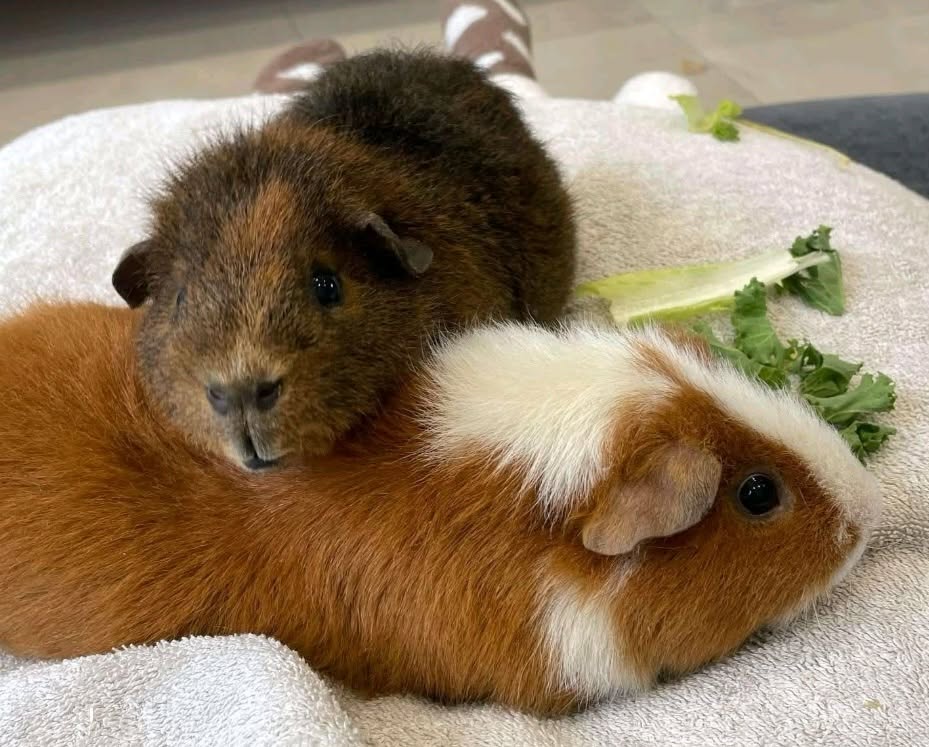
A guinea pig with nothing to do in an inadequate enclosure will vocalise more. Guinea pigs need space to move, hay to forage in, things to investigate, and ideally a companion to interact with. A small cage with nothing in it produces a bored, frustrated guinea pig — and a bored, frustrated guinea pig makes noise.
If the loud squeaking is accompanied by pacing, repeatedly circling the enclosure, or bar-chewing, the enclosure and enrichment are the problem. More space, more hay, more things to explore, and ideally a companion will all help.
Fear Or A New Environment
A guinea pig that has just arrived in a new home, or that has been startled by a sudden noise, a new person, or an unfamiliar situation, will often squeak loudly. This is stress vocalisation, and it should settle as the animal becomes more comfortable.
If you have just brought a new guinea pig home and it is squeaking frequently, give it time and space. Cover part of the enclosure to give it a sense of security, keep noise and disturbance low for the first few days, and let it settle at its own pace. Most guinea pigs calm down significantly within a week or two as they learn that the new environment is safe.
Pain Or Illness
I have left this until after the more common causes because it is genuinely less common than most worried owners fear — but it is real, and I would be doing you a disservice not to cover it clearly. A guinea pig in pain will vocalise, and the sound is different from a happy wheek. It tends to be more persistent, more distressed-sounding, and is accompanied by other signs that something is wrong.
I will cover the warning signs in detail in the next section.
When Loud Squeaking Is A Warning Sign — What To Watch For
Loud squeaking on its own, in an otherwise healthy and normal guinea pig, is almost always communication rather than crisis. But there are situations where it signals something that needs attention, and these are the signs I ask owners to look for.
- Squeaking when being picked up or handled — particularly if this is new behaviour, can indicate pain in the body, joints, or abdomen
- Squeaking when urinating — a classic sign of a urinary tract problem or bladder stones, which are common in guinea pigs and need veterinary treatment
- Squeaking when eating or chewing — can indicate dental problems, which are serious in guinea pigs and require prompt attention
- Persistent squeaking with no obvious trigger — if your guinea pig is vocalising constantly and you cannot connect it to food, excitement, or company, something may be wrong
- Squeaking alongside weight loss — any unexplained weight loss in a guinea pig is a concern regardless of other symptoms; weigh your guinea pig weekly
- Squeaking with hunched posture — a guinea pig sitting hunched, reluctant to move, or not bearing weight evenly is in discomfort
- Squeaking with reduced appetite — a guinea pig that is not eating, or eating noticeably less, alongside vocalisation needs veterinary assessment
- Any sudden change in the pattern of vocalisation — you know your guinea pig; if the squeaking sounds different or more frequent than usual without explanation, trust your instinct
The pattern I tell owners to watch for is this — loud squeaking in an otherwise bright, active, eating guinea pig with good coat condition is almost certainly normal. Loud squeaking alongside any change in behaviour, posture, appetite, or appearance is a reason to call a vet.
Squeaking Between Guinea Pigs — What Is Normal And What Is Not
If you keep more than one guinea pig — which I always recommend — you will hear a whole additional vocabulary of sounds between them. Understanding these matters because some of them signal problems you need to address.
Normal sounds between guinea pigs include soft chutting and purring during grooming and rest, excited wheeking together at feeding time, and the general chatter of animals that are comfortable in each other’s company. These are all healthy signs of a bonded pair or group.
Sounds that warrant attention include sustained teeth chattering between cage-mates, loud rumblestrutting that does not stop, and any shrieking or sounds of sudden distress. These can indicate that a pair that was previously bonded has had a falling-out — which does happen, particularly between males as they mature — or that one animal is bullying another.
If you have two guinea pigs and one has suddenly started squeaking frequently, check that the other is not monopolising the food, the best sleeping spots, or space in the enclosure. A bullied guinea pig will often lose weight quietly while the more dominant one appears fine — which is why weekly weighing matters.
Quick Reference — Guinea Pig Squeaking At A Glance
| Sound | What It Usually Means | Action Needed? |
|---|---|---|
| Loud wheek at feeding time | Hunger / food anticipation | ✅ None — feed them |
| Wheek when you appear | Excitement, bonding, greeting | ✅ None — good sign |
| Low purring during handling | Contentment and relaxation | ✅ None — carry on |
| Soft chutting while exploring | Happy, settled behaviour | ✅ None |
| Persistent calling with no trigger | Loneliness / needs companion | ⚠️ Consider a second guinea pig |
| Repeated squeaking in sparse cage | Boredom / inadequate environment | ⚠️ Improve space and enrichment |
| Teeth chattering between cage-mates | Dominance / agitation | ⚠️ Monitor for fighting |
| Squeaking when urinating | UTI or bladder stones | 🔴 Vet today |
| Squeaking when handled / picked up | Pain — possible injury or illness | 🔴 Vet today |
| Squeaking when eating | Dental problem | 🔴 Vet today |
| Sharp sudden shriek | Fear or acute pain | 🔴 Check immediately |
| Squeaking + hunched posture | Discomfort or illness | 🔴 Vet today |
Practical Things You Can Do Right Now
Whether your guinea pig’s squeaking turns out to be completely normal or something that needs addressing, here are the steps I walk owners through at the counter.
- Watch the whole animal, not just the sound. Is your guinea pig bright-eyed, moving freely, eating and drinking normally, and has a good coat? Then the squeaking alone is almost certainly communication. Is anything else different? That changes the picture significantly.
- Connect the squeak to a trigger. Does it happen at feeding time, when you appear, when you open the fridge? That is anticipation — normal and healthy. Does it happen for no obvious reason, or when you pick them up? That is worth investigating.
- Check that they have a companion. A lone guinea pig will often squeak more than it should. If your guinea pig is kept alone and is persistently vocal, this is the first thing to address.
- Weigh your guinea pig weekly. This is the single most useful health monitoring habit for guinea pig owners. A small kitchen scale and a consistent routine will catch health problems earlier than any other method. Write the weight down. A loss of more than 50g over a week or two is a reason to call a vet.
- Check the environment. Is the enclosure large enough? Is there plenty of hay? Things to hide in and explore? Sufficient space for both animals if you have a pair? A poor environment produces a stressed, vocal guinea pig.
- Do not ignore new sounds. If you know your guinea pig well and the squeaking sounds different — more urgent, more frequent, or accompanied by other changes — trust that instinct and get it checked. You know your animal.
A Word On Guinea Pig Care That Makes A Difference To Vocalisation
In my experience, the guinea pigs that squeak most consistently in a distressed or unsettled way are usually the ones whose basic needs are not quite right. Getting the fundamentals right makes a bigger difference than most owners realise.
Hay should make up the vast majority of a guinea pig’s diet — at least 80 percent. It is not a bedding supplement, it is food, and it should be available at all times. A guinea pig that is not getting enough hay will be uncomfortable, and an uncomfortable guinea pig vocalises.
Fresh vegetables daily, a good quality guinea pig pellet in measured amounts, and constant access to fresh water round out the diet. Guinea pigs cannot produce their own Vitamin C — unlike most other animals — and a deficiency causes serious health problems including joint pain that will absolutely cause distressed vocalisation. Make sure the diet covers this.
Space matters more than most new owners expect. The minimum I recommend for a pair of guinea pigs is far larger than the cages sold as “guinea pig cages” in most shops. If your pair is in a standard shop-bought cage, that is worth revisiting.
Frequently Asked Questions
Is it normal for guinea pigs to squeak a lot?
Yes — guinea pigs are naturally vocal animals and squeaking is their primary way of communicating. A guinea pig that wheeking loudly at feeding time, squeaking excitedly when you appear, or chattering happily while exploring is behaving completely normally. Loud squeaking only becomes a concern when it is accompanied by other changes in behaviour, posture, appetite, or appearance — or when it happens in specific situations like urinating or being handled, which can point to pain or illness.
Why does my guinea pig squeak when I pick it up?
A guinea pig that is not yet fully tame may squeak when picked up simply because handling feels unfamiliar and slightly alarming. With regular, gentle handling, this usually settles. However, if your guinea pig has previously been fine with handling and has started squeaking when picked up, that is a different matter — it may be in pain somewhere in its body, and a vet check is a good idea. Squeaking specifically when the belly or sides are touched can point to an internal issue.
Why does my guinea pig squeak when it goes to the toilet?
This is one I take seriously at the counter. Squeaking during urination is a classic sign of a urinary tract problem — a bladder infection or, more commonly in guinea pigs, bladder stones or sludge. This needs veterinary attention and will not resolve on its own. If you are seeing blood in the urine alongside the squeaking, treat it as urgent. Do not wait.
Should guinea pigs be kept alone or in pairs?
In pairs or small groups, always, if at all possible. Guinea pigs are herd animals and keeping them alone causes genuine stress. A lone guinea pig will often be more vocal, more anxious, and less settled than one with a companion. In several countries, keeping a guinea pig alone is actually considered a welfare concern. If you have a single guinea pig, I would strongly encourage you to consider a companion — the difference in the animal’s behaviour and apparent wellbeing is usually immediately obvious.
My guinea pig only squeaks at feeding time — is that normal?
Completely normal, and actually a sign of a well-bonded, happy guinea pig that has learned your routine. Guinea pigs that wheek at feeding time have formed a positive association with their owner and their schedule. It is enthusiasm, not distress. If it bothers you, try being a little less predictable with exact feeding times so the guinea pig cannot time it quite so precisely — but honestly, most owners come to find it rather charming.
My guinea pig has suddenly started squeaking more than usual — should I worry?
A sudden increase in vocalisation without an obvious cause is worth paying attention to. Ask yourself: has anything changed in the environment, routine, or household? Has a companion been added or removed? Has the diet changed? If nothing obvious explains it, and particularly if the guinea pig’s behaviour, posture, or appetite has changed at all alongside the increased squeaking, a vet check is a sensible step. Changes in vocalisation pattern are one of the ways guinea pigs signal that something is not right.
Where can I get honest small animal advice in Swindon?
Come and see us at Paradise Pets, Manor Garden Centre, Cheney Manor, Swindon SN2 2QJ. Or give us a ring on 01793 512400. The advice is free and we have been doing this for 35 years.
One Last Thing From Me
The young girl who came in worrying about her guinea pig? She left relieved — and she also left with a better understanding of her animal than she had walked in with. She came back two weeks later to tell me that she had started listening differently to his sounds, and that she had identified at least three distinct vocalisations she had never consciously noticed before. “He’s got a whole language,” she said.
He does. They all do. Guinea pigs are far more communicative than they get credit for, and learning to read that communication is one of the most rewarding parts of keeping them. A guinea pig that wheeking loudly when it sees you has decided you are someone worth making noise for. That is not a problem. That is a relationship.
If you are concerned about your guinea pig’s squeaking, come and see us. We will talk through what you are hearing, ask the right questions, and give you an honest answer — including telling you clearly when something needs a vet and when it does not. That is what we have been doing for 35 years.
Worried About Your Guinea Pig? Come And Ask Me
Bring your questions, your concerns, and a description of what you are hearing. I have listened to more guinea pigs than most people will ever meet and I will give you a straight answer — including telling you when you need a vet and when you really do not. Free advice, no obligation. That is how we have done things for 35 years.