

Neil has kept, bred, and sold hamsters at Paradise Pets Swindon since 1988 — over 35 years of first-hand experience with Syrian and dwarf hamsters. “Why does my hamster sleep all day?” is one of the questions he answers most often, usually from worried first-time owners. This article is his honest, practical guide on what is normal and what is not.
A dad came into the shop one Saturday with his young son, both looking a bit deflated. They had bought a Syrian hamster two weeks earlier, and the boy was disappointed. “Neil,” the dad said, “we hardly ever see him. He sleeps all day. Every time my son wants to play with him, he’s curled up asleep. Is something wrong with him? Did we get a poorly one?”
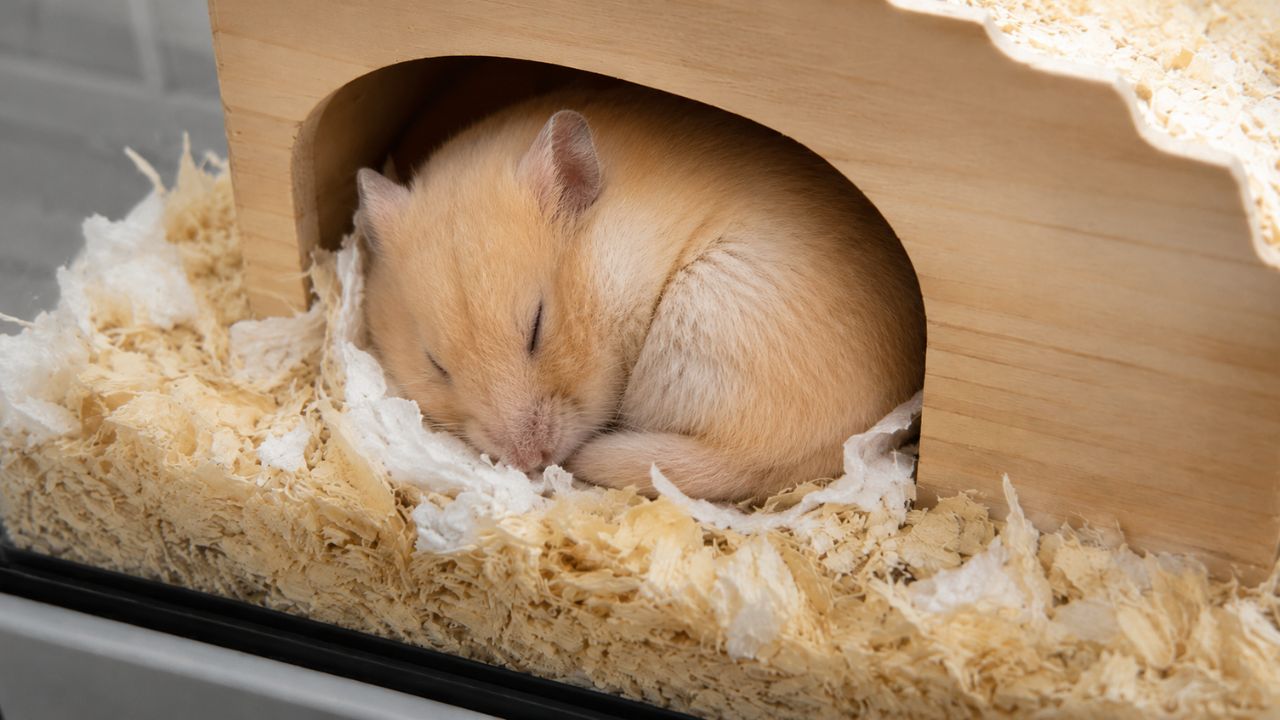
I smiled, because it is one of the most common conversations I have at the counter, and the answer is almost always reassuring. The honest truth is this — hamsters sleeping all day is completely normal. In fact, it is exactly what hamsters are supposed to do. A hamster that sleeps through the day and comes alive in the evening is not poorly. It is a perfectly healthy, normal hamster following its natural biology.
The disappointment that dad and his son felt is something I see all the time, and it almost always comes from the same place — UK families buy a hamster expecting a daytime pet, not realising that hamsters are nocturnal animals that do most of their living after the family has gone to bed.
In 35 years of selling hamsters, I have learned that understanding this one fact transforms the whole experience of owning one. Once you know when your hamster is actually awake and how to work with its natural rhythm, the relationship becomes far more rewarding for everyone — especially the children.
This article is the conversation I have at the counter, written down for every UK family wondering why their hamster sleeps all day. By the end of it, you will know what is normal, what is not, and how to actually enjoy a pet that lives on a different schedule to you.
Yes — Hamsters Are Supposed To Sleep All Day
Let me give you the proper answer first, then explain it.
Hamsters are nocturnal animals. This means they sleep through the day and are active at night. It is the complete opposite of humans, and the opposite of daytime pets like dogs. A healthy hamster will typically sleep for most of the daylight hours and become genuinely active from early evening through to the early hours of the morning.
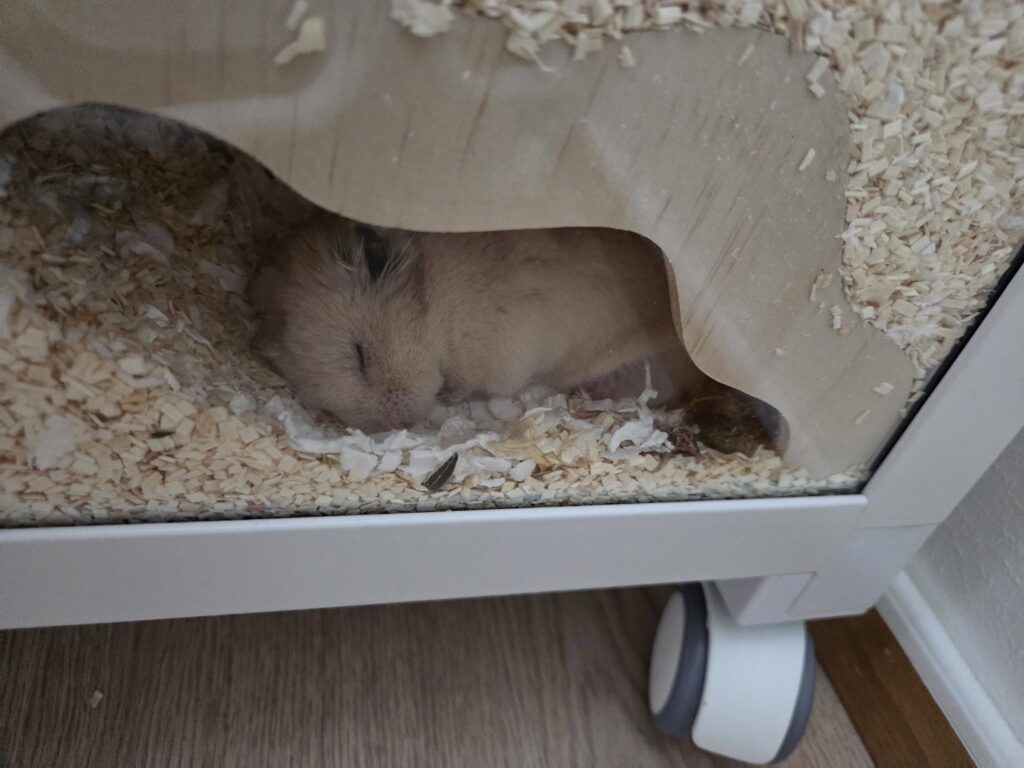 This is not laziness, illness, or a problem with your particular hamster. It is hardwired biology. In the wild, hamsters originate from desert and semi-desert regions where daytime temperatures are punishingly hot. Being active at night, when it is cooler and safer, is a survival adaptation developed over thousands of generations. Your pet hamster carries that same instinct, even in a centrally-heated UK home.
So when your hamster is curled up asleep all day, it is doing exactly what its body is designed to do. By the time your family is settling down for the evening, the hamster is just beginning to think about waking up. By the time you are asleep, the hamster is at its most active — running on its wheel, exploring, eating, and foraging.
When Your Hamster Is Actually Awake
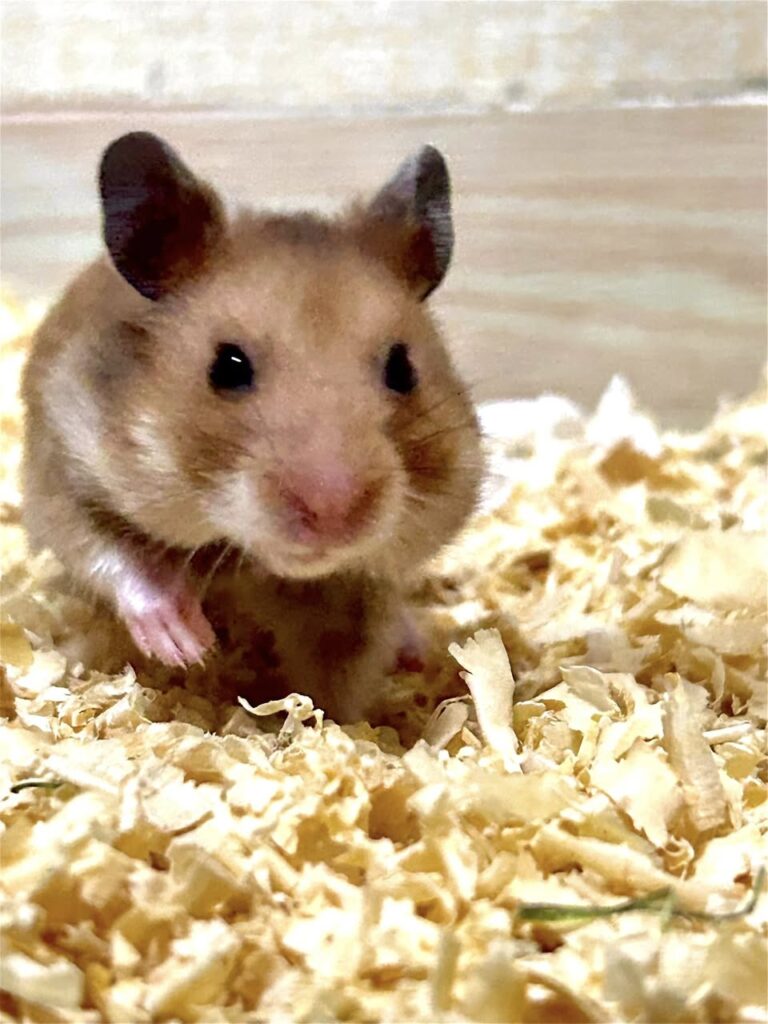
This is the part that helps UK families most, because once you know the hamster’s real schedule, you can plan around it. A typical hamster’s daily rhythm looks something like this.
- Daytime (roughly 7am to 6pm) — deep sleep, curled up in the nest, barely moving. This is normal and should not be disturbed.
- Early evening (6pm to 8pm) — beginning to wake, stretching, having a first explore, eating
- Evening (8pm to 11pm) — most active period. Running on the wheel, exploring, foraging, the best time for gentle interaction
- Night (11pm to early morning) — peak activity continues, often the noisiest period of wheel-running and exploring
- Early morning (5am to 7am) — winding down, having a final feed, settling back to the nest
The key takeaway for UK families is this — if you want to interact with your hamster, the early evening is your window. Around 7pm to 9pm, the hamster is naturally waking up and becoming active, and this is when handling, play, and bonding work best. Trying to interact during the day means waking a sleeping animal, which is stressful for the hamster and unrewarding for everyone.
Why Waking A Sleeping Hamster Is A Bad Idea
This is something I tell every family at the counter, particularly those with excited children. It is genuinely important for the hamster’s welfare and for the relationship.
Waking a hamster during its natural sleep time is stressful and disorientating for the animal. A hamster that is repeatedly woken during the day becomes sleep-deprived, stressed, and far more likely to bite. Many of the “my hamster is aggressive” complaints I hear at the counter trace back to children waking the hamster during the day to play with it. The hamster is not aggressive — it is exhausted and frightened.
A sleep-deprived, stressed hamster is also more vulnerable to illness. Proper rest is essential for a hamster’s health, just as it is for ours. A hamster that cannot sleep properly during the day because it is constantly being disturbed will have a weakened immune system and a shorter, less happy life.

- Causes stress and disorientation in a nocturnal animal
- Leads to sleep deprivation and a weakened immune system
- Makes the hamster far more likely to bite out of fear
- Damages the bond between hamster and owner
- Can cause long-term behavioural problems
- Is genuinely unkind to an animal following its natural rhythm
What to do instead
Work with the hamster’s schedule, not against it. Plan interaction for the early evening when the hamster naturally wakes. Teach children that the hamster is a “night-time pet” that they can enjoy in the evenings before bed. If your child is too young to stay up for the hamster’s active period, a hamster may not be the ideal pet — a daytime animal like a guinea pig might suit better.
When Daytime Sleeping Is Normal vs When To Worry
Now, in the interest of being properly honest, let me address the other side. Because while daytime sleeping is normal, there are situations where a hamster’s sleeping patterns can indicate a problem. Knowing the difference matters.
Normal sleeping looks like this — the hamster sleeps during the day but wakes readily in the evening, is active and alert during its natural waking hours, eats and drinks normally overnight, and looks healthy and bright when awake.
What concerns me is different. It is the hamster that is lethargic even during its natural active hours, that does not wake and become active in the evening, that has stopped eating or drinking, or that shows other signs of illness alongside the sleeping.
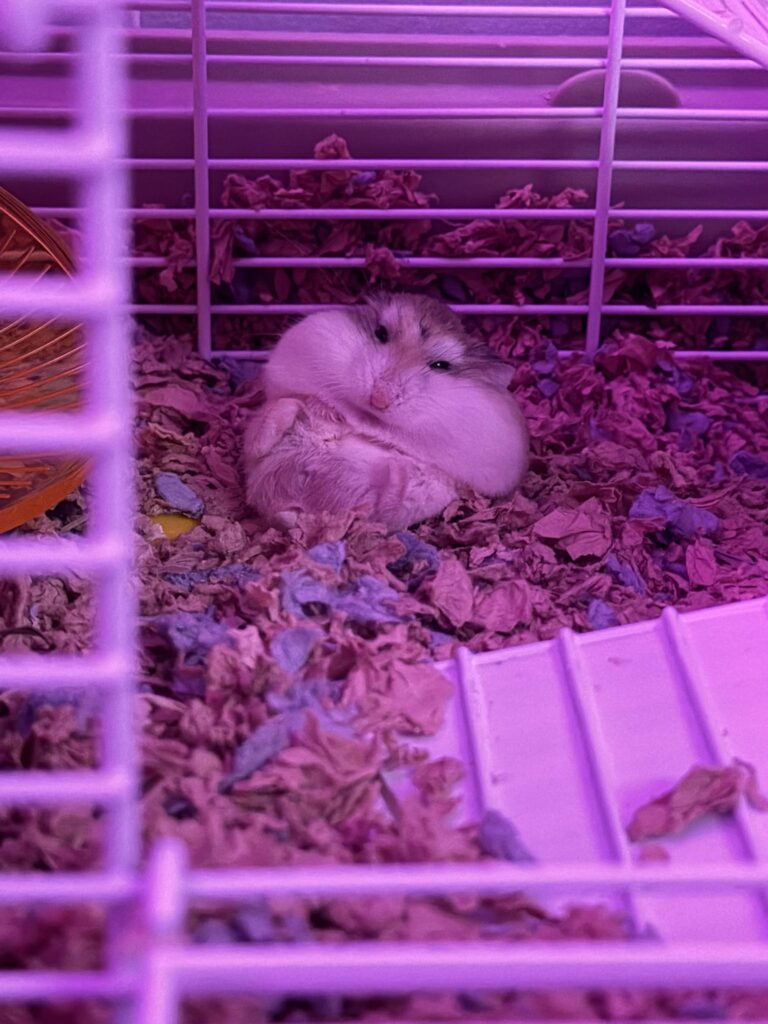
- Sleeping or lethargic even during the evening and night when it should be active
- Not waking up to eat or drink — food and water untouched overnight
- Difficulty waking, or seeming unresponsive when gently checked in the evening
- Sleeping in unusual positions or places, not in the normal nest
- Sleeping combined with other signs — weight loss, wetness around the tail, discharge, laboured breathing
- A sudden change in a previously active hamster’s pattern
- Cold to the touch or unusually still (see the section on torpor below)
What to do
If your hamster is showing any of these signs — particularly lethargy during its natural active hours, or not eating — see a vet with small animal experience promptly. A hamster that is genuinely unwell can deteriorate quickly, and the difference between normal sleeping and illness is whether the hamster wakes and behaves normally during its active period.
For more on the urgent signs that a hamster is unwell, our guide on hamsters that have stopped eating covers the broader emergency picture every UK owner should know.
Torpor — The One That Genuinely Frightens Owners
This deserves its own section because it catches owners off guard and can be genuinely alarming. In cold conditions, hamsters can enter a state called torpor — a kind of temporary hibernation — and owners sometimes mistake it for death.
If a hamster gets too cold — typically below about 5°C, though it can happen at higher temperatures with prolonged cold — it may enter torpor. The hamster becomes very still, cold to the touch, and breathing becomes so slow and shallow that it can be hard to detect. Owners often find their hamster like this and assume it has died.
Torpor is not normal or healthy — it is the hamster’s emergency response to dangerous cold, and it needs gentle intervention. This is most likely to happen in UK homes during winter, particularly if the hamster is kept in a cold room, a garage, or near a draughty window.
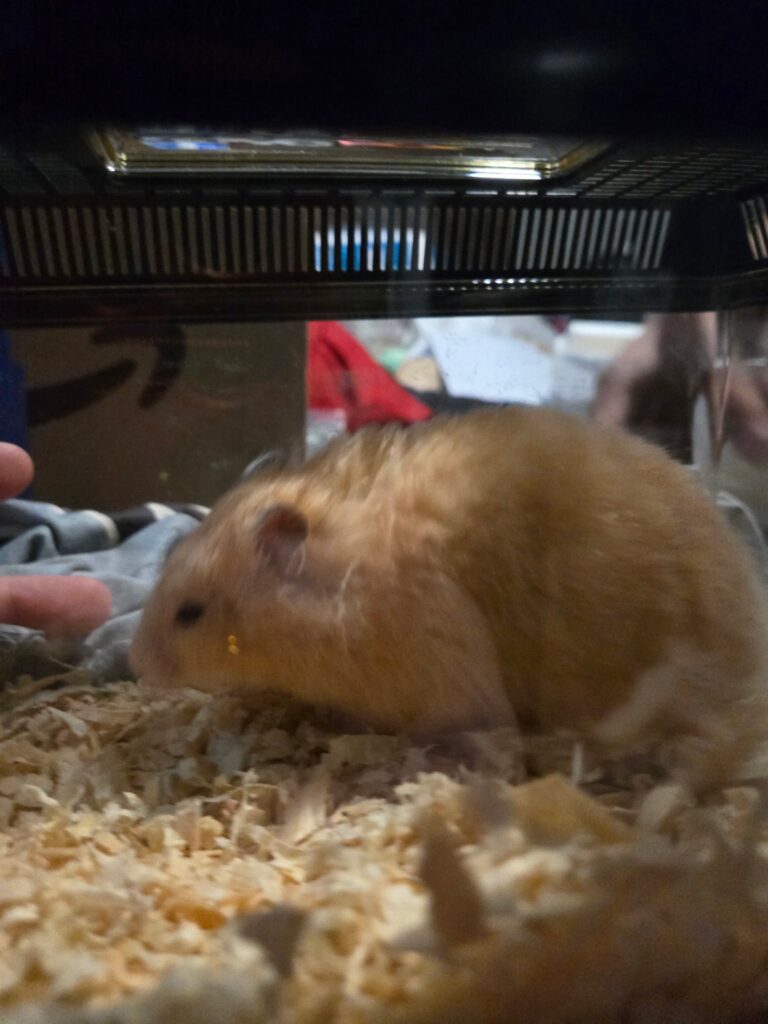
- Look very closely for breathing — torpid hamsters breathe extremely slowly, perhaps one breath every couple of minutes. Watch the body carefully for several minutes.
- Check for whisker twitches — gently, a torpid hamster may show tiny movements
- Feel the temperature of the room — has it been cold? Torpor follows cold exposure.
- Warm the hamster gradually — hold it gently in cupped hands, or move it to a warm room. Slow, gentle warming over an hour or so.
- Do not apply direct heat — no hot water bottles pressed against it, no heat lamps directly on it. Gentle, gradual warmth only.
- If it does not respond to gradual warming within an hour or two, see a vet
What to do
Prevent torpor in the first place by keeping the hamster in a warm, stable environment — ideally 18 to 22°C, never below 15°C. Keep the cage away from draughts, cold windows, garages, and unheated rooms. If you find your hamster in suspected torpor, warm it gradually and gently, and see a vet if it does not recover. A hamster that has entered torpor needs its housing reviewed urgently to prevent it happening again.
Does Age Affect How Much A Hamster Sleeps?
Yes, and it is worth knowing about. A hamster’s sleeping patterns change over its life, and understanding this helps you know what to expect.
Young hamsters tend to be very active during their waking hours, with strong, predictable nocturnal rhythms. As hamsters age — and remember, hamsters only live around 2 to 3 years — they naturally slow down. An older hamster will sleep more, be active for shorter periods, and may be less energetic during its evening waking time.
This gradual slowing in an older hamster is normal ageing, not illness. The key difference is that it happens gradually over weeks and months, and the hamster still wakes, eats, and behaves normally — just less energetically than it did when young. A sudden change in a young hamster’s pattern is more concerning than a gradual slowing in an older one.
How To Enjoy A Nocturnal Pet
This is the practical advice that makes all the difference for UK families. A hamster being nocturnal does not mean you cannot enjoy it — it just means adjusting your expectations and routine. Here is what I tell families to make the most of their hamster.
- Plan interaction for the early evening — around 7pm to 9pm is the sweet spot for most hamsters
- Let the hamster wake naturally — do not drag it out of the nest; let it emerge in its own time
- Keep the cage where you spend evening time — living room rather than a child’s bedroom
- Provide a quiet wheel — a good silent wheel means the night-time activity does not disturb the household
- Watch the evening routine — much of the joy of a hamster is watching it explore, forage, and run in the evening
- Set up the cage for night-time enrichment — tunnels, foraging, things to do during its active hours
- Teach children the schedule — “the hamster wakes up at bedtime” helps children understand and respect the rhythm
For more on setting up a hamster’s home properly, our complete hamster care guide covers everything UK owners need to know about housing and routine.

Is A Hamster The Right Pet If You Want A Daytime Companion?
This is the honest question I sometimes have to raise with families, particularly those buying for young children. Because if the disappointment of a daytime-sleeping hamster is a deal-breaker, it is better to know that before buying.
A hamster is genuinely a fantastic pet — but it is a nocturnal one. If your family wants a small pet that is active and available during the day, when young children are awake and wanting to play, a hamster may frustrate you. The hamster will be asleep exactly when your children want to interact with it.
In those cases, I often suggest families consider alternatives. Guinea pigs, for example, are active during the day and into the evening, are more social, and tolerate handling better — making them often a better choice for young children. Day-active pets simply fit family rhythms better.
- Can someone interact with it in the early evening?
If yes, a hamster works well. If everyone is busy at that time, it may not. - How old are the children?
Older children who stay up later can enjoy the hamster’s active period. Very young children who go to bed early may rarely see it awake. - Do you want a daytime or evening pet?
Be honest. If you want daytime activity, consider a guinea pig instead. - Are you happy to let it sleep undisturbed during the day?
This is essential for a hamster’s welfare. If children cannot resist waking it, problems follow.
What I Tell Worried Owners At The Counter
When a family comes in worried that their hamster sleeps all day, I work through a few questions to reassure them or, occasionally, to spot a genuine problem.

- Does it wake up and become active in the evening?
Yes = completely normal nocturnal behaviour. No = worth investigating. - Is it eating and drinking normally overnight?
Check if food is being eaten and the water level dropping. Normal intake is reassuring. - Does it look healthy and bright when awake?
Active, alert, normal movement in the evening = healthy. Lethargic even when awake = concerning. - How warm is the room?
Cold conditions can cause torpor, which is different from normal sleep. - Is anyone waking it during the day?
Children disturbing daytime sleep causes stress and problems. - How old is the hamster?
Older hamsters naturally slow down and sleep more. - Has anything changed recently?
Sudden changes in a young hamster’s pattern are worth a closer look.
Five minutes of these questions usually reassures the family that they have a perfectly normal, healthy hamster — and occasionally flags a genuine issue that needs a vet.
Frequently Asked Questions
Is it normal for a hamster to sleep all day?
Yes, completely normal. Hamsters are nocturnal animals — they sleep through the day and are active at night. A hamster that sleeps all day and becomes active in the evening is doing exactly what its biology intends. This is one of the most common worries among new owners, and the answer is almost always reassuring.
What time do hamsters wake up?
Most hamsters begin to wake in the early evening, around 6pm to 8pm, and reach peak activity later in the evening and through the night. The early evening, roughly 7pm to 9pm, is the best window for UK families to interact with their hamster, as this is when it naturally wakes and becomes active.
Should I wake my hamster up to play with it?
No. Waking a hamster during its natural daytime sleep is stressful, disorientating, and makes it far more likely to bite. Repeated disturbance leads to sleep deprivation and stress. Instead, plan interaction for the early evening when the hamster naturally wakes. Let it emerge from its nest in its own time.
Why won’t my hamster wake up even in the evening?
If a hamster does not wake and become active during its natural evening hours, this is worth taking seriously. It could indicate illness, or in cold conditions it could be torpor — a temporary hibernation-like state. Check the room temperature, look very carefully for slow breathing, and if the hamster does not respond to gentle warming or seems unwell, see a vet promptly.
My hamster feels cold and is barely moving — is it dead?
It may be in torpor — a state hamsters enter when they get too cold, which can be mistaken for death. Look very carefully for extremely slow breathing over several minutes. Warm the hamster gradually with cupped hands or by moving it to a warm room. Do not use direct heat. If it does not respond within an hour or two, see a vet. Prevent torpor by keeping the hamster warm, never below 15°C.
Are hamsters good pets for young children if they sleep all day?
It depends on your family’s routine. Because hamsters are nocturnal, they are asleep during the day when young children most want to play. Older children who stay up later can enjoy the hamster’s evening activity, but for very young children who go to bed early, a day-active pet like a guinea pig is often a better choice.
Where can I get honest hamster advice in Swindon?
Come and see us at Paradise Pets, Manor Garden Centre, Cheney Manor, Swindon SN2 2QJ. Or give us a ring on 01793 512400. The advice is free and we have been doing this for 35 years.
One Last Thing From Me
A hamster that sleeps all day is not a poorly hamster, and it is not a boring pet. It is a nocturnal animal doing exactly what nocturnal animals do. In 35 years of selling hamsters, the families who understand and embrace this are the ones who genuinely enjoy their pets — and the disappointment that some families feel almost always comes from expecting a daytime animal rather than an evening one.
The dad and his son I mentioned at the start of this article? Once I explained the hamster’s natural schedule, everything clicked into place. They started spending time with the hamster in the early evening, around the boy’s bedtime routine — letting it wake naturally, watching it run on its wheel, gently handling it once it was alert. The boy came back a few weeks later beaming. “Neil,” he said, “he’s brilliant in the evenings. He climbs on my hand and stuffs his cheeks with food. I just see him at a different time than I thought.”
That is the outcome you want. A family that works with the hamster’s natural rhythm rather than against it, and a hamster that gets the undisturbed daytime sleep it needs to be healthy and happy.
If you are reading this worried that your hamster sleeps too much, the first thing to check is simple — does it wake up and behave normally in the evening? If yes, you have a perfectly healthy, normal hamster. If no, or if you see other signs of illness, get to a vet. And if you are local and unsure, come and see us. We will help you work out whether everything is as it should be.
Got Questions About Your Hamster? Come And See Me
Bring your questions, or just come for a chat about your hamster’s routine. I will tell you honestly whether everything sounds normal. Free advice, no obligation. That is how we have done things for 35 years.