


Neil has run Paradise Pets Swindon since 1988. He has watched hedgehog sightings in local gardens decline steadily over those decades — a pattern that lines up closely with what The Wildlife Trusts and other conservation bodies have been documenting nationally. This guide explains what is actually happening, what the data shows, and what genuinely helps — much of which involves things you may already have in your shed or garage.
I do not often write about wildlife outside the animals we sell, but hedgehogs are a special case. They are wild, they are not something we stock or sell, and yet almost every week someone comes into the shop asking about hedgehog food, hedgehog houses, or what to do about an underweight hedgehog they have found in their garden. The interest has grown noticeably over the years — partly, I think, because people have noticed the same thing I have: there are fewer of them than there used to be.
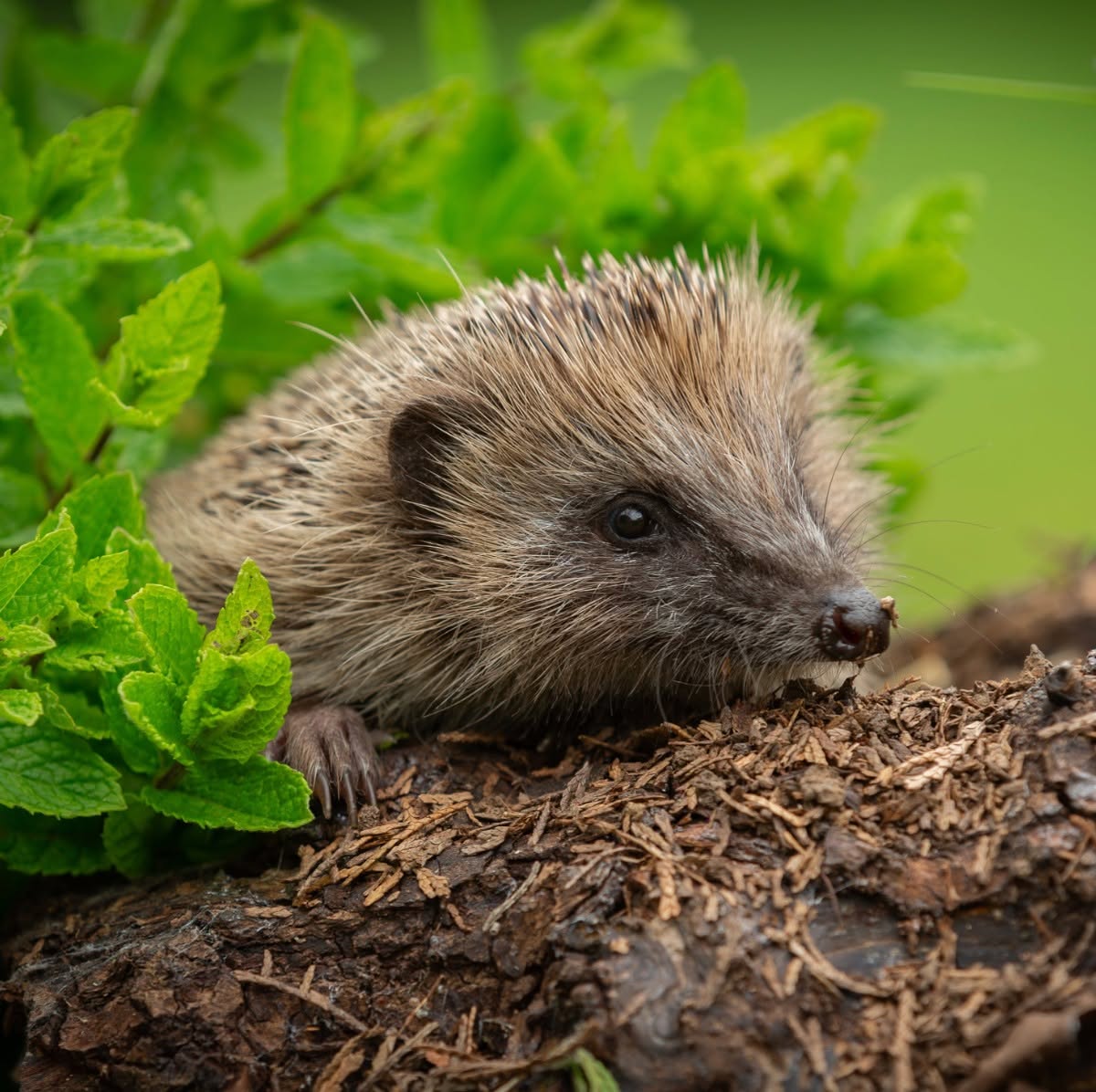
The Wildlife Trusts, along with the People’s Trust for Endangered Species and the British Hedgehog Preservation Society, have been documenting this decline for years through national surveys. The headline figure that gets quoted most often is stark: rural hedgehog numbers in Britain have fallen by somewhere between 30 and 75 percent since the year 2000. The hedgehog is now classified as vulnerable to extinction on the British Red List for Mammals. From a population estimated at around thirty million in the 1950s, the current estimate sits at under a million.
That is the scale of what has happened in a single human lifetime — within the lifetime, in fact, of many people who remember hedgehogs being a completely unremarkable sight in almost any British garden.
This article is about what is actually driving that decline, and — more usefully — what an ordinary household with a garden can do about it. The good news, genuinely, is that gardens matter enormously here, and small, practical changes make a real difference.
What the Data Actually Shows
It is worth being precise about this because the picture is more nuanced than a single declining number suggests.
The most commonly cited figures come from The State of Britain’s Hedgehogs reports, produced collaboratively by the People’s Trust for Endangered Species, the British Hedgehog Preservation Society, and the British Trust for Ornithology, drawing on long-running citizen science surveys including Living with Mammals, Mammals on the Roads, and the Breeding Bird Survey. These surveys consistently show that rural hedgehog populations in England have declined sharply — by some estimates as much as 8.3 percent per year over the past two decades, which compounds into the 30 to 75 percent range typically quoted.
What is less widely reported, but genuinely important, is that urban and suburban hedgehog populations are behaving differently from rural ones. In towns, cities, and suburban gardens, there is evidence that hedgehog numbers may be stabilising or even recovering in some areas, even as the rural picture continues to worsen.
This urban-rural split tells us something specific and actionable: gardens and built-up green spaces, managed thoughtfully, can support hedgehogs in ways that intensively farmed rural land increasingly cannot. The decline is real and serious. It is also not uniform, and the places where recovery is happening are precisely the places where ordinary households have the most influence — back gardens, allotments, and green spaces in towns and villages.
Why Hedgehogs Are Declining — The Main Drivers
The causes identified by The Wildlife Trusts and the conservation organisations researching this are varied, and they differ somewhat between rural and urban environments.
Habitat fragmentation. Hedgehogs need to roam — typically up to a mile or more in a single night — to find enough food and mates. Roads, solid fencing, walled gardens, and large expanses of mown lawn or paved surface all act as barriers that prevent hedgehogs from moving freely between gardens and green spaces. A hedgehog that cannot move between gardens is effectively trapped in an isolated pocket of habitat, which increases vulnerability to local extinction, inbreeding, and food scarcity.
Loss of food sources. Hedgehogs feed mainly on invertebrates — beetles, worms, caterpillars, and similar prey. Intensive land management, pesticide and slug pellet use, and the loss of hedgerows and rough grassland have reduced the abundance of these invertebrates significantly across much of rural Britain. Fewer insects means less food, and less food means hedgehogs struggle to build the fat reserves they need to survive hibernation.
Garden hazards. Strimmers and mowers used without checking long grass first cause serious, sometimes fatal injuries to hedgehogs sheltering in vegetation. Garden netting — particularly the type used over fruit bushes or football goals left up overnight — entangles hedgehogs that cannot free themselves. Bonfires built up in advance of Bonfire Night provide an attractive shelter spot that hedgehogs move into before the fire is lit. Ponds and pools without an escape route can drown hedgehogs that fall in and cannot climb back out.
Roads. Hedgehogs are reluctant to cross open roads and are frequently killed attempting to do so. Roads also fragment populations by preventing movement between habitat patches, compounding the isolation problem described above.
Rodenticide and slug pellet poisoning. Hedgehogs that eat poisoned slugs or snails, or that scavenge bait intended for rats and mice, can suffer secondary poisoning. This is a less visible cause of decline but one that conservation bodies have flagged as a genuine concern.
The Single Most Effective Thing a Household Can Do — Hedgehog Highways
If I had to identify the one intervention that conservation bodies consistently point to as having the most significant impact, relative to the effort involved, it is this: making garden boundaries permeable to hedgehogs.
A hedgehog needs to travel between gardens every night to forage across a large enough area to find sufficient food. Solid garden fencing with no gaps, and walled gardens with no access points, turn a row of back gardens — which could collectively provide excellent hedgehog habitat — into a series of isolated, inadequate fragments.
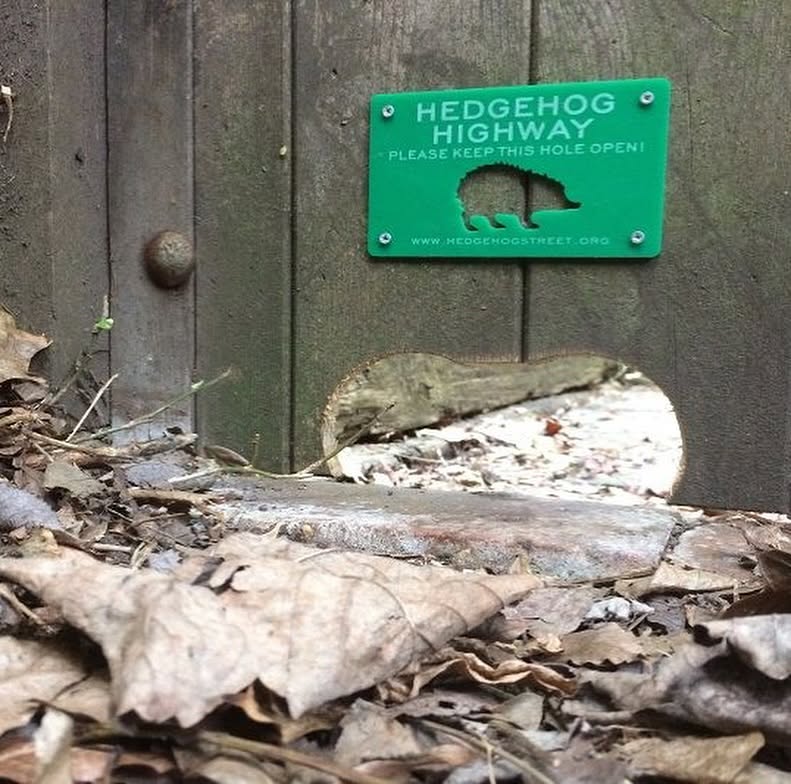
The fix is genuinely simple. A gap roughly 13 centimetres square — about the size of a CD case — cut or left at the base of a garden fence allows hedgehogs to pass through while remaining too small for most pets to use as an escape route. Many garden fence panels already have a small natural gap at the base that can be widened slightly. Where fences are solid to the ground, a hole can be cut with a saw in a few minutes.
Hedgehog Street, the joint campaign run by the People’s Trust for Endangered Species and the British Hedgehog Preservation Society, encourages neighbours to coordinate on this — a single garden with a hedgehog highway hole is helpful, but a street where every garden connects to the next creates a genuinely usable corridor of habitat that can support a viable local hedgehog population.
This is the one change I would encourage every gardening customer to make first, before anything else on this list, because it has the most far-reaching effect for the least cost and effort.
Garden Hazards to Remove or Manage
Beyond connectivity, there are specific garden hazards worth addressing directly, because they cause real and preventable harm.
Check before you strim or mow. Always walk through long grass and check under it before strimming or mowing, particularly in the early evening and at dawn when hedgehogs are most likely to be moving or resting in cover. Strimmer injuries to hedgehogs are common, severe, and entirely avoidable with a quick visual check first.
Remove or elevate garden netting. Fruit cage netting, football goal netting, and other garden netting left low to the ground overnight is a significant entanglement hazard. Raise netting to at least knee height where possible, or remove it when not actively needed.
Check bonfires before lighting. A bonfire built up over several days before Bonfire Night is an attractive, dry, sheltered spot that a hedgehog may move into. Always build bonfires immediately before lighting where possible, or check thoroughly by lifting material from the base — never simply lighting from underneath — immediately before lighting.
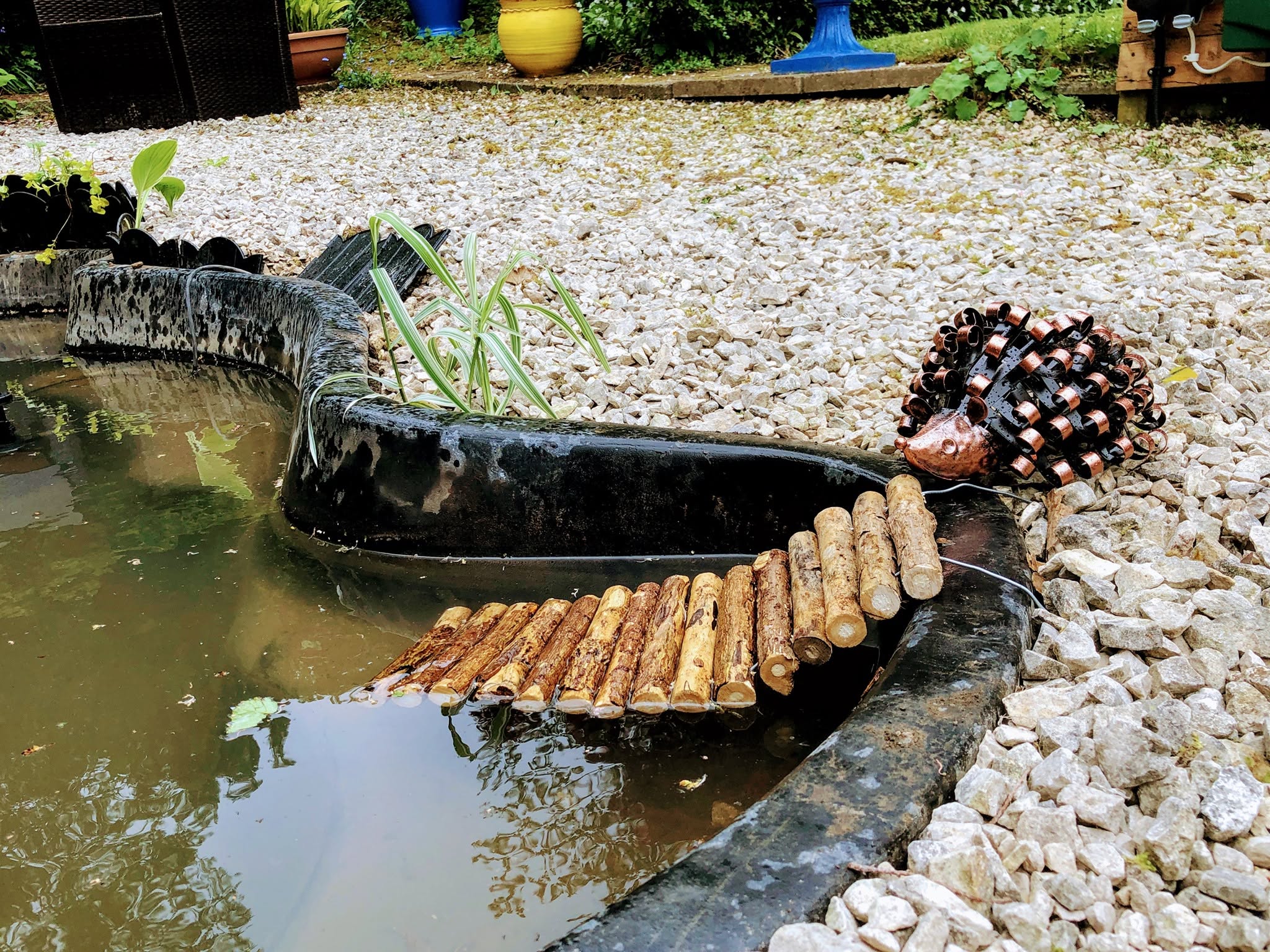
Provide pond and pool escape routes. A hedgehog that falls into a pond, swimming pool, or steep-sided water feature can drown if there is no way to climb out. A partially submerged ramp, a pile of stones forming a gentle slope, or a piece of chicken wire draped over the edge into the water gives a swimming hedgehog a route to safety.
Avoid slug pellets, or use pet and wildlife-safe alternatives. Traditional metaldehyde-based slug pellets pose a poisoning risk to hedgehogs that eat affected slugs and snails. Ferric phosphate-based pellets are widely considered a safer alternative, though the most reliable approach is reducing reliance on pellets altogether through other slug management methods.
Cover or secure drain covers and gaps under sheds. Hedgehogs can become trapped in drains, gaps under sheds, or similar spaces they cannot climb out of. Check these periodically, particularly after a hedgehog has been seen in the garden.
Feeding Hedgehogs Correctly — What Actually Helps
Supplementary feeding is one of the most direct ways a household can help, particularly for hedgehogs building fat reserves ahead of hibernation or recovering from a difficult period.
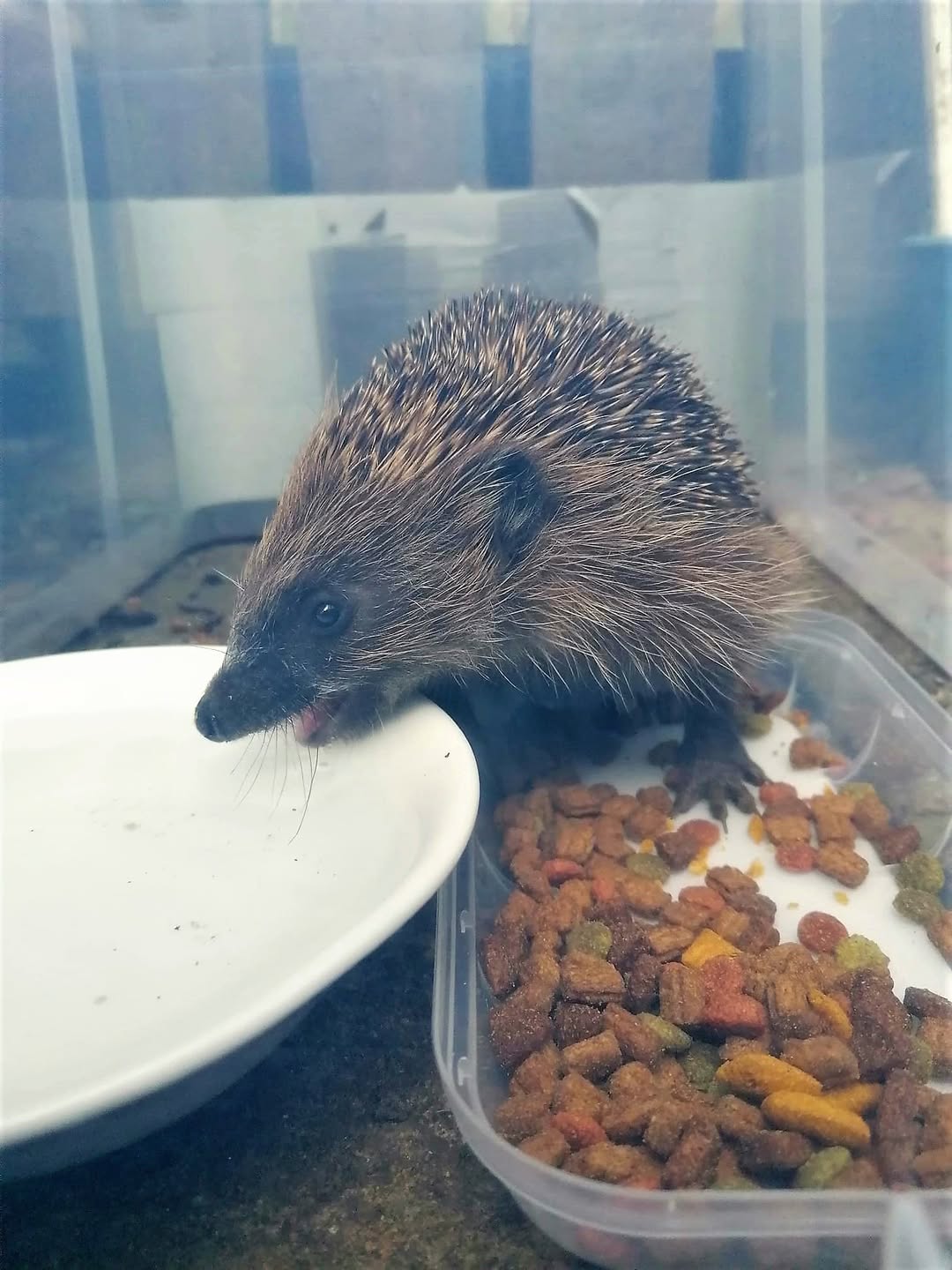
What to feed. Specialist hedgehog food — available as dry biscuit-style food or wet food specifically formulated for hedgehogs — is the best option, as it is nutritionally appropriate for their needs. Meaty cat or dog food, without fish content and ideally a kitten or puppy formula which tends to be higher in the protein hedgehogs need, is a reasonable alternative if specialist food is not available. A small amount of plain, unsalted, unroasted peanuts or sunflower hearts can supplement this, though these should not form the bulk of the diet.
What to avoid. Bread and milk are the two most persistent myths in hedgehog feeding, and both are inappropriate — hedgehogs are lactose intolerant, and bread provides minimal nutritional value while filling the animal up. Mealworms, while sometimes recommended, should only be offered in small quantities as an occasional treat rather than a primary food source, as research has suggested that excessive mealworm consumption can affect bone density due to an imbalanced calcium-to-phosphorus ratio.
Provide fresh water always. A shallow dish of fresh water, changed regularly, is valuable year-round, particularly during dry spells when natural water sources and prey availability both decrease.
Feed in the evening, removed or covered by morning. Hedgehogs are nocturnal and feed at night. Putting food out in the early evening and removing any uneaten food in the morning reduces the chance of attracting rats or other unwanted visitors, and keeps the food fresh.
Use a hedgehog feeding station if other animals are a concern. A simple feeding station — a box with a hedgehog-sized entrance hole, too small for cats and most other garden visitors — protects the food for hedgehogs specifically and reduces competition from cats, foxes, or birds.
What to Do If You Find an Underweight or Out-of-Place Hedgehog
This is the question I am asked most often at the counter, and it is worth covering specifically because timing and correct action matter.
A hedgehog seen out during the day is unusual and often a sign of a problem — hedgehogs are nocturnal, and daytime activity, particularly if the animal seems disoriented, wobbly, or sluggish, warrants closer attention. It does not automatically mean the animal needs to be rescued, but it is worth observing from a distance for any signs of injury or distress before deciding whether intervention is needed.
An underweight hedgehog in autumn is a particular concern. Hedgehogs need to weigh enough — roughly 450 to 600 grams as a general guide for an adult heading into winter — to survive hibernation. A noticeably small or thin hedgehog seen late in the autumn, especially one still active in cold weather when most hedgehogs should be hibernating, may not have built sufficient fat reserves and could benefit from being taken to a local hedgehog rescue or wildlife rehabilitation centre for assessment and overwintering care.
A hedgehog with visible injury, entanglement, or flystrike — maggots or fly eggs visible on the skin, which can occur if the animal is wounded or unwell — needs professional help promptly. Contact a local hedgehog rescue, the RSPCA, or a vet experienced with wildlife.
If in doubt, contact a specialist rescue before intervening directly. The British Hedgehog Preservation Society maintains contact details for hedgehog rescues across the UK, and most areas have a dedicated local rescue or a vet willing to take in wildlife casualties. A brief phone call describing what you have observed will usually get you clear guidance on whether the animal needs to come in or can be left to continue on its way.
- “Bread and milk is the classic thing to leave out for hedgehogs” — This is one of the most persistent and most harmful pieces of folk wisdom about hedgehog care. Hedgehogs are lactose intolerant, and milk causes digestive upset. Bread fills them up without providing useful nutrition. Specialist hedgehog food, or plain meaty cat or dog food, is the correct choice.
- “If I see a hedgehog in the day it definitely needs rescuing” — Daytime activity is unusual and worth watching closely, but it is not automatically an emergency. Observe for signs of injury, disorientation, or distress before deciding whether the animal needs to be taken in. A healthy-looking hedgehog that is simply moving between resting spots does not necessarily need intervention.
- “Hedgehogs hibernate the whole winter and don’t need feeding” — Hedgehogs do not hibernate continuously through the entire winter in the way some animals do — they can wake periodically, particularly during milder spells, and may forage briefly before returning to a nest. Supplementary food and water left out through autumn and into the early part of winter can genuinely help, particularly in the lead-up to hibernation when fat reserves matter most.
- “My garden is too tidy and modern to attract hedgehogs anyway” — A garden does not need to be wild or unkempt to support hedgehogs. A hedgehog highway gap in the fence, a sheltered corner with some log piles or leaf litter, and avoiding the hazards described above can make even a relatively tidy, modern garden genuinely hedgehog-friendly.
- “There’s nothing one household can really do about a national decline” — The data on urban and suburban hedgehog populations stabilising, even as rural populations decline, suggests the opposite is true. Garden-level changes, multiplied across many households and ideally coordinated between neighbours, are one of the few interventions individual people can make that has a demonstrable effect on a national conservation problem.
What I Tell Customers at the Counter
- Cut a hedgehog highway gap in your garden fence.
Roughly 13 centimetres square, at ground level. This single change does more to support hedgehog populations than almost anything else a household can do, particularly if neighbours do the same. - Check before you strim, mow, or light a bonfire.
A few seconds checking long grass or the base of a bonfire pile before using machinery or lighting a fire prevents some of the most common and most severe hedgehog injuries. - Remove or raise garden netting, and give ponds an escape route.
Entanglement and drowning are both preventable hazards with simple, low-cost fixes. - Put out specialist hedgehog food and fresh water in the evening.
Avoid bread and milk. Avoid relying heavily on mealworms. Specialist hedgehog food or plain meaty cat or dog food is the right choice. - Know who to call if you find an animal that seems unwell or underweight.
A local hedgehog rescue or wildlife-experienced vet can advise quickly over the phone on whether an animal needs to come in. Acting promptly, particularly with underweight hedgehogs in autumn, gives the animal the best chance.
We do not stock hedgehog rescue services directly, but we do stock hedgehog food, feeding stations, and hedgehog houses, and we are always happy to talk through what might work for your specific garden. Come in and see us at Manor Garden Centre, Cheney Manor Industrial Estate, Swindon, SN2 2QJ — open every day. Or call us on 01793 512400.
Visit Us at Paradise Pets Swindon
We stock specialist hedgehog food, feeding stations, and hedgehog houses alongside our full range of pet supplies. Come in and talk to us about creating a more hedgehog-friendly garden.
We also stock a full range of cage and aviary birds, guinea pigs, rabbits, and a full range of gerbils and hamsters.