
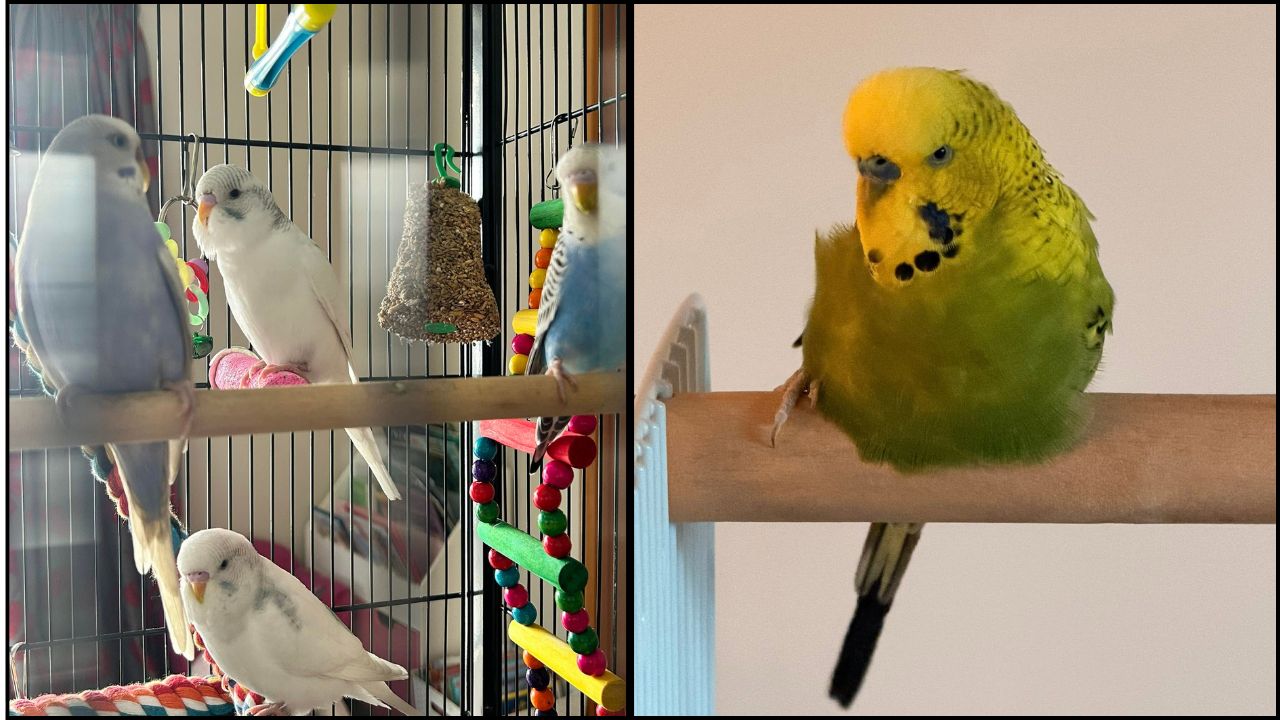

Neil has run Paradise Pets Swindon since 1988 — over 35 years of watching which animals people choose, why they choose them, and what happens when the choice turns out to be right. In 2026, indoor birds are the third most popular pet in the UK, with around three million kept across British homes. That number has been climbing steadily for years. After 35 years at this counter, Neil finally wants to say — in public, on the record — that this trend makes complete sense to him. This is why.
I have spent most of my career giving honest warnings. The cage is too small. The diet is wrong. The bird is not as low-maintenance as you think. You need to know what your bird looks like when it is well before you can recognise when something has changed. I stand behind every word of all of it, and I will keep saying it for as long as people need to hear it.
But I want to write something different today. Something I do not say often enough, because the nature of this job pulls more toward caution than celebration, and because the things that go wrong are always louder than the things that go right.
The trend toward pet bird ownership in the UK in 2026 is, in my honest view, one of the more sensible things that has happened in the British pet trade in decades. Not because birds are perfect pets — nothing is a perfect pet — but because the reasons people are choosing them in greater numbers are good reasons, grounded in the realities of how modern British life actually works. And after 35 years of watching which animal choices hold up over time and which ones do not, I think that deserves to be said clearly.
What The Numbers Actually Look Like In 2026
I want to establish the picture before I explain why I think it makes sense, because the scale of what is happening is part of what makes it worth writing about.
Indoor birds are now the third most popular pet category in the UK, ranking behind only dogs and cats. There are approximately three million pet birds in British homes, with budgerigars accounting for over a million of those — making the budgerigar not just the most popular pet bird in the country but the single most numerically common exotic pet species in the UK by a significant margin. The cockatiel has grown substantially in popularity over the years I have been watching. The canary, which I regard as one of the most underrated pets in the trade, maintains a steady and devoted following. African Greys, lovebirds, finches, and conures all have their communities of passionate keepers.
Bird adoption, in the industry reporting I read, is described as seeing a resurgence in 2026, driven by better education, improved housing designs, and a growing appreciation for avian intelligence. That language — resurgence — implies a return after a period away. What I have actually observed over 35 years is more like a slow, sustained climb that has accelerated in the past five years, rather than a departure and comeback. The birds were always there. What has changed is how many people can see the case for them.
Around 61 per cent of UK households now own at least one pet of some kind. That is almost two in three homes — a figure that places the UK among the most pet-friendly societies in the world. Within that picture, the choice of which animal to keep has been shifting, and it has been shifting in a direction that I think reflects genuinely rational decision-making rather than passing trend.
The First Reason It Makes Sense — Modern Homes Are Built For Birds
The average UK home has become smaller over the decades I have been running Paradise Pets. I have watched the conversation around living space change fundamentally since 1988 — from a time when a garden and a reasonably sized house were a reasonable expectation for a family, to a time when a well-designed flat, a shared outdoor space, or a compact terraced house is the reality for a significant proportion of the population, particularly younger families and people living in cities.
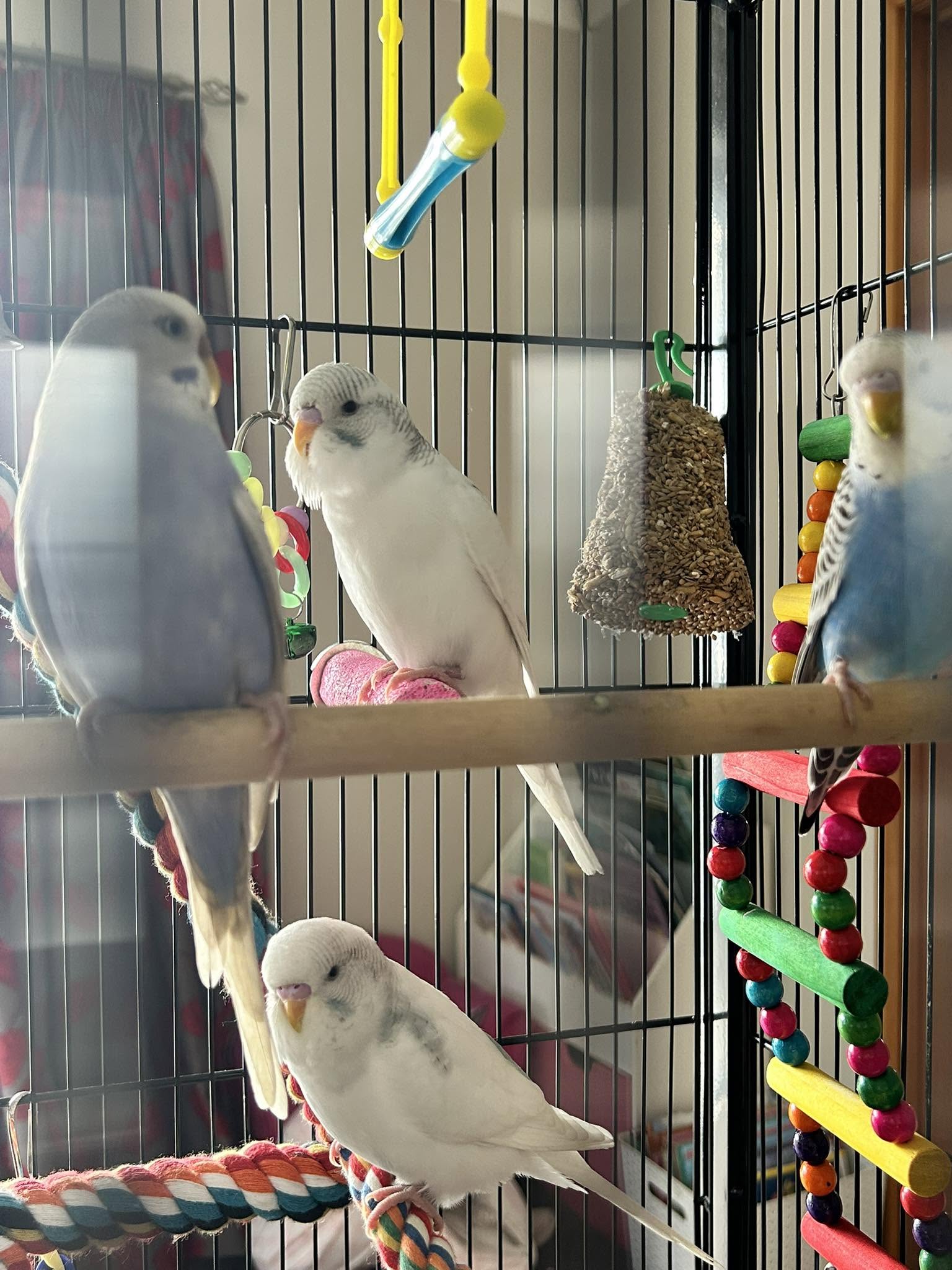
That shift in living space has had a direct effect on which pets are viable and which are not. A Labrador in a studio flat is not, in my view, an animal welfare success story. A pair of budgerigars in a properly sized cage in the same flat are a different matter entirely. The minimum space requirement for a well-kept pet bird is achievable in almost any home. The noise level — which for a budgie or a canary is pleasant and manageable — does not create the neighbour issues that a dog can in a flat or terrace. The bird does not need a garden, does not need walking, and does not need an outdoor space of any kind, provided it receives appropriate out-of-cage time in a safe indoor environment.
This is not a compromise. It is not about settling for a bird because you cannot have a dog. It is about genuinely choosing the animal that suits the space you have, rather than forcing an animal that does not suit it into a situation that works for nobody — least of all the animal. The people I see making that choice deliberately, with full awareness of what a bird is and what it needs, are making a good decision. The fact that modern UK homes make birds a more natural fit than they were forty years ago is a structural reality, not a trend. It will not reverse as homes get larger, because homes are not getting larger.
The Second Reason — Modern Lives Are Built For Birds
The other structural shift that makes bird ownership a genuinely sensible choice in 2026 is time. Specifically, the way working life in the UK has changed, and what that means for the animals people choose to keep.
A significant proportion of UK households now have two working adults. Working hours have lengthened, commutes are substantial in many parts of the country, and the hours available for active pet care on a weekday are considerably more constrained than they were in earlier decades. A dog in a household where both adults work full time is a dog that spends significant periods alone — an arrangement that, for many breeds, creates welfare concerns and behavioural problems that require additional expense and management to address.
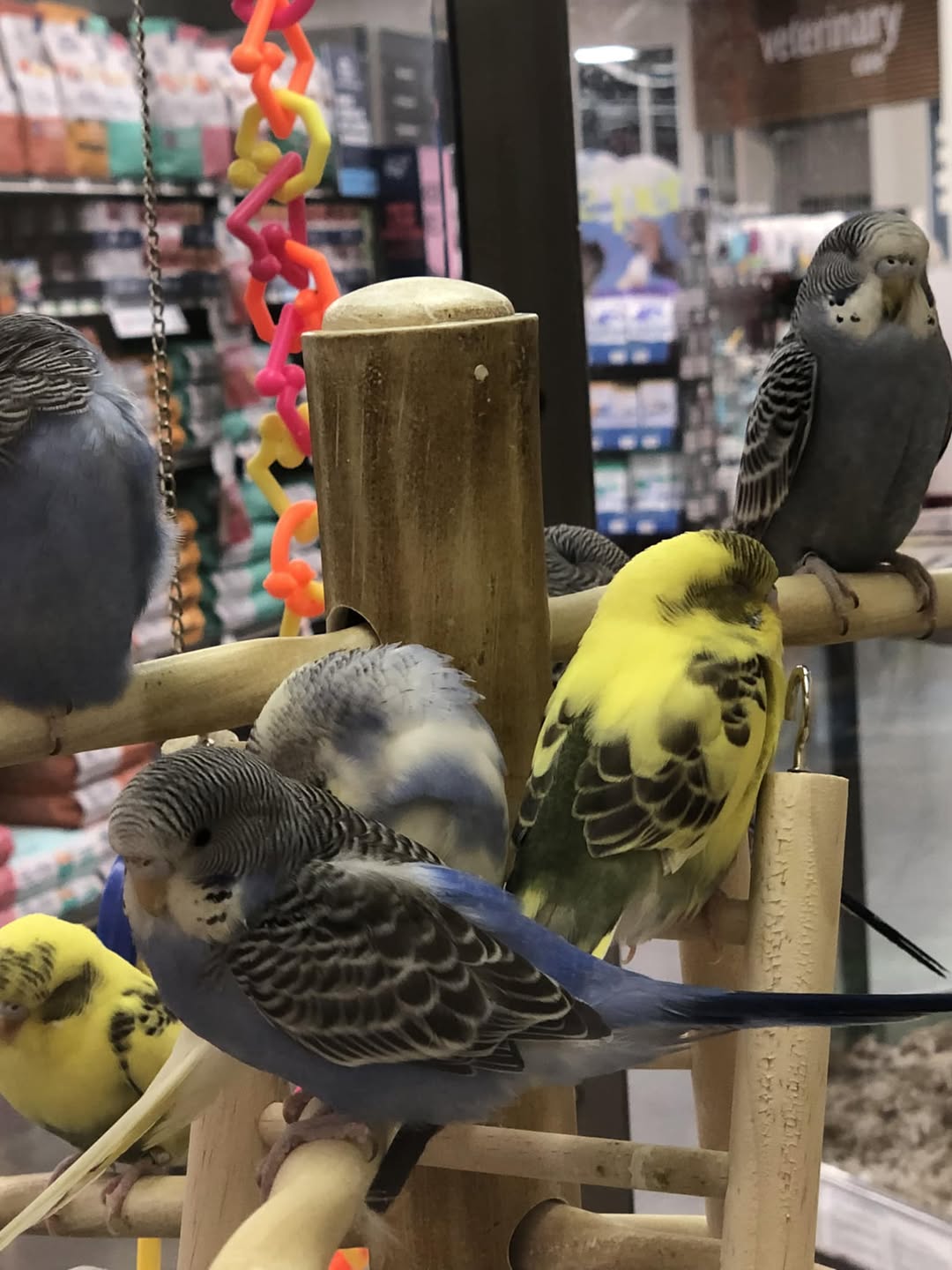
A well-kept pair of budgerigars in the same household is a genuinely different situation. Two birds together — and I emphasise together, because a single bird left alone all day is not the arrangement I am describing — provide each other with the social interaction and stimulation that a dog would need from a human. They entertain each other. They are active and engaged with each other’s company in a way that a solitary bird is not. The returning owner, after a full working day, is welcomed rather than greeted by an animal that has been alone and frustrated for eight hours.
This is not a secondary point. It is the thing that I believe explains more of the bird trend than any other single factor. As working patterns have changed, as the hours available for daily pet care have shifted, the animal that fits that reality well has become more obviously attractive. A bird kept properly — in the right space, with the right companion, with the daily care that good keeping requires — does not demand the constant presence that some other animals need. What it demands is consistent attention, which is a different thing entirely and one that the majority of working households can meet.
The Third Reason — People Are Looking For Genuine Connection, Not Just Company
This is the one I find most interesting, and the one I would not have articulated in quite this way when I started at this counter in 1988. It has become clearer to me over years of conversations with people who come in to buy birds, come back to buy food, and come in again to tell me how things are going.
A well-kept, well-socialised pet bird is not passive company. It is not a decoration or an ornament, though it is undeniably beautiful. A budgerigar that has been properly handled from a young age, that has been given consistent, patient attention, that has been talked to and responded to — that bird knows its owner. It distinguishes between the people in its environment. It has preferences, habits, and what I can only describe as a personality that is specific to that individual bird rather than generic to the species.
The PDSA’s 2025 report found that 88 per cent of UK pet owners said their pet had helped their mental health. That is an extraordinary figure, and in my experience it applies to bird owners as fully as to dog and cat owners — perhaps more so in some cases, because the relationship with a bird requires more active cultivation. A bird that trusts its owner has been earned, not assumed. And what has been earned tends to be valued more highly than what was simply given.
I have watched children develop relationships with budgerigars that have shaped their attitude to animals for the rest of their lives. I have watched people living alone, in circumstances where a dog or cat was not practical, find genuine companionship in a pair of cockatiels that responded to them with a specificity and warmth that surprised them. I have watched elderly customers whose mobility was declining find that the daily routine of caring for a bird — the feeding, the talking, the observation — gave their days a structure and purpose that mattered to them in ways that went beyond the bird itself.
None of that is sentimentality. It is what actually happens when a bird is kept well, by someone who has taken the time to understand what it needs. And in 2026, with better information available than at any point in my career — from reputable sources, from experienced communities, and from shops willing to have the honest conversation before a bird goes home — the proportion of people keeping birds well is, in my experience, higher than it has ever been.
The Fourth Reason — The Information Has Got Better
This is a point I want to make carefully, because it is honest rather than comfortable. When I started this shop in 1988, the information available to new bird owners was not good. The standard advice given at the point of sale — often by people who meant well but did not know the subject deeply — was in some cases actively wrong. Seed-only diets were standard recommendation. Cage sizes were undersold routinely. The signs of illness in birds were not discussed. The specific household hazards were not raised.
I have spent 35 years trying to be one of the shops that does this differently. I have had the conversations about diet, about cage size, about early illness signs, about what a bird actually needs to thrive rather than merely survive — at this counter, with every person who has bought a bird from me. It was not always a comfortable conversation and it did not always make the sale easier. But it was the right conversation.
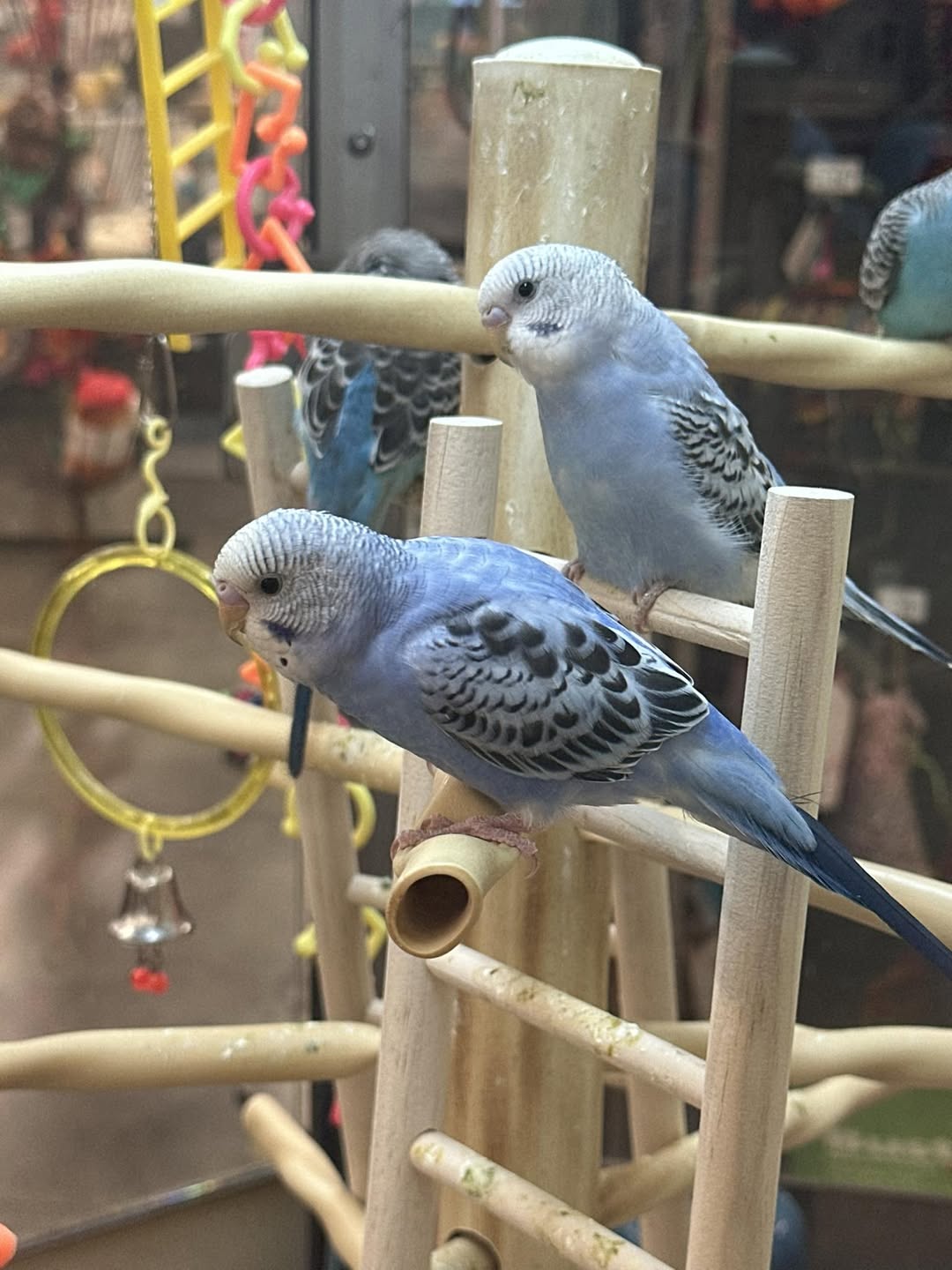
What has changed in 2026 is that the quality of information available to bird owners through other channels has also improved substantially. Reputable avian veterinary sources, well-informed online communities, and a growing body of genuinely good advice about bird care have raised the baseline of what new owners know before they arrive at a shop like mine. The person coming through my door to buy a budgerigar in 2026 is, on average, better informed than their equivalent in 1998 or 2008 — not always, and there are still significant gaps that I spend my time addressing, but the trend is clearly in the right direction.
Better-informed owners make better choices. Better choices produce better outcomes for the birds. Better outcomes for the birds produce owners who are genuinely glad they made the choice, who come back, and who tell the people around them what the experience of keeping a bird well actually looks like. That virtuous cycle is visible to me in the conversations I have at this counter, and it is one of the reasons I am more optimistic about the bird trade in 2026 than I have been at various points in my career.
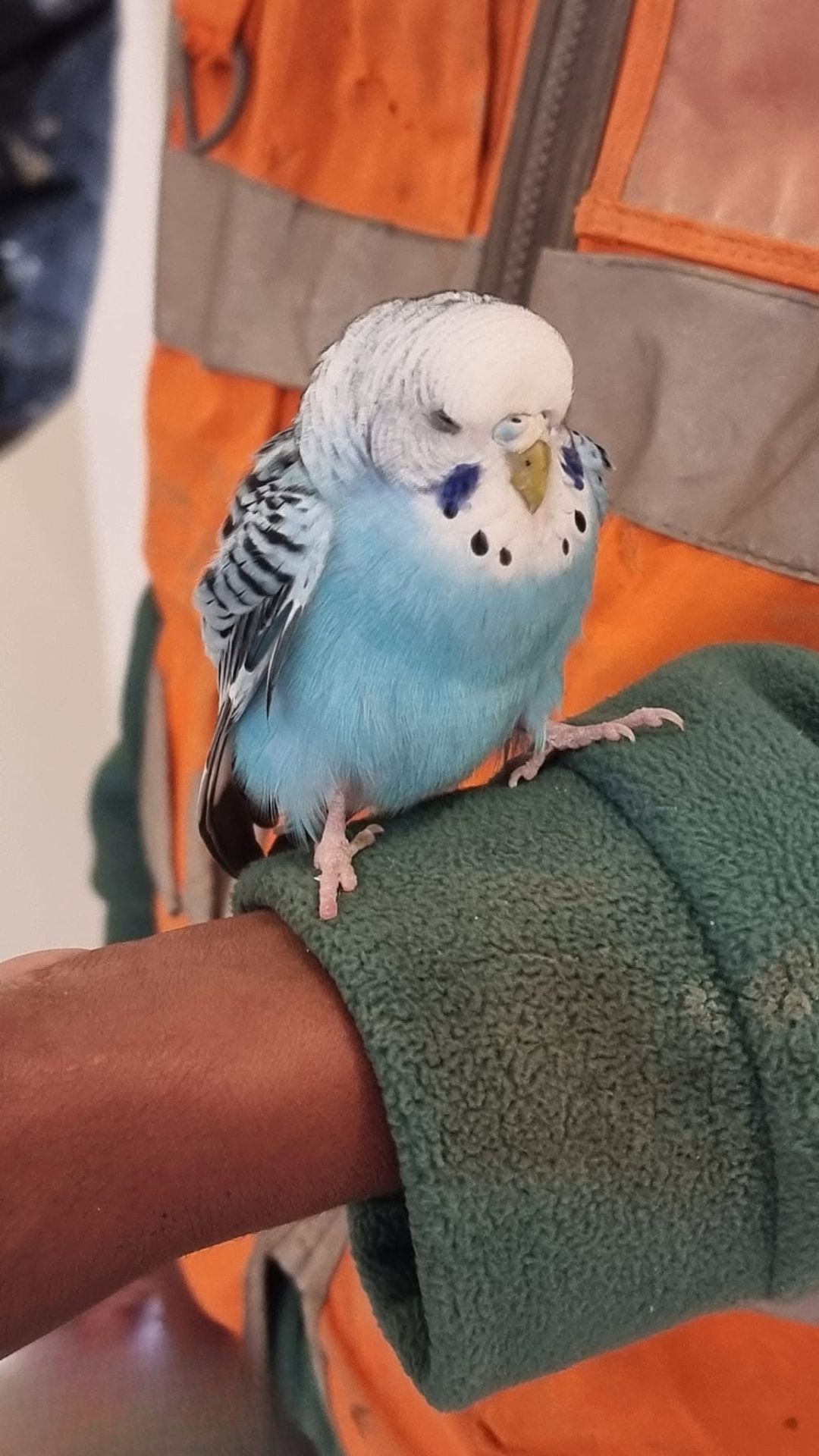
The Fifth Reason — What A Bird Actually Teaches
I want to say something about children, specifically, because it is something I think about and something I have watched play out at this counter over three and a half decades.
A pet bird is not a passive animal. It does not simply exist in the room and wait to be noticed. It requires observation. It requires learning. It requires a child — or an adult — to understand that the animal has its own signals, its own preferences, its own ways of communicating, and that attending to those signals is part of what keeping the animal well means.
A child who learns to read a bird — who learns that the bird’s posture, behaviour, and vocalisation are all communicating something; who learns to notice when something has changed from the bird’s normal; who learns that the relationship is built through patience rather than simply claimed through ownership — is learning something that transfers well beyond the bird. They are learning to observe. To be curious. To understand that another creature’s experience is worth paying attention to and worth understanding on its own terms.
I have seen this happen more times than I can count. The child who comes in with their parent to buy a budgerigar, who is initially excited about the idea of the bird, and who gradually — through the experience of actually keeping it well — develops a depth of interest and a quality of attention that the purchase alone would not have predicted. That development is not guaranteed. It requires the right information, the right parental engagement, and an animal kept in conditions where its own personality can emerge. But when it happens, it is one of the best things I see in this trade.
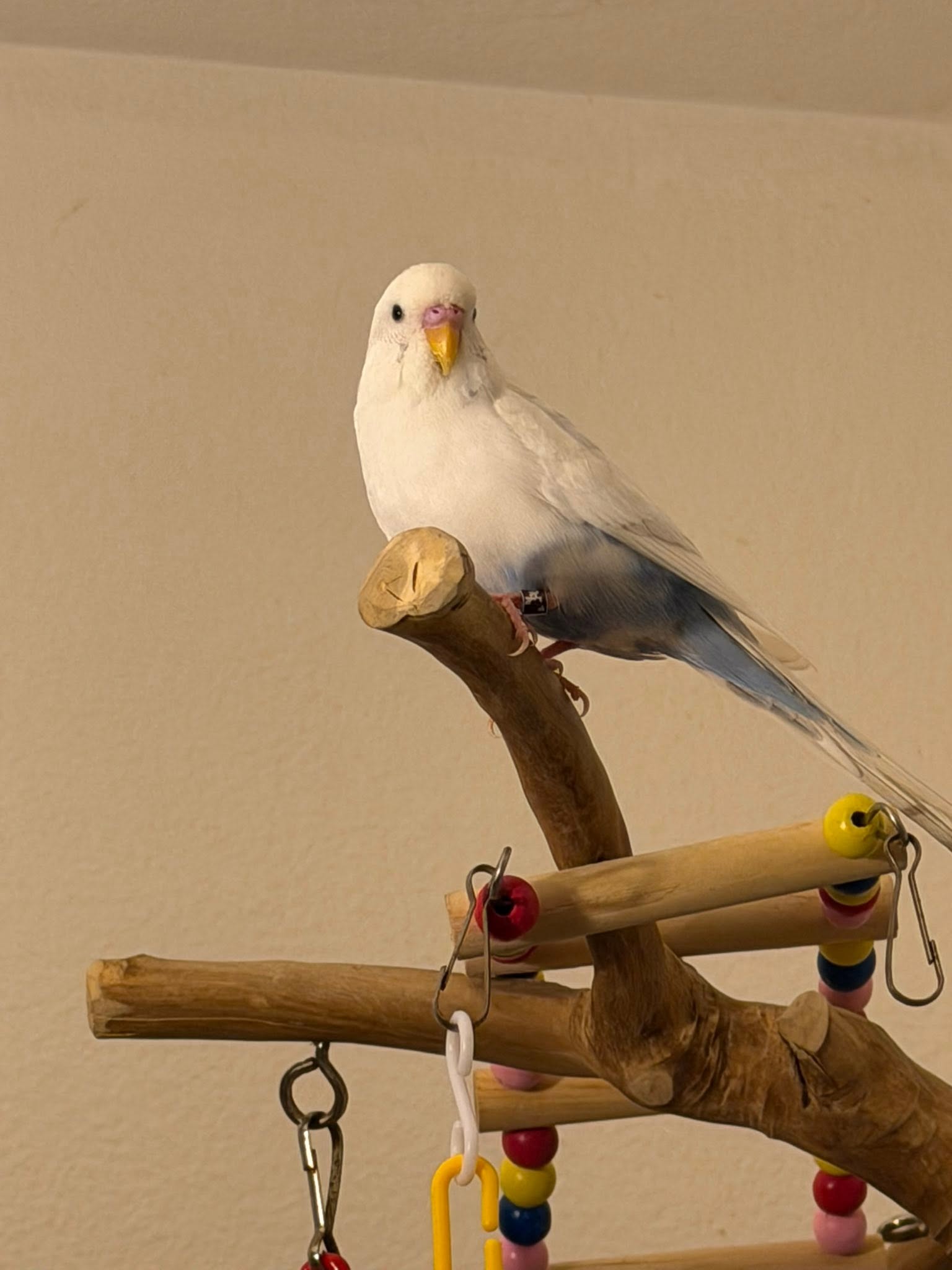
A budgerigar is not a replacement for the family dog in this respect. It is a different kind of relationship, offering different things. But for families in circumstances where a dog is not realistic — and many are — it is not a lesser thing. It is a different thing, with its own particular rewards, that in the right context delivers on the promise of what a pet relationship is supposed to be.
What I Would Say To Anyone Considering Making This Choice
Everything I have written above is genuine. I believe the trend toward bird ownership in the UK in 2026 makes sense, and I am glad it is happening.
But I would not be writing in my own voice if I did not also say this: the reasons the trend makes sense do not reduce the importance of getting it right. The structural fit between modern British life and bird ownership is real. The connection that a well-kept bird offers is real. The information available to new owners is better than it has ever been. None of that changes the fact that a bird is a living animal with specific needs, specific vulnerabilities, and a specific expectation of care that does not reduce just because it is small and affordable.
The cage still needs to be the right size. The diet still needs to be varied and appropriate. The owner still needs to know what their specific bird looks like when it is well, before they can recognise when it is not. The household hazards — the non-stick cookware, the aerosols, the draughts — still apply and still matter. The veterinary costs still need to be planned for, and an avian vet still needs to be identified before the bird comes home rather than after something goes wrong.
The good news — and I mean this genuinely, not as a caveat attached to a warning — is that none of those things are difficult to get right when you start with the right information. They are not complicated. They are entirely achievable for the vast majority of people who are genuinely motivated to keep a bird well. And in 2026, with the resources available and the conversations that shops like this one are willing to have, that motivation is not hard to build on.
Come and talk to us before you decide. Not because we will try to talk you into or out of it, but because a twenty-minute conversation before you bring a bird home is worth considerably more than twenty minutes of any other preparation you might do. It has been that way since 1988, and it has not changed.
Frequently Asked Questions
Why are more people choosing pet birds specifically rather than other pets?
In my observation, the three most consistent factors are space, time, and connection. Birds fit smaller homes better than most alternatives. A properly kept pair requires consistent care but not constant presence — which suits working households better than animals that need continuous company. And the relationship available with a well-socialised bird is genuinely rewarding in a way that surprises many first-time owners who expected something more passive. Those three things together explain the trend better than any single factor.
Is a bird a good first pet for a family with young children?
A budgerigar is, in my view, an excellent family pet for households with children, provided the responsibility for the bird’s welfare sits with the adults rather than entirely with the child. A bird that is observed carefully, handled gently, and kept properly can develop a relationship with a child that is genuinely wonderful. A bird left entirely in a child’s care without adult oversight is a different situation. The distinction matters, and it is one worth being honest about before rather than after the bird comes home.
What is the single most important thing to do before getting a pet bird?
Have the honest conversation about what keeping that specific species actually requires — not what people assume it requires, but what it actually needs to thrive. The gap between assumption and reality in bird care is the source of most of the problems I see. Closing that gap before the bird comes home, rather than after, is the single most important preparation available. That conversation is available at this counter at no cost, and it takes less than half an hour.
Are birds social enough to be satisfying companions?
A well-kept, well-socialised bird — particularly a budgerigar or cockatiel that has been handled properly from a young age — is considerably more social and interactive than most people expect before they experience it. The bird that learns to trust its owner responds to their presence, distinguishes between the people it knows, and communicates in ways that are unmistakably intentional. The assumption that birds are decorative rather than relational is one of the things that most consistently surprises new owners who have made the effort to keep one properly.
Which bird would you recommend for a first-time owner in 2026?
Almost always a pair of budgerigars. I have written about this in more detail elsewhere on this site, but the short version is that the budgerigar combines the right size, the right temperament, the right social nature, and the right tolerance for the inevitable small learning curve of first-time ownership better than any other species I know. For some households — those who want to observe rather than handle, or who have a specific passion for song — a canary is the better answer. But for the majority of families and individuals considering a bird for the first time, the budgerigar is where 35 years of watching what actually works has landed me.
A Final Word
I started this article by saying I wanted to write something different — something that was about why a trend makes sense rather than about what can go wrong within it. I have tried to do that, and I mean every word of it.
More UK families choosing pet birds in 2026 is, in my view, a good thing. Not a perfect thing — nothing in the pet trade is perfect, and the conversation about what good keeping looks like never goes away. But a good thing. The animals suit the lives of the people choosing them in ways that reflect genuine thought about what that fit requires. The information those people have access to has improved. The care standards I observe in the people who come through this door are better than they were twenty years ago.
Thirty-five years at this counter has given me a particular kind of optimism. Not the kind that ignores what can go wrong — I have seen enough of that to be clear-eyed about it — but the kind that has watched, year after year, what happens when the right animal meets the right owner with the right information. It is one of the better things that happens in any ordinary week in this shop. And in 2026, it is happening more often than it ever has.
If you are considering a bird and want to talk through whether it is the right choice for your home and your life, come and find us. That conversation has always been what this counter is for.
Thinking About Getting A Pet Bird? Come And Have The Honest Conversation First.
We will tell you what a bird genuinely needs, which species suits your situation best, and what keeping one well actually looks like in practice. No pressure, no upselling — just the honest twenty minutes that makes the difference between a good choice and a great one.