

Neil has been keeping, breeding, and selling cage and aviary birds at Paradise Pets Swindon since 1988 — over 35 years of watching bird flu outbreaks come and go, and watching customers navigate genuine confusion about what the rules actually require of them as pet bird owners. The Avian Influenza Prevention Zone covering the whole of Great Britain was lifted earlier this month, after being in place for a long stretch. This is Neil’s honest, practical breakdown of what that change actually means if you keep budgies, canaries, cockatiels, or any other pet bird at home.
A customer rang the shop the week the news broke, sounding genuinely unsure what she was supposed to do. She keeps four budgies and two canaries in an outdoor aviary in her garden, and she had been keeping them housed indoors for months in line with what she understood the rules to require. She had heard, vaguely, that the prevention zone had been lifted, and she wanted to know plainly: could her birds go back outside, and was she now free to stop worrying about bird flu altogether?
The honest answer to her question had two parts, and I think both parts matter, because getting only the first half right leads to either unnecessary continued restriction or, in the other direction, a complacency that is not quite warranted either.
The first part is good news, and it is genuinely good news. The Avian Influenza Prevention Zone covering the whole of Great Britain was lifted at midday on 4 June 2026, following a sustained reduction in the risk level assessed by the Chief Veterinary Officer, based on the latest epidemiological and scientific evidence. The mandatory housing measures that had required keepers of birds to keep them indoors had already been lifted a couple of months earlier, on 9 April. Together, these changes mean that for the vast majority of pet bird owners in England, Scotland, and Wales, the specific legal restrictions that applied for much of the past year and a half are no longer in force.
The second part is the part I want every pet bird owner to take seriously regardless of the good news: low risk is not no risk, and the Chief Veterinary Officer said exactly that when announcing the change. The biosecurity habits that matter for keeping any bird safe from disease do not stop being sensible just because the legal requirement to follow them has eased.
What Has Actually Changed — The Timeline
To understand where things stand now, it helps to see the sequence of what has happened over the past few months, because the restrictions did not lift all at once.
- 9 April 2026 — mandatory housing measures for poultry and other captive birds were lifted in England and Wales, meaning birds that had been required to be kept indoors could be let outside again, following a seven-day notice period to allow keepers to prepare their outdoor areas safely
- 4 June 2026 — the Avian Influenza Prevention Zone (AIPZ) itself, which had mandated enhanced biosecurity measures across the whole of Great Britain, was lifted at midday, following confirmation from the Chief Veterinary Officer, Dr Christine Middlemiss, that the latest risk assessment showed a genuine reduction in the level of risk posed by HPAI H5N1 in both poultry and wild birds
- What this means together — both the requirement to house birds and the wider mandatory biosecurity zone that applied across the country have now been lifted; for most pet bird keepers, this represents the end of the formal legal requirements that have applied for a sustained period
What This Means If You Keep Pet Birds Outdoors
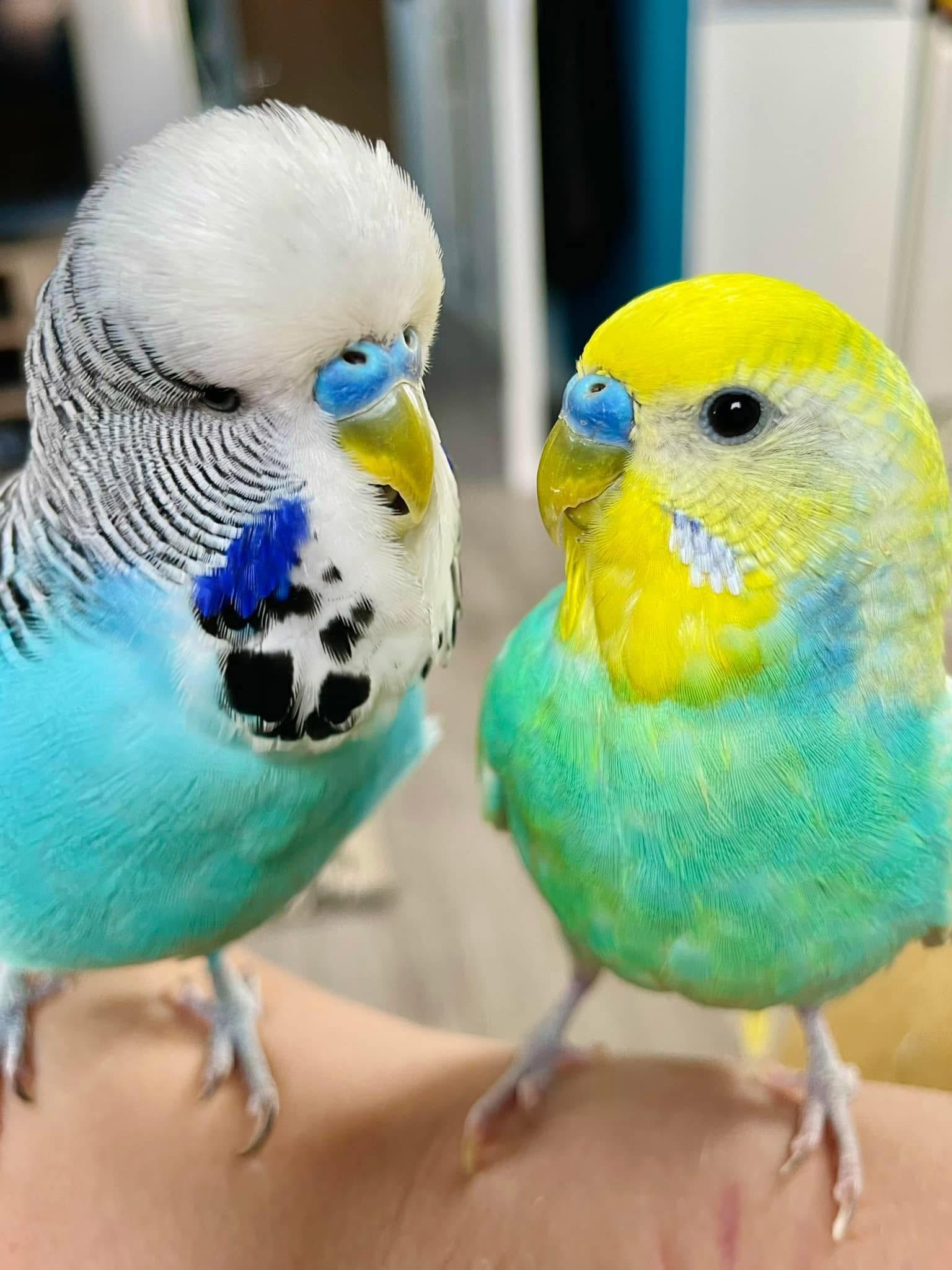
If your birds — an outdoor aviary of budgies, canaries, or any other species — were being kept housed in line with the previous mandatory measures, you are now free to let them outside again, provided you are not within a current disease control zone around a specific infected premises, which is a separate and more localised restriction that can still apply in particular areas if a case is confirmed nearby.
- Check you are not in an active disease control zone before assuming the general lifting applies to you directly — the Animal and Plant Health Agency maintains an interactive map showing any current 3km protection zones or 10km surveillance zones around confirmed cases; these are localised and temporary, declared and lifted as specific situations are managed, separate from the wider AIPZ that has now been lifted nationally
- If you are clear of any active local zone, you can let your birds back outside — the guidance recommends preparing the outdoor area properly first: cleansing and disinfecting hard surfaces, fencing off ponds or standing water where practical, and reintroducing wild bird deterrents before birds go back out, to reduce the chance of contact with wild bird droppings or contamination that built up during the housed period
- A gradual release is sensible welfare practice — birds that have been housed for an extended period benefit from a measured return to outdoor conditions rather than an abrupt change, both for general welfare reasons and to allow you to observe them closely as the transition happens
What This Means If You Keep Pet Birds Indoors
For the majority of our customers — budgie, canary, and cockatiel owners with birds kept in indoor cages rather than outdoor aviaries — the practical day-to-day impact of this change is more limited, because indoor birds were never required to be housed differently in the first place. They were already indoors.
What does still apply, and matters regardless of indoor or outdoor keeping, is the underlying principle behind all of this guidance: minimising the pathway by which avian influenza, carried by wild birds, could reach a pet bird.
- Indoor pet birds remain at low risk by virtue of their housing — a budgie or canary kept indoors, away from direct contact with wild birds or their droppings, has always had a different risk profile from outdoor poultry or aviary birds with more direct environmental exposure
- Good hygiene around anything that has been outdoors still matters — if you handle wild bird feeders, clean up after garden birds, or have any contact with wild bird droppings before handling your pet birds or their food and water, washing hands and changing clothing where practical remains sensible practice, lifted restrictions or not
- Sourcing new birds from reputable breeders remains important — as it always has been, for reasons well beyond avian influenza specifically; at Paradise Pets we only stock birds from UK breeders we know and trust, which is one part of responsible biosecurity that has nothing to do with the specific legal status of the prevention zone at any given moment
The Biosecurity Habits Worth Keeping Regardless
This is, in my view, the most important section of this article, because it is the part most likely to be forgotten now that the legal pressure has eased. The Chief Veterinary Officer’s own statement made this point explicitly: low risk does not mean no risk, and good biosecurity remains the best way to prevent and stop the spread of diseases such as avian influenza.
- Cleanse and disinfect footwear, clothing, and equipment after contact with poultry, other captive birds, or areas where wild birds congregate, particularly if you keep birds outdoors or have contact with other people’s flocks
- Minimise unnecessary movement of people, vehicles, or equipment between areas where birds are kept, which reduces the chance of carrying contamination from one location to another
- Reduce contact between your birds and wild birds where practical — covering outdoor runs, securing feed and water sources against wild bird access, and maintaining fencing that limits direct contact
- Keep a close watch for signs of disease in your own birds — this has never stopped being important and is not something that eases simply because the formal zone has lifted
- Report any suspected case promptly — avian influenza remains a notifiable disease in the UK regardless of whether a prevention zone is currently in force; if you suspect any type of avian influenza in poultry or other captive birds, you must report it immediately to the Defra Rural Services Helpline on 03000 200 301 in England, or the equivalent service in Wales or Scotland; failure to report is an offence
What To Watch For In Your Own Birds
Regardless of the wider legal situation, knowing the signs of avian influenza in pet birds remains genuinely useful information for any owner, even though the risk to indoor pet birds specifically remains low.
- Sudden, unexplained deaths within a flock or group of birds without obvious prior illness
- Significant drop in appetite or activity across multiple birds rather than an individual bird showing ordinary illness signs
- Swelling around the head, eyelids, or neck
- Respiratory signs — difficulty breathing, discharge from the eyes or nostrils — particularly when seen alongside other signs in this list and affecting more than one bird
- Significant changes in egg production, if you keep birds for breeding — a sudden drop unrelated to normal seasonal or individual variation
- Diarrhoea or marked behavioural change across a group of birds simultaneously
I want to be clear about something important here, because this list can read as alarming out of context. The vast majority of illness signs an individual pet budgie or canary shows — the kind covered in detail in our other health articles — are not avian influenza, and indoor pet birds in particular remain at genuinely low risk. What distinguishes a situation worth reporting as a possible avian influenza concern is typically the pattern: multiple birds affected, often suddenly, rather than a single bird showing the kind of illness signs that have many far more common and far less serious explanations.
Registering Your Birds — A Requirement That Has Not Changed
One thing that remains true regardless of the current zone status is the requirement around registration, and this is worth flagging because it surprises some owners who assume it is connected to the temporary measures rather than being a standing requirement.
- All bird keepers must register their poultry and other captive birds with Defra, with certain exceptions for some psittacine and passerine species kept purely as pets — this requirement exists independently of whether a prevention zone is currently active
- Registration means you receive updates and guidance directly, which is genuinely useful given how often the situation has changed over recent months and is likely to continue evolving
- Most small-scale budgie and canary keepers fall under the pet bird exemption rather than the registration requirement that applies more directly to poultry keepers, but if you are unsure whether your specific birds and numbers require registration, checking the current Defra guidance directly is the reliable way to confirm your situation
What This Means Going Forward
The pattern over the past several years has been one of escalation and easing in cycles, tracking the genuine risk picture as it has changed with the seasons and with wild bird migration patterns in particular. It would not be honest to suggest that this lifting represents a permanent end to avian influenza as a consideration for UK bird keepers.
- Migratory bird movements remain the primary driver of risk fluctuation — the disease is largely spread by wild migratory birds, and risk levels have historically increased again as autumn migration brings birds back into the UK from regions where the virus circulates; it would not be surprising to see renewed measures introduced later in the year if the same seasonal pattern repeats
- Staying informed is more useful than assuming the situation is permanently resolved — the GOV.UK bird flu pages are updated regularly and are the most reliable source for current status; subscribing to APHA’s free animal disease alerts service is a sensible step for any serious bird keeper who wants updates without having to check manually
- The habits that got us here are worth maintaining precisely because they worked — the Chief Veterinary Officer was explicit that the reduction in risk was achieved because bird keepers maintained high biosecurity standards for a sustained period; abandoning those habits now that the legal pressure has eased risks undoing the progress that has been made
Quick Reference — What To Do Right Now
| Your Situation | What Has Changed | What To Do Now |
|---|---|---|
| Indoor pet birds (budgies, canaries, cockatiels in cages) | Minimal direct practical change — these birds were not subject to housing measures specific to outdoor keeping | Continue normal good hygiene; stay alert to illness signs as always |
| Outdoor aviary birds previously required to be housed | Can now be returned outside, subject to not being in a current local disease control zone | Check the APHA disease zone map; prepare outdoor area before release; reintroduce gradually |
| All bird keepers, regardless of housing | Mandatory enhanced biosecurity requirement has lifted with the AIPZ | Maintain good biosecurity as routine practice, not just legal compliance |
| Anyone noticing multiple birds unwell at once, or sudden unexplained deaths | Reporting requirement has not changed — still a notifiable disease | Report immediately to the Defra Rural Services Helpline: 03000 200 301 |
| Anyone unsure whether they are in a local disease control zone | Localised zones can still exist even though the national AIPZ has lifted | Check the APHA interactive disease zone map directly |
Frequently Asked Questions
Does this mean bird flu is over in the UK?
No, and the official guidance is careful not to claim this. The Chief Veterinary Officer’s statement specifically noted that while the risk has reduced based on the latest evidence, “low risk does not mean no risk.” Avian influenza continues to circulate at some level in wild bird populations, and the lifting of the prevention zone reflects a genuine reduction in immediate risk rather than the elimination of the disease from the UK.
Can I let my outdoor aviary birds back outside now?
Yes, provided you are not currently within a localised disease control zone around a specific confirmed case, which can still exist even though the wider national prevention zone has been lifted. Check the APHA interactive map to confirm your specific location is clear, prepare your outdoor area with appropriate cleaning and biosecurity measures first, and consider a gradual rather than abrupt return to outdoor conditions for your birds’ welfare.
Do I still need to follow biosecurity measures now the prevention zone has lifted?
You are no longer legally mandated to under the lifted AIPZ, but it remains strongly advised and genuinely sensible. The risk reduction that allowed the zone to be lifted was achieved specifically because bird keepers maintained good biosecurity for a sustained period. Continuing good hygiene practices — cleaning equipment, minimising unnecessary contact between your birds and wild birds, washing hands after contact with wild bird areas — remains the right approach regardless of the current legal status.
Is my indoor pet budgie or canary at risk from bird flu?
The risk to indoor pet birds specifically has always been considerably lower than for outdoor poultry or aviary birds, because the primary transmission pathway is contact with wild birds or their droppings, which an indoor cage bird is largely protected from by virtue of its housing. This does not mean zero risk if there has been any contact between your household and wild birds or contaminated material, but the baseline risk for a typical indoor pet budgie or canary remains low.
What should I do if I think one of my birds has bird flu?
Report it immediately. Avian influenza is a notifiable disease in the UK regardless of whether a prevention zone is currently active, and failure to report a suspected case is an offence. In England, contact the Defra Rural Services Helpline on 03000 200 301. In Wales, contact 0300 303 8268. In Scotland, contact your local Field Services Office. The pattern to watch for is typically multiple birds affected, often suddenly, rather than a single bird showing the kind of illness signs that have many other far more common explanations.
Do I need to register my pet budgies with Defra?
Most small-scale pet keepers of certain psittacine and passerine species, including typical pet budgies and canaries, fall under an exemption from the general registration requirement that applies more directly to poultry keepers. If you are unsure about your specific situation, particularly if you keep larger numbers of birds or other species, checking current Defra guidance directly is the reliable way to confirm whether registration applies to you.
Will restrictions come back later this year?
It is genuinely possible, and being realistic about this rather than assuming the situation is permanently resolved is the more honest position. Avian influenza risk in the UK has historically followed a seasonal pattern linked to wild bird migration, with risk typically increasing again in autumn as migratory birds return from regions where the virus circulates more widely. Staying informed through official channels over the coming months is a sensible approach rather than assuming this lifting is the final word.
Where can I get advice about bird flu or pet bird biosecurity in Swindon?
Come in to Paradise Pets at Manor Garden Centre, Cheney Manor Industrial Estate, Swindon SN2 2QJ — or call us on 01793 512400. We are happy to talk through what the current situation means for your specific setup, whether that is an indoor budgie cage or an outdoor aviary. We have been doing this for 35 years and the advice is always free.
One Last Thing From Me
The customer with the outdoor aviary rang back about a week after our first conversation, once she had checked the disease zone map herself and confirmed she was clear to let her birds back outside. She had taken the gradual approach — a few hours outside to start, building up over several days rather than all at once — and her budgies and canaries had settled back into their outdoor routine without any issue.
“I think I was waiting for someone to just tell me it was definitely fine,” she said, “rather than ‘probably fine, but still be sensible.’ But honestly, ‘probably fine, but still be sensible’ is a more useful answer than I expected.”
That is, genuinely, the most honest summary I can give of where things currently stand. The legal restrictions that shaped how pet bird owners across the UK had to manage their birds for a long stretch have eased, based on a real and welcome reduction in risk. That is worth being glad about, and it is worth recognising as the result of a great many ordinary bird keepers doing the unglamorous work of good biosecurity consistently, month after month. What I would not want any reader of this article to take from the good news is permission to forget the habits that got us here. Keep your birds’ environment clean, stay alert to genuine illness signs, and treat the official guidance as a floor rather than a ceiling for what good bird keeping looks like.
Questions About The Current Bird Flu Situation? Come And Talk To Us
Whether you keep an indoor budgie cage or an outdoor aviary, we can talk through what the current guidance means for your specific setup. Free advice, no obligation. That is how we have done things here for 35 years.