
Neil has kept, bred, and sold cage and aviary birds at Paradise Pets Swindon since 1988 — over 35 years of giving out garden bird feeding advice that, until recently, had not changed in any fundamental way for decades. The RSPB’s 2026 update genuinely overturns several long-standing recommendations. This is his honest, side-by-side look at exactly what has changed, and what it means specifically if you also keep a pet bird indoors.
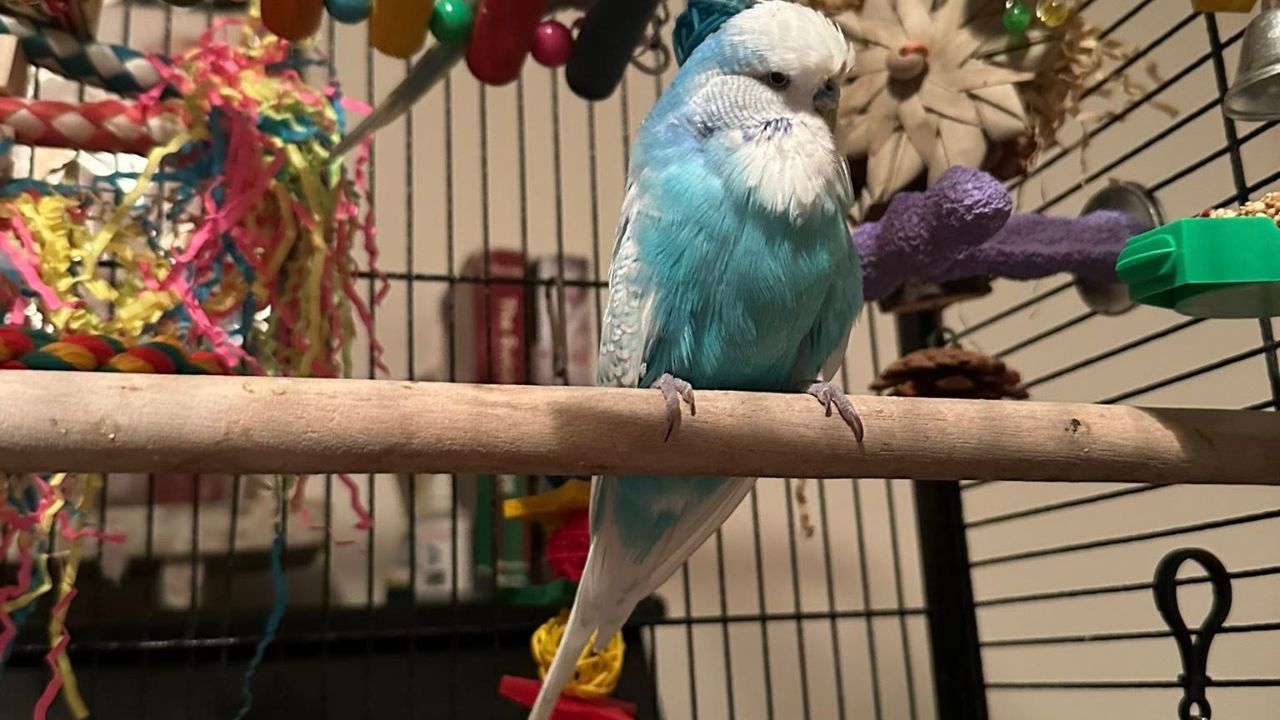
A long-standing customer stopped by recently holding the bird table she has used for fifteen years, asking if it was true that the advice on it had changed. She also keeps two budgies indoors and wanted to know whether any of this affected them too.
I told her honestly: yes, the advice has changed, more significantly than I have seen in my entire time running this shop. And yes, it carries a specific, practical implication for her indoor budgies as well, even though they never leave the house. I want to walk through this properly — not as a vague “things are different now” message, but as a direct old-versus-new comparison, followed by what each specific change actually means once you also have a pet bird living indoors.
Why The Advice Changed At All
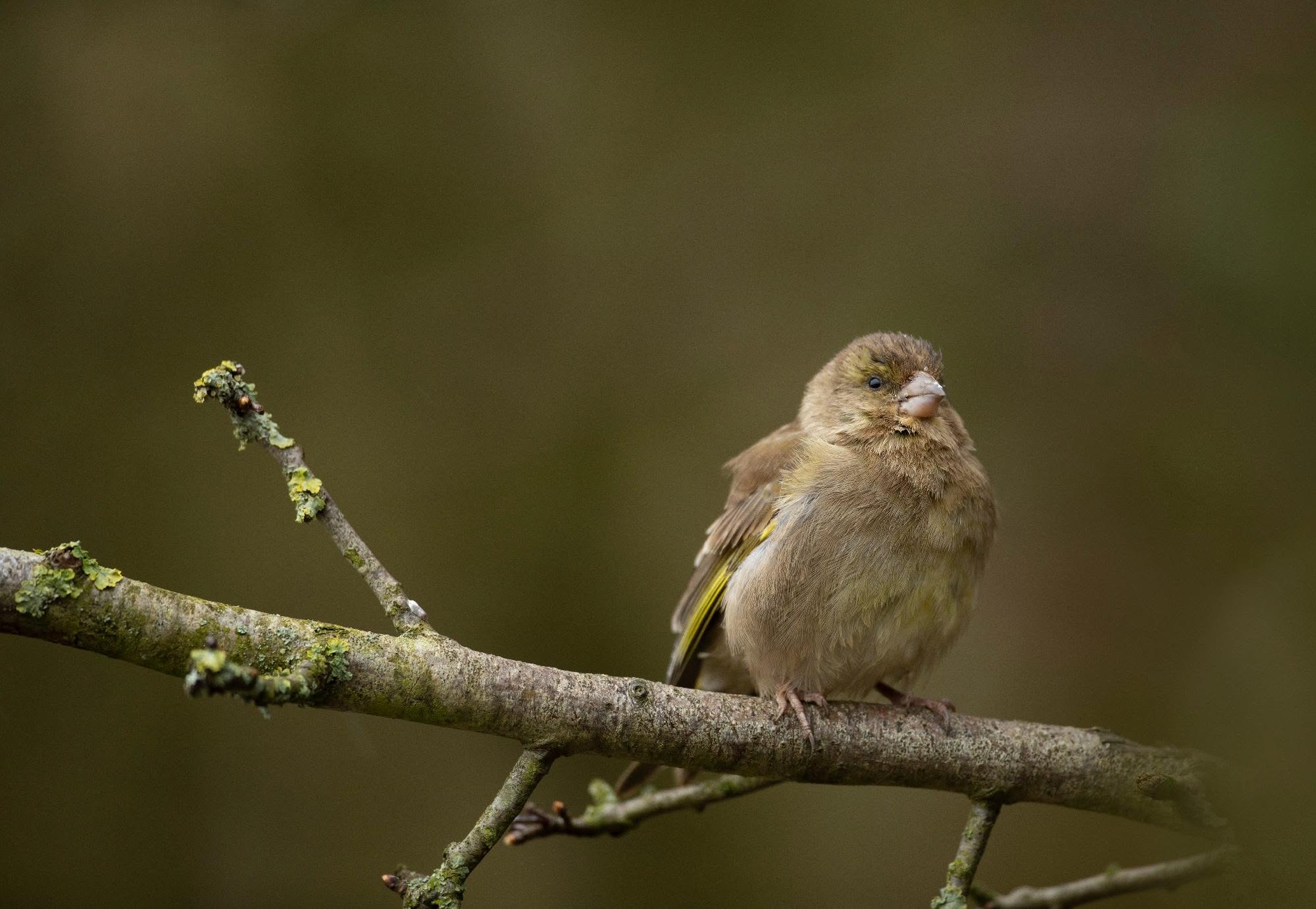
Following the 2026 Big Garden Birdwatch results and a review carried out with the British Trust for Ornithology and the Institute of Zoology, the RSPB found that several long-standing, well-intentioned feeding practices were actively contributing to the spread of trichomonosis — the disease responsible for a more than 65% decline in Greenfinches over the past three decades, and significant losses in Chaffinches and other species too.
This was not a minor tweak made out of caution. It was a response to specific research findings showing that certain established habits — flat feeding surfaces, year-round seed and peanuts, infrequent feeder relocation — were measurably making the disease worse, not just failing to prevent it. RSPB Chief Executive Beccy Speight was direct about the reasoning: the science shows species like Greenfinches have been harmed by disease spreading at feeders, and the goal of the update is not to stop feeding altogether, but to feed in a way that protects birds’ long-term health.
The Old Advice vs The New Advice — Point By Point
Here is exactly what has changed, set out plainly so you can see precisely what you may need to do differently if you have been feeding garden birds the way most of us were taught to for years.
| What You Probably Did Before | What’s Recommended Now | Why It Changed |
|---|---|---|
| Fed seed and peanuts year-round, all twelve months | Pause seed and peanuts from 1 May to 31 October; resume November to April | Disease spreads most easily during the warmer months when birds gather more densely at feeders |
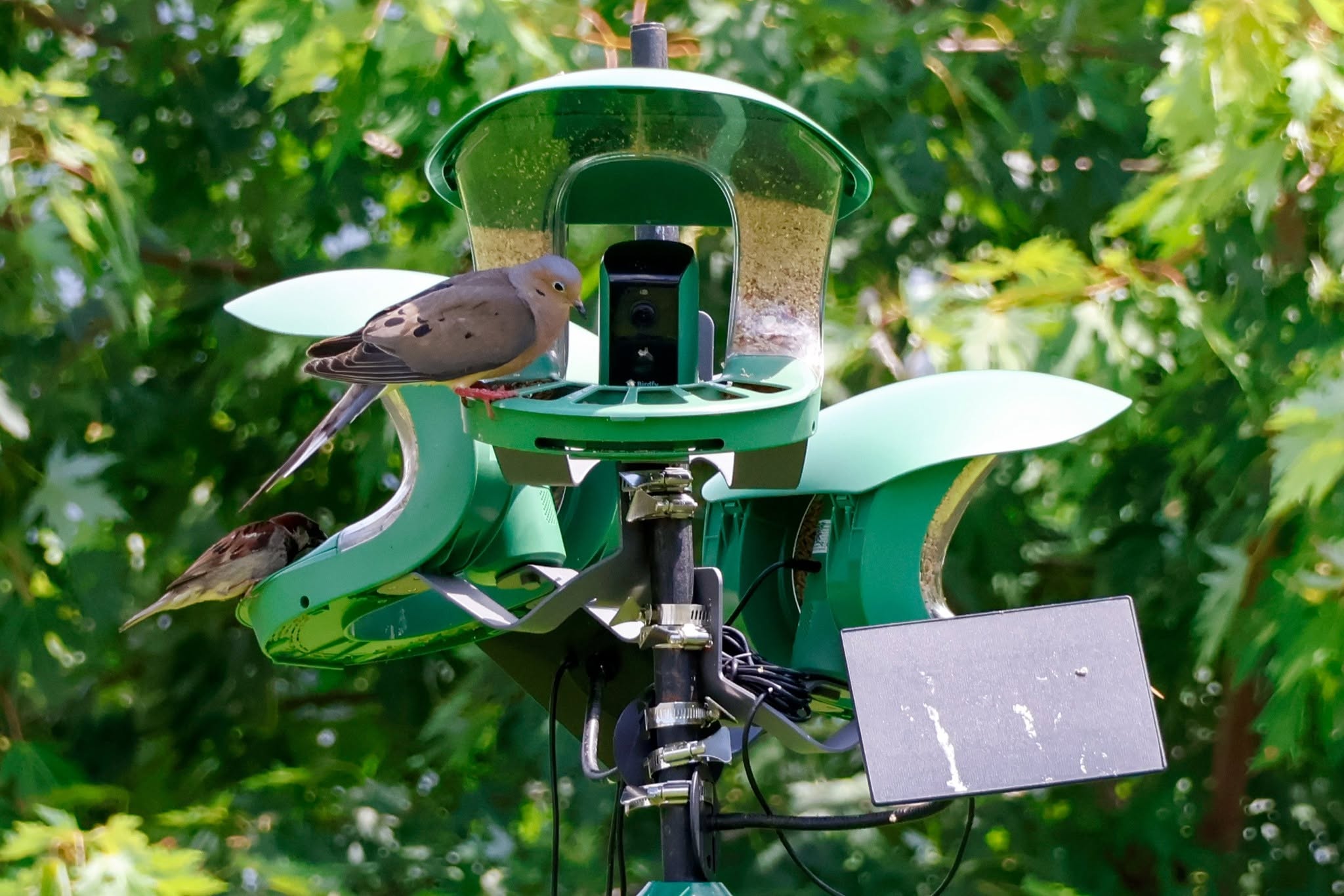
| Used a bird table or flat platform feeder | Retire flat-surfaced feeders entirely; use tube or hopper-style feeders instead | Research confirmed contaminated regurgitated food collects and remains available on flat surfaces even with regular cleaning |
| Cleaned the feeder occasionally, whenever it looked dirty | Clean thoroughly at least once a week, on a fixed schedule | Infrequent, irregular cleaning allows contaminated debris to build up between cleans |
| Left the feeder in the same spot indefinitely | Move the feeder to a different spot in the garden after each clean | Debris and contamination accumulate on the ground beneath a feeder left in one place long-term |
| Topped up a bird bath or water dish occasionally | Only offer water if you can change it every single day with fresh tap water | Standing, infrequently changed water is as significant a transmission risk as contaminated food |
| Placed several feeders close together for convenience | Space feeders apart, away from roosting areas like trees | Close-together feeders concentrate birds and increase mixing between species and individuals |
So What Does This Actually Mean If You Keep A Pet Bird Indoors?
This is the part I think gets missed in most coverage of this update, because the obvious audience is people who feed wild garden birds, and an indoor pet bird owner can easily assume none of it applies to them.
The honest answer is that the direct disease risk to a fully indoor pet bird is genuinely low, because trichomonosis spreads through shared contact with contaminated food, water, and saliva — not through the air, and not simply through proximity. A budgie, cockatiel, or canary that never leaves the house and has no garden access has very little exposure to this specific transmission route.
But “low risk” is not the same as “no relevant connection,” and there are real, practical reasons this update still matters even to a fully indoor setup.
The Three Ways This Change Still Reaches Your Indoor Bird
1. You Are Often The Actual Link Between Outside And Inside
If you fill, clean, or handle garden bird feeders and then go indoors and handle your pet bird, its food, or its cage without washing your hands first, you are the transmission pathway, not the air or the distance between the garden and the living room. This was true under the old advice too, but it matters more now, given how much more seriously the RSPB is treating feeder contamination generally. Simply washing your hands after any garden feeder contact, before any contact with your indoor bird, closes this gap completely.
2. The Underlying Hygiene Principles Apply Directly To Multi-Bird Households
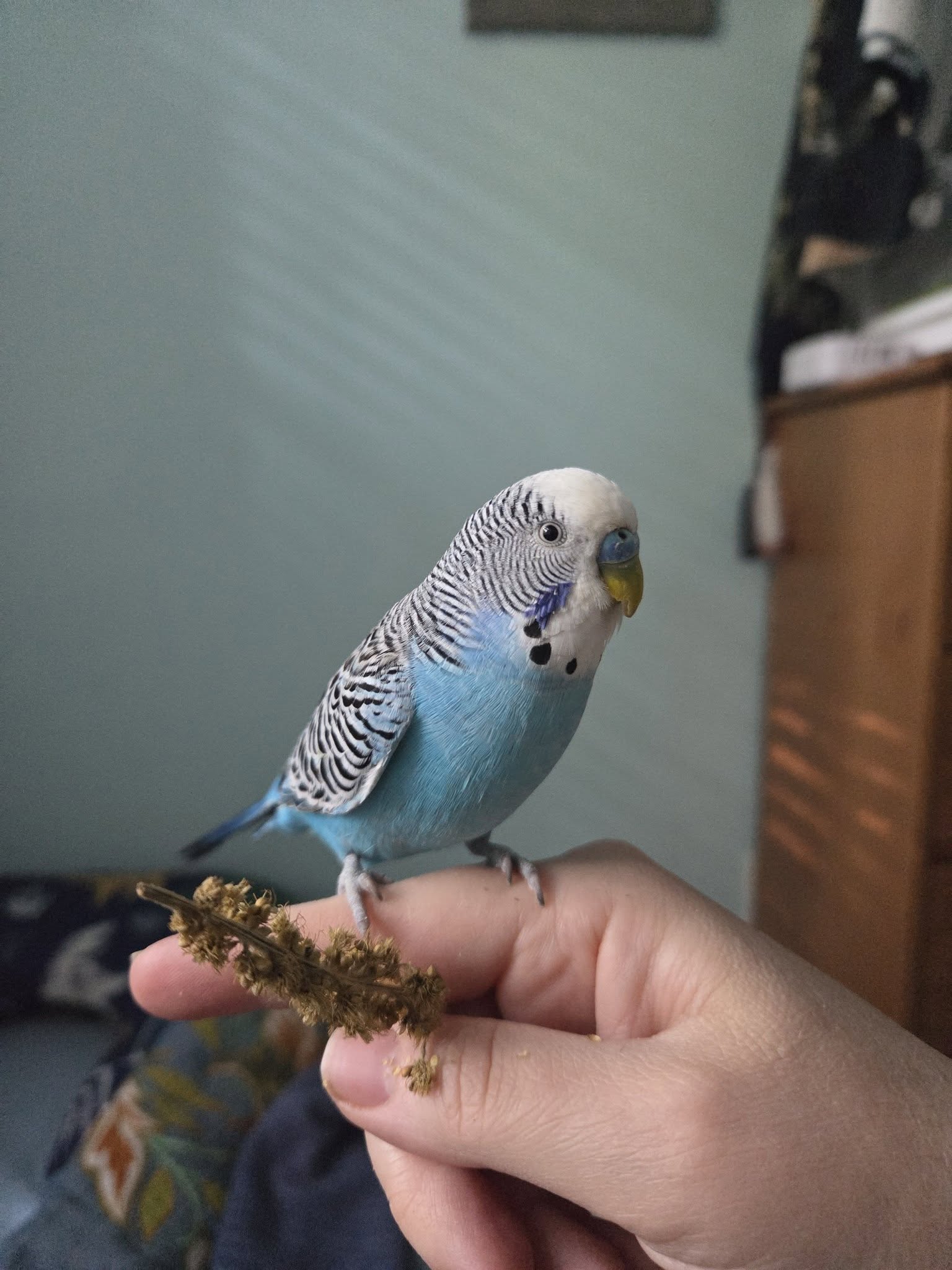
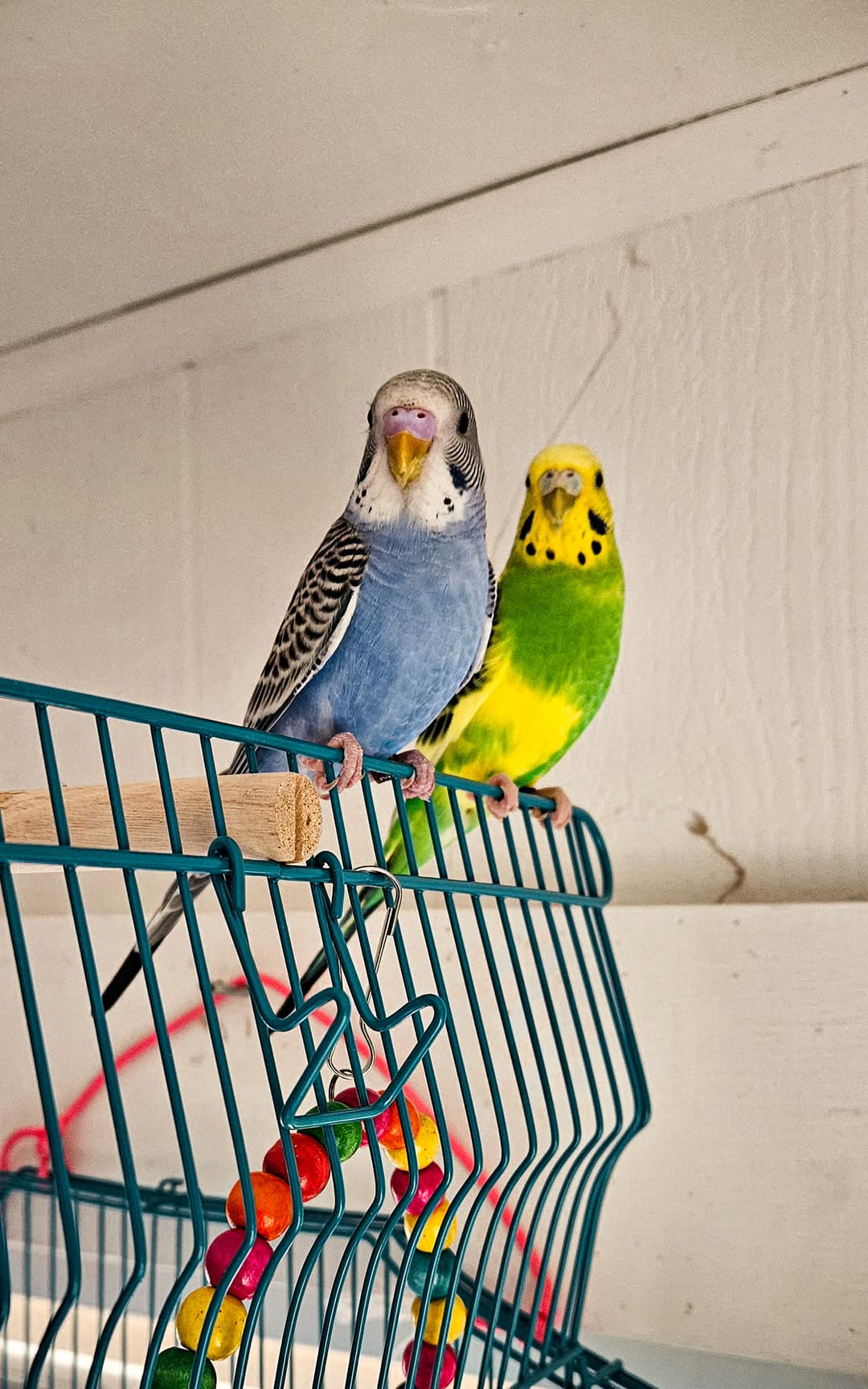
Even though your indoor bird is not at risk from the specific wild-bird disease driving this update, the underlying lesson — that shared food and water points between multiple birds become disease transmission risks if not properly managed — applies just as much inside your home as it does in your garden. If you keep more than one bird indoors, sharing food bowls, water dishes, or perches, the same principles of regular cleaning, fresh water daily, and not letting debris accumulate are exactly the habits this update is asking everyone to take more seriously, including indoor bird keepers managing their own multi-bird households.
3. If You Ever Bring An Injured Wild Bird Indoors, The Stakes Are Higher Than You Might Assume
This update reflects how seriously trichomonosis is currently affecting the wild bird population. If you ever take in an injured or orphaned wild bird — even briefly, even with good intentions — proper quarantine and complete separation from any existing pet birds matters more now than it would have under the old, less urgent understanding of how widespread this disease has become.
What You Genuinely Do Not Need To Worry About
I think it is worth being equally clear about what this update does not mean, because some of the wider coverage has, understandably, leaned toward alarm rather than balance.
This does not mean your indoor pet bird is at meaningful risk simply from living in a house where garden bird feeding also happens, provided there is no direct or indirect contact between the two. It does not mean you need to stop feeding garden birds altogether — the RSPB has been explicit that feeding remains beneficial when done under the updated guidance. And it does not mean anything has changed about the food, housing, or care your indoor pet bird itself needs day to day — this update is about a specific wild-bird disease and the practices that spread it, not a change in general avian care standards.
A Practical Checklist If You Do Both — Garden Feeding And Indoor Birds
If your household feeds garden birds and also keeps a pet bird indoors, here is the short, practical version of everything above.
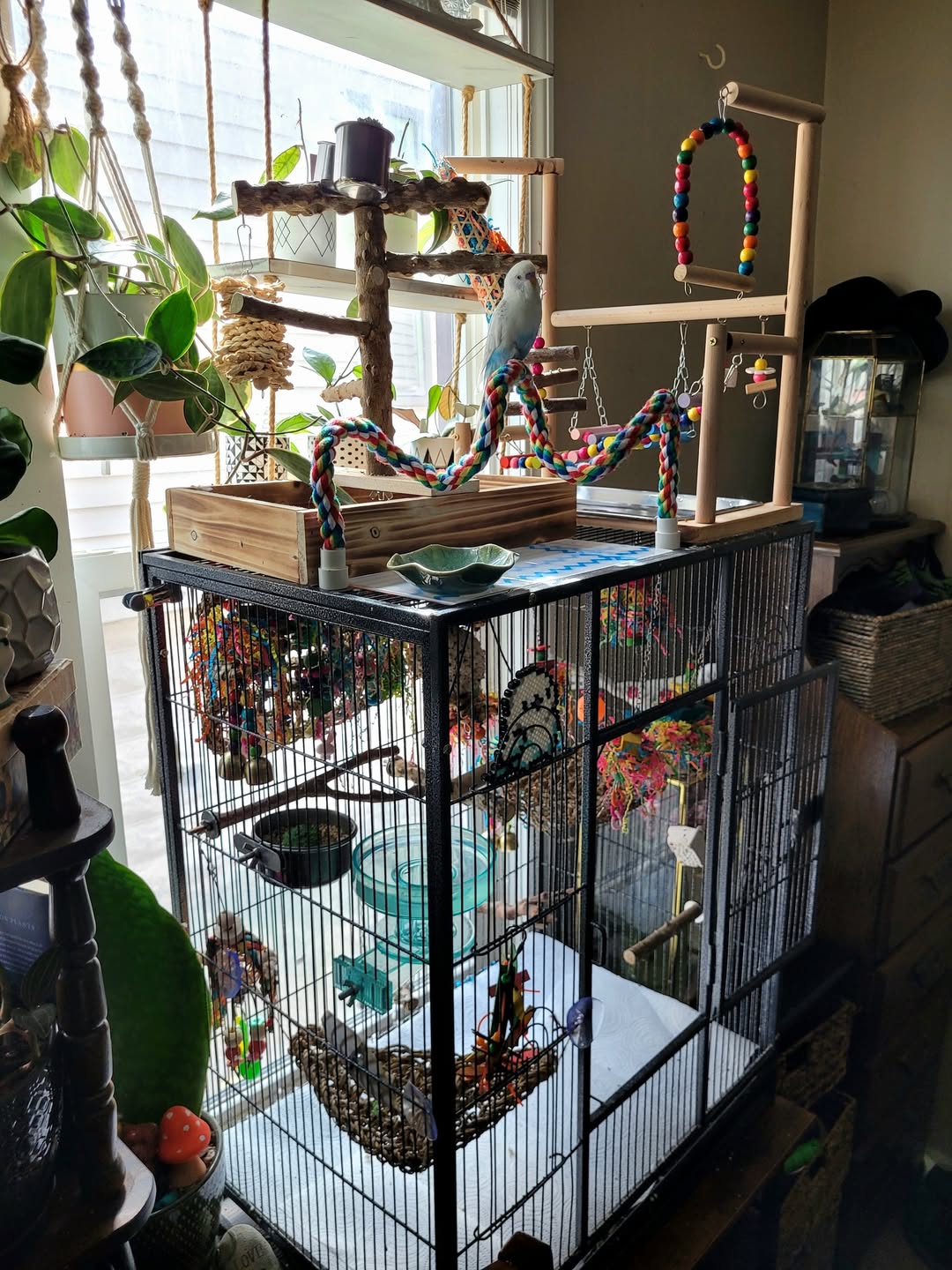
Update your outdoor setup to match the new guidance — pause seed and peanuts from May to October, switch any flat feeders to tube or hopper style, clean and relocate weekly, and change any water daily. Wash your hands thoroughly after any contact with garden feeders, bird baths, or feeding debris, before handling your indoor bird, its food, or its cage. Apply the same hygiene standard — regular cleaning, fresh water daily, no allowed build-up of debris — to any shared food and water points your indoor birds use among themselves. And never bring a wild bird into contact with your existing pet birds without proper quarantine, regardless of how healthy it appears.
Frequently Asked Questions
Has anything about indoor bird care itself changed because of this update?
No — this update specifically addresses garden bird feeding practices and the spread of a particular wild-bird disease, trichomonosis. It does not change any general recommendations about diet, housing, or care for indoor pet birds, which remain governed by separate, established avian welfare guidance.
If I’ve always fed garden birds the old way, is my pet bird already at risk?
Not necessarily, and certainly not automatically. The actual risk depends on whether there has been any genuine contact point between your garden feeding setup and your indoor bird — through your own hands, shared equipment, or bringing wild birds inside — rather than simply having both activities happening in the same household.
Why did the RSPB wait until 2026 to change advice that some of this research seems to have been building toward for years?
The 2026 update followed a specific, formal review carried out with the British Trust for Ornithology and the Institute of Zoology, building on data gathered through Big Garden Birdwatch surveys over many years. Conservation guidance generally changes once evidence reaches a level of confidence that justifies overturning long-standing public advice, and this update reflects that threshold being reached for several specific practices.
Should I switch all my garden feeders immediately, or can I do it gradually?
Given that the disease risk this update addresses is highest during exactly the summer and autumn period we are currently in, switching as promptly as practically possible is the more cautious approach, rather than treating it as a gradual, low-priority change.
Does this affect outdoor aviaries for pet birds in the same way as garden bird feeders?
If your pet bird’s outdoor aviary shares any space, equipment, or proximity with garden bird feeding areas, the same updated principles apply directly. We have covered this specific situation, including practical separation advice, in more detail in another article on this site.
Where can I read more about the disease itself, rather than just the advice changes?
We have written separately about what trichomonosis actually is, how it spreads, and its impact on species like the Greenfinch in more depth elsewhere on this site, if you want the fuller background behind why this update happened.
One Last Thing From Me
The customer who asked me about her bird table left with a clear, practical picture — a new tube feeder to replace it, a revised seasonal feeding habit, and a simple hand-washing step added to her routine before she goes near her budgies after dealing with the garden feeders. None of it was complicated once it was laid out plainly, point by point, against what she had been doing before.
That is really the value of looking at this as an old-versus-new comparison rather than just a general announcement. Once you can see exactly what changed and exactly why, it stops being a vague piece of news to feel uncertain about, and becomes a short, manageable list of specific adjustments — most of which take only a few minutes to put into practice.
If you want help working out what this means for your own specific setup, come and find us at Manor Garden Centre, Cheney Manor, Swindon SN2 2QJ. Get in touch here or call 01793 512400.
Updating Your Garden Feeder Setup? Come And Talk To Us
We stock tube and hopper feeders, and everything you need to bring your garden feeding setup in line with the new RSPB guidance. If you keep pet birds too and want advice on keeping everything properly separated and hygienic, come in and talk to us.