
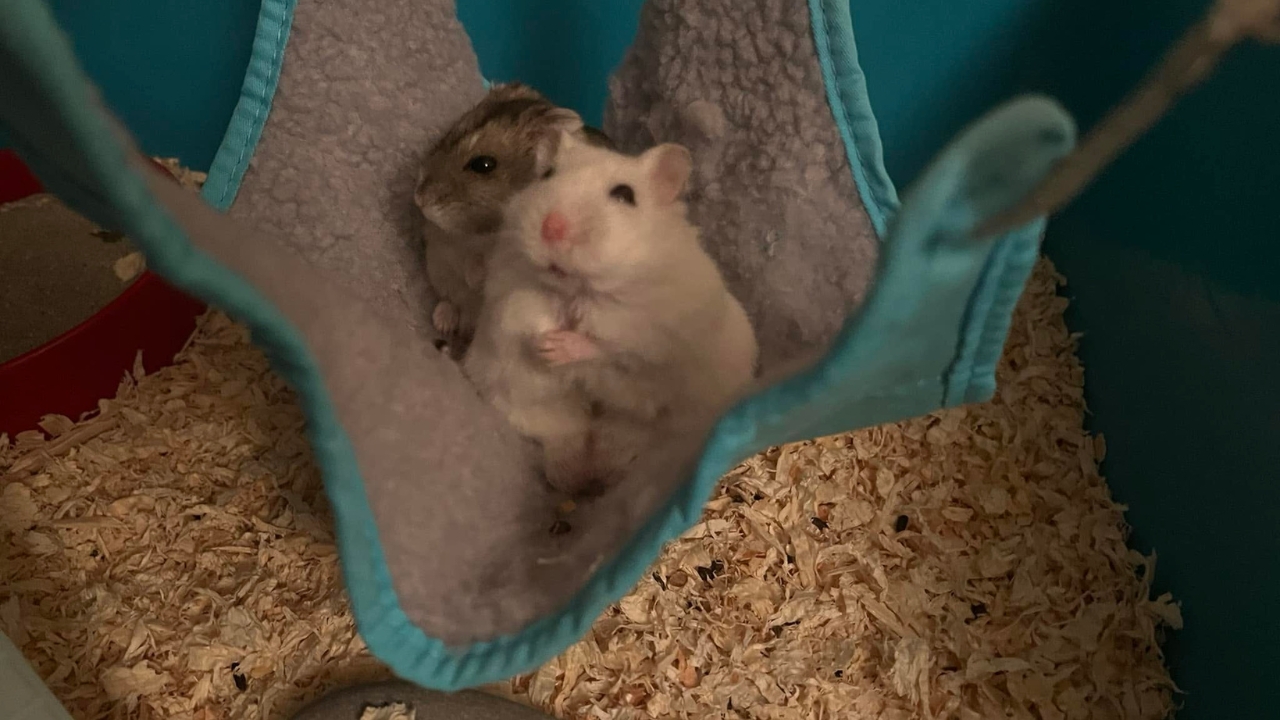

This guide explains what to notice when your hamster is scratching and losing hair, and when to contact a vet.
A hamster scratching and losing hair may be reacting to bedding, parasites, rubbing, stress, age, skin disease or another health problem. The owner should not guess from one bald patch alone.
This guide is not a diagnosis. It is a practical owner checklist from Neil, based on common questions people ask at the counter and the kind of behaviour changes hamster owners often notice at home.
The Quick Answer
Check bedding, cage cleaning products, wheel fit, cage bars and whether the hamster is rubbing the same area repeatedly.
If there is redness, scabs, wounds, heavy itching or spreading hair loss, contact a vet.
What Can Be Normal
Some hair thinning can happen with age or rubbing in one regular place.
Hamsters also groom themselves normally, especially after waking.
What Is Not Normal
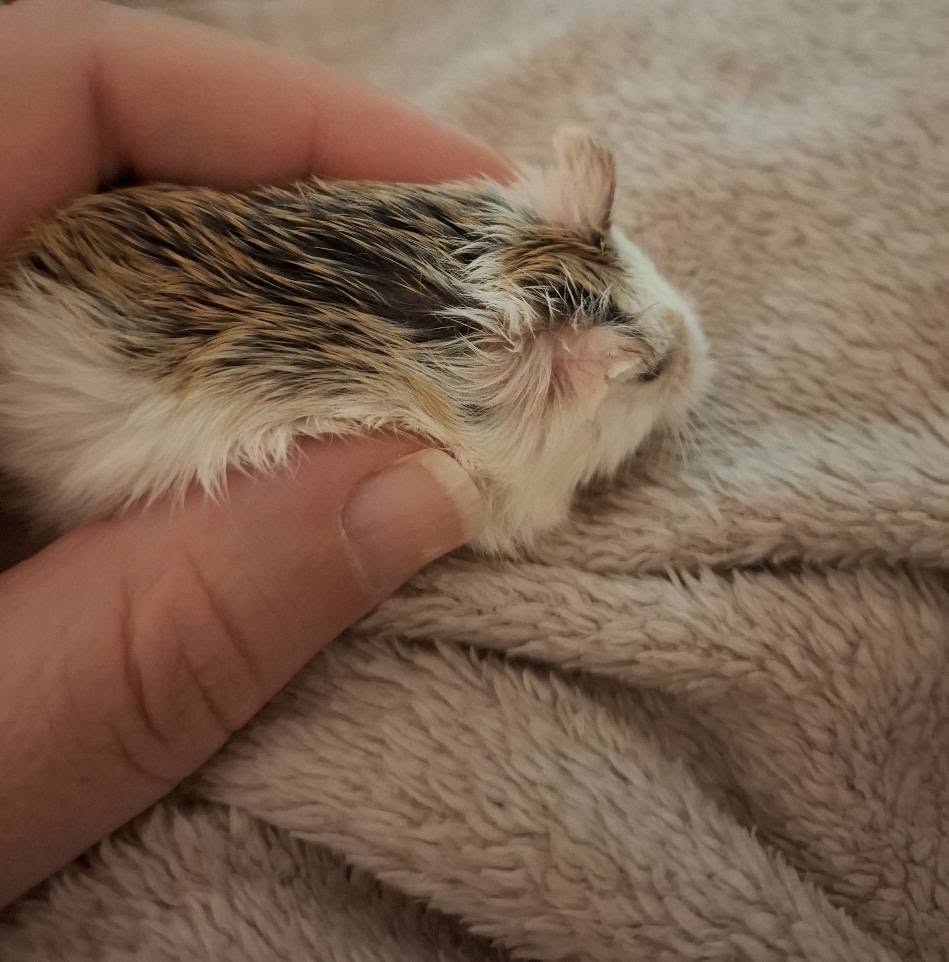
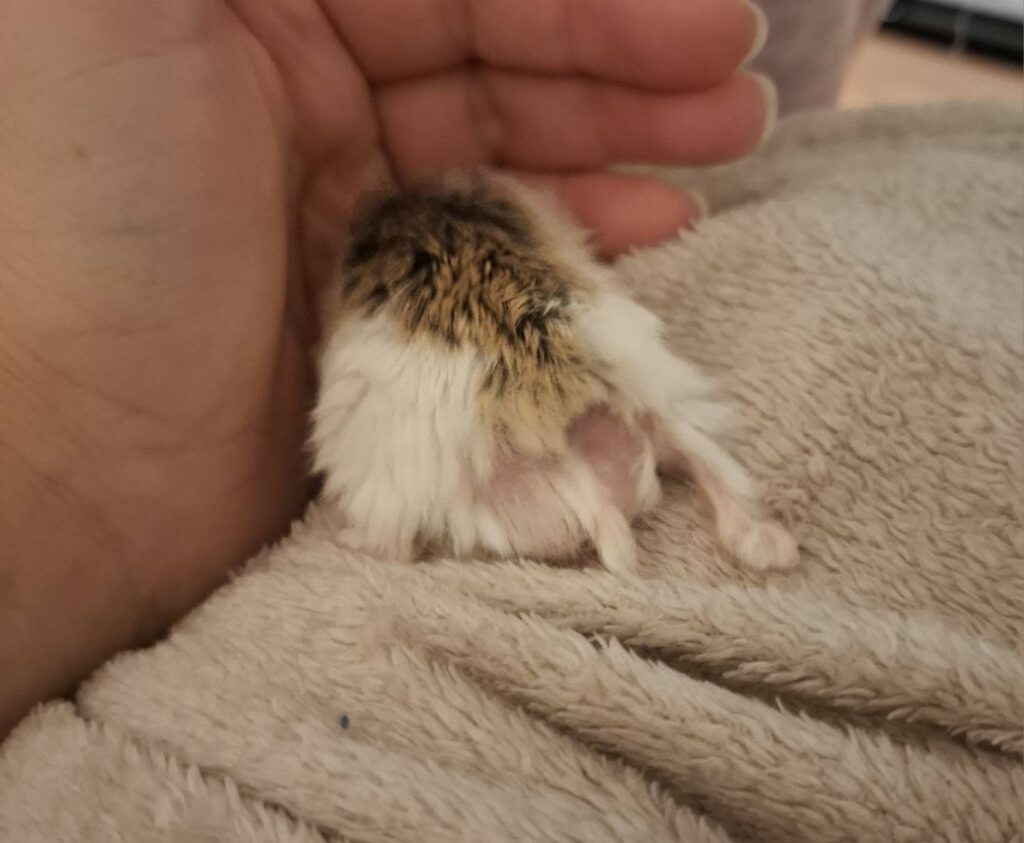
Constant scratching, sore skin, scabs, flaky patches, bleeding or rapid hair loss is not normal.
Skin issues can be uncomfortable and may need veterinary treatment.
The 60-Second Owner Check
- Check bedding type
Dusty or scented bedding can irritate some hamsters. - Check the wheel
A poor wheel can rub the back or sides. - Check cage bars
Bar rubbing can cause local hair loss. - Check skin
Look for redness, flakes, wounds or scabs. - Check behaviour
Stress and boredom can increase overgrooming.

What To Do Today
- Remove obvious irritants
Avoid scented, dusty or questionable bedding. - Clean gently
Do not over-clean with strong-smelling products. - Check wheel size
The back should not arch badly during running. - Photograph the patch
This helps track whether it is spreading. - Book vet advice
Especially if skin is sore or itching is heavy.
The Mistake Neil Sees Most Often
The common mistake is buying random mite treatment before confirming the cause.
Another mistake is changing bedding, food and cleaning products all at once, making the trigger harder to find.
When To Contact A Vet
Contact a vet if there are open sores, bleeding, swelling, severe itching, weight loss, low energy or fast-spreading bald patches.
Do not apply human creams or oils to a hamster without veterinary advice.
Neil’s Honest Advice
Neil’s advice is to start with environment, then involve a vet when the skin itself looks affected.
A clean, calm, low-dust setup solves some problems, but sore skin needs professional help.
Need help with your hamster setup?
Paradise Pets can help Swindon owners check cage size, bedding, wheels, diet, enrichment and the warning signs that should go to a vet.