


Neil has been opening Paradise Pets Swindon every morning since 1988 — over 35 years of the same routine, the same responsibilities, and the same animals waiting when he arrives. Most customers see the shop when it is open, staffed, and ready. This is his account of what happens before any of that — the hours between arrival and the moment the doors open that most people never see and rarely think about.
People sometimes ask me what it is like to run a pet shop. The honest answer is that most of what it involves happens before anyone comes through the door.
The shop opens at nine. I am typically on site by seven, sometimes earlier. Those two hours are not preparation in the administrative sense — they are not paperwork or displays or planning. They are animal care. Every morning, before we open, every animal in this building is checked, fed, watered, and assessed. Not by a checklist. By someone who knows what each individual animal looked like yesterday, how it was behaving, and what normal looks like for that specific bird or mammal.
That is the part most customers do not see. And in a business that involves living animals, it is the part that matters most.
Arriving Before the Animals Wake Up — The First Check of the Day
The first thing I do every morning when I arrive is walk the shop. Not to switch lights on or check messages — to look at the animals. Before anything else happens, before the kettle is on or the till is counted, I walk through and look.
This sounds simple. It is not, if you are doing it properly. What I am looking for in those first minutes is any animal that looks different from how it looked when I left the previous evening. Any bird sitting lower than its normal perch position. Any small mammal that is not responding normally to disturbance. Any change in posture, in feather condition, in the way an animal is holding itself.
- The first check of the day happens before the lights are fully on — in low morning light, before the animals are fully stimulated by the activity of opening, their resting state is most readable; a bird that is fluffed in full morning light is clearly unwell; the same bird in early morning low light shows me information I might miss in a busier environment
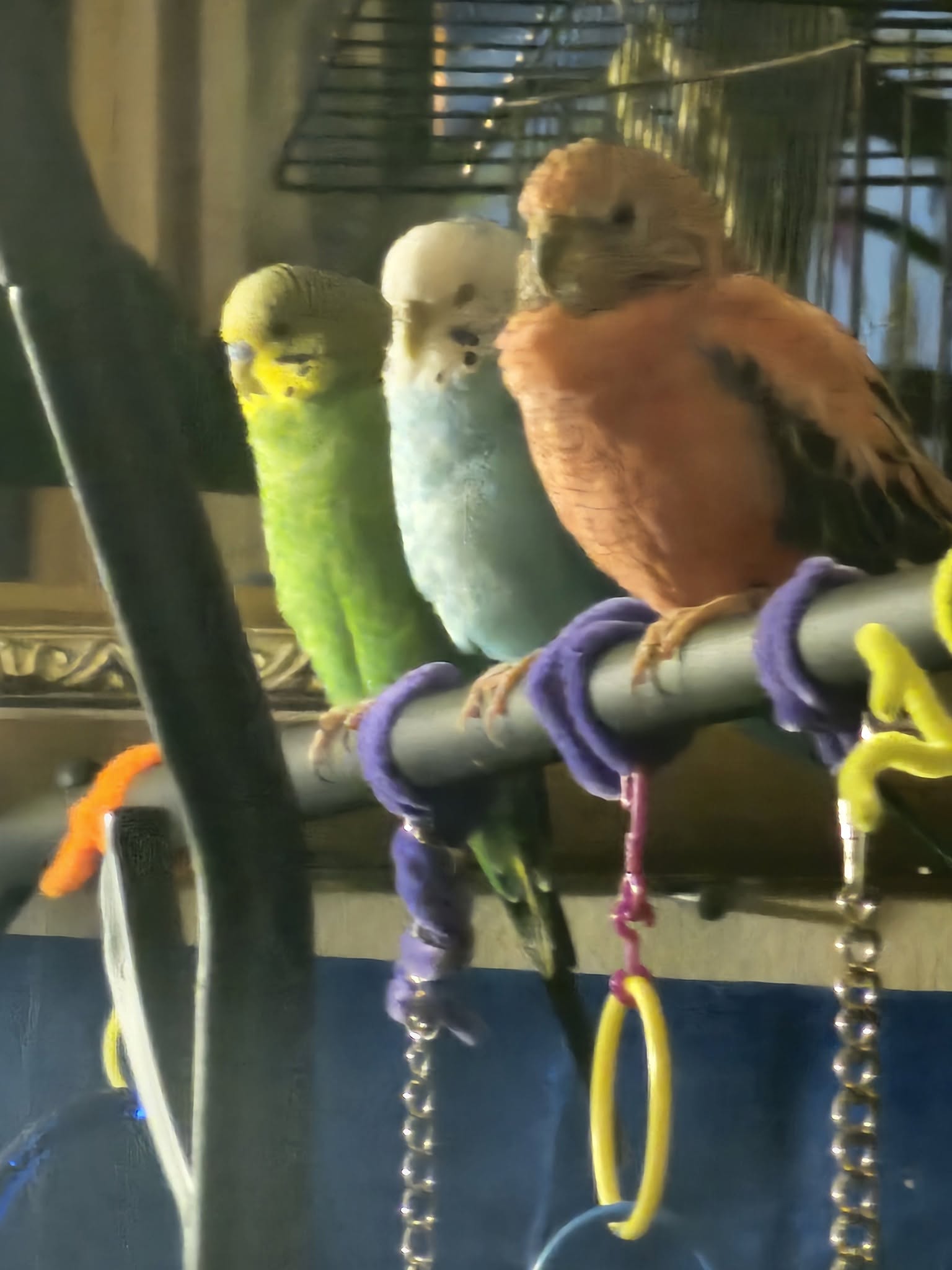
- I am looking for change from yesterday, not just for obvious illness — the animals I know well have a specific normal; a budgie that normally sits high and is sitting low today has changed; a guinea pig that normally comes to the front of the enclosure and is at the back has changed; change is the signal, not a threshold of obvious distress
- Any animal that concerns me on the first check is separated and assessed further before the shop opens — not left for later; the first check exists specifically so that anything that needs attention gets it before the day’s activity creates delays
- The first check takes between fifteen and thirty minutes depending on what is in stock — it cannot be rushed without missing things; it is not a task that can be delegated to someone who does not know the animals as individuals
Feeding — Why It Takes Longer Than People Expect
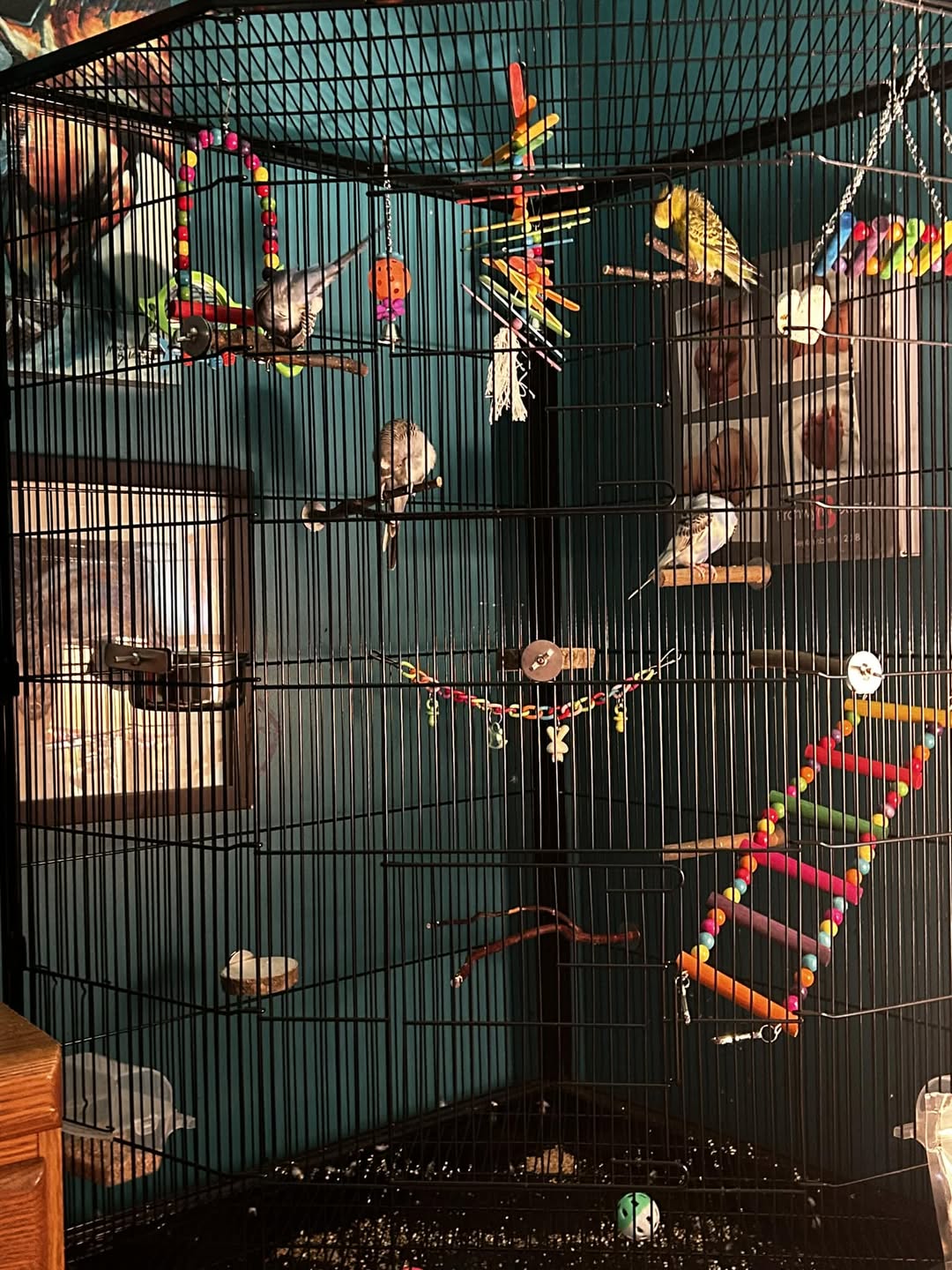
The feeding round is the longest single task of the morning, and it is more involved than filling bowls. For the animals in our care, feeding is not a uniform process — different species eat differently, eat at different times, and have nutritional needs that require different food types, different presentation, and different assessment of what was consumed yesterday versus what was not.
The Birds
Birds are fed first. Budgies, cockatiels, canaries, and finches each have specific dietary requirements and specific feeding presentations that affect whether they actually eat what is offered or pick around it.
- Seed is checked and topped up rather than simply refilled — budgies hull their seeds and leave the husks in the bowl; a bowl that appears full of seed may be full of empty husks with no actual nutrition remaining; every seed bowl is checked and husked material removed before fresh seed is added
- Fresh food is prepared and offered in the morning — vegetables, leafy greens, and fruit where appropriate are prepared fresh each morning; anything not consumed from the previous day is removed before fresh food goes in; old fresh food left in a cage is a hygiene problem and a health risk
- Water is changed completely, not just topped up — birds contaminate their water quickly with seed husks, droppings, and food particles; water that has been sitting overnight is not the water I want birds drinking; complete change every morning is non-negotiable
- Cuttlebone and mineral blocks are checked and replaced if depleted — these are not decorative; they are nutritional; a cuttlebone that has been completely consumed is a cuttlebone that needs replacing, not leaving depleted because it was replaced two weeks ago
- The feeding round for birds includes observing feeding behaviour — a bird that is not going to the food, that is eating awkwardly, or that is being displaced from the food by other birds is a bird I note during feeding; what I see during feeding informs decisions about housing, health, and social dynamics
The Small Mammals
Guinea pigs, rabbits, hamsters, and other small mammals each have different nutritional requirements and different feeding schedules that have to be maintained correctly for their health.
- Hay for rabbits and guinea pigs is checked and replenished before anything else — hay is not a supplement for these animals, it is the dietary foundation; animals without adequate hay access overnight have gone without their primary food source; the first task with rabbits and guinea pigs every morning is checking hay levels
- Fresh vegetables for guinea pigs are prepared daily — guinea pigs cannot synthesise their own Vitamin C; without fresh vegetables containing Vitamin C every day, deficiency develops; this is not an optional enrichment food, it is a medical necessity; it is prepared every morning without exception
- Hamster food is checked against what was consumed overnight — hamsters are nocturnal and eat primarily at night; checking what has been consumed overnight tells me whether the animal ate normally or whether something has disrupted normal feeding behaviour
- Water bottles and bowls are checked and cleaned — water bottles in particular need daily checking; the valve mechanism can block without the bottle appearing empty; a rabbit that has had a blocked water bottle overnight is a dehydrated rabbit; the bottle is checked every morning by triggering the valve to confirm water flow
Cleaning — The Part That Never Goes Away
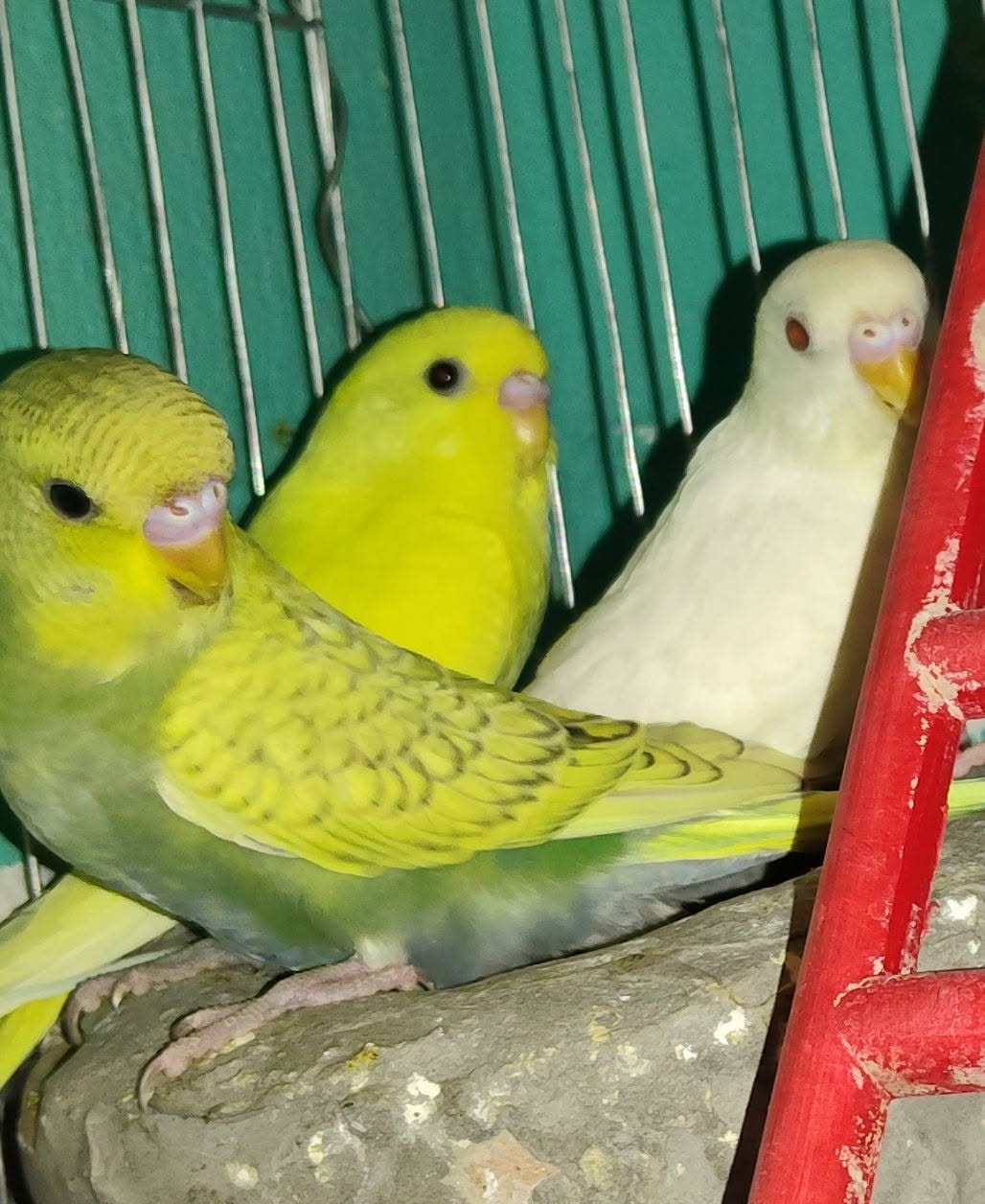
Animal housing requires daily cleaning to maintain the hygiene standards that prevent illness. This is true regardless of how recently the housing was cleaned, regardless of how many staff are available, and regardless of how busy the previous day was. It does not move.
- Soiled areas of bedding are removed and replaced every morning — not the whole bedding, in most cases; spot cleaning of the areas that are soiled, with full bedding changes on a regular rotation; this maintains the animals’ established scent markers while removing the hygiene hazards
- Cage floors, perches, and surfaces are wiped down — droppings on perches, food surfaces, and cage floors are cleaned daily; accumulated droppings are a disease transmission risk and a source of ammonia that affects respiratory health
- Food and water vessels are washed properly, not just rinsed — seed bowls, water dishes, and vegetable dishes accumulate bacteria if they are only rinsed; they are washed with appropriate pet-safe cleaning products on a daily rotation
- Any soiled nesting material is replaced — small mammals nest, and their nesting material absorbs moisture and waste; nesting material that is visibly soiled is replaced, while clean nesting material is left undisturbed to preserve the animal’s established environment
- In summer, hygiene frequency increases — warm weather accelerates bacterial growth and fly activity; during the warmer months, cleaning frequency for outdoor or exposed housing increases and the standard applied inside also tightens; summer mornings take longer than winter mornings for this reason
Health Assessment — What We Are Actually Looking For
The morning health assessment is not a formal procedure with a form attached. It is the accumulated knowledge of 35 years of looking at animals combined with the specific knowledge of each individual animal currently in the shop’s care. What I am doing when I walk through the animals in the morning is comparing what I see to what I know.
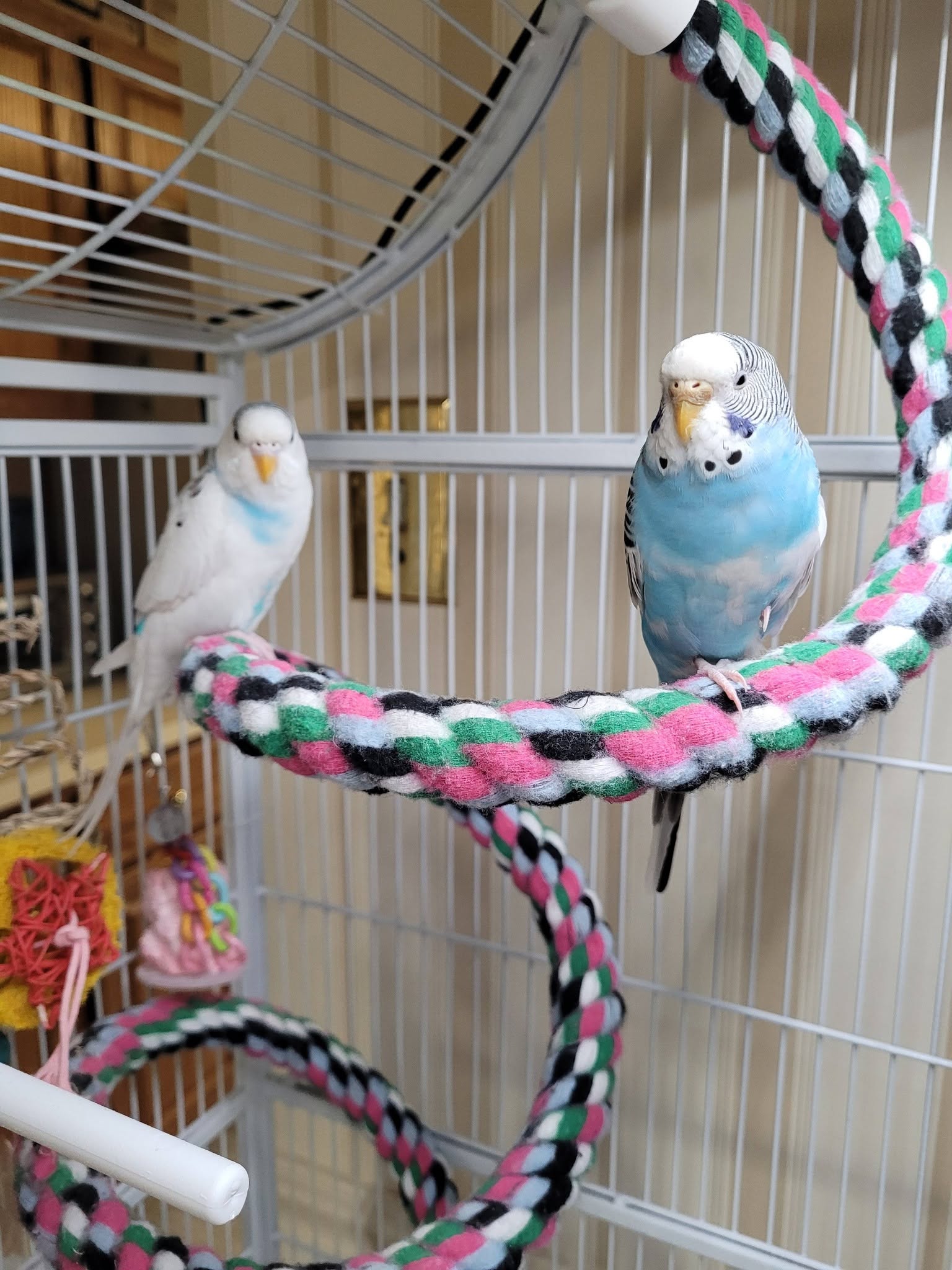
- Posture — how is each animal holding itself? A budgie perching normally, upright and alert, is different from a budgie slightly lower on the perch with feathers fractionally raised; a guinea pig moving normally around its enclosure is different from one pressed into a corner; posture is the first indicator and the most immediate
- Eye condition — are eyes fully open, clear, and bright? Partially closed eyes during active morning hours, discharge, or dullness are all notable; the morning hours, when animals should be at or near their most active, are the best time to assess eye condition because deviations from alert are more visible
- Droppings — I look at cage floors and litter areas as part of the morning round; consistent abnormal droppings are a health signal; the pattern matters as well as the appearance — a bird that has produced one unusual dropping is different from a bird that has produced consistently abnormal droppings overnight
- Appetite from the previous evening — what remained in food bowls from the previous evening tells me whether each animal ate normally; a seed bowl that is unusually full in the morning, or a vegetable bowl that has barely been touched, is noted
- Breathing — visible breathing at rest, tail bobbing in birds, any audible respiratory sounds; these are checked during the morning walk and any bird showing these signs is prioritised immediately
- Behaviour toward me — animals that know me and my morning routine have established responses; a guinea pig that normally comes to the front when it hears me and does not today is behaving differently; these individual behavioural baselines are part of what 35 years of doing this builds
When Something Is Wrong — The Morning Urgency
The morning is when problems are found and the morning is when they are dealt with. An animal that is unwell at seven in the morning has a better outcome than an animal that is found unwell at eleven, because seven gives us time to act before the day makes action harder.
- An animal showing concerning signs is separated immediately — moved to a quieter, warmer, separate housing away from other animals and from the activity of the opening shop; this reduces stress on a potentially unwell animal and prevents potential disease transmission
- An avian vet or small animal vet is contacted the same morning if the concern warrants it — we do not wait to see if it improves through the day; the morning window is when veterinary contact happens; an unwell animal that is monitored through a busy trading day without professional input is an animal that has lost a morning’s worth of treatment time
- Staff are briefed before opening on any animal requiring monitoring — everyone who works in the shop on a given day knows if there is an animal that is being watched, what to watch for, and who to contact if they see a change; this does not happen after opening, it happens before
- Decisions about whether a concerning animal affects what is available for viewing and sale that day are made before opening — an animal that is unwell is not on display to customers; not because we are hiding anything but because an unwell animal should not be in a stimulating retail environment and should not be a subject of discussion with customers who may distress it further
The Physical Shop — What Needs to Happen Before Customers Arrive
Alongside the animal care, the physical environment of the shop needs to be in a state that is appropriate for the day before anyone walks through the door.
- Lighting is adjusted to appropriate levels for the time of year and the animals currently in stock — not simply switched on to full; the light levels animals have been waking to affect their wellbeing; the transition from overnight to daytime lighting is gradual rather than abrupt
- Temperature is checked in all housing areas — particularly relevant in winter and in early spring before the heating has reached operating temperature; cold housing affects animals immediately and has health consequences that develop quickly in small birds and mammals
- Stock of food and consumables is checked against what will be needed for the day — not an extensive inventory exercise, a practical check; do we have enough fresh vegetables to get through today’s feeding requirements? Is the seed bin adequately stocked? Are there enough bedding materials for any housing changes that are needed?
- The visible condition of all housing is assessed from a customer’s perspective — this is the one concession to the commercial side of the morning; the housing that customers will see needs to be clean, appropriately stocked with enrichment, and presented in a way that represents the standard of care we maintain; a customer who sees clean, well-maintained housing makes a different assessment of the animals in it than one who sees neglected cages
The Handover — What the Rest of the Team Needs to Know
On days when I am not the only person opening, or when staff arrive before the shop opens to help with the morning routine, there is a handover. Not a formal meeting — a conversation that covers what the morning has shown.
- Any animal that was not right this morning is discussed specifically — what was observed, what has been done, what to watch for; this is not a written report, it is a direct conversation between people who know the animals
- Any changes in housing or feeding since yesterday are communicated — if a bird has been moved, if a guinea pig has had a diet change, if a new animal has arrived; the people working in the shop need to know what is different from yesterday
- Customer-relevant information is noted — if someone was in yesterday asking about a specific animal and said they were coming back, if an order is expected, if there is a particular question that needs a specific answer; this is the information that affects how the day goes from the customer’s perspective
- The day’s priorities are established — not a schedule of tasks but an understanding of what matters most today; is there an animal that needs monitoring? Is there housing that needs a full clean? Is there a delivery expected? The morning establishes the priorities before the day makes them harder to manage
Nine O’Clock — When the Doors Open
By nine o’clock, if the morning has gone as it should, every animal has been checked, fed, watered, and assessed. The housing is clean. The feeding rounds are complete. Any concerns have been identified and are being managed. The shop is ready.
What happens when the doors open is the part that most people see — the conversations, the advice, the animals being chosen and rehomed. That part is what the shop looks like from the outside.
But the reason that part works, the reason the animals being looked at are in good condition and the staff can speak to their individual characters and histories, is the two hours before it that nobody sees.
I have been doing this for 35 years. The morning routine has not changed in any significant way in all of that time, because what the animals need in the morning has not changed. They need to be looked at. Fed. Watered. Assessed. Cared for before anything else happens.
Everything else — the advice, the sales, the conversations about which animal is right for which home — follows from that. The morning is where it starts.
Come In And See What We Have.
Whether you know exactly what you are looking for or you are just starting to think about it, we are happy to talk it through. The animals have been checked and cared for since seven this morning. Come in any time from nine.