

Neil has kept, bred, and sold cage birds at Paradise Pets Swindon since 1988 — over 35 years of first-hand experience with birds of all kinds. The disease currently spreading through UK garden bird populations is something he has been watching with concern, and the questions about pet bird risk have been arriving at the counter regularly this year. This is his honest, current account of what is happening and what it means for pet bird owners.
A customer came in recently and asked me something I have been expecting more people to ask.
She feeds garden birds — has done for years, takes it seriously, has a good range of feeders and keeps them clean. She had read about the disease warnings and the RSPB pulling certain feeders from their shops, and she wanted to know one specific thing: could her budgie and her cockatiel be at risk from what was happening outside in her garden.
It is a sensible question, and it deserves a careful answer rather than a quick reassurance that probably is not warranted.
So let me give you the complete picture — what is actually happening with disease at UK garden bird feeders right now, what is causing the dramatic declines we are seeing in certain species, and where the lines are between wild bird risk and pet bird risk.
What Is Actually Happening — The Disease and the Decline
The disease at the centre of the current situation is trichomonosis — a parasitic infection caused by the protozoan Trichomonas gallinae. It has been present in UK bird populations for many years, but its spread and impact have accelerated significantly over the past decade, and the 2026 data makes uncomfortable reading.
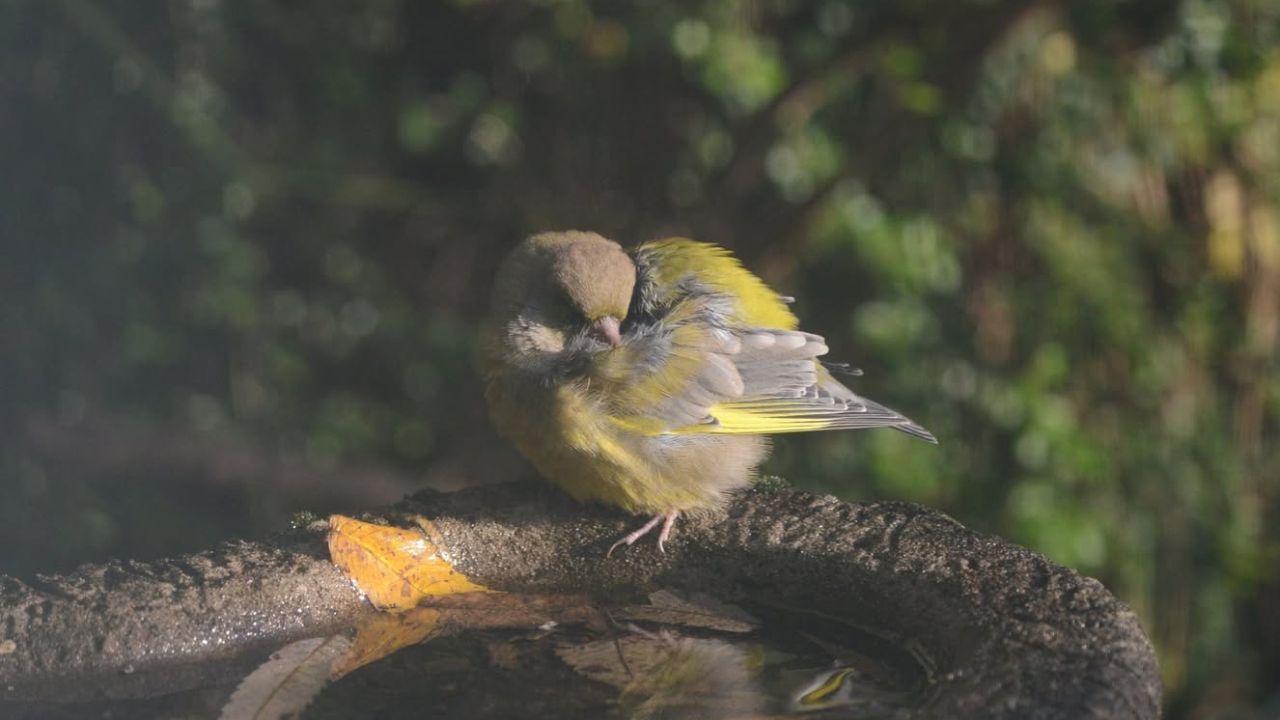
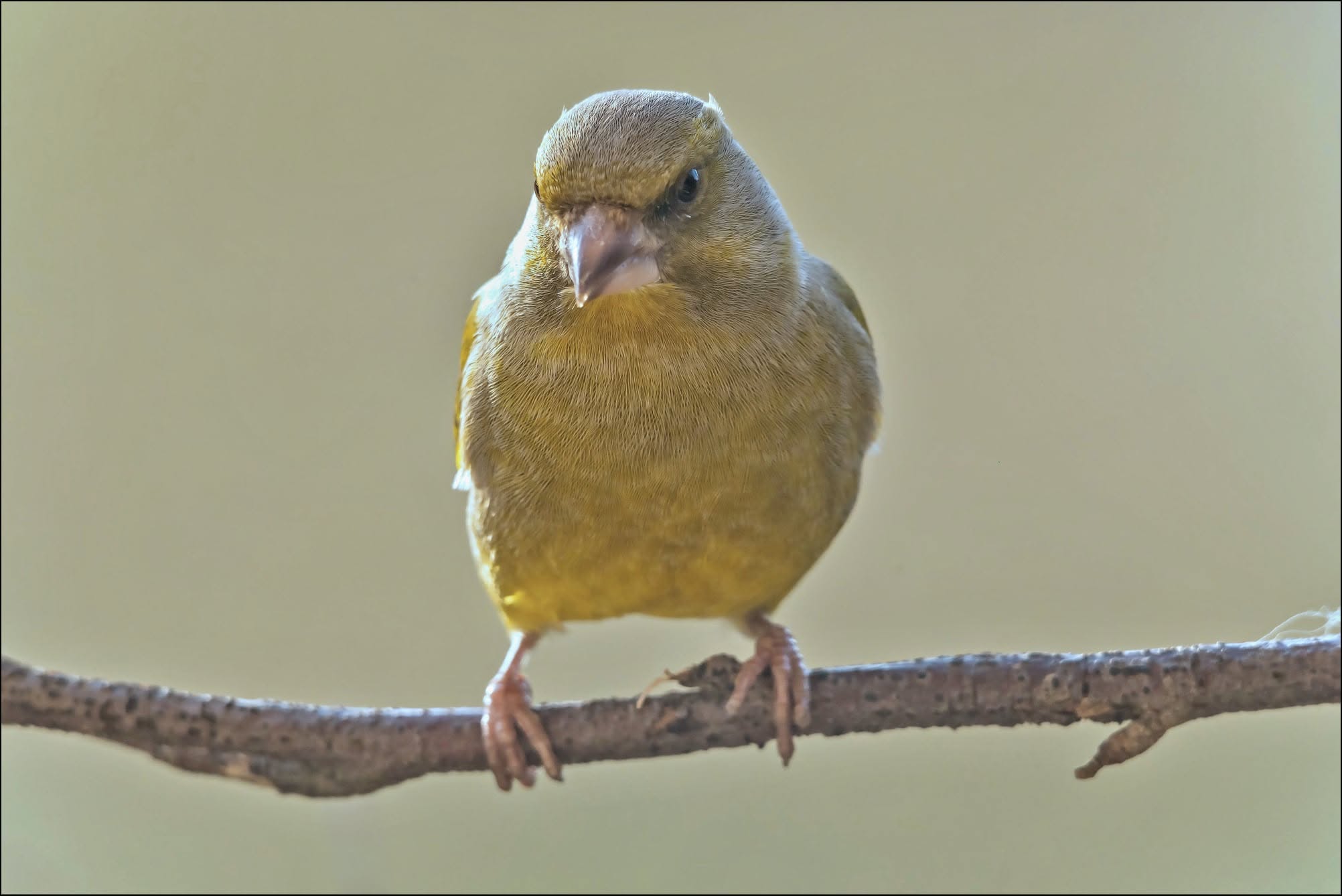
The 2026 Big Garden Birdwatch results show that greenfinches have seen a 67% decline in average numbers recorded since the survey began in 1979. That is not a gradual, decades-long drift. The majority of that collapse has happened within a much shorter timeframe, and trichomonosis is identified as the primary driver. The species is now on the UK Red List of conservation concern — a designation that reflects population collapse at a level that warrants serious attention.
Greenfinches are the most dramatically affected species so far, but they are not the only ones. Chaffinches and other finch species have shown similar declines linked to the same disease. The concern is that as the disease continues to circulate through garden bird populations — aided by the feeder environments where birds congregate closely together — it will affect further species.
How Trichomonosis Spreads — And Why Feeders Are Central to the Problem
Trichomonosis is transmitted primarily through the saliva and regurgitated food of infected birds. Birds feeding at the same point — particularly flat feeder surfaces, bird tables, and surfaces where food accumulates along with saliva and droppings — create ideal transmission conditions.
This is exactly why the RSPB took the step, in December 2025, of suspending the sale of flat bird tables, window feeders, seed catching trays, and other items with flat feeding surfaces. The decision was based on evidence that these surfaces present the highest risk for disease transmission — regurgitated food, saliva, droppings from feet, and spoilage from rain all accumulate in ways that allow the parasite to be picked up by subsequent birds feeding at the same point.
Tube feeders — where birds access food through specific ports without large flat surfaces accumulating contaminated material — present a lower risk than flat tables, though they are not risk-free and still require regular cleaning.
The RSPB’s current advice, based on their ongoing review with garden wildlife health partners, is to avoid feeding garden birds peanuts or seeds from 1 May to 31 October — the period when trichomonosis spreads most readily. This is a significant shift from previous advice, and it reflects how seriously the situation is being taken. For current guidance, checking directly with the RSPB and the Garden Wildlife Health project is the most reliable approach, as this is an evolving situation.
What Trichomonosis Actually Does to a Bird
Understanding what the disease does helps explain why it spreads so effectively and why infected birds do not always look obviously ill until the disease is advanced.
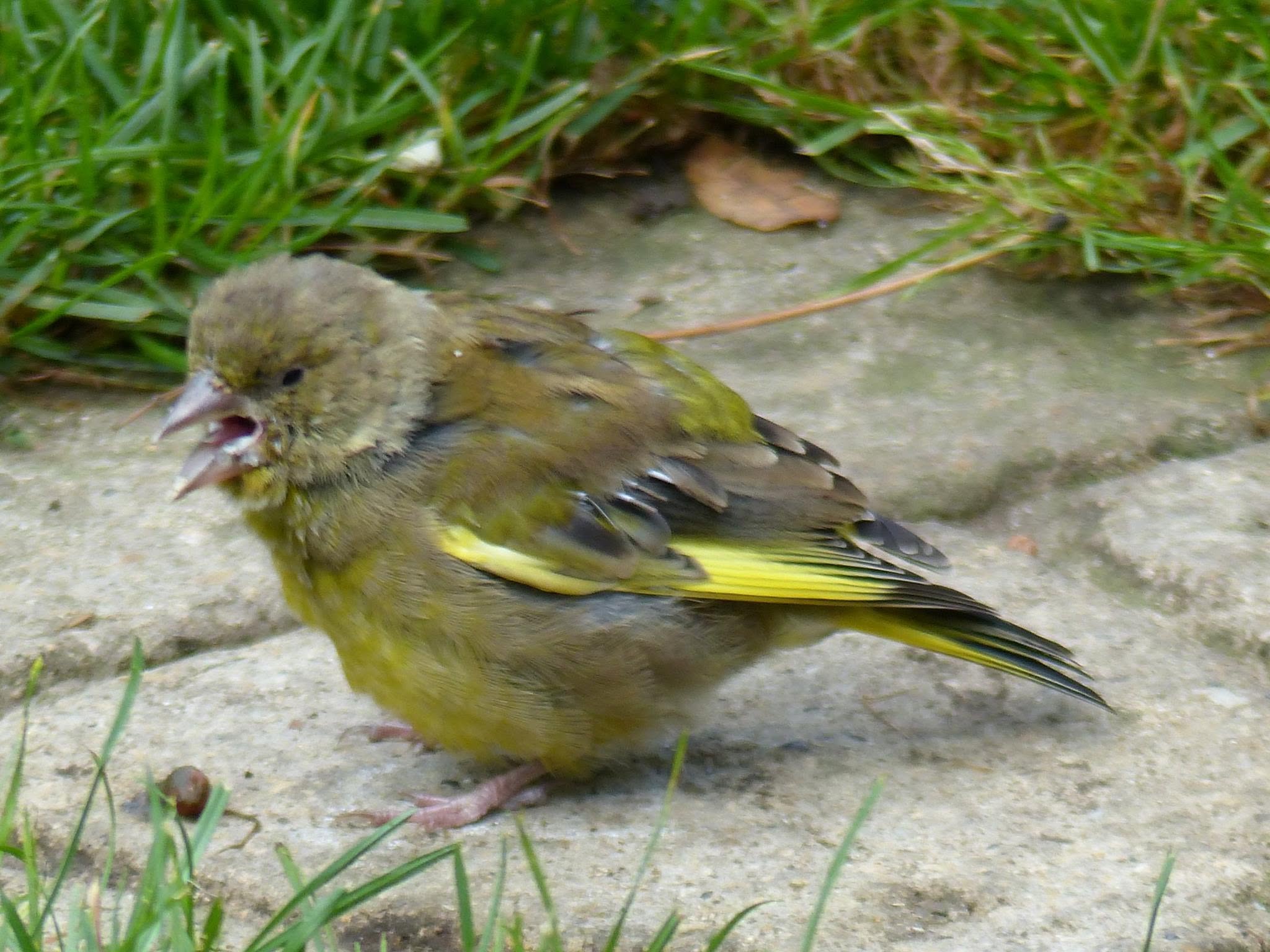
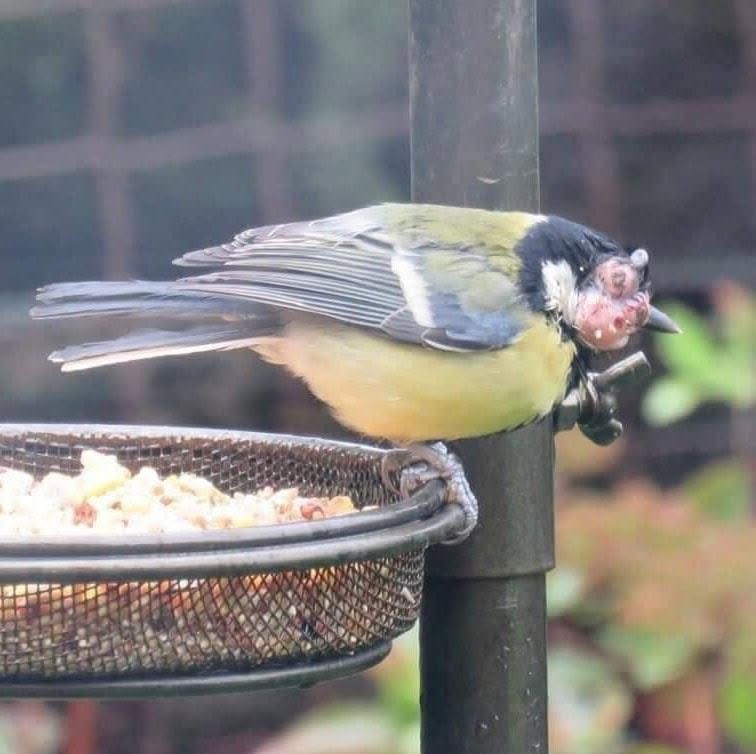
Trichomonosis causes lesions in the mouth, throat, and upper digestive tract of infected birds. In the early stages these lesions may be small and not immediately apparent from the outside — the bird may appear somewhat lethargic, but not dramatically ill. As the lesions develop, they cause difficulty swallowing and increasingly severe difficulty eating.
Birds with advanced trichomonosis are often found on the ground beneath feeders, unable to fly properly, with ruffled feathers and visible distress. By this stage the disease is usually fatal without veterinary intervention — and wild birds with advanced cases rarely survive even with treatment, because the lesions are typically too far progressed.
The particularly difficult aspect of trichomonosis from a transmission perspective is that infected birds may spread the parasite through saliva and regurgitated food at feeders during the period before they become visibly ill. A bird that looks entirely normal at your feeder may already be infectious. This is what makes the feeder environment — where multiple birds feed in close proximity and share surfaces — such an effective transmission route.
Is Your Pet Bird at Risk — The Honest Answer
This is the question I was asked at the counter, and it is the question I know most pet bird owners reading this will have arrived here wanting answered. Let me be direct.
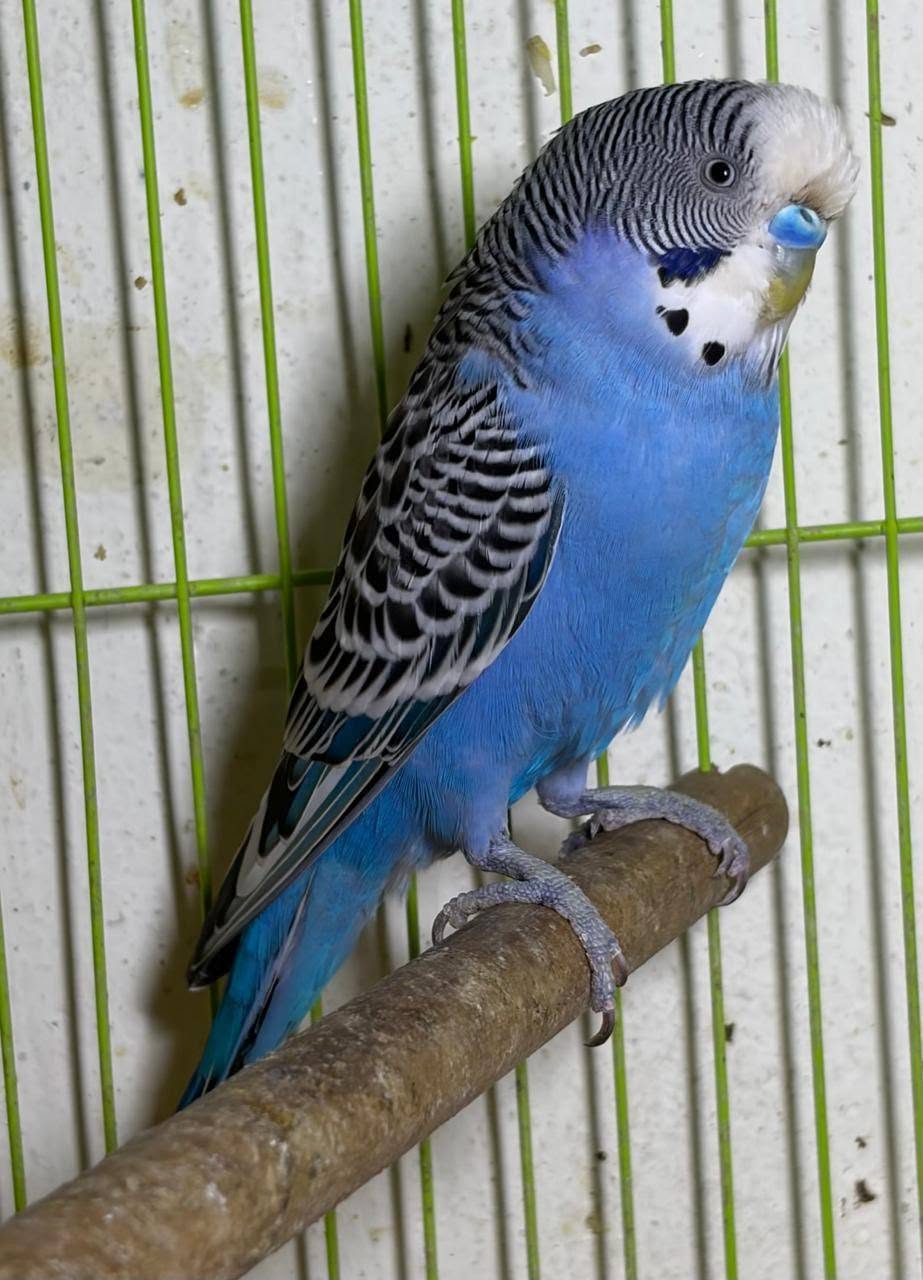
A pet budgie or cockatiel kept entirely indoors, with no direct contact with wild birds or wild bird droppings, is not at meaningful risk from trichomonosis spreading at outdoor garden feeders. Trichomonosis is transmitted through direct contact with infected saliva, regurgitated food, or contaminated feeding surfaces — not through the air, not through the windows, and not through the general environment.
If your pet birds are kept inside, do not share food or water with wild birds, and do not come into contact with wild birds, feeders, or wild bird droppings, the disease circulating at your garden feeders does not represent a direct threat to them.
The situation is more nuanced than a simple no-risk answer, however, and I want to be honest about the indirect routes that are worth being aware of.
Hands and clothing after contact with feeders matter more than most owners realise. If you handle bird feeders, fill them, clean them, or touch surfaces that wild birds have been feeding on, Trichomonas gallinae can be present on your hands. The parasite does not survive long outside a host in normal conditions, but the time between touching a contaminated feeder and handling your pet bird’s food or water — or the bird itself — is worth thinking about. Washing hands thoroughly after handling feeders or wild bird food before interacting with your pet birds is a sensible and straightforward precaution.
Pet birds kept in outdoor aviaries where wild birds could potentially enter, share feeding surfaces, or deposit droppings into food or water are in a different risk category entirely from birds kept indoors. If you keep birds in an outdoor aviary and wild birds have any access to it — through gaps, through shared perching, or through contaminated droppings falling into food and water — review the physical security of that housing now. Check that wild birds cannot access feeding or drinking surfaces, and ensure food and water containers are positioned where wild bird droppings cannot fall into them.
A bird purchased from a source with unknown or unclear history — particularly one that has been kept in conditions where contact with wild birds was possible — could theoretically carry trichomonosis or other diseases. This is one of many reasons why sourcing birds from reputable, transparent sellers matters, and why quarantine periods for newly acquired birds are good practice.
Trichomonosis is primarily known as a disease of finches, pigeons, doves, and raptors in UK wildlife contexts. Trichomonas gallinae has been documented in a range of species including some psittacines, though it is less commonly recorded in budgies and cockatiels than in the species most prominently affected in current UK garden bird populations. If you are ever concerned that a pet bird may have come into contact with sick wild birds or contaminated material, and the bird shows any signs of mouth discomfort, difficulty eating, lethargy, or changes in droppings, an avian vet visit is the correct response. Trichomonosis in psittacines is treatable if caught early.
What to Do If You Find a Sick Wild Bird Near Your Garden
Given that infected birds often end up on the ground beneath feeders as the disease progresses, this is a practical question that garden bird feeders will face.
Do not handle a sick wild bird with bare hands. If you need to move it — to get it out of immediate danger — use thick gloves or a folded towel, and wash your hands thoroughly afterwards before touching your pet birds or their food and water.
A sick wild bird found beneath a garden feeder should be reported to the Garden Wildlife Health project, which coordinates the surveillance of disease in UK wild bird populations. This reporting is how the current situation with trichomonosis has been tracked and understood, and continued reporting matters for the ongoing scientific review.
Contact your local wildlife rescue about injured or sick wild birds — they have the expertise and the resources that general domestic pet owners do not. Do not bring a sick wild bird into the same space as your pet birds.
What You Should Be Doing With Your Garden Feeders Right Now
Given that the RSPB’s current advice covers the period from 1 May to 31 October, and given that we are within that window, here is my honest practical guidance.
If you currently have flat bird tables or flat feeding surfaces in your garden, the advice — as supported by the RSPB’s December 2025 decision to stop selling them — is to consider removing or not using them during the current risk period. Tube feeders maintained with scrupulous hygiene are lower risk than flat surfaces, though not risk-free.
Whether to continue feeding garden birds at all during the May to October window is a judgement call that involves weighing your personal contribution to the problem against the welfare benefit of supplementary food. The RSPB’s current position, based on the scientific review, is not to feed peanuts or seeds during this period. I think that is a considered and evidenced position, and it is worth taking seriously.
Feeder hygiene has always mattered and matters more now. Clean feeders with hot water and an appropriate disinfectant regularly — at least every two weeks, more frequently during warm wet weather when spoilage is faster. Remove and dispose of uneaten food rather than allowing it to accumulate. Position feeders where droppings do not accumulate on feeding surfaces, and where rain cannot create standing water on flat surfaces that wild birds also use for food.
Frequently Asked Questions
What is trichomonosis and why is it affecting UK garden birds?
Trichomonosis is a parasitic disease caused by Trichomonas gallinae, transmitted through infected saliva and regurgitated food at shared feeding surfaces. It causes lesions in the mouth and throat that eventually prevent birds from eating, and it is fatal in most cases once advanced. It has been the primary driver of a 67% decline in greenfinch numbers recorded since 1979, and the species is now on the UK Red List. The feeder environment — where birds congregate closely and share surfaces — is central to how it spreads.
Why did the RSPB stop selling flat bird feeders?
In December 2025, the RSPB suspended the sale of flat bird tables, window feeders, seed catching trays, and other flat feeding surfaces because preliminary findings from their ongoing scientific review indicated these surfaces present the highest risk for disease transmission. Regurgitated food, saliva, droppings, and rain contamination accumulate in ways that allow the parasite to be picked up by subsequent birds. The RSPB is working with partners to develop new feeder designs that reduce transmission risk.
Can my indoor pet budgie or cockatiel catch trichomonosis from wild birds at my garden feeder?
A pet bird kept entirely indoors with no direct contact with wild birds is not at meaningful direct risk. The disease is not airborne and does not spread through general environmental contact. The main indirect risk is contamination transferred on hands after handling feeders or wild bird food — washing hands thoroughly before handling your pet birds or their food and water after feeder contact is a sensible precaution.
What should I do if I find a sick wild bird under my garden feeder?
Do not handle it with bare hands — use thick gloves or a folded towel if you need to move it. Wash your hands thoroughly before touching your pet birds or their food and water. Report sick or dead wild birds to the Garden Wildlife Health project. Contact your local wildlife rescue for guidance on the bird’s immediate care. Do not bring the sick bird into the same space as your pet birds.
Should I stop feeding garden birds right now?
The RSPB’s current guidance is to avoid feeding peanuts or seeds to garden birds from 1 May to 31 October — the period when trichomonosis spreads most readily. Whether to feed at all during this period is a personal decision, but the advice from the RSPB and wildlife health organisations reflects a genuine, evidence-based concern about feeder environments contributing to disease spread. If you continue to feed, tube feeders with rigorous regular cleaning are lower risk than flat surfaces.
One Last Thing
I have been feeding garden birds myself for decades, and I find the current situation genuinely sobering. A 67% decline in greenfinch numbers since 1979 is not a statistic that should be read quickly and moved past. That is most of a species, gone from gardens that once had them regularly, within the span of a gardening lifetime.
The intention behind garden bird feeding has always been to support wildlife. The uncomfortable reality of the current situation is that the way we have been doing it — flat tables, accumulated food, shared surfaces — has contributed to spreading a disease that is now killing the birds we were trying to help. The RSPB’s response, pulling flat feeders from sale and revising their guidance, is the right response to that evidence, however difficult it is to hear.
The question of pet bird risk is, for most indoor pet owners, reassuringly low — but not zero if you are also a garden feeder, and the precautions worth taking are simple. Wash your hands between feeder handling and pet bird contact. Review outdoor aviaries for wild bird access. Know what sick wild birds look like and keep your pet birds away from them.
If you have questions about any of this — what it means for your specific birds, your specific setup, or what you should be watching for — come and see me. That is what I am here for.
Questions About Your Birds and the Current Disease Situation? Come In
No appointment needed. Bring your questions, bring the bird if you are concerned. Honest advice after 35 years is what we offer.