
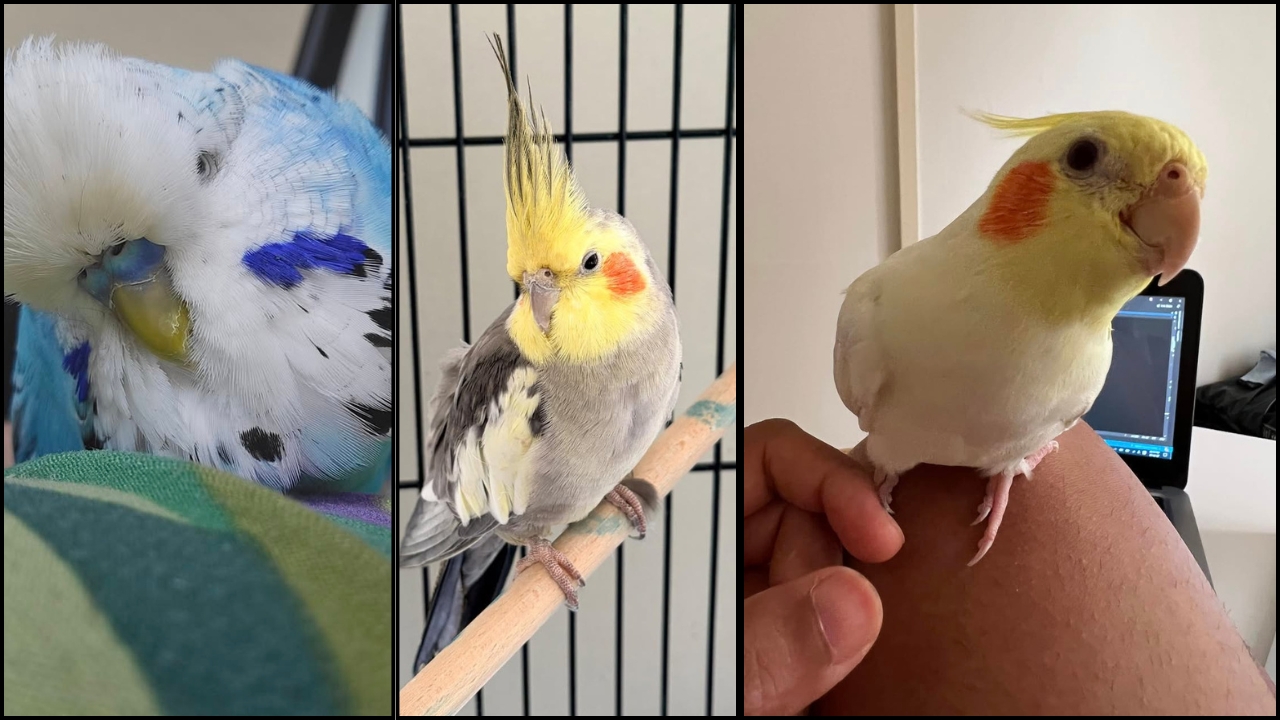

A hissing cockatiel can feel personal, especially for new owners. Usually, it is communication, not betrayal.
Cockatiels hiss when they feel threatened, crowded, startled, protective, hormonal or unsure. The owner often sees a naughty bird. Neil sees a bird asking for distance.
This guide is not a diagnosis. It is a practical owner checklist from Neil, based on common questions people ask at the counter and the kind of behaviour changes cockatiel owners often notice at home.
The Quick Answer
If your cockatiel hisses at your hand, stop, give space and look at the situation.
Repeated hissing usually means the approach, timing or trust-building routine needs changing.
What Can Be Normal
A new cockatiel may hiss while settling in.
Birds may also hiss around favourite spaces, food bowls, nest-like corners or sudden hand movements.
What Is Not Normal
Hissing with injury, pain, sudden behaviour change or refusal to eat may need more than training.
A normally friendly bird that suddenly hisses at touch could be sore or stressed.
The 60-Second Owner Check
- Check hand speed
Fast hands often scare birds. - Check timing
Do not approach when the bird is resting or eating. - Check body language
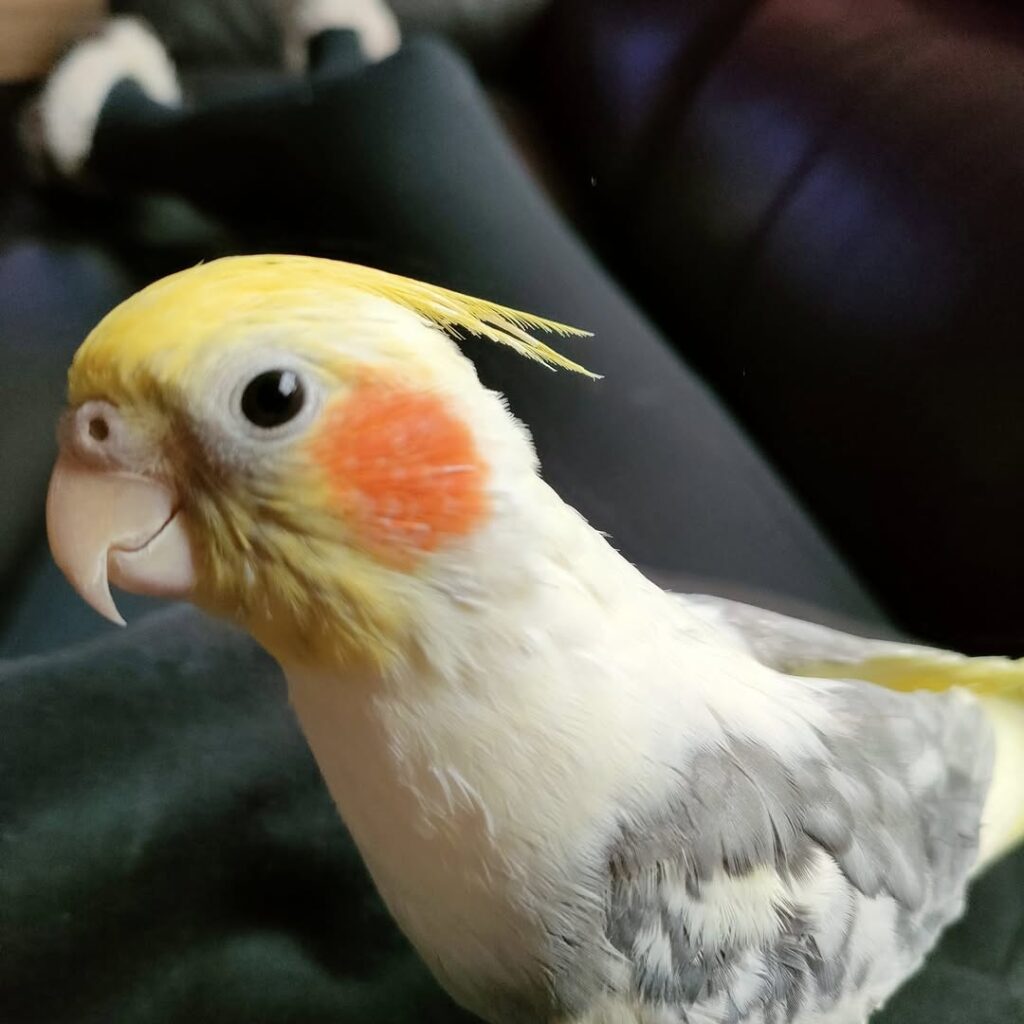
Raised crest, leaning away and open beak mean pause. - Check cage position
A cornered bird has fewer choices. - Check recent changes
New room, new cage or visitors can increase fear.
What To Do Today
- Stop immediately
Do not force contact through hissing. - Step back
Let the bird see it has control. - Use calm rewards
Build trust with routine and positive association. - Approach from the front
Avoid sudden hands from above or behind. - Keep sessions short
End before the bird feels overwhelmed.
The Mistake Neil Sees Most Often
The common mistake is pushing through the hiss to prove the bird should accept handling.
Another mistake is shouting or tapping the cage, which makes hands seem more threatening.
When To Contact A Vet
Contact a vet if hissing appears with signs of pain, swelling, injury, weakness, poor appetite or sudden extreme behaviour change.
Behaviour can be emotional, but it can also be linked to discomfort.
Neil’s Honest Advice
Neil’s advice is simple: do not argue with a warning.
A cockatiel that learns you listen is more likely to trust you later.
Need help understanding your cockatiel?
Paradise Pets can help owners compare normal cockatiel behaviour with setup issues, routine problems and signs that need veterinary advice.