
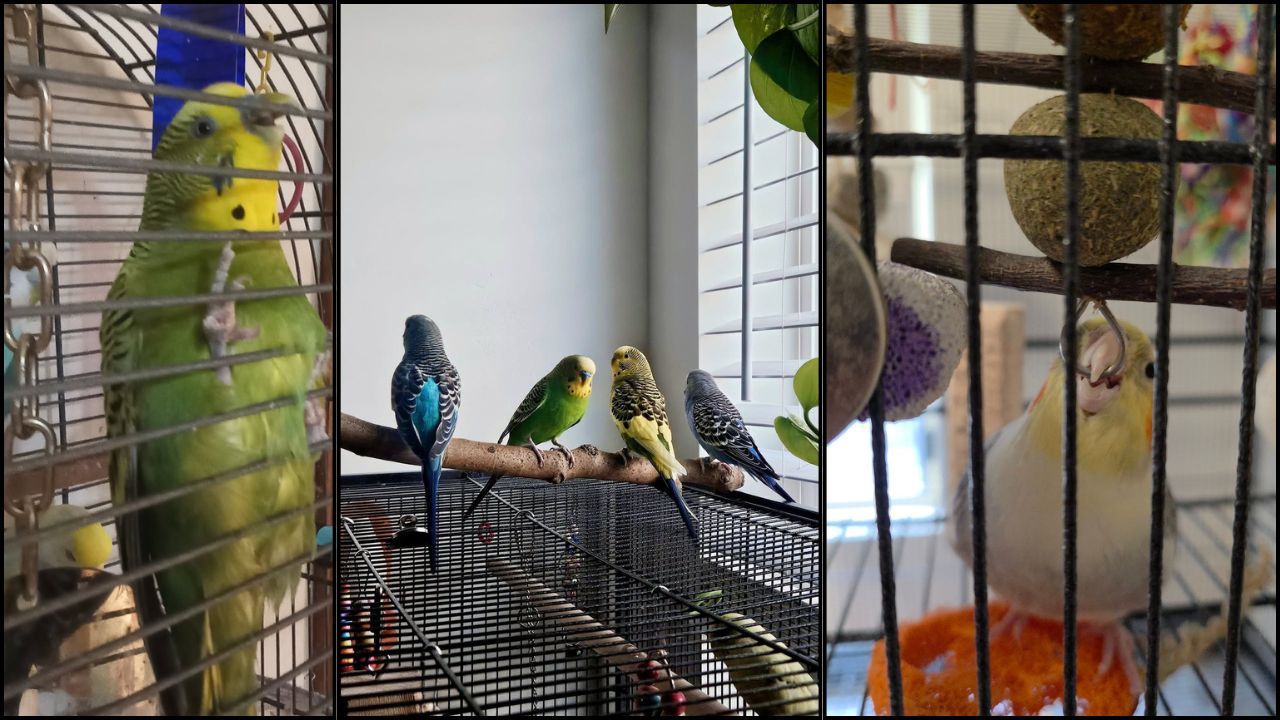

Neil has run Paradise Pets Swindon since 1988 — over 35 years of selling pet birds and taking the calls that come in during heatwaves. This week, UK temperatures broke the June record three consecutive days, reaching 37.3°C at Santon Downham in Suffolk on Thursday 26 June — the hottest June day in recorded UK history. This weekend, eastern England is still sitting in the low to mid-thirties with retained heat in buildings from one of the longest and most intense heatwaves this country has seen. This article is about the single cage position mistake that is killing birds in these conditions. It is not the one most people expect.
When people talk about birds dying in hot weather, they picture a specific kind of negligence. A cage left on a south-facing windowsill all afternoon. A bird forgotten in a conservatory while the owner went out for the day. Someone who did not notice, or did not care, or simply was not paying attention.
That is not the call I receive most often.
The call I receive most often during a heatwave like this one — the call that has come in more times than I can count across 35 summers at this counter — goes like this: the owner was home. The cage was not on the windowsill. The bird was in what the owner considered a safe, shaded position. And the owner left the room for twenty minutes. Sometimes thirty. Sometimes to answer the door, sometimes to hang washing out, sometimes to make lunch. They came back and something was wrong.
That is the mistake I want to talk about today. Not the obvious one. The one that catches people who are already trying to do everything right.
Why 33°C Outside Means Something Different Inside
This week’s heatwave has been exceptional by any measure. The UK June temperature record was broken on three consecutive days, reaching 37.3°C at Santon Downham in Suffolk on Thursday 26 June. By this weekend, temperatures in eastern England are sitting in the low to mid-thirties, with amber heat warnings retained due to the cumulative effects of the prolonged hot spell and retained heat in urban areas.
That phrase — retained heat — is the one I want you to hold onto, because it is the thing that makes this weekend more dangerous than the headline temperature figure suggests.
A week of temperatures above thirty degrees, with overnight temperatures that did not drop below twenty degrees in many parts of England — what the Met Office calls tropical nights — means that the walls, floors, and ceilings of British homes have been absorbing heat for seven days without adequate overnight cooling. They are not releasing that heat quickly as the outdoor temperature eases on Sunday. They are radiating it into the interior of your rooms continuously, which means the temperature at cage level in your living room today is not the same as the outdoor reading on your phone’s weather app. It is higher. In some rooms, in some houses, considerably higher.
A budgerigar in a cage in a room that has retained three days of thermal load, in a house that could not cool overnight this week, is not in a room at thirty-three degrees. It is in a room that may be touching thirty-six or thirty-seven degrees — the temperature that, at cage level, through glass, this week was breaking records for the entire month of June.
And unlike you, it cannot open the fridge. It cannot walk to a cooler room. It cannot take off a layer. It sits where the cage is, in the air that surrounds the cage, and it manages — until it cannot.
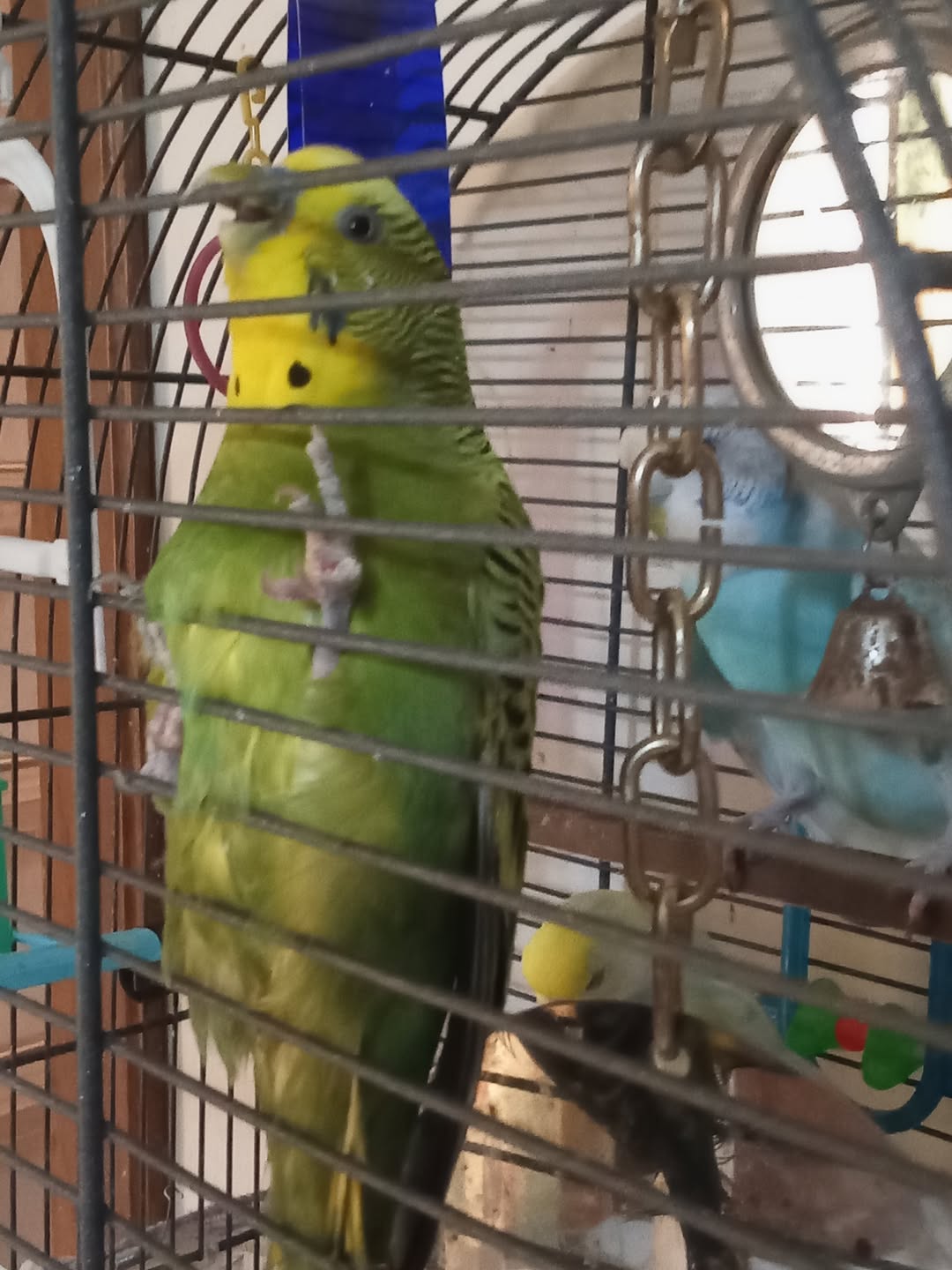
The Mistake In Detail — Why The Position That Was Safe This Morning Is Not Safe Now
Here is the specific mechanism behind the call I described at the start, stated plainly so it is useful rather than just alarming.
Most owners who move a cage during a heatwave do so in the morning. They wake up, they think about the heat forecast, they move the cage away from the window and into what looks like a shaded, cooler position. They feel they have done the right thing. And at nine in the morning, they probably have.
The problem is that the sun moves. In a UK home on a summer day, a room that receives no direct sunlight at nine in the morning may be in direct sunlight by one in the afternoon, depending on which wall the windows are in and what angle the light hits them. A west-facing room that looks perfectly shaded in the morning becomes a direct-sun room from early afternoon onwards. An interior room that feels cool at breakfast, with doors and windows closed, has retained the previous day’s heat through the night and may be adding to it through the morning as the fabric of the house continues to warm.
The owner who moved the cage at nine, checked the bird at ten, found it bright and chatty, and then got on with their Saturday — that owner may not return to the cage until the early afternoon. And in a room that has gone from shaded and relatively cool to sun-facing and thermally loaded over those four hours, the conditions the bird is sitting in are not the conditions that existed when the decision about its position was made.
This is the twenty-minute assumption in its most extended form. The owner assumed — entirely reasonably, based on the conditions at the time of the check — that the position was safe. They did not assume it needed to be re-checked as the day progressed. They did not track which way the sun would move. They did not account for the fact that a room without windows can still heat up significantly through retained thermal load in the fabric of the house. And by the time they came back to check — half an hour later, an hour later — something had changed.
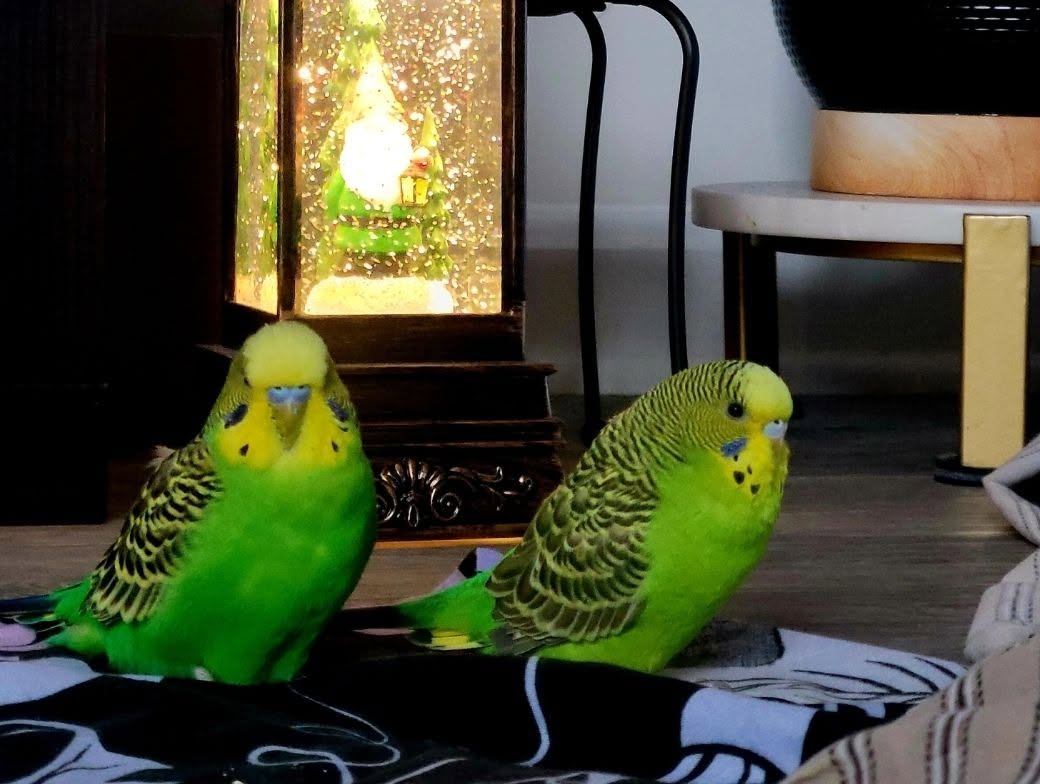
The Specific Positions That Become Dangerous As The Day Progresses
I want to be concrete about which positions are safe in the morning and not safe by afternoon, because that specific knowledge is more useful than a general warning to be careful.
West-facing rooms with any window area become sun-facing from roughly one in the afternoon onwards in a UK summer. A cage in a west-facing room that was moved away from the window at nine o’clock is potentially in direct or near-direct sun by two. This is the most common version of the mistake because west-facing rooms feel perfectly pleasant in the morning and owners correctly identify them as shaded — they are shaded, in the morning. They are not shaded all day.
Rooms adjacent to south-facing conservatories or extensions. Even with the door closed, a room that shares a wall with a conservatory is receiving conducted heat through that wall throughout the day. A room that felt comfortably cool this morning may have had several hours of heat conducted through the shared wall by this afternoon. The cage does not need to be in the conservatory for the conservatory to be the problem.
Upper floor rooms in any direction. Heat rises. A first floor bedroom or study that felt cooler than the ground floor at nine in the morning, because the ground floor was already warm from yesterday, may be the hottest room in the house by midday as rising warm air from the lower floors accumulates at the top of the house. Moving a cage upstairs to get away from a warm ground floor is a mistake that catches people every summer.
Rooms with skylights or roof windows. These are extraordinarily effective at concentrating solar heat, and a room with a south-facing skylight that is not fitted with a blind or cover can reach temperatures that exceed the outdoor reading by fifteen degrees or more in direct summer sun. A cage under or near a skylight in these conditions is not in a protected space. It is in one of the most thermally intense positions available in the house.
Any room with a glass door to a garden or patio. These doors face south or west in many UK homes — they are designed to look onto gardens that are typically south-facing for light. In the afternoon, a glass door in direct sun functions identically to a conservatory wall: it transmits and concentrates solar radiation into the room in a way that a solid wall does not.
What Checking Actually Means — The Sixty-Second Test
I want to give you a test that takes sixty seconds and tells you whether the position needs to change.
Go to the room your bird is in. Stand next to the cage for sixty seconds without moving. Do not check your phone. Do not think about what you were doing before. Stand there and pay attention to three things.
First: do you feel warm within those sixty seconds? Not warm because you just came from outside or have been active — warm from standing still in the ambient air of that room. If you feel warm within sixty seconds of standing still, the room is already above the threshold at which a budgerigar begins to experience thermal stress. The bird’s tolerance is lower than yours. A room that feels warm to you is a room that is already testing the bird.
Second: is there any direct sunlight in the room, falling on any surface, at any angle? Not necessarily on the cage itself — sunlight in the room means sunlight is entering through glass and heating the air and surfaces within it. Even sunlight falling on the far wall from a window on the opposite side of the room is elevating the temperature of that room in a way that matters today.
Third: look at your bird. Is it on its normal perch? Is it holding itself the way it normally does at this time of day? Or is it lower than usual, slightly puffed, or — and this is the sign that tells you to act immediately — breathing with its beak open at all?
If the answer to the first question is yes, move the cage before you do anything else. If the answer to the second question is yes, close the blind or curtain immediately and check the first question again in ten minutes. If the answer to the third question is anything other than “the bird looks and behaves exactly as it normally does at this time of day,” take it seriously now rather than in an hour.
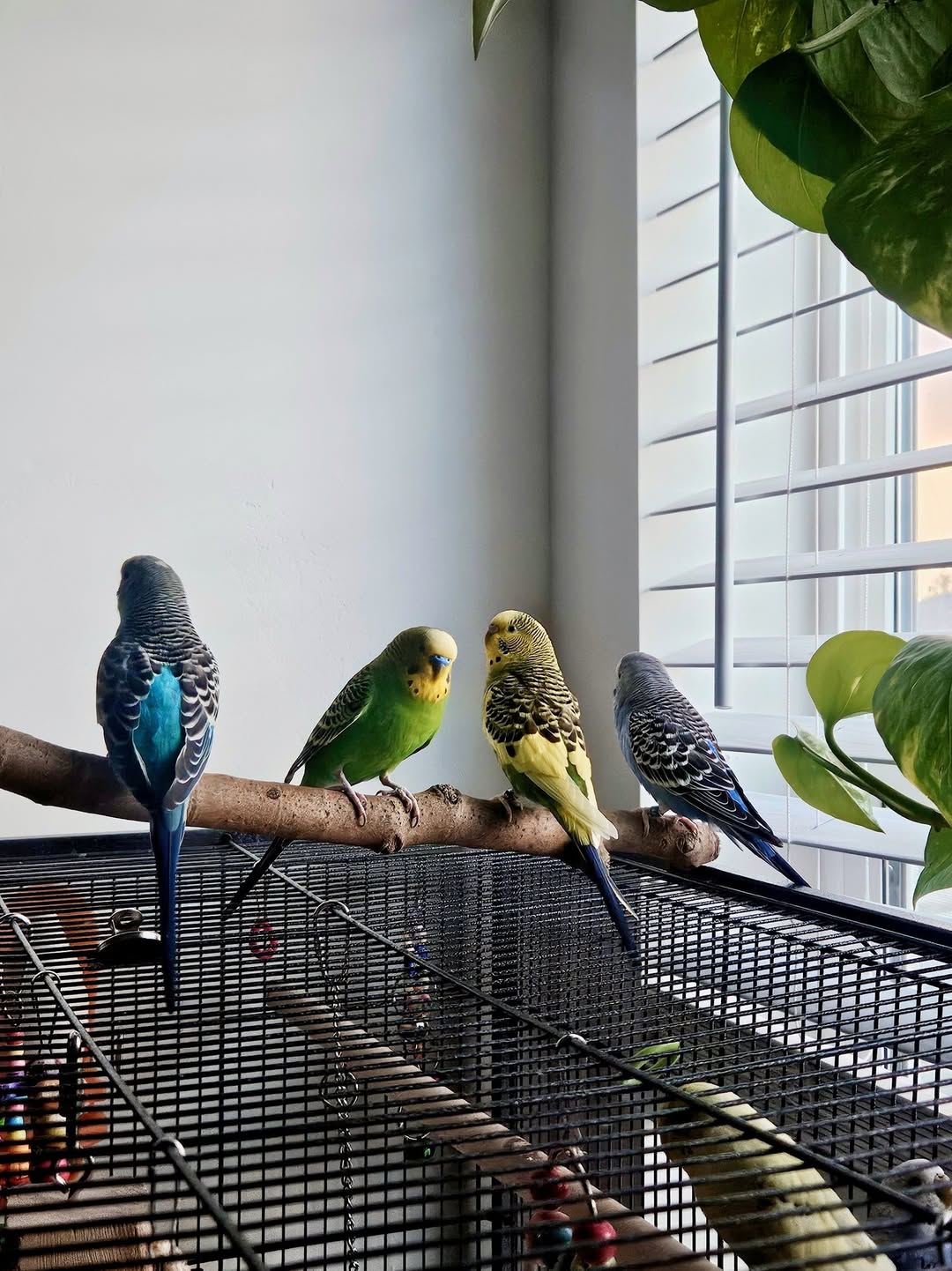
The Signs That Mean You Have Already Left It Too Long
I will keep this brief because if these signs are present, you should not be reading — you should be acting.
Open-beak panting at rest. Not after exercise. At rest, with the beak open, breathing visibly. Move the cage to the coolest room in the house right now. Mist the bird lightly with cool tap water around the head and feet. Put cool water at cage-floor level. Ring an avian vet while you are doing this.
Wings held loosely away from the body at rest, combined with unusual quietness in a bird that is normally vocal. This is the sign that comes before open-beak panting in some birds. It means the bird is already working to shed heat. Act as above.
Bird on the cage floor with no other obvious explanation. Not at the water bowl, not playing — sitting on the cage floor, which is the coolest point in the cage. Move the cage, mist, cool water, vet.
Bird that is unresponsive or barely responding to your presence. This is past the point where home management alone is adequate. Move, mist, cool water, and ring an avian vet immediately. If you are in the Swindon area, ring us on 01793 512400 and we will help you find emergency avian care today.
Do not cool aggressively. Cool tap water, not iced. Gentle misting, not immersion. Gradual reduction in temperature is what the bird’s body can handle. Rapid cooling causes shock that compounds the problem.
What Today Actually Requires — The Honest Version
I said at the start that the mistake I see most often is not the obvious one — not the bird left all day on a windowsill by an owner who was not paying attention. It is the bird whose owner moved the cage in the morning, made a reasonable decision based on the conditions at the time, and then stopped actively managing the situation as the day progressed.
What this heatwave requires — today, Sunday 29 June 2026, with eastern England still in the low thirties and amber warnings retained for cumulative retained heat — is not a single decision made at breakfast. It is a series of decisions made every two hours as the sun moves, as the room temperature changes, and as the conditions your bird is sitting in evolve throughout the day.
That is not a large ask. It is a check that takes sixty seconds. But it requires understanding that the decision you made at nine o’clock does not cover the situation at one o’clock, and that the bird in your care cannot make that check itself.
Thirty-five years at this counter has taught me that the owners who lose birds in a heatwave are not, in the vast majority of cases, people who did not care. They are people who cared, made a decision, and thought the decision had been made. The heatwave that broke June records three days in a row this week does not allow for a decision made once in the morning. It requires the decision to be made again, and again, and again, as the day unfolds.
Make it. Every two hours. Today.
Frequently Asked Questions
How often should I check my bird’s cage position in a heatwave?
Every two hours, minimum, during the hottest part of the day — typically between eleven in the morning and four in the afternoon. The sixty-second test I describe in this article takes less time than it took to read this sentence. Do it at eleven, one, and three at minimum, and whenever you return to a room you have been out of for more than twenty minutes.
Is a north-facing room always safe?
A north-facing room with no large glazing is the safest option in most UK homes during a summer heatwave, because it does not receive direct sunlight at any point during the day. However, after a week of sustained heat with tropical nights, even a north-facing room in a well-insulated house can be warmer than you expect due to retained thermal load. Apply the sixty-second test regardless. The room being north-facing does not exempt it from the check — it makes it more likely to pass the check than alternatives, not certain to.
My bird seems fine but the room feels warm. Should I still move the cage?
Yes. By the time a bird shows heat stress signs, it has typically been managing thermal load for some time. The instinct to conceal discomfort that makes birds difficult to read in illness applies equally to heat stress — the bird continues to appear well until it can no longer sustain the effort. A room that feels warm to you is already above the threshold at which a budgerigar begins to experience stress. Move the cage to a cooler room and you have spent thirty seconds on something that matters. Stay with the cage in the warm room and you are relying on the bird’s concealment instinct not to fail before you notice.
How do I cool a room down quickly if I cannot move the cage right now?
Close every blind, curtain, or shutter on sun-facing windows immediately — this alone reduces solar gain significantly. Use a fan to circulate air in the room without pointing it directly at the cage. If the outdoor temperature is lower than the indoor temperature — which is possible in the evening as heat eases — open windows on the shaded side of the house to draw cooler air in. But if the cage can be moved, move it. Cooling the room around the cage is second-best to placing the cage in the coolest available room. The quickest and most effective intervention is always relocation.
Is it safe to take my bird outside in the garden this weekend to give it fresh air?
Not in direct sun, not between eleven and four, and not without shade available at all times. If you take a bird outside, it must have complete shade available, fresh water at a reachable height, and your presence throughout. Do not leave it unattended outside for any period. The thermal conditions outside in direct sun at these temperatures are more extreme than inside almost any room in your house. If the goal is fresh air and stimulation, early morning before nine — when temperatures are lower and direct sun is limited — is the appropriate window on a day like today.
Worried About Your Bird In This Heat? Ring Us Now.
We are open today. If your bird is showing any sign of heat stress, or if you are not certain whether the position it is in right now is safe, ring us before you wait to see what happens. A call made early is worth a great deal more than one made after something has gone wrong.