
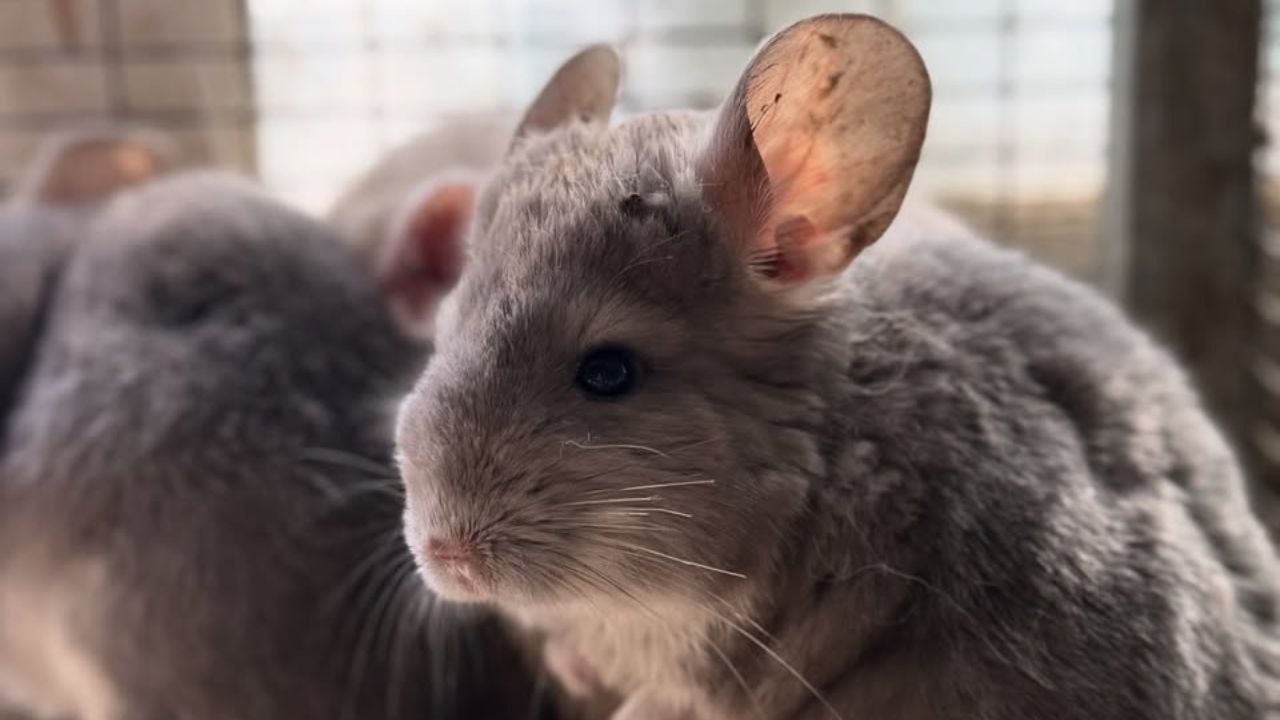

Neil has advised small-animal owners in Swindon for more than 35 years. Recent reports of chinchillas kept in a cupboard are a sharp reminder that exotic small pets need proper space, light, airflow and enrichment.
Chinchillas are sometimes misunderstood because they are small.
Small does not mean simple. Small does not mean they can be shut away. Small does not mean a basic cage in a dark corner is enough.
Recent reporting on a welfare case described chinchillas kept in cages inside a cupboard. I am not writing this to shock people. I am writing it because chinchillas are exactly the kind of animal that can be bought without enough understanding.
They are active, sensitive, intelligent animals with very specific needs. If those needs are ignored, welfare falls apart quietly.
Why Cupboards And Dark Corners Are A Welfare Problem
An animal kept in a cupboard has limited light, poor airflow and little connection to a normal household routine. For chinchillas, that is not suitable welfare.
Chinchillas need a secure enclosure, but they also need space to move, jump and behave naturally. They need a calm environment, not isolation in a stale, hidden space.
They are also sensitive to heat. Poor airflow and enclosed spaces can become dangerous during warm weather.
What Chinchillas Actually Need
- Space to move vertically
Chinchillas are agile and need a suitable enclosure with safe levels and jumping space. - Good ventilation
Stale, enclosed air is poor welfare, especially in summer. - Safe light and routine
They should not be hidden away in darkness all the time. - Chewing and enrichment
Safe chew items, shelves and stimulation help prevent boredom and stress. - Correct diet
Their digestive system needs appropriate high-fibre food, not random treats. - Dust baths
Chinchillas need proper dust-bath access as part of coat care.
The Heat Risk Owners Underestimate
Chinchillas have dense coats and can struggle in hot conditions. A room that feels merely warm to a person can be uncomfortable for a chinchilla.
Do not keep a chinchilla in a conservatory, cupboard, sun-facing room or poorly ventilated space. During hot weather, monitor the room carefully and speak to a vet if you are worried about heat stress or unusual behaviour.
Neil’s Chinchilla Setup Checklist
- Is the enclosure large enough?
A cramped cage is not suitable for an active animal. - Can the chinchilla jump and use levels safely?
Vertical space matters, but it must be safe. - Is the room cool and ventilated?
Avoid warm, stuffy or enclosed spaces. - Is there a dust-bath routine?
Coat care is part of welfare, not decoration. - Can you afford specialist vet care?
Exotic pets may need a vet with suitable experience.
Why Enrichment Is Not Optional
Enrichment is not just something extra to make a cage look nice. It gives the animal ways to chew, investigate, move and stay occupied.
Without enrichment, small animals can become stressed, inactive or frustrated. With chinchillas, chewing is also a natural behaviour. Owners must provide safe materials and avoid unsafe items.
What Owners Often Get Wrong
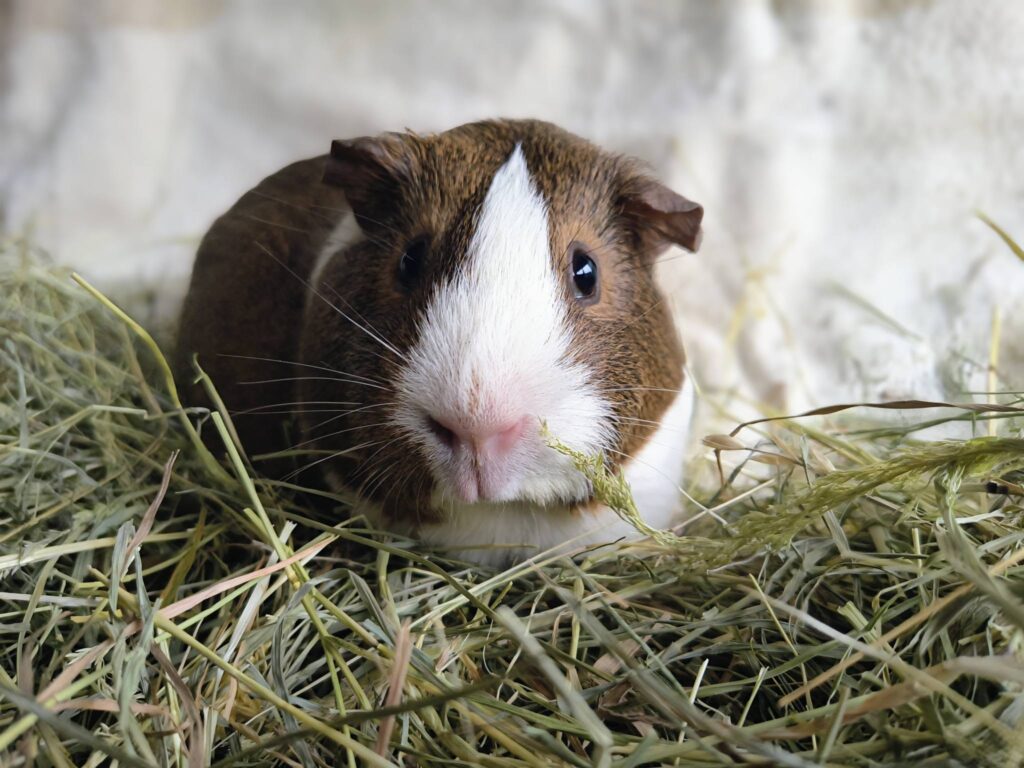
The first mistake is assuming a chinchilla is similar to a hamster or guinea pig. It is not. The second mistake is buying the animal before the correct setup is ready. The third is underestimating heat.
If you cannot provide suitable housing, cooling, diet, enrichment and veterinary access, do not buy a chinchilla yet.
Neil’s Honest Advice
Chinchillas can be fascinating animals in the right home, but they are not casual starter pets. The setup comes first.
If a pet needs to be hidden in a cupboard, squeezed into a small cage or kept somewhere with poor airflow, the answer is not “make do.” The answer is to change the setup before the animal suffers.
Need Honest Small-Pet Advice In Swindon?
Before buying a small pet, speak to Neil at Paradise Pets Swindon. We can help you think through enclosure size, bedding, diet, enrichment, heat risk and whether the species suits your home.
Sources
⭐ Customer Reviews
Amazing Bird Selection
Had a lovley visit today,staff were very friendly and very helpful,such a great petshop,their selection of birds is incredible,really impressed,thank so much to the staff at Paradise Pets

Friendly Helpful Staff
I have been coming to this place for years and they have a great stock of food for all types of pets. Have a great selection of small mammals and a lot of birds. Staff are friendly and helpful.

Great Quality Hutch
Bought a guinea pigs hutch and run combo, very happy with the service, the hutch was put in my car for me without even asking for help. The wood quality is very good, the instructions easy to follow and we are extremely happy with the fully built hutch. A good size for 2 guinea pigs

Response from Paradise Pets | Wiltshire
Thank you Melanie Latus Nice to provide services to you.
Best Bird Shop Around
It’s the best pet shop in and around Swindon. They always have an amazing selection of birds and all you need to keep them happy. I keep birds myself and the guys there are happy to answer questions and really know their stuff. I have seen budgies etc. in chain pet shops in the area looking really unhealthy and ill – I wouldn’t go anywhere else than Paradise Pets for animals.

Highly Recommended Bird Shop
I could not praise this shop enough. Really helped my Grandson buy his first bird and he’s loving it. Travelled from Somerset and was welcomed with open arms.

Great Shop with Competitive Prices
Great shop with amazing selection for small animals, hamsters, mice ect, highly recommend!
Also has a great selection for dogs & cats too & very competitive prices! 💖

