

Neil has run Paradise Pets Swindon since 1988 — over 35 years of selling pet birds and watching, alongside that trade, what has been happening to wild birds around the world. The latest IUCN data shows 61 per cent of bird species in decline globally. The race to save the world’s rarest birds has never been more urgent. This is his honest account of what he thinks that means for every person in the UK who keeps a bird at home — and the debt he believes the pet bird community owes to the birds that exist nowhere near a cage.
I want to tell you about the São Tomé Grosbeak.
It is a bird found only on a single small island in the Gulf of Guinea. It was not seen by scientists for more than a century — genuinely believed by some researchers to have been lost entirely — until it was rediscovered in a fragment of remaining forest in 1991. Today, in 2026, fewer than 250 adult individuals are believed to remain. The entire surviving population of this species fits into a space considerably smaller than the town of Swindon.
I think about that bird sometimes when I am at this counter. Not constantly — there is too much else to attend to. But sometimes. Particularly when someone comes in excited about their new budgerigar, or when a pair of cockatiels goes home with a family, or when the counter gets busy on a Saturday morning with people buying seed and feeders and cuttlebone and the ordinary supplies of ordinary bird keeping.
I think about it because the people at this counter are part of a community — the pet bird community, three million birds kept across UK homes — that has a relationship to the world of birds that is more complicated than most of us ever articulate. We love birds enough to keep them. We find them fascinating enough to study their habits, their health, their personalities. We invest time and money and genuine care into the animals that share our homes.
And the question I want to ask, in this article, is what that love and that investment obliges us to do for the birds that are not in our homes. The ones that are in forests we will never visit, on islands we will never see, in habitats that are disappearing at a pace that makes the race to save them feel — at least from where I am standing — genuinely urgent in a way that deserves more of our attention than it currently receives.
What Is Actually Happening To Wild Birds In 2026 — The Honest Numbers
I am going to give you the numbers plainly, because I think they deserve to be stated plainly rather than softened.
The IUCN Red List, updated in early 2026, now covers 172,620 species, of which 48,646 are assessed as threatened with extinction. For birds specifically, 61 per cent of species are now in decline globally. Not all of those are critically endangered — decline covers a wide spectrum — but the direction is consistent and it has been consistent for the decades I have been in this trade.
There are currently 223 bird species classified as Critically Endangered on the IUCN Red List. Of those, 19 are assessed as possibly extinct or possibly extinct in the wild. The Global Birdfair 2026, held this year with a focus on birds in São Tomé, is supporting BirdLife International’s conservation work on the Dwarf Ibis, the São Tomé Grosbeak, and Newton’s Fiscal — three species found nowhere else on Earth, all listed as Critically Endangered, the Grosbeak with perhaps 250 adults remaining.
The Search for Lost Birds project — a partnership between American Bird Conservancy, Re:wild, and BirdLife International — published its 2026 update to the Lost Birds List. In hopeful news, five species “missing” for more than a decade were rediscovered in 2025. In February 2026, two French birders photographed the rusty bush lark in Chad — a species not documented by scientists for 94 years. That is genuinely remarkable and I do not want to dismiss it.
But the 2025 update also brought sobering news: the slender-billed curlew was declared extinct. A migratory shorebird, last documented in 1995, confirmed gone. Six new species were added to the Lost Birds List in 2026, each an island species, each unseen for at least a decade. The Mindoro bleeding-heart, last photographed in 2005. The Mindoro imperial pigeon, last documented in 2016. Added to a list from which some species are eventually recovered — and from which others simply disappear.
That is the context. That is what is happening to wild birds while three million of them live in UK homes and another few hundred sit on the shelves behind me waiting to go home with someone on a Saturday morning.
The Connection Between The Cage And The Forest
I want to be careful here, because this is where a certain kind of argument becomes uncomfortable and I think the discomfort is often what prevents the argument from being heard.
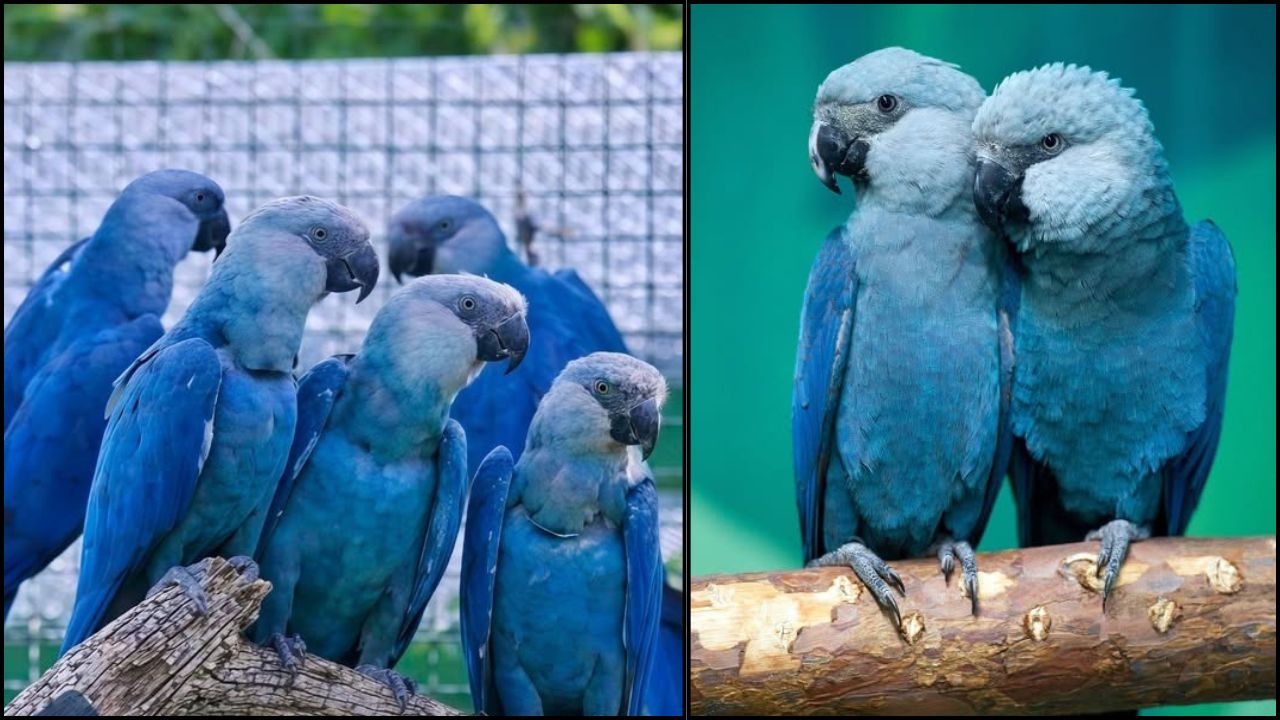
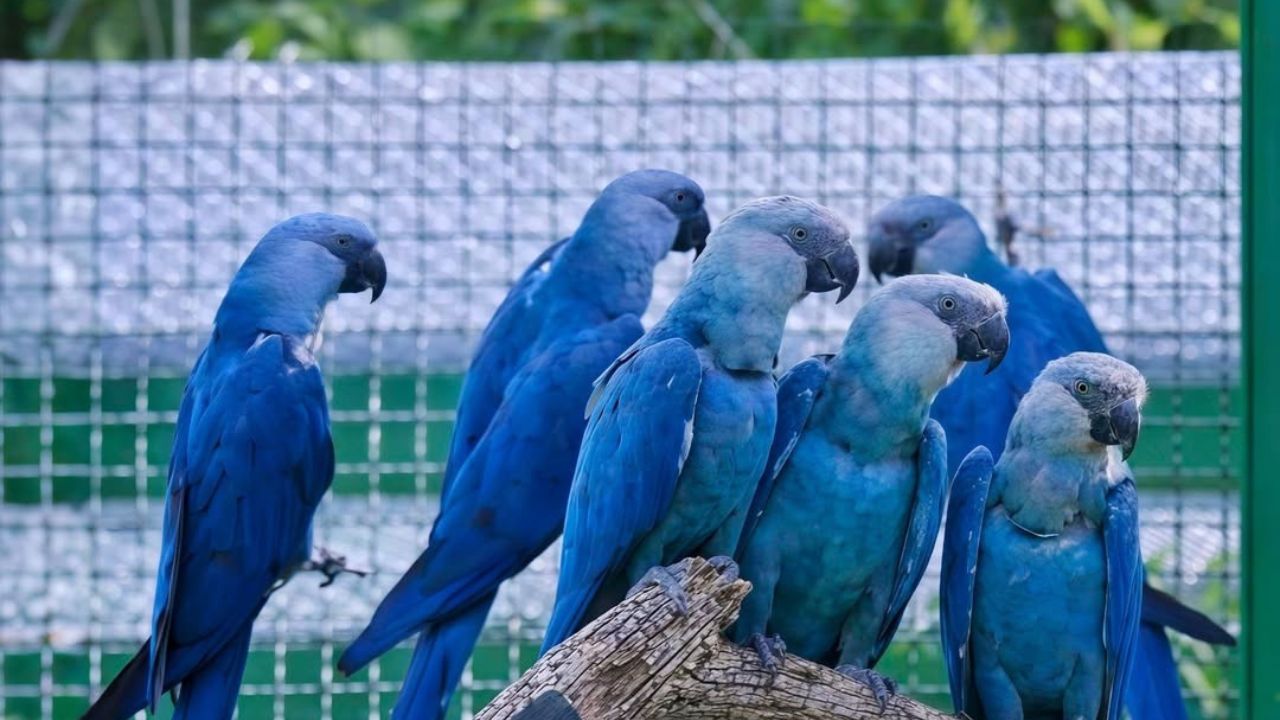
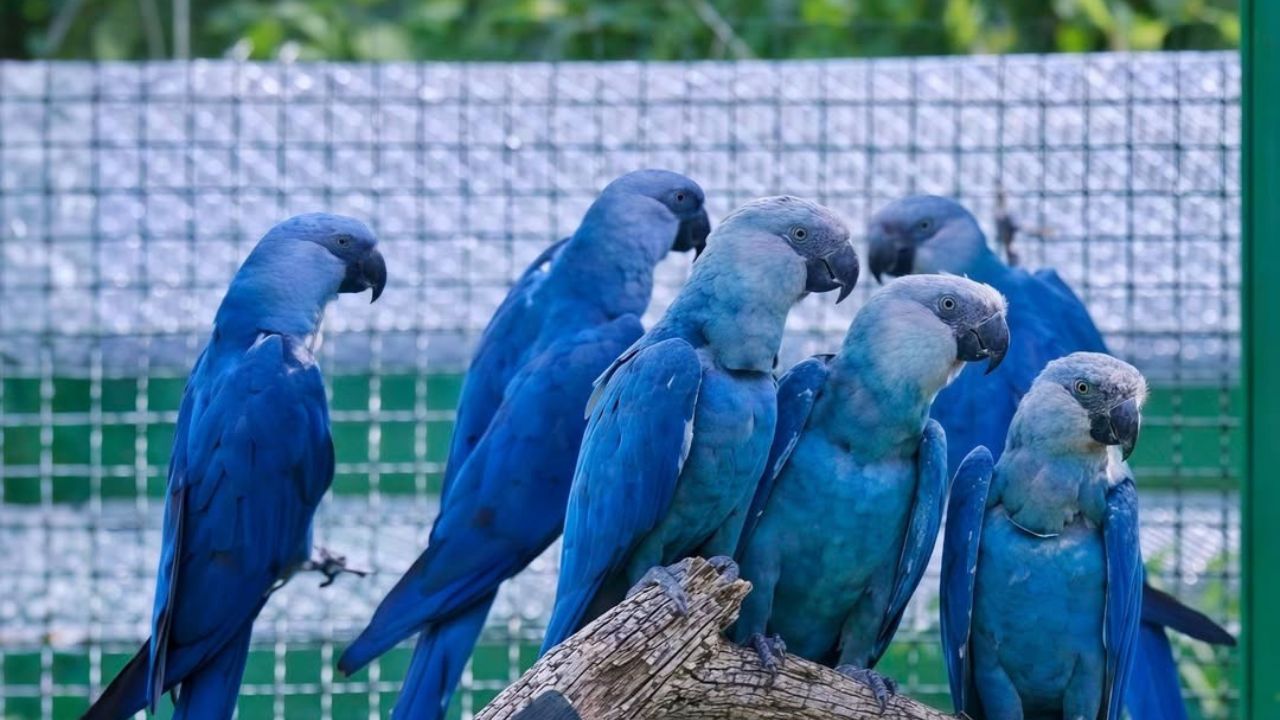
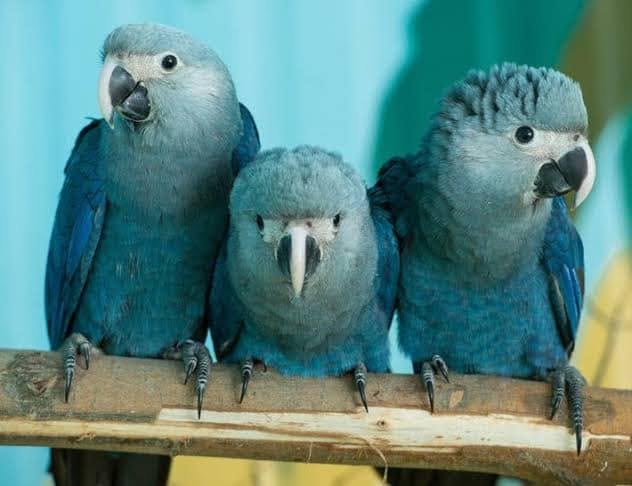
The illegal wildlife trade is real, it is damaging, and it has contributed directly to the extinction crisis. The Spix’s Macaw — the vivid cobalt-blue Brazilian parrot that most people know from the animated film Rio — was declared extinct in the wild in 2019. Illegal trapping for the exotic pet trade was a significant contributor to its decline, alongside habitat loss. Around 180 individuals survive in captive breeding programmes. Reintroductions to their native habitat in Brazil began in 2022, and there have been genuine signs of progress — chicks born in the wild, populations establishing tentatively in restored habitat.
But I am not standing at this counter selling Spix’s Macaws, and the people buying budgerigars from me on a Saturday are not involved in illegal wildlife trafficking. The connection I want to draw is not that one. It is a different and I think more interesting one.
The people who keep pet birds — who invest time and money in understanding bird behaviour, bird health, bird nutrition, bird welfare — are people who have, through that investment, developed a relationship with birds that most of the general public does not have. They notice things about birds. They understand things about birds. They have a stake in birds as living things that is qualitatively different from the stake held by someone who simply enjoys birds in a garden or on a television programme.
That relationship — that specific, informed, invested relationship with birds — is exactly what the conservation community needs more of. Not the money particularly, though that matters. The understanding. The advocacy. The willingness to connect what someone knows about their budgerigar’s behaviour to what that knowledge means for the birds that are disappearing from forests in Brazil, the Philippines, and the Gulf of Guinea.
The pet bird community has something to offer the conservation of wild birds that no other community quite has. The question is whether it is offering it.
The Kakapo — A Story Worth Knowing
I want to spend a moment on the Kakapo, because it is one of the conservation stories of our time and because I think it illustrates something about what is possible when knowledge, commitment, and genuinely caring attention are brought to bear on a species that is very nearly gone.
The Kakapo is the world’s only flightless parrot. It is also the heaviest parrot on Earth. It is nocturnal. It smells, according to the scientists who work with it, like flowers — a sweet, musty scent unlike anything else in the bird world. It can live for up to 90 years, making it one of the longest-lived birds on the planet. It is, by any reasonable measure, one of the most extraordinary animals that has ever existed.
In the 1990s, there were approximately 50 Kakapo left alive. The species was functionally extinct. The only reason there are any Kakapo at all today is that a small group of conservation scientists, rangers, and support personnel decided that the bird would not be allowed to disappear — and then spent decades making good on that commitment in the most specific, personal, and intensive way imaginable.
As of 2026, there are 235 Kakapo. Every single one is individually named. Every single one is individually monitored. In 2026, New Zealand celebrated its biggest ever Kakapo breeding season, with at least 95 chicks hatching — a record that represents the direct result of decades of painstaking, daily, specific attention to 235 individual animals.
I find that story genuinely moving, and I tell it here because the people who kept the Kakapo alive did something that every person who keeps a pet bird already understands how to do. They paid attention. They learned individual behaviour. They noticed when something was different. They acted on what they noticed. The skills that make a good bird keeper — patience, observation, daily routine, noticing deviations from normal — are the same skills that saved the Kakapo from extinction.
The scale is different. The stakes are higher. The habitat is a predator-free island rather than a living room in Swindon. But the fundamental orientation — looking at a bird as an individual worth knowing, attending to its specific needs, noticing what others would miss — is the same orientation. And it matters.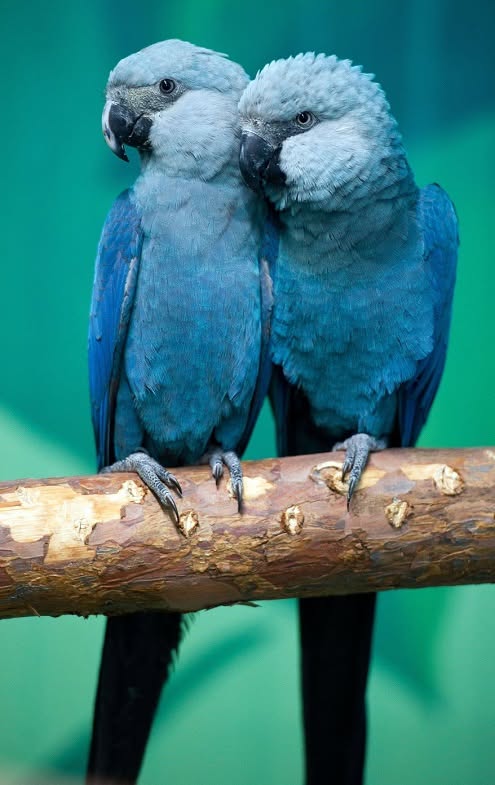
What I Think The Pet Bird Community Owes Wild Birds
I said in the title of this article that I want to talk about what pet bird owners owe wild birds, and I want to be specific about that rather than vague. “Owe” is a strong word and I am using it deliberately, because I think the relationship between the pet bird community and the conservation of wild birds is one of genuine obligation rather than optional generosity.
Here is why. The budgerigar in a cage in a UK living room is not a wild budgerigar. It has been bred in captivity for generations and the relationship between the captive budgerigar and its wild counterpart in Australia is not a direct one. But the person keeping that budgerigar has, through the experience of keeping it, developed something that has direct value to the birds that exist outside any cage — an understanding of what birds are, what they need, and why they matter that is deeper than most people in the world will ever develop.
That understanding is a resource. It is a resource the conservation community needs. And I think the pet bird community has an obligation — not to be exploited, not to be guilt-tripped, but a genuine moral obligation — to make that resource available rather than keeping it entirely within the confines of their own hobby.
Concretely, I think this means three things. The first is awareness — actually knowing what is happening to wild birds, beyond the general sense that things are not going well. The numbers I gave earlier in this article are the kind of numbers worth knowing and worth sharing. The story of the São Tomé Grosbeak, the Kakapo, the Spix’s Macaw, the slender-billed curlew — these are not obscure conservation footnotes. They are the direct context for the interest in birds that the pet bird community has cultivated.
The second is financial support — small amounts, consistently, to the organisations doing the work that the numbers demand. BirdLife International, the Royal Society for the Protection of Birds, the Global Birdfair, the Search for Lost Birds project, and the specific species recovery programmes that depend on donations from people who care enough to give them. The pet bird community collectively spends a significant amount each year on seed, equipment, veterinary care, and the ongoing costs of keeping birds well. A fraction of that redirected to conservation would be meaningful. Not transformative in isolation — but meaningful, and collectively significant.
The third is advocacy — being willing to use the knowledge and the passion that bird keeping builds to speak publicly about what is happening to wild birds, in conversations with people who do not keep birds and who may not know the extent of the decline. The person who knows their budgerigar well enough to recognise early illness signs is the person who has the credibility to explain, to a friend or a neighbour or a family member, why the loss of a species like the Grosbeak or the Kakapo is not an abstract conservation statistic but a specific, irreversible loss of something that cannot be replaced.
The Things That Are Actually Working — Because There Is Reason For Hope
I do not want to leave this article at the level of obligation and loss, because the picture is not only that. There are things that are working, and they deserve to be said clearly because the case for engaging with conservation is stronger when it includes the evidence that engagement produces results.
The Kakapo population has grown from 50 to 235 in the decades since intensive management began. The 2026 breeding season, with 95 or more chicks, represents the largest single-season increase in the species’ recorded history. That is not a small thing. That is the direct result of specific, committed, sustained effort by people who decided the bird would not be allowed to disappear and then did what was necessary to make good on that decision.
The Spix’s Macaw, declared extinct in the wild in 2019, has been returned to its native habitat in Brazil. Chicks have been born in the wild. The story is not over and the outcome is not certain — but the direction is better than it was five years ago, and it is better because of the captive breeding programme that preserved the genetic diversity of the species through the decades when wild individuals no longer existed.
Five species that had not been documented for a decade or more were rediscovered in 2025. A species not seen for 94 years was photographed in Chad in February 2026. These rediscoveries are not proof that everything is fine — the species are on the Lost Birds List because they are rare and in danger, and being found does not immediately mean being saved. But they are proof that the world still holds birds we thought were gone, and that looking for them — systematically, with proper resources and commitment — can find them.
Community engagement is producing results in places where top-down conservation approaches have previously struggled. The BirdLife International project in São Tomé worked with local hunters — 75 of whom joined as “Agents of Change” — to locate rare species and report illegal hunting. The Kakapo recovery programme engages volunteers who assist with monitoring and nest management. The Search for Lost Birds project uses a global network of birders and photographers whose local knowledge and presence can identify a species that a formal scientific expedition might miss.
The model that is working is people with specific knowledge and genuine investment taking specific actions. That description fits the pet bird community as well as it fits any other group involved in conservation. The question is whether the community recognises itself in it.
What This Looks Like From This Counter
I want to bring this back to the specific and the local, because this is a counter in Swindon rather than a conservation organisation in London or a field station in the Pacific, and the conversation I am trying to have is one that starts with what is actually available rather than what is theoretically ideal.
The RSPB is the largest wildlife conservation organisation in the UK and one of the largest in Europe. Its membership supports conservation work in the UK and internationally. Its Big Garden Birdwatch, which I have mentioned elsewhere on this site in the context of the ring-necked parakeet data it has generated, is one of the largest citizen science surveys in the world. If you keep birds and you are not a member of the RSPB, I would ask you to consider it. Not as a substitute for the specific species conservation I have described, but as a baseline of engagement with the UK’s own declining bird populations — the greenfinch, down 67 per cent since 1979, the chaffinch, the bullfinch — that connects the birds in your living room to the birds outside your window.
BirdLife International is the global network working at the species level on exactly the birds I have described in this article. The Global Birdfair 2026, which it is co-organising, raises funds directly for species conservation in São Tomé and similar projects. The Search for Lost Birds project accepts support from individuals who want to contribute to the specific, targeted work of finding and recovering species before they are gone.
The Wildfowl and Wetlands Trust, the Wildlife Trusts, and other UK-based conservation organisations do work that connects directly to wild bird populations in the habitats closest to where most UK bird owners live. Supporting local conservation is not a lesser version of supporting international conservation — it is part of the same picture, and it is often the part that is most directly within reach.
None of this requires a significant financial commitment. A membership, a donation, a contribution to a specific project that happens to involve a species you find compelling — these are acts available to anyone who cares enough to make them. What I am asking for is not sacrifice. I am asking for the translation of care that the pet bird community already has — care that it demonstrates daily in the way it looks after its animals — into the slightly wider frame of what it means to care about birds as a category of living thing rather than as individuals in a cage.
Frequently Asked Questions
Does keeping a pet bird contribute to wild bird decline?
For species bred in captivity for generations — budgerigars, cockatiels, canaries — the connection to wild populations is indirect and the direct impact on wild birds is minimal. The illegal wildlife trade is a genuine conservation concern, but it operates in the space of wild-caught animals and species not bred in captivity, rather than the captive-bred species that make up the great majority of the UK pet bird market. The ethical obligation I am describing in this article is not about guilt for keeping a captive-bred bird. It is about the responsibility that comes with the knowledge and investment that bird keeping builds.
Which conservation organisations should a pet bird owner consider supporting?
The RSPB is the natural starting point for UK-based bird conservation. BirdLife International covers global work including the species I have described. The Wildfowl and Wetlands Trust focuses on wetland and migratory bird species. The Search for Lost Birds project addresses the specific crisis of species that have not been documented in a decade or more. The Global Birdfair raises funds for specific conservation projects each year — in 2026, it is focused on São Tomé. Supporting any of these is a meaningful act. Supporting the one that connects most directly to the birds you care most about is the most sustainable long-term engagement.
How does the Big Garden Birdwatch connect to global bird conservation?
The RSPB’s Big Garden Birdwatch generates data on UK wild bird populations — the same data that has documented the 67 per cent decline in greenfinch numbers since the survey began in 1979, and the data that informed the RSPB’s new feeding guidance for 2026. Citizen science surveys of this kind are one of the most cost-effective tools available to conservation — they produce population data at a scale and resolution that funded scientific programmes could not replicate, using the distributed knowledge and presence of people who are already watching birds in their gardens. If you have a garden and you have not participated in the Big Garden Birdwatch, I would encourage you to consider it.
Is the situation for wild birds as serious as the numbers suggest?
I will not understate it or overstate it. The numbers are serious — 61 per cent of species in decline, 223 critically endangered, species being declared extinct. At the same time, the conservation successes I described in this article are real — the Kakapo recovery, the Spix’s Macaw reintroduction, the rediscoveries of species feared lost. The picture is serious and the situation is urgent, and simultaneously, the evidence shows that committed, targeted, sustained effort produces results. The conclusion I draw from that is not complacency and not despair. It is that the effort matters, the support matters, and the people who choose to engage rather than not engage are choosing to contribute to outcomes that are not yet determined. The São Tomé Grosbeak does not have to go the way of the slender-billed curlew. Whether it does depends in part on whether enough people who care about birds make that specific bird a priority.
Can I bring my children into this — make conservation part of how we talk about birds at home?
Yes, and I would encourage it. I have written elsewhere on this site about what pet birds teach children — the observation skills, the empathy, the patience. The story of the Kakapo is the story of those same skills applied at the largest possible scale and the highest possible stakes. A child who loves their budgerigar and who learns, through that love, about the 235 Kakapo whose individual survival is being tracked by name on predator-free islands in New Zealand, has been given a connection between what they already care about and what the world needs people to care about. That connection, made early, is one of the more valuable things a parent can offer a child who is already paying attention to birds.
One Last Thing
I began this article with the São Tomé Grosbeak — a bird that exists in a fragment of forest on a small island, in a population of fewer than 250 adults, that most of the people who will read this article will never see and would not previously have known about.
I want to end with it too. Not because it is the most charismatic bird on the IUCN Red List, or the most visually striking, or the one with the most compelling recovery story. But because it is a bird that is about to be known by slightly more people than knew about it before this article was written, and because slightly more people knowing about it — and caring about it — is exactly the kind of thing that shifts the odds for a species with 250 adults remaining.
The people who read this site keep birds. They know more about birds than most. They are, in my view, exactly the people who should know about the São Tomé Grosbeak, the Kakapo, and the slender-billed curlew that is already gone. And they are exactly the people whose knowing, and caring, and acting on that caring, can make a difference that the general public — which does not have the baseline of bird knowledge that pet bird owners have — cannot quite make in the same way.
That is the debt I think we owe. And I think, honestly, it is one we are capable of paying. Come and talk to us if you want to know more about any of the species or organisations I have mentioned, or simply about how the experience of keeping the birds we sell connects to the wider picture of what birds are facing in the world outside this shop.
Want To Talk About Birds — Wild and Kept? Come And Find Us.
After 35 years at this counter, the conversation about birds goes in many directions. The species on our shelves are part of a much bigger picture, and we are always glad to talk about what that picture looks like and what our community of bird keepers can do for the birds that exist outside any cage.
⭐ Customer Reviews
Amazing Bird Selection
Had a lovley visit today,staff were very friendly and very helpful,such a great petshop,their selection of birds is incredible,really impressed,thank so much to the staff at Paradise Pets

Friendly Helpful Staff
I have been coming to this place for years and they have a great stock of food for all types of pets. Have a great selection of small mammals and a lot of birds. Staff are friendly and helpful.

Great Quality Hutch
Bought a guinea pigs hutch and run combo, very happy with the service, the hutch was put in my car for me without even asking for help. The wood quality is very good, the instructions easy to follow and we are extremely happy with the fully built hutch. A good size for 2 guinea pigs

Response from Paradise Pets | Wiltshire
Thank you Melanie Latus Nice to provide services to you.
Best Bird Shop Around
It’s the best pet shop in and around Swindon. They always have an amazing selection of birds and all you need to keep them happy. I keep birds myself and the guys there are happy to answer questions and really know their stuff. I have seen budgies etc. in chain pet shops in the area looking really unhealthy and ill – I wouldn’t go anywhere else than Paradise Pets for animals.

Highly Recommended Bird Shop
I could not praise this shop enough. Really helped my Grandson buy his first bird and he’s loving it. Travelled from Somerset and was welcomed with open arms.

Great Shop with Competitive Prices
Great shop with amazing selection for small animals, hamsters, mice ect, highly recommend!
Also has a great selection for dogs & cats too & very competitive prices! 💖

