
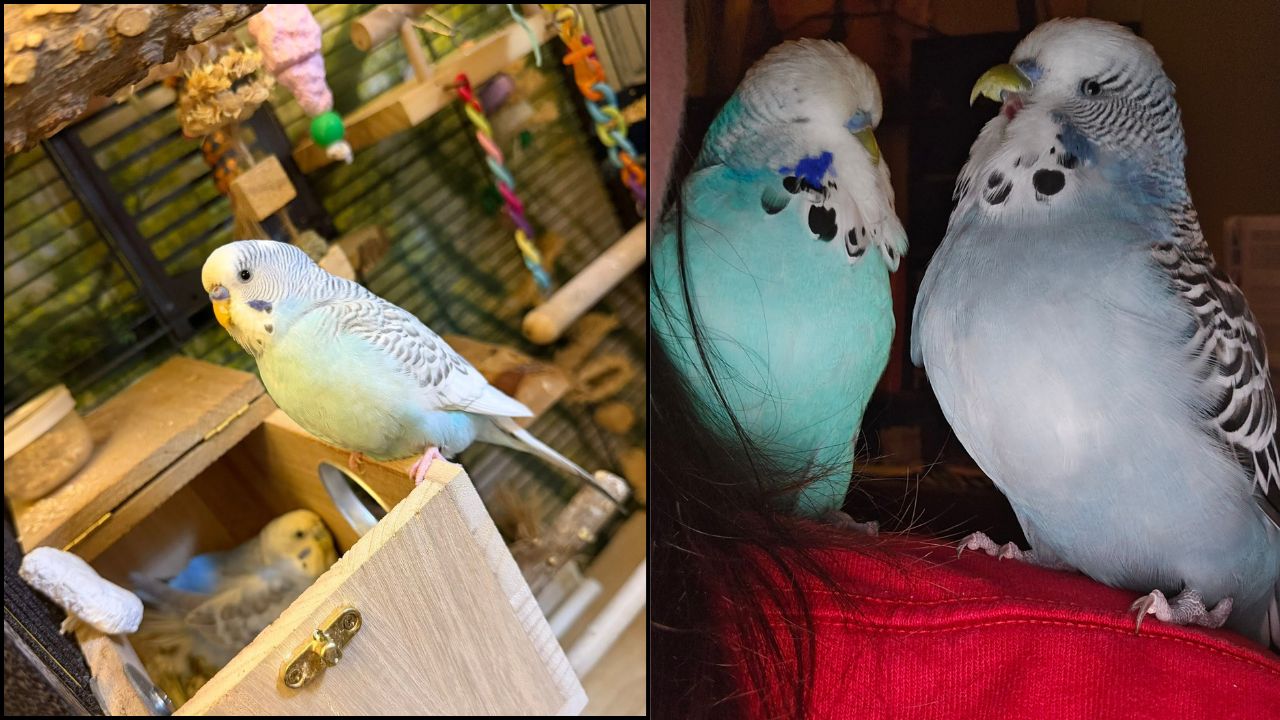

Neil has run Paradise Pets Swindon since 1988 — over 35 years of watching what happens at the counter in the weeks after school breaks up. Summer holidays in England begin around 20 July 2026 for most schools, with Scotland already six weeks into its break. The phone enquiries and walk-ins have already started. This is his honest account of what he says to every family that comes through the door during this particular surge — and the one question he always asks before anything else.
It starts before the school holidays officially begin. The phone rings on a Tuesday afternoon, three days before most schools in England break up, and a parent wants to know whether we have budgies in and what they cost. By the time the first Monday of the holidays arrives, the enquiries are coming in steadily — in person, by phone, by email. Families who have been talking about getting a bird since Easter. Children who have decided, with the conviction that only a child with six weeks stretching ahead of them can muster, that this is the summer it is going to happen.
I do not say any of this to be dismissive of those families or those children. The impulse behind the enquiry is, in most cases, entirely genuine. The desire to give a child an animal, to fill the summer with something more lasting than a holiday club or a screen, to do something that the family will look back on as the summer they got a bird — that is a good impulse and I respect it.
But 35 years of watching what happens after the summer enquiry has taught me something that no amount of enthusiasm at the counter can replace. And it has taught me that the families who do well — whose birds thrive, whose children form the relationships I have written about elsewhere on this site, who are still coming back to buy food and equipment three years later — are almost always the families who can answer one specific question honestly before the bird goes home with them.
Not the questions most parents expect me to ask. Not about cage size, or diet, or which species suits a beginner. Those questions matter and we will get to them. The one question I ask first is a different one entirely, and it is the one that tells me more about how this is going to go than any other single piece of information.
Why The School Holiday Surge Is Different From Any Other Time Of Year
The summer holiday period is not like other times of year in the pet trade. The enquiries that come in during July and August are different in character from the ones that come in during the rest of the year, and it is worth being honest about why.
During term time, the families who come in to buy a bird have almost always been thinking about it for a while. They have done some research. They have had the conversation at home more than once. They have some sense of what keeping a bird involves, even if the specifics need filling in. The decision to come in has been deliberate rather than spontaneous.
During the school holidays, a significant proportion of the enquiries are made by families who have had the conversation for the first time that morning. The child asked at breakfast. The parent, with six weeks of holiday stretching ahead and a child who needs something to engage with, thought it was worth looking into. By afternoon, they are standing at my counter.
That is not wrong. Some of the best long-term customers I have come from exactly that kind of spontaneous beginning. The difference is in what happens next — whether the spontaneous enquiry becomes a properly considered decision, or whether it becomes a purchase made on the momentum of the child’s enthusiasm before the questions that matter have been asked and answered.
The summer holiday period also compresses the timeline between enquiry and decision in a way that the rest of the year does not. When a child has six weeks of largely unstructured time, the bird feels like the answer to a problem that exists right now. The sense of urgency — the feeling that the decision needs to be made today, this week, before the summer starts to feel long — is real, and it can pull a family toward a purchase before they are genuinely ready for one.
This is what I am navigating at the counter every July and August. Not the families’ intentions, which are almost always good. The timeline. And the one question I ask is designed to cut through the timeline and get to the thing that actually determines how this is going to go.
The One Question — And Why It Is The Right One
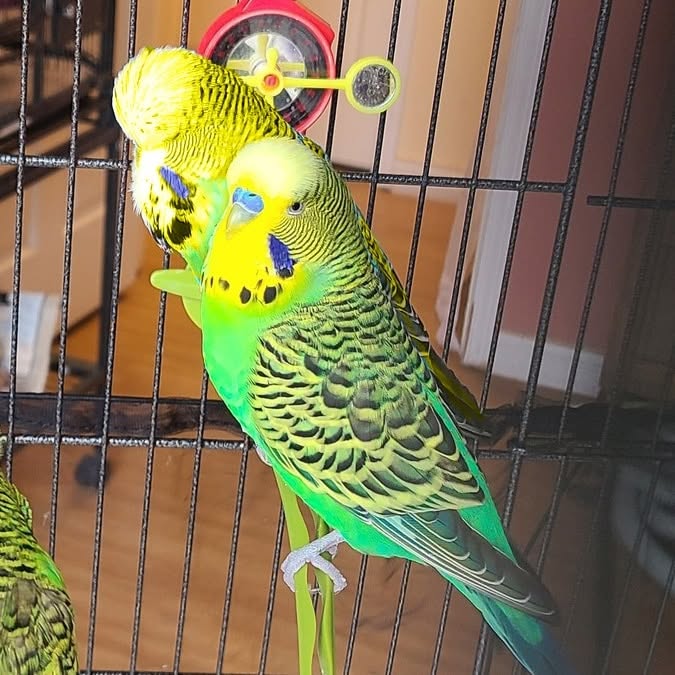
Here it is, stated plainly: when the school holidays end and term begins again, and your child is back in school from half past eight until half past three five days a week — who in your household will be responsible for this bird’s daily care, and are they genuinely committed to doing it?
That is the question. It sounds simple. It is not simple, because answering it honestly requires a family to look past the summer — past the six weeks of enthusiasm and good intentions and long days when the bird will be the most interesting thing in the house — and into the ordinary Tuesday morning in October when it is raining, the school run is late, the adult is already thinking about work, and the bird’s water bowl still needs changing and its food checking and its behaviour noting.
The summer holiday is not the test of a bird-keeping household. September is the test. October is the test. The unremarkable Wednesday in February when nobody is particularly motivated and the bird needs exactly the same standard of care it needed in July is the test. A family that can answer the question — who will do this, every day, after the novelty has worn off and the routine has become a routine rather than an adventure — is a family that is ready. A family that cannot answer it, or that answers it with “the children will” without being able to say specifically what the adult oversight looks like, is a family that needs a longer conversation before anything goes home.
I ask this question because I have seen what happens when it is not asked. The bird that came home in July is doing well by August. By October it is being managed inconsistently. By December it has been moved to a spare room because it is “easier.” By the following spring, someone is ringing me to ask if I know anyone who might want to take a budgie, because the family situation has changed or the child has moved on or the whole thing turned out to be more than anyone had anticipated.
That is not a failure of care. It is a failure of realistic anticipation, made at a moment when realistic anticipation was difficult because six weeks of school holiday and a child’s excitement felt like the whole picture rather than the first chapter.
The Answers That Tell Me Everything
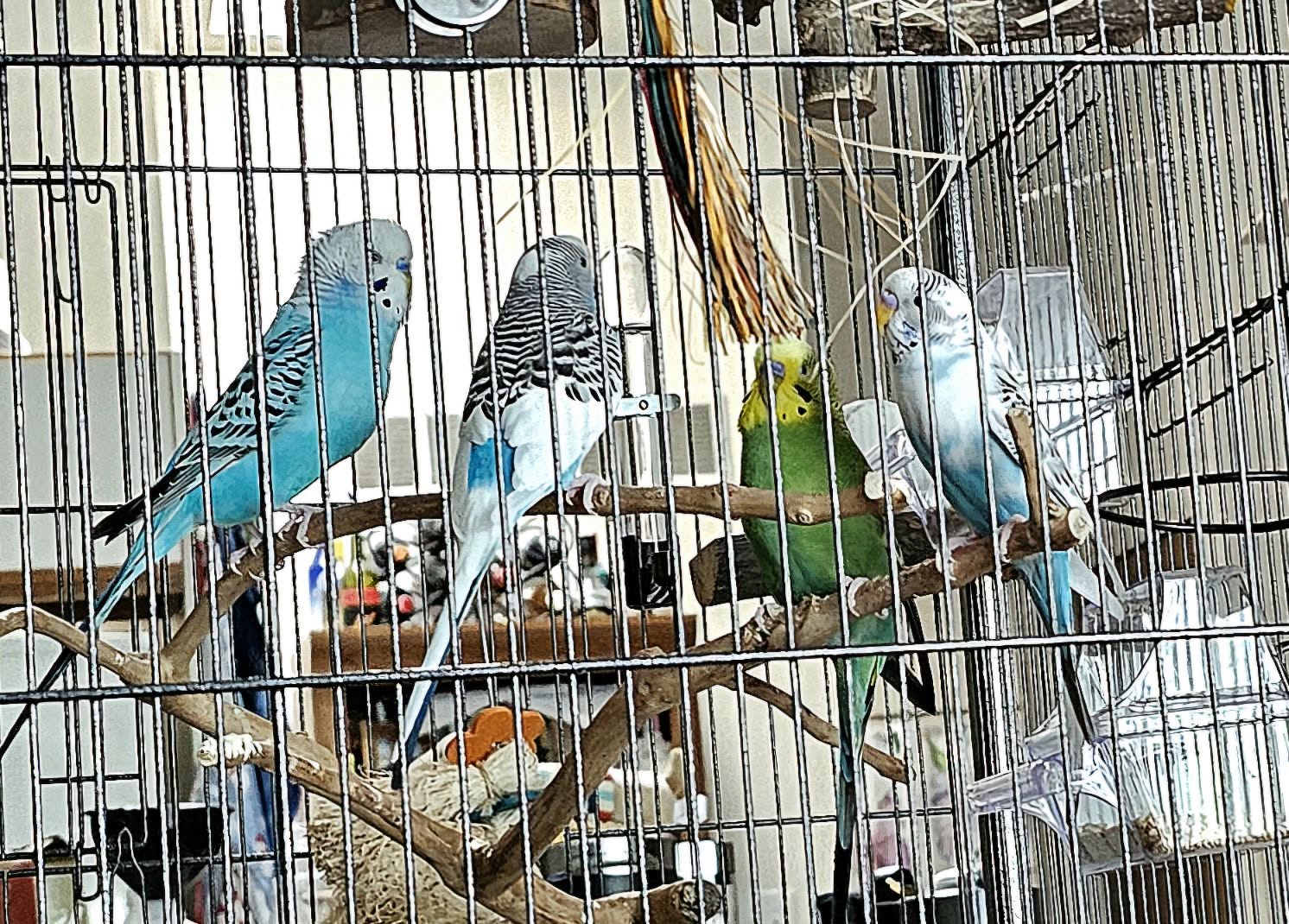
I have asked this question hundreds of times, possibly thousands, and after 35 summers at this counter I know what the different answers look like and what they predict.
The answer that tells me this is going to go well is specific. Not “we will all chip in” — specific. “I work from home three days a week and I will make the daily check part of my morning routine. My husband will cover it on the days I am in the office, and our daughter will be involved in every aspect of care when she is home.” That answer tells me there has been a real conversation, that the adults have thought about what daily care actually means in the context of their specific life, and that the enthusiasm in the room is backed by a practical plan.
The answer that tells me we need to talk longer is vague. “The children will look after it.” “We will work it out.” “It should not be that much work, should it?” Those answers do not mean the family is wrong for a bird. They mean the family has not yet had the conversation that would tell them whether they are right for one. And having that conversation at the counter, before a bird goes home, is considerably more useful than having it six months later.
The answer that I find most interesting — and the one I encounter more often during school holidays than at any other time — is the one where the parent looks at their child and then back at me and says, quietly, “I think it would be mainly me.” That parent has already done the honest work. They know that the child’s enthusiasm is real and that their own follow-through will be the foundation on which that enthusiasm either develops into a genuine relationship with the bird or gradually subsides. They are not disillusioned by this — they are realistic, and realistic is the basis on which good keeping is built.
What Daily Care Actually Looks Like — So The Answer Is Based On Reality
I want to give you the honest picture of what daily care for a well-kept pet bird involves, because I find that many families who answer the question vaguely do so not because they are unwilling to commit, but because they have not yet had a concrete picture of what they are committing to. Abstract responsibility is easy to agree to. Specific tasks are what people actually do or do not do.
Fresh water, every day, in a clean container. Not topped up — emptied, rinsed, refilled. A water bowl that is refilled without being washed is accumulating bacteria in the residue from the previous day. On a busy school morning, this is the task most likely to be skipped. It is also one of the most important, and a consistent failure to do it has a cumulative effect on the bird’s health that is not visible on any single day but becomes visible over time.
Food checked daily and refreshed as needed. Not topped up over existing seed that the bird has already sorted through and rejected — emptied and refreshed, so that the bird has access to the full nutritional content of a fresh portion rather than picking through the remnants of yesterday’s bowl.
A five-minute observation. Not anxious monitoring — five minutes of actually looking at the bird, noting whether it is behaving as it normally does, whether its droppings look as they normally do, whether it is where it normally is in the cage at this time of day. This is the thing that catches illness early, and it is the thing that most consistently does not happen in households where the bird has become part of the background rather than part of the daily picture.
Weekly cage cleaning. A properly cleaned cage — floor tray emptied, perches wiped, bars cleaned, fresh lining — once a week. Fortnightly at the absolute minimum, though weekly is what I recommend.
That is the baseline. It is not onerous. On a morning with no complications, the water, food, and observation together take less than ten minutes. The weekly cage clean takes twenty to thirty minutes. But ten minutes, every morning, including the mornings when things are complicated — that is the commitment. And the family that has thought about whether their life, as it actually runs in October and February and on the Wednesday morning when the boiler breaks and someone is ill, can reliably produce those ten minutes — that is the family that has answered the question properly.
The Summer Holiday Advantage — Using The Six Weeks Properly
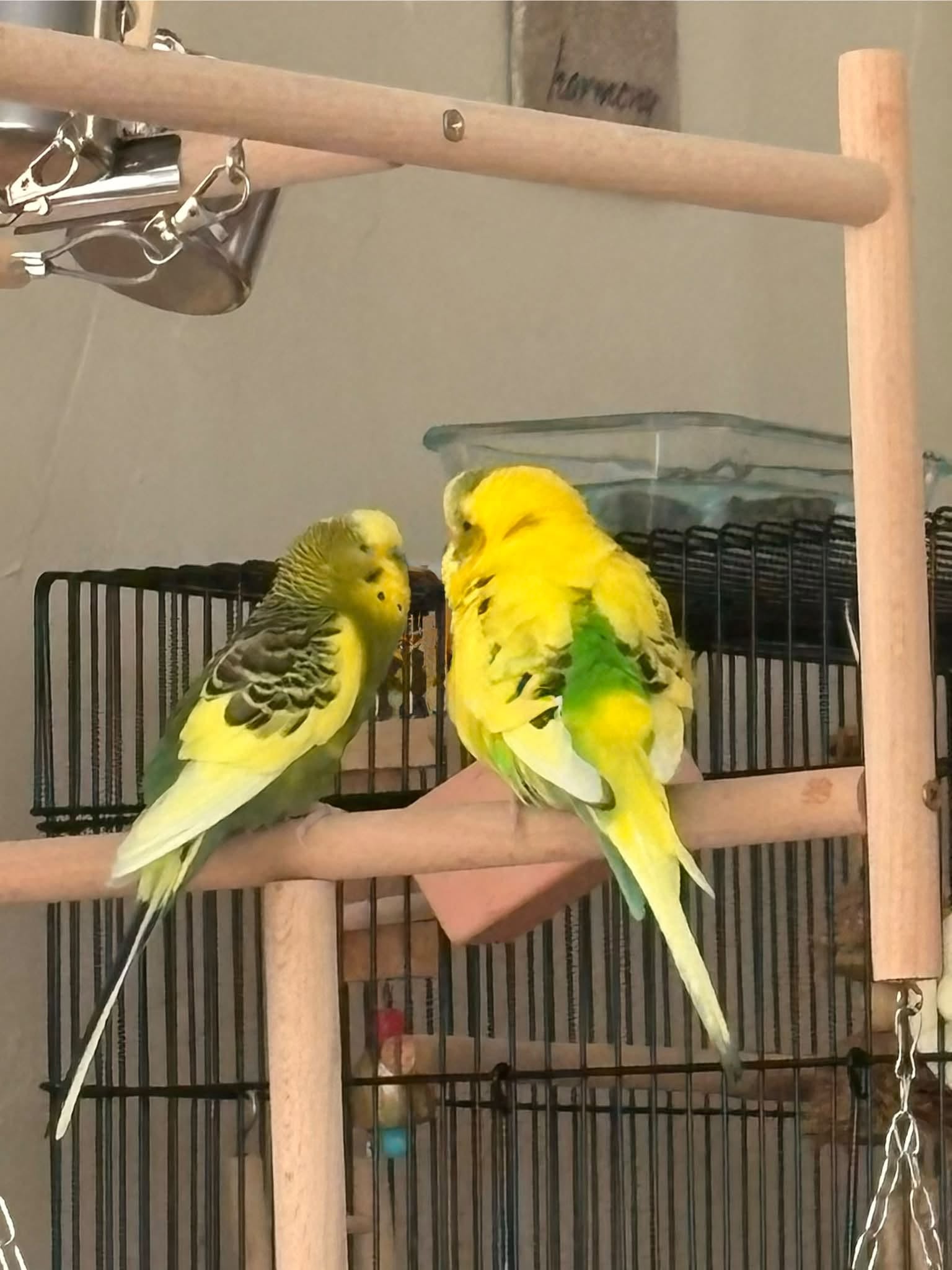
Having said everything above, I want to be clear that the summer holidays are, for the right family, genuinely a good time to get a bird. Not because the timing feels right in the moment, but because six weeks of unstructured time offers something that no other period of the year does: the space to establish the routine properly before the routine has to compete with everything else.
A new bird needs time to settle. It needs time to become comfortable in its environment, to learn who the people in its household are, to begin to show the personality and behaviour that will define the relationship. That process is easier to support when someone is home and attentive most of the day — and six weeks of school holidays, for a family where at least one adult has flexibility during that period, offers exactly that.
The daily observation that I describe as the most important single habit of good bird keeping is much easier to build in summer. There is no morning rush to compress everything into. There is time to sit with the bird, to watch it properly, to begin to learn what its normal looks like before the October morning when noticing a deviation from normal might matter urgently. The child who is home and engaged with the bird through the summer is the child who knows the bird in September — who has built the baseline of familiarity that makes the ongoing relationship meaningful rather than incidental.
Summer is also when the questions that come up in the first weeks of keeping a bird can be answered properly rather than fitted around everything else. The first time the droppings look slightly different. The first time the bird seems quieter than usual. The first time the child is not sure whether what they are seeing is normal. In summer, there is time to ring us, to come in, to look at what they have observed and talk it through. In September, that same question gets fitted around the school run and the after-school activities and the evening homework, and it is more likely to be deferred until the following weekend — by which point it may have resolved itself, or it may have developed into something that earlier attention would have caught more effectively.
So yes — the summer is a good time to get a bird, for the family that has answered the question honestly. It is the family that has not yet answered it that I want to slow down, not because the bird is wrong for them, but because a slightly longer conversation now produces a considerably better outcome for everyone, including the bird.
The Questions After The Question — What We Cover At The Counter
Once the first question has been answered — once I know that the family has thought through who is responsible and what that looks like in their specific life — the rest of the conversation becomes considerably more productive. These are the things we cover, in roughly this order, and I want to share them here because they apply to any family making this decision, whether they come to see us or not.
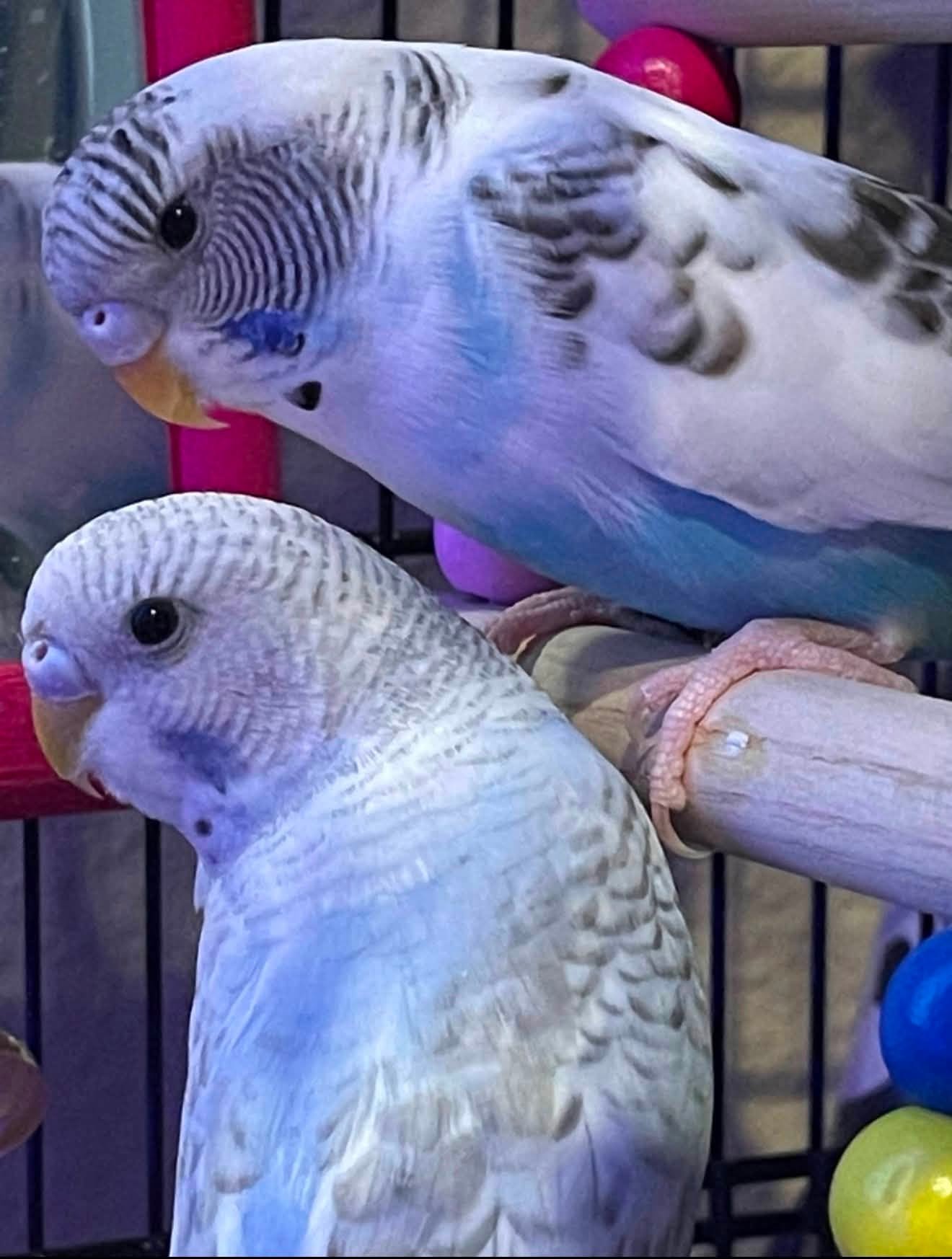
Species. The budgerigar is my first recommendation for the vast majority of families with children who are buying a first bird. It is not the only option, and I will ask questions about the household before I make a recommendation — whether anyone is home during the day, how much noise is manageable in the living space, whether the family wants a bird they can handle or a bird they can primarily watch and listen to. The cockatiel is a wonderful bird for the right household. The canary is underrated by almost everyone until they hear one properly. But for most first-time families in most homes, the budgerigar is where 35 years of watching what works has landed me.
One or two. The answer is almost always two, and I will explain why every time I am asked. A single bird left alone while the household is at school and work is a bird under social stress that has real consequences for its health over time. Two birds together — ideally two young birds from a source where they have been well socialised — provide each other with what they cannot get from the human members of the household during the working and school day. The cost difference between one bird and two is modest. The welfare difference is meaningful.
The cage. The cage being considered is, in a significant proportion of cases, too small. The bird needs to be able to fly laterally between perches, not simply hop or turn around. I will always ask to see a photo of the cage being considered before a bird goes home in it, or I will point the family toward what we have in stock that is actually appropriate. A bird in the right cage from the first day is in a fundamentally different situation from a bird moved to a larger cage six months later when the welfare implications of the original choice have become apparent.
The hazards. Non-stick cookware. Aerosols. Scented candles. The specific risks to a bird’s respiratory system from normal household products are ones that almost every first-time bird owner is surprised by. I cover them every time, because the family that is surprised by them after the bird is home is the family most likely to have a preventable accident.
The vet. I ask whether the family has identified an avian-experienced vet before the bird comes home. In a year when the shortage of specialist avian vets in the UK has reached levels I find genuinely concerning, this is not a question I would have thought to ask twenty years ago. It is one I ask every time now.
Frequently Asked Questions
Is the summer really a good time to get a first bird, or is it better to wait until things are settled?
For the right family — one that has answered the responsibility question honestly and has at least one adult with reasonable flexibility during the summer period — the six weeks of school holidays are genuinely a good window. The settling-in period is easier to support when someone is home and attentive, the daily care routine is easier to establish without the school-term schedule competing with it, and the child’s engagement during the summer builds the baseline familiarity that makes the ongoing relationship meaningful. The key is using the six weeks well rather than assuming the enthusiasm of the first week will carry the routine through to September automatically.
My child is very enthusiastic but I am not sure the enthusiasm will last. Is that a reason not to get a bird?
It is a reason to be honest with yourself about who is really taking responsibility for the bird’s welfare. If the answer is “I am, with my child’s involvement when they are interested,” that is a perfectly legitimate basis for getting a bird, provided the adult is genuinely committed to the daily care routine regardless of the child’s level of engagement on any given day. If the answer is “the child, and I will step in if needed,” I would want to have a longer conversation before anything goes home, because the bird’s welfare cannot be conditional on the child’s interest level on any particular morning.
How long does it take for a new bird to settle in and show its personality?
Most young budgerigars begin to show genuine personality within two to four weeks of coming home, provided they are given consistent, patient, non-pressured attention during that period. The first few days should be calm — the bird needs time to find its bearings in a new environment without being approached or handled too frequently. By the end of the first week, most birds are beginning to eat with confidence and show interest in their surroundings. By the end of the second or third week, a well-kept bird in a household with appropriate daily interaction is typically showing the early signs of the relationship it will develop with its owners. The six weeks of summer holidays provides exactly the right window for this settling process to happen properly.
Should we get a budgie or a cockatiel for our children?
For most households with children where the primary keeper is a first-time bird owner, I recommend a budgerigar — or ideally a pair of budgerigars. The cockatiel is a wonderful bird and can be an excellent choice for the right household, but it is louder, larger, and more demanding of time and interaction than a budgerigar. A family where someone is home during the day and has significant time available for daily interaction with a single bird may find a cockatiel suits them well. A family where both adults work and the bird will be home alone for significant periods is, in my view, better served by a pair of budgerigars who can provide each other with company. Come in and talk through your specific situation — the right answer depends on factors I cannot assess from a general description.
What if we get a bird and it does not work out? What are our options?
This is a question I am glad people ask, because it reflects a realistic approach to the decision rather than an assumption that it will automatically go well. If a bird genuinely cannot remain in a household for reasons that arise after purchase, the options include rehoming through reputable bird rescue organisations, rehoming through bird-keeping communities where the bird will go to an experienced home, or returning to us to discuss options — we will always try to help, though we cannot make guarantees about what that help looks like in every circumstance. The best outcome is always one where the conversation I have described in this article happens before the bird goes home rather than after something has gone wrong. That conversation is what this counter is for.
The Six Weeks That Matter Most
The school holidays that are beginning this week will, for some families, be the six weeks that a bird comes into their lives and stays. In ten years, they will be the family whose children grew up with birds, who can date the beginning of that chapter of family life to a particular July, who look back on the summer a first budgerigar came home as something that turned out to matter more than they had anticipated when they walked through the door.
For other families, the same six weeks will be the beginning of a decision that they are not quite ready to make, made on the momentum of enthusiasm and long unstructured days, that will require more management than they had anticipated and may not produce the outcome anyone hoped for.
The difference between those two families is not enthusiasm — both have it. It is not love for animals — both feel it. It is the honest answer to one question, given before the bird goes home, by the adults in the household who will still be there on the unremarkable Wednesday morning in November when the routine has to happen regardless.
Come and have that conversation with us. We will ask you the question, we will listen to the answer, and we will tell you honestly what we think it means. If the answer is ready, we will have the best conversation in the shop about which bird and which cage and what the first weeks should look like. If the answer is not quite there yet, we will have a different conversation — one that might take twenty minutes and might mean you leave without a bird today, but with the information that means you leave with the right bird at the right moment.
That is how this has always worked at this counter. Thirty-five summers of it have not changed my view of which conversation is more valuable.
Thinking About Getting A Bird This Summer? Come In And Have The Honest Conversation First.
We will ask you the question that matters, listen carefully to the answer, and tell you honestly what we think. No pressure, no upselling — just the twenty minutes that makes the difference between a bird that becomes part of your family and one that does not.
⭐ Customer Reviews
Amazing Bird Selection
Had a lovley visit today,staff were very friendly and very helpful,such a great petshop,their selection of birds is incredible,really impressed,thank so much to the staff at Paradise Pets

Friendly Helpful Staff
I have been coming to this place for years and they have a great stock of food for all types of pets. Have a great selection of small mammals and a lot of birds. Staff are friendly and helpful.

Great Quality Hutch
Bought a guinea pigs hutch and run combo, very happy with the service, the hutch was put in my car for me without even asking for help. The wood quality is very good, the instructions easy to follow and we are extremely happy with the fully built hutch. A good size for 2 guinea pigs

Response from Paradise Pets | Wiltshire
Thank you Melanie Latus Nice to provide services to you.
Best Bird Shop Around
It’s the best pet shop in and around Swindon. They always have an amazing selection of birds and all you need to keep them happy. I keep birds myself and the guys there are happy to answer questions and really know their stuff. I have seen budgies etc. in chain pet shops in the area looking really unhealthy and ill – I wouldn’t go anywhere else than Paradise Pets for animals.

Highly Recommended Bird Shop
I could not praise this shop enough. Really helped my Grandson buy his first bird and he’s loving it. Travelled from Somerset and was welcomed with open arms.

Great Shop with Competitive Prices
Great shop with amazing selection for small animals, hamsters, mice ect, highly recommend!
Also has a great selection for dogs & cats too & very competitive prices! 💖

