

Neil has run Paradise Pets Swindon since 1988 — over 35 years of selling birds and having the conversation that most pet shops avoid. On 17 June 2026, the RSPB announced that the Major Oak in Sherwood Forest — thought to be between 800 and 1,200 years old, the tree said to have sheltered Robin Hood, one of the most visited trees in the world — had died after failing to produce leaves this spring. Climate-driven droughts, soil compaction from millions of visitors, and well-intentioned interventions that ultimately did harm were cited as causes. Neil read the story and thought of every owner he has ever had the lifespan conversation with. This article is that conversation, written down.
I was in the shop when the Major Oak news came through.
Someone had left a newspaper on the counter. The headline was straightforward — the ancient oak in Sherwood Forest, the one that has been a landmark since before the Norman Conquest, the one that schoolchildren have visited on day trips for generations, was dead. Failed to produce leaves this spring. The RSPB, which manages Sherwood Forest, had confirmed it after careful assessment. Between 800 and 1,200 years old. Gone.
I read it twice and then I stood there for a moment thinking about something that had nothing to do with Robin Hood.
I was thinking about a conversation I have had, in various forms, more times than I can count across thirty-five years at this counter. The conversation that happens when someone picks up a budgie, or a cockatiel, or a parrot — looks at the price tag, looks at the small, bright-eyed creature in the cage — and asks, almost as an afterthought, how long they live.
And I tell them. And I watch the answer land in a way that suggests it was not what they expected. And sometimes I wonder whether they truly understood it, or whether the number passed through them without quite settling.
The Major Oak made me think about that conversation again. About what it actually means to bring an animal into your life — not for a season or a few years, but for a period that may outlast significant chapters of your own.
What the Major Oak’s Death Actually Tells Us
The tree did not die dramatically. It did not fall in a storm or burn in a lightning strike. It failed to produce leaves in spring 2026 — the first spring in more than a millennium that its branches were bare.
The causes were multiple and cumulative. The most recent decline has corresponded with five very hot and droughty summers, most notably in July 2022 when the UK experienced record temperatures of 40 degrees Celsius.Visitors over the past two centuries who viewed the tree’s gnarled limbs and sprawling canopy compressed the soil, making it difficult for rain to reach its roots.Among the factors cited were poor soil and a weakened root system as well as well-intentioned efforts to preserve the tree’s impressive shape over the years, including metal bracing and coverings that prevented the tree from aging naturally.
Ancient trees like the Major Oak are the ‘conservation white rhinos of the UK’ but their decline is far less visible, said Ed Pyne of the Woodland Trust.
I read that last line and underlined it in my head. Less visible. That is the thing about slow, cumulative decline. It does not announce itself. It accumulates quietly over years and then one spring the leaves do not come, and by then it is simply too late to intervene.
Every bird I have kept for thirty-five years has taught me some version of the same lesson. The damage that matters most is rarely the dramatic single event. It is the quiet, consistent accumulation of conditions that are not quite right — the cage that is a little too small, the diet that is a little too narrow, the vet that is never visited until something is obviously wrong — playing out slowly across years until the outcome is worse than it needed to be.
How Long Pet Birds Actually Live — The Numbers Most Owners Do Not Know
The lifespan question is where this article is pointed, and it is where I want to be specific. Not because the numbers are shocking — they are not, once you know them — but because the gap between what owners expect and what is actually possible is significant, and that gap has consequences for how owners approach the commitment they are making.
Here are the honest lifespans for the most commonly kept cage birds in the UK — not the average lifespan in typical conditions, but the lifespan that birds in genuinely good conditions achieve. The average is lower, in most cases considerably lower, and the gap between the two is almost entirely a welfare gap.
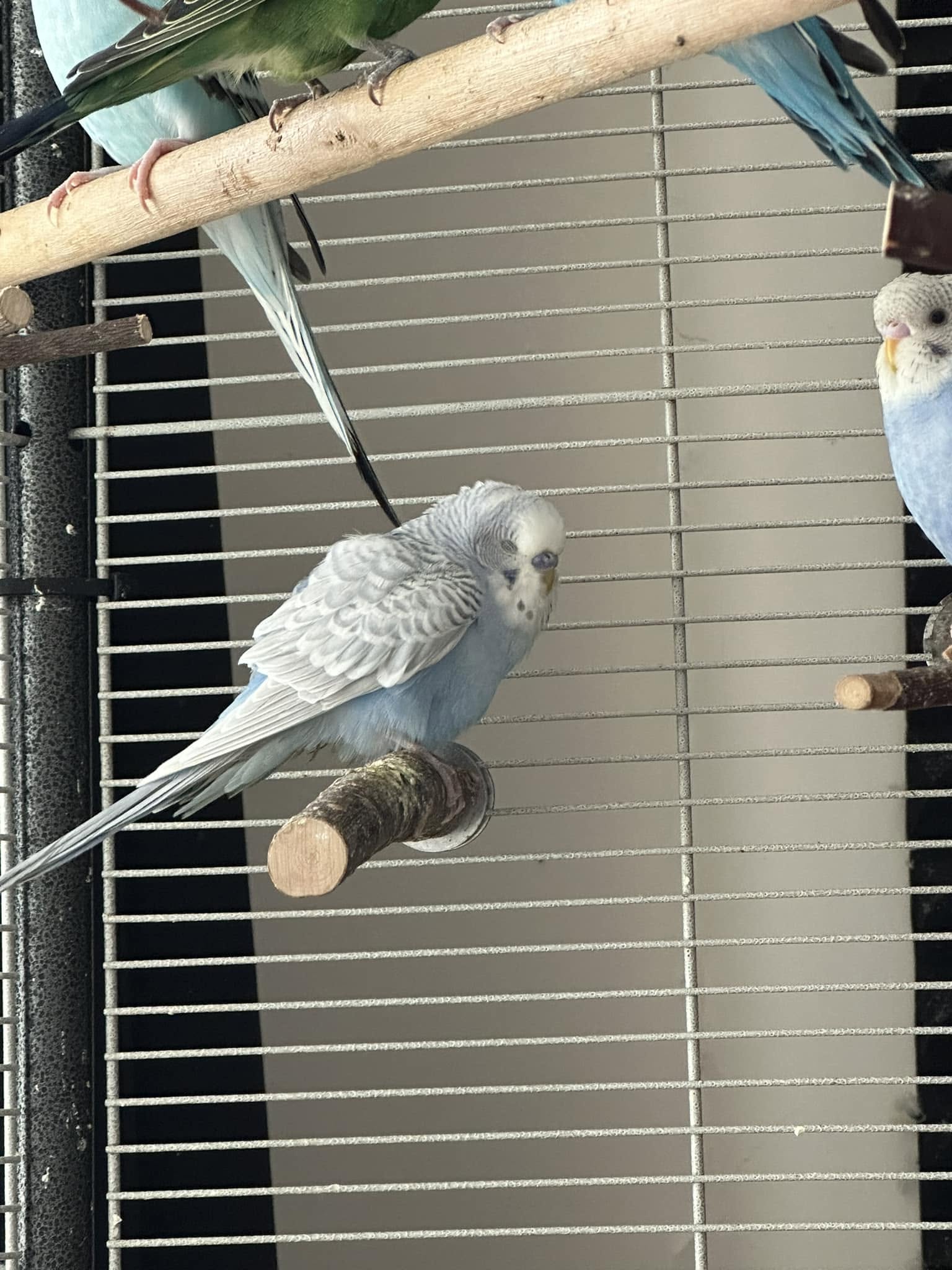
- Budgerigar. Average in typical UK pet conditions: five to eight years. In genuinely good conditions — appropriate cage size, varied diet beyond seed-only, companion bird, veterinary care — twelve to fifteen years is achievable. Some individuals reach eighteen. The gap between five and fifteen is not genetic. It is almost entirely husbandry.
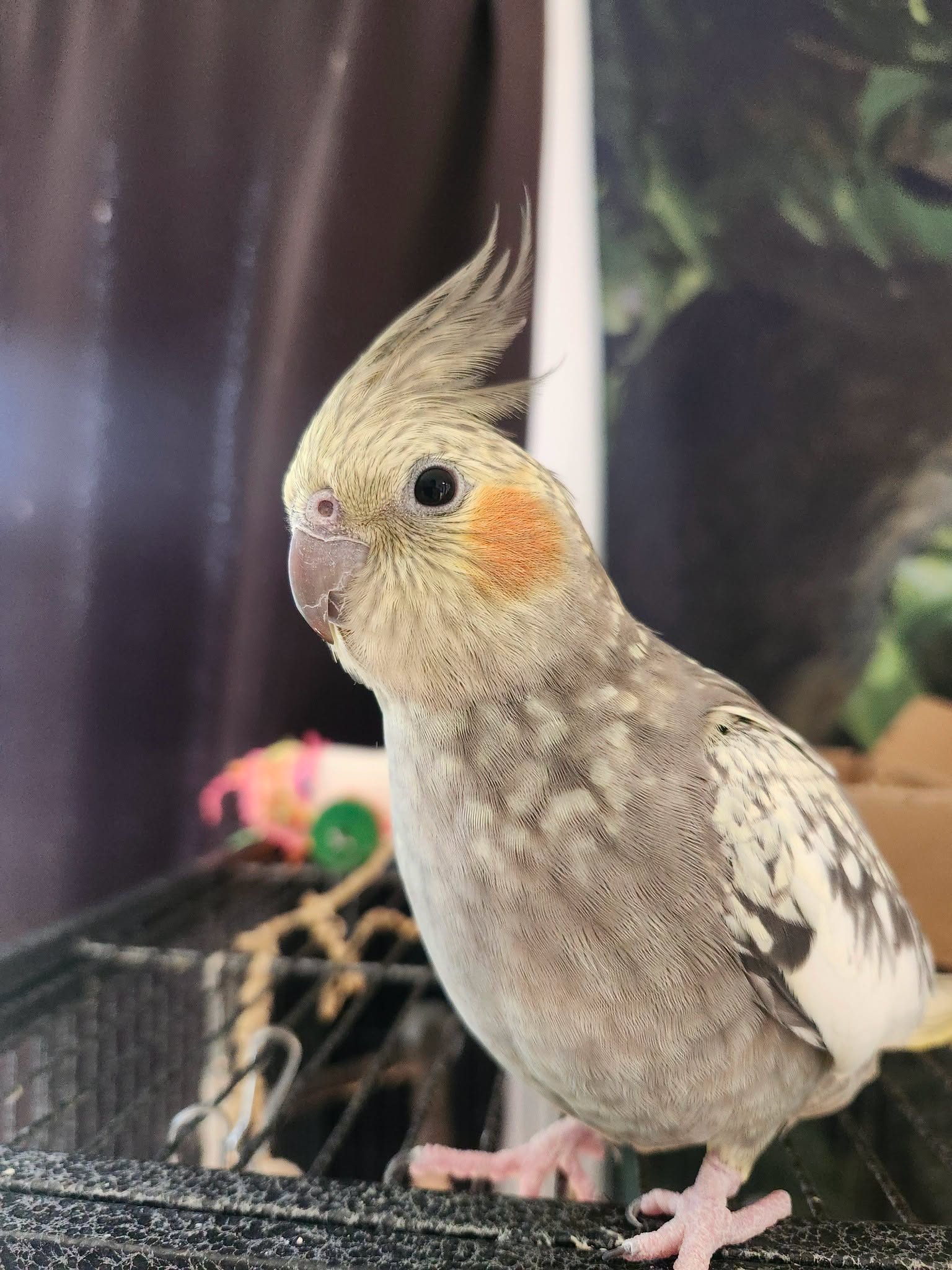
- Cockatiel. Average in typical conditions: ten to twelve years. In good conditions: sixteen to twenty years is well-documented, with some individuals reaching twenty-five or beyond. A cockatiel bought for a ten-year-old child may still be alive when that child is thirty-five.
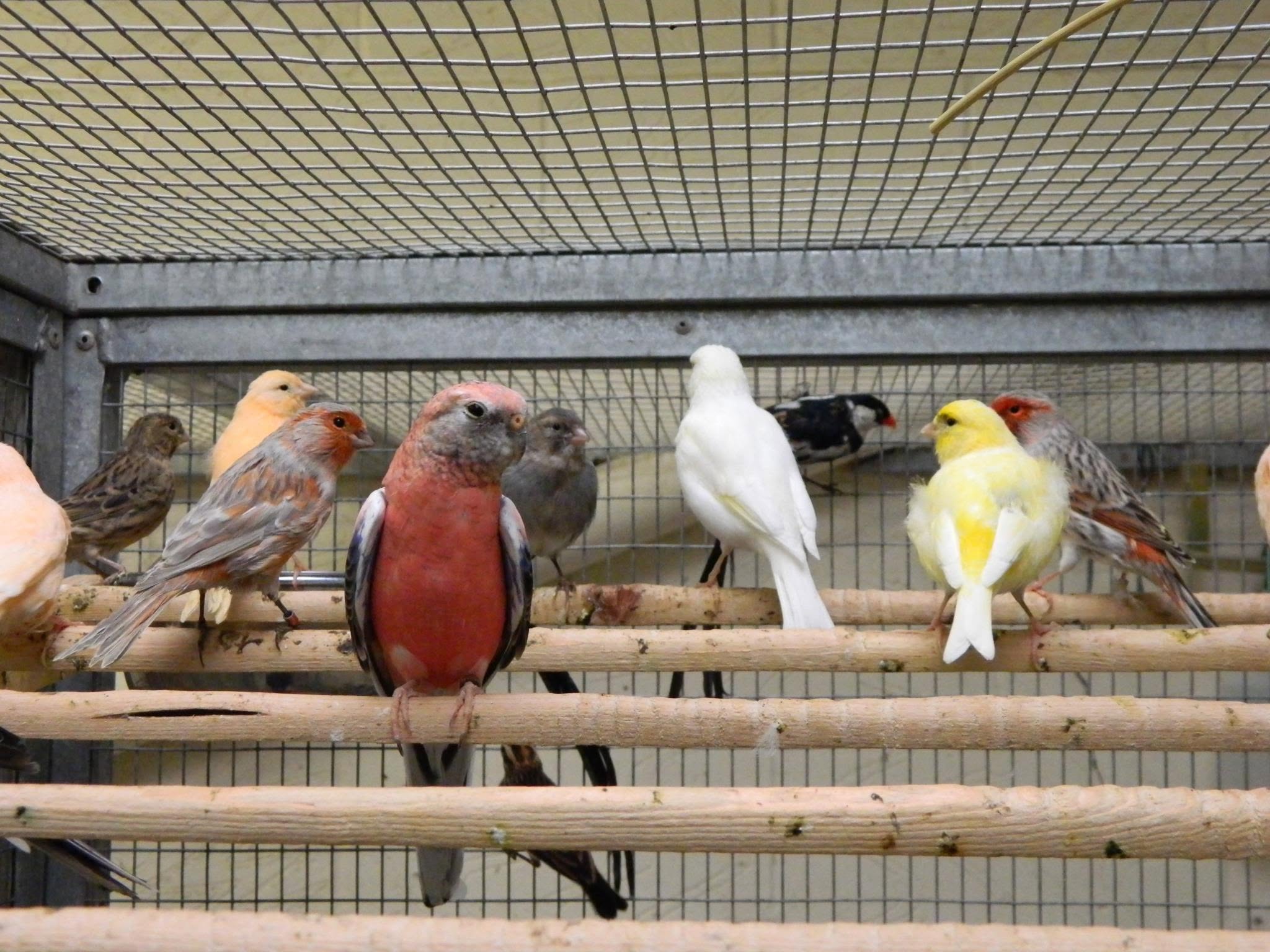
- Canary. Average: seven to ten years. In good conditions: twelve to fifteen years is achievable. Less dramatically different from average than parrots, but the quality of those years varies enormously with husbandry.
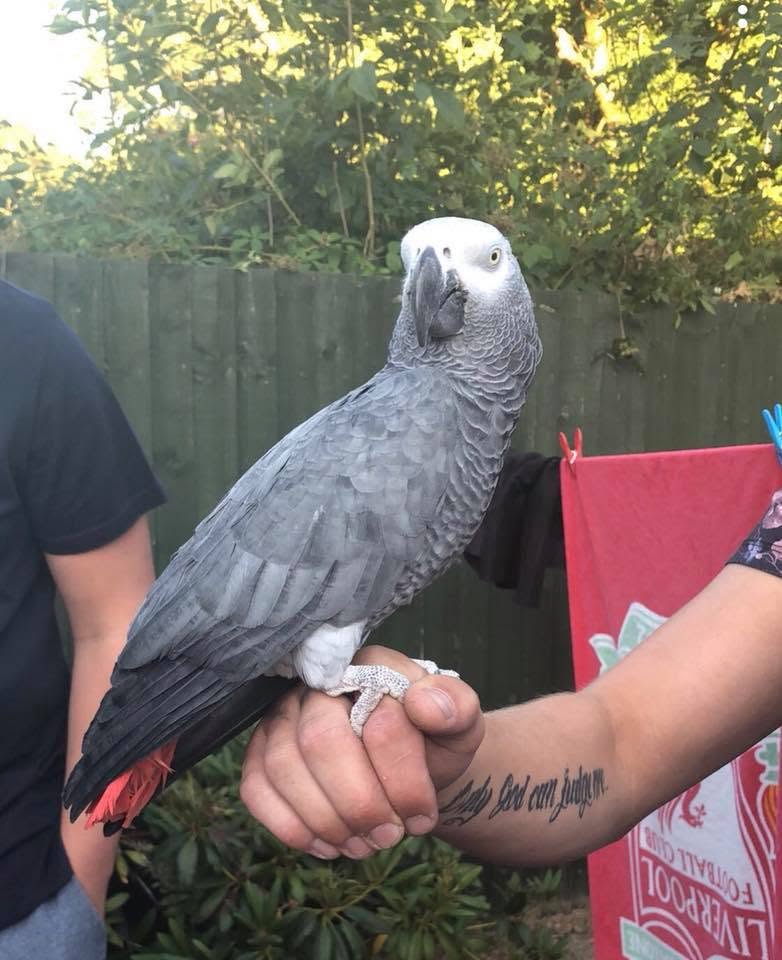
- African Grey Parrot. Average in captivity: twenty-five to thirty years. Maximum documented in good conditions: fifty to sixty years, with credible reports beyond this. An African Grey is a commitment that will outlive most people’s careers, see several homes, and potentially require arrangement in a will.
- Amazon Parrot. Thirty to forty years in typical captive conditions. Sixty-plus years has been documented in genuinely good conditions. The same generational commitment as an African Grey.
- Macaw. Forty to fifty years in typical captive conditions. Some individuals in exceptional conditions have lived to eighty or beyond — approaching the lifespan of their owners. A macaw bought in middle age may need to be left to someone in a will.
- Lovebird and Parrotlet. Ten to fifteen years in good conditions. Smaller and often treated as lower-commitment than larger parrots, but fifteen years is a significant period of a human life.
These are not theoretical maximums achieved only in research facilities. They are the lifespans that birds living in appropriate conditions with attentive owners regularly reach. The birds living five years instead of fifteen are not biologically limited. They are living the shorter life that inadequate conditions produce.
The Conversation Most Pet Shops Do Not Have
I have been in pet retail for thirty-five years, and I know how the lifespan conversation usually goes in most shops. It usually does not go at all. The price is given. The care information is gestured toward in a leaflet. The sale is completed. The bird goes home with an owner who has not been told, specifically and plainly, that the animal they just bought may live for fifteen years and will require consistent, ongoing care across all of them.
I understand why this happens. The lifespan conversation slows sales. It raises questions. It sometimes causes people to walk away from a purchase they were excited about once they truly understand what it involves. These are uncomfortable commercial consequences for a retailer trying to move stock.
But I have also watched, over thirty-five years, what happens when people are not told. They buy a budgie as a child’s first pet, expecting a modest commitment of a few years. Ten years later, the child has grown up and left home, and the parents are the primary carer for an animal they had not planned to keep for a decade. Or they buy a cockatiel in their fifties, not thinking about what happens to a bird that may be alive at seventy-five when they may not be in a position to care for it in the way it needs.
The Major Oak story — the tree that died partly because of well-intentioned care that was not quite the right care, applied over decades — is not so different from the pattern I see with birds. The owners who cause the most harm are almost never the negligent ones. They are the ones who care genuinely but were never given the information that would have made their care more accurate.
- A budgie may live fifteen years — longer than a dog in many cases, and requiring consistent care across all of them
- A cockatiel may live twenty years — long enough to see a child grow from birth to adulthood
- A large parrot may live forty to sixty years — longer than many marriages, longer than most careers
- The lifespan implications for owners who become ill, move house, downsize, or reach an age where intensive animal care becomes difficult are real and need to be thought about before the bird is bought, not after
- Estate planning for long-lived birds — African Greys, Amazons, Macaws — is not morbid. It is responsible ownership
What Cuts Lifespan Short — The Accumulation That Is Less Visible
The Major Oak died of accumulation. Not one single catastrophic event, but the layering of stresses — soil compaction from millions of footsteps, years of hot summers, well-intentioned structural interventions that prevented natural adaptation — until the system could no longer sustain itself.
In thirty-five years I have watched the same pattern in birds. Not birds that die suddenly from dramatic illness. Birds that live shorter lives than they should because of conditions that were consistently not quite right, each of which seemed manageable individually, but whose combination over years produced an outcome that was worse than it needed to be.
The things that most reliably shorten a pet bird’s life in the UK, based on what I see at the counter:
- A seed-only diet across years produces nutritional deficiencies that accumulate into organ stress, thyroid problems, and accelerated ageing. A bird on seed only from youth to age seven has been nutritionally depleted throughout the period when its long-term health was being established
- An undersized cage limits the flight and activity that a bird’s cardiovascular and musculoskeletal health depend on. The 68% of UK budgie cages found below minimum welfare standards in the 2024 Avian Welfare Coalition survey are producing birds whose physical condition is quietly declining throughout their lives
- No established veterinary relationship means illness is caught later than early — often at a stage where treatment is more expensive, more intensive, and less effective than it would have been if the problem had been identified a month earlier
- Chronic low-level stress — from an environment that is too loud, too unpredictable, too socially isolated, or too enrichment-poor — suppresses immune function and accelerates cellular ageing in ways that are not visible externally but that measurably shorten lifespan over years
- Airborne toxins in the home — non-stick cookware fumes, scented candles, air fresheners, cigarette or vape smoke — damage avian respiratory systems progressively. A budgie living in a kitchen where non-stick pans are regularly used at high heat is accumulating respiratory damage across years of exposure
None of these are dramatic. None of them, in any given week, look like they are causing harm. But the tree that lost its leaves in spring 2026 did not look like it was in serious trouble in 2019 either. The accumulation is less visible than the outcome. By the time the outcome is visible, the accumulation has already happened.
The Saplings — What the Major Oak’s Legacy Actually Is
The Major Oak story does not end with the death announcement. Acorns and cuttings from the tree have already been grown into saplings.While the tree has died, the RSPB said the oak will remain standing in its place in the park, continuing as an emblem in the landscape and providing valuable decaying wood habitat.
“Although this marks the end of the Major Oak as a living tree, it does not mark the end of its story,” the RSPB said. The knowledge gained from caring for it will help preserve other ancient oaks. The legacy lives on through its offspring and the understanding that caring for it produced.
I find this genuinely moving, and not only as a conservation story. Because it is also the right framing for what good pet bird ownership produces across a long life.
A bird kept well for fifteen years — given the right conditions, the right diet, the right veterinary relationship, the right social environment — is a bird that provides its owner with fifteen years of the specific, particular relationship that well-kept birds provide. That relationship is the legacy. The knowledge the owner gains about what that specific animal needs, and how to read its communications, and when something is wrong before it becomes obvious — that knowledge is the sapling. It makes the next bird better kept. It makes the information the owner passes to the person buying their first budgie at the counter more accurate and more useful.
The Major Oak lived for a thousand years. It could not be saved. But the people who cared for it learned things that will help save others.
A budgie lives for fifteen years in good conditions. The owner who provides those conditions learns things that matter. The bird lives longer and better for it. The next bird does too.
The Commitment Question — What You Are Actually Agreeing To
I want to ask this directly, because it is the question that the Major Oak story brings into focus most sharply for me — and because it is the question that most pet shop conversations skip entirely.
When you buy a bird, you are agreeing to care for a living creature for the full span of its natural life in appropriate conditions. Not for as long as it is convenient. Not until a better time for it. For its full natural life.
For a budgie, that is potentially fifteen years. For a cockatiel, twenty. For a parrot, forty to sixty.
What does your life look like across that period? Do you rent? Many rental agreements prohibit pets, and a bird that has to move home at short notice because a landlord changes the terms of a tenancy is a bird under stress that affects its health and potentially its lifespan. Do you travel? A bird that is left alone for extended periods, or handed off to increasingly different carers across years, does not receive the consistency that long-term wellbeing requires. Are you at an age where your own health and mobility in fifteen or twenty years is a genuine question worth answering before you acquire an animal that will need hands-on daily care across those years?
These are not comfortable questions. They are the questions that responsible ownership requires. And they are the questions that an industry built on the frictionless sale of animals has consistently failed to ask.
- Before buying a bird, establish honestly what your life is likely to look like at the outer end of that species’ natural lifespan
- Establish what would happen to the bird if your circumstances changed significantly — illness, house move, job loss, relationship change
- For long-lived species such as large parrots, establish a named person who would take the bird if needed, and confirm that person is willing before the bird is bought
- If a will already exists, consider whether a long-lived bird should be specifically addressed in it
- The rescue sector for long-lived birds — particularly parrots — is full of birds whose owners either did not ask these questions or found that the answers changed in ways they had not anticipated
Frequently Asked Questions
I bought a budgie for my child as a starter pet — should I be worried it will outlive the child’s interest?
Honestly, yes — and not as a reason not to have the bird, but as a reason to be clear from the start about who is actually responsible for it. Budgies that are bought for children are almost always, within a few years, primarily the responsibility of the parents. If you are comfortable with fifteen years of cage cleaning, fresh water, veterinary visits, and daily attention — by you, because your child’s interest will fluctuate — then a budgie is a good fit. If that commitment sits uneasily, a shorter-lived pet might be a better starting point.
My budgie is seven years old and I have not been doing everything right — is it too late to improve things?
No. The dietary improvements, cage upgrades, and veterinary engagement that produce better outcomes in younger birds also produce meaningful improvements in older birds. A seven-year-old budgie in good conditions with improved care from now has a better prognosis than a seven-year-old budgie whose conditions remain as they have been. You cannot recover the years that have already passed. You can affect every year that comes after. Start now rather than waiting for a better time.
What happens to a bird like an African Grey if I die before it does?
This is a question worth thinking about carefully before you buy one — not after. The most reliable approach is to identify a specific named person who is willing to take the bird, has the capacity to provide appropriate long-term care, and understands what that involves. A will provision that specifically addresses the bird and provides for its care financially is appropriate for any bird likely to outlive its owner. Some rescue organisations accept birds under these arrangements in advance — worth establishing contact with before the need arises.
Where can I get honest budgie and cage bird advice in Swindon?
Come and see us at Paradise Pets, Manor Garden Centre, Cheney Manor Industrial Estate, Swindon SN2 2QJ. Or ring us on 01793 512400. We have been having the honest version of the lifespan conversation for thirty-five years. If you are considering buying any cage bird, come and talk to us about what the commitment actually involves before you make it — not after.
One Last Thing From Me
The Major Oak will remain standing in Sherwood Forest. The RSPB has decided to leave it where it is — a monument, a habitat for the species that depend on decaying wood, a landmark at the heart of a place that has been significant to British life for longer than almost any other site in the country.
It stood for something between eight and twelve centuries. It outlasted the Roman occupation, the Norman Conquest, the Black Death, the Civil War, the Industrial Revolution, two World Wars. It died in a spring that was too hot and too dry, after a series of years that had been too hot and too dry, and after a century of care that was well-intentioned but not always right.
I find that genuinely moving. Not just as a wildlife story, but as a reminder of what it means to care for something across a long time — the patience it requires, the attention it requires, and the truth that even the most durable living things are more fragile than they look when the conditions around them change in ways they were not built for.
A budgie is not a thousand-year oak. It will live for fifteen years if you give it what it needs, and for seven or eight if you do not. The gap between those two outcomes is not a mystery. It is diet, and space, and veterinary care, and the kind of daily attention that notices when something has changed before it becomes something that cannot be changed back.
The Major Oak’s saplings are growing. The knowledge of how to care for ancient oaks is greater for having watched this one decline. Something good comes from paying attention, even when the outcome is sad.
Come in if you want to talk about what giving a bird its full, good life actually involves. It is the most important conversation I have — and it is the one I never get tired of having.
Thinking About Getting a Bird — or Wondering If You Are Doing Right by the One You Have? Come In.
We have been having the honest version of the lifespan and commitment conversation for over 35 years. If you are thinking about buying a bird, or if you have owned one for years and want to know whether you could be doing better — come in and talk to us. Free advice, no obligation. That is how we have always done things.