

Neil has kept, bred, and sold cage and aviary birds at Paradise Pets Swindon since 1988 — over 35 years of first-hand experience with budgerigars, cockatiels, canaries, finches, and dozens of other species. The UK’s first dedicated Conservation Cruise has just launched this week, sailing from Glasgow to some of Britain’s most remote seabird islands. This is his honest response — why it matters, what it connects to, and why 35 years at this counter has taught him that you do not need to sail to North Rona to play a meaningful role in UK bird conservation.
Wild Discovery launched their UK Conservation Cruise this week. Thirteen days aboard the Sea Spirit, departing Glasgow, sailing to Shetland, Fair Isle, North Rona, Sula Sgeir, Mingulay, the Monarch Isles, and Staffa. The voyage supports recognised charitable partners and specific conservation projects relevant to the region, with an on-board team of conservation experts, prominent scientists, and professional naturalists.
It is a beautiful idea and I mean that without irony. The expedition retraces the steps of the inaugural Scottish Seabirds Study Cruise from 1966, sixty years later, with the science significantly more developed and the conservation stakes significantly higher. The people who take that voyage will see things — seabird colonies, remote island ecosystems, the actual physical reality of what UK conservation is trying to protect — that most people never see. That connection matters.
But I want to say something honest alongside the genuine admiration for this initiative, which is this: the conservation of UK birds is not something that happens only on remote Scottish islands accessible by expedition vessel. It happens in gardens in Swindon. It happens at feeding stations in terraced houses. It happens in the decisions made at the counter of this shop, and in the cages of the people who buy from us.
I have been saying this for 35 years. The conservation cruise launching this week gives me a good reason to say it again, clearly, and to explain why I believe it.
What The Conservation Cruise Is And Why It Matters
Let me give the initiative the context it deserves before I make the argument I want to make, because context matters here.
The UK 2026 Conservation Cruise visits some of the UK’s most remote and least visited islands — North Rona, Sula Sgeir, Mingulay, and the Monarch Isles — from the comfort of a well-equipped expedition vessel. It includes a full schedule of lectures from prominent scientists and leaders in their fields, and an on-board RSPB representative in Shetland.
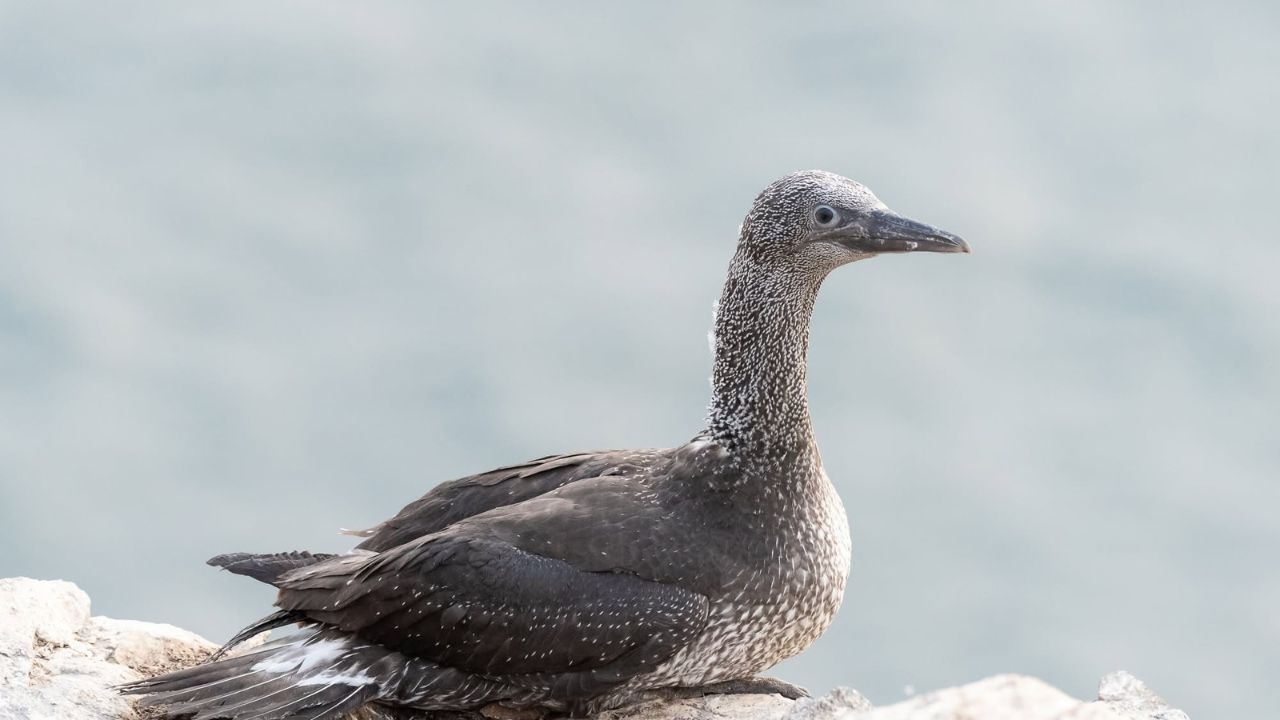
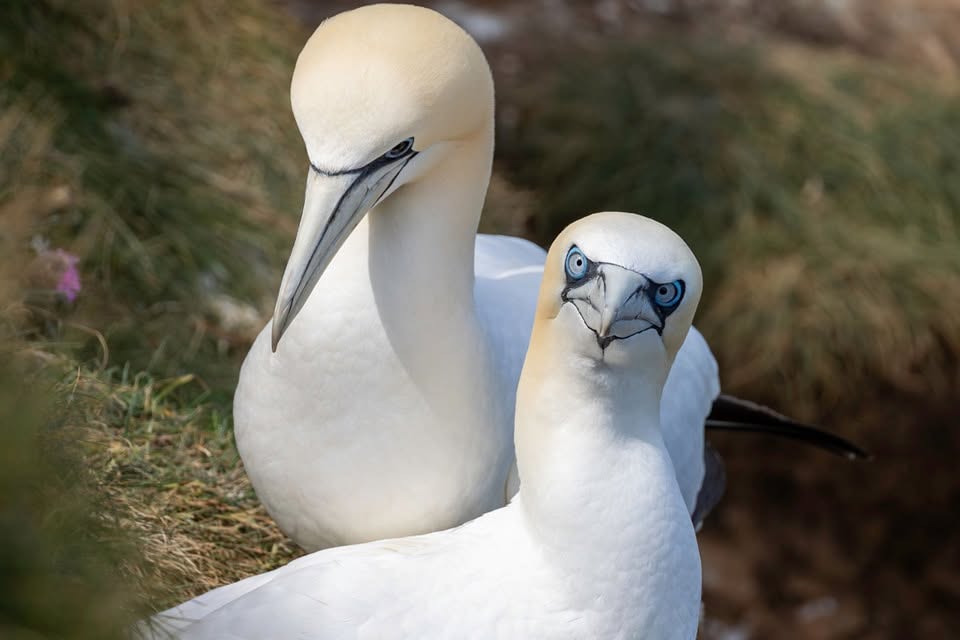
These are not tourist destinations in any conventional sense. North Rona and Sula Sgeir are among the most remote inhabited — and uninhabited — places in the British Isles. Fair Isle, which the cruise also visits, is renowned amongst the UK’s birding community as one of the finest bird observatories in the country. The seabird colonies on these islands — gannets, puffins, storm petrels, great skuas — are among the most significant wildlife spectacles in Europe.
The research I wrote about earlier this week — the Biological Conservation study showing gannet colonies at Grassholm and Bass Rock may not recover until 2041 from the 2022 bird flu outbreak — is directly relevant to what passengers on this cruise will be seeing. The wounds the disease has inflicted on those colonies are visible. The conservation work being done to understand and support recovery is the work the cruise is designed to support and showcase.
All of that is genuinely important. People who experience wild bird populations at scale — who stand in the noise and density of a seabird colony, who see what healthy ecological abundance looks like — come back changed in ways that armchair conservation awareness does not achieve. The cruise is a vector for that kind of engagement.
Why You Do Not Need To Go There
Here is the argument I want to make, which is not a dismissal of the cruise but a widening of the frame.
The vast majority of people who care about UK birds — who feed garden birds, who keep cage birds, who support the RSPB, who are reading this article — will never sail to North Rona. The cost of the expedition, the time required, the physical demands of small-ship expedition travel — these are real barriers that most people will not cross, and there is nothing wrong with that.
The question is whether conservation engagement is therefore closed to them. And the answer is absolutely not.
Let me be specific about what conservation engagement actually looks like for the people who read this article and come into this shop. Because I think the gap between “conservation” as a word used to describe expedition voyages and “conservation” as a description of daily choices made by ordinary bird owners is much smaller than most people assume.
The Conservation Choices That Happen Every Week At This Counter
Responsible Sourcing
Every time someone buys a bird from a reputable, UK-bred source — a breeder or shop that maintains proper biosecurity, that knows the provenance of their birds, that does not participate in supply chains with uncertain origins — that is a conservation-relevant choice.
The alternative — buying birds from sources with unclear provenance, from bird fairs with limited biosecurity, from sellers who cannot tell you where their birds came from — creates the conditions for disease transmission and supports supply chains that may be connected to wild populations in ways that are not always visible or benign.
Responsible sourcing is not glamorous. It does not look like standing on the deck of an expedition vessel watching a gannet colony. But it is a real choice with real consequences, made at the counter of this shop and equivalent shops across the UK, every week.
Biosecurity That Protects Wild Bird Populations
The diseases affecting wild UK bird populations — avian influenza, trichomonosis — do not stay neatly within the wild bird world. Supply chains that connect wild bird populations to domestic bird keeping create transmission routes in both directions. Pet bird populations that carry disease can, in theory, provide a reservoir that interacts with wild populations. Domestic bird keeping that applies rigorous biosecurity — quarantine, hygiene, health monitoring — reduces that risk.
Every bird keeper who takes biosecurity seriously is, in a small but real way, participating in the protection of the same wild bird populations that the Conservation Cruise is sailing to observe and support.
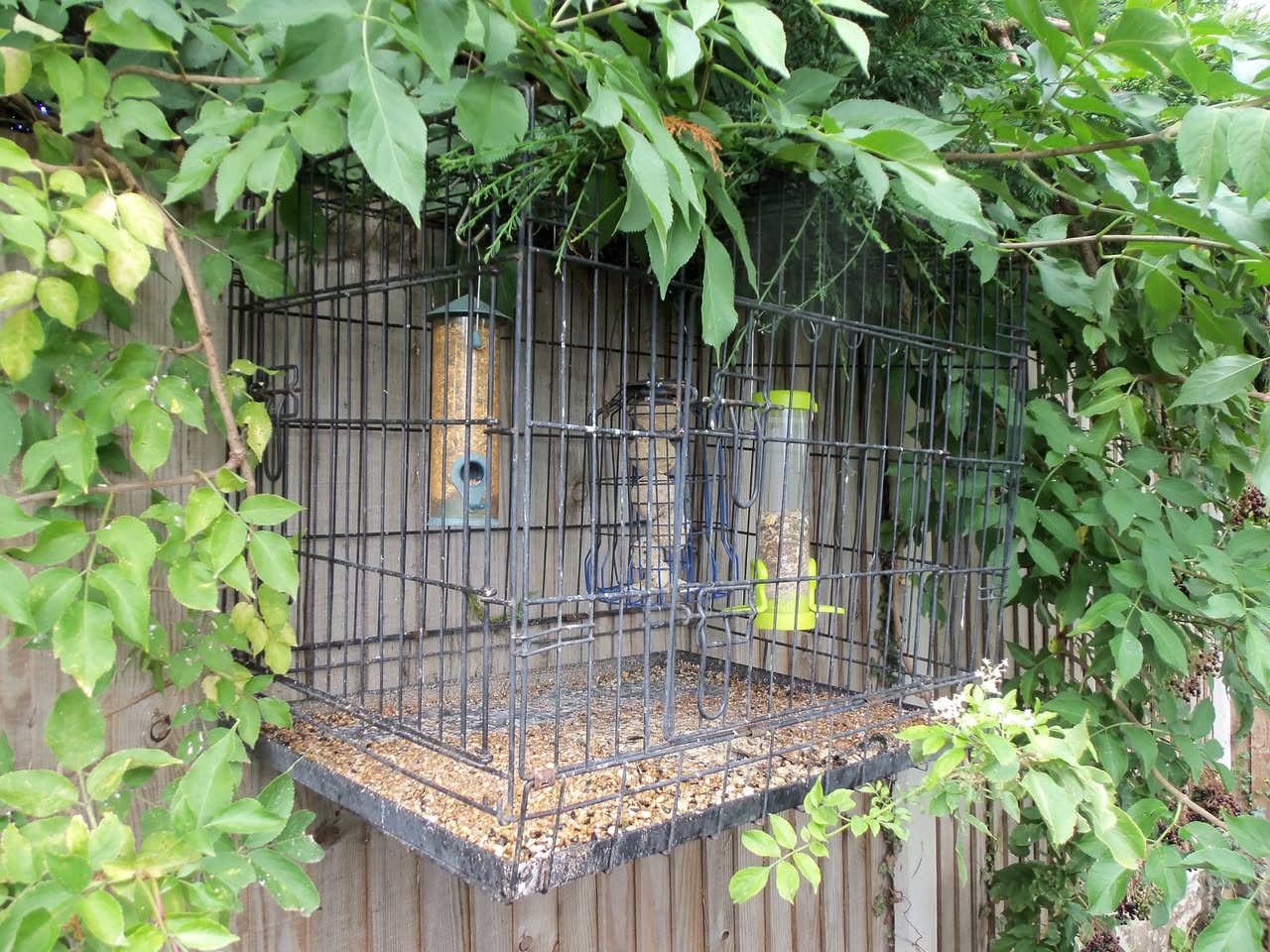
Garden Feeding Done Properly
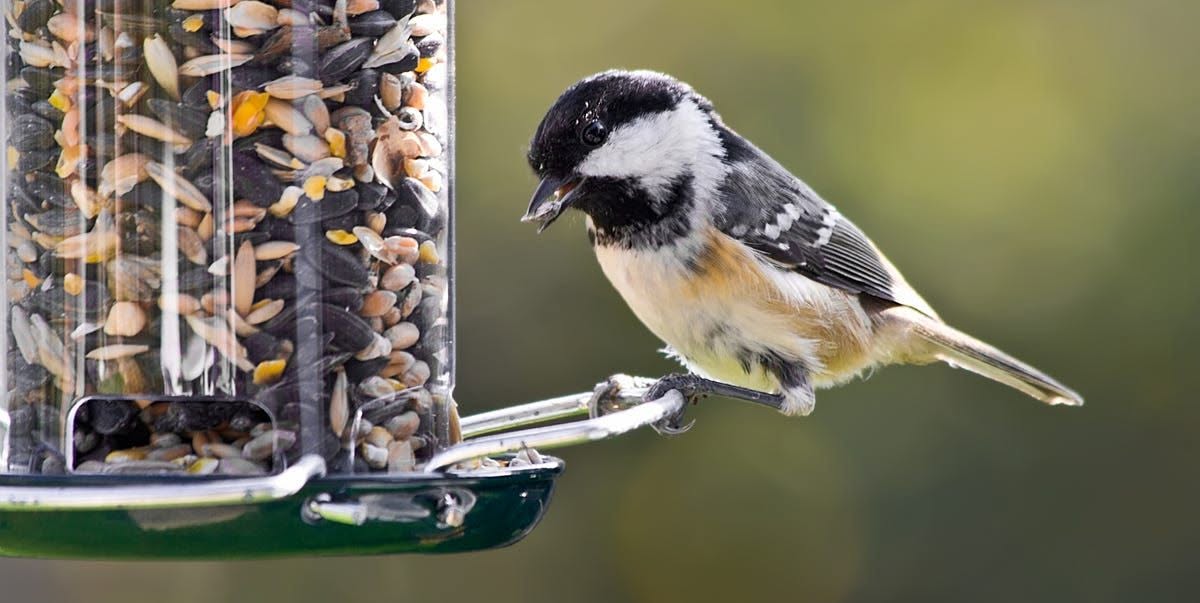
The RSPB’s new summer feeding guidance — which I wrote about earlier this week — represents exactly this kind of thinking. The trichomonosis disease that has driven a 67 percent decline in UK greenfinch numbers spread primarily at garden feeding stations. The sixteen million UK households that feed garden birds are, collectively, a major ecological force — one that can support wild bird populations or can facilitate the spread of disease, depending on how that feeding is managed.
Feeding with proper hygiene. Removing flat-surface feeders. Changing water daily. Moving feeding stations regularly. These are not complicated or expensive actions. They are the garden-bird equivalent of what the Conservation Cruise is doing at an expedition level — using direct engagement with birds to produce better outcomes for those populations.
Supporting The Organisations Doing The Work
The Global Birdfair — the world’s largest annual celebration of birds — takes place at Rutland Water this week, from 10 to 12 July 2026. The RSPB, the BTO, the Wildlife Trusts — these organisations are doing the monitoring, the research, the advocacy, and the direct conservation work that produces results across the UK. Supporting them — through membership, through donations, through participating in citizen science like the Big Garden Birdwatch — is another form of conservation engagement that does not require an expedition to North Rona.
Keeping Each Individual Bird Properly
This is the one I care about most deeply, and the one I come back to at the counter more than any other.
The RSPB’s July 2026 report this week confirmed that 43 percent of UK bird species are at risk of decline or extinction. Forty million birds have gone from British skies in fifty years. In that context, the question of how each individual bird in each individual cage is cared for is not a trivial question.
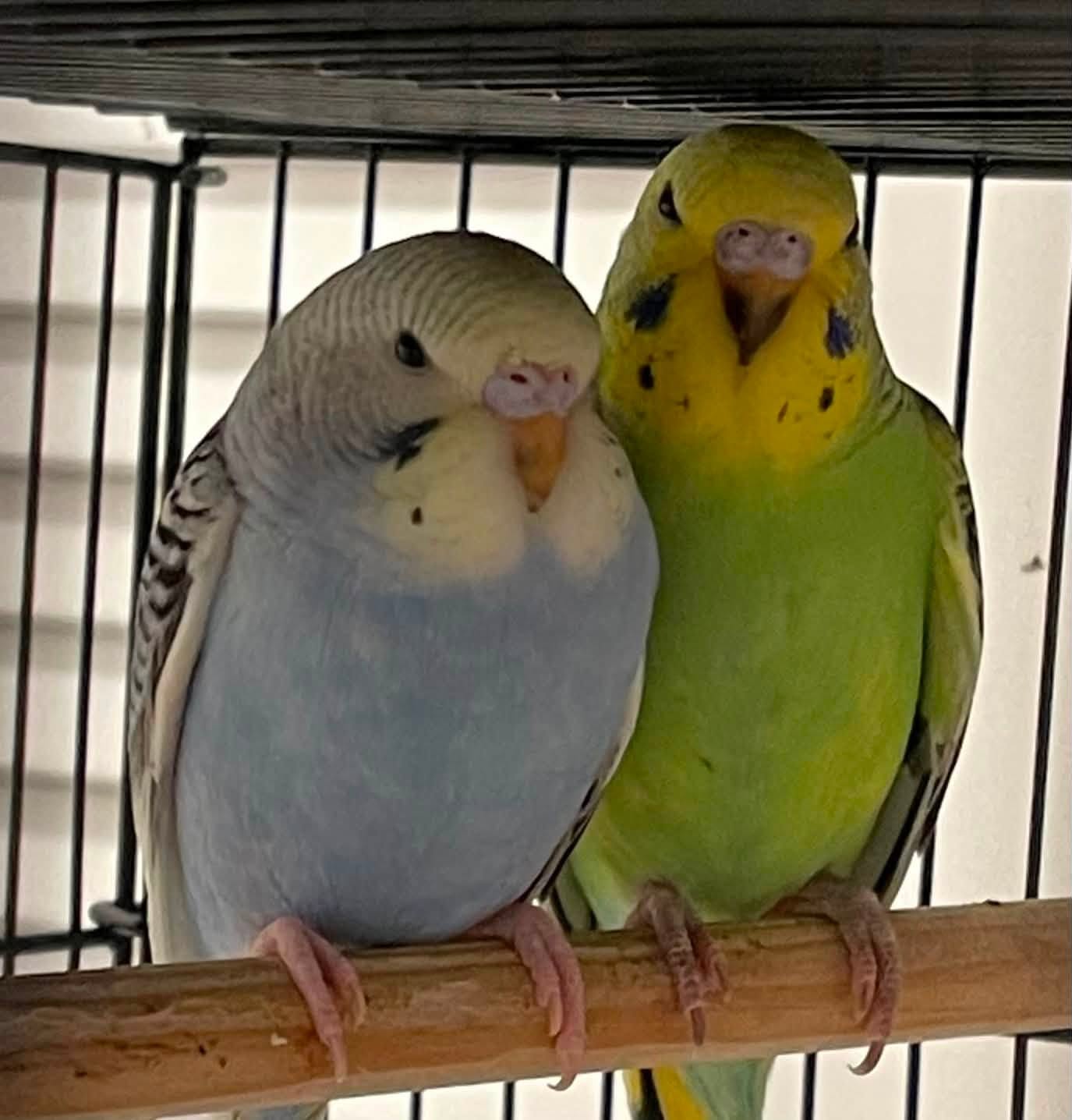
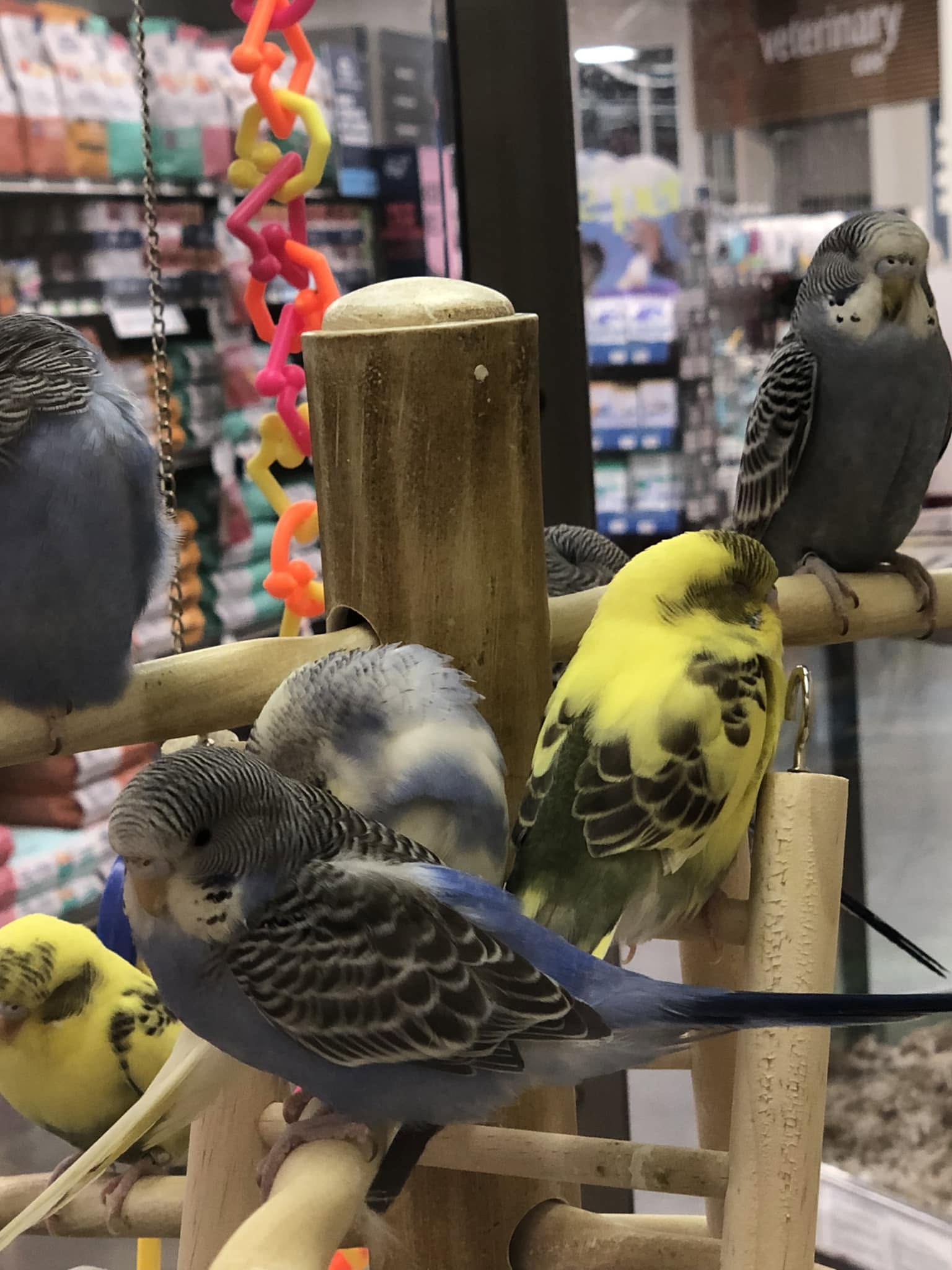
A budgerigar in a cage in Swindon is not a gannet on North Rona. But it is an individual bird, with a cognitive life that recent research has described in terms that should change how we think about our obligations to it. Every owner who meets that bird’s needs properly — who provides appropriate space, diet, social connection, and mental stimulation — is expressing the same values that drive the people aboard the Conservation Cruise. The scale is different. The values are the same.
The Connection Between Wild And Captive That Nobody Is Making
There is a connection that I find myself making at the counter, in conversations about the Conservation Cruise and about the RSPB reports this week, that I want to make explicitly here.
The wild birds on those Scottish islands — the gannets recovering from bird flu, the puffins nesting in their burrows, the storm petrels that spend most of their lives at sea — are the same kind of animals as the birds in the cages and aviaries across the UK. Not the same species, in most cases. But the same biological reality: intelligent, social, warm-blooded animals with complex lives, evolved over millions of years, now facing pressures that most of those years did not include.
The people who sail to those islands and see those birds up close come back understanding something that is harder to convey from a distance: these are not abstractions. They are individual animals in specific places, living specific lives, facing specific challenges.
The budgie in the cage in your living room is also not an abstraction. It is an individual animal in a specific place, living a specific life that depends almost entirely on the choices you make about it. The connection between the conservation values that drive the expedition cruise and the care values that should drive pet bird keeping is real, and it runs through exactly the same understanding of what birds actually are.
What You Can Do This Week — Without Booking An Expedition
- Apply the RSPB’s new summer feeding guidance to your garden feeding station. Remove flat-surface feeders. Clean feeders weekly with disinfectant. Change bird bath water daily. Move feeders regularly. These actions, applied by enough of the sixteen million UK households that feed birds, have genuine conservation significance for the greenfinch and chaffinch populations that trichomonosis is still affecting.
- Register your kept birds with APHA if you have not already. The legal requirement to register captive birds is part of the UK’s biosecurity infrastructure that helps monitor and manage avian disease. It costs nothing and takes minutes.
- Review your sourcing for any future bird purchases. Know where your next bird will come from, what biosecurity the source applies, and what quarantine you will carry out before introducing any new bird to existing birds. This matters more now, in the current elevated disease environment, than it did five years ago.
- Participate in the Big Garden Birdwatch or other citizen science. The BTO and RSPB rely on data from ordinary observers to monitor population trends across the UK. An hour of your time contributes to the datasets that drive conservation decisions. That is not nothing.
- Support the Global Birdfair if you are near Rutland this week. The world’s largest annual celebration of birds takes place at Rutland Water from 10 to 12 July 2026. If you are within travelling distance, it is worth going — not as a substitute for the expedition cruise, but as a way of connecting with the broader community of people who care about birds and the organisations doing the most important work.
- Review the enrichment and environment you are providing for your caged birds. In the context of this week’s research and reports, the question of whether the individual bird in your care is living as full a life as it can is a conservation-connected question, not only a welfare one. Better care for captive birds, at scale, is part of the broader culture of taking birds seriously.
One Final Thought On The Expedition And The Counter
The people aboard the Conservation Cruise this week will do something real. They will see things that change how they understand what is at stake. They will support conservation projects on the islands they visit. They will come back different, in the way that direct experience of something wild and significant changes people.
That matters. I am not going to pretend it does not.
But I have been at this counter for 35 years, and I know what conservation looks like from here. It looks like a customer who asks the right questions before buying a bird rather than just picking the prettiest one. It looks like the owner who cleans the feeder properly every week rather than every month. It looks like the person who quarantines their new bird properly, who changes their bird’s water three times a day in summer, who takes their sick bird to the vet the same day rather than waiting.
It looks, on a good day, like the conversation I have at this counter about what birds actually are and what they actually need — that a budgie is not a decoration, that a canary is not background music, that the bird in the cage has a cognitive life that deserves to be taken seriously.
Conservation is not only what happens on remote Scottish islands accessible by expedition vessel. It is also what happens in every home where someone chooses to understand and meet the needs of the bird in their care. The scale is different. The connection is real.
Want To Talk Through What Conservation Means For Your Birds And Your Garden? Come In And See Me
I will give you an honest conversation about garden feeding, cage bird care, biosecurity, and how the choices you make daily connect to the broader picture of UK bird conservation. Free advice, no obligation. That is how we have done things for 35 years.
⭐ Customer Reviews
Amazing Bird Selection
Had a lovley visit today,staff were very friendly and very helpful,such a great petshop,their selection of birds is incredible,really impressed,thank so much to the staff at Paradise Pets

Friendly Helpful Staff
I have been coming to this place for years and they have a great stock of food for all types of pets. Have a great selection of small mammals and a lot of birds. Staff are friendly and helpful.

Great Quality Hutch
Bought a guinea pigs hutch and run combo, very happy with the service, the hutch was put in my car for me without even asking for help. The wood quality is very good, the instructions easy to follow and we are extremely happy with the fully built hutch. A good size for 2 guinea pigs

Response from Paradise Pets | Wiltshire
Thank you Melanie Latus Nice to provide services to you.
Best Bird Shop Around
It’s the best pet shop in and around Swindon. They always have an amazing selection of birds and all you need to keep them happy. I keep birds myself and the guys there are happy to answer questions and really know their stuff. I have seen budgies etc. in chain pet shops in the area looking really unhealthy and ill – I wouldn’t go anywhere else than Paradise Pets for animals.

Highly Recommended Bird Shop
I could not praise this shop enough. Really helped my Grandson buy his first bird and he’s loving it. Travelled from Somerset and was welcomed with open arms.

Great Shop with Competitive Prices
Great shop with amazing selection for small animals, hamsters, mice ect, highly recommend!
Also has a great selection for dogs & cats too & very competitive prices! 💖

