
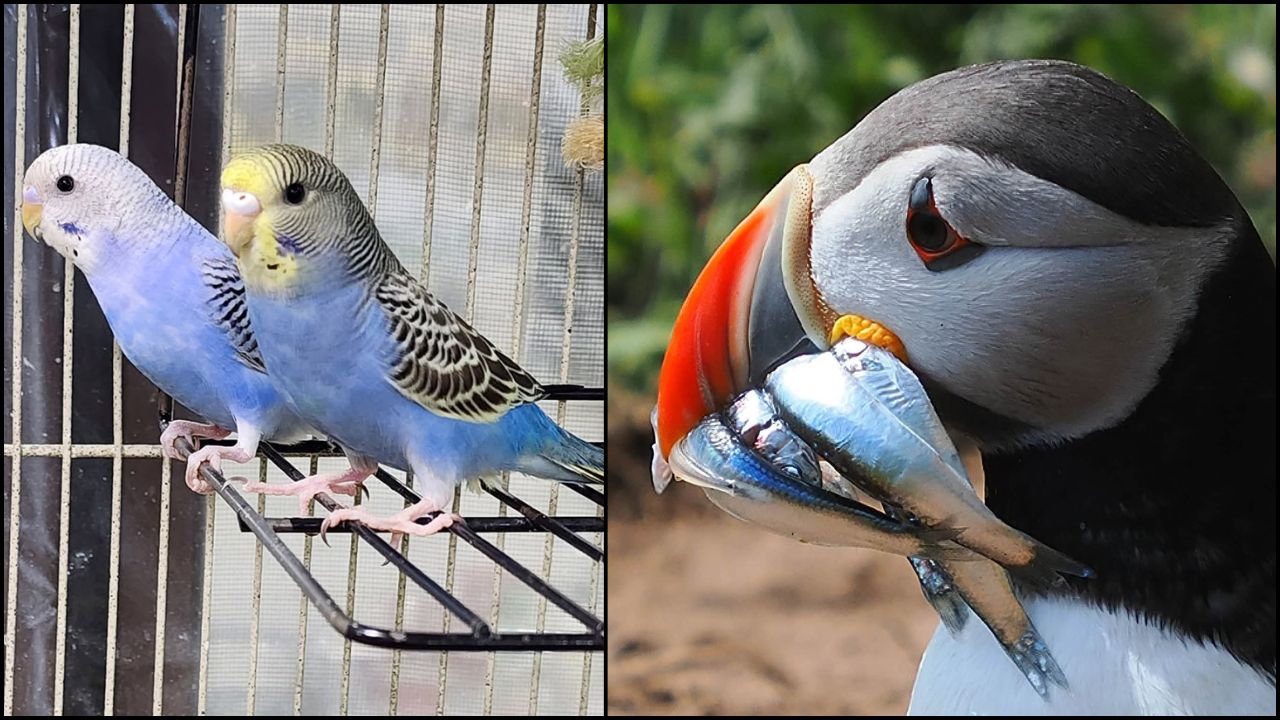

Neil has been keeping, breeding, and selling cage and aviary birds at Paradise Pets Swindon since 1988 — over 35 years of watching how changes in the natural world eventually reach the birds in people’s homes. The RSPB and British Trust for Ornithology published their Climate Change and UK Birds report on 1st July 2026 — two days ago. It is one of the most significant bird science publications in years. This is his honest account of what it actually says, what it does not say, and what it genuinely means for anyone who keeps pet birds or feeds garden birds in the UK.
A customer came into the shop this week having read the news coverage of the report with some alarm. She kept two budgies and maintained a garden feeding station, and the headlines — “UK birds dying,” “89 percent puffin decline projected,” “climate change already killing bird populations” — had produced in her a kind of ambient anxiety about birds that she could not quite place or resolve.
“I don’t know what I’m supposed to do with that information,” she said. “Is it relevant to me? Should I be worried about my budgies? Is there anything I can actually do?”
These are precisely the right questions, and the honest answers are more specific and more useful than the news coverage she had read had provided.
What The Report Actually Found — The Honest Summary
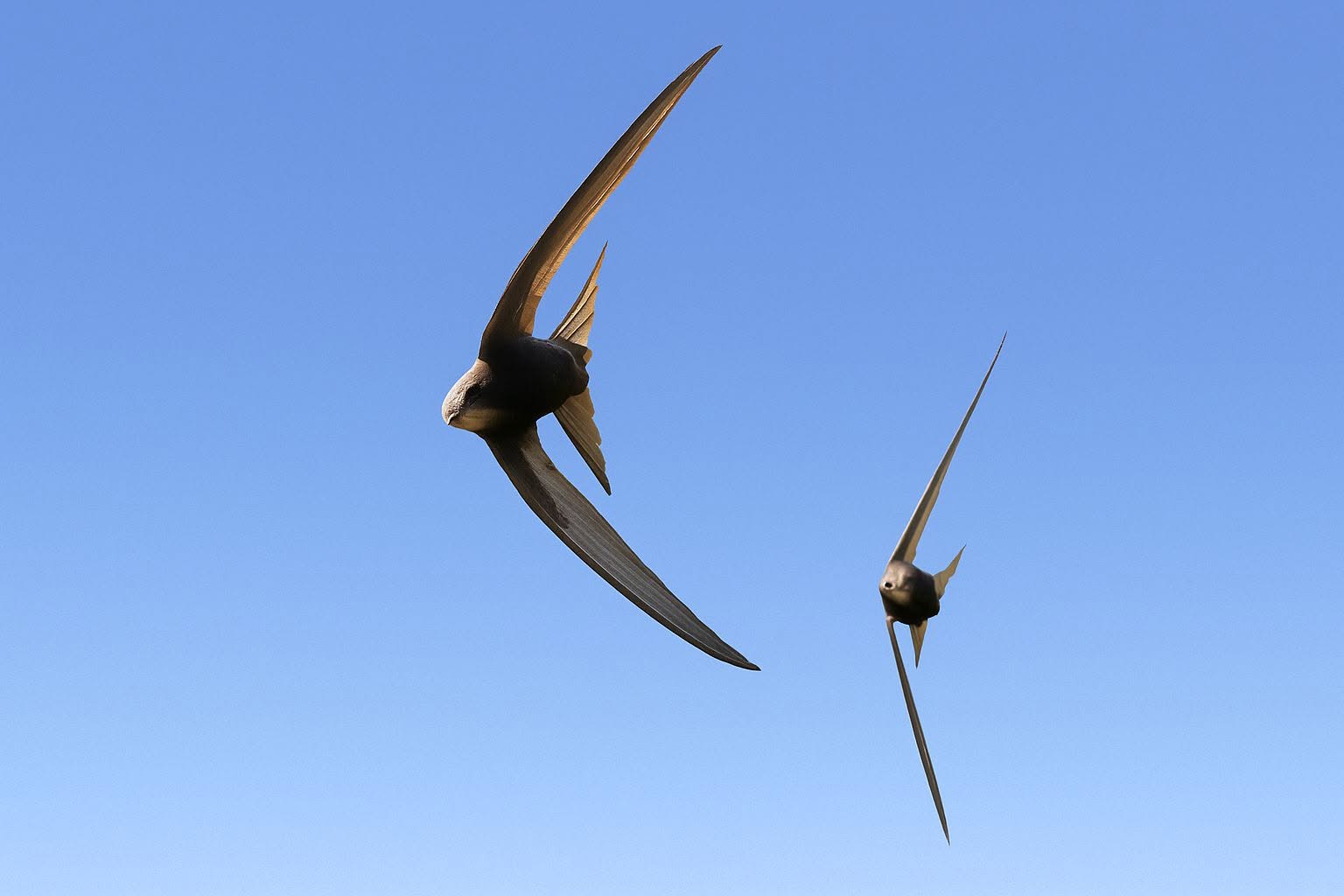
The RSPB and BTO’s Climate Change and UK Birds report confirms that climate change is driving major shifts in UK bird populations — where species live, how common they are, and the timing of key life events like breeding and migration. Rising temperatures, changing rainfall patterns and more frequent extreme weather events are accelerating these changes.
Within the UK, breeding seabirds and upland breeding birds are the two groups most vulnerable to climate change. Fourteen seabird species are regarded as being at risk of negative climate change impacts.These include Puffin, for which a population decline across Britain and Ireland of 89% is projected by 2050.
Conversely, climate change appears to be contributing to population increases and expansion in breeding waterbirds, including species colonising from continental Europe. Southerly-distributed waterbirds, coastal species and heathland species are those most likely to benefit from climate change.
Populations of one third of common and widespread breeding bird species fluctuate with temperature and rainfall. Warmer spring temperatures can increase breeding success whilst a reduction in winter severity has boosted annual survival of many resident species.
This is the important nuance in the report that most headlines missed — climate change is not uniformly catastrophic for all UK bird species. Overall, a quarter of our breeding species appear to be negatively affected and a quarter may be responding positively; the remaining breeding species that have been studied appear relatively unaffected by climate change.
The picture is genuinely complex, and it matters for pet bird owners specifically that you understand the complexity rather than react to a simplified headline.
What The Report Does Not Say — The Honest Clarification
Before discussing what this means for pet bird owners, I want to address what the report is and is not saying, because the news coverage has been imprecise about this in ways that produce unnecessary alarm alongside genuine concern.
- The report is primarily about wild bird populations, not cage birds — budgies, cockatiels, canaries, and other commonly kept cage birds in the UK are not wild UK species; their welfare is affected by the conditions inside your home, your diet choices, and your care, far more directly than by the macro-level climatic shifts described in this report
- The 89 percent puffin projection is genuinely alarming but not representative of all species — puffins are specifically vulnerable because of their dependence on particular cold-water prey species and because they breed in fixed, exposed cliff colonies with no flexibility to shift location; not all garden or cage bird species face remotely comparable risk profiles
- Some species are genuinely benefiting from climate change — the report clearly states that approximately a quarter of breeding species are responding positively to warming temperatures; this includes a range of waterbirds and southerly species that are expanding their UK ranges; the picture is not uniformly one of decline
- The report is about population-level trends over decades, not this summer — the changes described have been accumulating since the 1970s and the projections extend to 2050; this is not a document about immediate emergency action in the next few weeks
What It Does Mean For Garden Bird Owners — The Specific Relevance
This is where the report moves from abstract science to something with genuine practical implications for the millions of UK households that feed garden birds.
- Garden feeding matters more, not less, as natural food sources shift — one of the documented effects of climate change on UK birds is disruption to the timing of insect emergence and other natural food sources; garden feeders are increasingly filling gaps in natural food availability that previously did not exist, which means the quality and reliability of garden feeding matters more than it did a generation ago
- Climate change is creating new seasonal patterns that feed garden owners have not previously navigated — warmer springs and autumns, milder winters, and less predictable seasonal transitions mean that the conventional wisdom about when garden feeding is most important is shifting; the birds may need support at different times and in different ways than traditional advice has historically suggested
- The species visiting your garden are changing — the report documents expanding ranges for some species and contracting ranges for others; species you have not previously seen in your area may begin appearing at your feeders, and species that were once regular may become less so; this is already observable in many UK gardens and will continue over the coming decades
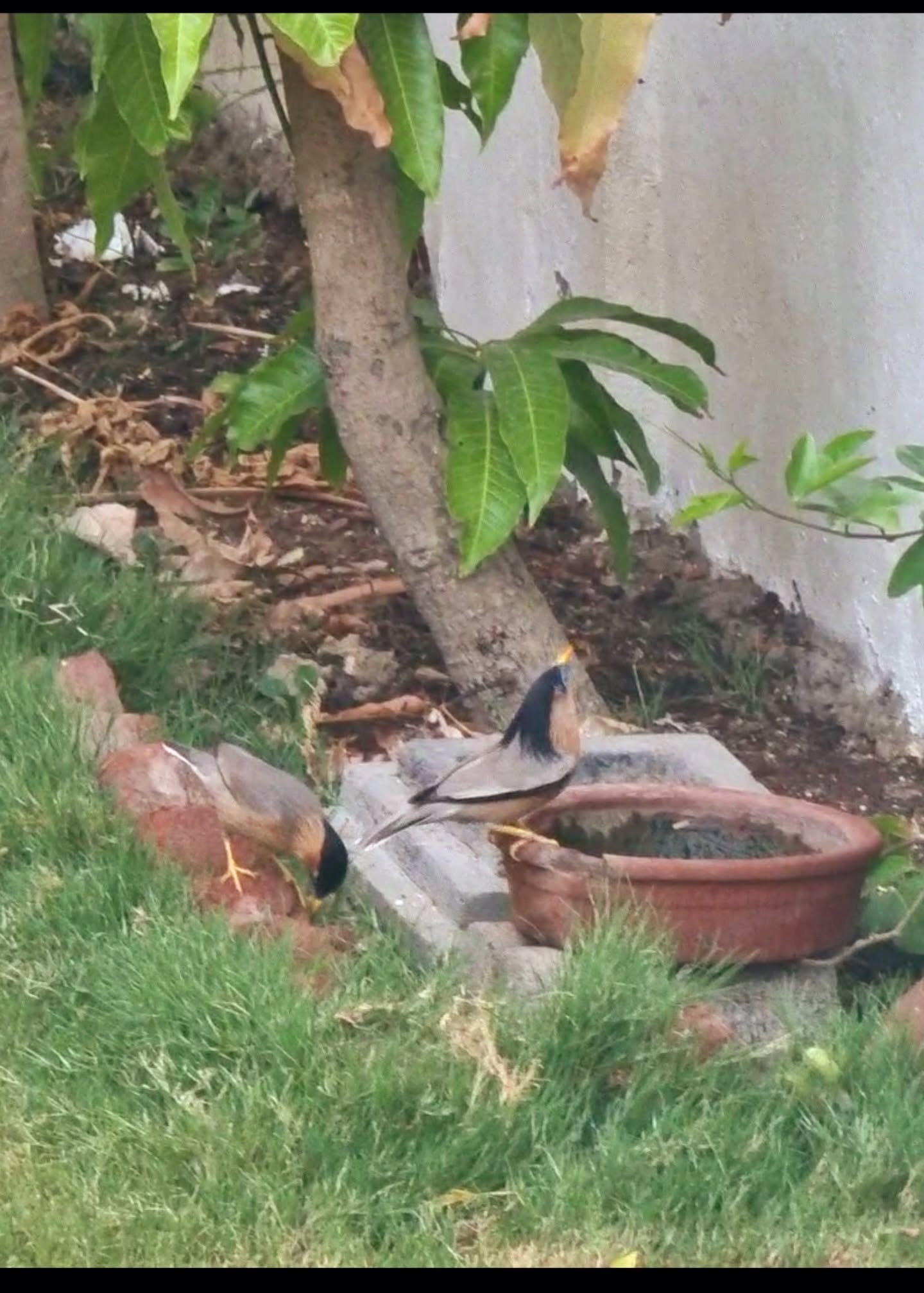
- Fresh water is specifically flagged as increasingly important — one of the practical garden wildlife recommendations emerging from the climate science is the importance of reliable fresh water provision in gardens, as climate variability increasingly affects natural water sources; a well-maintained bird bath with daily water changes is a genuinely meaningful contribution in a changing climate context
- Native planting alongside feeding is specifically highlighted — the report and accompanying RSPB guidance emphasise that supplementary feeding works best alongside habitat that provides natural food and shelter; native hedgerow plants, berry-bearing shrubs, and insect-supporting plants in the garden create a more complete support system than feeders alone
What It Means For Cage Bird Owners — The More Nuanced Relevance
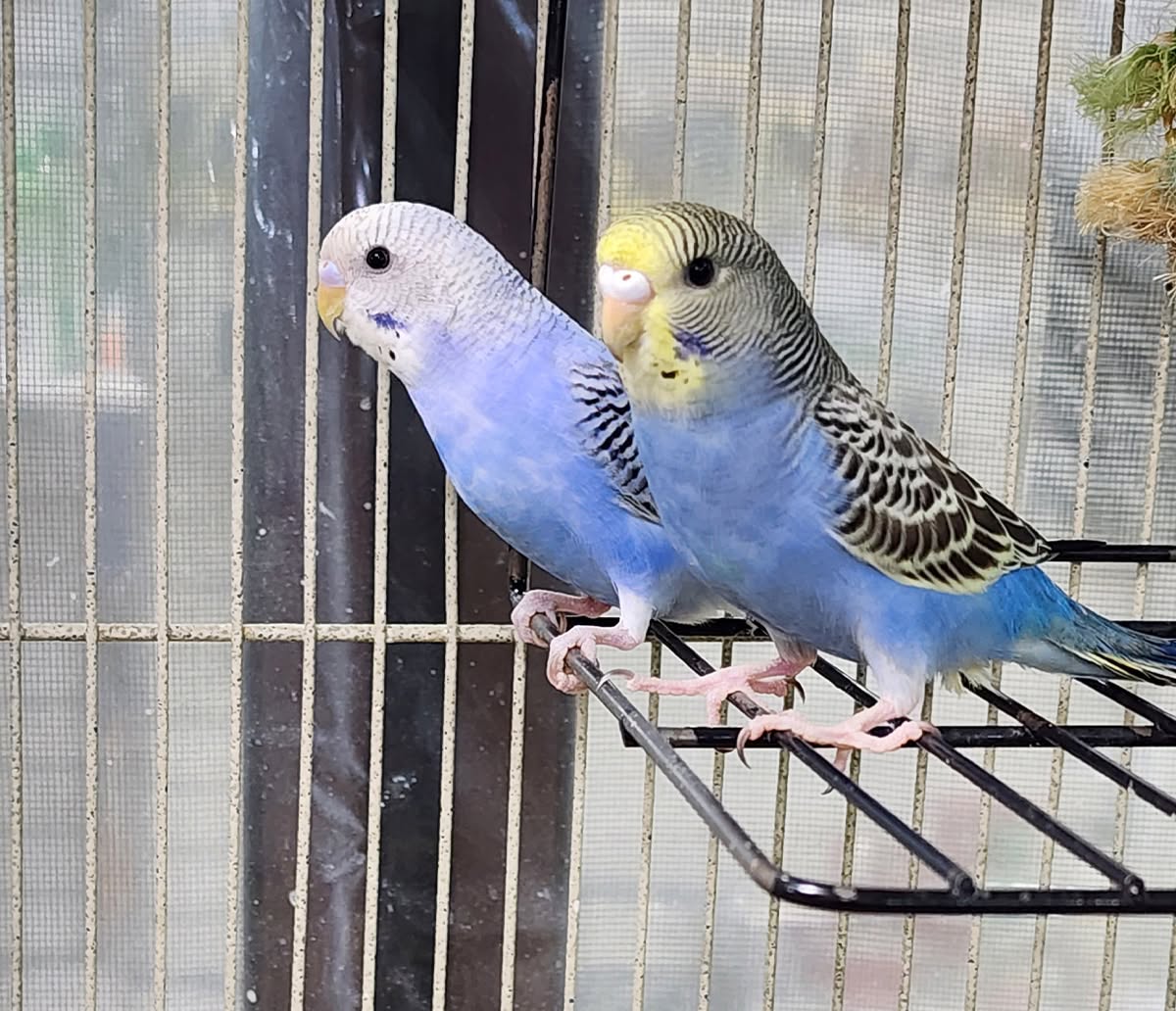
For the owner of a budgie, cockatiel, or canary kept indoors, the direct relevance of a climate science report about wild bird populations is genuinely more limited than headlines might suggest. But it is not zero.
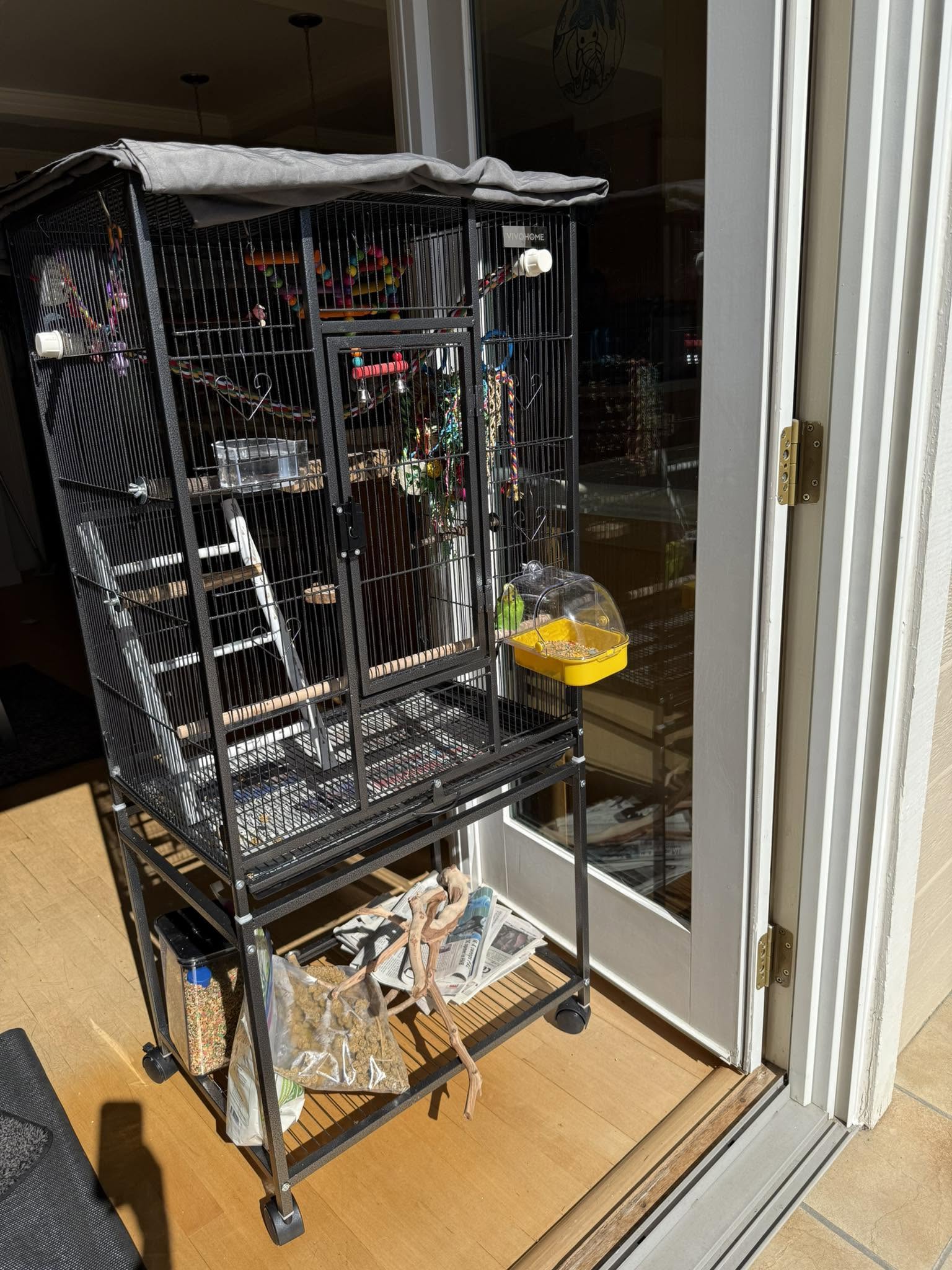
- Summer heat is an immediate, growing cage bird welfare issue — the report documents the rising temperature trend that UK homeowners are already observing; cage birds are vulnerable to heat in ways that the average UK home has not previously had to manage as carefully; budgies, cockatiels, and canaries all have significantly lower heat tolerance than most UK owners realise, and as UK summers become reliably warmer, cage positioning and temperature management are becoming more important welfare considerations — not a future concern, but a present one every July and August
- Climate-related disruption to supply chains affects bird food quality and availability — the seed, fresh food, and specialist avian nutrition that cage birds depend on is produced in agricultural systems affected by the same climatic shifts the report describes; this is a longer-term consideration, but understanding that the supply of good-quality varied diet for cage birds is not guaranteed in the way it previously was is worth awareness
- The broader picture reinforces the value of responsible breeding and sourcing — the report’s emphasis on supporting wild bird populations through better land management and conservation reinforces the value of sourcing cage birds from reputable UK breeders rather than imported supply chains; Paradise Pets has always stocked only UK-bred birds from known breeders, and the conservation reasons for this approach are strengthened by the wider picture this report describes
- The emotional dimension is real and worth acknowledging — for many people who keep cage birds, the connection to wild birds is genuine; reports documenting population-level declines in familiar UK species produce a kind of ambient grief that is a reasonable response to what the science is describing; acknowledging this honestly, without amplifying it unnecessarily, is more useful than either dismissing it or catastrophising it
What Practical Action The Report Points Toward
The RSPB and BTO’s accompanying guidance alongside the report identifies several practical actions that individual households can take. These are worth listing because they are specific, actionable, and directly relevant to the kinds of households this article is written for.
- Continue and improve garden bird feeding — but with current best-practice hygiene — the report’s context makes clear that garden feeding stations are a genuinely significant component of the support available to bird populations under pressure; continuing to feed, and doing so with the hygiene standards the RSPB’s April 2026 “Feed Seasonally, Feed Safely” guidance describes, matters more in this context than ever
- Provide reliable fresh water year-round — in warming conditions with more variable rainfall, a garden bird bath with daily water changes is a practical, significant contribution; the report specifically identifies water provision as an increasingly important action
- Plant native species in the garden where possible — berry-bearing native shrubs, native hedgerow plants, and plants that support insect populations provide natural food sources that complement feeders; hawthorn, elder, rowan, and holly are particularly valuable for garden birds across multiple seasons
- Participate in citizen science monitoring — the RSPB’s Big Garden Birdwatch, the BTO’s Garden Birdwatch, and other volunteer monitoring schemes provide the data that makes reports like this one possible; participation is free, takes an hour a year for the Big Garden Birdwatch, and contributes directly to the evidence base that informs conservation action
- Manage cage bird heat welfare proactively — if you keep cage birds indoors, review their cage position relative to afternoon sun and ensure adequate shade and ventilation as a response to the warming temperatures the report documents; this is the most direct cage bird welfare action connected to the report’s findings
The Robin, The Puffin, And The Budgie
I want to address one more thing honestly, because it comes up in conversations at the counter more often now than it used to, and it came up again this week.
Some people feel, when they read about wild bird population declines, a vague discomfort about keeping cage birds at all. A sense that perhaps, in a world where wild birds are struggling, having budgies in a cage is an incongruous or inappropriate thing to do.
I understand where this comes from. I do not think the logic holds, and I think it is worth saying why.
The birds in the wild bird population reports — puffins on remote Scottish cliffs, declining migratory species, seabirds affected by ocean warming — are not the birds in your budgie’s cage. The pressures on wild bird populations are systemic: habitat loss, climate change, agricultural practices, ocean temperature change. None of these pressures are reduced by choosing not to keep a budgie. And a well-kept cage budgie, sourced from a reputable UK breeder, kept with appropriate diet and space and veterinary care, is not in competition with wild bird welfare — it is simply a different relationship between a person and a bird.
The discomfort is understandable. The conclusion that keeping cage birds is therefore wrong does not follow from it.
What does follow from it is exactly what good cage bird ownership looks like: a bird sourced from reputable UK breeders rather than imported supply chains, kept in conditions that meet its genuine welfare needs, fed an appropriate diet, and cared for over a realistic lifetime commitment. Those are the right responses to a world in which birds, wild and kept, deserve to be taken seriously.
Frequently Asked Questions
Is the RSPB/BTO climate report relevant to my pet budgie?
Directly, only in limited ways — the report primarily addresses wild UK bird populations, not cage birds. The most direct relevance is the documented temperature rise, which is an increasing summer welfare issue for cage birds kept in UK homes. Indirectly, the report reinforces the importance of sourcing cage birds from reputable UK breeders, maintaining good garden feeding standards, and contributing to citizen science monitoring. It is not a document that should produce alarm about your cage bird’s welfare specifically.
Should I be worried about the 89 percent puffin decline projection?
The puffin projection is genuinely alarming, and puffins are a specifically vulnerable species due to their dependence on cold-water prey and fixed cliff breeding locations. This projection applies to a wild seabird in a specific ecological context, not to birds generally or to pet birds. It is worth understanding as a serious conservation concern while recognising that it does not represent a universal picture of all UK bird species.
Does climate change affect budgies and cockatiels kept indoors?
The most immediate effect is temperature. UK summers are becoming reliably warmer, and cage birds — particularly budgies and cockatiels — have lower heat tolerance than most owners realise. A cage positioned to receive direct afternoon sun in July is a genuine welfare risk in current UK summer conditions that would have been less significant twenty years ago. Reviewing cage position relative to seasonal heat is the most practically relevant cage bird welfare action connected to the report’s findings.
Is garden bird feeding more or less important in the context of this report?
More important. One of the documented effects of climate change on UK birds is disruption to natural food sources and their seasonal timing. Garden feeders are increasingly filling gaps in natural food availability that previously did not exist. Feeding well — with current hygiene standards, seasonal adjustment of food types, and reliable fresh water — is more significant in a climate-disrupted context than the conventional garden feeding advice of a previous generation reflected.
What is the single most useful thing I can do after reading this report?
Participate in citizen science. The Big Garden Birdwatch, which takes approximately one hour once a year, contributes directly to the monitoring data that makes reports like this one possible and that informs conservation action. It is free, requires no equipment beyond a pen and paper, and is the most direct contribution an individual can make to the evidence base that tracks and responds to the changes the report describes.
What does the report say about garden birds like robins, sparrows, and blue tits?
The report notes that common and widespread resident species have in many cases benefited from reduced winter severity, with higher survival rates in milder winters. The picture for familiar garden birds is more mixed than for seabirds and upland specialists — some are doing better than a generation ago in some respects while facing other pressures. The overall trend for common garden birds is less catastrophic than the seabird headlines suggest, though the report is clear that many species face cumulative pressure from multiple sources of which climate change is one.
Where can I talk through what this report means for my garden birds or cage birds in Swindon?
Come in to Paradise Pets at Manor Garden Centre, Cheney Manor Industrial Estate, Swindon SN2 2QJ — or call us on 01793 512400. We are happy to talk through what the current science means for your specific garden feeding setup or your cage birds. The advice is always free.
One Last Thing From Me
The customer who came in this week with her ambient anxiety about birds and climate change left with a clearer head than she had arrived with. Not because the report’s findings are less serious than she had understood — they are serious. But because the specific things she could do, today and this month, were clearer than the news coverage had made them. Better garden hygiene, a reliable bird bath, a native plant or two where the garden had space. And for her budgies — a review of the cage position relative to afternoon summer heat, and a slightly more conscious awareness that the birds in her care and the birds in her garden are both worth paying attention to seriously, in ways that are specific to each.
That is, honestly, what this report calls for. Not helplessness, not catastrophising, not guilt about having cage birds. Attention. Specific, practical, calibrated attention to the birds you can actually influence, in a world where the evidence for taking birds seriously has never been stronger.
Questions About What This Report Means For Your Garden Or Cage Birds? Come And Talk To Us
We have been keeping and caring about birds for 35 years. We are happy to talk through what the current science means in practice for your specific situation. Free advice, no obligation.
⭐ Customer Reviews
Amazing Bird Selection
Had a lovley visit today,staff were very friendly and very helpful,such a great petshop,their selection of birds is incredible,really impressed,thank so much to the staff at Paradise Pets

Friendly Helpful Staff
I have been coming to this place for years and they have a great stock of food for all types of pets. Have a great selection of small mammals and a lot of birds. Staff are friendly and helpful.

Great Quality Hutch
Bought a guinea pigs hutch and run combo, very happy with the service, the hutch was put in my car for me without even asking for help. The wood quality is very good, the instructions easy to follow and we are extremely happy with the fully built hutch. A good size for 2 guinea pigs

Response from Paradise Pets | Wiltshire
Thank you Melanie Latus Nice to provide services to you.
Best Bird Shop Around
It’s the best pet shop in and around Swindon. They always have an amazing selection of birds and all you need to keep them happy. I keep birds myself and the guys there are happy to answer questions and really know their stuff. I have seen budgies etc. in chain pet shops in the area looking really unhealthy and ill – I wouldn’t go anywhere else than Paradise Pets for animals.

Highly Recommended Bird Shop
I could not praise this shop enough. Really helped my Grandson buy his first bird and he’s loving it. Travelled from Somerset and was welcomed with open arms.

Great Shop with Competitive Prices
Great shop with amazing selection for small animals, hamsters, mice ect, highly recommend!
Also has a great selection for dogs & cats too & very competitive prices! 💖

