
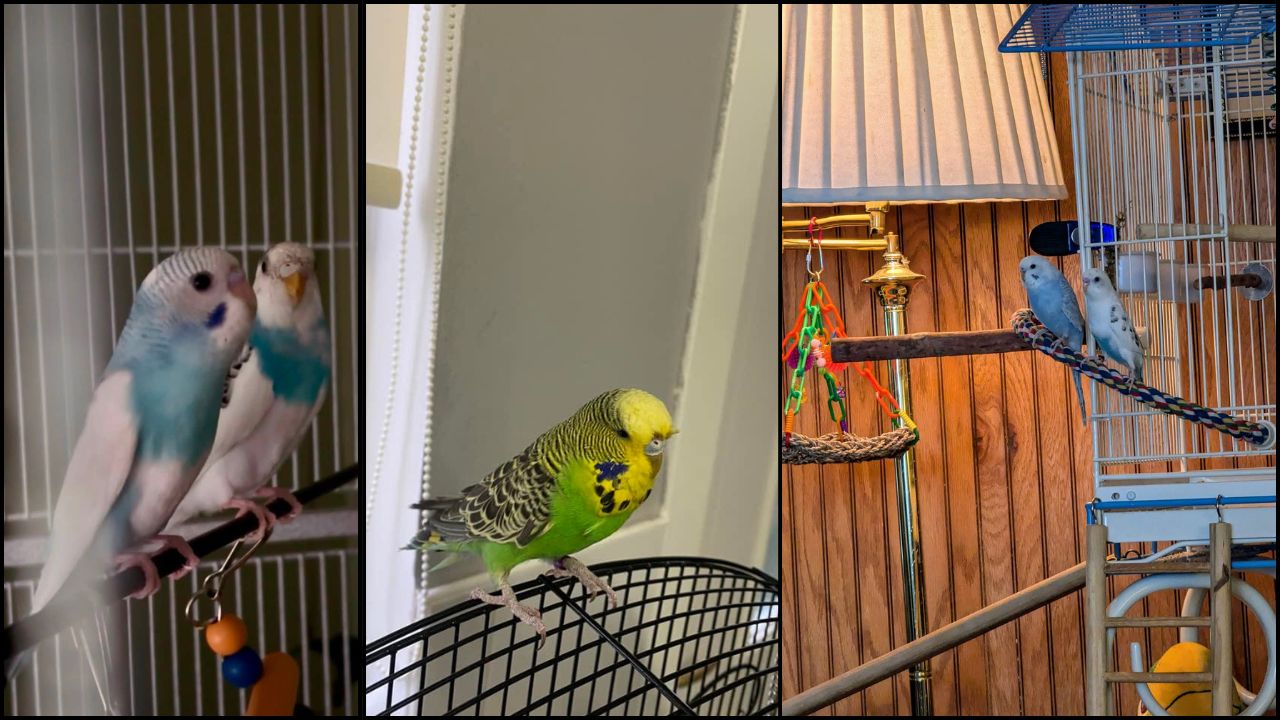

Neil has kept, bred, and sold cage and aviary birds at Paradise Pets Swindon since 1988 — over 35 years of first-hand experience with budgerigars, cockatiels, canaries, finches, and dozens of other species. The question of whether to buy a bird from a pet shop or take one free from a private home is one he gets asked regularly. This is his honest answer — including the parts that do not reflect entirely well on the pet trade, and the parts that people who choose the free option sometimes discover too late.
A man came in about four months ago and told me he had found a budgie advertised free to a good home on Facebook. He wanted to know whether he should take it, or whether he should buy one from us instead. He said, and I appreciated the honesty, that he could not really see what the difference was beyond the price.
I told him I would give him an honest answer — not the answer that benefits me most, but the one that actually helps him make the right decision. Because there is a right answer here, and it is not simply “buy from a pet shop.” It is more nuanced than that, and the nuance matters.
Here is the honest version.
What You Are Actually Paying For When You Buy From a Reputable Source
Before talking about free-to-good-home birds specifically, I want to be honest about what the price of a bird from a good pet shop or specialist breeder actually represents — because it is not simply margin, and understanding what it covers helps clarify what you are getting and what you are not.
Known Origin and Age
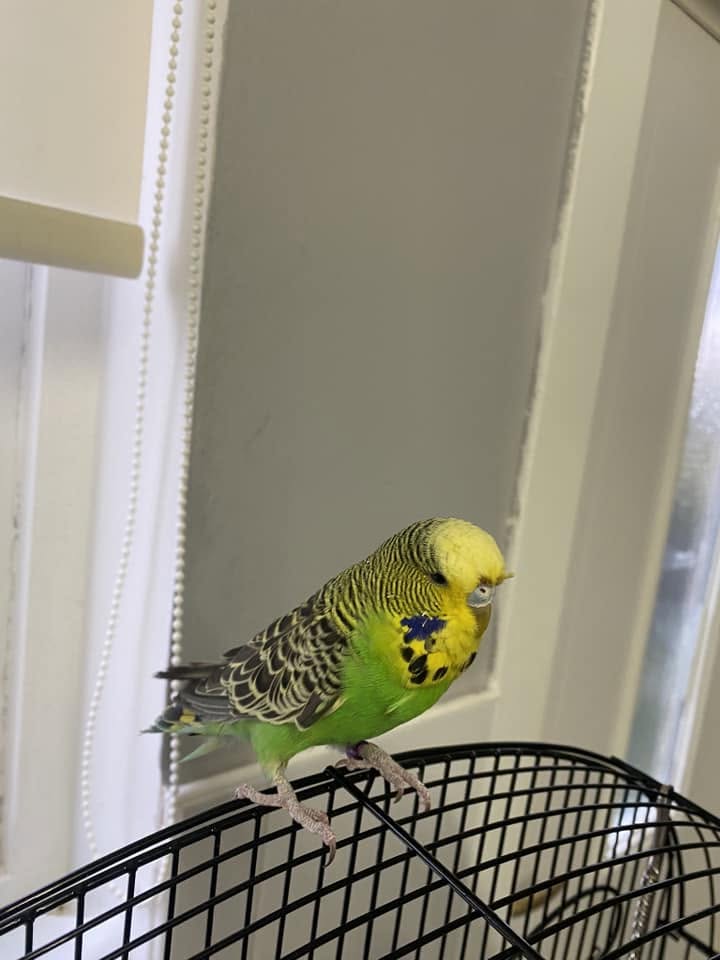
A bird from a reputable source comes with a known history. A reputable specialist knows where the bird came from, how old it is, what it has been eating, how it has been handled, and whether it has shown any signs of health issues. This information is not trivial. Age matters enormously for tameability — a budgie at eight weeks handles very differently from one at eight months. Diet history matters for transition — a bird that has only ever eaten cheap millet mix needs a different approach than one already on a varied diet. Handling history matters for how quickly the bird settles and bonds.
When you buy from a source that knows these things and tells you them honestly, you are buying information as much as you are buying a bird. That information shapes the first weeks of the relationship and significantly affects the outcome.
Health Baseline
A good pet shop or specialist sees their birds daily. They notice changes — in behaviour, in droppings, in feather condition, in activity level. A bird that develops signs of illness is identified and addressed before it goes to a new home, or it is not sold until it has recovered. This does not mean every pet shop bird is guaranteed healthy — no honest seller would make that claim — but it does mean there is an active monitoring process that a private individual rehoming a bird they are losing interest in simply cannot replicate.
Handling and Socialisation
A specialist source that takes bird welfare seriously handles young birds regularly from an early age. The result is a bird that is already partway through the taming process before it arrives in your home — comfortable with human proximity, used to hands near it, beginning to associate people with positive experiences. This head start cannot be overstated in its practical value. It is the difference between a bird that takes a few weeks to settle and one that takes many months of patient work, or that never fully settles at all.
Aftercare and Advice
When you buy from a specialist and something goes wrong — the bird stops eating, the feathers look wrong, the behaviour changes in a way that worries you — you have somewhere to go with that question. A good pet shop will answer it honestly, tell you whether it needs a vet, and give you the context to make an informed decision. That ongoing relationship has value that is difficult to quantify before you need it and obvious once you do.
The Free-to-Good-Home Reality — What You Do and Do Not Know
Now the honest part about free-to-good-home birds, because I promised not to give you the version that simply serves my interests.
Free-to-good-home birds are not all the same, and I do not want to imply they are. Some of them are excellent. There are private owners who have kept their bird beautifully, who know its full history, who are rehoming for a genuine reason — a move abroad, a new allergy, a life circumstance that makes continued keeping impossible — and who are offering a well-kept, well-handled animal with full information. These birds can be an excellent option, and I would never pretend otherwise.
But the honest statistics of free-to-good-home birds, based on what I have seen over 35 years, are less favourable than that best case suggests. And understanding why requires thinking about who, realistically, is giving a bird away for free.
The Reason for Rehoming Matters More Than People Acknowledge
The most common reasons birds end up being rehomed in the UK are: the owner has lost interest, the bird is more demanding than expected, the bird has developed a behaviour problem — biting, screaming, feather plucking — that the owner does not want to deal with, or the bird’s care has become burdensome and the owner wants to move on.
These are honest reasons that happen to decent people, and there is no shame in them. But they matter for the bird you are taking on. A bird that has been kept inconsistently, given limited handling, fed a poor diet, or stressed by an unsuitable environment for a year or two arrives in your home already shaped by that experience. It is not a blank slate. The behaviours and associations it has developed — including a wariness of humans if handling has been inconsistent, or a dependence on certain routines if its environment has been very restricted — come with it.
A behaviour problem — biting, feather plucking, chronic screaming — is particularly important to investigate before agreeing to take a bird. These problems have causes, and sometimes the cause is something addressable in a new environment with better care. But sometimes it is something more deeply established, and the new owner finds themselves with a bird that is difficult to manage and that the previous owner did not fully explain.
Age Is Often Unknown or Understated
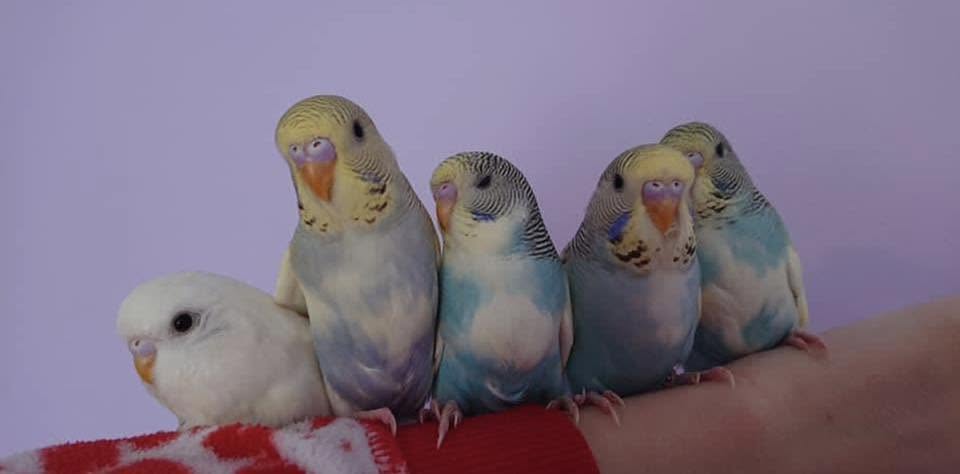
In budgies specifically, age matters significantly for what you can reasonably achieve with taming and handling. A bird under twelve weeks old, from a source that has handled it, is genuinely tameable in a relatively short time with patient work. A bird that is two or three years old, that has had limited positive handling experience, is a much longer and less certain project.
Private sellers frequently do not know the exact age of their bird, particularly if they bought it themselves from a source that did not provide this information. “About a year old” is the kind of estimate that can mean anything from six months to three years in practice. Without knowing the age, you cannot properly assess what you are taking on.
Health History Is Usually Incomplete
Most private bird owners do not take their birds to an avian vet for routine checks. This is not a criticism — it reflects the reality that avian vet costs have risen significantly and routine care for a small bird is an expense many owners do not prioritise. But it means that a bird being rehomed from a private home has typically never been assessed by a vet, and any health issues that have developed — nutritional deficiencies, low-level respiratory conditions, early signs of illness that the owner has not noticed — come undisclosed because they are unknown.
This is not bad faith. It is simply the absence of information that a good specialist source would have. The bird may be perfectly healthy. It may not be. You are taking it on without knowing.
The Hidden Costs That Make Free Expensive
Here is where “free” becomes a more complicated proposition than it appears on the surface, and I want to work through this specifically because it is the part of the calculation that most people do not make before they accept the bird.
The Veterinary Assessment You Should Always Do
Any bird taken from a free-to-good-home source should, in my honest opinion, be assessed by an avian vet within the first few weeks of arrival. Not because every rehomed bird is sick, but because without that assessment you have no health baseline, no information about whether subclinical issues are present, and no basis for comparison if the bird’s health changes later.
An avian vet consultation costs £40 to £70 in 2026. That cost applies to a free bird as much as to a purchased one — and for a free bird it is, if anything, more important, because the health history that a good specialist source provides is simply absent.
The Cost of Addressing a Poor Diet History
Many privately rehomed birds have been on nutritionally inadequate diets — cheap seed mixes, limited or no fresh food, no supplementation. A bird that arrives in Vitamin A deficiency or in generally poor nutritional condition may need supplement support, dietary transition over an extended period, and potentially veterinary treatment for the symptoms of deficiency. None of this is expensive in isolation, but it is not free, and it is a cost that a bird from a good source — fed properly from the start — does not typically bring with it.
The Time Cost of Rehabilitation
A free bird that has been poorly handled, or not handled at all, requires a taming process that can take many months and that may not fully succeed depending on the bird’s age and previous experience. This is a cost measured in time and patience rather than money, but it is a real cost — and for many people who got a bird because they wanted an interactive pet, discovering that the free bird they took on will never be what they hoped for is a significant disappointment that has a human cost alongside the practical one.
When a Free-to-Good-Home Bird Is the Right Choice
I promised an honest answer, and an honest answer includes the cases where the free option is genuinely the right one.
If you are taking a bird from someone you know personally — a friend, a family member, someone whose care standards you can assess and whose information you can trust — the free-to-good-home option can be excellent. Known origin, known history, and the confidence that comes from personal knowledge of the source are exactly what make a good acquisition, and price is genuinely secondary.
If you are an experienced bird keeper taking on a bird that needs rehabilitation — understanding clearly what you are taking on, with the skills and patience to address it — a rehomed bird can be a genuinely rewarding project. Experienced keepers are not naive about what they are agreeing to and have the tools to make it work.
And if you encounter a private seller who can provide full, credible information about the bird’s age, history, diet, and handling — who answers specific questions accurately and consistently, whose home and setup you can assess, and whose reason for rehoming is clear and genuine — then the price difference in favour of the free option represents real value rather than hidden risk.
The caution is for those who take a free bird on the basis of it being free, without asking the right questions, without doing the veterinary assessment, and without realistic expectations of what they may be taking on. This is the scenario I see go wrong most often, and it is the scenario this article is primarily written to prevent.
The Questions to Ask Before Taking Any Bird — Free or Purchased
- How old is the bird, and how do you know? An honest answer will include the basis for the age estimate — purchase records, a breeder’s information, a vet note. A vague “about a year” without any supporting information is a flag.
- What has it been eating? Specifically — which seed mix, whether fresh food has been offered, whether pellets or supplements have been used. This tells you both the nutritional history and what diet transition the bird will need.
- Has it ever been handled regularly? Does it step up onto a hand? Has it been out of the cage? Has it had daily interaction? The answers tell you where you are starting from with taming and what realistic expectations look like.
- Why is it being rehomed? Listen carefully to this answer and notice whether it is specific and credible, or vague and evasive. A genuine reason, honestly explained, is entirely different from a reluctance to say.
- Has it ever seen a vet? If yes, when and why? If no, that is the starting point for your own approach — a vet check on arrival is the responsible response to unknown health history.
- Has it had any behaviour problems? Biting, feather plucking, screaming, refusal to eat varied foods. These should be disclosed, and a seller who assures you there have been no problems whatsoever with a bird that is being rehomed is worth approaching with some scepticism.
- Can I see where it has been kept? The cage, the position, the hygiene, the setup. This tells you more about the actual care the bird has received than anything the owner says.
What I Told the Man Who Asked
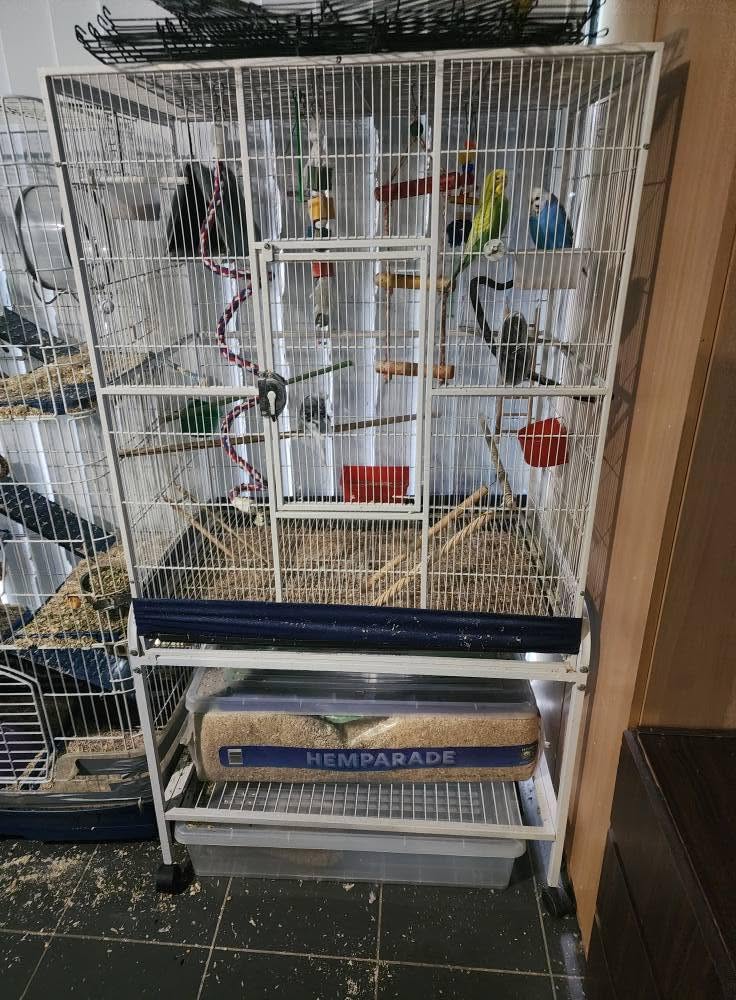
The man who came in asking about the Facebook budgie — I told him to go and look at it. To ask the questions. To see where it was kept and what it was like. And to call me afterwards with what he found out, and we would talk it through.
He called me two days later. The bird was about two years old, had lived alone in a small cage, had never been handled, and the owner admitted it bit. The reason for rehoming was that the owner had “lost interest.” He asked me what I thought.
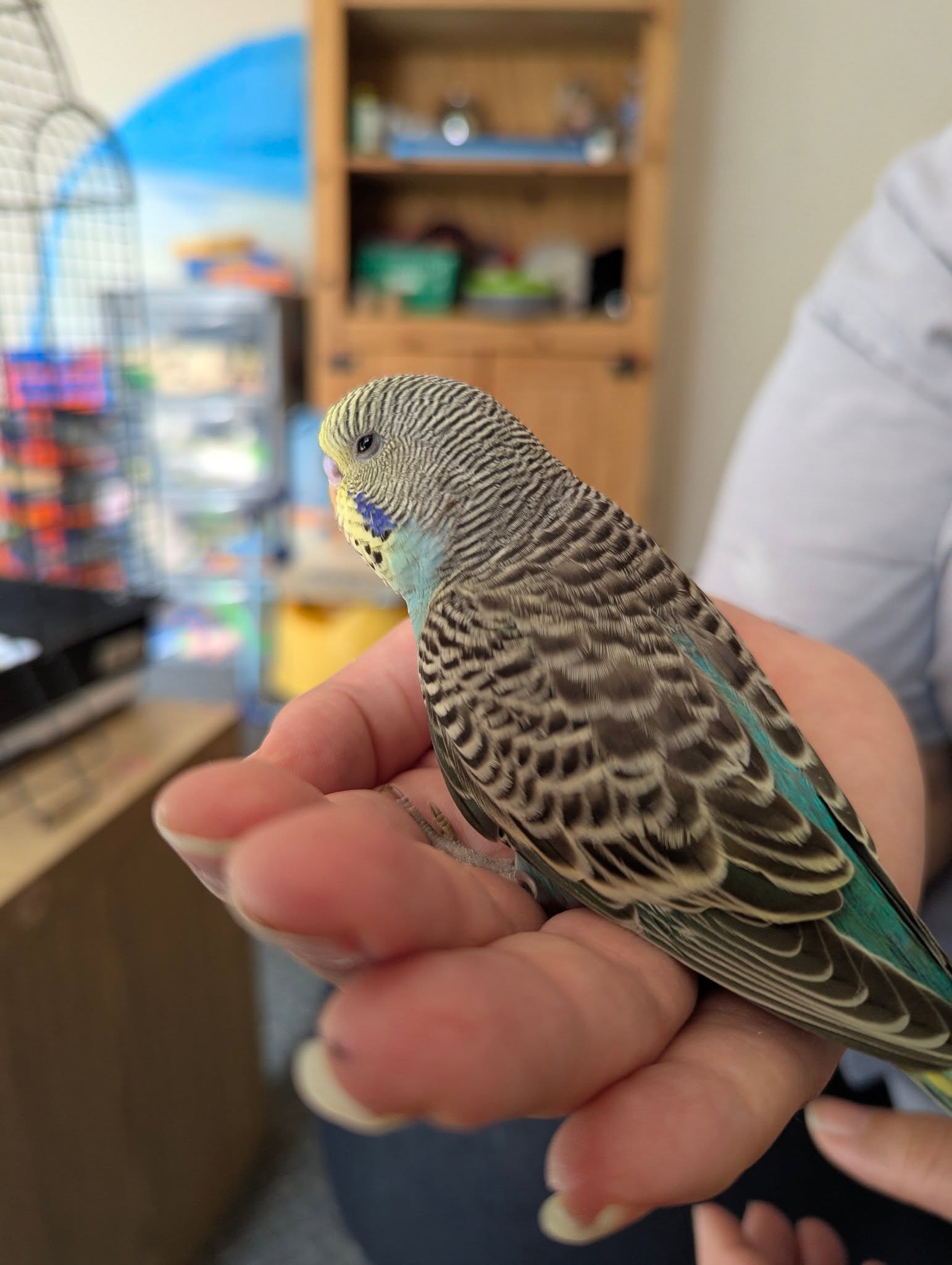
I told him that bird was not the wrong bird for someone — an experienced keeper who wanted a rehabilitation project, who understood what they were taking on, could do very well with it. But it was the wrong bird for him, a first-time owner who wanted an interactive pet for his children. He bought a young bird from us instead, spent three weeks with it before the children handled it, and by week six it was stepping up onto all three of the children’s hands reliably.
That is the honest outcome of asking the right questions and making the right choice for the right reasons. Not every free bird is the wrong bird. But every free bird deserves the same scrutiny as a purchased one — and the scrutiny costs nothing but time.
Frequently Asked Questions
Is it always better to buy from a pet shop than to take a free bird?
No, not always. A free bird from a trusted source — someone you know, whose care standards you can assess, with full and credible information — can be an excellent choice. The advantage of a reputable specialist source is primarily the information and handling history that comes with the bird. When those things are available from a private source, the price difference is genuine value. When they are not, the lower price is concealing rather than reflecting the true cost.
What should I do if I take a free bird and it seems unwell?
Book an avian vet appointment promptly. This is the right response to any bird showing signs of illness, and for a bird whose health history is unknown it is particularly important not to adopt a wait-and-see approach. A vet assessment that finds nothing wrong costs a consultation fee. A delayed vet assessment for a developing illness can cost considerably more.
Can an older, under-handled bird ever be fully tamed?
Some can, with patience and consistent work. The honest answer is that the outcome is less predictable than with a young, well-handled bird, the process takes longer, and for some individuals the ceiling on what is achievable is lower. This does not mean it is not worth trying — it means going in with realistic expectations rather than assuming the same timeline as a young bird from a good source.
Where can I get honest advice about a specific bird I am considering in Swindon?
Come in and talk to us at Paradise Pets, Manor Garden Centre, Cheney Manor, Swindon SN2 2QJ, or call us on 01793 512400. Tell us what you know about the bird — age, history, behaviour, reason for rehoming — and we will give you an honest assessment of whether it sounds like a good fit for your situation. No obligation to buy from us. Just an honest conversation.
One Last Thing
Free is not free. That is the honest starting point and the honest ending point. The purchase price of a bird is the smallest cost in the relationship — what determines the real cost is what you spend afterwards, in veterinary bills for health problems that arrived undisclosed, in time spent on a taming project that was not what you expected, in the gap between what you hoped for and what you actually have.
None of this makes the free option wrong. It makes it something to approach with the same care and scrutiny as any other significant decision. Ask the questions. See the bird. Understand what you are taking on. And if the answers to the questions do not satisfy you — if the age is unclear, the history vague, the reason for rehoming evasive — treat that as the information it is.
The right bird at the right price is good value. The wrong bird for free is expensive. Knowing the difference before you commit is what this article is for.
Trying To Decide Between a Pet Shop Bird and a Free-to-Good-Home Bird? Come In and We Will Help
We will give you an honest assessment of what to look for, what to ask, and what the real differences are — without assuming the answer is always to buy from us. Free advice, no obligation. That is how we have done things since 1988.