
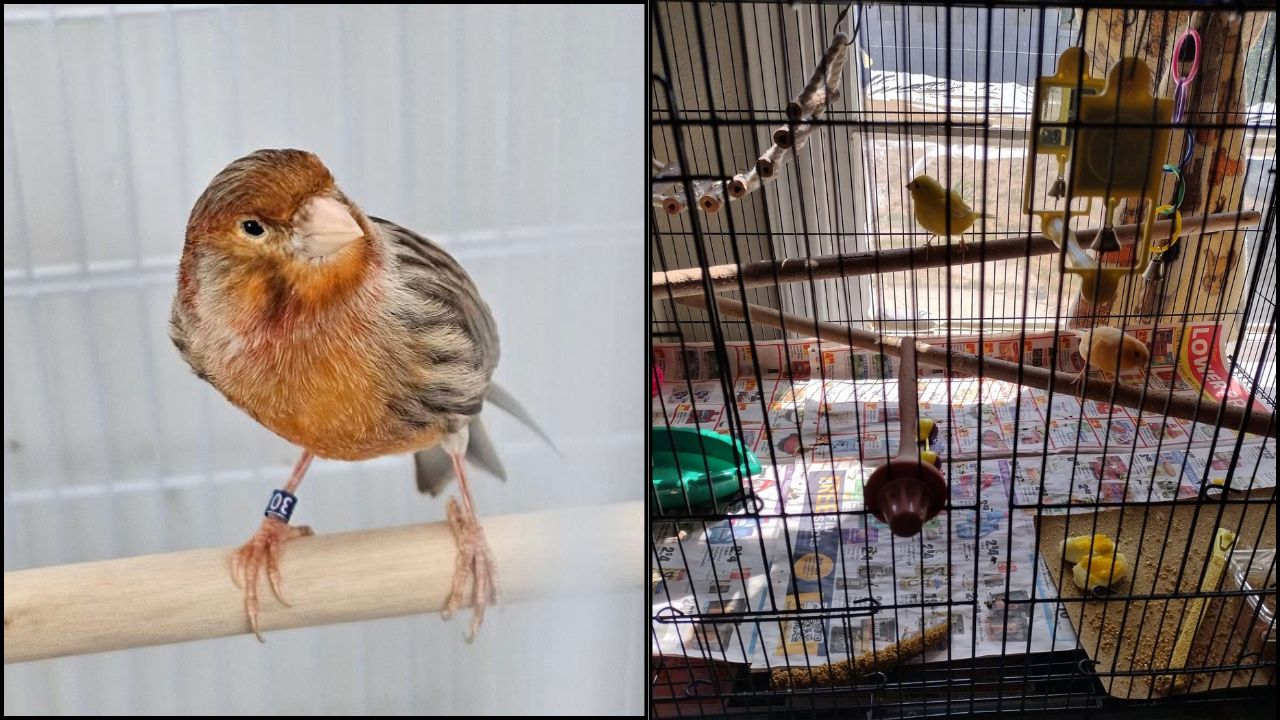

Neil has been keeping, breeding, and selling canaries at Paradise Pets Swindon since 1988 — over 35 years of daily first-hand experience with these birds and the UK families who keep them. Canaries are often described as a beginner’s bird, and there is genuine truth in that — but “beginner’s bird” still means “a living animal with real needs,” and most families who come in considering one have not been told what those needs actually are. This is his honest, complete answer to what every UK family should know before they buy.
A family came into the shop one Saturday afternoon — mum, dad, and a daughter who was perhaps ten years old. They had been thinking about a canary for a while. The daughter had seen one at a friend’s house and had been captivated by the singing. They had a general idea — small cage, seed, somewhere quiet to put it — and they were ready to buy that day if everything checked out.
I asked them to sit for a few minutes before they did anything, because there were things worth knowing first that would change how they set the whole thing up.
I asked whether they wanted a bird they could handle, or a bird they would mainly watch and listen to. They had not really thought about the distinction. I explained that canaries are not, generally, hands-on birds in the way budgies are — they are not typically tamed to sit on a finger, and trying to force that kind of interaction usually produces a stressed bird rather than a tame one. What canaries offer instead is independence and song, particularly from a male in good condition.
The daughter looked slightly disappointed, briefly. Then I asked whether she had heard a male canary in full song, properly, up close. She had only heard a recording on her friend’s phone. I told her that was a different experience entirely, and that once she heard it in person, the appeal of a bird she could watch and listen to rather than handle would probably make more sense.
They left an hour later with a male canary, the right cage, the right diet plan, and considerably more understanding of what they had actually taken on than when they had walked in. That is the conversation I want every family considering a canary to have before they buy — not after.
What A Canary Actually Is — Setting Expectations Correctly
Before going through the practical details, I want to make sure the basic expectation is right, because most of the disappointment I see in canary owners comes from a mismatch between what they expected and what the species actually offers.
- A canary is primarily a watch-and-listen bird, not a handle-and-bond bird — this is the single most important expectation to set correctly before buying; if your family is hoping for a bird that will sit on a finger, learn to talk, or actively seek physical interaction the way a budgie or cockatiel might, a canary will likely disappoint that specific hope
- The song is the centrepiece of the canary experience — a male canary in good condition produces some of the most beautiful birdsong available from any commonly kept pet; this is genuinely the reason to choose a canary, and it is a substantial reason
- Only males sing the full song — females vocalise but do not produce the sustained, complex song that males do; if singing is the primary reason your family wants a canary, you need a male, and you need to be confident the bird you are buying is correctly sexed
- Canaries are generally calmer, quieter, and less demanding of direct attention than budgies or cockatiels — this suits busy households and people who want a beautiful, melodic presence without the daily handling commitment that other pet birds require
The Lifespan Conversation Every Beginner Needs To Hear
This is the single most important piece of information in this entire article, and it is the one I make sure every family hears before they leave the shop with a bird.
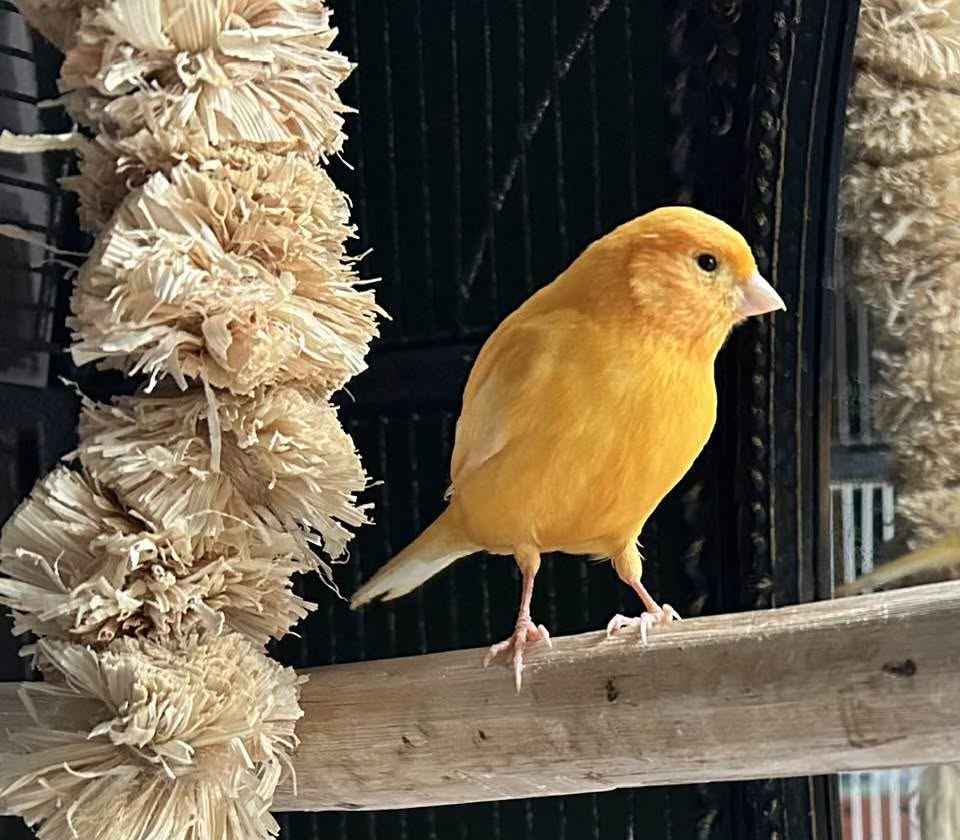
A well-kept canary, given correct diet, appropriate environment, and proper veterinary care, regularly lives ten to fifteen years. This is not exceptional — it is what the species is capable of when kept well. The honest reality across the UK is that most pet canaries live somewhere between six and eight years, sometimes less. The gap between those two numbers is almost never genetics or bad luck. It is care — specifically, a small number of avoidable mistakes that owners make consistently because nobody told them otherwise.
- Canaries tolerate imperfect care without obvious complaint, and that is what makes the difference between six years and fourteen invisible until it is too late — a canary on a poor diet does not look obviously unwell for years; it eats, drinks, and sings normally while internal damage accumulates quietly; by the time symptoms appear, the underlying problem has typically been developing for a long time
- The single biggest factor separating short-lived and long-lived canaries is diet — a seed-only diet, which is what most starter advice and most pet shop point-of-sale guidance still defaults to, is nutritionally inadequate for a complete, healthy life; this is covered in more detail in the diet section below
- Get the basics right from the beginning rather than waiting for a problem to prompt a change — the canaries that reach twelve, thirteen, fourteen years are kept by owners who understood the fundamentals from day one, not owners who corrected course after the bird became visibly unwell
What Your Family Actually Needs To Provide — The Honest Basics
The Cage
- Canaries need horizontal flight space more than vertical height — unlike parrots, which climb extensively, canaries fly horizontally between perches; a wide cage is more valuable than a tall one; the minimum appropriate width is significantly more than the small decorative cages often marketed for canaries
- Multiple perches of varying diameter, positioned to allow genuine flight between them, not just hopping — a cage that only allows the bird to step between perches a few centimetres apart is not providing adequate exercise space
- Solid, securely positioned perches rather than swings as the only perching option — swings can be included as enrichment but should not be the bird’s primary or only resting perch
- A cage position away from draughts, direct sunlight through glass, and kitchen fumes — the same environmental positioning principles that apply to other cage birds apply equally to canaries
The Diet
- A quality canary seed mix is the starting point, not the complete answer — canary seed mixes typically include canary grass seed, niger seed, and other small seeds appropriate to the species; this is appropriate as part of the diet but should not be the entirety of it
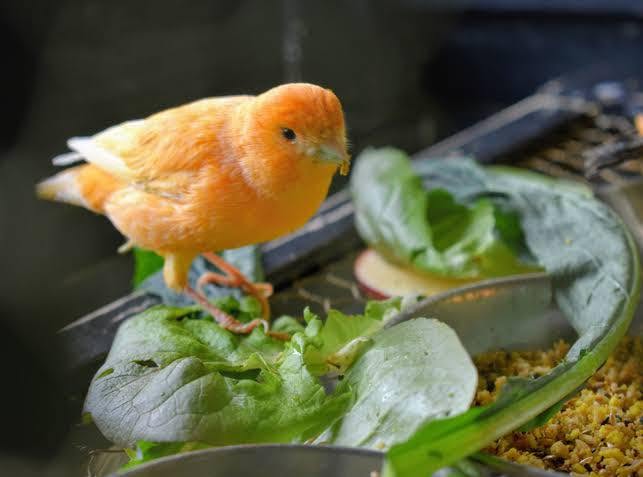
- Fresh vegetables and leafy greens should be offered regularly — small amounts of chopped spinach, kale, broccoli, carrot, and similar vegetables provide the vitamins and minerals that seed alone does not adequately supply
- Egg food during moult and breeding condition — a prepared egg-based supplementary food, available from specialist bird suppliers, supports canaries through the physically demanding periods of moulting and breeding condition when nutritional demands increase significantly
- Cuttlebone or a mineral block should always be available — providing calcium and other trace minerals that support bone health and, in females, egg-laying health
- Fresh water changed daily — canaries also benefit from occasional access to a shallow bathing dish; many canaries bathe enthusiastically and the activity supports feather condition
Health Care
- Canaries hide illness, the same as any other prey bird species — by the time obvious symptoms appear, an underlying condition has often been present and progressing for some time; daily observation of normal behaviour establishes a baseline that makes any deviation easier to notice early
- An avian-experienced vet, identified before you need one, is part of responsible canary keeping — not every general vet has the specific expertise to assess and treat a canary correctly; knowing your nearest avian-experienced practice before an emergency arises is part of the preparation that should happen before, not after, you bring the bird home
- Annual or routine health checks are appropriate even for a bird that appears completely well — establishing baseline values and catching early changes is significantly more effective than waiting for visible symptoms to prompt a first vet visit
What A Canary Cannot Offer — Set This Expectation Honestly
This is the part of the conversation that some families do not want to hear, but it is the part that prevents disappointment later.
- Most canaries do not become hand-tame in the way budgies or cockatiels can — this is not a failure of training; it reflects genuine differences in temperament and social structure between species; canaries are not naturally inclined to seek the kind of close physical bonding with humans that flock-oriented parrot species are
- Canaries do not talk or mimic speech — their vocal repertoire is song, not speech mimicry; a family hoping for a bird that will say words is looking at the wrong species
- A canary will not provide the interactive companionship of a dog, cat, or even a well-bonded budgie — the relationship a canary offers is different in kind, not a lesser version of the same thing; understanding this difference before buying is what allows a family to appreciate what the bird actually does offer, rather than feeling let down by what it does not
- If your family genuinely wants a bird to handle, bond with, and interact with directly, a budgie is the more appropriate beginner choice, not a canary — I say this directly to every family who comes in uncertain between the two, because choosing the wrong species for the wrong reason produces disappointment on both sides of the relationship
Is A Canary A Good First Bird For A Child
This question comes up regularly, and the honest answer has some nuance worth setting out clearly.
- Canaries are a genuinely good choice for a child who is drawn to watching and listening rather than handling — a child who enjoys observing animal behaviour, who finds the song genuinely captivating, and who does not require physical interaction to feel connected to a pet can have a wonderful relationship with a canary
- Canaries are not the right choice for a child whose primary interest is physical interaction — if a child specifically wants a pet they can hold, stroke, and carry around, a canary will likely be a source of frustration for the child and stress for the bird, as repeated attempts at handling that the bird is not suited for create poor experiences for both
- Responsibility for daily care should rest with an adult, regardless of the child’s age — fresh food, water changes, and cage maintenance need consistency that should not depend on a child’s day-to-day reliability; the child can be meaningfully involved, but the adult is the bird’s actual primary keeper
- The discussion I had with the family at the start of this article is the right model — establishing what the child actually wants from the pet, before buying, prevents the mismatch that leads to a disappointed child and a stressed bird a few months later
How Many Canaries Should A Beginner Family Get
This is a question that does not get nearly enough attention before purchase, and the answer differs from species like budgies in an important way.
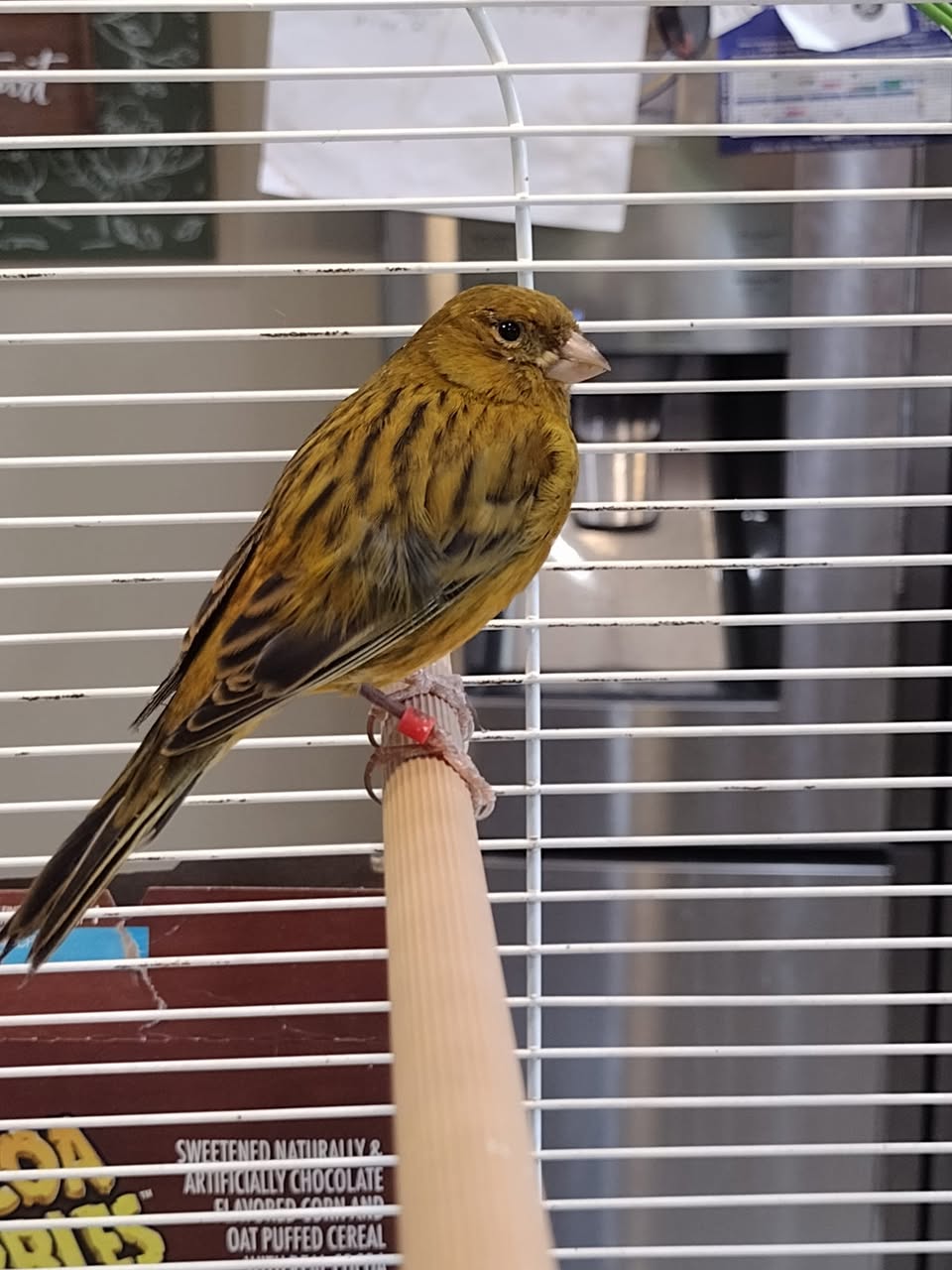
- A single canary, properly cared for, is not the same welfare compromise that a single budgie can be — canaries are less intensely social than flock-bonding parrot species; a well-kept individual canary in an appropriately sized cage with proper diet and environment can live a genuinely good life alone
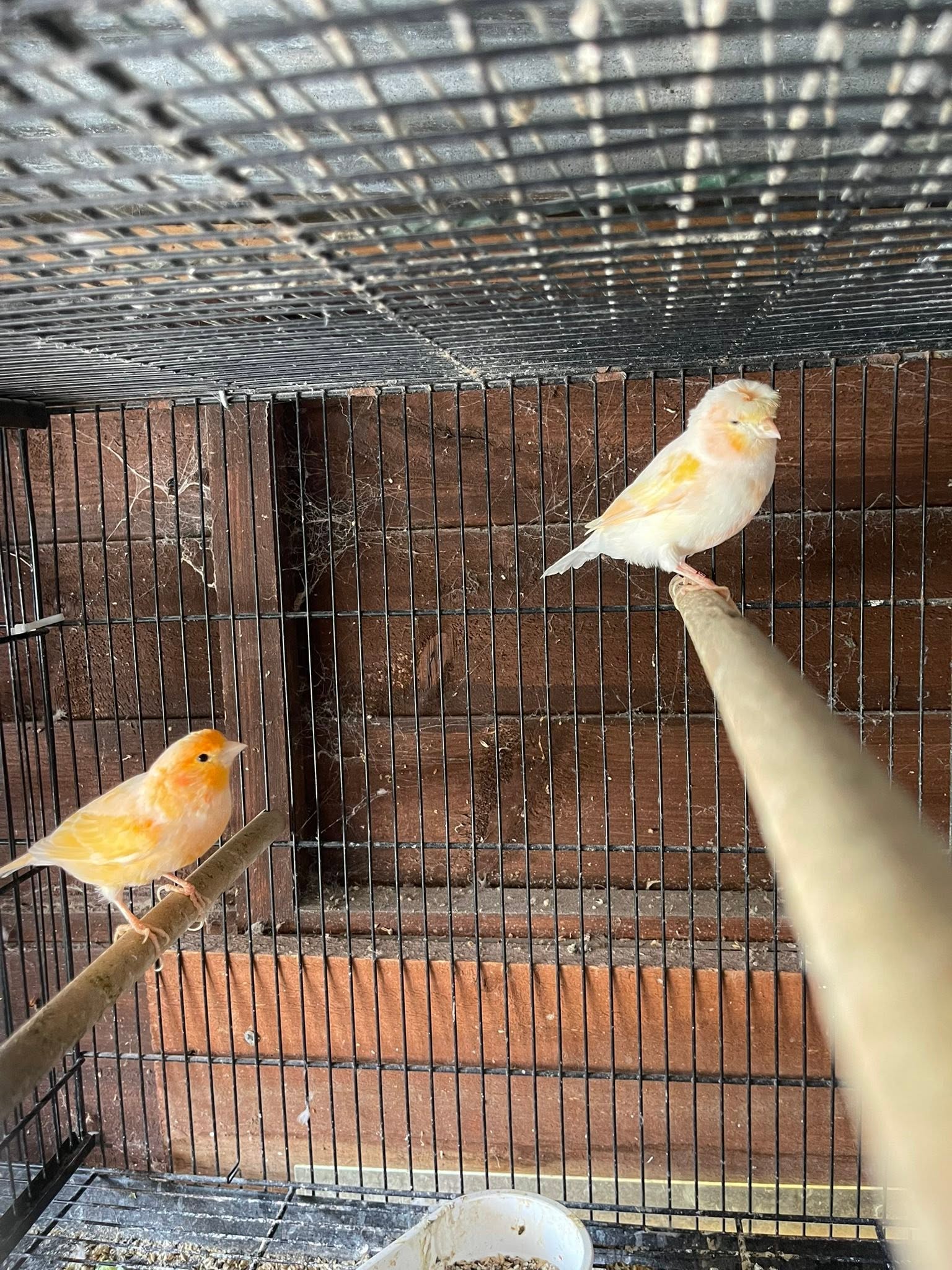
- Multiple male canaries housed together will often fight, sometimes seriously — males are territorial, particularly in breeding condition; do not house multiple males in the same cage unless you have the specific knowledge and setup to manage this correctly
- A male and female pair can work, but it requires planning around breeding behaviour — canaries will breed readily if housed together with a male and female in suitable conditions; if you are not prepared for eggs, chicks, and the associated care, separate housing or single-sex keeping is the simpler choice for a beginner family
- For most first-time families, a single male is the recommended starting point — this provides the song that is the primary reason most families choose a canary, avoids the complications of multi-bird housing, and is the simplest entry point into the species while a family develops their experience
Frequently Asked Questions
How much does it cost to keep a canary properly in the UK?
The bird itself is relatively inexpensive compared to other pet birds, but the ongoing costs of correct care — a properly sized cage, quality seed mix, regular fresh vegetables, supplementary egg food during moult, cuttlebone and mineral provision, and occasional veterinary care — add up to a meaningful ongoing commitment, even though it is lower than a dog or cat. Budgeting for the right cage from the start, rather than starting with an inadequate one and upgrading later, is generally more cost-effective over the bird’s lifetime.
Can a canary be trained to come out of its cage and fly around the room?
This is possible but it requires a carefully bird-proofed room and considerable patience, and most canary owners keep their birds primarily within the cage rather than free-flying them regularly, partly because canaries are not generally as tame or interactive as species that are routinely allowed out for supervised time. If you are interested in free-flight time, this needs to be planned and prepared for with appropriate safety measures from the outset, rather than attempted casually.
Will a canary get lonely if it lives alone?
Generally, no — canaries are less intensely flock-dependent than species like budgies, and a single, well-cared-for canary in a suitable environment can live a genuinely content life without a companion bird. This is one of the more reassuring aspects of keeping canaries compared to some other pet bird species, where solitary keeping is a genuine welfare concern.
How do I know if my canary is a male before I buy it?
Reliable visual sexing in young canaries is difficult and is best done by an experienced breeder or seller rather than guessed at by a beginner. If singing is the priority for your family, ask the seller directly how confident they are in the sex of the specific bird you are considering, and ideally choose a slightly older bird whose singing behaviour has already started to confirm it is male, rather than relying on visual assessment of a very young bird.
What is the most common mistake new canary owners make?
Relying on a seed-only diet because that is what came with the bird or what basic point-of-sale advice suggested. This is the single change most responsible for the gap between canaries that live six to eight years and canaries that live ten to fifteen. Introducing fresh vegetables, appropriate egg food during moult, and proper mineral provision from the very beginning is the most impactful thing a new owner can do for their bird’s long-term health.
Where can I buy a canary and get honest setup advice in Swindon?
Come in to Paradise Pets at Manor Garden Centre, Cheney Manor Industrial Estate, Swindon SN2 2QJ — or call us on 01793 512400. I am happy to talk through what your family actually wants from a bird, help you choose the right individual, and make sure you leave with the correct cage, diet plan, and understanding of what genuinely good canary care looks like. No pressure, no rush. That is how we have done things here for 35 years.
One Last Thing From Me
The family I described at the start — the one with the ten-year-old daughter who had heard a canary singing at a friend’s house — came back into the shop about three months later. The daughter wanted to tell me, specifically, about the bird’s morning song, which she said had become her favourite part of waking up.
She had not, she told me with the slightly rueful honesty of a child who has revised her own expectations, ever managed to get the bird to sit on her finger. She had stopped trying, because she understood now that it was not really what the bird was for.
What she had instead, she said, was a bird that filled the kitchen with sound every morning, that she had learned to recognise the moods of through subtle changes in its behaviour, and that she genuinely loved in a way that did not depend on physical contact.
That is exactly the relationship a canary, properly understood from the start, can offer a family. Not a lesser version of a budgie or a cockatiel, but a genuinely different and genuinely good thing in its own right — provided the expectation is set correctly before the bird comes home.
If your family is thinking about a canary, have the conversation about expectations first. The bird, and your family’s relationship with it, will be considerably better for it.
Thinking About A Canary For Your Family? Come In Before You Decide.
Tell me what you are hoping for and I will tell you honestly whether a canary is the right fit, and exactly what you need to set it up properly from day one. No sales pitch, no pressure. Just 35 years of knowing what makes this relationship work.