

Neil has kept, bred, and sold cage and aviary birds at Paradise Pets Swindon since 1988 — over 35 years of first-hand experience with budgerigars, cockatiels, canaries, finches, and dozens of other species. Invasive Species Week exists to raise awareness of the non-native organisms quietly causing harm across the UK. This is his honest account of the invasive mite that has been silently damaging pet birds in UK homes for decades — and that most owners have never heard of.
Invasive Species Week tends to focus on the obvious ones. Signal crayfish. Japanese knotweed. Grey squirrels. The species that make headlines because the damage they do is visible and large-scale.
The one I want to talk about this week does not make headlines. It is microscopic. Most owners whose birds are suffering from it have no idea it exists. And in 35 years of keeping and selling birds, I have seen it cause more quiet, gradual, unnecessary harm to pet birds in UK homes than almost anything else I could name.
It is called Knemidocoptes pilae — commonly known as the scaly face mite or scaly leg mite. It is not native to the UK. It arrived with imported birds, established itself in the pet bird population, and has been moving from bird to bird, aviary to aviary, ever since. It is, by any reasonable definition, an invasive parasitic species — and Invasive Species Week seems to me an entirely appropriate moment to talk about it honestly.
I am not writing this to alarm anyone. A bird with scaly face mite can be treated effectively and completely when the problem is caught and addressed properly. What I am writing this to do is make sure that the owners reading it know what to look for — because the mite’s most effective weapon is the fact that it works slowly and quietly, and by the time most owners notice something is wrong, the infestation has been developing for months.
What Knemidocoptes Pilae Actually Is — And Why It Qualifies As Invasive
Knemidocoptes pilae is a burrowing mite — meaning it does not live on the surface of the skin but tunnels into it, laying eggs and completing its life cycle within the tissue of the host bird. It affects primarily the cere (the fleshy area at the base of the beak, above the nostrils), the beak itself, the skin around the eyes, the legs, and the feet.
It is species-specific to psittacine birds — the parrot family — which means budgerigars are particularly vulnerable, though cockatiels, lovebirds, and other parrots can also be affected. It spreads through direct contact between birds, and young birds or birds with compromised immune systems are disproportionately susceptible.
The reason it qualifies as invasive in any meaningful sense is this: it is not a parasite that evolved with UK bird populations. It arrived through the trade in exotic and pet birds — primarily from Australia and other parts of the world where budgerigars and related species originate — and once introduced into the captive bird population, it has no natural check on its spread. It moves between birds in shared aviaries, between birds in pet shops without adequate biosecurity, and from parent bird to chick during the nesting period.
Responsible breeders screen for it. Good pet shops — and I would include ourselves in that — take it seriously as a biosecurity issue. But it remains widespread in the UK pet bird population, and the owners least likely to know about it are precisely the ones whose birds are most at risk: new owners who bought a bird from an unscreened source and have no framework for recognising the early signs.
What The Mite Does — The Biology That Makes It So Damaging
Understanding what the mite actually does helps explain why early detection matters so much and why leaving it untreated causes the degree of harm that it does.
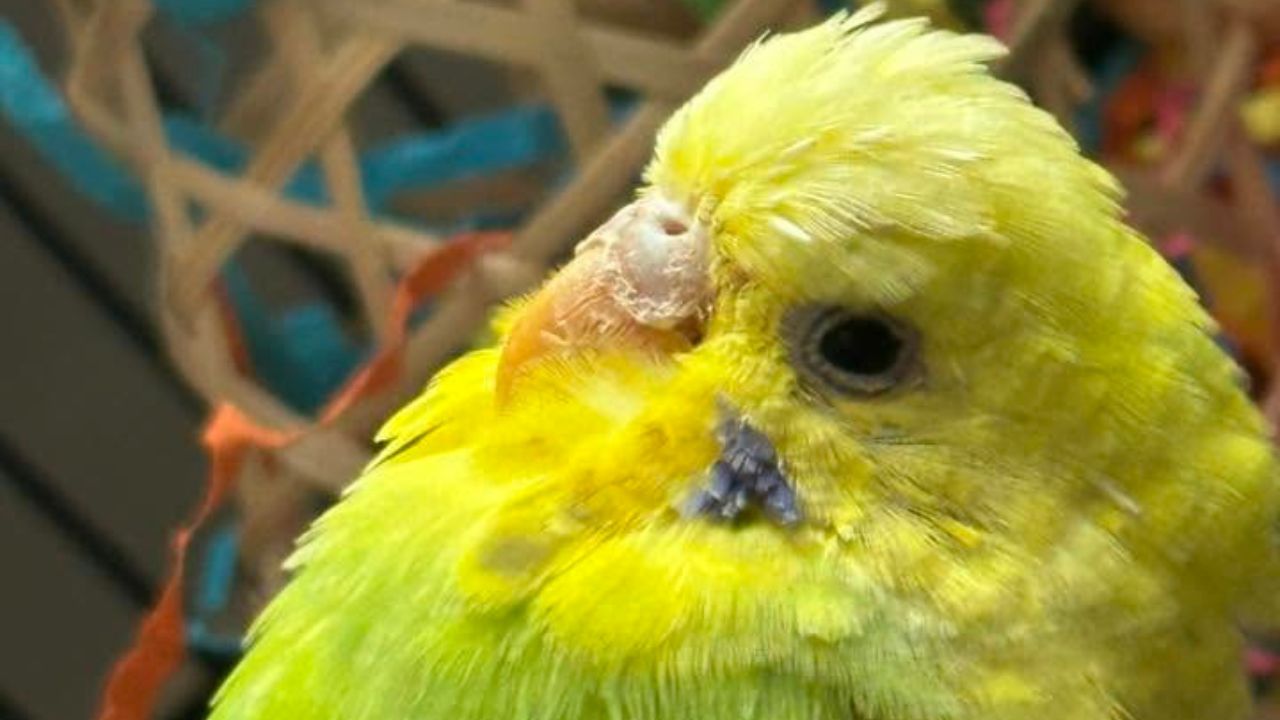
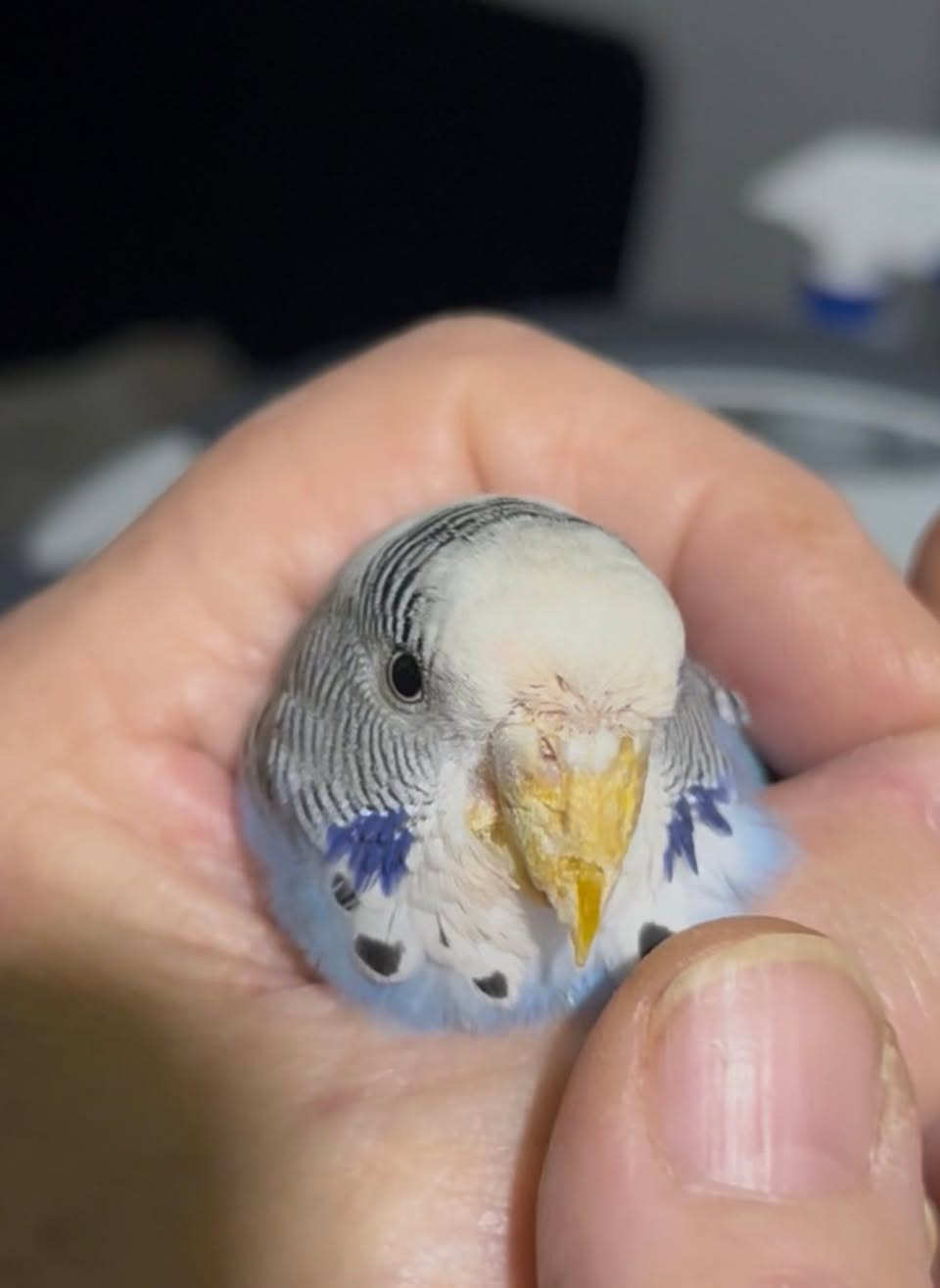
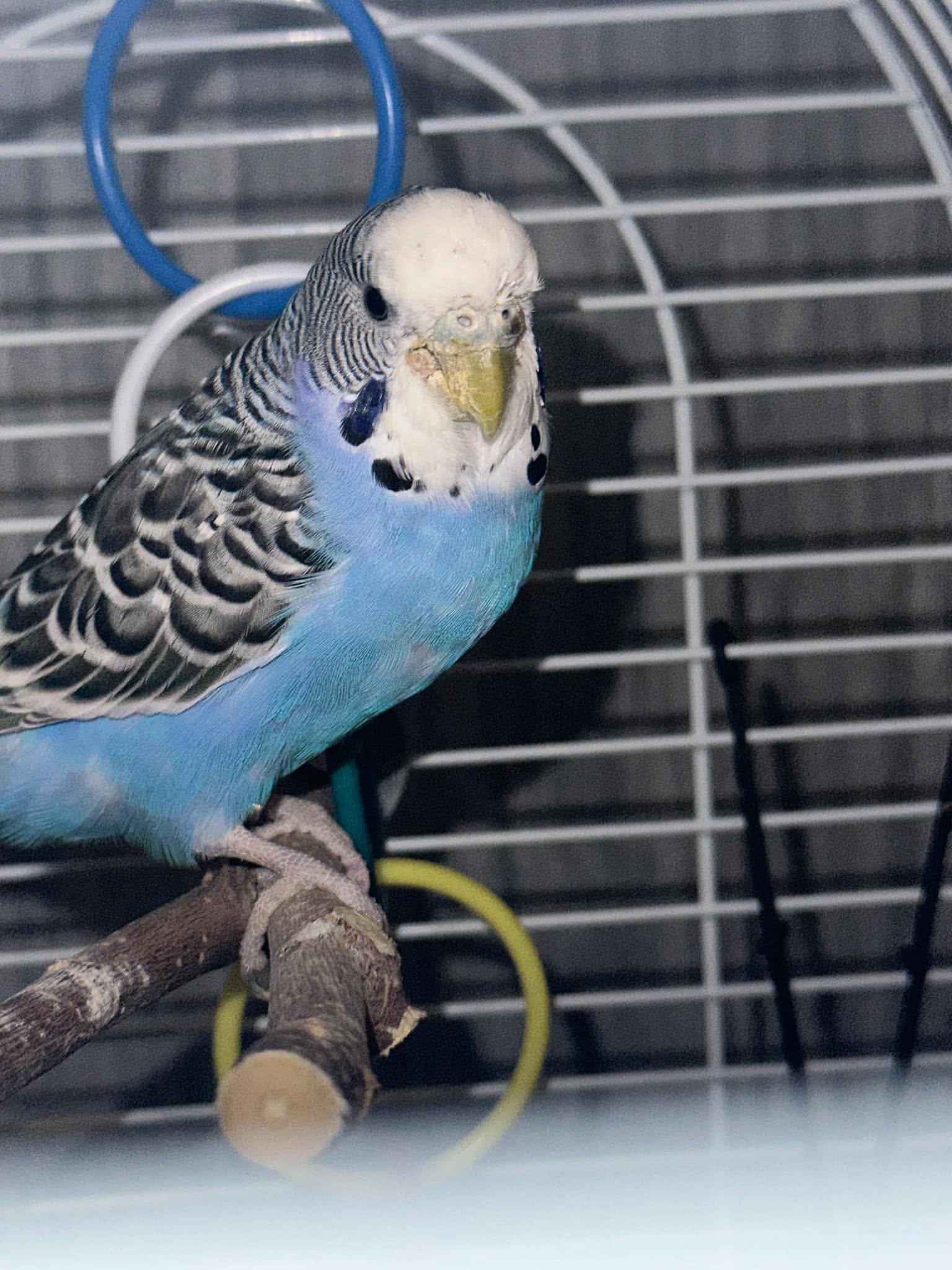
The mite burrows into the keratin layers of the cere, beak, and skin. As it tunnels and breeds, it produces the characteristic appearance that gives it its common name — a honeycomb or spongy, crusted, scaly overgrowth that spreads progressively across the affected areas. In the early stages this appears as a slight roughening or greyish discolouration of the cere. In advanced cases it becomes a dramatic, disfiguring overgrowth that can distort the beak significantly, obstruct the nostrils, and in severe cases affect the bird’s ability to eat and breathe normally.
The mite also affects the legs and feet in some cases — producing the same crusty, scaly overgrowth around the joints and scales of the legs, which is where the common name scaly leg mite comes from.
The damage is progressive and cumulative. The longer the infestation is present, the more extensive the tissue damage. Beak deformation caused by prolonged infestation can be permanent even after the mites are successfully treated — because the keratin structure that was damaged during the infestation does not always grow back normally. This is the argument for catching it early, in the clearest possible terms: the treatment works completely in the early stages, but the physical damage done in the advanced stages may not be fully reversible.
The Early Signs — What To Look For Before It Becomes Obvious
This is the section I most want owners to read carefully, because the early signs are subtle and easy to miss — and they are the signs that matter most.
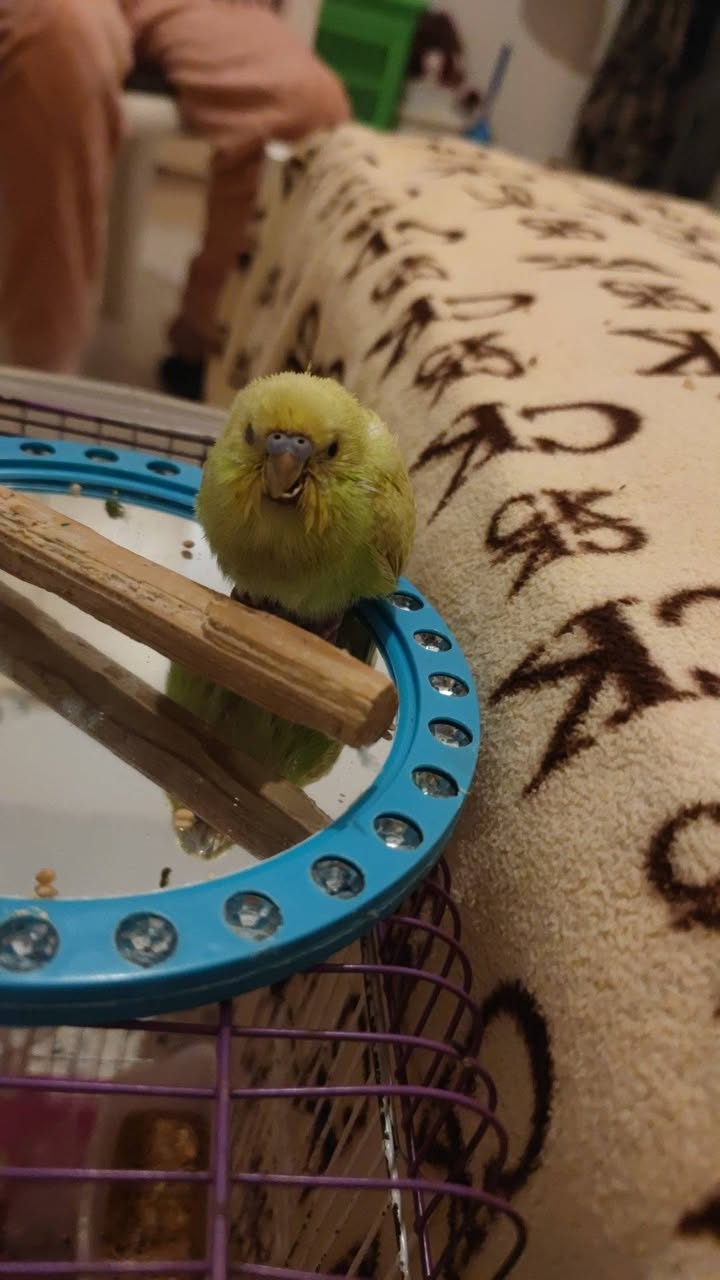
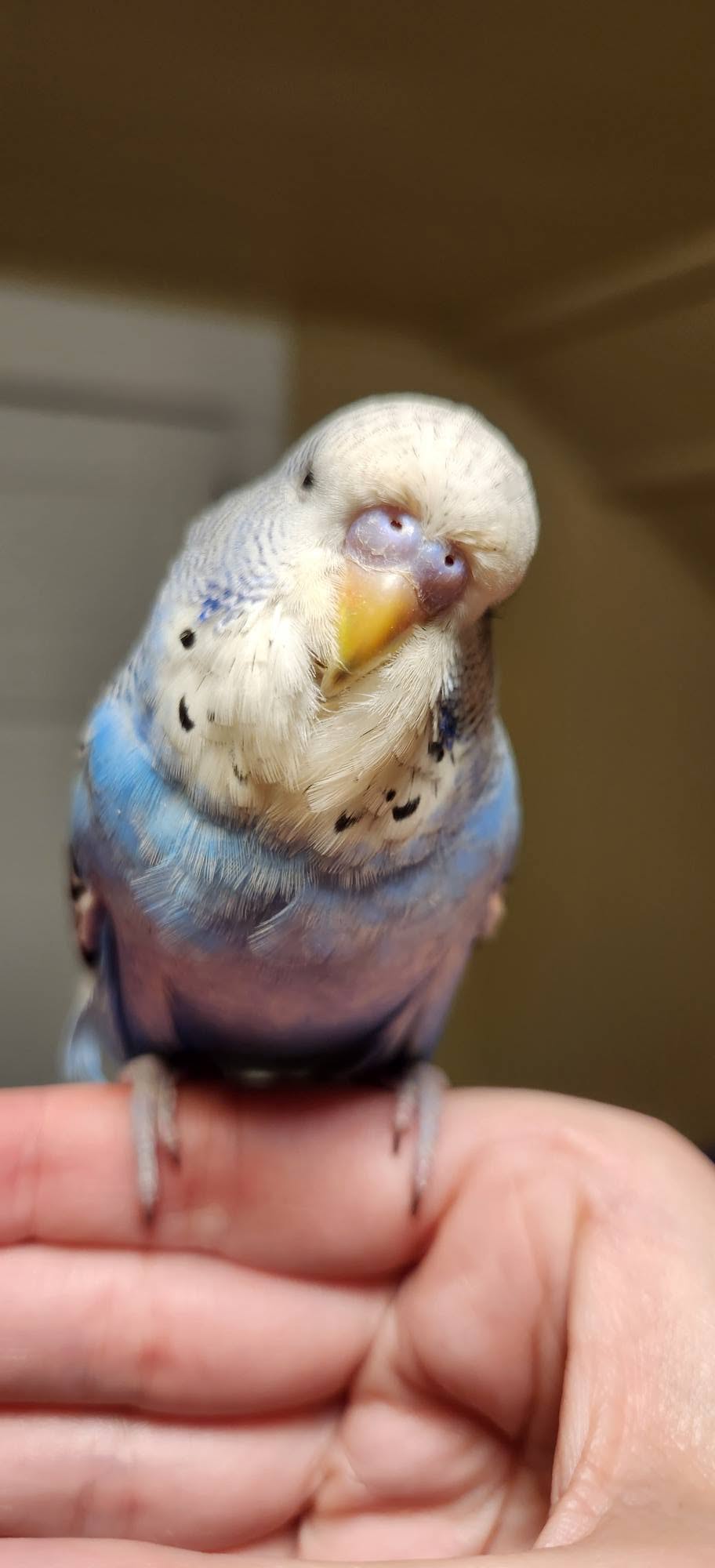
- A slight greyish or whitish discolouration of the cere — the cere is the fleshy area at the base of the beak, just above the nostrils. In a healthy bird it should be smooth and a consistent colour. An early mite infestation produces a slight roughening or pale discolouration that is easy to dismiss as nothing. Do not dismiss it
- A fine, powdery or slightly crusty texture on or around the cere — run your eye carefully over the cere in good light. A surface that looks slightly rough, powdery, or has the faintest hint of crust where there was none before is worth investigating
- Slight roughening at the corners of the beak — the junction between the beak and the surrounding skin is an early site of mite activity. A barely perceptible roughening at the beak edges, particularly at the corners, can be an early sign
- Very faint honeycomb patterning on the cere surface — look closely in good light. The characteristic honeycomb or pitted texture of mite damage is present in early infestations but is very fine and easy to miss. As the infestation progresses, this becomes much more obvious — but you do not want to wait for it to become obvious
- Slight scaling or roughness at the leg joints — in birds where the legs are affected, early signs appear as a very slight roughening of the scales around the joints, particularly at the knee and hock
- The bird rubbing its beak or face more than usual — the mite causes irritation, and a bird that is scratching at its face or rubbing its beak against the perch more frequently than is normal for it may be reacting to early mite activity
The challenge with all of these early signs is that they require knowing what normal looks like for your specific bird. An owner who has never looked carefully at their bird’s cere does not know whether what they are seeing now is different from what was always there. This is one of the most important arguments for simply looking at your bird regularly and carefully — not just being in the same room as it, but actually examining it in good light, close up, and building a mental picture of what its cere, beak corners, and leg scales normally look like.
 If you do that, you will notice a change when it happens. If you do not, you may not notice until the change is dramatic — by which point the mite has been present for months.
The Advanced Signs — What Has Been Left Too Long
For completeness, and because some owners reading this may already be looking at a bird with an established infestation, here is what advanced Knemidocoptes infestation looks like.
The cere develops a pronounced, spongy, honeycomb-textured overgrowth that can extend over a significant area of the face. The texture is distinctive — not like any other condition — with a soft, porous, almost coral-like appearance when well established. The overgrowth can extend to the skin around the eyes and across the top of the beak.
The beak itself can become deformed. The upper mandible may grow asymmetrically, curve abnormally, or develop surface deformities as the mite damage affects the underlying keratin growth. In severe cases the beak is visibly and permanently changed even after treatment.
The nostrils can become partially obstructed, affecting the bird’s breathing and causing respiratory sounds.
On the legs, the infestation produces a thick, crusty, roughened overgrowth across the joint areas and up the legs, giving the leg an encrusted, almost armoured appearance that is very different from normal healthy leg scales.
If your bird has any of these signs, treatment is still possible and necessary — but the physical changes may not fully reverse. The mite can be eliminated. The structural damage it has caused is a different matter.
Why So Many UK Pet Bird Owners Have Never Heard Of This
This is the part that frustrates me most, and I want to be direct about it.
Knemidocoptes mite infestation is not a rare or exotic condition. It is common in the UK pet bird population. It has been common for decades. It is one of the most frequently identified parasitic conditions in budgerigars seen by avian vets in this country.
And yet the majority of budgie owners I speak to at the counter have never heard of it.
Part of the reason is that birds bought from responsible breeders and well-managed pet shops are screened, and owners of those birds are less likely to encounter it. Part of the reason is that the early signs are subtle enough that many infestations are not noticed until they are obvious — and by then the owner is dealing with a visible problem that looks alarming rather than an early warning sign they might have researched.
But part of the reason — and I will say this plainly — is that the general level of bird-specific health information available to casual pet owners in the UK is not what it should be. The information that exists is often fragmented, unreliable, or too technical to be useful to someone who has just bought their first budgie and wants to know whether what they are looking at is normal.
This week, with its focus on invasive species, feels like a reasonable moment to put the information where owners might find it. So here it is.
Treatment — What Works And What Does Not
The good news about Knemidocoptes mite is that it responds very well to treatment when caught and managed properly. The treatment is straightforward, effective, and well-established.
The standard veterinary treatment is ivermectin or moxidectin, applied topically — usually a small amount of a licensed preparation applied to the skin of the neck, where it is absorbed systemically and reaches the mites wherever they are in the tissue. A licensed avian vet will prescribe the appropriate preparation and dose. This is not an over-the-counter situation — the dosing needs to be correct for the size of the bird, and incorrect dosing of avermectin compounds can cause serious neurological harm in small birds.
Treatment is typically repeated at intervals — the exact schedule depends on the preparation used and the severity of the infestation — to ensure that any mites hatching after the initial treatment are also eliminated.
There is no effective treatment that is safe and licensed for home use without veterinary guidance. I say this clearly because I have seen owners attempt to manage Knemidocoptes with petroleum jelly — a folk remedy that suffocates surface mites but does not reach burrowing mites within the skin, and does not treat the infestation at all. It may temporarily reduce the visible signs without treating the cause, which delays proper treatment and allows the mite to continue causing damage.
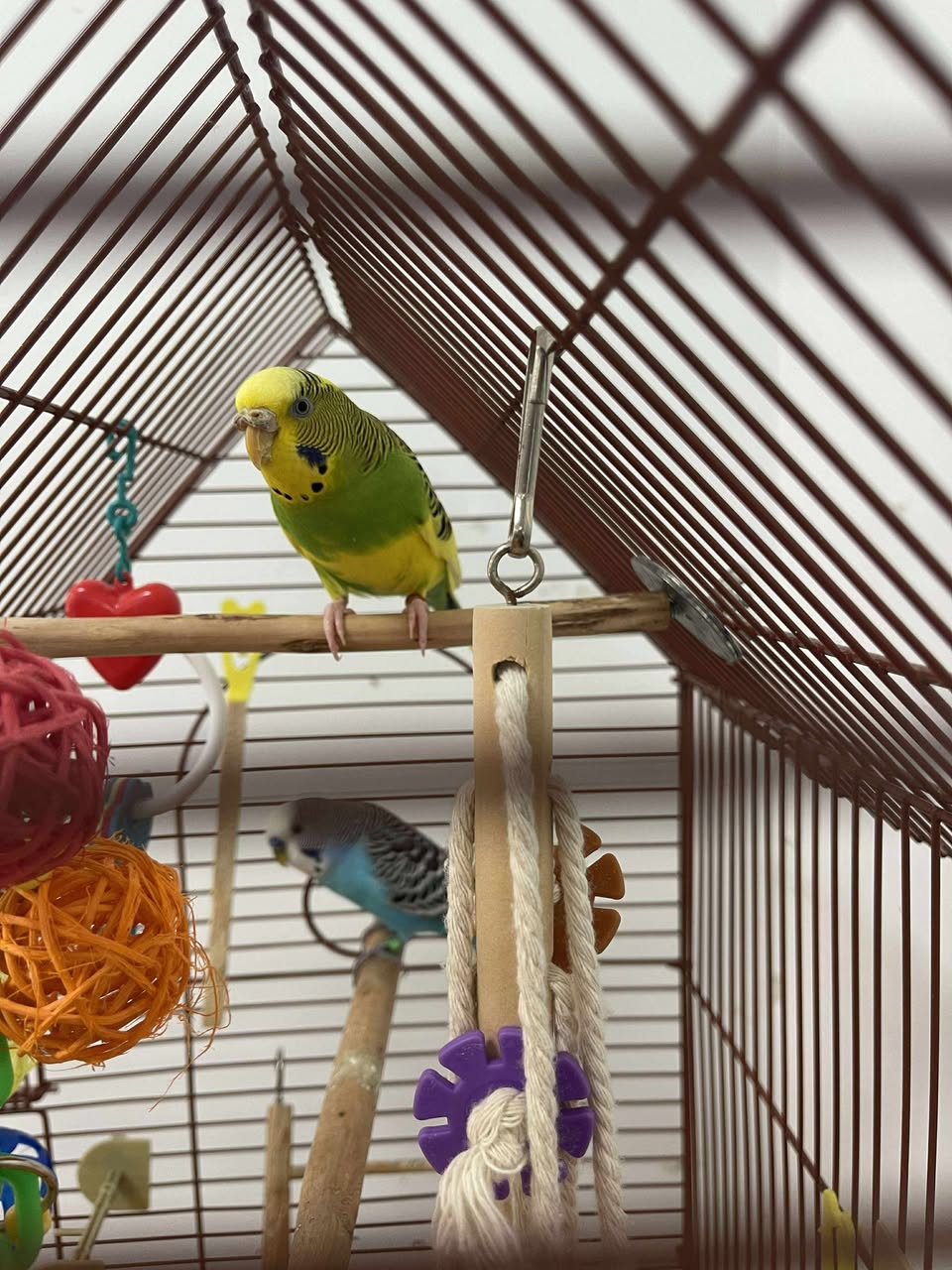
If your bird has Knemidocoptes mite, see an avian vet. That is the simple and complete answer.
Prevention And Biosecurity — What Responsible Owners Do
- Buy from reputable, screened sources. A responsible breeder or a well-managed pet shop will have a biosecurity protocol that includes screening for Knemidocoptes and other parasites. Ask the question directly — if the seller cannot tell you what screening they do, that is relevant information.
- Quarantine new birds before introducing them to existing birds. Any new bird entering a home or aviary that already contains birds should be quarantined for a minimum of thirty days in a separate airspace. This applies to birds from even the most reputable sources. It is not a reflection of distrust — it is sensible biosecurity practice.
- Examine new birds in good light before purchase. Look carefully at the cere, the beak corners, and the leg scales before you buy any bird. This takes two minutes and it is a meaningful check. A bird with any of the early signs I described above should not be purchased unless you are prepared for the treatment that follows.
- Check your birds regularly. Build a habit of looking at your birds carefully — cere, beak, legs — at least once a week in good light. You are looking for change from the established normal. Familiarity with your bird’s baseline is your most important diagnostic tool.
- Do not share equipment between birds from different sources without thorough cleaning. Perches, food dishes, and cage furniture can carry mites between birds. Anything moved from one bird’s environment to another should be cleaned and disinfected properly.
- If one bird in a multi-bird household is diagnosed, treat the environment. Mites can survive briefly off a host. Thorough cleaning of the cage and all accessories is part of a complete treatment protocol. Your vet will advise on what is needed alongside the bird’s treatment.
Quick Reference — Knemidocoptes Mite At A Glance
| What You See | What It Suggests | Action |
|---|---|---|
| Slight greyish roughening of cere | Possible early mite infestation | 🔴 Avian vet — do not wait |
| Fine honeycomb texture on cere | Established mite infestation — early to moderate | 🔴 Avian vet urgently |
| Visible crusty overgrowth on face | Advanced infestation | 🔴 Avian vet — treatment needed, damage may be permanent |
| Beak deformation or asymmetry | Advanced infestation with structural damage | 🔴 Avian vet — urgent |
| Crusty, roughened leg scales | Leg form of Knemidocoptes infestation | 🔴 Avian vet |
| Bird rubbing face repeatedly | Irritation — possible early mite activity or other cause | ⚠️ Examine cere and beak carefully; vet if any sign of change |
| Normal smooth cere, no roughening | No current visible signs of infestation | ✅ Continue regular checks — know your bird’s baseline |
A Note On Where Invasive Species Week Gets It Right
I want to end with something slightly broader, because Invasive Species Week prompts a kind of thinking that I believe applies well beyond knotweed and signal crayfish.
The principle behind the awareness campaign is simple and correct — non-native species cause disproportionate harm in environments where they have no natural checks, and the damage they do is often most severe precisely because it is invisible until it is advanced. By the time Japanese knotweed is visible through the wall of a property, it has been growing for years. By the time a signal crayfish population is obvious in a river, the native white-clawed crayfish population may already be locally extinct.
Knemidocoptes mite follows the same pattern. By the time the owner can clearly see that something is wrong with their budgie’s face, the mite has typically been present for months. The principle that early awareness prevents disproportionate damage applies here as directly as it does to any landscape-scale invasive species.
The difference is that in this case, the landscape is a budgerigar’s cere. And the owner has more power to act effectively than any conservation body dealing with established invasive species — because the treatment works, the mite can be eliminated, and the damage can be minimised if caught early.
That is the honest message from 35 years at this counter. Know what to look for. Look regularly. Act promptly. The mite is manageable. Ignorance of it is what allows it to cause the harm it does.
Frequently Asked Questions
How common is scaly face mite in UK budgies?
More common than most owners realise. It is one of the most frequently identified parasitic conditions in budgerigars presenting to avian vets in the UK, and it is almost certainly present in a significant proportion of birds that have never been screened or examined by a vet. The birds most at risk are those purchased from unscreened sources, those kept in multi-bird environments with poor biosecurity, and young birds whose immune systems have not yet fully developed.
Can humans catch Knemidocoptes mite from their bird?
No. Knemidocoptes pilae is highly host-specific and does not infest humans. It also does not infect mammals generally. You can handle a bird with Knemidocoptes safely without risk of personal infestation. The concern is entirely about the welfare of the bird and the spread to other birds.
My budgie has a rough cere — how do I know if it is scaly face mite or something else?
The only reliable answer to this question is an avian vet examination. A rough or discoloured cere has several possible causes — Knemidocoptes is the most common, but it is not the only one. An avian vet can examine the bird, take a skin scraping if necessary, and give you a definitive answer. Do not attempt to diagnose this at home and do not attempt home treatment. The cost of getting it wrong — delayed treatment of an actual mite infestation — is the ongoing damage the mite continues to cause while you wait.
Will the damage to my bird’s beak and cere recover after treatment?
In early-stage infestations where the beak structure has not yet been significantly affected, recovery is typically complete once the mites are eliminated and the skin regrows normally. In more advanced cases where the beak has already been deformed or the cere significantly altered, the structural damage may be permanent — the mite can be eliminated but the keratin that was damaged during the infestation does not always regrow correctly. This is the clearest argument for early treatment.
Can I use petroleum jelly to treat scaly face mite at home?
No. Petroleum jelly is sometimes recommended in older literature and online forums as a treatment for Knemidocoptes, and it does suffocate surface-dwelling mites. But Knemidocoptes is a burrowing mite — it lives within the skin tissue, not on the surface. Petroleum jelly does not reach it, does not treat the infestation, and can delay proper treatment while giving the appearance of improvement. The correct treatment is prescribed by an avian vet and is applied systemically. Use a vet.
Where can I get honest bird health advice in Swindon?
Come and see us at Paradise Pets, Manor Garden Centre, Cheney Manor, Swindon SN2 2QJ. Or give us a ring on 01793 512400. We can look at your bird, tell you honestly what we see, and tell you when you need a vet. The advice is free and we have been giving it for 35 years.
One Last Thing From Me
Invasive Species Week will move on. The news will cover grey squirrels and invasive plants and the usual visible, photogenic examples of the problem. Knemidocoptes pilae will not feature.
But somewhere in the UK this week, a budgie owner is looking at their bird and noticing that something looks slightly different around the cere, and not knowing what it is, and deciding it is probably nothing. And somewhere else, a bird is already in an advanced stage of an infestation that could have been treated months ago if the owner had known what to look for.
I wrote this article because I cannot reach every one of those owners at my counter. But perhaps this can reach a few of them in their own homes, on their own screens, at the moment when they are already looking at their bird and already wondering.
If that is you — if you are reading this and thinking about your budgie’s cere right now — go and look at it. In good light, close up, with what you now know to look for. And if anything looks different from what you expect, ring an avian vet.
It is a small action. It could be the difference between early treatment and a damage that cannot be fully reversed. After 35 years, I know which one I would rather help you to.
Concerned About Your Bird’s Beak Or Cere? Come And Let Me Look
Bring your bird in and I will examine it in good light and tell you honestly what I see — including whether I think it needs a vet. Catching Knemidocoptes early makes a significant difference to the outcome. Free assessment, no obligation. That is what we have been doing for 35 years.