
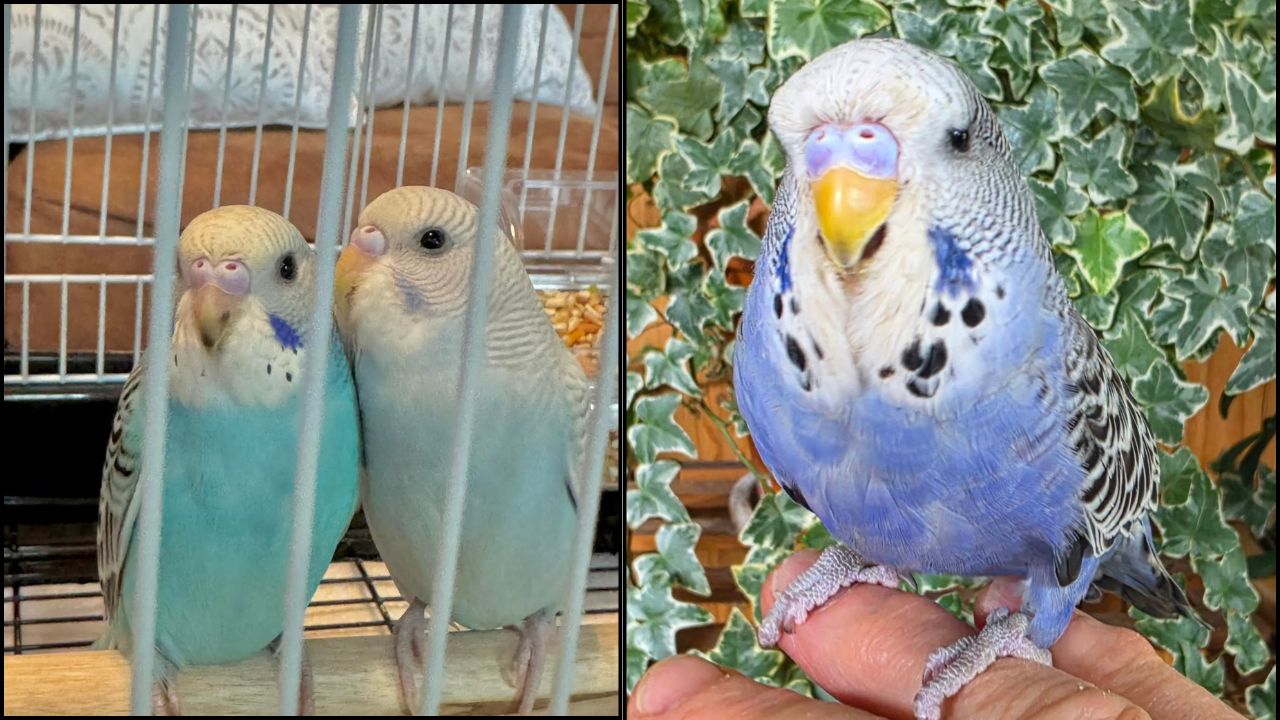

Neil has kept, bred, and sold cage birds at Paradise Pets Swindon since 1988 — over 35 years of first-hand experience with budgies, cockatiels, canaries, and aviary birds. In December 2025 the government published what it described as the most ambitious animal welfare strategy in a generation. This article covers what it actually says, what it means for pet bird owners, and — just as importantly — what it does not change.
A customer asked me about this last month. She had seen something on the news about animal welfare reforms and wanted to know whether she needed to do anything differently for her two cockatiels.
It is a fair question, and it is one I have been asked several times since the government published its Animal Welfare Strategy for England on 22 December 2025. The strategy is a significant document — broad in scope, covering everything from farm animals and dog breeding to wildlife and zoo standards — and the press coverage it received was substantial. But most of the coverage was not aimed at pet bird owners specifically, and some of it was confusing about what applies to whom and when.
So let me go through what this actually means if you keep a budgie, a cockatiel, a canary, or aviary birds in England. What has changed. What is coming. And what stays exactly as it was.
What the Animal Welfare Strategy Is — and What It Is Not
The strategy published in December 2025 is a statement of government intent — a roadmap of reforms the government aims to deliver by 2030, with consultations, legislation, and implementation timelines to follow for different areas. It is not, in itself, a set of new laws that came into immediate effect on publication.
Some elements of the strategy are already in motion and have specific timelines. Others are commitments to consult, which means the legislation itself has not yet been written. Understanding that distinction is important — particularly for pet bird owners, because much of what the strategy commits to with firm timelines does not apply to companion birds at all.
The strategy covers four broad areas: pets and companion animals, farm animals and food production, wildlife, and zoos and aquariums. The most significant commitments — banning caged hens, consulting on farrowing crates for pigs, reforming dog breeding, addressing carbon dioxide stunning for pigs — are primarily farm animal welfare measures. They are important. For most pet bird owners, they are not directly relevant.
What the Strategy Does Say About Companion Animals and Birds
The strategy’s companion animal section focuses primarily on dogs — reforming dog breeding, tackling puppy farming, consulting on a ban on electric shock collars, and introducing licensing for rescue and rehoming organisations. These are the companion animal commitments with the clearest timelines.
For pet birds specifically, the strategy reaffirms the government’s commitment to enforcing existing animal welfare legislation — primarily the Animal Welfare Act 2006 — more consistently and with better data. From 2026 onwards, the government has committed to tracking and publishing data on breaches of animal welfare law, including for companion animals. This is about transparency and enforcement rather than new legislation, but it signals a firmer approach to cases where companion animal welfare standards are not being met.
The strategy also references improving the quality and consistency of welfare guidance for exotic pet owners — a category that includes pet birds. This is not a new law. It is a commitment to improve available guidance, which is a welcome development given how inconsistent the information available to bird owners currently is. Whether that commitment produces genuinely useful, species-specific guidance for bird owners will depend on the implementation.
Bird Keeper Registration — What You Need to Know
This is the area that has caused the most confusion among pet bird owners since the rules changed, and I want to be precise about it because the exemptions matter.
New mandatory bird registration rules came into force in Great Britain in 2024, requiring all bird keepers to register with the Animal and Plant Health Agency. The purpose is disease surveillance — primarily avian influenza management — rather than pet welfare regulation specifically.
However — and this is the part most pet bird owners need to know — certain birds are explicitly exempt from this registration requirement. Budgies, parrots, canaries, and similar species that are kept without any access to the outside do not need to be registered. If your birds are kept indoors — in a cage or an indoor aviary with no outdoor access — you are not required to register them.
If you keep birds in an outdoor aviary, the position is different. You should check the current APHA guidance at gov.uk to confirm whether your specific setup requires registration, because the exemptions are based on whether birds have access to the outside, not purely on species.
If you are not sure whether your birds are covered or exempt, contact the APHA directly or come and ask us. The registration itself is straightforward for those who need it — but I am aware that the coverage of these changes was not always clear about the exemptions, and a number of indoor bird keepers have been unnecessarily concerned.
The Natural England Captive Bird Licence — Updated January 2026
This is relevant primarily to breeders and sellers rather than most pet owners, but it is worth mentioning for completeness.
Natural England’s General Licence GL18 — which covers the sale of captive-bred wild bird species — was reissued on 1 January 2026 and is valid for the period 1 January 2026 to 31 December 2030. This licence governs the lawful sale of certain captive-bred birds, and its reissue on updated terms is relevant to sellers operating under it.
For pet owners buying birds from a reputable seller — which is how we operate at Paradise Pets — this is background context rather than a direct requirement. What it does reinforce is the importance of buying birds from sources that can demonstrate the birds are legally held and captive-bred. Persons intending to rely on this licence must be able to demonstrate that birds are legally held and captive-bred, and are advised to only purchase birds from breeders who are able to satisfactorily demonstrate that they are complying with the relevant regulations.
This aligns with how we have always operated. Every bird we sell comes from UK breeders we know personally. We do not import. The licence framework around captive bird sales reinforces the importance of the sourcing decisions we have always made.
What Has Not Changed — And Why That Matters
Given the volume of coverage the Animal Welfare Strategy received, it is worth being clear about what remains exactly as it was for pet bird owners in 2026.
The Animal Welfare Act 2006 remains the primary legislation protecting pet birds in England. It requires that anyone responsible for an animal meets that animal’s five welfare needs — a suitable environment, a suitable diet, the ability to exhibit normal behaviour, to be housed with or apart from other animals as appropriate for the species, and to be protected from pain, suffering, injury, and disease. This has not changed.
There are no new cage size requirements for pet birds introduced by the strategy. There are no new licensing requirements for companion bird keepers introduced in 2026. There are no new mandatory veterinary checks or registration requirements for indoor pet birds. The strategy commits to consulting on and developing guidance in a number of areas, but those consultations have not yet concluded and no new regulations have emerged from them that apply to ordinary companion bird owners.
What this means in practice is that the standards I have been advising bird owners to meet for thirty-five years — adequate cage size, appropriate diet, enrichment, companion animals for social species, access to an avian vet — remain the relevant standard. They are the right standard regardless of what legislation does or does not require.
What the Strategy Gets Right — From My Perspective After 35 Years
I want to be honest about this, because I think the strategy deserves a considered response from someone who has been working in this industry for a long time.
The emphasis on enforcement is welcome. The Animal Welfare Act 2006 is a reasonable piece of legislation. The problem has never been the law — it has been inconsistent enforcement and a lack of clear, species-specific guidance for owners who want to do the right thing but do not know what that looks like in practice. The commitment to tracking and publishing enforcement data from 2026 is a step in the right direction, because visibility is the first stage of accountability.
The focus on companion animal sourcing — tackling puppy farming, tightening the rules around importing pets — is also something I support in principle. The same logic applies to birds. An animal that arrives from a stressed or poorly managed source is an animal that starts its life in your home at a disadvantage. This is why we source exclusively from UK breeders we know personally, and why we never import. It is also why I am watching with interest to see whether the sourcing reform agenda extends meaningfully to companion birds as the strategy is implemented.
The honest limitation of the strategy, from a bird owner’s perspective, is that it is primarily a farm animal welfare document. The headline commitments — caged hens, farrowing crates, dog breeding — are significant welfare improvements, and I support them. But the guidance and legislative attention given to companion bird welfare specifically remains thin relative to the scale of the issues I see at the counter every week. The bird that is in a cage too small for it, on a seed-only diet, with no companion and no avian vet in its lifetime — that bird is not protected by anything in the December 2025 strategy that did not already exist.
What Good Pet Bird Welfare Looks Like in 2026 — The Practical Version
Since the strategy commits to improving welfare guidance for exotic pet owners, and since that guidance is not yet comprehensive, let me fill the gap with what I would say to any pet bird owner standing at my counter today.
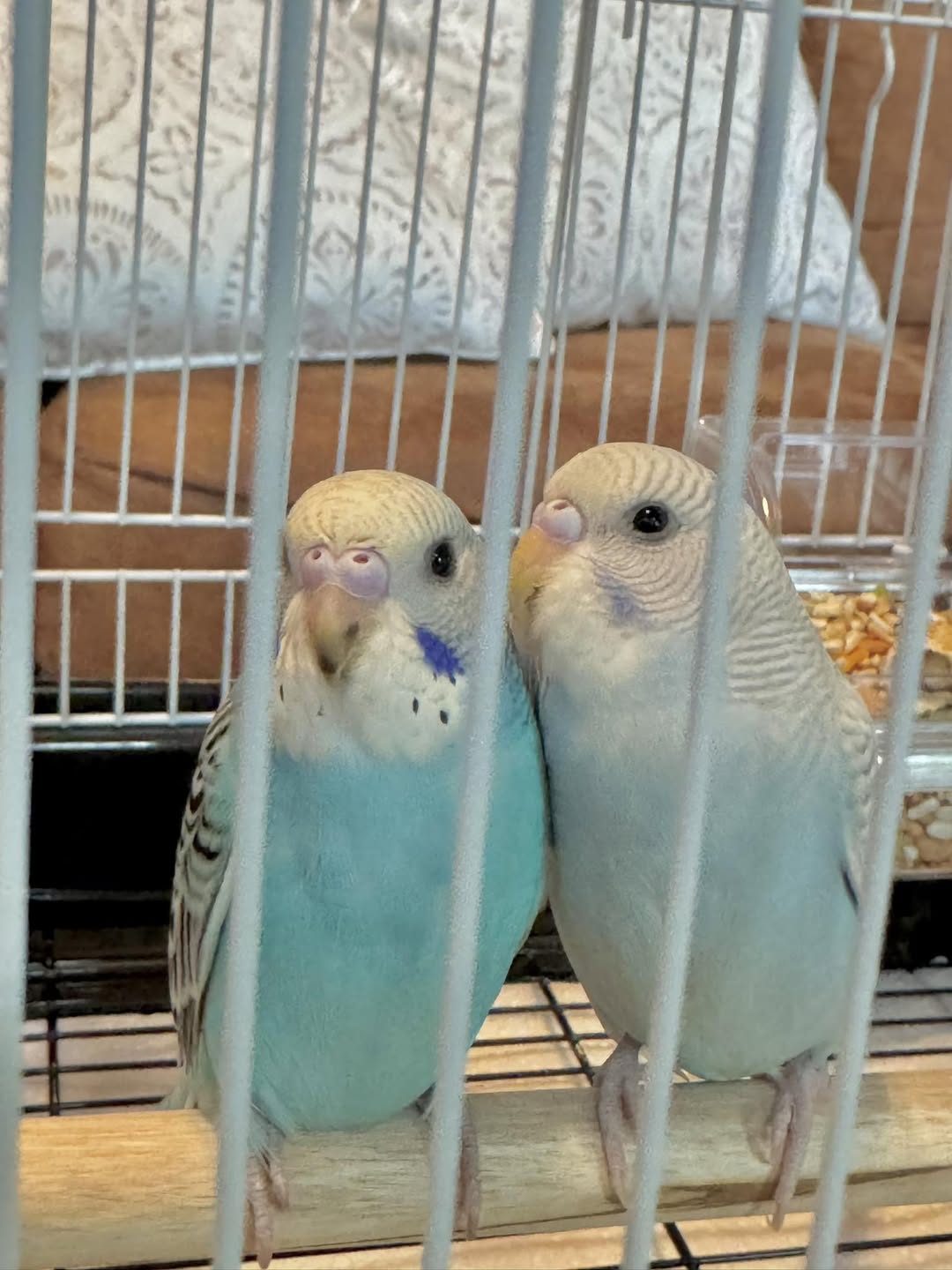
The cage must be genuinely adequate. Not the minimum sold in a chain pet shop, but properly sized — wide enough for the bird to fly across, with bar spacing appropriate for the species, positioned on a stable surface at a comfortable height in a room with social activity. For budgies, the minimum I recommend for a pair is 60cm wide, 40cm deep, and 60cm tall. For cockatiels, larger.
The diet must include more than seed. A seed-only diet is the single biggest contributor to shortened lifespan in companion birds in the UK. Measured seed as a base, with daily fresh food — dark leafy greens, herbs, small amounts of vegetable — and fresh water changed daily. A cuttlefish bone for calcium and beak condition.
The bird should not be alone if it is a social species. Budgies, cockatiels, and canaries are all species that benefit significantly from companionship. A lone bird in an otherwise well-managed environment is still a bird under chronic social stress. Two birds are better than one in almost every circumstance.
An avian vet should be identified before you need one. Not when the bird is already unwell — before. Annual health checks in an apparently healthy bird will catch developing problems that the bird is hiding, which is what birds do. The avian vet is the most underused resource in companion bird keeping in this country.
The indoor air quality matters more than most owners realise. Non-stick cookware fumes, aerosol sprays, scented candles, and cigarette smoke all affect a bird’s respiratory system in ways that accumulate over time. Keep the bird away from the kitchen during cooking and away from regular aerosol use.
These are not new standards. They are the standards that have always produced birds that live long, healthy lives. Legislation may eventually catch up with them. Until it does, they remain the thing that actually makes a difference.
Frequently Asked Questions
Do I need to register my budgie or cockatiel under the new bird registration rules?
If your birds are kept entirely indoors — in a cage or indoor aviary with no access to outside — no. Budgies, cockatiels, canaries, and similar species kept without outdoor access are explicitly exempt from the mandatory registration requirement. If you keep birds in an outdoor aviary, check the current APHA guidance at gov.uk to confirm your specific situation, as the exemption is based on outdoor access rather than species alone.
Has the Animal Welfare Strategy introduced any new laws for pet bird owners in 2026?
Not directly, no. The strategy published in December 2025 is a programme of reforms aimed at delivery by 2030, and the specific commitments with immediate effect are primarily in the farm animal and dog breeding space. The existing Animal Welfare Act 2006 remains the primary legislation protecting pet birds. No new cage size requirements, licensing requirements, or mandatory checks for indoor companion bird owners have been introduced by the strategy itself.
Is it still legal to sell budgies and cockatiels in pet shops?
Yes. The strategy commits to improving welfare standards in the pet trade over time, but there are no new restrictions on the lawful sale of captive-bred companion birds that have come into effect in 2026. Sellers operating under the Natural England captive bird sale licence must continue to comply with its terms, including demonstrating that birds are legally held and captive-bred.
What should I actually do differently in 2026 as a pet bird owner?
Honestly, the most impactful things you can do have nothing to do with the strategy and everything to do with the care basics. Review your bird’s diet — is it getting fresh food alongside seed? Review the cage size — is it genuinely adequate? Is your bird alone when it should have a companion? Do you have an avian vet’s number? These are the things that make the most difference to a bird’s health and lifespan, and none of them requires waiting for legislation.
Where can I get accurate, up-to-date information about bird welfare regulations in the UK?
The APHA at gov.uk is the most reliable source for regulatory requirements including registration rules. The RCVS accreditation search at rcvs.org.uk is the right place to find avian-experienced vets. And for day-to-day care questions — diet, housing, behaviour, sourcing — come and talk to us. We are at Manor Garden Centre, Cheney Manor, Swindon SN2 2QJ, and we follow these developments closely.
One Last Thing
I have been in this industry since 1988. I have seen welfare standards improve significantly for some species and move frustratingly slowly for others. I have also watched legislation be introduced that was genuinely meaningful, and legislation that produced paperwork without improving the lives of the animals it was nominally about.
The December 2025 strategy is the most ambitious welfare document the government has produced in a long time, and I welcome the intention behind it. I will reserve judgement on the outcomes until the implementation catches up with the ambition.
What I can tell you with confidence, after thirty-five years, is that the birds in the best condition are almost never in the best condition because of legislation. They are in the best condition because their owners understood what they needed and made the commitment to provide it.
That remains true regardless of what any strategy says. And it is still what I talk about every day at the counter.
If you have questions about what any of the changes mean for your specific birds, or if you want to talk through your care setup, come and see us. We are at Manor Garden Centre, Cheney Manor, Swindon SN2 2QJ, every day. Get in touch here or call 01793 512400.
Visit Us at Paradise Pets Swindon
We stock budgies, cockatiels, canaries, and aviary birds year-round. If you have questions about welfare regulations, care standards, or anything else about keeping birds well, come in and talk to us.