
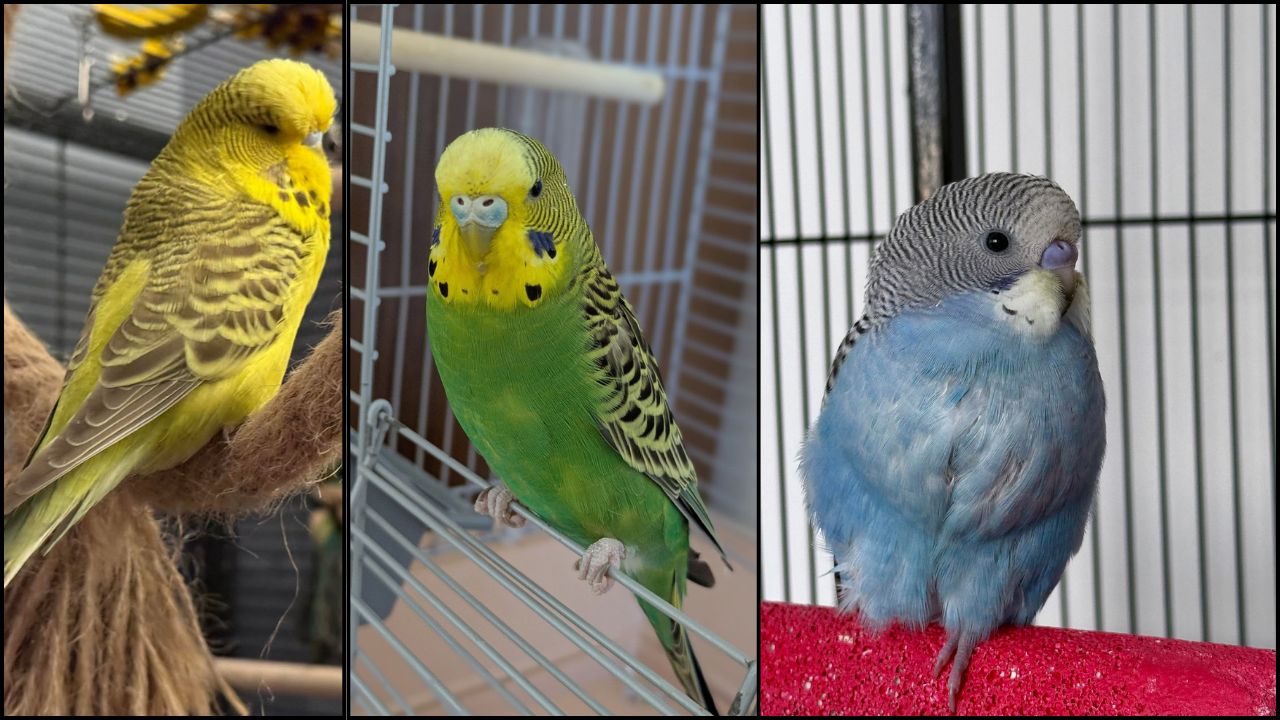

Neil has been keeping, breeding, and selling budgies at Paradise Pets Swindon since 1988 — over 35 years of daily first-hand experience with these birds and the people who keep them. Summer brings a specific wave of feeding concerns to the counter — budgies that have gone quiet on food during hot weather, owners who are not sure whether reduced appetite in the heat is normal or an emergency. This is his honest answer to that question, and exactly where the line is.
A man phoned the shop on a Thursday afternoon in August. His budgie — a four-year-old male he had kept since it was eight weeks old — had barely touched its seed bowl for two days. It was hot. The bird was not obviously distressed. It was still moving around, still drinking, still chirping occasionally. He had assumed the heat was putting it off food and had been waiting to see if the appetite came back when the weather cooled.
I asked him how much the bird had eaten in the past 48 hours.
He was not sure. It had been to the bowl. He thought it had eaten some.
I told him to look at the seed bowl properly — not whether seed was gone, but whether the husks were there. Budgies hull their seeds before swallowing them; a bowl that looks eaten-from may be full of empty husks with no actual nutrition remaining. He checked. The bowl was almost entirely husks. The bird had barely eaten.
I also asked him about the droppings. Were there any on the cage floor? He counted. There were very few — much fewer than normal.
I told him the bird needed to be seen by an avian vet today, not when the weather cooled.
He went. The bird had early-stage liver stress, exacerbated by the heat. Treatment was started the same afternoon. It recovered.
The reduced appetite was real. It was not the heat putting the bird off food. The heat had accelerated a process that had been underway before the hot weather started, and the owner had missed two days of a warning sign because he had a plausible explanation for it.
That is the thing about heat-related reduced appetite in budgies. Sometimes it is exactly what it looks like — a temporarily reduced appetite during hot weather that resolves when the temperature drops. And sometimes the heat is a coincidence, and the bird is trying to tell you something else entirely.
Knowing the difference is the whole job.
Does Heat Actually Reduce Appetite In Budgies — The Honest Answer
Yes. Heat does affect appetite in budgies, and understanding why helps you read the extent of any reduction more accurately.
In warm conditions, budgies — like most animals — reduce their overall metabolic activity. They move less, which means they burn fewer calories, which means they need less food to maintain their energy balance. A bird that is less active in the heat genuinely needs somewhat less fuel than a bird active at normal temperatures. Some reduction in seed consumption on a very hot day is a normal physiological response, not a symptom.
Additionally, warm conditions can make dry seed less palatable — a bird that is drinking more than usual to stay hydrated may be less interested in dry seed at that moment, and may show more interest in water-rich foods like cucumber or apple if offered.
However — and this is the critical part — the degree of appetite reduction that heat alone produces in a healthy budgie is limited. A healthy bird experiencing normal thermoregulatory reduced appetite will still visit the food, still consume something, still produce a reasonable number of droppings, and will recover its full appetite within a short period once the temperature drops.
- Normal heat-related appetite reduction — slightly less seed consumed than usual; the bird still visits the food bowl; droppings are reduced in number but not absent; the bird otherwise appears alert and its normal self; appetite recovers quickly when temperatures drop
- Abnormal appetite reduction that should not be attributed to heat — very little or nothing eaten for 24 hours or more; very few or no droppings; the bird appears quieter or less engaged than normal; appetite is not recovering even when temperatures drop in the evening
- Heat accelerates the visible signs of underlying illness — a bird with early-stage liver stress, an infection, or a digestive problem that was managing to maintain something like normal appetite at 22 degrees may stop eating almost entirely at 30 degrees; the heat has not caused the illness, it has revealed it
- The duration matters enormously — one warm afternoon with slightly reduced appetite is very different from 48 hours of almost nothing eaten; the first is explainable by heat, the second is not
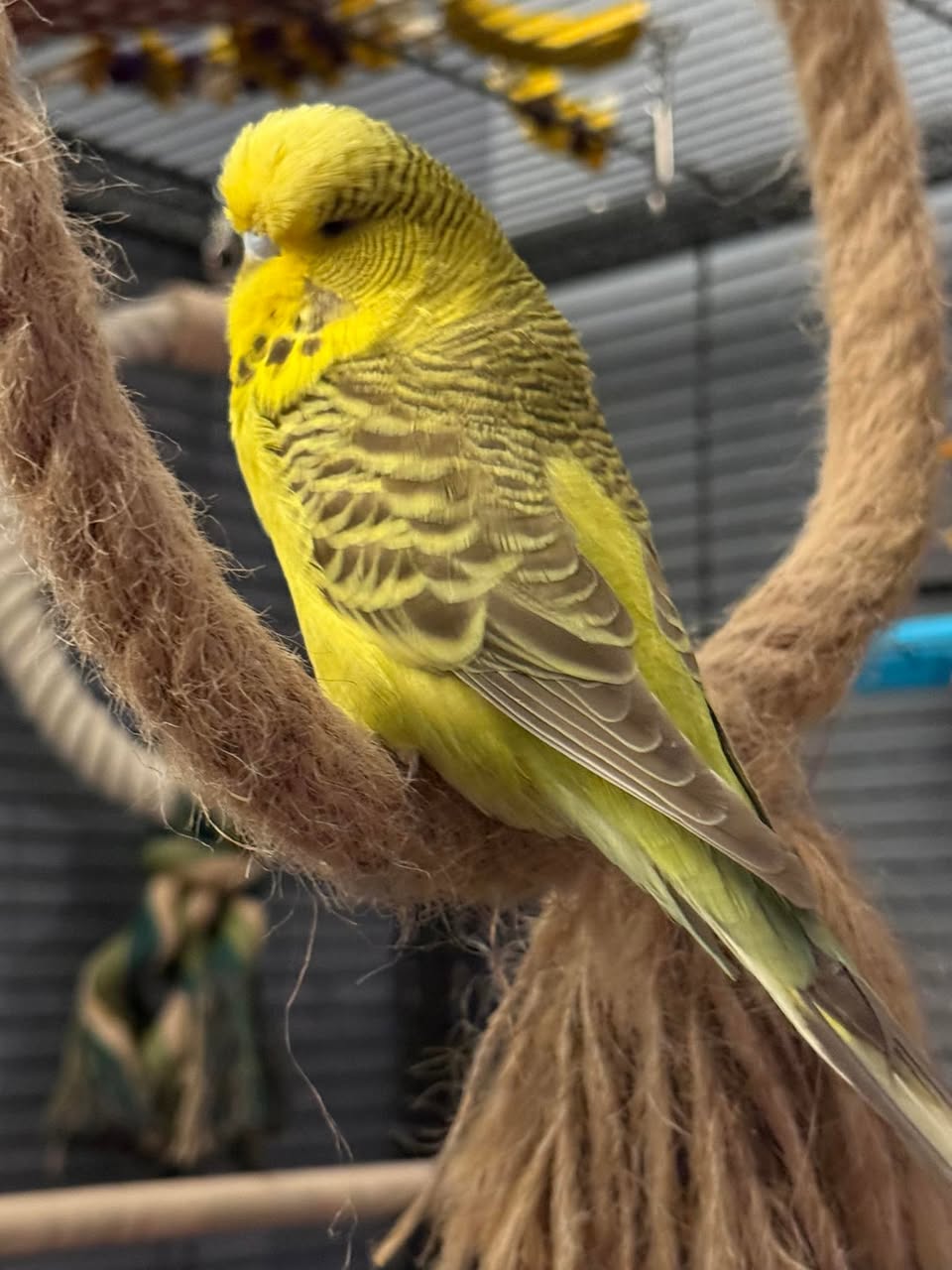
How To Actually Check Whether Your Budgie Is Eating — The Seed Bowl Problem
This is the practical step most owners miss, and it is the one that would have caught the problem in the story I told at the start two days earlier.
Budgies hull their seeds — they remove the outer husk before swallowing the seed kernel inside. The husk falls into the bowl or onto the cage floor. A seed bowl that appears to have been eaten from may in fact be full of empty husks with no nutritional content remaining. An owner who refills a bowl that was already full of husks may genuinely believe the bird has been eating, when the bird has consumed almost nothing for days.
- Blow gently across the seed bowl before assessing it — the light husks will blow away and reveal whether there is actual intact seed beneath them or whether the bowl is full of shells; this takes five seconds and is the most reliable immediate check of whether the bird has been eating
- Check the cage floor and the area around the food bowl — husks accumulate on the floor below where the bird sits and eats; a thick layer of husks below the feeding area suggests the bird has been eating; very little on the floor suggests it has not
- Count the droppings on the cage floor — fewer droppings than normal means the bird is eating less; droppings are the direct output of food consumption and their absence is as informative as the seed bowl itself
- Note whether the droppings are abnormal as well as reduced — very watery droppings, discoloured urates, or very scanty droppings combined with reduced eating paint a more concerning picture than simply fewer droppings of normal appearance
- Use a small digital scale if you have one — weighing a healthy budgie weekly and knowing its normal weight gives you an objective measure; weight loss is one of the most reliable indicators of inadequate food intake and it is often not visible until it is significant without weighing
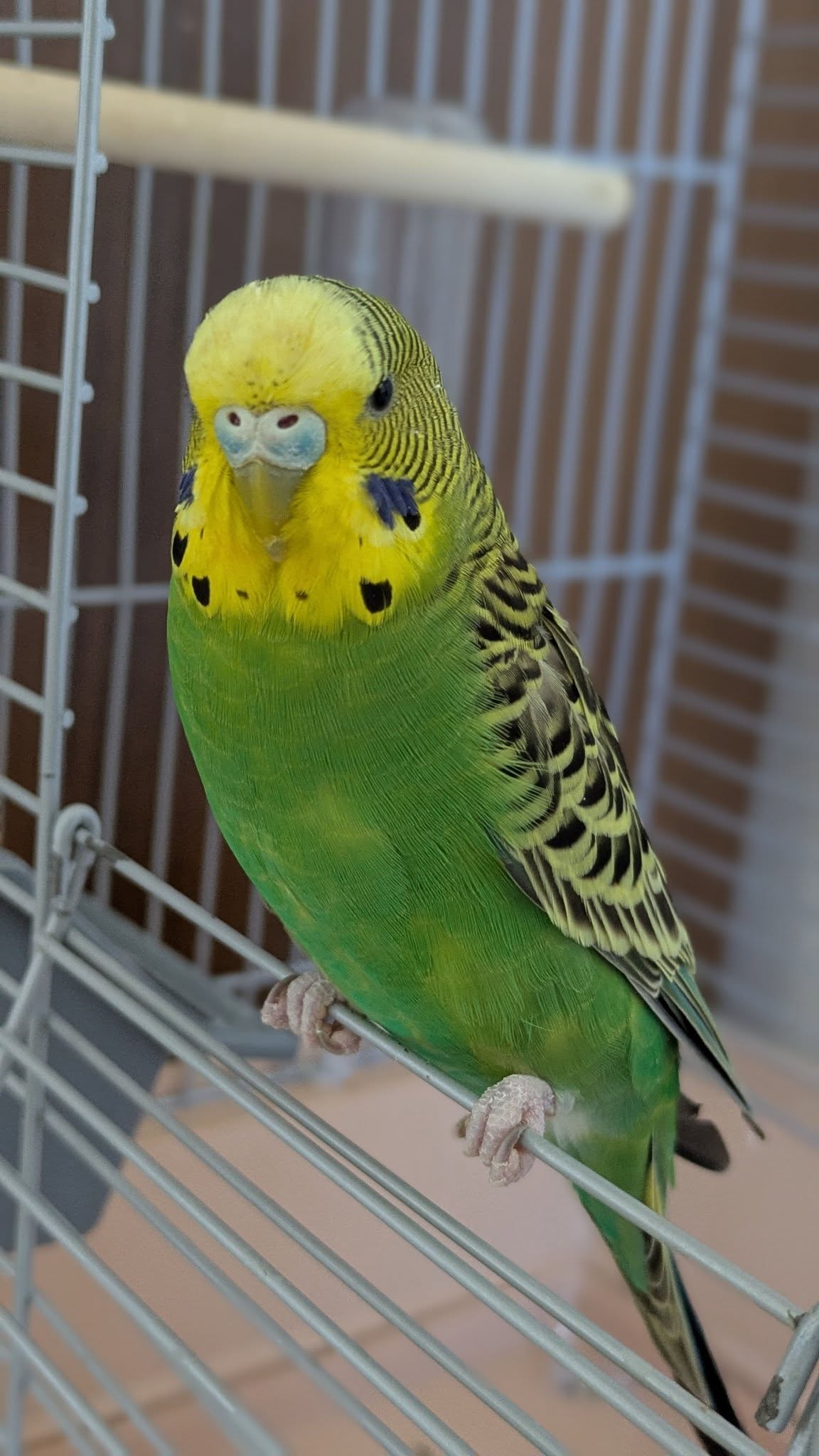
The Warning Signs That Turn Reduced Appetite Into An Emergency
Reduced appetite alone, in the context of hot weather, is a watchful concern rather than an immediate emergency for the first few hours. These are the signs that convert it into a same-day vet visit, regardless of the temperature.
- Essentially nothing eaten for 24 hours or more — this is past the point where heat alone is a sufficient explanation; a healthy bird with normal heat-related appetite reduction still eats something; a bird that has eaten almost nothing for a day needs to be seen
- Reduced appetite alongside fluffed feathers during active hours — a bird that is fluffed when it should be active is conserving energy because it is unwell; fluffing plus not eating in the heat is not a bird that is a bit warm, it is a bird that is ill
- Reduced appetite alongside tail bobbing at rest — the tail moving rhythmically up and down when the bird is sitting still is a respiratory sign; not eating plus respiratory effort indicates a bird that is significantly compromised
- Reduced appetite alongside absence of droppings — a budgie that is neither eating nor producing droppings over a 12-hour period is a bird whose system has essentially stopped; this is an emergency regardless of the temperature
- Reduced appetite that does not improve when the temperature drops in the evening — if heat were the cause of the appetite reduction, the appetite should begin to recover as the evening cools; a bird still not eating at 9pm on a day when it was 30 degrees at 3pm is not a bird whose reduced appetite was caused by the heat
- Weight loss visible in the posture — the keel bone becoming more prominent, the bird appearing thinner in the breast area; this indicates the appetite reduction has been going on long enough to produce real physical change
- Nothing eaten for 24 hours plus no droppings — this is a same-call-right-now situation; phone an avian vet before finishing this article
- Not eating plus tail bobbing at rest plus any breathing changes — the bird has both a digestive and a respiratory problem and needs urgent professional assessment
- Not eating plus complete unresponsiveness or collapse — emergency; keep warm and get to the nearest avian-experienced vet immediately
- Not eating plus yellow or green urates in the droppings — the colour change indicates liver involvement; this alongside appetite loss needs same-day attention
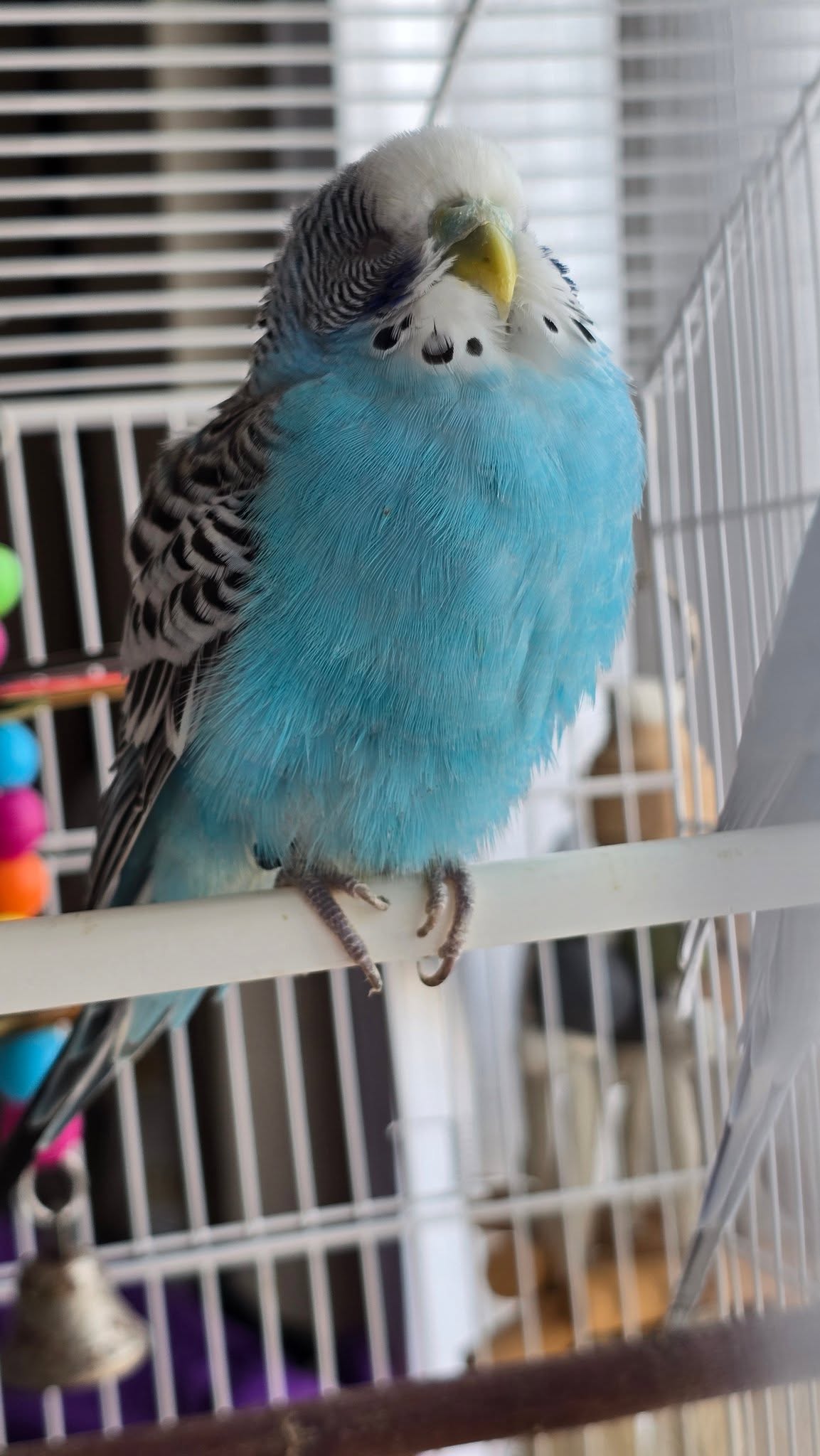
What Heat Actually Does To A Budgie’s Body — Why Illness And Heat Interact
Understanding the physiology explains why heat is such an effective amplifier of existing illness and why the two together produce a more urgent picture than either alone.
- Heat increases metabolic demand and stress on every organ system — a liver that is managing adequately at 22 degrees may be significantly compromised at 30 degrees because the heat increases the metabolic load; the illness was present before the heat, but the heat has made it visible by exceeding the bird’s compensatory capacity
- Dehydration compounds everything — a bird that is not eating is also not getting the water content from its food; combined with increased respiratory water loss in the heat, a bird that stops eating in hot weather is simultaneously at risk of dehydration; this is why the drinking behaviour matters alongside the eating behaviour
- The immune system is suppressed by heat stress — a bird that is thermally stressed has fewer resources available for immune function; an infection that was being contained at normal temperatures may begin to progress more quickly when the bird is also dealing with heat
- Energy reserves are limited and deplete faster in heat — budgies are small animals with small reserves; a bird that was maintaining its weight on reduced food intake at normal temperatures may begin to lose weight noticeably once the additional energy cost of thermoregulation is added
What To Offer A Budgie That Is Not Eating Well In The Heat
If the bird is in the early stage — slightly reduced appetite, still eating some, otherwise appearing normal — there are practical food adjustments that may help maintain intake through a hot period.
- Fresh foods with high water content — cucumber, watermelon (flesh only, no seeds), apple, and similar water-rich foods are often more appealing than dry seed to a warm bird; offering these alongside or instead of seed during the hottest part of the day can help maintain food intake and hydration simultaneously
- Sprouted seeds — much higher water content than dry seed; many birds find them more palatable in hot weather and they are significantly more nutritious than dry seed; sprouting seed at home takes 24 to 48 hours and the result is well worth offering in summer
- Offer food at the cooler times of day — early morning and evening, when the bird is naturally more active and the temperature is lower, are the best windows for encouraging food intake in hot weather
- Remove and replace fresh food frequently in the heat — fresh food spoils faster in a warm cage than in normal conditions; any fresh food offered in hot weather should be removed within two hours and replaced rather than left until it softens and ferments
- Do not stop offering seed entirely in favour of fresh food — seed provides energy in a form the bird has always relied on; the goal is to supplement with water-rich foods, not to switch to an entirely unfamiliar diet at a moment when the bird is already stressed
Frequently Asked Questions
Is it normal for a budgie to eat less when it is hot?
A modest reduction in appetite on a hot day is a normal physiological response — the bird is less active and needs slightly less fuel. What is not normal is a significant reduction that persists for more than a day, that is accompanied by other signs like reduced droppings, fluffed feathers, or lethargy, or that does not recover when the temperature drops in the evening. If you are not sure which you are looking at, check the actual state of the seed bowl — blow the husks off and see how much intact seed remains — and count the droppings. These two checks tell you far more than the bird’s general appearance.
My budgie is drinking but not eating. Is that okay?
Drinking without eating is a step better than neither, because it at least suggests the bird’s hydration is being maintained. But a bird that is drinking but not eating for more than 24 hours is still a bird with a problem. Drinking without eating can also indicate nausea or digestive discomfort — the bird wants fluid but cannot face solid food. This alongside hot weather warrants a vet assessment rather than continued waiting.
How long can a budgie go without eating before it becomes dangerous?
Budgies are small animals with limited fat reserves. The general guidance is that a budgie that has not eaten for 24 to 48 hours is at real risk of beginning to lose dangerous amounts of condition; in a hot environment, where the metabolic demands are higher, the window may be shorter. A bird that has not eaten for a full day and is showing other signs alongside the appetite loss needs veterinary assessment today.
Could the heat have caused my budgie to stop eating, or is something else going on?
Both are possible, and this is exactly the distinction that matters. A healthy bird experiencing normal heat-related appetite reduction will still eat something, will still produce droppings, and will recover appetite as temperatures drop. A bird that has essentially stopped eating for 24 hours or more, that has very few droppings, or that is not recovering appetite in the cool of the evening is a bird where heat is not a sufficient explanation. The heat may have triggered or accelerated an underlying condition, or the reduced appetite may be entirely unrelated to the temperature. Either way, continued waiting is not the right response.
My budgie stopped eating during the last heatwave and was fine. Does that mean it is fine this time?
It means the last time, the cause was probably genuinely the heat, and the bird recovered when the temperature dropped. It does not mean this time is the same. Each episode needs to be assessed on its own signs — how much has been eaten, how many droppings are present, whether the bird is otherwise well. Previous recovery from one situation does not make a recurrence automatically low-risk.
Where can I get help with a budgie that is not eating in Swindon?
Come in to Paradise Pets at Manor Garden Centre, Cheney Manor Industrial Estate, Swindon SN2 2QJ — or call us on 01793 512400. Tell me what you are seeing and I will tell you honestly whether I think this needs a vet today or whether observation is the right call. If the bird has not eaten for 24 hours or is showing other signs alongside the appetite loss, contact an avian vet directly rather than coming to us first — that situation needs professional assessment, not a pet shop conversation. Free general advice, no obligation. That is how we have done things here for 35 years.
One Last Thing From Me
The man who phoned about his budgie on that Thursday afternoon came back into the shop about three weeks later. The bird had completed its treatment and recovered well. He told me the thing that had stayed with him most from the conversation was not the urgency — he had acted quickly once I told him to — but the seed bowl question. He had genuinely not known that a bowl full of husks was not a bowl the bird had eaten from. He had been refilling husks for two days under the impression the bird was eating normally.
That is a gap in knowledge that is almost universal among new owners and not uncommon even in experienced ones. Nobody tells you. You watch the bird go to the bowl and you assume.
The blow-the-husks test is the most practically useful thing I can leave you with from this entire article. Five seconds with a breath across the surface of the bowl, and you know whether your bird has been eating or whether you have been refilling shells.
Do it today. Know your bird’s actual food intake, not your impression of it.
And if the answer tells you the bird has been eating very little for longer than you realised — phone an avian vet. Not tomorrow. Today.
Worried About Your Budgie’s Appetite In The Heat? Come In Or Call.
Tell me what you are seeing and I will give you an honest read on whether this needs a vet today or whether you are dealing with normal hot-weather reduced appetite. If there is real doubt, the vet is always the right call. Free advice, no obligation. That is how we have done things here for 35 years.