
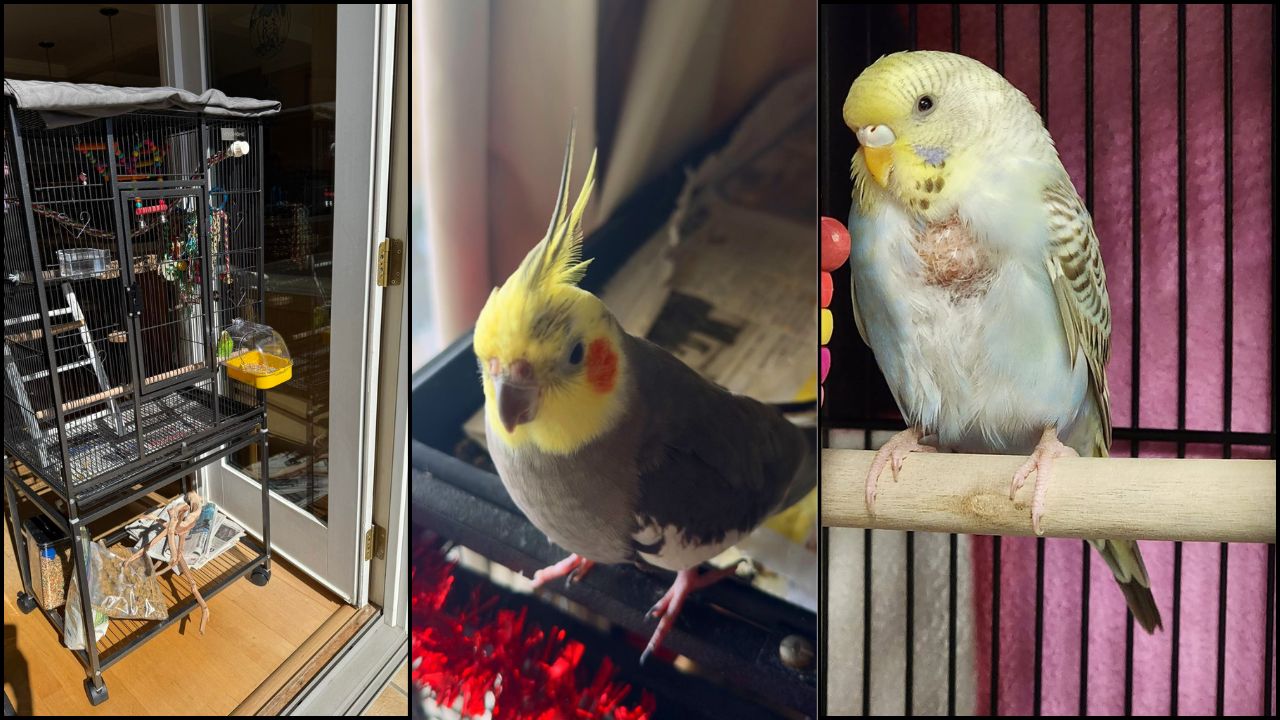

Neil has run Paradise Pets Swindon since 1988 — over 35 years of selling pet birds and receiving the phone calls that come in every summer when the temperature rises. Some of those calls end well. Some do not. This is his honest account of the mistake he sees made every single year, why it happens to careful owners and not just careless ones, and what every UK bird owner needs to know before the next hot spell arrives.
The phone rang on a Tuesday morning during the May heatwave. A woman from Wiltshire. Her voice told me what had happened before the words did.
Her cockatiel had been on the windowsill. He loved the sun — had always loved the sun — and she had put him there every morning for three years without incident. That Tuesday morning, with the temperature outside already climbing past thirty degrees by ten o’clock, she had gone out for two hours. When she came back, the bird was at the bottom of the cage, panting with his beak open, wings held away from his body, barely responsive.
I asked her one question. Where was the cage? She told me. I told her to move it immediately to the coolest room in the house, mist the bird gently with cool water, put fresh drinking water at cage-floor level so he did not have to climb to reach it, and get to an avian vet within the hour.
She rang me back that evening. He had been kept in overnight for observation and was coming home the following morning. She was quiet for a moment before she said: “He was fine yesterday. I had no idea.”
She was not a careless owner. She was an attentive, experienced owner who had done the same thing for three years and it had been fine — because for three years, those mornings had not been a UK May day reaching 35 degrees. The mistake she made was not negligence. It was the assumption that what had always been safe was still safe, in conditions that were categorically different from anything that windowsill had faced before.
That is the mistake I see every summer. Not always at this severity. Not always with this outcome. But the same mistake, made by good owners, in ways that are entirely predictable and entirely preventable.
Why The Windowsill Is The Most Dangerous Place In Your Home On A Hot Day
This is the piece of information I would most like to be common knowledge among UK bird owners, and it is not.
Glass magnifies solar heat. A cage sitting directly in front of a south or west-facing window on a bright summer afternoon is not experiencing the ambient temperature of the room — it is experiencing something significantly higher, concentrated through the glass, with no means of escape. The bird cannot move away. The cage has nowhere to shed the heat. And unlike a mammal, a bird cannot sweat. Its only cooling mechanisms are panting — breathing rapidly to lose heat through evaporation — and holding its wings slightly away from its body to create airflow. When those mechanisms are overwhelmed, body temperature rises, and the situation deteriorates quickly.
The reason this catches owners who have kept birds in the same spot for years without problem is that UK summers have historically not reliably produced the temperatures that make a windowsill dangerous. A cage in front of a window on an overcast 19-degree June day is fine. The same cage on a cloudless day when the outside temperature reaches 30 degrees or above is a different situation entirely — and the UK has been producing those days with increasing frequency.
The 2026 May heatwave recorded 35.1 degrees at Kew Gardens — the hottest May day since records began in 1884. Amber heat warnings remained active across England and Wales for days afterwards. The conditions that turn a window position from pleasant to dangerous are no longer rare exceptions. They are a recurring feature of UK summers that bird owners need to plan for, not hope to avoid.
The rule I give every customer who keeps birds near a window is this: if you would not sit comfortably in that spot in direct sun for two hours without shade or water, your bird should not be in that spot either. And unlike you, your bird cannot get up and move.
The Signs Of Heat Stress — What To Look For Before It Becomes Critical
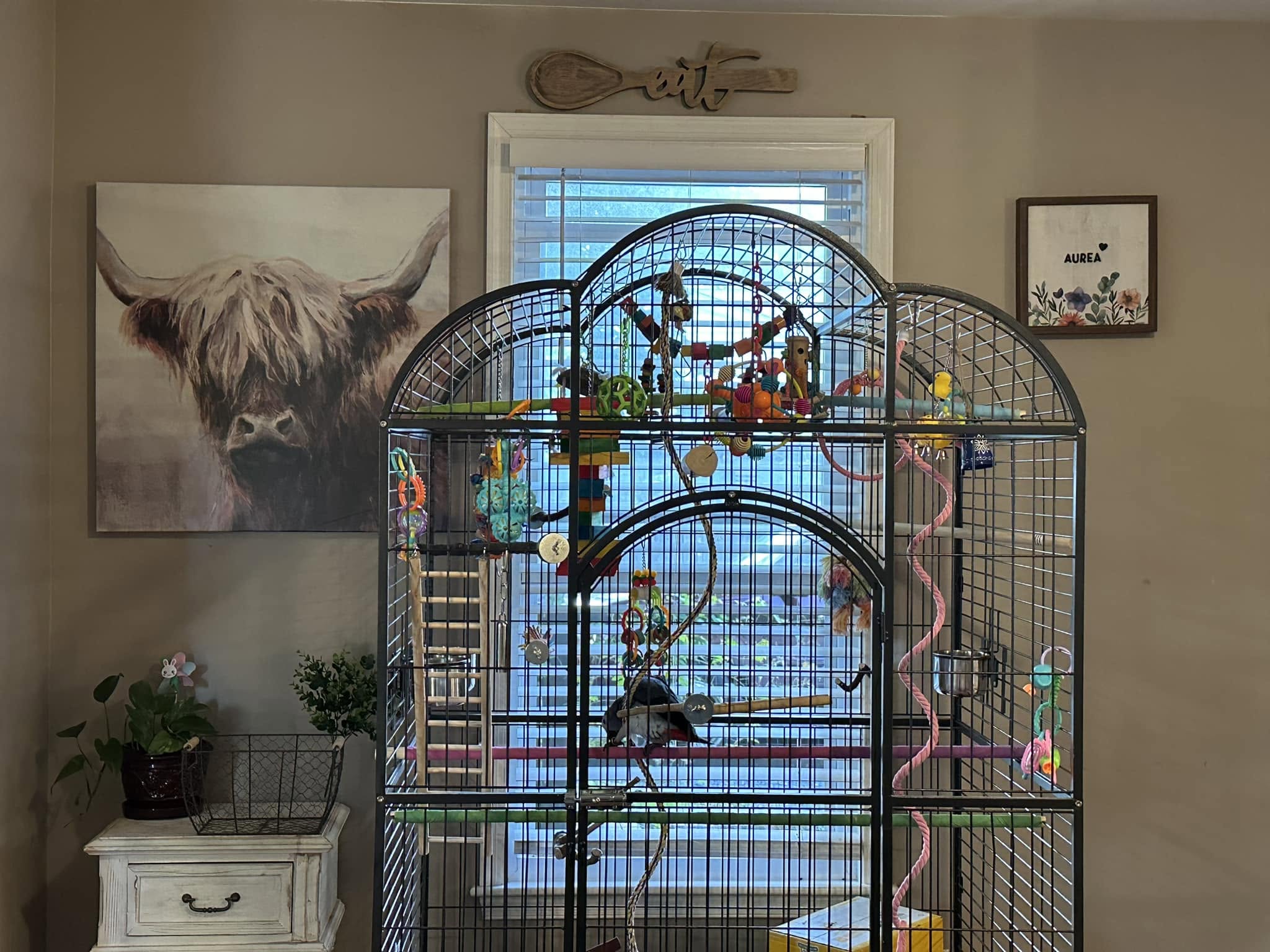
Heat stress in birds moves through stages, and the earlier you catch it, the better the outcome. By the time a bird is on the cage floor, barely responsive, and panting heavily, you are looking at a serious emergency. The signs before that point are visible if you are watching, and acting on them early is what makes the difference.
The first thing you will see in a bird beginning to experience heat stress is open-beak breathing — panting, in the way a dog pants, which is not normal resting behaviour for a bird and should always be taken seriously. This is the bird’s primary cooling mechanism working at maximum capacity. It means the bird is already struggling to maintain a safe body temperature.
Alongside that, or sometimes before it, you may notice the wings held slightly away from the body — not in a threatening or displaying posture, but loosely, to create surface area and allow air circulation. A bird doing this, combined with any reduction in normal activity, is telling you something about its thermal state.
As heat stress progresses, the bird becomes visibly lethargic. It may move to the lowest perch or the cage floor, not because it is unwell in the way illness makes a bird seek the floor, but because heat rises and the floor of the cage is the coolest available position. Its eyes may become partially closed. It may stop vocalising entirely. Its responses to you will slow.
At the extreme end — the stage that is a genuine emergency — the bird is collapsed on the cage floor, barely moving, breathing with visible effort, possibly unconscious. This is not a wait-and-see situation. This is a call to an avian vet while you are already moving to cool the bird by the methods I describe below.
What To Do If Your Bird Is Showing Heat Stress Signs Right Now
I want to be as direct as possible about this, because it is the part that matters most in the moment.
Move the cage to the coolest room in the house immediately. Not in a few minutes. Now. The longer the bird stays in a hot environment, the further the situation progresses.
Mist the bird lightly with cool water — not cold, not iced, but cool tap water applied gently from a spray bottle or with wet fingers around the head, feet, and under the wings. The goal is to assist evaporative cooling. Do not immerse the bird in water. Do not use very cold water, which can cause shock. Gentle, cool misting, repeated as needed.
Offer fresh drinking water at the lowest accessible point in the cage. A bird that is weak or lethargic may not be able to climb to a high water point. Put water at cage-floor level so it does not have to work to reach it.
If you have a fan, position it to circulate cool air in the room without blowing directly onto the bird. Air movement helps but a direct draft, particularly on a bird that is already stressed, causes additional problems. Indirect airflow is what you are aiming for.
If the bird is showing any of the more serious signs — on the cage floor, barely responsive, visibly struggling to breathe — do all of the above while you are already on the phone to an avian vet. Do not wait to see if it improves before making that call. Heat stroke in a small bird can be fatal within hours, and the window for effective intervention is narrow once the bird has reached that stage.
One thing I want to say clearly: do not cool the bird too aggressively. The instinct when a bird is clearly overheating is to bring its temperature down as fast as possible, and that instinct is understandable but wrong. Rapid temperature change causes shock. Cool water, not cold. Gentle misting, not immersion. Gradual and steady is what you are aiming for.
The Mistake That Is Not The Windowsill — And Why It Catches People Just As Often
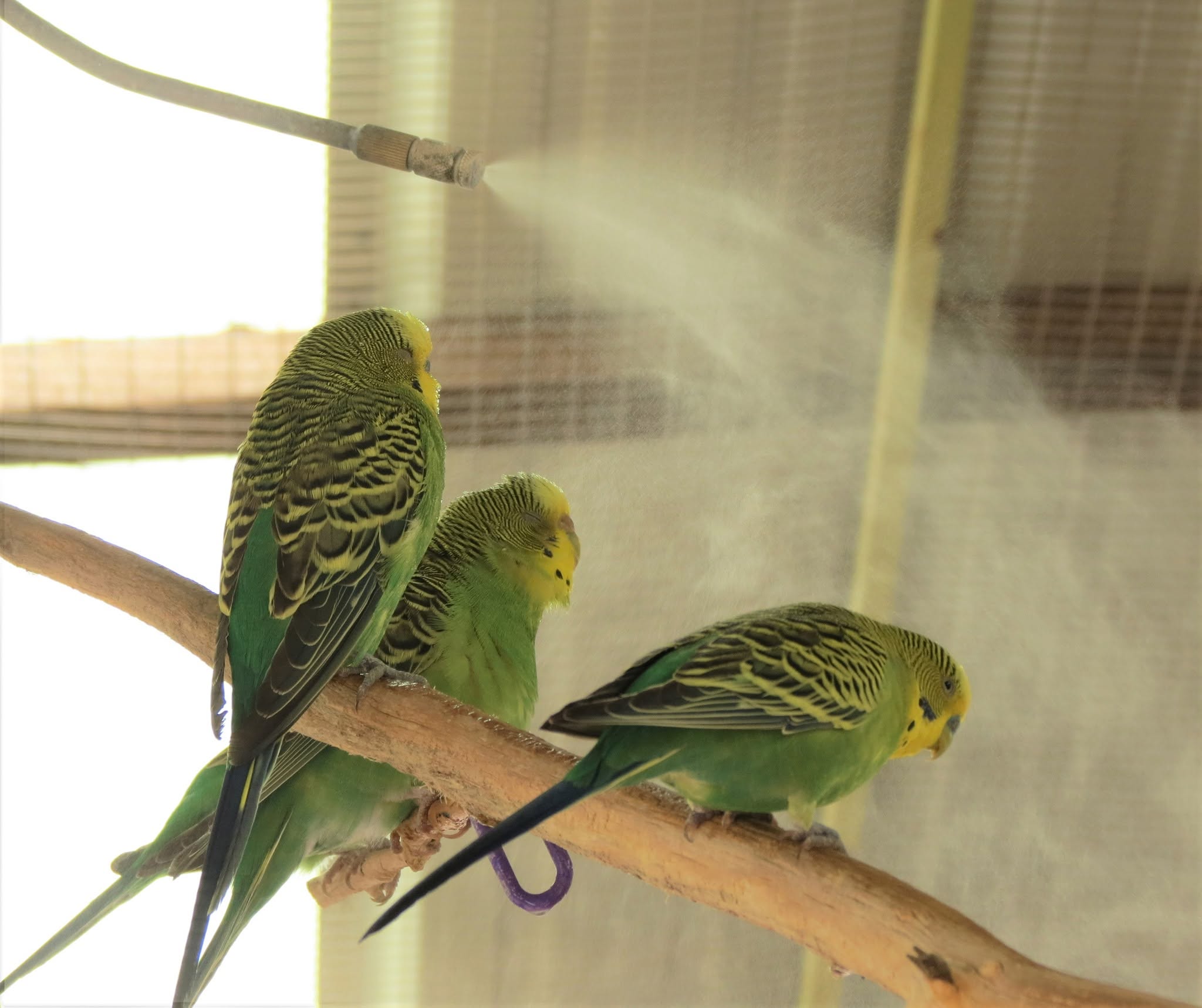
The windowsill is the most common factor I see. It is not the only one, and I want to be thorough here because the second most common mistake is one that catches people who have specifically avoided putting the cage near a window and think they have therefore managed the risk.
Conservatories. Utility rooms with south-facing windows. Kitchens that heat up significantly during cooking. Cars, where a bird has been taken along on a summer journey and left briefly while the owner runs an errand. These are all environments that can reach temperatures far beyond what the ambient outdoor reading suggests, and in some cases far beyond what the main rooms of the house are experiencing at the same time.
A car in direct sunlight on a 25-degree day can reach interior temperatures of 50 degrees or more within minutes. A bird left in a car in those conditions, even briefly, is in acute danger. I say this because it happens, and it happens to people who would never leave a dog in a car on a hot day but have not extended the same awareness to their bird.
A conservatory, which many UK homes have and which is often used as a pleasant, light-filled space where a bird’s cage lives, can be one of the most dangerous environments in the house on a hot day. The glass roof that makes a conservatory attractive in winter and spring creates an oven effect in direct summer sun. If your bird’s cage is normally in a conservatory, it needs to be moved to a cooler room during any period when outdoor temperatures are forecast to exceed 25 degrees. Not when you can see the bird is suffering. Before that.
Kitchens present a different set of risks in summer — not only from heat, but from the cooking fumes and aerosols that are harmful to birds’ respiratory systems at any temperature. I have written about those risks separately, and they do not go away in summer. They compound alongside the heat risk if a bird is kept in a kitchen that is also getting warm.
Which Birds Are Most At Risk — And Which Owners Are Most Likely To Underestimate It
Not all pet birds carry the same level of heat risk, and understanding the differences is useful — as long as it does not become a reason for complacency about any species.
Canaries and finches are the most vulnerable. Small body mass, limited physiological reserve, and a respiratory system that is acutely sensitive to temperature means these birds can deteriorate very quickly in warm conditions. If you keep canaries or finches and you are not already thinking carefully about summer cage placement, you should be.
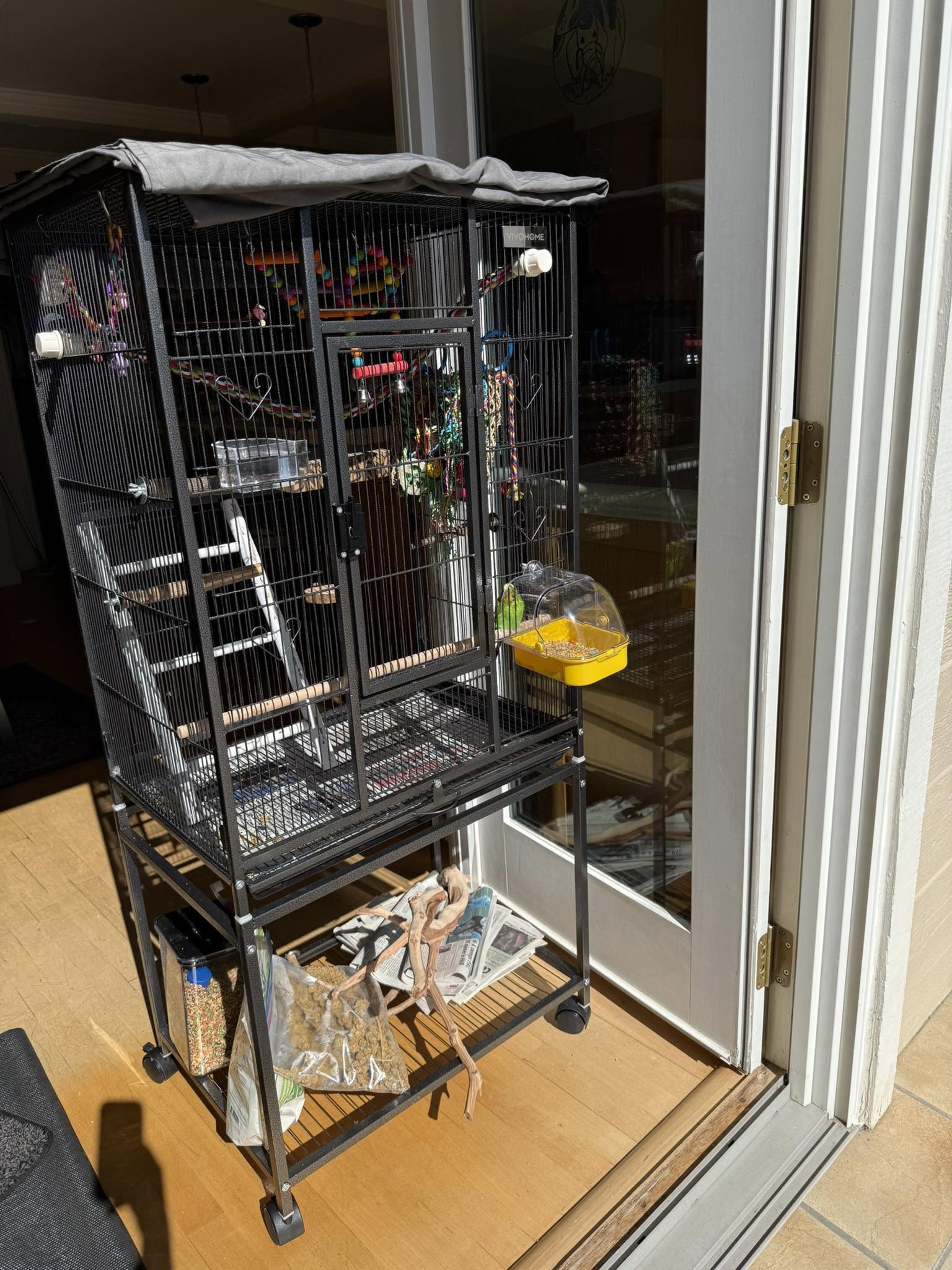
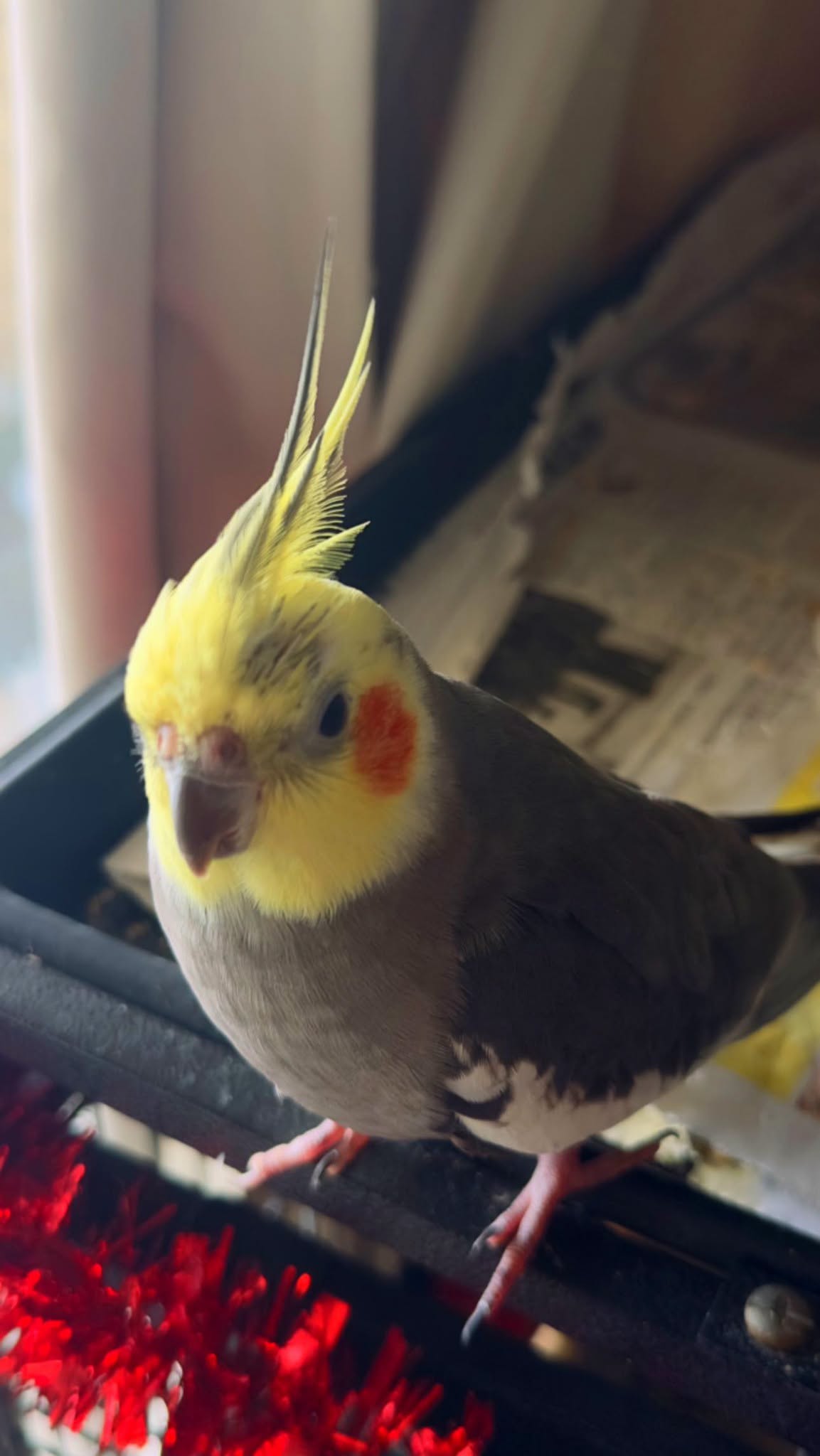
Cockatiels — native to Australia’s interior, which is genuinely hot — have moderate heat tolerance but show heat stress signs very clearly. The open-beak panting and wing-spreading posture that signal heat stress in a cockatiel are visible and dramatic, which means attentive owners tend to catch it earlier than in some other species. Do not, however, use the cockatiel’s Australian origin as a reason to assume it is comfortable in a hot UK room. Australian-adapted physiology does not equal immunity to the conditions produced by glass and direct sun in a UK heatwave.
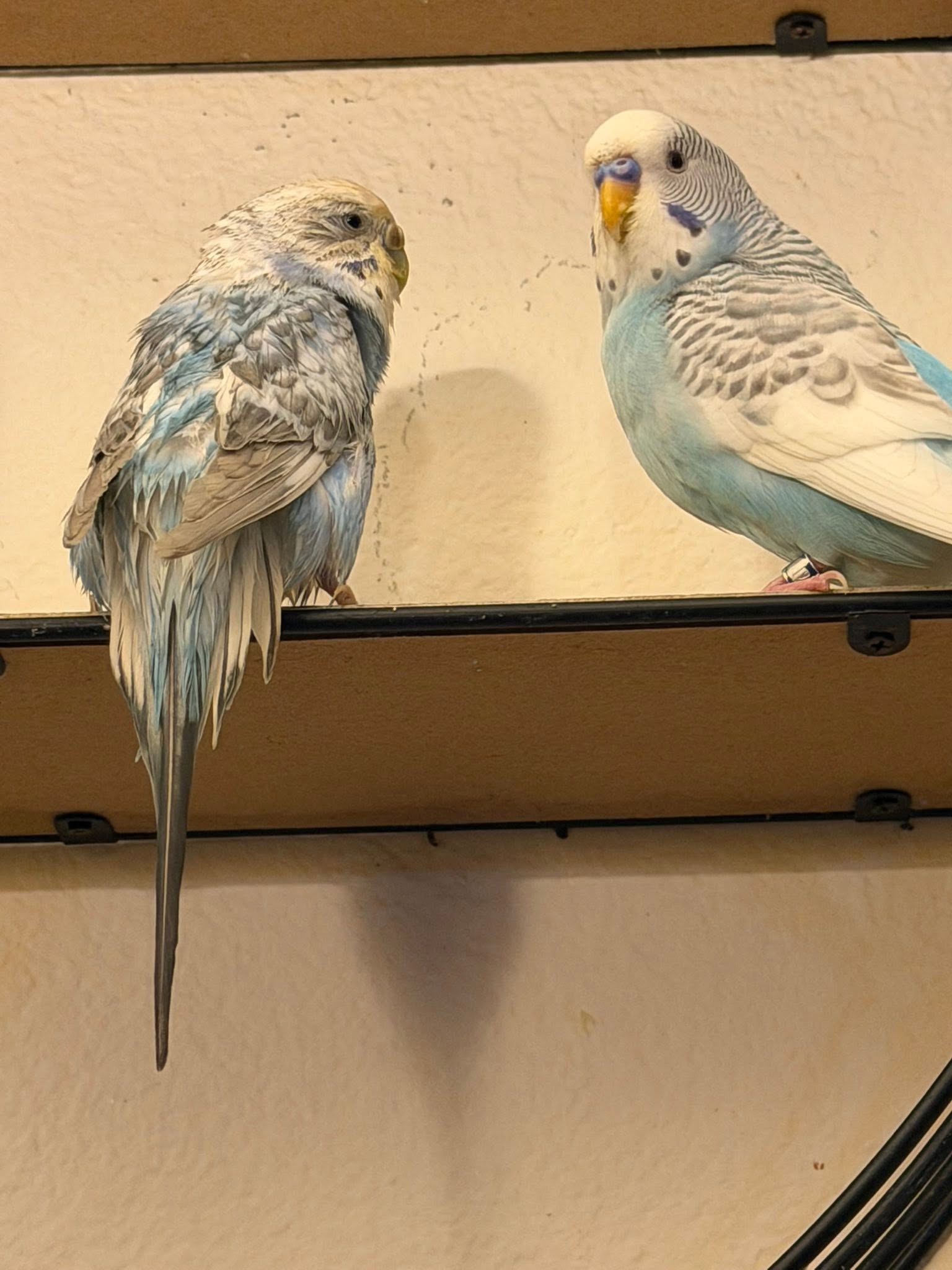
Budgerigars are the species I most often have to correct assumptions about. People assume, because budgies come from Australia, that heat is not a concern. In a well-ventilated, shaded position, a budgerigar tolerates warm conditions better than a canary. But their small body mass means they reach critical temperatures rapidly once they have exceeded their tolerance threshold, and that threshold is not as high as the Australian origin assumption suggests. A budgie in a cage at direct afternoon sun through glass on a 33-degree day is in danger. Full stop.
Larger parrots — African Greys, Amazons, cockatoos — have more thermal mass and more physiological reserve, which means they have more time before heat stress becomes critical. They are not immune. They show the same signs — panting, wing-spreading, lethargy — and they need the same management. The additional margin should not become additional complacency.
How To Manage Summer Heat Properly — What Actually Works
This is the practical section. I want to give you what actually makes a difference, not a list of things that sound reasonable but do not address the specific conditions of a UK home in a hot summer.
Move the cage away from windows during hot spells. Not to a different spot in the same room — to the coolest room in the house, ideally one that does not receive direct sunlight during the hottest part of the day. Track where the sun hits in your home between midday and four in the afternoon, because that is when the temperature at window level peaks. That is where the cage should not be during a heat warning.
Change the water more frequently. Fresh, cool drinking water in summer is not optional. On a very hot day, water in a small bowl at room temperature becomes warm quickly. Change it at least twice during the day, and offer it at a height the bird can easily reach. Some owners add a single ice cube to the water bowl to keep it cooler for longer — the bird will drink from around it as the ice melts.
Misting. Most birds will accept and benefit from a light mist of cool water during hot weather. Some enjoy it. Others tolerate it. Very few are genuinely harmed by it, provided the water is cool rather than cold and the misting is gentle rather than drenching. A bird that shakes itself off and goes back to what it was doing has found it refreshing. A bird that moves away from the mist repeatedly is telling you it does not want it, and you should respect that rather than persist.
Air circulation without draught. A fan circulating air in the room — not pointed directly at the cage, but moving the air around it — helps with cooling. A direct draught onto a bird is a respiratory risk and should be avoided. The distinction matters, and it is worth getting right rather than simply turning a fan on and pointing it at the cage.
Monitor the Met Office forecast for your area and treat heat warnings as the practical guidance they are. An amber heat warning means the conditions that turn a safe cage position into a dangerous one are present or imminent. Move the cage before the peak, not during it.
And — this is the one I feel most strongly about — do not move the cage back to its summer position until you are confident the temperature at that location is back below 25 degrees at the height the cage sits. The precautionary approach costs nothing. The alternative, as the woman from Wiltshire knows, costs rather more.
Frequently Asked Questions
What temperature is too hot for a pet bird?
Most pet birds are comfortable in ambient temperatures between 18 and 26 degrees Celsius. Above that, you should begin thinking about cage placement, ventilation, and water provision. Above 30 degrees, particularly in a room with any direct sun exposure, active management is needed. The temperature at cage level in a window position can be significantly higher than the room’s ambient temperature — this is the number that matters, not the reading on your thermostat or the outside forecast.
Can I use a fan to cool my bird?
Yes, with care. A fan circulating air in the room provides useful cooling. A fan pointing directly at the cage creates a draught that can cause respiratory problems, particularly in a bird that is already stressed. Position the fan to move air around the room rather than across the cage directly. Check that any free-flying bird cannot access the fan blades — cockatiels especially are capable of flying toward a fan and the consequences are severe.
My bird seems fine even when it is very warm. Should I still move the cage?
Yes. The point I made about cockatiels and budgerigars concealing signs of stress applies to heat as well as illness. A bird that appears fine in a warm environment may be managing — right up to the point where it is not. Heat stress can escalate quickly once a bird has been in compromised conditions for a period of time, and the moment it becomes visible it may already be serious. Precautionary cage management based on forecast temperature is always preferable to reactive management based on visible distress.
Is it safe to take my bird outside in summer?
Supervised outdoor time in a secure cage or carrier can be beneficial — fresh air, natural light, and mental stimulation are all genuinely good for birds. The conditions need to be right. The bird must have shade available at all times and access to fresh water. It should not be left unattended. Peak sun hours — roughly between eleven in the morning and three in the afternoon on a hot day — are not the time for outdoor time. Early morning or late afternoon in a shaded spot is a different situation from midday on a sunny summer day in a cage with no shade.
My bird recovered from heat stress. Do I need to take it to the vet if it seems back to normal?
I would recommend a veterinary check regardless of apparent recovery. Internal effects of heat stress — on organ function, on hydration levels, on the cardiovascular system — are not always visible in a bird’s behaviour in the hours immediately after an episode. A bird that appears to have recovered fully may have sustained effects that become apparent later. The veterinary visit at this point is relatively straightforward. Discovering those effects later, when they have developed further, is considerably less so.
The Call I Do Not Want To Receive
Every summer, I receive calls that I do not want to receive. Some of them end the way the one from Wiltshire did — with a bird that makes it through because someone acted quickly enough. Some of them end differently.
The birds that do not make it through are not owned by people who did not care about them. They are owned by people who did not know that what had always been safe had become dangerous, or who assumed that a budgie or a cockatiel from Australia could not really be at risk in a British summer, or who went out for two hours on a day that turned out to be twenty degrees hotter than the previous day and did not think to move the cage first.
None of those are moral failures. They are gaps in information that I can fill now, before the next hot spell, rather than after it. That is the point of this article.
Check the forecast tonight. Know where your cage is in relation to windows and direct sun. Know what heat stress looks like in your specific bird. Have cool water ready. Know which room you would move to if tomorrow’s temperature rises faster than expected. And if you are ever unsure — about symptoms, about cage placement, about whether what you are seeing is a problem — ring us. That is exactly the kind of call I would rather receive.
Worried About Your Bird In The Heat? Call Us Now.
If you are not sure whether your bird is safe where it is, or if you are seeing signs that concern you, do not wait. Ring us, describe what you are seeing, and we will tell you honestly what to do. If your bird needs a vet, we will help you find the nearest avian practice.