
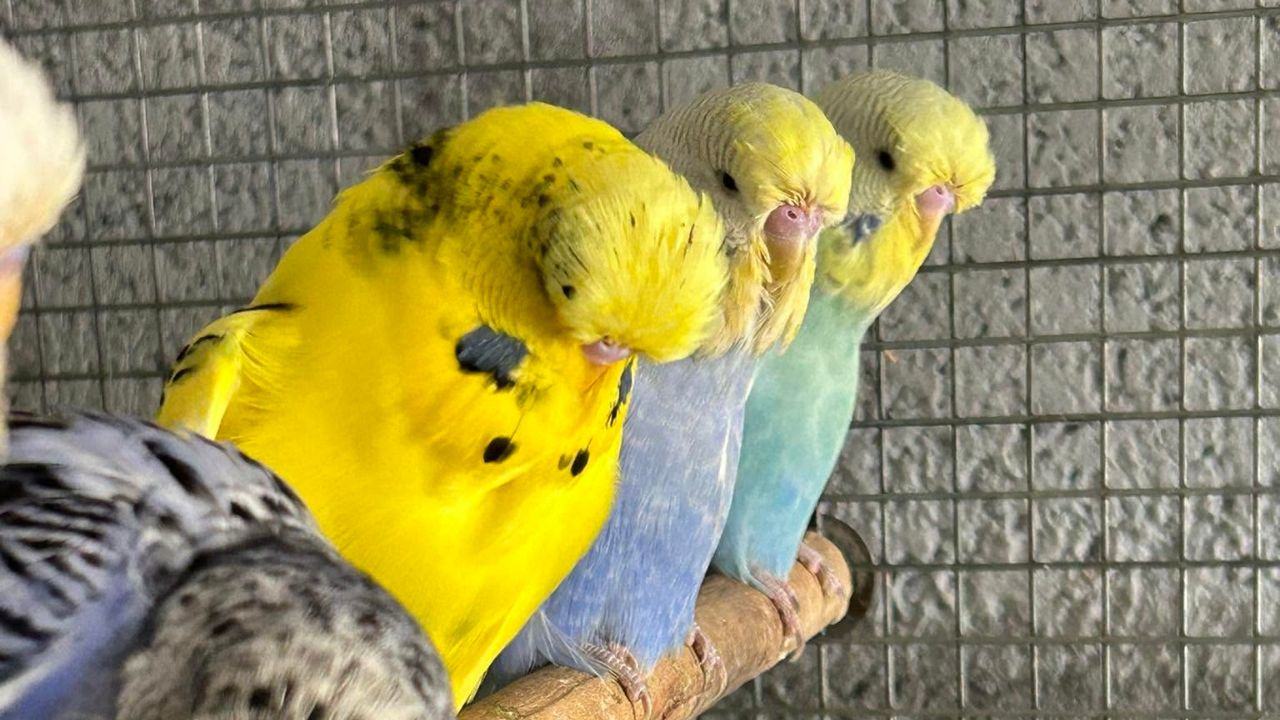

Neil has kept, bred, and sold budgies at Paradise Pets Swindon since 1988 — over 35 years of helping UK owners catch heat stress in their birds before it becomes critical. The Met Office has now escalated this week’s UK heatwave to a Red Extreme Heat Warning, with temperatures forecast to reach 39-40°C on Wednesday and Thursday — officially classified as a “danger to life” event. The window between the first sign your budgie is in trouble and the point at which intervention may come too late can be remarkably short — sometimes just two or three hours. This is his honest, practical guide to spotting heat stress at each progressive stage, knowing exactly when to act, and recognising the critical decision moments that genuinely separate a survivable heat episode from a fatal one this week.
A man came running into the shop last summer, holding a cage covered with a damp tea towel. His budgie, a five-year-old hen named Bluebell, had been showing slight wing extension that morning. He had noticed but assumed it was just warm weather behaviour. By midday she was panting. By the time he got home from his lunch break, she was on the cage floor unable to stand. The whole progression — from the first subtle warning sign to apparent collapse — had taken approximately five hours.
We saved Bluebell that afternoon, but it was genuinely close. The man told me afterwards that what shook him most was not the emergency itself — it was discovering that the warning signs had been there for hours before he understood what he was actually seeing. He had assumed the early signs were just “her being a bit warm.” By the time the late signs appeared, the window for safe owner intervention had nearly closed. He had been minutes away from losing his bird.
I am writing this article because the same window — the few hours between the first warning sign and the point at which only urgent veterinary intervention may help — is what genuinely determines whether UK budgies survive heatwaves like the one currently affecting Britain. The Met Office has escalated this week’s warning to a Red Extreme Heat Warning, the most severe category, with temperatures forecast to reach 39°C and potentially 40°C on Wednesday and Thursday. Met Office officials are using the phrase “danger to life” for human populations. For UK budgies in British homes, the danger is genuinely equivalent — and the warning signs that allow you to intervene safely typically appear earlier than most UK owners realise.
This article is the timeline conversation I would have with you at the counter if you came in this morning concerned about your budgie. By the end of it, you will understand the four progressive stages of budgie heat stress, what each stage looks like in your specific bird, how much time you typically have at each stage to intervene effectively, the critical decision moments when action matters most, why this week’s heatwave is genuinely more dangerous than previous UK extreme heat events, and how to make sure you catch any heat stress early enough to manage successfully.
The Critical Update — Why This Week Is Different
For UK budgie owners who have been following the heatwave news this week, the situation has escalated significantly over recent days. Understanding why this heatwave is genuinely more dangerous than previous UK heat events helps you appreciate why active timeline-based monitoring matters more than usual.
What has changed about this week’s UK heatwave:
- Met Office has issued a Red Extreme Heat Warning — the most severe category, classified as “danger to life”
- Peak temperatures now forecast at 39-40°C for Wednesday and Thursday — higher than earlier forecasts
- June temperature records expected to be broken — the existing record of 35.6°C is genuinely likely to fall
- “Heat dome” weather pattern — high pressure trapping hot air across UK and western Europe
- Significantly higher humidity than the 2022 record heatwave — dew points around 22°C versus single figures in 2022
- Wet bulb readings substantially higher — reducing the body’s natural cooling capacity
- Tropical Nights confirmed — overnight temperatures not dropping below 20°C, particularly in urban areas
- UK Health Security Agency heat-health alerts elevated across multiple English regions
- University of Reading climate experts describing event as “heat-dome driven furnace”
- Met Office officials describing as the most severe UK heat event in recent years
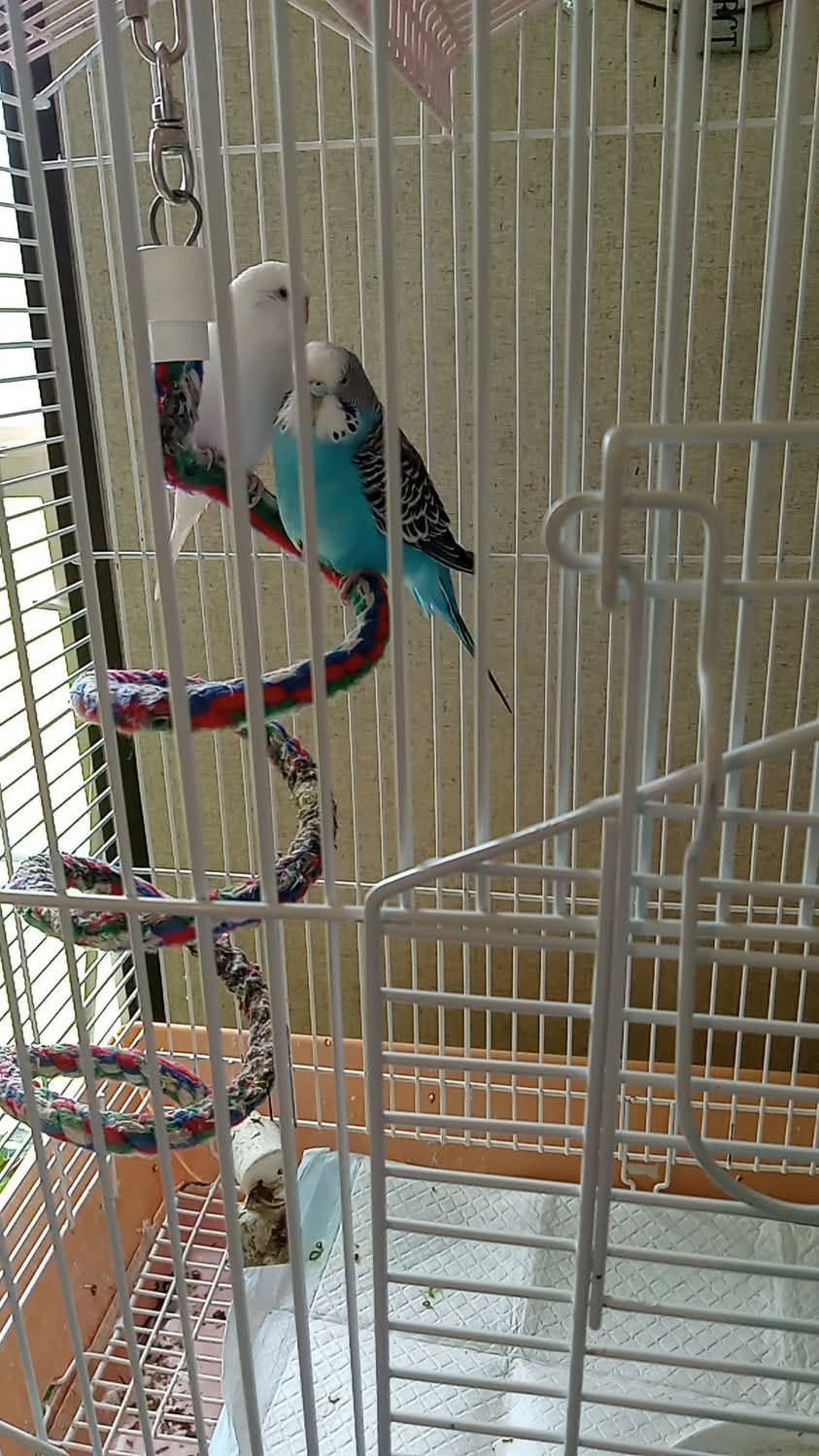
The humidity factor matters particularly for UK budgies. Wild Australian budgies evolved to handle dry heat — they cool through evaporation effectively in low humidity. UK heat dome conditions with elevated humidity reduce that natural cooling capacity substantially. Your budgie’s ability to regulate its own temperature is genuinely impaired by the humidity levels forecast for Wednesday and Thursday this week. Heat stress progression that might take a full day in dry heat can compress to just a few hours in this week’s conditions.
For UK budgie owners, this means active timeline-based monitoring is genuinely more important this week than it would be in most British summers. The early stages of heat stress can progress to late stages faster than usual, which compresses your window for intervention. Knowing the stages and acting at the earliest stage is what gets UK budgies safely through conditions like these.
The Four Stages Of UK Budgie Heat Stress
For UK budgie owners, the most useful framework for thinking about heat stress is genuinely stage-based rather than symptom-based. Heat stress progresses through identifiable stages, each with its own characteristic signs, its own intervention window, and its own appropriate response. Knowing which stage your bird is at tells you exactly what to do and how much time you have to do it.
The four stages of UK budgie heat stress:
- Stage 1 — Subtle discomfort (hours of intervention time available)
- Stage 2 — Clear distress (about an hour to act effectively)
- Stage 3 — Serious heat stress (minutes – avian vet should be contacted)
- Stage 4 — Critical heat emergency (immediate emergency veterinary care required)
The most important practical insight is that the four stages typically appear in sequence rather than all at once. Catching the progression at Stage 1 means owner intervention alone is usually sufficient. Catching at Stage 2 means owner intervention plus close monitoring works. Stage 3 typically requires veterinary advice or attendance. Stage 4 requires emergency veterinary intervention and survival is no longer guaranteed.
The transition between stages can happen genuinely quickly during conditions like this week’s. After 35 years of watching UK budgies through British summers, I have come to believe the single most important skill UK owners can develop is recognising Stage 1 — because intervention at Stage 1 essentially prevents the situation from ever becoming an emergency.
Stage 1 — Subtle Discomfort (Hours To Act)
For UK budgie owners, Stage 1 is where you genuinely want to be catching heat stress. At this stage, your bird is uncomfortable but not yet in serious distress. Intervention is straightforward, the bird’s natural cooling capacity is still effective, and the situation can be reversed without any veterinary involvement.
Stage 1 warning signs (subtle but identifiable):
- Wings held slightly away from body — not fully extended, just creating a small gap
- Increased water drinking — visiting the water dish noticeably more than usual
- Reduced general activity — sitting more, flying less, less hopping around
- Slightly reduced vocalisation — normally chatty budgie becoming quieter
- Seeking the cage floor or lower perches — moving to the coolest cage areas
- Mild appetite reduction — disinterested in favourite foods but still eating
- Eyes occasionally half-closed — beyond normal rest patterns
- Subtle change in posture — slightly less upright, slightly more relaxed
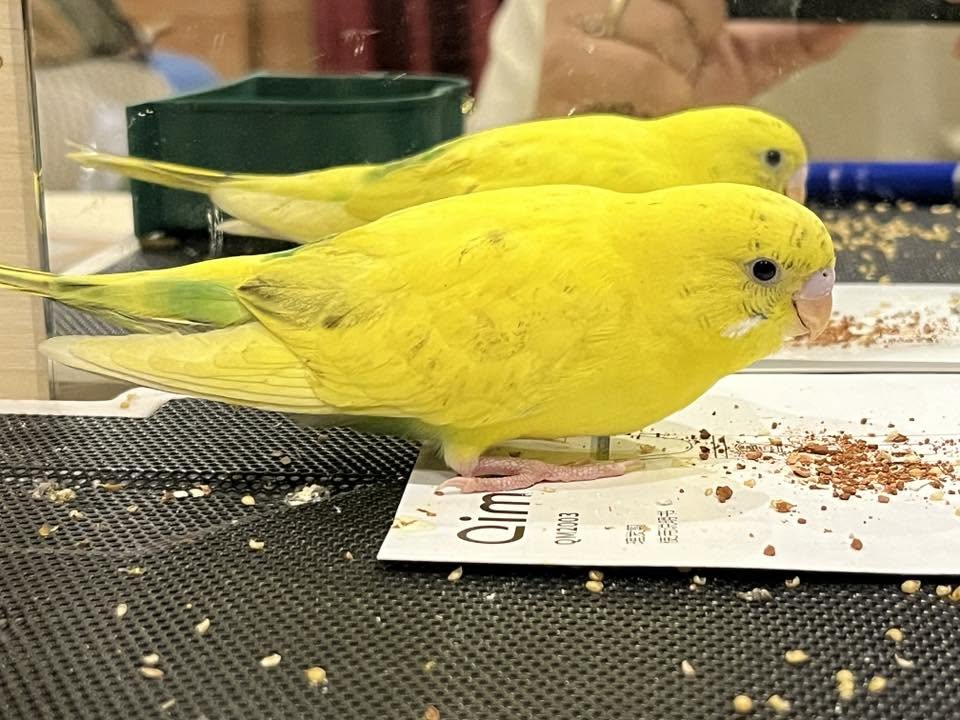
At Stage 1, you typically have several hours before the situation could progress significantly — even in this week’s conditions. This is your easiest intervention window. Most UK budgies can be helped at Stage 1 with simple cage location changes, increased water access, addition of a bathing dish, and improved room ventilation. No veterinary involvement needed.
The key insight at Stage 1 is that the signs are subtle. Many UK owners genuinely do not register these signs as warning signs. They look like minor behavioural changes. The bird is still eating, still moving, still drinking, still vocalising. The “wrongness” is subtle. Owners who learn to recognise this subtle stage are the ones whose budgies essentially never progress to later stages.
Stage 1 intervention plan:
- Move cage immediately to coolest room in house — ground floor, north-facing if possible
- Add a shallow bathing dish — many budgies self-regulate through bathing
- Add a second water source — encourages drinking and provides redundancy
- Provide gentle air circulation — fan in room, not pointed directly at bird
- Close curtains — block radiant heat from windows
- Monitor every 30 minutes — watch for either improvement or progression
- Continue normal monitoring through peak heat hours
Stage 2 — Clear Distress (About An Hour To Act)
At Stage 2, the heat stress has progressed and the signs are unambiguous. Your budgie is genuinely distressed. The situation is still manageable with owner intervention alone, but the window has narrowed substantially and you need to act with focus.
Stage 2 warning signs (clear and unmistakable):
- Wings clearly held away from body — visible gap, sometimes called “elephant ears” position
- Beak occasionally open — early panting behaviour, intermittent
- Sitting on cage floor for extended periods — not occasional cooling, but persistent floor-sitting
- Substantial reduction in vocalisation — bird has gone notably quiet
- Visible reduction in alertness — less responsive to your voice or movements
- Refusing food — not just disinterested, actively not eating
- Drinking water frequently — multiple visits to water dish within minutes
- Slight feather fluffing combined with wing extension — unusual combination indicates distress
At Stage 2, you typically have about an hour to act effectively before potential progression to Stage 3. The intervention needs to be more aggressive than at Stage 1, but veterinary attention is not yet required if the response is prompt and proper.
Stage 2 intervention plan:
- Immediately implement all Stage 1 interventions — if not already done
- Begin gentle cool water misting — light spray bottle, cool tap water, NOT cold
- Place ice packs wrapped in towels around the cage — NOT inside the cage
- Drape a damp (not soaking) towel over part of the cage — creates evaporative cooling zone
- Offer frozen vegetables as treats — frozen peas or sweetcorn provide internal cooling
- Increase monitoring frequency to every 15 minutes
- Have your avian vet’s contact details ready — be prepared to escalate
- If no improvement within 30 minutes, prepare for vet contact
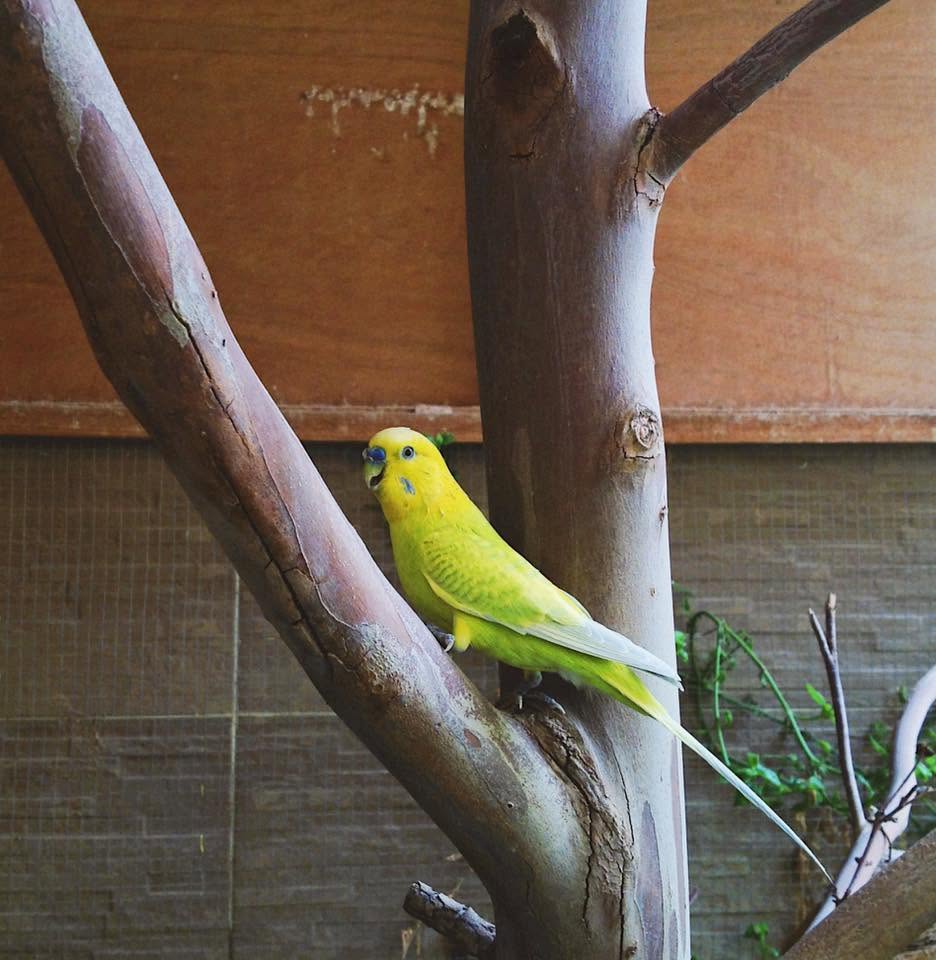
The key insight at Stage 2 is that the bird is genuinely uncomfortable but not yet in immediate danger. Your intervention can absolutely save the situation — but you need to act now rather than waiting to see if things improve naturally. They almost certainly will not improve without intervention, and they may continue to progress.
Stage 3 — Serious Heat Stress (Minutes To Act, Vet Contact Required)
At Stage 3, the situation has become genuinely serious. Your budgie is in significant distress and the natural cooling capacity is being overwhelmed. Owner intervention alone may no longer be sufficient. An avian vet should be contacted at this stage.
Stage 3 warning signs (serious distress):
- Open-mouth breathing (panting) sustained — not intermittent, continuous open beak breathing
- Wings fully outstretched away from body — maximum heat dissipation posture
- Tail bobbing during breathing — visible tail movement with each breath, indicating respiratory effort
- Bird sitting on cage floor with wings spread — combined posture indicating significant heat stress
- Eyes closed or half-closed for extended periods — exhaustion signs
- Lethargy or apparent weakness — bird looks “deflated” or unresponsive
- Watery or wet droppings — heat affecting water balance
- Head drooping or low posture — bird lacks energy to maintain normal stance
- Unsteady balance — coordination affected
- Reduced response to your presence or voice
At Stage 3, you typically have only minutes to act effectively before potential progression to Stage 4. Aggressive intervention is essential, and veterinary contact is strongly recommended. The bird’s natural cooling systems are being overwhelmed by the conditions.
Stage 3 intervention plan:
- Call your avian vet IMMEDIATELY — describe symptoms and follow their advice
- Implement all Stage 1 and 2 interventions intensively
- Continuous cool water misting — light mist every few minutes
- Maximum cooling environment — coolest room, all cooling measures active
- Do NOT submerge bird in water — thermal shock risk
- Do NOT use ice directly on the bird — cold shock dangerous
- Monitor breathing every 2-3 minutes — watch for progression
- Be prepared to travel to vet immediately if symptoms worsen
- Avoid handling the bird unnecessarily — stress worsens condition
- Document time when symptoms started for vet
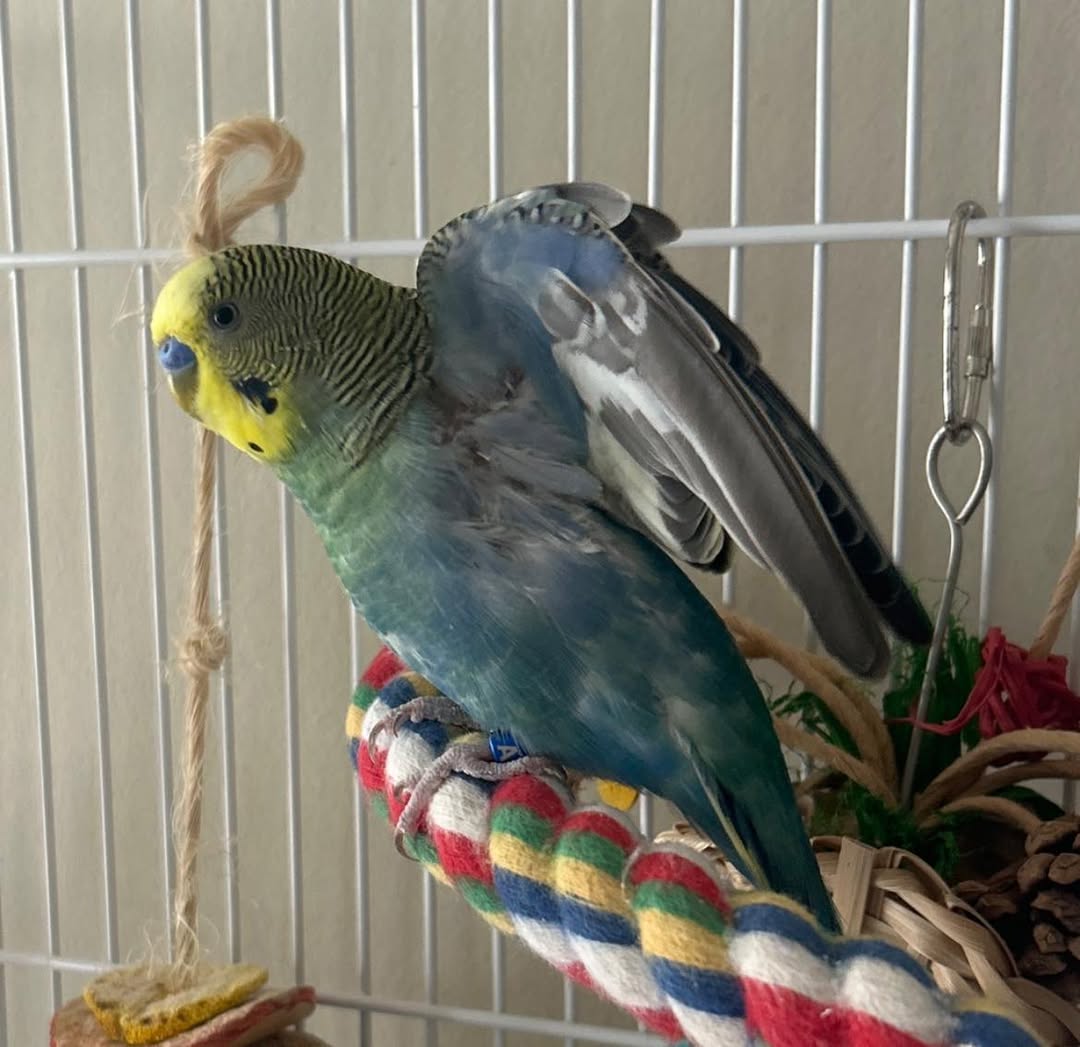
The veterinary contact at Stage 3 is genuinely important. Even if your bird ultimately recovers without needing in-person veterinary intervention, having professional advice during the critical window is invaluable. Avian vets see UK heatwave cases regularly and can provide specific guidance for your bird’s situation.
Stage 4 — Critical Heat Emergency (Immediate Veterinary Care Required)
At Stage 4, your budgie is in immediate life-threatening danger. The body’s cooling systems have largely failed. Survival without emergency veterinary intervention is no longer guaranteed. This is the stage you absolutely want to prevent reaching through earlier intervention.
Stage 4 critical warning signs (life-threatening emergency):
- Bird unresponsive or unconscious — not reacting to stimuli
- Severe respiratory distress — laboured breathing, sometimes audible
- Collapse or inability to stand — bird cannot maintain posture
- Convulsions or seizure-like activity — neurological signs of heat injury
- Eyes closed and bird non-reactive — deep distress
- Apparent weakness or near-collapse posture
- Body appearing limp when gently touched
- Discharge from beak or eyes — late-stage symptoms
At Stage 4, every minute matters. The intervention required is emergency veterinary care, with whatever first aid you can provide during transport. Even with immediate intervention, outcomes at Stage 4 are uncertain — which is why earlier stage recognition matters so much.
Stage 4 emergency action plan:
- Travel to avian vet immediately — do not wait for advice or delay
- Call ahead to alert the practice you are coming
- Keep bird in travel carrier with damp towel — gentle cooling during transport
- Drive with air conditioning on if available, not blasting
- Do NOT attempt extensive home treatment at this stage
- If multiple birds affected, prioritise the worst case for transport
- Have ID and any relevant medical history ready for vet
- Be prepared for outcome to be uncertain
After 35 years of helping UK budgies through British summers, I have seen Stage 4 cases that recovered with emergency veterinary intervention, and I have seen cases that did not survive. The pattern that determines outcomes is largely about how early the situation was recognised. Stage 4 cases that started owner intervention at Stage 2 generally survive. Stage 4 cases that were missed until Stage 3 are uncertain. Stage 4 cases that progressed entirely without intervention are genuinely difficult to save even with expert veterinary care.
The Point Of No Return — Why Timing Matters
For UK budgie owners trying to understand why early recognition matters so much, here is the honest framing. There is a point in the heat stress progression beyond which the bird’s body can no longer recover from the damage being done — even if temperatures subsequently drop. This is often called the “point of no return” in avian heat injury.
What happens at the point of no return:
- Cellular damage from heat becomes irreversible — particularly in organs
- Cooling alone can no longer reverse the damage — veterinary intervention needed
- Even successful cooling may not prevent fatal outcome — accumulated damage continues
- Bird may appear to recover initially then deteriorate — biphasic response
- Organ damage may manifest hours or days later — particularly liver and kidney
- Neurological damage from heat may be permanent
- Recovery, where it happens, is often slower than expected
- Long-term welfare effects can persist after acute episode
The point of no return typically falls somewhere between Stage 3 and Stage 4 in the progression. Once a UK budgie has been in severe heat stress for too long, the damage being done may not be fully reversible. This is genuinely the most important reason to catch heat stress at Stages 1 or 2 rather than waiting until obvious emergency signs appear.
The practical implication for this week is significant. With humidity reducing natural cooling efficiency and temperatures forecast to reach 40°C, the time it takes for UK budgies to reach the point of no return is genuinely shorter than in previous British heatwaves. Acting early is essential. Acting late may not be sufficient even with veterinary intervention.
How Fast Can The Progression Happen?
For UK budgie owners trying to understand realistic timelines, here is the honest picture based on 35 years of seeing British budgies through UK summers. The progression speed depends substantially on conditions.
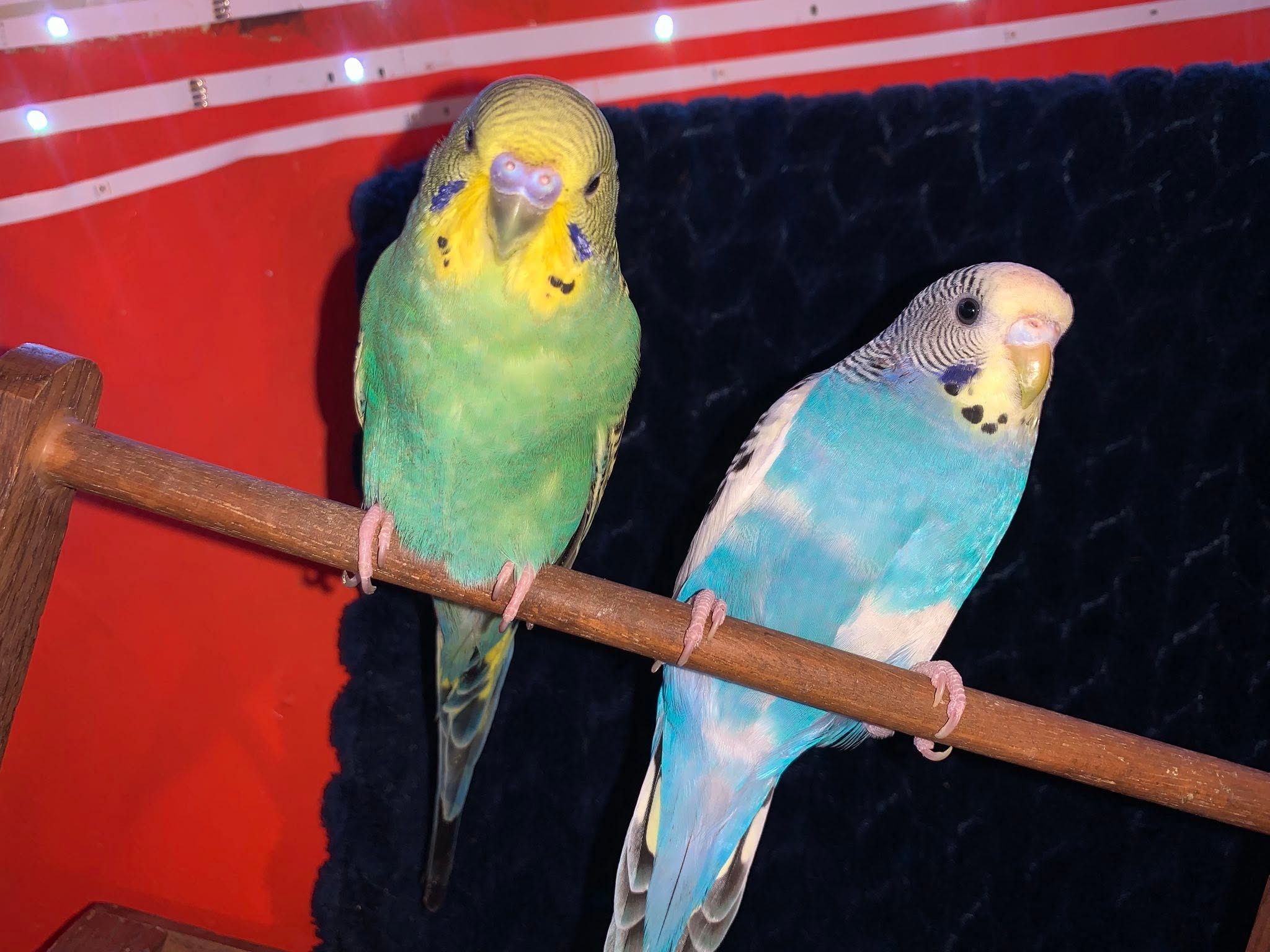
Realistic progression timelines for UK budgie heat stress:
| UK Conditions | Stage 1 to Stage 2 | Stage 2 to Stage 3 | Stage 3 to Stage 4 |
|---|---|---|---|
| Typical UK summer warmth (25-28°C) | Often does not progress | Days possible | Days possible |
| UK warm day (28-32°C) | 3-6 hours | 2-4 hours | 1-2 hours |
| UK heatwave (32-36°C) | 2-4 hours | 1-2 hours | 30-60 minutes |
| This week’s UK Red warning (38-40°C, humid) | 1-3 hours | 30-90 minutes | 15-45 minutes |
| Conservatory or upper-floor at peak heat (45°C+) | Minutes | Minutes | Minutes |
These are general patterns, not guarantees. Individual budgies vary in their heat tolerance based on age, health, weight, and acclimatisation. But the pattern is consistent — the hotter and more humid the conditions, the faster the progression. The Red warning conditions forecast for Wednesday and Thursday this week represent the fastest end of the typical UK progression scale.
The practical implication is significant. A UK budgie who shows Stage 1 signs at midday on Wednesday or Thursday in southern England this week could realistically progress to Stage 3 by mid-afternoon if no intervention occurs. The window for safe owner intervention compresses dramatically in conditions like this. Active monitoring through peak heat hours is genuinely essential.
Common UK Owner Timing Mistakes
For balance, here are the genuine timing mistakes I see UK owners make most often during British heatwaves. Avoiding these helps you act at the right moment for your bird.
- Waiting until panting starts to act — panting is already Stage 3, you have minutes not hours
- Assuming Stage 1 signs are “just being a bit warm” — they are the warning that matters
- Believing the bird will “be fine” — once Stage 1 signs appear without intervention, progression is likely
- Checking in only morning and evening during heatwaves — peak heat is midday to mid-afternoon
- Leaving the bird alone through peak heat hours — most progression happens during 11am-4pm window
- Assuming overnight provides recovery — Tropical Nights mean no overnight cooling this week
- Waiting to see if things improve naturally — heat stress rarely improves without intervention
- Calling vet only at Stage 4 — Stage 3 vet contact saves more birds
- Not having vet contact details ready — finding number during emergency costs precious minutes
- Treating each warning sign individually rather than as progression — pattern recognition matters
The single most common timing mistake is waiting until panting appears. Panting is Stage 3 territory — by the time your budgie is panting, you have only minutes to act effectively, and veterinary contact is appropriate. UK owners who learn to recognise Stages 1 and 2 essentially never see their bird reach the panting stage.
Active Monitoring Protocol For This Week
For UK budgie owners through Wednesday and Thursday this week, here is the practical active monitoring framework based on 35 years of getting British budgies safely through extreme heat events.
- Establish your bird’s normal baseline today
Spend 10 minutes watching them now. Note normal posture, vocalisation, water drinking frequency, activity level. - Check every 30-60 minutes through peak heat hours
The 11am-5pm window matters most. Quick visual check, listen for vocalisations. - Look specifically for Stage 1 signs
Not “is anything obviously wrong” — but “are any subtle Stage 1 signs appearing?” - Compare to baseline rather than to “normal birds”
What matters is changes from YOUR specific bird’s normal behaviour. - Have avian vet contact details written down and visible
Fridge magnet, near phone, in mobile contacts. Easy access in any emergency. - Set phone reminders during peak heat hours
Don’t rely on memory through busy days. Reminders ensure consistent monitoring. - Plan presence during peak heat days if possible
Wednesday and Thursday this week particularly. Work from home if your role allows. - If unavoidable absence, ask someone reliable to check midday
Neighbour, family member, anyone who can visually inspect the bird. - Be prepared to intervene quickly if Stage 1 appears
The point of Stage 1 recognition is rapid response — supplies should be ready. - Trust your assessment of your specific bird
You know what normal looks like for your budgie. Subtle changes matter.
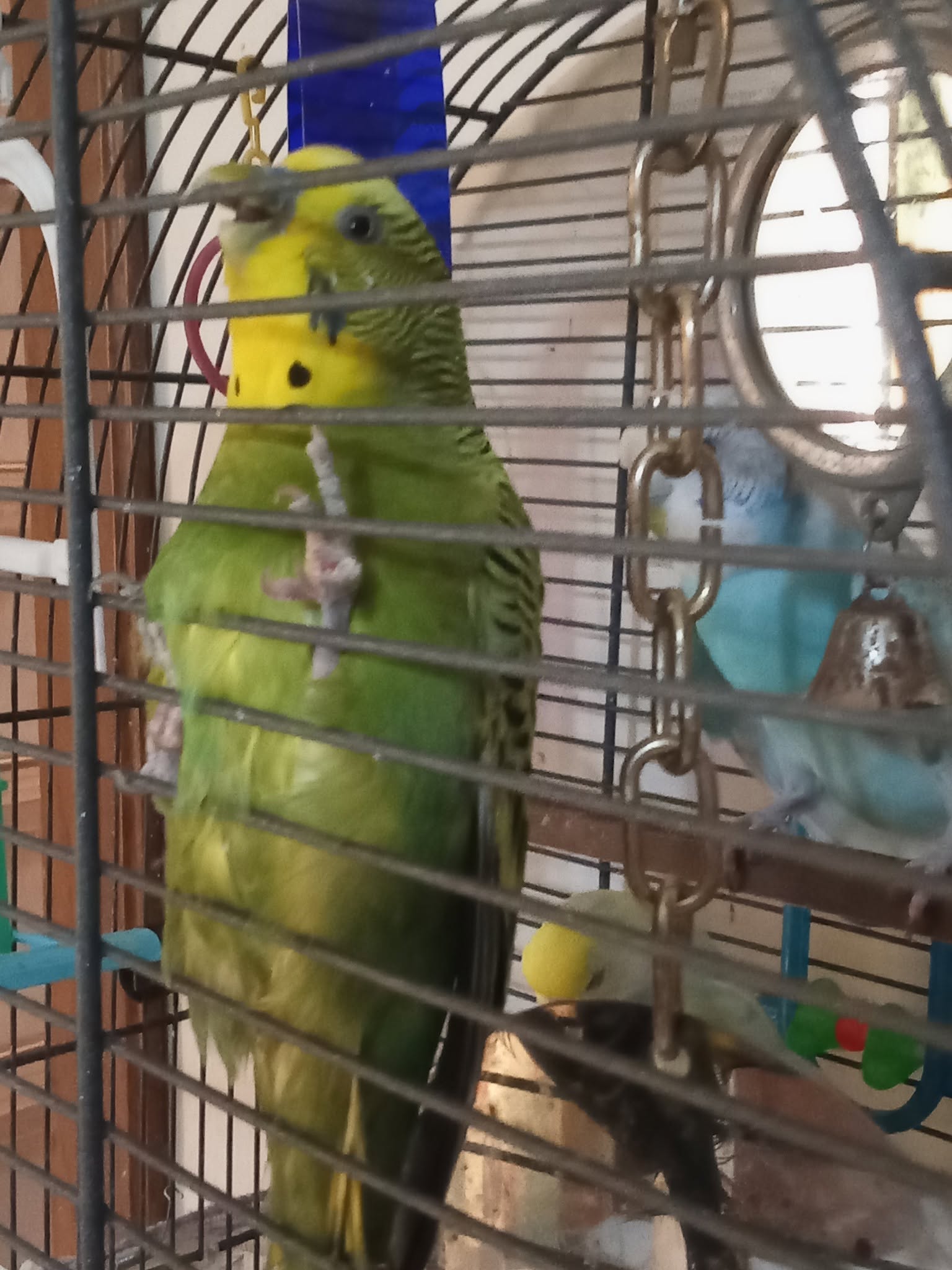
The single most impactful change most UK budgie owners can make this week is shifting from passive observation to active monitoring during peak heat hours. Even five minutes of dedicated observation at midday and again at 3pm dramatically increases the chance of catching any Stage 1 signs early. Active attention through Wednesday and Thursday’s peak temperatures is what gets UK budgies safely through Red warning conditions.
Frequently Asked Questions
How quickly can a UK budgie’s heat stress progress?
In this week’s Red warning conditions (38-40°C with high humidity), UK budgie heat stress can progress from Stage 1 (subtle signs) to Stage 3 (serious distress) in approximately 2-3 hours. The progression is faster than in typical UK summer heat because elevated humidity reduces the bird’s natural evaporative cooling capacity. Acting at Stage 1 typically prevents progression. Waiting until Stage 3 leaves only minutes to act effectively.
What is the earliest sign my budgie is too hot?
The earliest reliable Stage 1 sign is wings held slightly away from the body — creating a small visible gap between the wings and the body. This is often combined with reduced general activity, slightly increased water drinking, and slightly reduced vocalisation. None of these signs individually are dramatic, but the combination indicates heat discomfort beginning. Catching this stage gives you the most intervention time and the highest chance of preventing progression.
When should I call an avian vet about my budgie’s heat stress?
Call your avian vet immediately if your budgie shows Stage 3 signs — sustained open-mouth breathing (panting), wings fully outstretched, tail bobbing during breathing, sitting on cage floor with wings spread, or lethargy/unresponsiveness. At Stage 3, owner intervention alone may not be sufficient and veterinary advice is genuinely valuable. For Stage 4 signs (unconsciousness, severe respiratory distress, collapse, convulsions), drive to the vet immediately while implementing first aid.
Is this week’s UK heatwave really worse than the 2022 one for budgies?
For budgies specifically, yes — primarily because of the humidity factor. The 2022 UK heatwave was very hot but relatively dry. This week’s conditions combine high temperatures with substantially higher humidity, which reduces budgies’ natural evaporative cooling efficiency. Wet bulb readings are higher, meaning the body has to work harder to cool itself. UK budgies are particularly affected because Australian wild budgies evolved for dry heat, not humid heat. The progression from early to critical heat stress can be genuinely faster in this week’s conditions than in 2022.
What is the “point of no return” in budgie heat stress?
It is the point in heat stress progression where the body’s cellular damage becomes irreversible — meaning the bird may not recover even if cooling occurs. Beyond this point, cooling alone is insufficient and veterinary intervention may not save the bird. The point of no return typically falls between Stages 3 and 4 in the progression I have described. This is why catching heat stress at Stages 1 or 2 matters so much — you stay well clear of the point of no return entirely.
How often should I be checking my budgie this week?
During peak heat days (Wednesday and Thursday this week particularly), check your budgie every 30-60 minutes through the 11am-5pm window. Quick visual check, looking specifically for Stage 1 signs. Through evening and overnight (during Tropical Night conditions), check at least every 2-3 hours. Active monitoring through peak heat hours is genuinely essential during Red warning conditions — passive checking only morning and evening is not sufficient.
Where can I get UK budgie heat care advice in Swindon?
Come and see us at Paradise Pets, Manor Garden Centre, Cheney Manor, Swindon SN2 2QJ. We are open through the heatwave and can give honest urgent advice on UK budgie heat care, including stage recognition, intervention protocols, and cage setup adjustments. Free advice based on 35 years of helping UK budgies through British summers. Ring us on 01793 512400.
One Last Thing From Me
“How do I know if my budgie is too hot before it’s too late?” is one of the most important questions UK budgie owners can ask this week, and one I want to give the clearest possible answer to. The honest answer, after 35 years of helping British budgies through UK summers, is — you know by recognising the stages of heat stress as they progress, by catching the subtle Stage 1 signs before they progress to obvious Stage 3 emergency signs, and by acting at the earliest stage rather than waiting until intervention becomes urgent. The window between the first warning sign and the point at which intervention may not be enough can be just hours in this week’s conditions — and the difference between a bird that survives and one that doesn’t is largely about which stage the owner caught it at. Stage 1 recognition is essentially a learned skill that any attentive UK budgie owner can develop. This article gives you the framework. The rest is paying genuine attention through Wednesday and Thursday’s peak temperatures.
The man with Bluebell that hot afternoon? Bluebell made a full recovery and went on to live another four healthy years. The man came back regularly over those years, and he became one of the most attentive UK budgie owners I have ever known. He told me once that the experience had genuinely changed how he watched his bird — he could read Stage 1 signs almost instinctively after that summer. Through subsequent British heatwaves, Bluebell never reached Stage 2 again. The pattern recognition stayed with him.
That is what I want for every UK budgie owner reading this article — not the near-emergency experience, but the timing recognition without needing to learn the hard way. UK heatwaves are becoming more frequent and more intense. British budgies in UK homes will continue to face conditions like this week’s in coming summers. The owners whose birds come through safely are not the ones with the most elaborate cooling setups — they are the ones who recognise Stage 1 signs and respond promptly. This is genuinely a learnable skill. Wednesday and Thursday this week are the moment to apply it.
If you have a budgie at home, please spend 10 minutes today establishing your bird’s normal baseline behaviour. Watch them quietly. Note the normal posture, vocalisation, water drinking patterns, activity level. Through Wednesday and Thursday’s peak hours, check every 30-60 minutes for changes from that baseline. The Stage 1 signs are subtle but identifiable once you know what to look for. Catching them is what gets your bird through this week safely.
If you are local to Swindon and want urgent advice this week about your specific budgie, we are open and happy to help. After 35 years at the counter, helping UK budgie owners read the timeline of heat stress in their birds is one of the most genuinely valuable things any independent pet shop can do during British heatwaves.
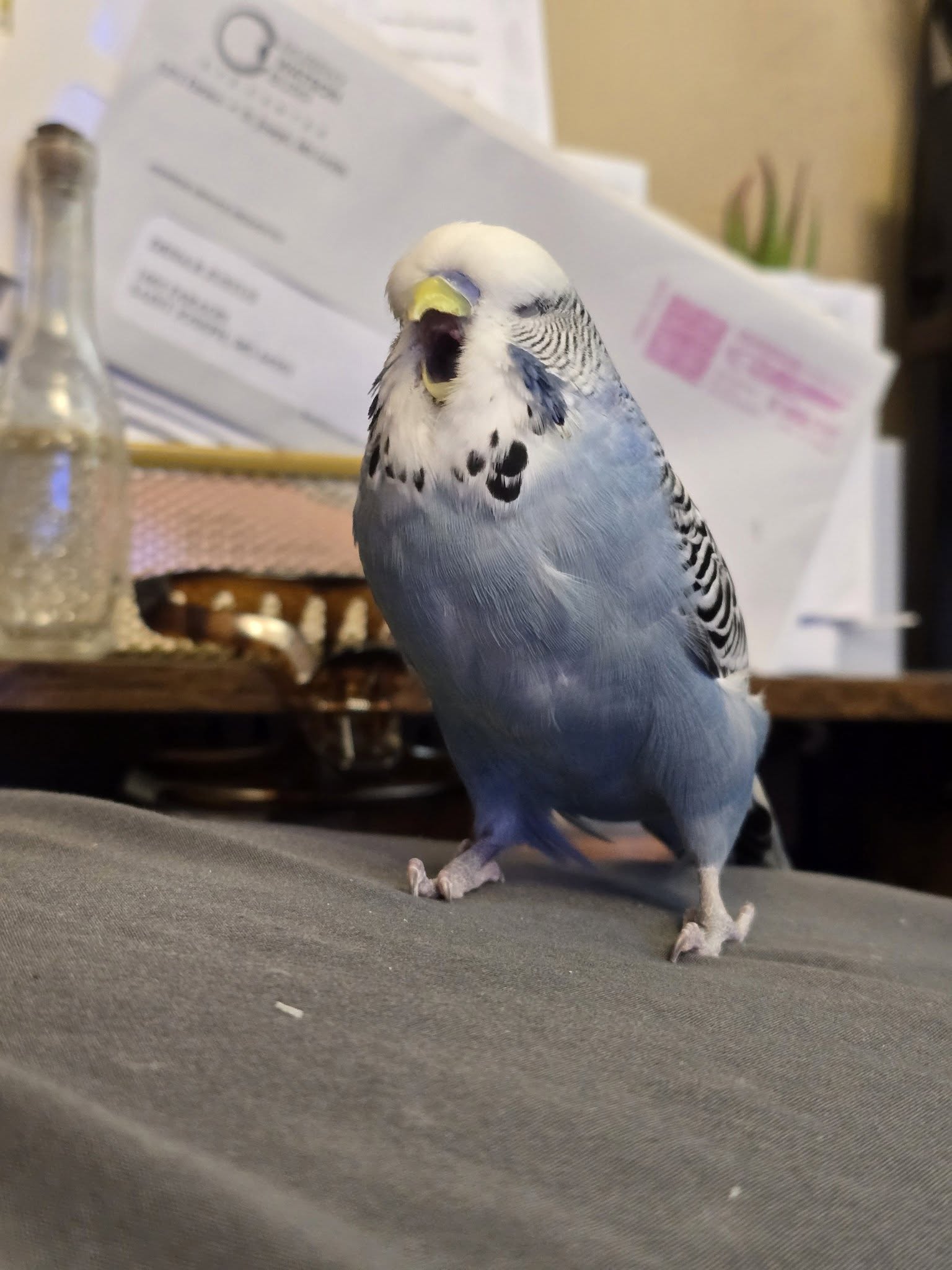
Need Urgent UK Budgie Heatwave Help This Week? Come And See Me
We are open through the Red warning heatwave and stock cooling supplies, bathing dishes, proper-sized cages, and emergency essentials. Free urgent advice on stage recognition based on 35 years of helping UK budgies through British heatwaves. That is how we have done things since 1988.