
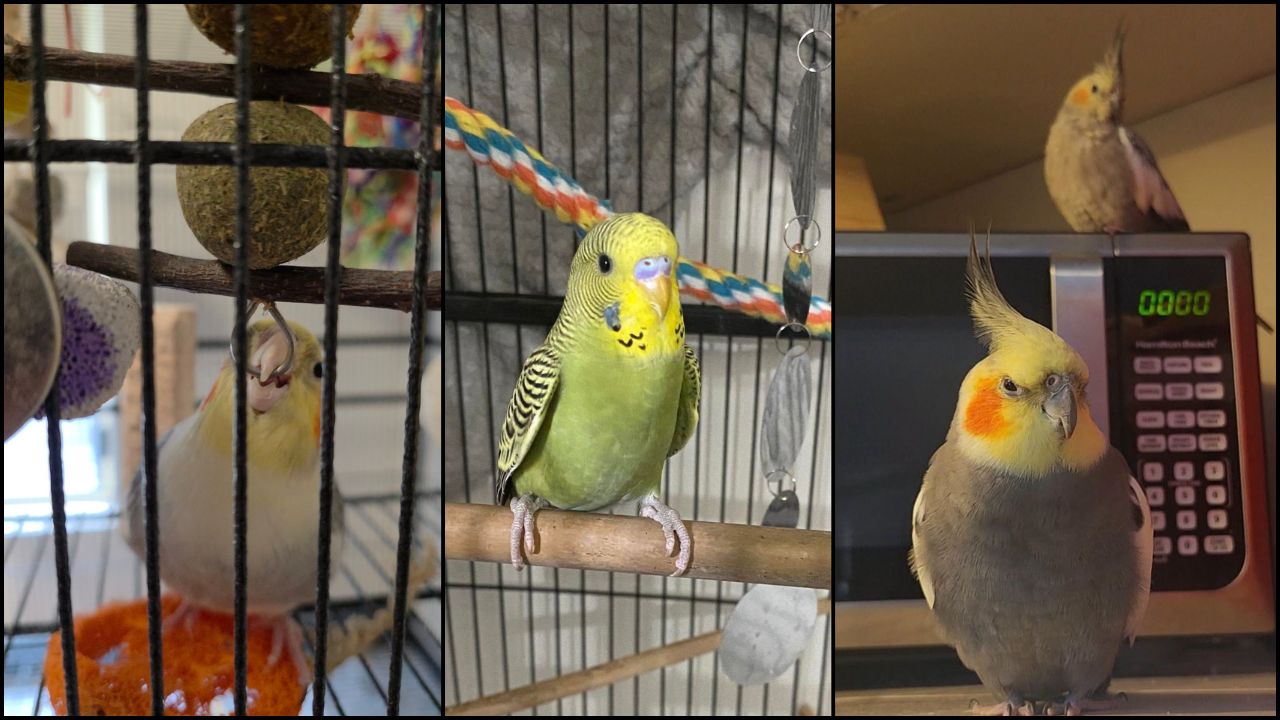

Neil has kept, bred, and sold cage and aviary birds at Paradise Pets Swindon since 1988 — over 35 years of first-hand experience with budgerigars, cockatiels, canaries, finches, and dozens of other species. The cost of keeping pet birds in the UK has risen noticeably in recent years. This is his honest guide to what has changed, what genuinely matters, and what experienced bird keepers do to protect their birds without wasting money.
A retired gentleman came in a few months ago — a budgie keeper of twenty-odd years — and said something that has stayed with me. “Neil,” he said, “I’ve just paid more for a bag of seed than I did this time last year, the vet charged me nearly double what I expected, and the cage I’ve been meaning to replace has gone up by forty pounds. I’m starting to wonder if I can still afford to keep birds properly.”
He is not alone in that conversation. I have had versions of it at the counter more times than I can count over the past couple of years. Bird keepers who have managed their costs comfortably for years are suddenly finding that the numbers look different — and some of them are making decisions about their birds’ care based on those numbers that worry me.
That worries me because in 35 years of keeping birds, I have seen what happens when cost pressure leads to corners being cut in the wrong places. Feed quality drops. Vet visits get postponed. Cages that should be replaced stay in use. And the bird pays the price, usually quietly and without obvious complaint until something is genuinely wrong.
This article is my honest response to the question I am being asked more and more: how do you keep birds properly when everything costs more? I am going to tell you what has actually changed and why, which costs are worth every penny and which are not, where experienced bird keepers trim sensibly, and where I would never trim no matter what the financial pressure is.
What Has Actually Changed — And Why
Before we talk about what to do, it is worth being honest about what has driven the increase in bird keeping costs — because understanding the cause helps you respond to it intelligently rather than just reacting to the numbers.
Feed costs have risen significantly. The seed, pellet, and specialist food supply chain for pet birds is affected by the same pressures that have driven food prices generally — energy costs, transport, the global grain market, and post-Brexit import logistics for products that come from Europe or further afield. A bag of quality mixed seed that cost a certain amount three years ago costs more today, and that is not going to fully reverse.
Veterinary costs have also increased substantially. This is partly general inflation, partly rising staffing costs in a sector that has struggled with recruitment, and partly the increasing sophistication of avian veterinary care itself — which is genuinely better than it was twenty years ago, but better costs more. An avian vet visit that was relatively affordable a few years ago now represents a more significant outlay for many owners.
Equipment and accessories — cages, perches, enrichment, lighting — have followed the same general inflationary trend. Good quality equipment has always been an investment, but the entry price for that investment has risen.
None of this is going away. The honest starting point is accepting that keeping birds in the UK costs more than it did, and adjusting accordingly — rather than either spending the same and getting less, or cutting in ways that affect the birds.
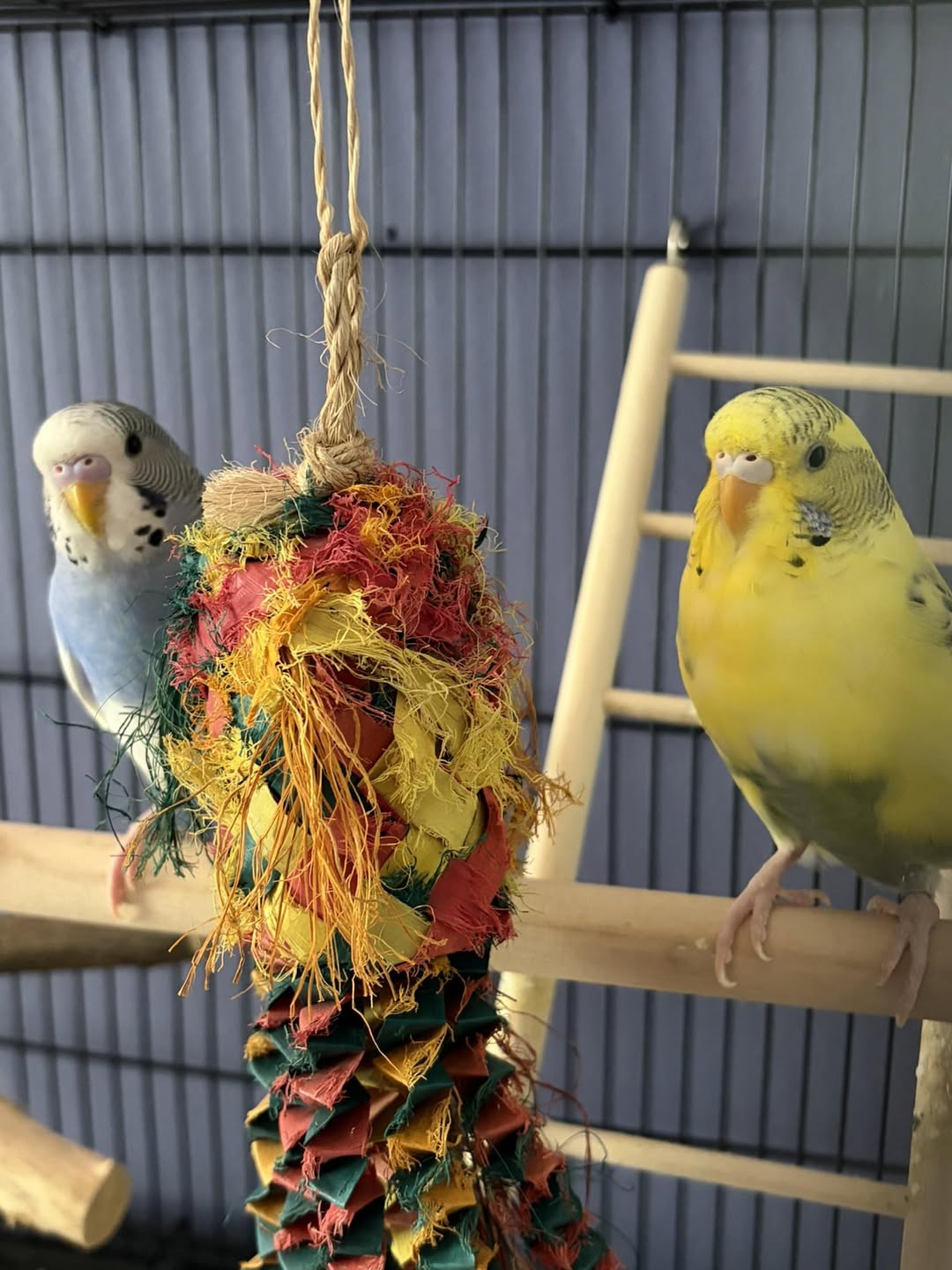
The Costs That Are Non-Negotiable — Where I Would Never Cut
Let me start here, because this is the most important part of the article. There are areas of bird keeping where reducing expenditure directly harms the bird. These are not places to economise, regardless of the financial pressure.
Feed Quality
The single most important recurring cost in bird keeping is feed — and it is also the one where I see the most damaging false economy. Switching from a quality seed mix or pellet to the cheapest available option to save a few pounds a month is one of the most common mistakes I see, and the consequences show up in coat condition, immune function, breeding performance, and lifespan.
Good bird feed costs more because it contains more — better seed quality, appropriate variety, higher nutritional density. The cheap mixes are often high in millet and low in everything else. A budgie living on a diet of predominantly cheap millet is not thriving — it is surviving, and there is a significant difference.
The practical thing to do when feed costs rise is not to trade down in quality but to buy smarter — larger quantities where storage allows, from suppliers who offer better value without compromising on quality, and reviewing portion management so that less is wasted. I will come to the practical detail of this shortly.
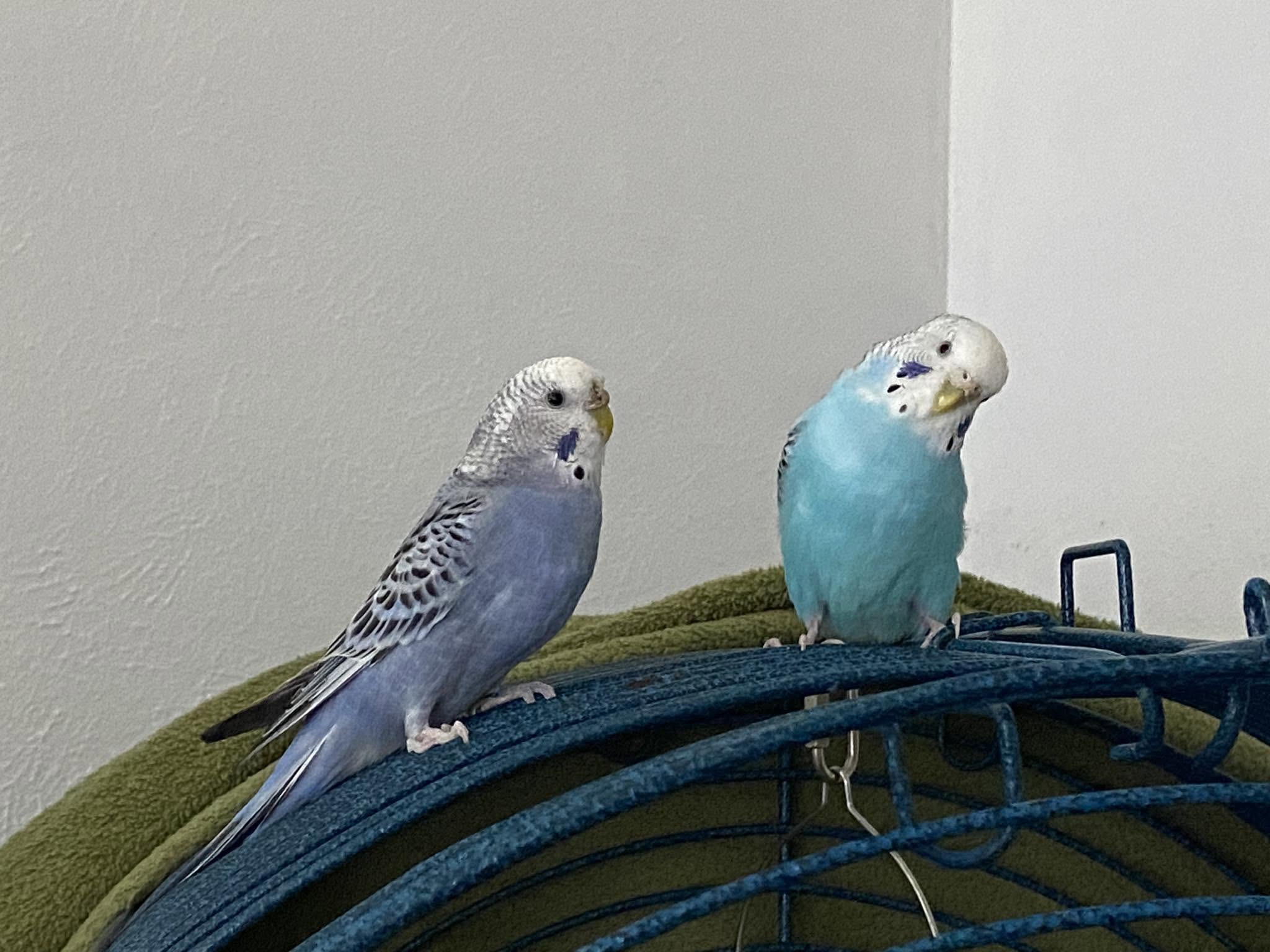
Veterinary Care When It Is Genuinely Needed
Postponing or avoiding a vet visit for a bird that is showing signs of illness is a false economy that I have seen cost birds their lives. Birds hide illness well — by the time they are visibly unwell, they have often been struggling for days. A problem caught early is almost always cheaper to treat than a problem caught late, and a bird lost to an avoidable illness is a loss no amount of saving compensates for.
I understand that vet costs are a real barrier for some owners. The answer to that is planning — pet insurance, a dedicated emergency fund, knowing in advance which avian vet you would use and what their fees roughly look like. The answer is not hoping the problem resolves on its own.
Adequate Space
A cage that is too small for the birds in it is a welfare problem that compounds over time. Cramped conditions increase stress, reduce exercise, affect feather condition, and increase the likelihood of behavioural problems and illness. This is not a place to maintain an inadequate setup because a better cage costs money. If the current setup is genuinely too small, that needs addressing — even if it means saving up over a few months rather than spending on other things.
Hygiene And Cage Maintenance
The cost of keeping a cage clean — appropriate substrate, cleaning products, the time involved — is small relative to the cost of the illness that a chronically unhygienic environment can cause. This is not negotiable. A clean cage is a basic requirement, not a premium option.
Where Experienced Bird Keepers Do Trim Sensibly
With the non-negotiables clear, here is where I actually see experienced, knowledgeable bird keepers making genuine savings without compromising their birds’ welfare. These are the areas where smart management makes a real difference.
Buying Feed In Larger Quantities
The per-kilogram price of quality seed mix drops significantly when you buy in larger quantities. A 20kg bag of good quality seed costs considerably less per kilo than a series of smaller bags bought one at a time. If you have the storage — a cool, dry, airtight container — buying in bulk is one of the simplest and most effective ways to reduce the ongoing feed cost without touching quality.
The caveat is storage. Seed stored incorrectly — damp, warm, poorly sealed — will deteriorate and can develop mould or attract pests. Invest once in a decent airtight container and the bulk saving works properly.
Growing Supplementary Greens
Fresh greens are an important part of a good bird diet — particularly for budgies, cockatiels, and other parrots. Bought fresh from a supermarket, greens represent a recurring cost. Grown at home in a window box or small garden space, they are virtually free.
Chickweed, dandelion leaves, spinach, kale, and sprouted seeds are all things a motivated bird keeper can produce at home with minimal effort or cost. I have been doing this for years and the birds genuinely benefit from the variety. This is one area where a small initial investment in seeds and a pot or two pays back quickly and indefinitely.
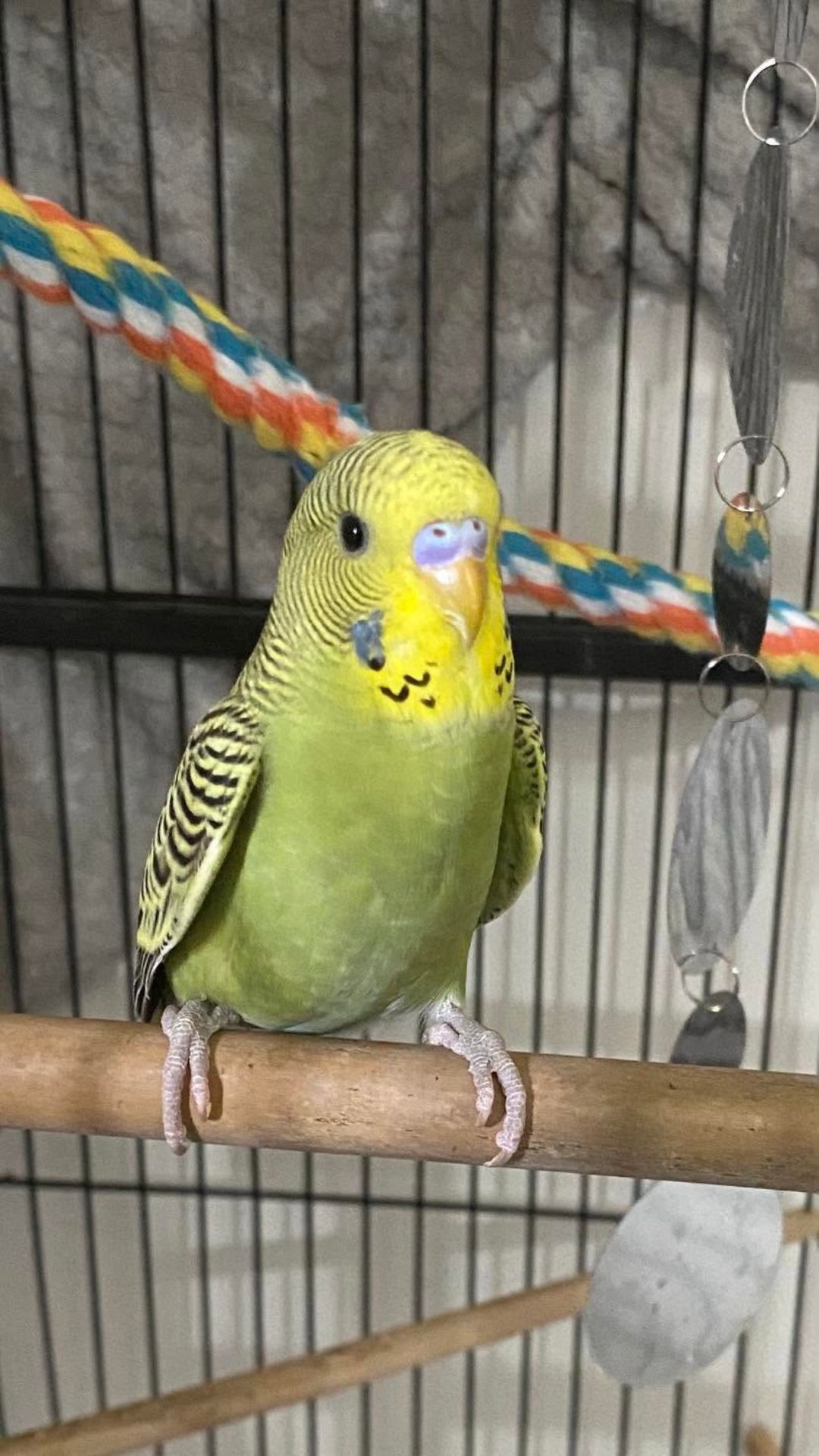
Making Enrichment Rather Than Always Buying It
The market for bird enrichment and toys has grown enormously, and prices reflect that. I understand the appeal of commercially produced enrichment — it is convenient and often well-designed. But experienced bird keepers know that birds do not read price tags, and many of the things that genuinely engage and stimulate a budgie or cockatiel cost almost nothing to make.
Foraging toys made from paper, cardboard, and safe household materials. Branches from safe trees — apple, willow, hawthorn, hazel — cut fresh and introduced into the cage. Sprouting seeds hung in small bunches. Millet spray pushed through the cage bars. These cost very little and they work.
The one thing I would say about homemade enrichment is to be certain about safety — some wood species are toxic to birds, some household materials are not safe, and anything with potential to trap or injure a bird needs to be thought through before use. But with those caveats observed, homemade enrichment is one of the most sensible economies available.
Reviewing What You Actually Use
Over time, bird keeping setups accumulate things — accessories, supplements, products that were tried and have sat unused, subscriptions to services that are not really necessary. A periodic review of what you are actually spending on and what the bird is actually benefiting from can reveal surprising savings without any impact on the bird’s welfare.
I see this particularly with supplements. The range of supplements marketed at bird keepers is extensive, and not all of it is necessary for a bird on a good quality base diet. A budgie or cockatiel eating a quality varied diet with appropriate fresh food does not necessarily need a long list of additional supplements. A targeted supplement for a specific identified need is a different matter — but general supplementation on top of an already good diet is often money that could be spent better elsewhere.
Pet Insurance — The Cost That Prevents Larger Costs
Pet insurance for birds is not universally known about, and it is underused by bird keepers who would benefit from it. For birds with longer lifespans — cockatiels, lovebirds, larger parrots — the cost of a good avian vet consultation and treatment can be substantial. Insurance spreads that cost into a manageable monthly payment and removes the barrier to seeking veterinary care promptly when it is needed.
I would rather see an owner spend a modest amount monthly on insurance and always be able to afford the vet when necessary, than have an uninsured bird whose owner delays treatment because of the cost. The maths work in favour of insurance for most longer-lived species.
Practical Cost Management — The Honest Numbers
Let me be as practical as I can about what a well-managed bird keeping setup actually costs in the current environment, and where the controllable variables are.
- Know your actual monthly spend. Write it down — feed, substrate, supplements, accessories, share of vet costs and insurance. Most owners who do this for the first time are surprised by either the total or where the money is actually going.
- Separate essential from discretionary. Feed, hygiene, space, and veterinary access are essential. Most other categories have discretionary elements. Work through each category honestly.
- Source feed carefully. Quality matters; supplier choice matters too. A good independent pet shop, a specialist bird food supplier, or a reputable online supplier buying in volume can all offer better value than a standard high street purchase. Ask about bulk pricing.
- Reduce waste. Seed wastage is significant in many bird setups — birds scatter, discard husks that look like full seed, and have preferences that leave some seed untouched. A seed tray that catches scatter, regular husk removal so waste is clearly visible, and attention to what the birds actually eat can meaningfully reduce consumption without reducing the diet.
- Plan for veterinary costs. Insurance or a dedicated savings pot — either works. What does not work is having no plan and then having to make a welfare decision based on cash availability in an emergency.
- Review supplements honestly. What is the bird actually getting from each supplement you use? Is it reflected in condition and health? Could the base diet be improved instead, reducing the need for supplementation?
- Make or source enrichment creatively. Safe branches, foraged greens, simple homemade foraging toys. The bird does not know or care what the enrichment cost — it cares whether it works.
A Word On The Decision To Add More Birds
When costs are rising, I sometimes see owners make a decision that seems counterintuitive but has genuine logic behind it — they add a companion bird for a single bird, particularly a budgie or cockatiel, rather than spending money on enrichment and interaction time they no longer have.
The calculation is: a second bird costs a modest amount to buy and a relatively small incremental amount to feed, but it provides companionship that dramatically reduces the enrichment and interaction burden on the owner. Two birds together are less dependent on owner-provided stimulation than one bird alone. For an owner whose time has become more constrained — whether for financial reasons that have led to longer working hours, or simply because life has got busier — this can genuinely make sense.
I am not suggesting everyone should have more birds. But if you have a single bird and you are finding the time demands of keeping it properly stimulated are difficult to meet, a carefully introduced companion is worth considering. The incremental keeping cost is lower than most people assume, and the welfare benefit to the bird is real.
What I Tell Owners Who Are Genuinely Struggling
This is the part of the article I thought hardest about, because I want to be honest without being dismissive of real financial difficulty.
Some owners are not facing a theoretical squeeze — they are facing genuine hardship, and the question of whether they can continue to keep their birds properly is a real one. I have those conversations at the counter too, and they are not easy.
My honest position is this. A bird kept in genuinely good conditions — appropriate space, quality feed, clean environment, access to veterinary care when needed — is a bird whose owner is meeting their responsibility to that animal. If costs have risen to the point where meeting those standards is genuinely not possible, the most responsible conversation to have is about rehoming, not about reducing below those standards indefinitely.
I say that not to be harsh, but because I have seen the alternative — birds kept in deteriorating conditions by owners who cannot afford to do better but cannot face giving them up. That is not a good outcome for the bird, and it is not ultimately a good outcome for the owner either.
The happier version of this conversation — and the one I have far more often — is that most owners, when they sit down and look honestly at their costs, find that smart management gets them back to a position where they can keep their birds properly. The cost increase is real, but it is usually manageable with the right approach.
Quick Reference — Where To Save And Where Not To
| Cost Area | Can You Reduce It? | How |
|---|---|---|
| Feed quality | ❌ Do not compromise quality | Buy in bulk, source better, reduce waste instead |
| Feed quantity / waste | ✅ Yes — reduce waste | Seed trays, husk management, portion awareness |
| Fresh food / greens | ✅ Yes — grow your own | Window box, sprouted seeds, foraged safe greens |
| Enrichment and toys | ✅ Yes — make your own | Safe branches, paper foraging toys, homemade activities |
| Supplements | ✅ Review honestly | Cut what is not needed; keep what is targeted and useful |
| Veterinary care when needed | ❌ Do not delay or avoid | Plan ahead — insurance or dedicated emergency fund |
| Cage hygiene | ❌ Non-negotiable | Source cleaning products economically but do not skip |
| Equipment / accessories | ✅ Be selective | Buy quality items that last; avoid novelty purchases |
| Insurance | ⚠️ Consider carefully | For longer-lived species, often saves money overall |
Frequently Asked Questions
Is it cheaper to keep budgies than cockatiels or larger birds?
Yes, meaningfully so. Budgies are smaller, eat less, require smaller cages, and have shorter lifespans — which means lower cumulative veterinary exposure. A pair of budgies is one of the most cost-effective pet bird setups there is, which is part of why I recommend them so consistently to first-time owners. Cockatiels, lovebirds, and larger parrots all represent a greater ongoing financial commitment, particularly as they age.
What is the most cost-effective way to feed budgies and cockatiels?
A quality base seed mix or pellet bought in bulk, supplemented with home-grown or foraged greens and minimal bought fresh food. Millet spray is relatively inexpensive and well-received by most birds. Sprouted seeds are nutritionally excellent and very cheap to produce at home. The expensive trap is buying lots of small specialty items from the premium end of the market — some of those products are excellent but not all of them are necessary.
Do I need pet insurance for a budgie?
It is less commonly taken out for budgies than for longer-lived birds, partly because the purchase cost is lower and partly because some owners are not aware it is available. The calculation is simpler for longer-lived birds — a cockatiel that could live 20 years represents a very different insurance proposition from a budgie with an 8 to 12 year lifespan. For budgies, a dedicated small emergency fund is often a practical alternative to insurance.
Are there bird foods I should avoid to save money?
The ones to avoid are the cheapest supermarket mixes — not primarily because of the price, but because of the quality. High millet content, low variety, poor seed quality, and sometimes questionable storage conditions. The saving is false because the nutritional shortfall has to be made up somewhere, and often shows up in veterinary costs or shorter lifespan. Better to spend appropriately on a good independent pet shop or specialist supplier mix bought in quantity.
Can I use branches from my garden to save on perches?
Yes — and I actively encourage it. Fresh branches from safe species are excellent perches, provide natural variation in diameter which is better for foot health than uniform dowel perches, and cost nothing. The species to be confident about include apple, pear, willow, hazel, hawthorn, and elder. Species to avoid include yew, laburnum, privet, and anything sprayed with pesticides. Wash branches thoroughly before use and ideally bake them in a low oven for an hour to kill any surface bacteria or parasites.
Where can I get honest bird keeping advice in Swindon?
Come and see us at Paradise Pets, Manor Garden Centre, Cheney Manor, Swindon SN2 2QJ. Or give us a ring on 01793 512400. The advice is free and we have been doing this for 35 years.
One Last Thing From Me
The gentleman who came in worried about his costs went away with a plan. We went through his setup — two budgies, a good-sized cage, a seed mix he had been buying in small bags from a convenience store. Within twenty minutes we had identified that buying his seed in a larger quantity from us would cost him less per month than he was currently spending on the smaller bags, that he had three supplements he could not clearly justify keeping, and that his cage — which he had been putting off cleaning properly — needed attention.
He came back a fortnight later. The budgies were brighter. The cage was cleaner. He had found space for a decent-sized container for bulk seed storage. His monthly spend was lower than before. He had not cut anything that mattered.
That is what good cost management looks like in bird keeping. Not cutting corners — finding the corners that do not matter and addressing the ones that do. After 35 years, I am as certain of that as anything I know about keeping birds.
If you are finding costs difficult and want to think through your setup, come and see us. We will go through it honestly and help you find the savings that make sense. That is what we are here for.
Worried About Rising Bird Keeping Costs? Come And Talk It Through
Bring your questions and a rough idea of what you currently spend. I will go through your setup honestly and help you identify where you can save sensibly and where you genuinely cannot afford to cut. Free advice, no obligation. That is how we have done things for 35 years.
⭐ Customer Reviews
Amazing Bird Selection
Had a lovley visit today,staff were very friendly and very helpful,such a great petshop,their selection of birds is incredible,really impressed,thank so much to the staff at Paradise Pets

Friendly Helpful Staff
I have been coming to this place for years and they have a great stock of food for all types of pets. Have a great selection of small mammals and a lot of birds. Staff are friendly and helpful.

Great Quality Hutch
Bought a guinea pigs hutch and run combo, very happy with the service, the hutch was put in my car for me without even asking for help. The wood quality is very good, the instructions easy to follow and we are extremely happy with the fully built hutch. A good size for 2 guinea pigs

Response from Paradise Pets | Wiltshire
Thank you Melanie Latus Nice to provide services to you.
Best Bird Shop Around
It’s the best pet shop in and around Swindon. They always have an amazing selection of birds and all you need to keep them happy. I keep birds myself and the guys there are happy to answer questions and really know their stuff. I have seen budgies etc. in chain pet shops in the area looking really unhealthy and ill – I wouldn’t go anywhere else than Paradise Pets for animals.

Highly Recommended Bird Shop
I could not praise this shop enough. Really helped my Grandson buy his first bird and he’s loving it. Travelled from Somerset and was welcomed with open arms.

Great Shop with Competitive Prices
Great shop with amazing selection for small animals, hamsters, mice ect, highly recommend!
Also has a great selection for dogs & cats too & very competitive prices! 💖

