
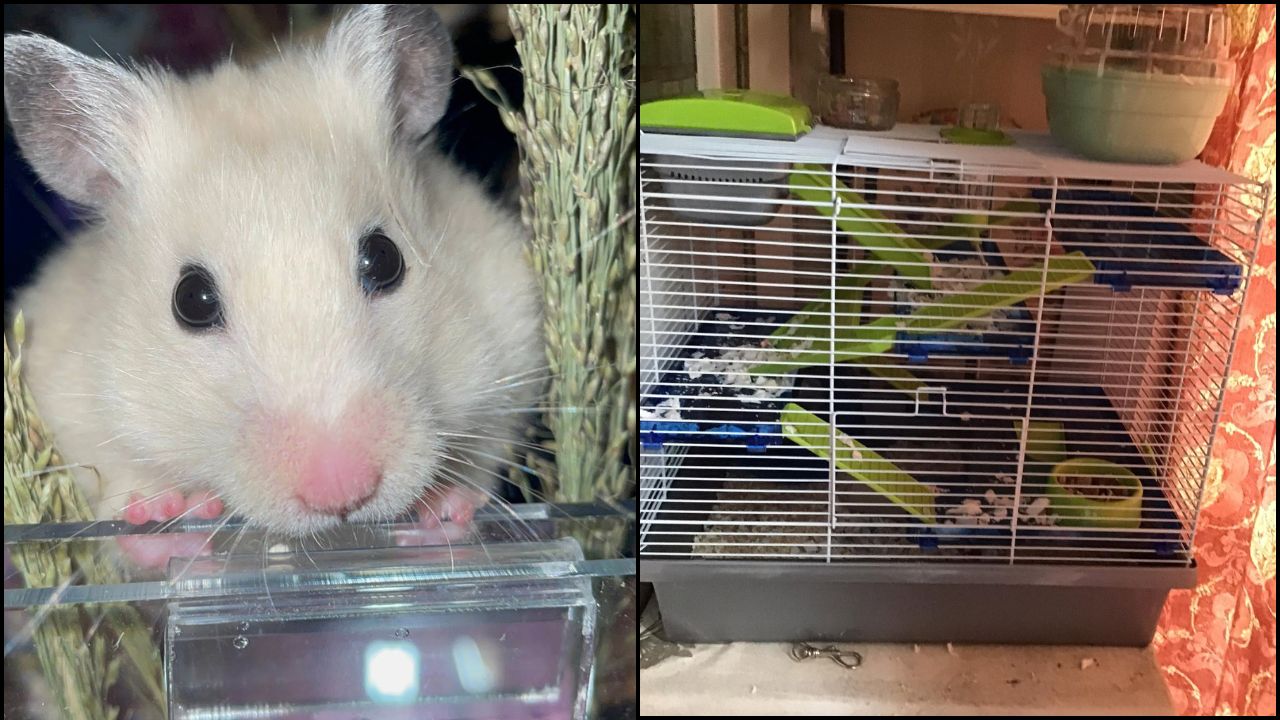

Neil has kept, bred, and sold hamsters at Paradise Pets Swindon since 1988 — over 35 years of watching UK hamster welfare standards evolve. Over the past two years, something significant has been quietly happening in the UK hamster welfare landscape. Major British charities have updated their guidance. Major pet retailers have overhauled their cage offerings. A petition with over 37,000 signatures has put pressure on the RSPCA to formally update its standards. This is his honest, practical look at what is actually changing for UK hamster owners, what the new welfare-standard sizes genuinely are, and what every British household with a hamster should know now.
A woman came into the shop one Wednesday morning, holding a printout from her tablet. She had been reading about the new UK hamster cage size recommendations and was confused. She had owned hamsters for over twenty years, always with cages she had bought from major UK pet shops. Now she was reading that those cages were genuinely too small by current welfare standards. She wanted to know whether the rules had actually changed, why nobody had told her, and what she should now do about the cage her current hamster was living in.
It was an entirely reasonable question, and one I have been getting more and more often over recent months. Something significant is genuinely happening in UK hamster welfare standards — but it is happening quietly, without dramatic headlines, in the form of individual charity updates and retailer policy changes that most UK hamster owners are not hearing about through mainstream channels. The story deserves a proper conversation.
I sat with her for half an hour and walked her through what has actually changed in the past two years, what the new welfare-standard sizes genuinely are, which UK organisations have updated their guidance and which have not yet, what this means practically for her own setup, and how to assess whether her hamster is being housed adequately by current standards. She left with a clear picture, a realistic upgrade plan, and a renewed appreciation for what proper hamster welfare actually looks like. This article is that conversation, written out for UK hamster owners across Britain who deserve to know what is happening.
This article is the conversation I have at the counter with UK hamster owners who have noticed something is happening but don’t quite know what. By the end of it, you will understand exactly what UK hamster welfare standards have changed, which organisations have led the change, what the new welfare-standard sizes actually are, why the changes are happening now, and what UK hamster owners should practically do in response.
What Has Actually Changed In UK Hamster Welfare
For UK hamster owners trying to understand what is happening, here is the honest summary of recent UK hamster welfare developments. The big news is that several major UK organisations have updated their hamster care guidance, and major UK pet retailers have responded with policy changes.
What has changed in UK hamster welfare since 2023:
- Blue Cross updated its hamster care guide in 2023 — now recommends minimum 100cm x 50cm x 50cm for ALL hamster species
- PDSA updated its guidance in 2023 — aligned with welfare-standard sizes
- Woodgreen Animal Charity updated its guidance in 2023 — now recommends 80cm x 50cm x 50cm minimum
- Pets at Home overhauled its hamster cage range in May 2024 — removed smallest cages, now offers options up to 120cm
- Small Pet Rodent Awareness Week endorsed 100cm x 50cm minimum as appropriate for all species
- UK Parliament petition for legal minimum standards has gathered significant signatures
- Change.org petition pushing RSPCA to update website guidance has gathered over 37,000 signatures
- RSPCA licensing conditions already specify 100cm x 50cm x 50cm for fosterers and adopters
- RSPCA has formally acknowledged the need to consider updates based on emerging research
- Blue Cross became first major UK charity to give specific wheel size guidance — by species
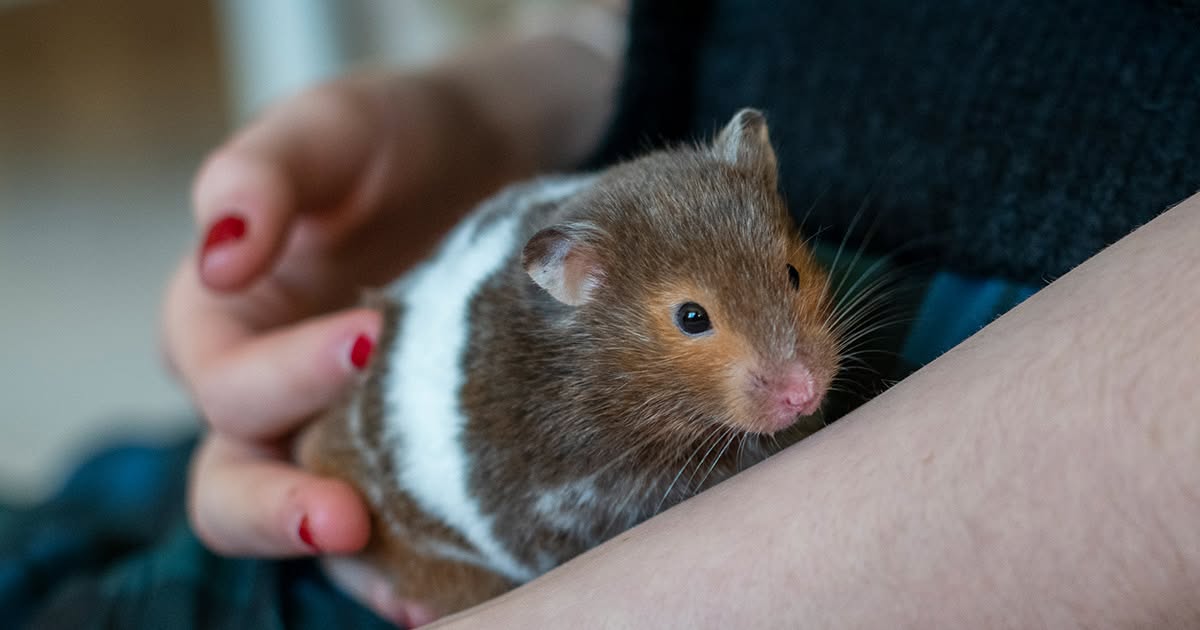
This is genuinely significant progress. UK hamster welfare standards have been criticised for years as being out of line with what current research shows hamsters genuinely need. The past two years have seen substantial movement in the right direction — though not yet completion of the journey. UK hamster owners now have clearer welfare-standard guidance available than at any point in the past decade.
The New UK Hamster Welfare-Standard Sizes
For UK hamster owners who want to know exactly what the new welfare-standard sizes are, here is the picture based on the most recent guidance from leading UK animal welfare organisations.
Current welfare-standard sizes for UK hamsters:
- Syrian hamster minimum cage — 100cm x 50cm x 50cm (length x width x height) of unbroken floor space
- Dwarf hamster pair minimum cage — 100cm x 50cm x 50cm (where pair-keeping is appropriate for species)
- Single dwarf hamster minimum cage — 80cm x 50cm x 50cm
- Chinese hamster minimum cage — 100cm x 50cm x 50cm (same as Syrian)
- Syrian wheel diameter — minimum 28cm to allow straight-back running
- Chinese hamster wheel diameter — minimum 28cm
- Dwarf hamster wheel diameter — minimum 25cm
- Bedding depth minimum — at least 20cm to allow natural burrowing
- Hides minimum — at least 2 separate hiding places
- Tunnels and enrichment — multiple opportunities for natural behaviour
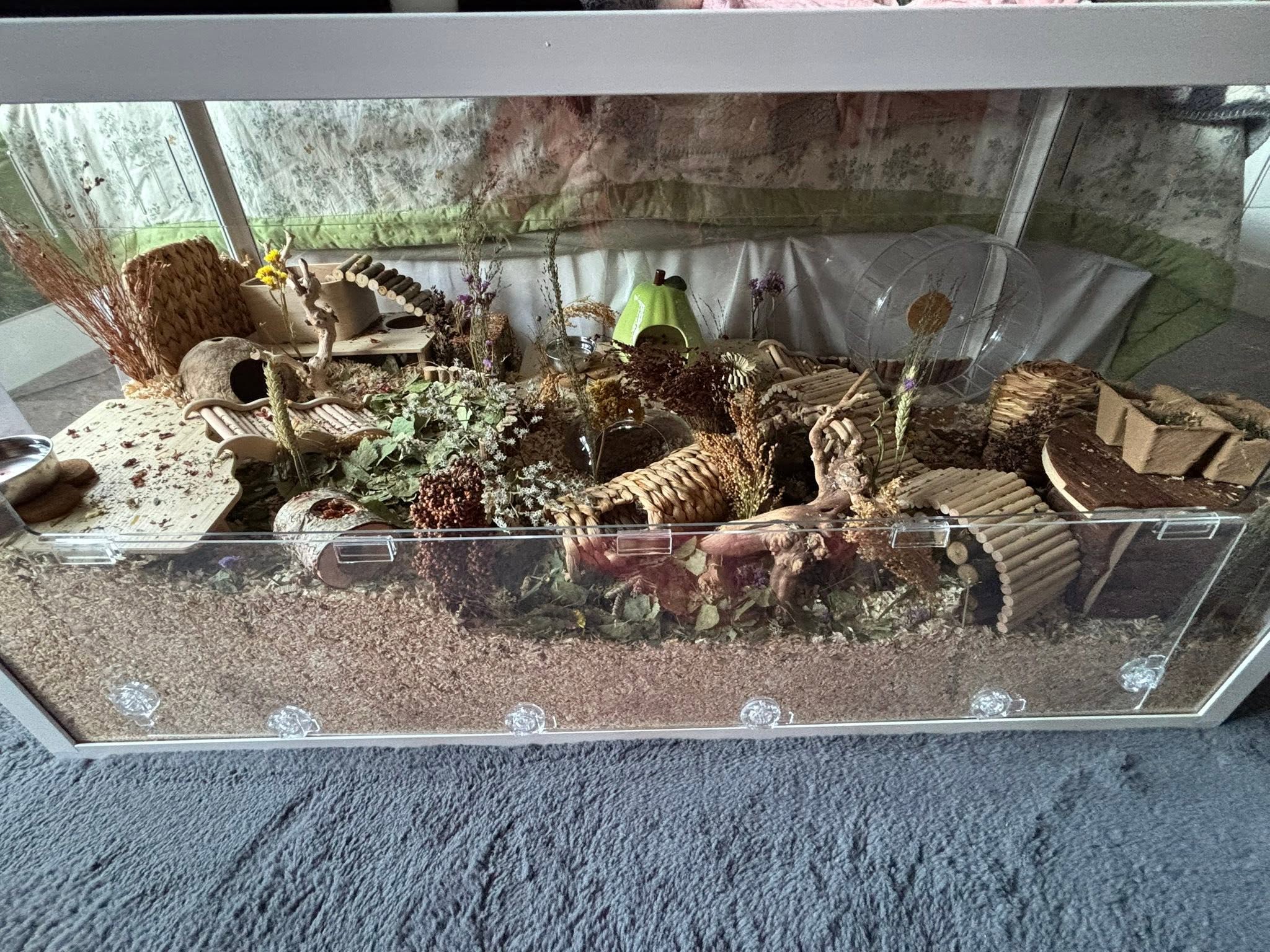
These are minimum sizes — bigger is genuinely better. The 100cm x 50cm figure is what current UK welfare-led organisations now consistently recommend as the starting point. Many UK hamster welfare advocates push for larger setups (120cm, 150cm, or larger) as best practice.
For comparison, the standard UK pet shop “starter” hamster cage that most UK families used to buy was typically around 60-70cm long — significantly below the current welfare-standard minimum. The cage gap between what was being sold and what hamsters actually need has been substantial. Our article on the cage size rule most hamster owners break without knowing covers this welfare gap in detail.
Why The Changes Are Happening Now
For UK hamster owners curious about what is driving these changes, here is the honest picture. Multiple factors have combined over recent years to push UK hamster welfare standards forward.
What is driving the UK hamster welfare changes:
- Accumulating scientific research on hamster welfare needs, particularly around cage size and wheel diameter
- Veterinary Association for Animal Welfare (TVT) research showing wheels under 28cm cause spinal curvature in hamsters
- Welfare studies showing stereotypical behaviours (bar-biting, repetitive route-pacing) increase significantly in smaller cages
- Research on hamster running distances in the wild — up to 9km per night, requiring substantial wheel time
- Online community advocacy — particularly through forums, social media, and dedicated welfare websites
- Public petitions — gathering substantial signatures and pushing organisations to act
- Welfare-conscious consumer demand — UK customers increasingly asking for proper-sized cages
- Updated international standards — particularly from European welfare organisations
- Greater pet shop transparency — pushed by social media and public attention
- Cumulative pressure on UK pet trade — making the case for change increasingly compelling
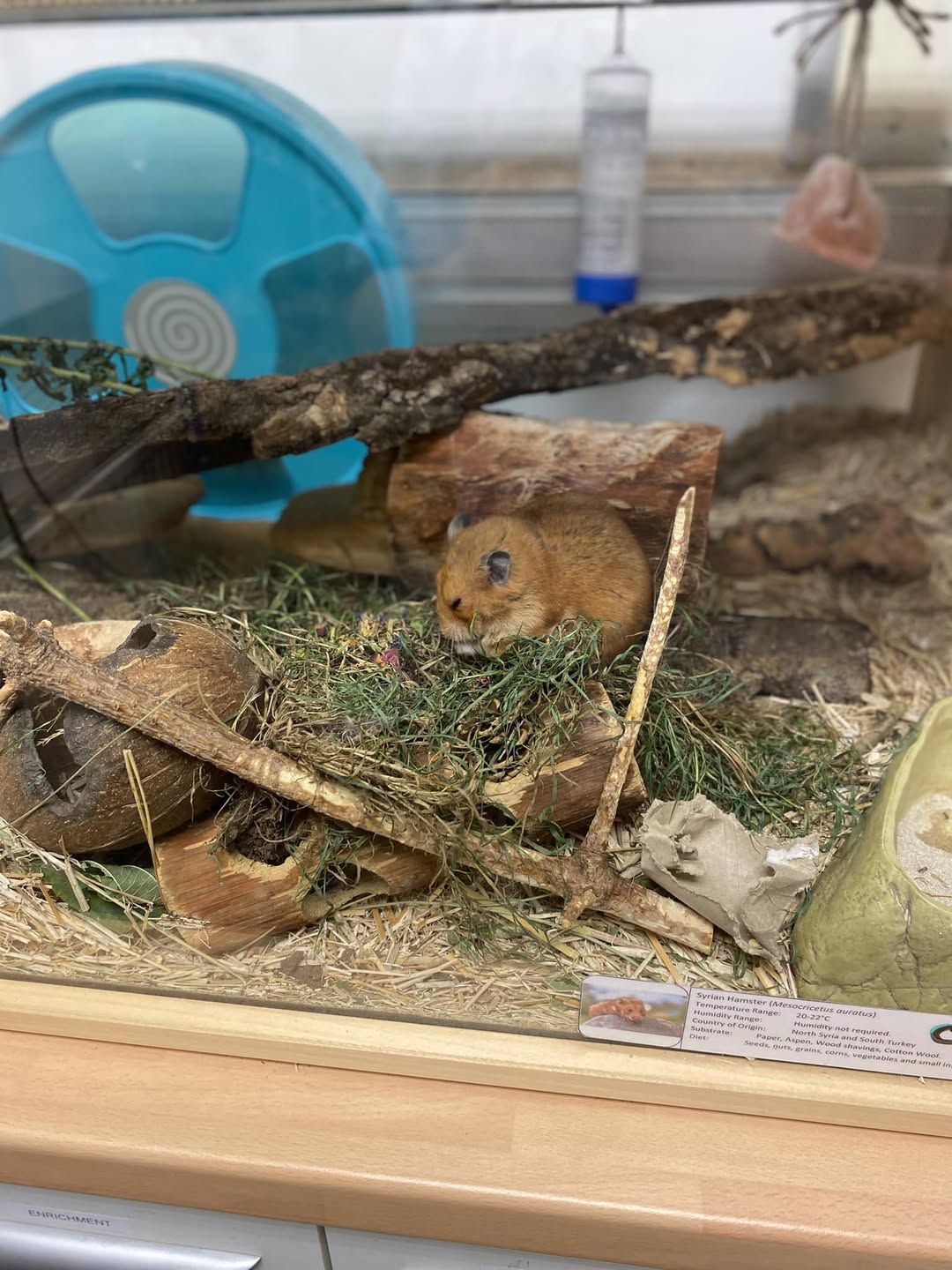
None of these factors alone produced the change. Together, over several years, they have built sufficient momentum that major UK charities and retailers have begun to update their positions. After 35 years of watching UK welfare standards evolve, the past two years have been one of the most active periods for hamster welfare in particular.
The RSPCA Situation — Honestly Explained
For UK hamster owners curious about why the RSPCA situation appears complex, here is the honest picture. The RSPCA position on hamster cage sizes has been controversial for some years, and understanding the situation helps make sense of the broader UK welfare landscape.
The RSPCA hamster cage guidance situation:
- RSPCA used to publish a minimum cage size on its website — 75cm x 40cm x 40cm as the historical figure
- This minimum was removed from the public RSPCA website around 2012
- RSPCA licensing conditions for fosterers and adopters DO specify 100cm x 50cm x 50cm as the current minimum
- RSPCA adoption pages reference the 100cm minimum when describing individual hamsters needing rehoming
- The website removal coincided with the RSPCA “Working Together” partnership with Pets at Home beginning in 2012
- Public petitions with over 37,000 signatures have called for the website guidance to be restored
- The RSPCA has formally acknowledged it will consider updates in its next round of guidance updates
- The organisation cites “evidence-based” decision-making as the reason for current caution
The RSPCA picture is genuinely mixed. Their internal licensing standards specify modern welfare-standard sizes, while their public website remains less specific. The reasons for this gap have been speculated about extensively, but the practical reality for UK hamster owners is that their official adoption guidance does reference 100cm x 50cm — even if the general care pages do not currently specify this figure prominently.
UK hamster welfare advocates continue to push for clearer, more consistent RSPCA guidance. The 37,000+ signature petition shows the level of public interest in seeing this happen.
The UK Pet Retailer Response
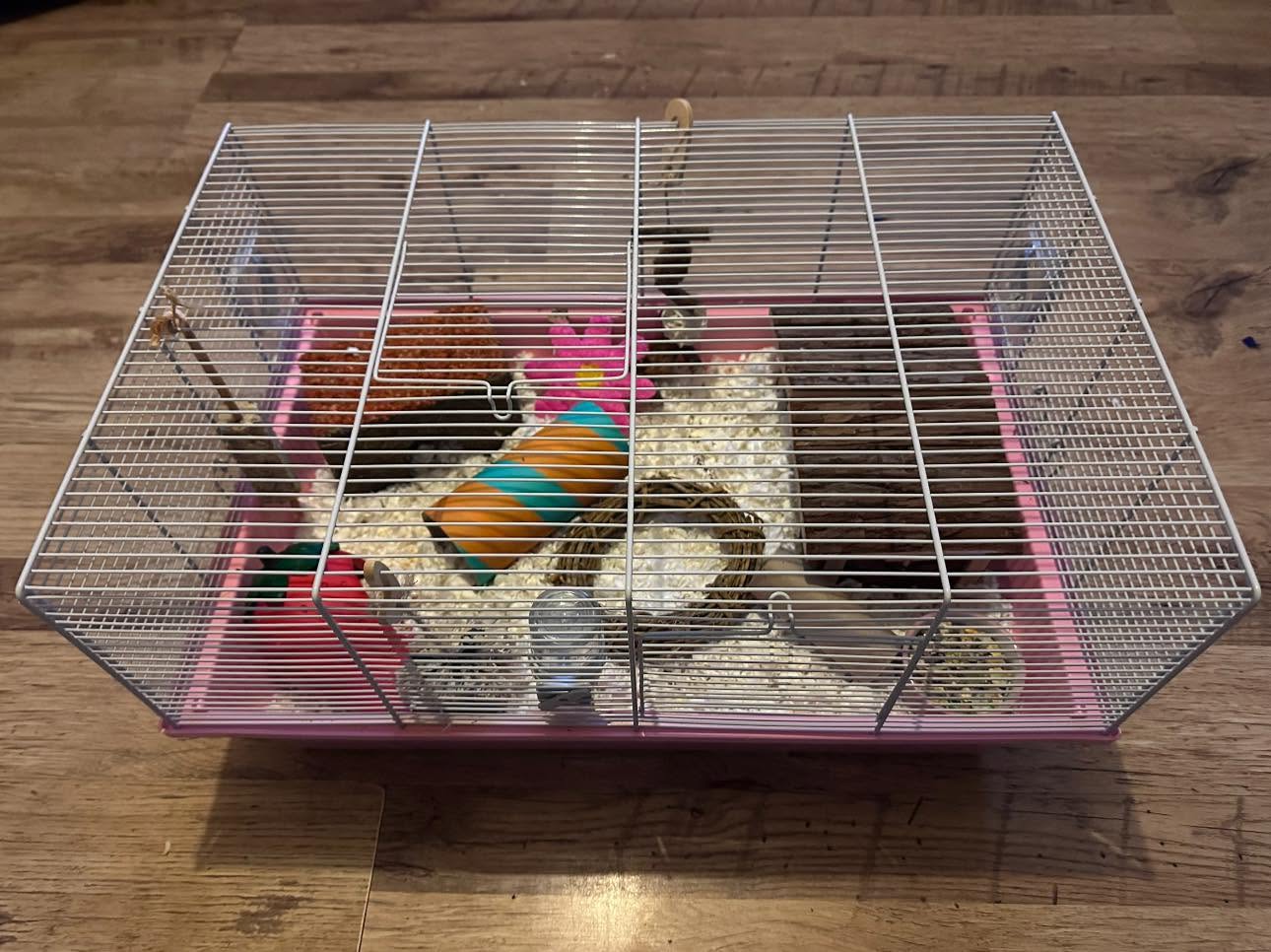
For UK hamster owners curious about how UK pet retailers have responded to the changing welfare standards, here is the honest picture. The retailer response has been mixed — with some genuinely positive developments alongside continued inadequate offerings elsewhere.
| UK Retailer Category | What Has Changed | What Remains |
|---|---|---|
| Pets at Home (major UK chain) | May 2024 overhaul – removed smallest cages, now offers up to 120cm options | Some smaller “starter” cages still sold; mixed messaging |
| Independent UK welfare-led pet shops | Typically moving toward stocking welfare-standard sizes | Pricing remains higher than chain shops for proper accommodation |
| UK supermarket pet sections | Limited change visible to date | Often still stock cages well below welfare-standard sizes |
| Online UK pet retailers | Wider range of welfare-standard cages now available | Marketplace still includes inadequate “starter” cages from third-party sellers |
| UK garden centre pet sections | Variable by location and operator | Many still operating on older standards |
| Specialist UK exotic / rodent shops | Typically welfare-led for some time | Limited geographic coverage across UK |
The overall direction is positive, but the picture is uneven across the UK pet trade. UK hamster owners shopping for cages today have far better access to welfare-standard options than even two years ago — but they still need to know what to look for, because inadequate options remain widely available.
For more on choosing welfare-led UK pet shops specifically, our article on why pet shop animals cost more than free ones covers the broader welfare-standards picture, and our article on what happens to pet shop animals that don’t sell covers transparency in UK pet retail.
What This Means For UK Hamster Owners Practically
For UK hamster owners trying to figure out what to do practically in response to the changing welfare standards, here is the honest action framework based on 35 years at the counter watching UK households navigate hamster welfare.
- Measure your current hamster cage honestly
Length x width x height. Compare against current welfare-standard minimum (100cm x 50cm x 50cm for Syrian/Chinese, 80cm x 50cm for single dwarf). - Measure your hamster’s wheel honestly
Diameter. Should be at least 28cm for Syrian/Chinese, at least 25cm for dwarf species. - Measure your hamster’s bedding depth
Should be at least 20cm for natural burrowing behaviour. - Don’t feel guilty if your setup falls short
The pet trade sold you what was on offer. The standards have shifted. Now you know more. - Plan a realistic upgrade
Bin cage conversion (£30-£50) is the budget option. IKEA Detolf conversion is the mid-range option. Commercial welfare-standard cages are the premium option. - Upgrade the wheel immediately if it is undersized
This can be done today and produces immediate welfare improvement. Proper wheel costs £15-£30. - Provide proper bedding depth
A bag of safe paper-based bedding costs less than £10 and transforms your hamster’s environment. - Establish a small-animal vet relationship
The Five Welfare Needs under UK law include disease protection — vet access is part of that. - Watch for behavioural welfare signs
Bar-biting, repetitive route-pacing, food-flipping suggest welfare improvements needed. - Stay informed as standards continue to evolve
Blue Cross, PDSA, Woodgreen, and Hamster Welfare website all publish updated guidance.
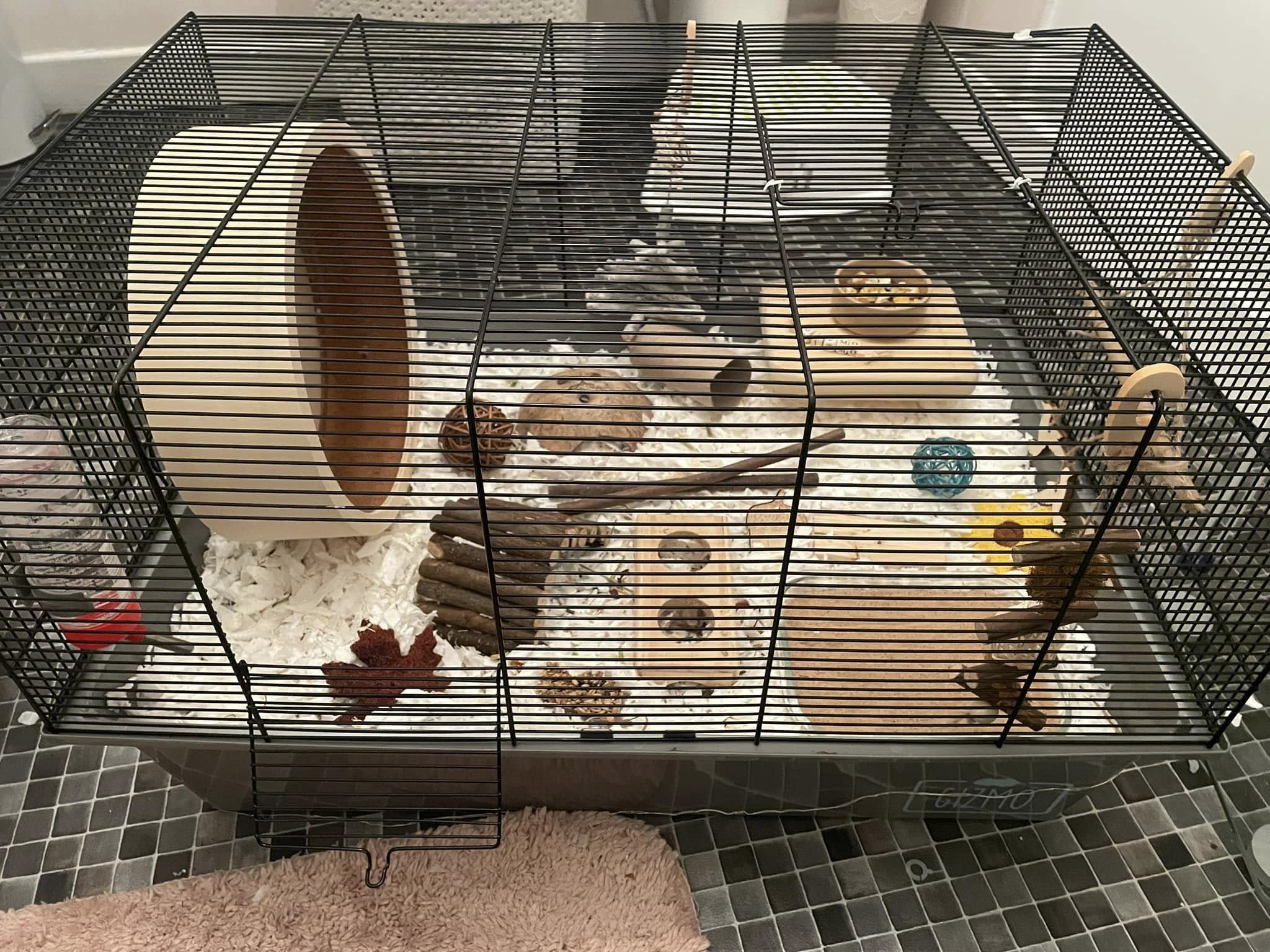
The single most impactful action most UK hamster owners can take is upgrading their hamster’s wheel to a proper-sized one. This costs £15-£30, can be done today, and produces immediate welfare improvement. The cage upgrade is typically the bigger investment of time and money, but the wheel change is the quick win that genuinely matters.
For more on hamster welfare specifically, our article on the 60p mistake that shortens most pet hamsters’ lives covers the bedding issue in detail, and our article on how long hamsters really live covers the lifespan implications of welfare standards.
The Wheel Size Issue UK Owners Should Prioritise
For UK hamster owners ready to focus on the most impactful single welfare upgrade, here is the wheel size picture. After 35 years of selling hamsters, I am increasingly convinced this is the single under-discussed welfare issue UK households face.
Why wheel size matters more than most UK owners realise:
- TVT research found wheels under 28cm cause spinal curvature in young Syrian hamsters
- Hamsters run on wheels approximately 8.3km per night on average — significant cumulative time
- Curved-back running causes long-term posture problems visible even when not on the wheel
- Wire-rung wheels add foot injury risk — solid running surface is essential
- Standard UK pet shop wheels are typically 15-20cm — well below welfare-standard minimum
- Upgrading the wheel costs £15-£30 and produces immediate welfare improvement
- Wheel improvement is independent of cage upgrade — can be done before cage is replaced
- Visible improvement in hamster activity is often noted within days
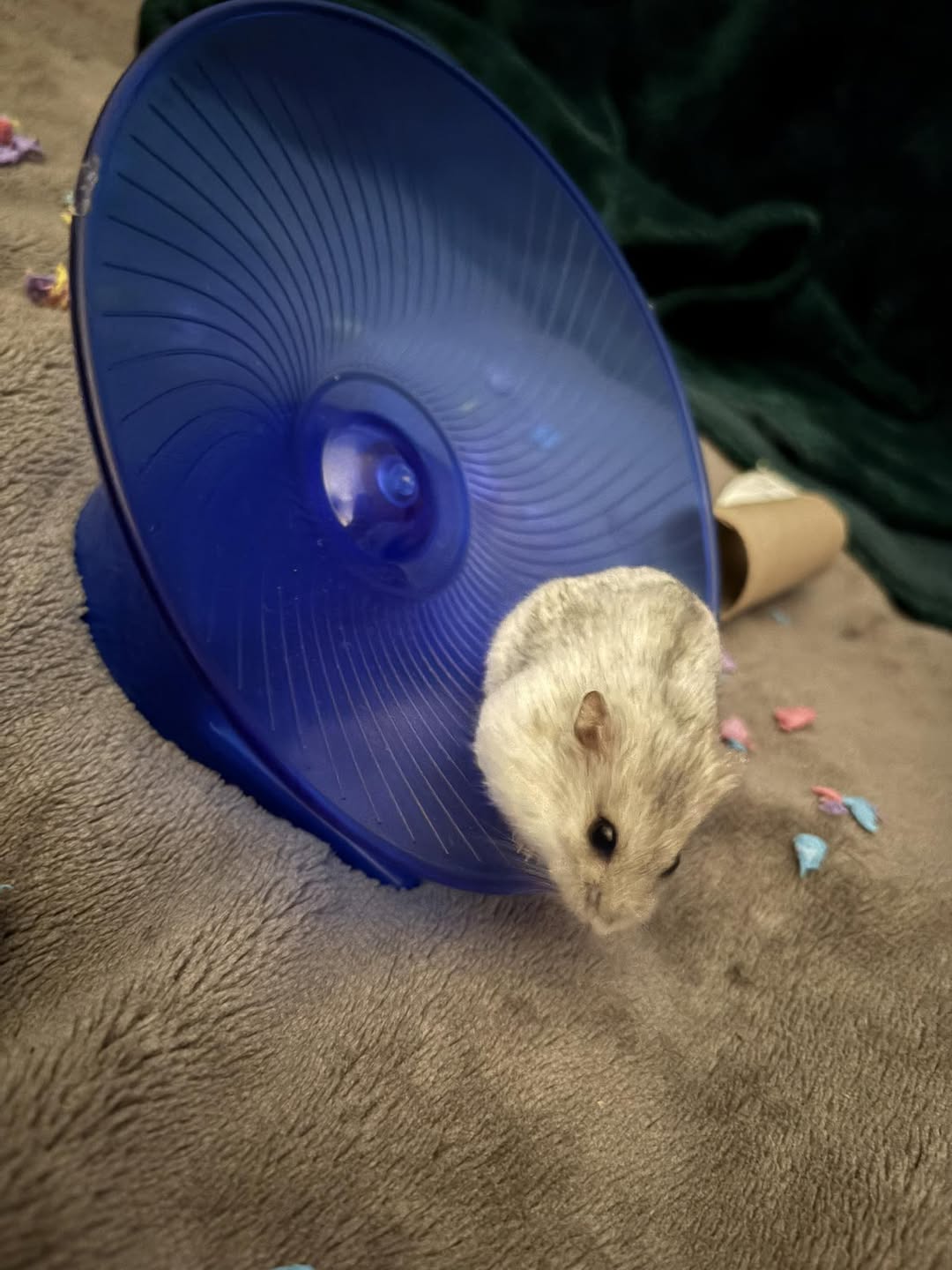
If you are reading this article and your hamster has an undersized wheel, this is the single most impactful welfare change you can make this week. The cost is minimal. The impact is genuine. Most UK hamster owners do not realise the welfare implications of wheel size until they are explained, and most are willing to upgrade once they understand.
What UK Welfare Standards Are Likely To Look Like In Coming Years
For UK hamster owners trying to understand the broader trajectory, here is my honest assessment based on 35 years of watching UK welfare standards evolve. The direction is clear — though the pace may continue to be gradual.
What UK hamster welfare standards are likely heading toward:
- RSPCA website guidance likely to update — the organisation has acknowledged consideration of changes
- UK Government legal minimum standards — possible following continued public pressure and parliamentary petition activity
- Major UK retailer policy changes spreading — Pets at Home precedent may push other chains
- Industry-wide minimum cage standards — possible through self-regulation or licensing
- Continued growth of welfare-led independent UK pet shops — responding to consumer demand
- Wheel size and bedding depth standards — likely to receive more attention going forward
- Online retailer marketplace standards — pressure on inadequate third-party listings
- Educational campaigns for UK hamster owners — addressing the awareness gap
The UK direction is positive and continuing. UK hamster owners who care about doing right by their pets are largely moving with this current rather than against it. The pace is slower than welfare advocates would prefer, but the trajectory is genuinely in the right direction.
Common UK Owner Misunderstandings
For balance, here are the genuine misunderstandings I see at the counter when UK customers discuss the changing hamster welfare landscape. Avoiding these helps you respond sensibly to what is happening.
- Assuming UK pet shop cages must meet welfare standards — they often do not
- Believing all UK charity guidance is consistent — there are genuine differences between organisations
- Thinking the RSPCA website silence means small cages are fine — their licensing standards specify 100cm x 50cm
- Confusing “starter cage” marketing with adequate housing — most “starter” cages are not adequate for adult hamsters
- Assuming wheel size doesn’t matter much — it genuinely matters for spinal health
- Believing height substitutes for floor space — only unbroken floor space counts for the welfare-standard minimum
- Thinking welfare improvements require dramatic expense — bin cage upgrades cost £30-£50
- Assuming syrian and dwarf hamsters can share cages — Syrians must always live alone
- Believing standards apply only to new hamsters — your current hamster benefits from welfare upgrades too
- Treating welfare standards as optional — under the Animal Welfare Act 2006, they are legal duties
The single most common misunderstanding I see is UK owners who assume the cage their UK pet shop sold them must be adequate. The reality is that the UK pet trade has historically sold cages below current welfare standards, and many such cages are still being sold today. Trusting the retailer rather than checking against current welfare-standard sizes is a common mistake that has welfare consequences for UK hamsters.
Frequently Asked Questions
Are UK hamster cage standards actually changing?
Yes — substantially over the past two years. Blue Cross, PDSA, and Woodgreen all updated their hamster care guidance in 2023, now recommending 100cm x 50cm x 50cm minimum for all hamster species. Pets at Home overhauled its hamster cage range in May 2024, removing the smallest cages and now offering options up to 120cm. The Hamster Welfare website and Small Pet Rodent Awareness Week have endorsed welfare-standard sizes. A petition with over 37,000 signatures has pushed the RSPCA toward formal website updates. The picture is changing — though changes are happening quietly rather than through dramatic headlines.
What is the current welfare-standard minimum cage size for a hamster?
For Syrian and Chinese hamsters, the current welfare-standard minimum is 100cm x 50cm x 50cm of unbroken floor space. For dwarf hamster pairs (where pair-keeping is appropriate), the same 100cm x 50cm minimum applies. For single dwarf hamsters, 80cm x 50cm x 50cm is the welfare-standard minimum. Bedding depth should be at least 20cm. These are minimums — bigger is genuinely better.
What wheel size does my hamster need?
For Syrian and Chinese hamsters, the wheel diameter should be at least 28cm. For dwarf species, at least 25cm. The hamster’s back should remain straight when running on the wheel. A curved back indicates the wheel is too small and over time causes spinal damage. The standard wheel that comes with most UK pet shop hamster cages is too small — upgrading it is one of the most impactful single welfare improvements UK owners can make.
Why isn’t the RSPCA updating its website guidance?
The RSPCA has acknowledged it will consider updates in its next round of guidance reviews and cites “evidence-based” decision-making as the reason for current caution. The RSPCA’s internal licensing conditions for fosterers and adopters already specify 100cm x 50cm x 50cm — so the difference is between internal standards (specific) and public website guidance (less specific). A petition with over 37,000 signatures continues to push for clearer public guidance. UK welfare advocates expect updates eventually but cannot say exactly when.
My current hamster cage is too small — what should I do?
Do not feel guilty — the pet trade has historically sold cages below current welfare standards, and you bought what was available. Now you know more. Plan a realistic upgrade: bin cage conversion (£30-£50 budget option), IKEA Detolf conversion (mid-range option), or commercial welfare-standard cage (premium option). Upgrade the wheel first if it is undersized — this can be done immediately for £15-£30 and produces immediate welfare improvement. Provide proper bedding depth (at least 20cm). The transition does not need to be perfect from day one — incremental improvements genuinely help your hamster.
Are pet shops still selling inadequate hamster cages?
Yes, in many cases. UK pet shop offerings vary enormously. Some independent welfare-led shops now stock only proper-sized cages. Major UK chains have improved their range (notably Pets at Home in May 2024) but in some cases still offer smaller “starter” cages. UK supermarket pet sections and online marketplaces often still offer cages below welfare-standard minimums. UK hamster buyers genuinely need to know what to look for and not just trust what is on the shelf.
Where can I get welfare-standard UK hamster supplies in Swindon?
Come and see us at Paradise Pets, Manor Garden Centre, Cheney Manor, Swindon SN2 2QJ. We stock proper-sized cages, welfare-standard wheels, safe bedding, and everything UK hamster owners need to meet current welfare standards. Free honest advice based on 35 years of helping UK hamster households. Ring us on 01793 512400.
One Last Thing From Me
“Are UK hamster welfare standards really changing?” is one of the questions I have been getting more often at the counter over recent months, and one I am genuinely glad to be able to answer positively. The honest answer, after 35 years of watching UK welfare standards evolve, is — yes, UK hamster welfare standards are genuinely changing in a positive direction. The changes have happened quietly rather than dramatically — through individual charity guidance updates, retailer policy changes, public petitions, and accumulating research pressure rather than through legal mandates. But the cumulative effect is real and significant. UK hamster owners now have clearer welfare-standard guidance available than at any point in the past decade. Most UK hamster owners are still operating on outdated information because the changes have not been clearly communicated through mainstream channels. This article is my attempt to change that, one UK household at a time.
The woman with the tablet printout that Wednesday morning? She went home with a clearer picture of what had actually changed, a realistic plan for upgrading her hamster’s setup, a new wheel that fit through her front door that afternoon, and a renewed sense of caring about the small animal who shared her home. Two months later she came back to update me. She had completed a bin cage conversion, upgraded the bedding depth, added proper enrichment, and reported that her hamster — a three-year-old Syrian named Pudding — had become noticeably more active, less prone to bar-biting, and visibly happier. The transformation was real. The investment had been modest. The welfare improvement was genuine.
That is exactly what I want for every UK household with a hamster. Not just compliance with minimum standards, but genuine engagement with what these intelligent small animals actually need. UK welfare standards are changing in the right direction. UK hamster owners who pay attention can move with the change and provide their hamsters with the kind of life the species is genuinely capable of having.
If you have a hamster at home, please measure your cage honestly against current welfare-standard sizes (100cm x 50cm minimum for Syrian/Chinese, 80cm x 50cm minimum for single dwarf). Check your wheel diameter (28cm minimum for Syrian/Chinese, 25cm minimum for dwarf). Check your bedding depth (at least 20cm). If any of these fall short, plan a realistic upgrade. The cumulative welfare impact is substantial — and now that UK welfare standards are evolving, the gap between what was acceptable a decade ago and what is genuinely good practice today is real.
If you are local to Swindon and want to come in to discuss your specific setup against current welfare standards, we are always happy to have that conversation. After 35 years at the counter, helping UK hamster owners navigate evolving welfare standards is one of the most useful contributions Paradise Pets can make to the small animal welfare picture.
Want To Meet The New UK Hamster Welfare Standards? Come And See Me
We stock welfare-standard hamster cages, proper-sized wheels, safe paper-based bedding, and everything UK households need to meet current welfare guidance. Free honest advice based on 35 years of helping UK hamster owners navigate evolving standards. That is how we have done things since 1988.
⭐ Customer Reviews
Amazing Bird Selection
Had a lovley visit today,staff were very friendly and very helpful,such a great petshop,their selection of birds is incredible,really impressed,thank so much to the staff at Paradise Pets

Friendly Helpful Staff
I have been coming to this place for years and they have a great stock of food for all types of pets. Have a great selection of small mammals and a lot of birds. Staff are friendly and helpful.

Great Quality Hutch
Bought a guinea pigs hutch and run combo, very happy with the service, the hutch was put in my car for me without even asking for help. The wood quality is very good, the instructions easy to follow and we are extremely happy with the fully built hutch. A good size for 2 guinea pigs

Response from Paradise Pets | Wiltshire
Thank you Melanie Latus Nice to provide services to you.
Best Bird Shop Around
It’s the best pet shop in and around Swindon. They always have an amazing selection of birds and all you need to keep them happy. I keep birds myself and the guys there are happy to answer questions and really know their stuff. I have seen budgies etc. in chain pet shops in the area looking really unhealthy and ill – I wouldn’t go anywhere else than Paradise Pets for animals.

Highly Recommended Bird Shop
I could not praise this shop enough. Really helped my Grandson buy his first bird and he’s loving it. Travelled from Somerset and was welcomed with open arms.

Great Shop with Competitive Prices
Great shop with amazing selection for small animals, hamsters, mice ect, highly recommend!
Also has a great selection for dogs & cats too & very competitive prices! 💖

