
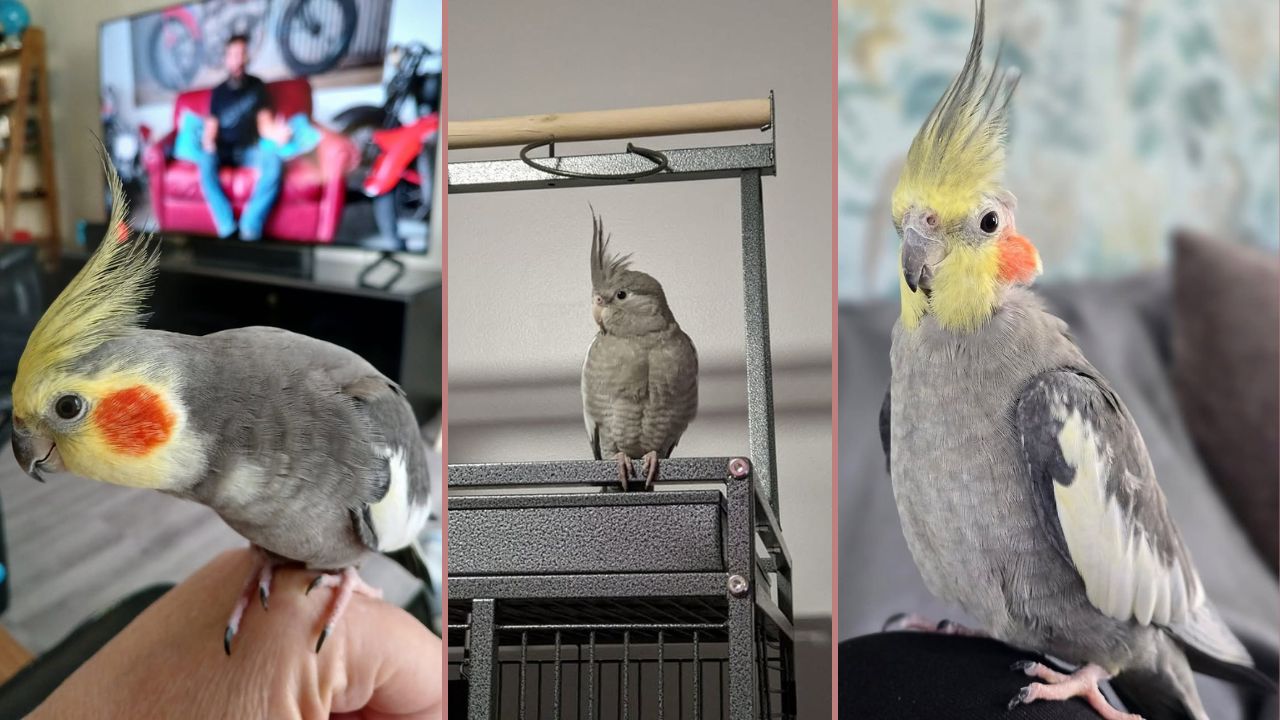

Neil has kept, bred, and sold cockatiels at Paradise Pets Swindon since 1988 — over 35 years of first-hand experience with these birds. A cockatiel that hisses is one of the most misread birds in pet keeping. Owners assume aggression when the bird is communicating something quite specific. This is his honest guide to what that is.
A man came in with his twelve-year-old son last autumn. They had bought a cockatiel from us about six weeks earlier — a young bird, well-handled, no previous problems. But in the last two weeks it had started hissing. Not constantly — specifically when the son reached into the cage to try to get it to step up. The boy had stopped trying because the hissing frightened him and he did not want to be bitten.
I asked a few questions. What time of day did they usually try to handle it? How long had the bird been out of the settling cage when they tried? Had anything changed in the household recently?
The picture that emerged was this: the son was reaching into the cage to handle the bird during the afternoon, when the bird was in the middle of its natural rest period. He was reaching from above. And three weeks earlier, the family had got a cat — which had been spending time in the same room as the bird’s cage.
None of those things were obvious causes to a twelve-year-old. But each of them was contributing to a bird that was communicating, as clearly as it could, that it was not comfortable with what was happening.
The hissing was not aggression. It was a warning. And warnings, understood correctly, are one of the most useful things a bird can produce.
What Cockatiel Hissing Actually Is
A cockatiel hiss is a sharp, forceful exhalation — a sustained or brief sound produced when the bird opens its beak and expels air with intent. It is usually accompanied by a flat crest, a forward-leaning posture, and sometimes an open beak held slightly toward whatever the bird is hissing at.
The sound surprises people because it is unexpectedly forceful for a small bird. The first time most owners hear it they take a step back. That is, in a functional sense, exactly what the bird is trying to achieve.
The hiss is not a random noise. It is one of the most deliberate and specific communications in a cockatiel’s repertoire. It means, reliably and consistently: I am not comfortable with what is happening right now, and I would like you to stop.
Whether what is happening is a hand entering the cage, a stranger approaching too quickly, another pet in the room, or an object the bird finds threatening — the message is the same. The hiss is the cockatiel’s way of telling you where its limit is before it reaches the point of biting.
Understanding this changes how you respond to it entirely.
The Most Common Reasons a Cockatiel Hisses
Let me go through the main causes clearly, because the right response depends on which one you are dealing with.
Being Approached Too Quickly or From Above
This is the most common single cause I see. A hand descending from above, moving quickly toward a cockatiel, triggers the same prey-response that a predator strike would trigger. The bird’s first response is the hiss — a warning before the bite.
Cockatiels, like all prey birds, are most vulnerable from above. Raptors attack from above. The hand-from-above approach is one of the most reliably alarm-triggering approaches you can make with a cockatiel, and it is the instinctive approach for most humans who have not been told otherwise.
The correct approach is lateral — from the side, at the bird’s eye level, slowly. The hand comes in from the side of the bird’s visual field, not from above it. The speed is slow enough that the bird has time to register and assess rather than startle. This single change eliminates a large proportion of the hissing incidents I am asked about.
Being Handled at the Wrong Time
Cockatiels have a natural daily rhythm. They are most active and most receptive to interaction in the morning and in the late afternoon and evening. The early to mid afternoon is a natural rest period during which many cockatiels nap, and a bird that is disturbed during this period will frequently hiss.
This is not the bird being difficult. It is the bird telling you it was asleep, or resting, and does not want to be handled right now. The solution is to note the bird’s natural active periods and schedule handling accordingly. A bird approached during its active period, with the right technique, will almost never hiss.
A New Pet or Perceived Threat Nearby
A cockatiel that is aware of a predator animal in the household — a cat, a dog, even a rabbit if it has been introduced in a way that frightened the bird — will be in a state of ongoing elevated alertness. In that state, its tolerance threshold for additional stressors is much lower. A bird that would normally step up calmly will hiss at the same approach because its baseline anxiety is already high.
This is what was happening with the cat in the story above. The bird was not suddenly aggressive. It was stressed by the cat’s presence, and handling attempts were pushing it over a threshold it would otherwise have had plenty of tolerance for.
The intervention here is environmental — addressing the source of the stress, not the symptom. A cat that has regular access to the bird’s room is an ongoing stressor that no amount of handling technique will fully compensate for.
The New Bird — Why Recently Purchased Cockatiels Hiss More
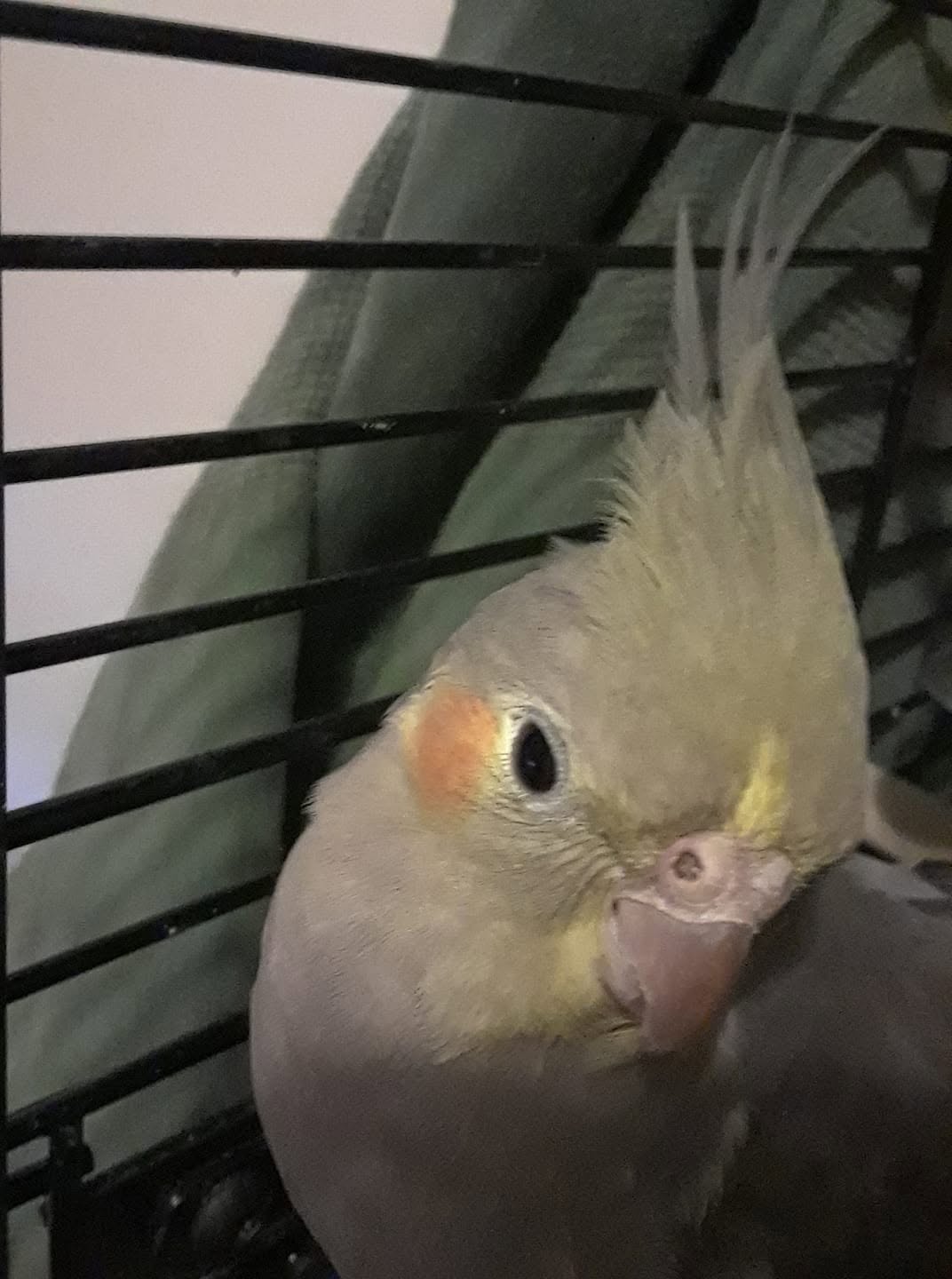
This section is for anyone whose cockatiel is relatively new to the home and has started hissing in the first few weeks.
A cockatiel that has recently arrived in a new environment is in a state of acute assessment. Everything is unfamiliar — the smells, the sounds, the people, the cage position, the routine. Until the bird has built up sufficient experience of the new environment to feel genuinely secure, its threat threshold is lower than it will eventually be.
Hissing in a new bird is almost always a settling behaviour rather than a permanent temperament indicator. The bird that hisses at you in week two will very likely not hiss at you in week eight, provided the handling approach is right and the settling period is respected.
The most important thing with a new bird that is hissing is not to push through the hiss in an attempt to demonstrate that you are not a threat. That approach reliably backfires. The bird does not interpret the fact that nothing bad happened after it hissed as evidence that you are safe — it interprets the fact that you continued to advance after the warning as evidence that the warning did not work, which leads to escalation.
The right response to a hissing new bird is to withdraw the approach, give the bird a moment, and try again more slowly and from a different angle. Over days and weeks, the bird learns that hissing produces a non-threatening response and that your approach at the right pace and from the right direction is not a threat. The hissing reduces.
What Happens If You Push Through the Hiss
I want to be specific about this because it is where most owners make the relationship significantly harder to repair.
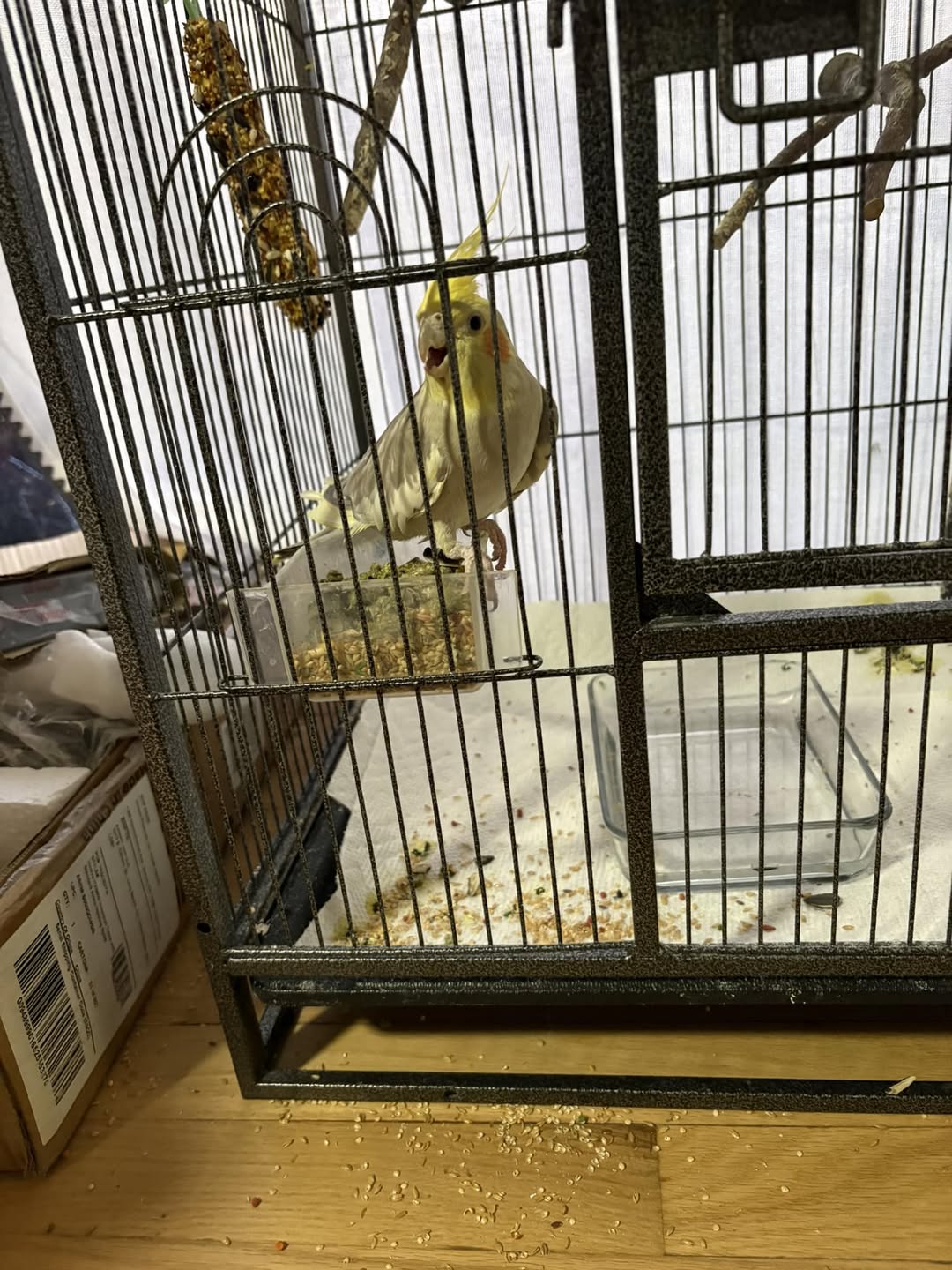
A cockatiel that hisses and is then handled anyway — the hand continues, the bird is picked up, the handling proceeds — has had its warning ignored. It communicated clearly that it was not comfortable, and nothing changed. The next time the same situation arises, the bird’s options are: hiss again and potentially be ignored again, or skip the hiss and go straight to the bite.
Over time, birds that have their warnings consistently ignored do exactly that. They stop hissing and start biting earlier in the sequence, because experience has taught them that the warning does not work. This is how well-meaning owners produce birds that bite without warning — not through the bird’s aggression, but through a consistent pattern of ignoring the communication that preceded the bite.
The intervention — and it is a real one, not just theoretical — is to go back to respecting the hiss. Every time the bird hisses and you withdraw without forcing the interaction, you are re-establishing the signal as meaningful. The bird has its warning respected. The warning works. Over time, the bird may hiss less, because the situations that triggered it are being managed more carefully.
This takes patience and it takes time. But it works consistently.
Hissing at Specific People — Why Your Cockatiel Likes Some People More Than Others
This is a question I am asked regularly, and it has a straightforward answer.
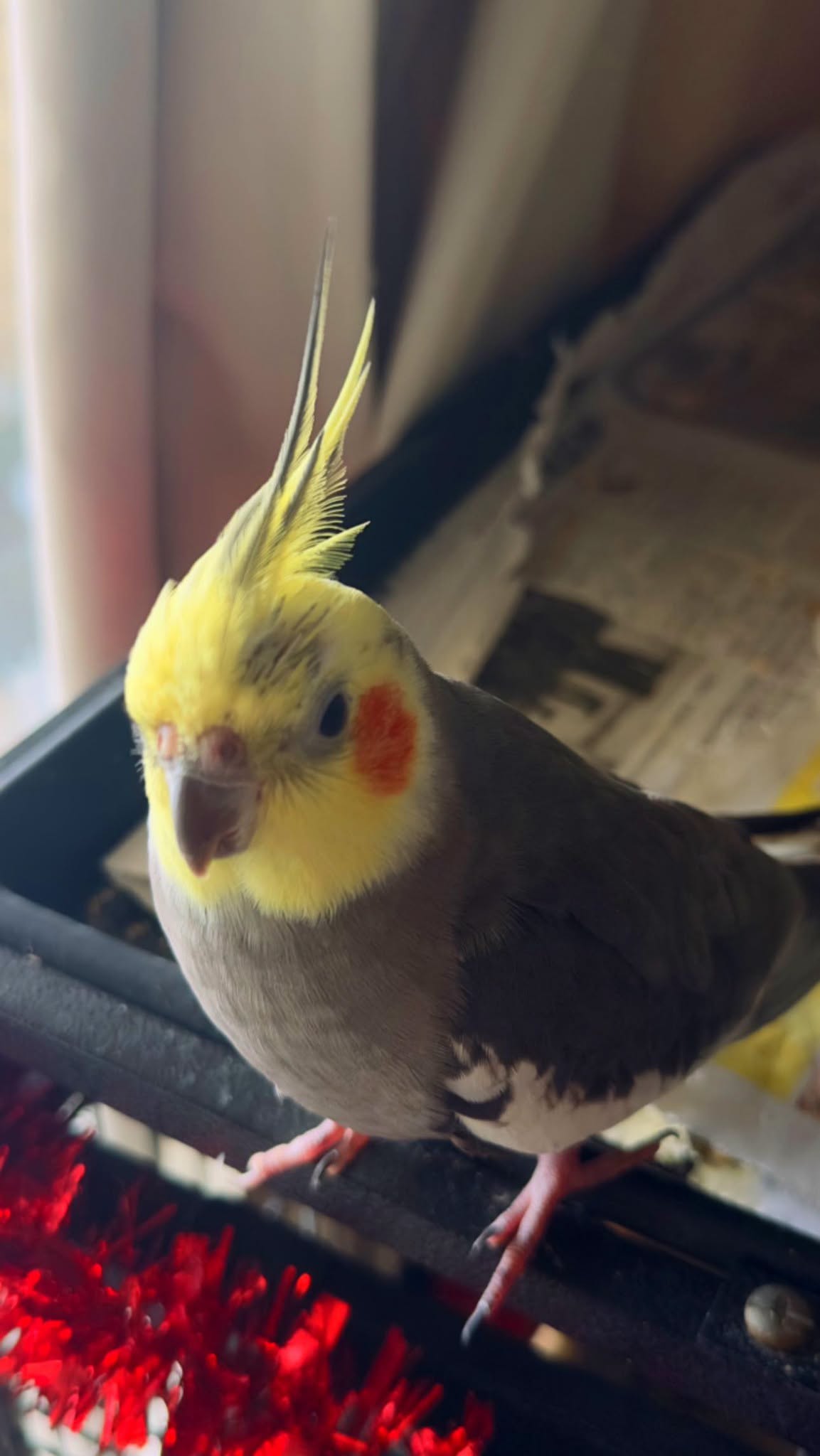
A cockatiel that hisses at one member of the household but not others has developed differential associations with those people based on its experience of them. The person it does not hiss at has — usually without being consciously aware of it — been approaching more slowly, at better times of day, from less threatening angles, and with body language the bird has learned to associate with non-threatening interactions. The person it hisses at has been doing the opposite, or has been associated with something the bird found frightening.
This is not personal dislike in the human sense. It is the bird’s experience-based assessment of two different patterns of interaction. The person the bird currently hisses at can change that assessment — but it requires changing the approach, not simply hoping the bird will eventually come around.
Children, in my experience, are the most common subjects of this kind of differential hissing — because children tend to move faster, reach more suddenly, approach from above more often, and handle more enthusiastically than adults. The cockatiel is not picking on the child. It is responding to a pattern of interaction that triggers its warning response more reliably than the adult’s does.
The solution is the same as for any other approach that produces hissing: slow down, approach from the side, choose better times, and let the bird set the pace.
Hissing During Nesting Season — A Specific Pattern to Know
Cockatiels that have a nest box available — or that have found a location in the cage they have decided to treat as a nest, such as the bottom corner — will hiss significantly more during the hormonal period associated with nesting and breeding.
Female cockatiels in particular can become strongly protective of a perceived nesting area and will hiss forcefully at anything that approaches it — hands, other birds, sometimes even their owners. This is not a personality change. It is hormonal behaviour that is entirely normal in the context of a bird that is experiencing breeding season hormones.
The practical management is to remove the nest box if one is present, discourage nesting behaviour by reducing the daylight hours the bird experiences to below twelve hours, and avoid reaching into or near any area the bird has been treating protectively. The hormonal episode will pass, and with it the associated hissing.
If the nesting behaviour is persistent or recurring frequently, it is worth a conversation with an avian vet — repeated hormonal cycles without breeding carry health implications for female cockatiels that are worth understanding.
Could the Hissing Be Pain Related
I always mention this because it is less commonly considered and more easily missed.
A cockatiel that has started hissing during handling when it previously did not — with no obvious environmental trigger — may be hissing because being touched hurts. An injury, an internal health problem, arthritis in an older bird, or a developing illness can all produce handling sensitivity that the bird communicates through hissing at contact points that previously caused no reaction.
If the hissing is new, is specifically triggered by touching certain areas of the body, or is accompanied by any other change in the bird’s behaviour or condition — reduced eating, changes in droppings, less activity, changes in vocalisation — a vet visit is the right next step. A bird that has changed its handling response without an obvious behavioural explanation needs to be examined physically.
This is one of the reasons I always say: know what is normal for your individual bird. A bird that has always hissed during the afternoon rest period is showing you a pattern. A bird that has suddenly started hissing when it never did before is showing you a change. Changes are the things worth investigating.
Rebuilding After a Period of Hissing — How to Reset the Relationship
If your cockatiel has been hissing consistently for a period and you want to reset the handling relationship, here is the approach I recommend.
Stop all attempted handling for a week. During that week, spend time near the cage, talk to the bird calmly, and offer food through the bars. You are rebuilding the association between your presence and something positive, without the pressure of handling attempts.
After a week, begin very gradual reintroduction. Hand at the cage door, not moving. Let the bird approach rather than reaching for it. When the bird comes to the hand voluntarily, offer a treat from the palm. No attempt to lift or step it up yet.
Progress from there only when the bird is consistently approaching the hand without hissing. A step-up attempt only when the bird is actively engaged with the hand and showing no warning signals. Short sessions. End before the bird becomes uncomfortable.
The process typically takes two to four weeks from a fully reset baseline. It feels slow. It produces a more durable result than pushing through the hissing.
Frequently Asked Questions
My cockatiel hisses and then tries to bite — what do I do?
A bird that progresses from hiss to bite is a bird whose warning has been ignored too many times and has learned that the warning alone does not reliably make the threat stop. Go back to basics — stop all forced handling, rebuild from hand presence and treating, and respect every hiss by withdrawing. Over time, as the warnings are consistently respected, the escalation to biting reduces. The hiss comes back as a functional warning rather than a precursor to a bite.
My cockatiel hisses at me but steps up for my partner — why?
Your partner’s approach is producing a different response in the bird than yours. Watch how your partner approaches — the speed, the angle, the timing. Almost certainly one or more of those variables is different in a way the bird finds less threatening. Adjust your approach to match, and the response will begin to even out over time.
Is it normal for a cockatiel to hiss at its reflection?
Yes — some cockatiels will hiss at mirrors, particularly during hormonal periods, because they interpret the reflection as another bird invading their space. If this is happening regularly, remove the mirror temporarily. Sustained hissing at a mirror is also a sign that the bird may be spending too much time in a hormonal state, which has health implications worth discussing with an avian vet.
My cockatiel hisses at new objects — is that normal?
Entirely normal. Cockatiels are naturally neophobic — cautious about new things — and a new object introduced into or near the cage may produce hissing or alarm responses until the bird has had time to assess it as safe. Introduce new objects gradually, place them near the cage rather than inside it first, and give the bird time to acclimatise before placing anything new directly in the enclosure.
Could my cockatiel be hissing because it is bored?
Hissing specifically is not a boredom behaviour — it is a warning signal with a specific trigger. Boredom in cockatiels tends to produce different behaviours: feather plucking, repetitive calling, bar chewing, excessive preening. If you are seeing hissing, look for a specific trigger in the environment or the interaction rather than attributing it to boredom.
One Last Thing
The boy in that story came back with his father a month later. They had moved the cat out of the bird’s room. They had changed the handling time to the evening, when the bird was naturally active. And the father had shown his son how to approach from the side, at eye level, slowly.
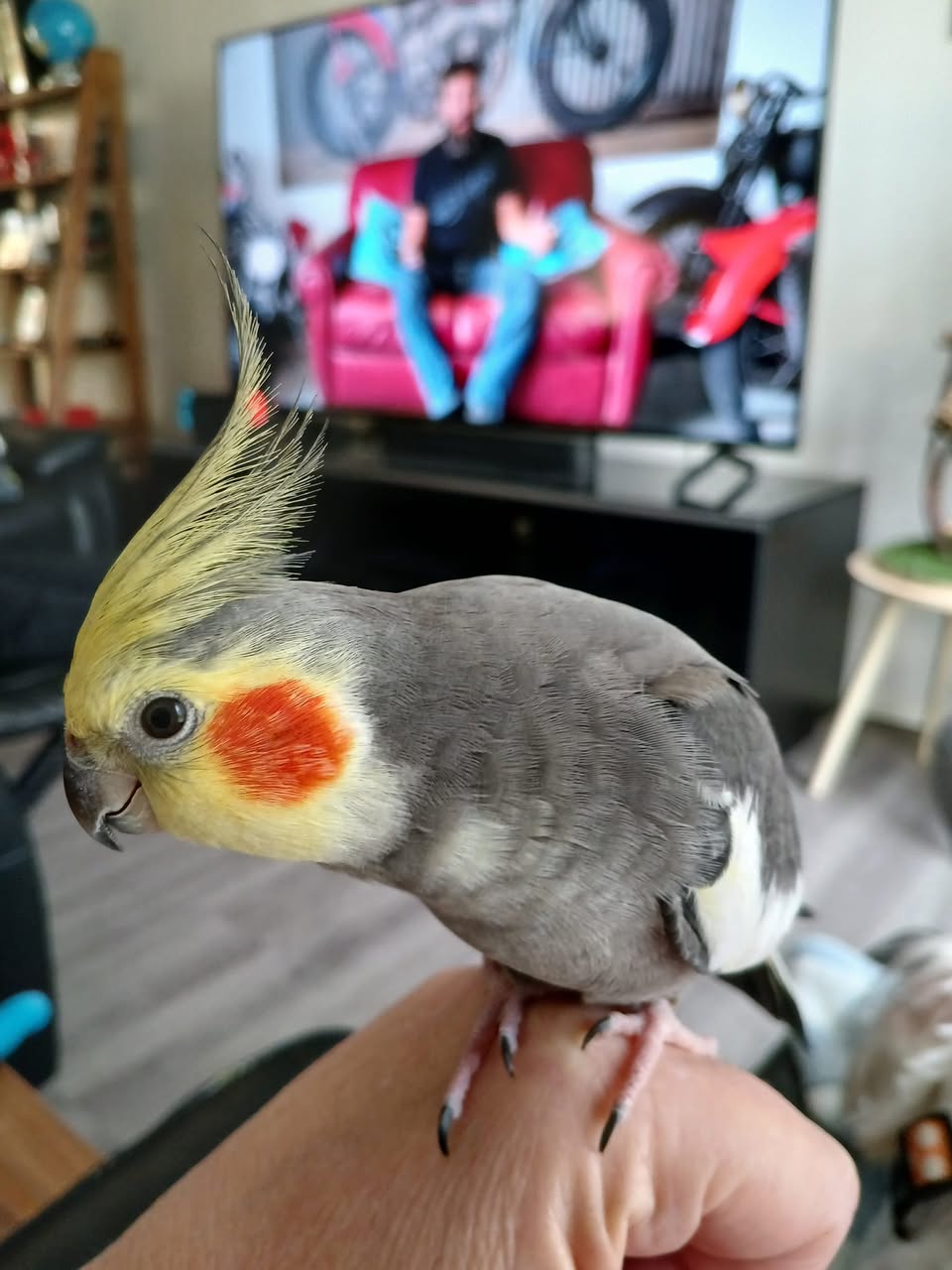
The boy stepped the cockatiel up in the shop. No hissing. The bird sat on his finger looking around the room with its crest in the relaxed half-raised position that means a confident, settled bird.
That outcome took a month of doing things differently. Not a new bird. Not special equipment. Not a difficult process. Just a correct understanding of what the hissing was saying, and the willingness to respond to it appropriately.
If you are dealing with a hissing cockatiel and want to talk it through, come and find us at Manor Garden Centre, Cheney Manor, Swindon SN2 2QJ. Get in touch here or call 01793 512400. We are here every day.
Visit Us at Paradise Pets Swindon
We stock cockatiels year-round alongside everything you need to keep them well. If you have a question about your cockatiel’s behaviour, come in and talk to us before giving up on the relationship.
⭐ Customer Reviews
Amazing Bird Selection
Had a lovley visit today,staff were very friendly and very helpful,such a great petshop,their selection of birds is incredible,really impressed,thank so much to the staff at Paradise Pets

Friendly Helpful Staff
I have been coming to this place for years and they have a great stock of food for all types of pets. Have a great selection of small mammals and a lot of birds. Staff are friendly and helpful.

Great Quality Hutch
Bought a guinea pigs hutch and run combo, very happy with the service, the hutch was put in my car for me without even asking for help. The wood quality is very good, the instructions easy to follow and we are extremely happy with the fully built hutch. A good size for 2 guinea pigs

Response from Paradise Pets | Wiltshire
Thank you Melanie Latus Nice to provide services to you.
Best Bird Shop Around
It’s the best pet shop in and around Swindon. They always have an amazing selection of birds and all you need to keep them happy. I keep birds myself and the guys there are happy to answer questions and really know their stuff. I have seen budgies etc. in chain pet shops in the area looking really unhealthy and ill – I wouldn’t go anywhere else than Paradise Pets for animals.

Highly Recommended Bird Shop
I could not praise this shop enough. Really helped my Grandson buy his first bird and he’s loving it. Travelled from Somerset and was welcomed with open arms.

Great Shop with Competitive Prices
Great shop with amazing selection for small animals, hamsters, mice ect, highly recommend!
Also has a great selection for dogs & cats too & very competitive prices! 💖

