
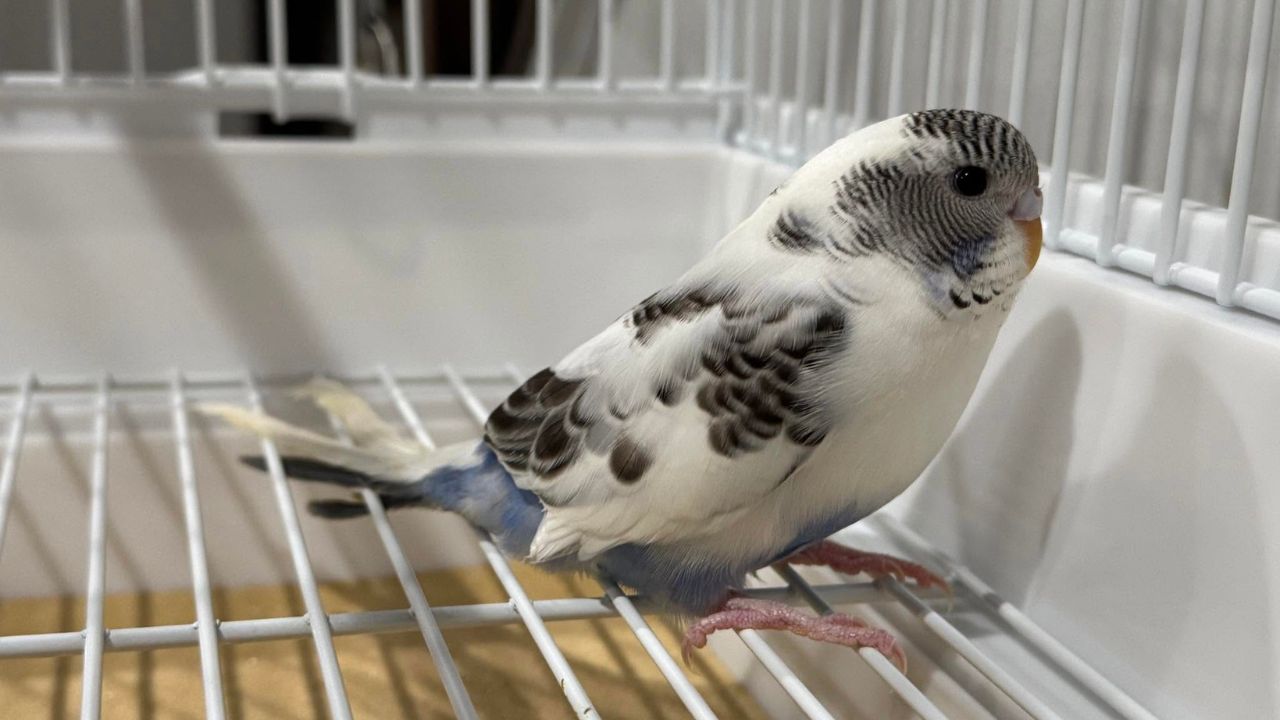

Neil has been keeping, breeding, and selling cage and aviary birds at Paradise Pets Swindon since 1988 — over 35 years of helping new owners through exactly the period this article covers. The first month with a new bird sets the pattern for everything that follows — the taming, the trust, the routine, the health. Owners who get this period right tend to have an easier, more rewarding relationship with their bird for years afterward. Owners who rush it or skip steps tend to spend much longer undoing the consequences. This is his honest, week-by-week guide to the first 30 days.
A family came into the shop on a Saturday morning, buzzing with the particular excitement that comes before bringing home a new pet. They had done their reading. They had bought the cage, the food, the toys. They were ready to take their new budgie home that afternoon and, as the mother put it, “get him settled in properly straight away.”
I asked what “properly” meant to her. She described exactly what most well-intentioned new owners describe — getting the bird home, letting him explore the cage, talking to him, offering treats by hand, perhaps even letting him out for a bit of exploration once he seemed comfortable. All within the first day or two.
I told her this was, almost word for word, the plan that produces the most difficulty in the following months. Not because any single part of it was unreasonable, but because the sequencing and the timeline were both wrong for what a newly arrived bird actually needs.
She was surprised. Most people are, because the instinct to make a new pet feel welcomed immediately is a generous one, and it feels counterintuitive that the kindest thing you can do for a frightened animal in its first days is largely to leave it alone.
Before You Bring The Bird Home — What To Have Ready
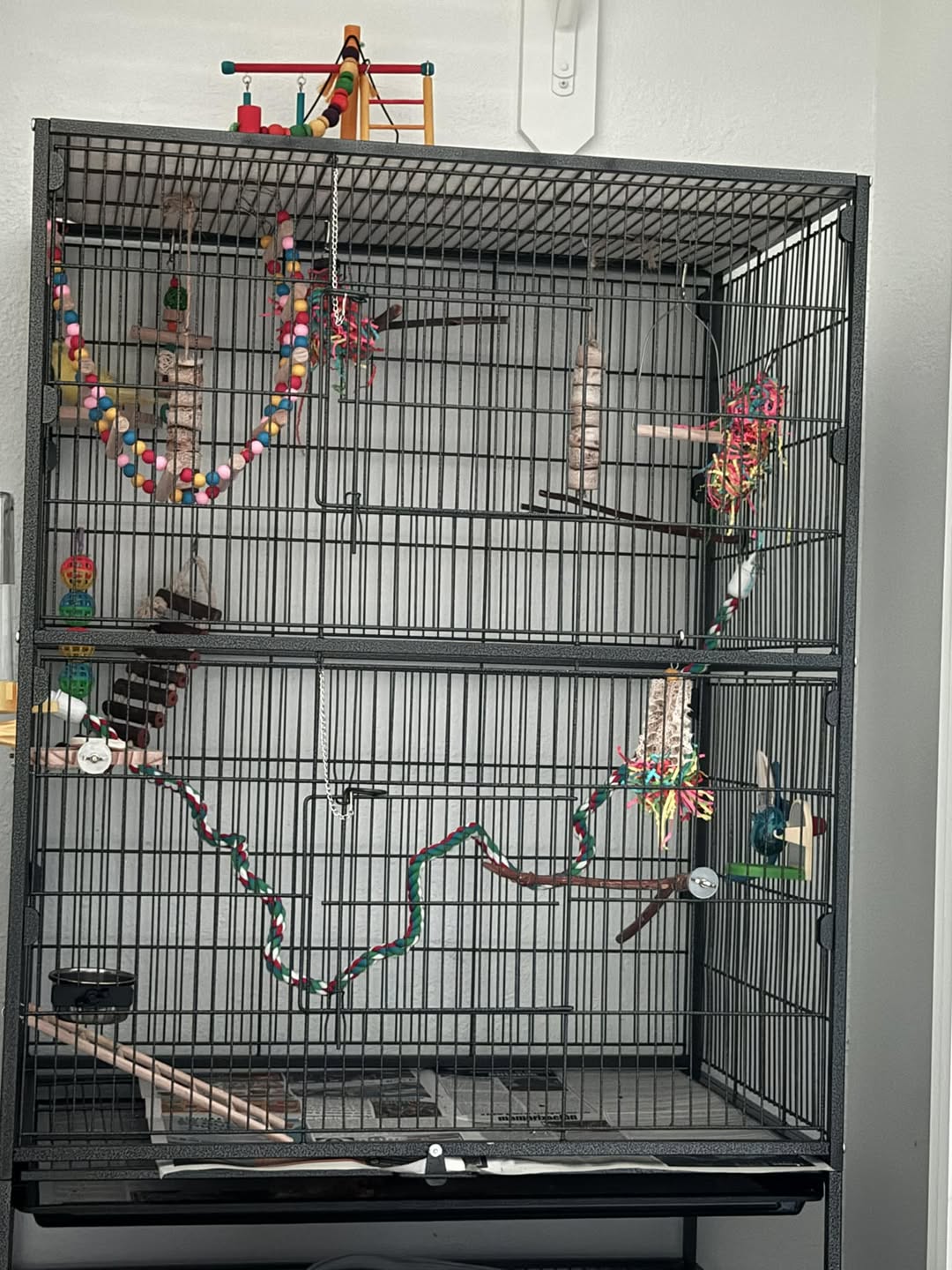
The preparation that happens before the bird arrives determines how smooth the first hours and days will be. Doing this in advance, rather than scrambling on the day, removes a significant source of stress for both you and the bird.
- The cage set up and in its final position — assembled, cleaned, and placed exactly where it will live before the bird arrives; moving a newly settled bird’s cage in the first days adds unnecessary disruption
- Appropriate perches installed — natural wood of varying diameter, positioned to allow flight between them, not just hopping
- Food and water dispensers in place and tested — check that water dispensers release water freely before the bird arrives; a faulty dispenser discovered on day three is a preventable problem
- An appropriate diet ready — quality seed mix as a base, with a plan for introducing fresh food gradually over the coming weeks; do not introduce a completely different diet from what the breeder or shop was feeding on day one
- A cage cover for overnight — covering three sides while leaving one for air circulation
- The room identified and prepared — away from kitchens, away from draughts and direct sun, in a room the household uses regularly but that is not the busiest, loudest part of the house
- A plan for the household, particularly children — agree in advance how the first days will work; enthusiastic children wanting to interact immediately is one of the most common sources of early stress for a new bird; have the conversation before the bird arrives, not in the moment
Day 1 — The Journey Home And Arrival
The journey itself and the first few hours in the new home are more significant to the bird’s experience than most new owners realise, because this is the period of maximum disruption and uncertainty from the bird’s perspective.
- Use a secure, appropriately-sized travel carrier — dark, enclosed, and well-ventilated; darkness is calming for a stressed bird during transport, not cruel; a clear box that the bird can see out of during a car journey is more stressful, not less
- Keep the journey as short and calm as reasonably possible — avoid unnecessary stops or detours; minimise loud music or conversation in the vehicle
- Transfer the bird to its cage calmly and quietly — open the carrier near the cage door and allow the bird to move across in its own time rather than tipping or forcing it out
- Do not handle the bird during this transfer beyond what is necessary — the goal is simply to get the bird from carrier to cage with minimal additional stress
- Once in the cage, step back — do not crowd the cage, do not put your hand in, do not try to interact; let the bird begin to investigate its new space without an audience pressing close
- Keep the household calm for the rest of the day — this is not the day for visitors to come and see the new bird, for children’s friends to be invited round, or for any unusual household activity; the quieter the first day, the better the start
- Offer food and water but do not hover — ensure both are accessible, then leave the bird to find them in its own time
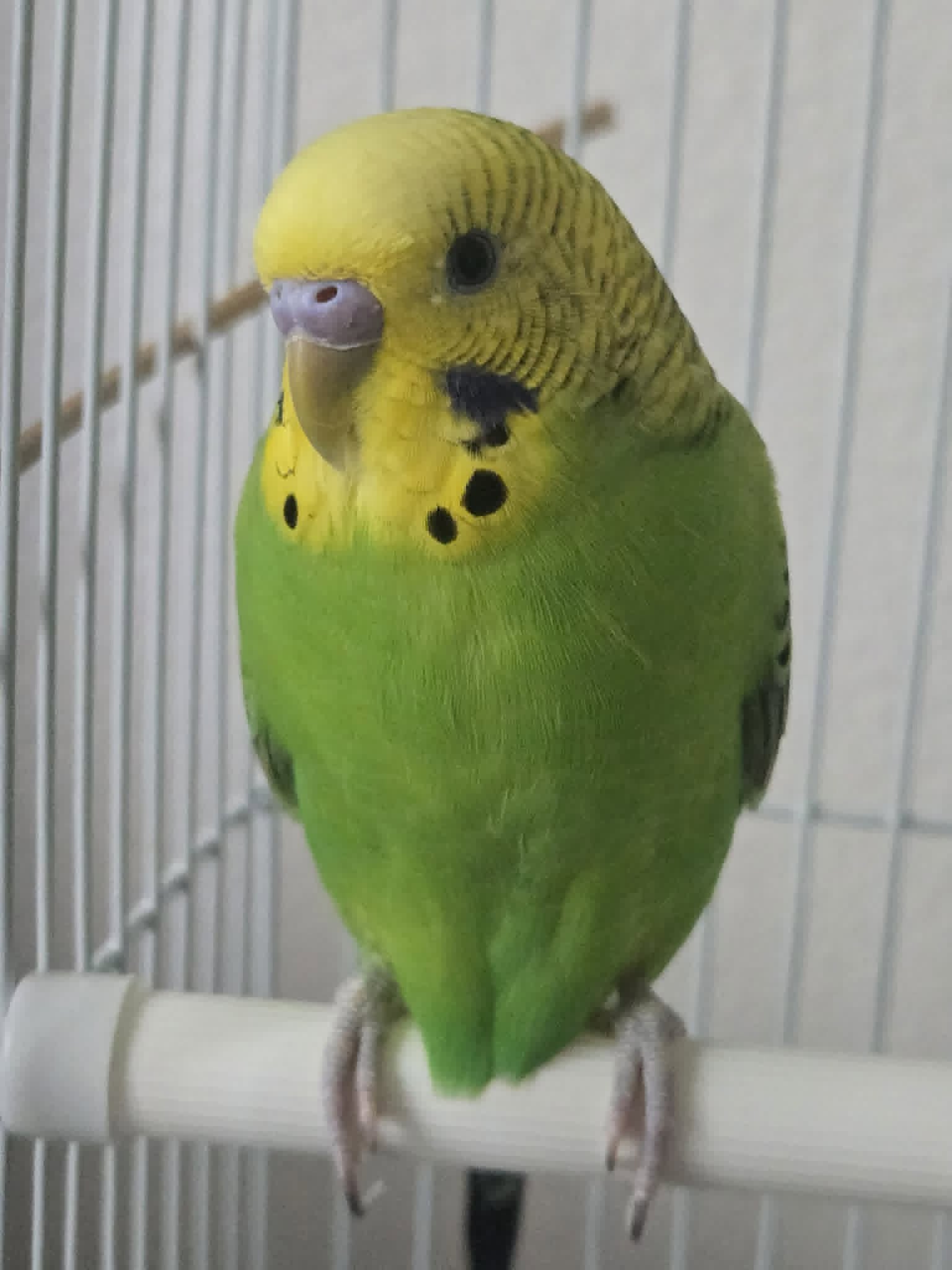
Days 2 To 7 — Settling, Not Taming
This is the period that most new owners find hardest, because it requires a level of restraint that runs against every instinct to make friends with an exciting new pet. But it is also the period that matters most for everything that follows.
- No hand in the cage at all during this week — this is the single most important rule of the first week; the cage is the bird’s only sanctuary in a completely unfamiliar environment, and a hand entering it is, from the bird’s perspective, a large predator entering its territory
- Sit near the cage regularly, doing unrelated things — read, watch television, work; be present without demanding anything; this is how the bird begins to learn that your presence is not a threat
- Talk quietly and at a normal pace near the cage — not sessions of sustained talking directly at the bird, just including it in the normal ambient sound of the household; your voice becoming familiar is genuine groundwork, even though it does not look like progress
- Maintain a consistent daily routine from day one — same approximate time for uncovering in the morning, same time for fresh food and water, same time for covering at night; predictability is calming for an animal that has just had its entire environment changed
- Observe without acting on what you observe — notice whether the bird is eating, whether it is exploring the cage, whether it watches you with curiosity or alarm; these observations tell you how settling is progressing without requiring you to intervene
- Clean the cage when necessary using tools rather than your hand where possible, or wait until the bird is more settled for anything beyond essential maintenance
- Resist all visitors wanting to see or interact with the new bird — every unfamiliar person introduced during this week adds to the bird’s adjustment load; ask family and friends to wait
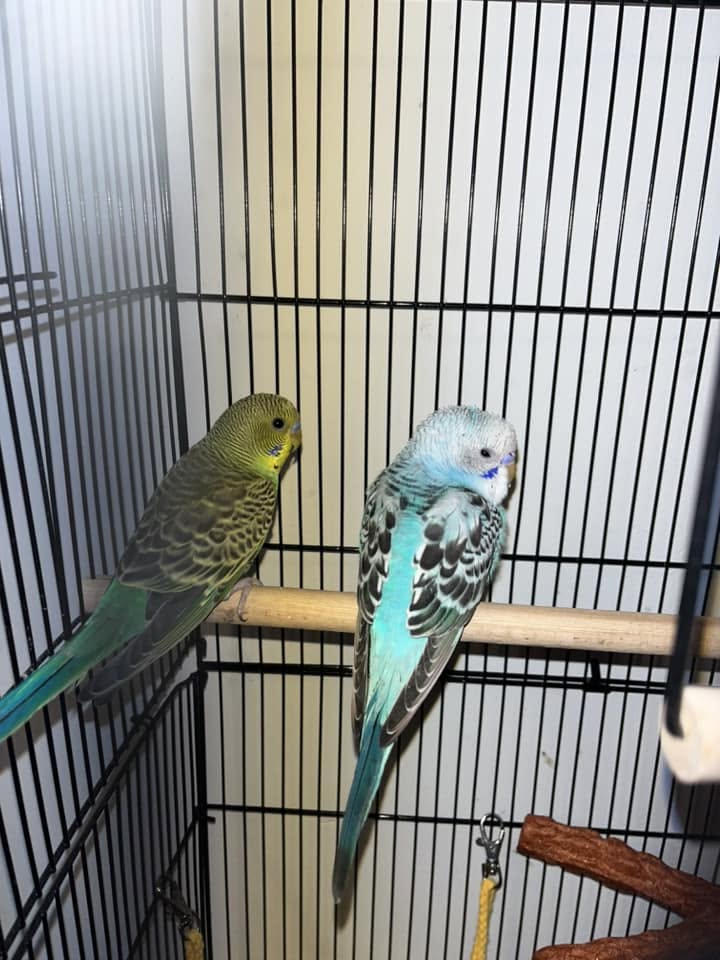
By the end of the first week, a young, healthy bird from a good source typically shows early signs of settling — eating normally with you in the room, showing interest rather than alarm when you are nearby, vocalising at least occasionally. Older birds, or birds with a more difficult start, may take longer. There is no fixed timeline; the bird’s behaviour is the guide, not the calendar.
Days 8 To 14 — Voice And Presence Deepen
If the first week has gone as it should, the second week is about deepening the foundation rather than introducing anything dramatically new. This is still primarily about building trust through consistent, low-pressure presence.
- Continue with no hand inside the cage — this remains the rule unless the bird is showing exceptionally confident, settled behaviour already, which is uncommon this early
- Begin sitting slightly closer to the cage during your regular sessions — incrementally, not dramatically; let the bird’s comfort level guide how much closer
- Use the bird’s name consistently if you have chosen one — birds learn their name within weeks when it is used consistently in a calm context
- Start to notice early positive signs — eating while you are in the room, moving toward the front of the cage when you approach rather than retreating, any vocal response to your voice; these are the markers that settling is progressing well
- Introduce the first new toy or cage accessory if appropriate — a single new item, not a wholesale rearrangement; observe how the bird responds to changes in its environment now that the baseline is more established
- Begin introducing dietary variety gradually — if the bird has been on seed-only, this is a reasonable point to start introducing small amounts of fresh greens; one new item at a time, in small quantities
Days 15 To 21 — The First Tentative Steps Toward The Hand
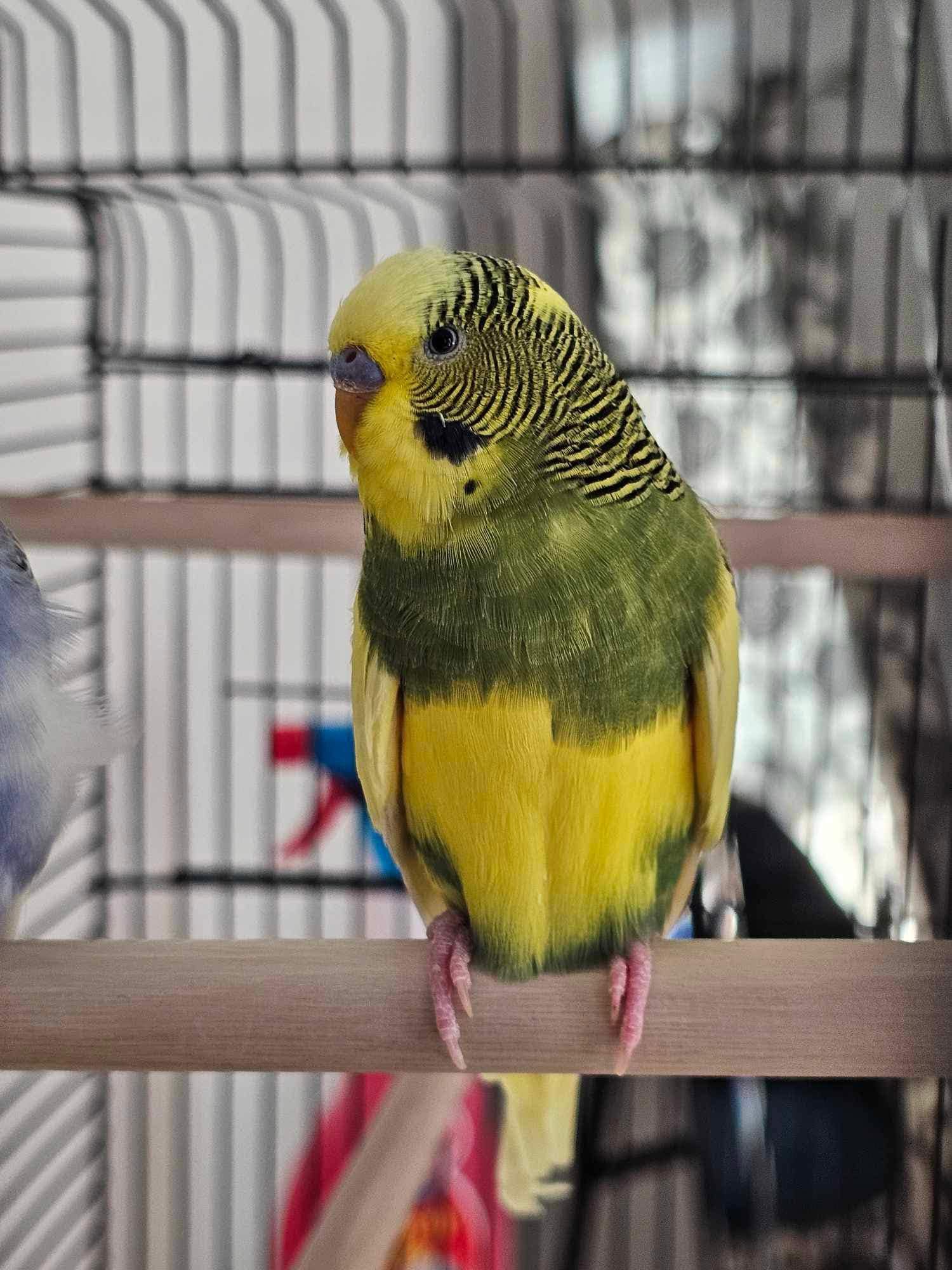
If the bird is showing consistent signs of settling — comfortable eating and vocalising with you present, approaching rather than avoiding the front of the cage — this is typically the point where the very earliest hand-related work can begin. This is not universal; some birds need considerably longer before reaching this stage, and that is entirely normal.
- Rest your hand on a surface near the cage, not inside it — let the bird observe your hand existing without consequence in its environment before it ever has to cope with a hand inside its space
- Move the hand slowly and predictably when you do move it — sudden movement undoes the calm association you are trying to build
- Begin offering millet spray through the cage bars — held at a reasonable distance initially, letting the bird choose whether and how far to approach; do not move the millet toward the bird
- Do not yet attempt to put your hand inside the cage — this comes later and only once the bird is reliably calm with your hand near the exterior of the cage
- Keep these sessions brief — a few minutes at a time, multiple times a day, rather than long sustained sessions; end each session while the bird is still calm and engaged, not after it has shown any sign of stress
Days 22 To 30 — Building Toward The First Genuine Contact
By the final week of the first month, a bird that has progressed steadily through the stages above may be ready for the first cautious hand-inside-cage work. Many birds, particularly those with a more difficult start or a more naturally cautious temperament, will need considerably longer than this — and that is not a problem to solve, it is simply the individual bird’s pace.
- Open the cage door and rest your hand at the threshold — not reaching in, simply present at the opening; let the bird assess
- If the bird is calm, offer millet just inside the door — your hand barely inside the opening, letting the bird approach the food rather than bringing the food to the bird
- Progress only if the bird shows consistent calm responses across several sessions — one calm session is not sufficient evidence to move faster; several consistent sessions are
- Do not attempt a step-up yet — this typically comes considerably later than the first month, once the bird is genuinely comfortable with your hand inside the cage across many repeated, calm sessions
- Keep your expectations realistic for this stage — by day 30, many birds are at the stage of taking food from a hand just inside the cage door; full hand-taming, with reliable step-ups and out-of-cage tameness, realistically takes several more months beyond this point
- Celebrate the genuine progress that has happened — a bird that eats normally in your presence, vocalises toward you, approaches the front of the cage, and tolerates your hand calmly inside its space has made substantial progress in 30 days, even though it is not yet “tame” in the fully hand-trained sense most new owners initially imagine
What Should Not Happen During The First 30 Days
I want to be direct about the things that most commonly go wrong during this period, because avoiding them matters as much as following the positive steps above.
- Do not attempt to tame the bird in the first week — this is the most common and most damaging mistake; it sets back the entire process by establishing the bird’s first associations with your hand as frightening rather than neutral
- Do not allow the bird out of the cage for free flight before it is settled — out-of-cage time before the bird has any relationship with you or familiarity with its space is more likely to produce a panicked, hard-to-recapture bird than a positive experience
- Do not introduce a second bird in the first 30 days unless this was always the plan from day one — if you are getting a pair, bring them home together; introducing a new bird to an already-settling single bird partway through this period adds complexity that is better avoided during the initial settling phase
- Do not rearrange the cage or move its position repeatedly — the bird needs a stable, predictable environment to settle into; frequent changes during this period undermine the consistency that settling depends on
- Do not allow excessive household disruption near the cage — loud parties, excitable visitors, children’s friends crowding round; all of these add stress during a period when minimising stress is the priority
- Do not compare your bird’s progress to other birds or to advice that promises faster results — every individual bird’s pace is different; pushing to match someone else’s timeline, or an online claim of taming within days, produces worse outcomes than respecting your specific bird’s pace
- Do not skip the early health check — see below; this is the one thing that should happen early rather than being deferred along with the handling
The One Thing You Should Do Early — A Vet Check
While almost everything in this article argues for patience and a slow approach to interaction, there is one exception that should happen promptly rather than being deferred: an initial veterinary check.
- Book a vet check within the first one to two weeks — ideally with a vet experienced in avian or exotic species; this establishes a health baseline and catches any issues early, before they have a chance to develop further
- This does not require extensive handling beyond what the vet needs to do — a competent avian vet handles birds with practiced calm and minimal stress; this single, brief, professional handling session does not undo the settling work you are doing at home
- Bring any information from the breeder or previous source — age, any known health history, what the bird has been eating; this helps the vet’s assessment
- Use this visit to ask any questions specific to your bird — an experienced avian vet can offer guidance tailored to the individual animal in front of them, which is valuable alongside the general guidance in this article
Setting Up The Right Environment From Day One
Several of the environmental factors that matter for a bird’s long-term health are easiest to establish correctly from the very beginning, rather than corrected later once habits and positioning are established.
- Cage position — draught-free, away from direct sun, away from the kitchen, at a height around eye level or above; getting this right from day one avoids the disruption of moving a settled bird’s cage later
- Cage size — adequate for actual flight, not just movement between adjacent perches; if the cage that came as part of a starter kit is too small, consider upgrading before the bird becomes too attached to a space that will need changing
- Lighting and dark hours — consistent daily light exposure, with 10 to 12 hours of genuinely dark, quiet covered time overnight from the very first night
- Temperature stability — a consistent room temperature, avoiding draughts and avoiding direct heat sources; establishing this from day one means the bird never has to adjust to a change later
A Realistic Week-By-Week Summary
| Period | What Happens | What You Do |
|---|---|---|
| Day 1 | Arrival and initial settling into the cage | Calm transfer, then step back. No handling, minimal interaction. |
| Days 2–7 | The bird begins learning its environment is safe | Presence without pressure. No hand in the cage. Consistent routine. |
| Days 8–14 | Voice familiarity deepens; early positive signs may appear | Sit slightly closer. Use the bird’s name. Begin small dietary variety. |
| Days 15–21 | If settling well, first hand-near-cage work can begin | Hand near but not inside cage. Millet through bars. Brief sessions. |
| Days 22–30 | Possible first hand-inside-cage interactions for well-settled birds | Hand at threshold, then briefly inside if bird is consistently calm. |
| Within weeks 1–2 | Health baseline established | Book and attend an avian vet check. |
| Beyond day 30 | Continued taming progress, realistically over several more months | Continue the same patient, incremental approach at the bird’s pace. |
Frequently Asked Questions
How long should I leave a new bird alone before trying to handle it?
At minimum, the first full week with no hand inside the cage at all. Many birds need considerably longer than this before any hand-related work should begin — the bird’s behaviour, not a fixed number of days, should guide your pace. Rushing this period is the most common mistake new owners make and it produces a harder, longer road to genuine taming than a patient approach does.
Is it normal for a new bird to be quiet and not eat much in the first few days?
Some reduction in vocalisation and activity in the first day or two is common as the bird adjusts to a completely new environment. However, a bird that is not eating at all, or that shows signs of significant distress beyond normal caution, should be assessed promptly — do not assume every change is simply settling-in if the bird seems genuinely unwell rather than simply cautious. If in doubt, contact a vet rather than waiting.
Should I let my new bird out of the cage in the first week?
No. Out-of-cage time before the bird has any familiarity with its new environment or any relationship with you is more likely to produce a frightened, hard-to-recapture bird than a positive experience. Wait until the bird is showing settled, confident behaviour within the cage before considering supervised out-of-cage time, which for most birds is realistically several weeks away at minimum.
When should I take my new bird to the vet?
Within the first one to two weeks. This is the one part of the early process that should happen promptly rather than being delayed along with the handling and taming work. An avian-experienced vet can establish a health baseline and catch developing issues early. The brief, professional handling involved in a vet visit does not undo the patient settling work happening at home.
My new bird seems frightened of me even after two weeks. Is something wrong?
Not necessarily. Individual birds vary considerably in how quickly they settle, and two weeks is still early in the process for many birds, particularly those with a more cautious temperament or a more difficult start before they came to you. Continue with the patient, low-pressure approach described in this article. If there is no improvement at all in the bird’s basic comfort — still not eating normally with you present, still showing high alarm at your presence after several weeks — a vet check is worth having to rule out any health-related explanation, alongside continuing the behavioural approach.
Can I introduce a second bird during the first 30 days?
If you are planning to keep a pair, the simplest approach is to bring both birds home together from the start, so neither has to go through a settling period alone before adjusting to a new companion. Introducing a second bird partway through an existing bird’s settling process adds a layer of complexity that is generally better avoided — let the first bird settle, then plan the introduction of a companion as a separate, carefully managed process.
How do I know if my new bird is settling in well?
The clearest early signs are eating and drinking normally while you are in the room, showing curiosity rather than alarm when you approach, moving toward the front of the cage rather than away from it, and any vocal response to your voice or presence. These signs typically build gradually over the first one to three weeks. Steady, gradual improvement is the pattern to look for, more than any single dramatic milestone.
Where can I get advice about settling in a new bird in Swindon?
Come in to Paradise Pets at Manor Garden Centre, Cheney Manor Industrial Estate, Swindon SN2 2QJ — or call us on 01793 512400. We are happy to talk through your specific bird’s progress and answer any questions about the settling process. The advice is free and has been for 35 years.
One Last Thing From Me
The family who came in that Saturday morning, with their plan to get their new budgie settled in properly straight away, took the slower approach instead. The mother rang about three weeks later, partly to update me and partly, I think, because she wanted to talk through how it was going with someone who would understand the details.
The bird was eating normally with the family in the room within the first week. By the second week it was coming to the front of the cage when the children approached. By the third week — slightly ahead of the general timeline, which happens with some birds — it was taking millet through the bars regularly.
“The kids found the first week really hard,” she admitted. “They wanted to hold him straight away. But we explained why we weren’t going to, and they got into watching him settle instead, which they actually found pretty interesting.”
That is, in miniature, the whole argument of this article. The first 30 days are not about achieving taming as quickly as possible. They are about building the foundation that makes taming — and everything that follows in the bird’s life with your family — considerably easier and more genuine than it would otherwise be. The patience asked of you in those early weeks is not a delay imposed on the relationship. It is the first and most important part of it.
If you are bringing a bird home soon, or have just brought one home, and you are not sure whether you are on the right track — ring us. Describe where you are in the process and what you are seeing. We will tell you honestly whether it sounds like normal settling or whether something needs adjusting.
Bringing A New Bird Home? Come And Talk To Us First
Whether you are about to get a bird or have just brought one home, come in or ring us. We can talk through the setup, the settling process, and what to expect in the weeks ahead. Free advice, no obligation. That is how we have done things here for 35 years.
⭐ Customer Reviews
Amazing Bird Selection
Had a lovley visit today,staff were very friendly and very helpful,such a great petshop,their selection of birds is incredible,really impressed,thank so much to the staff at Paradise Pets

Friendly Helpful Staff
I have been coming to this place for years and they have a great stock of food for all types of pets. Have a great selection of small mammals and a lot of birds. Staff are friendly and helpful.

Great Quality Hutch
Bought a guinea pigs hutch and run combo, very happy with the service, the hutch was put in my car for me without even asking for help. The wood quality is very good, the instructions easy to follow and we are extremely happy with the fully built hutch. A good size for 2 guinea pigs

Response from Paradise Pets | Wiltshire
Thank you Melanie Latus Nice to provide services to you.
Best Bird Shop Around
It’s the best pet shop in and around Swindon. They always have an amazing selection of birds and all you need to keep them happy. I keep birds myself and the guys there are happy to answer questions and really know their stuff. I have seen budgies etc. in chain pet shops in the area looking really unhealthy and ill – I wouldn’t go anywhere else than Paradise Pets for animals.

Highly Recommended Bird Shop
I could not praise this shop enough. Really helped my Grandson buy his first bird and he’s loving it. Travelled from Somerset and was welcomed with open arms.

Great Shop with Competitive Prices
Great shop with amazing selection for small animals, hamsters, mice ect, highly recommend!
Also has a great selection for dogs & cats too & very competitive prices! 💖

