
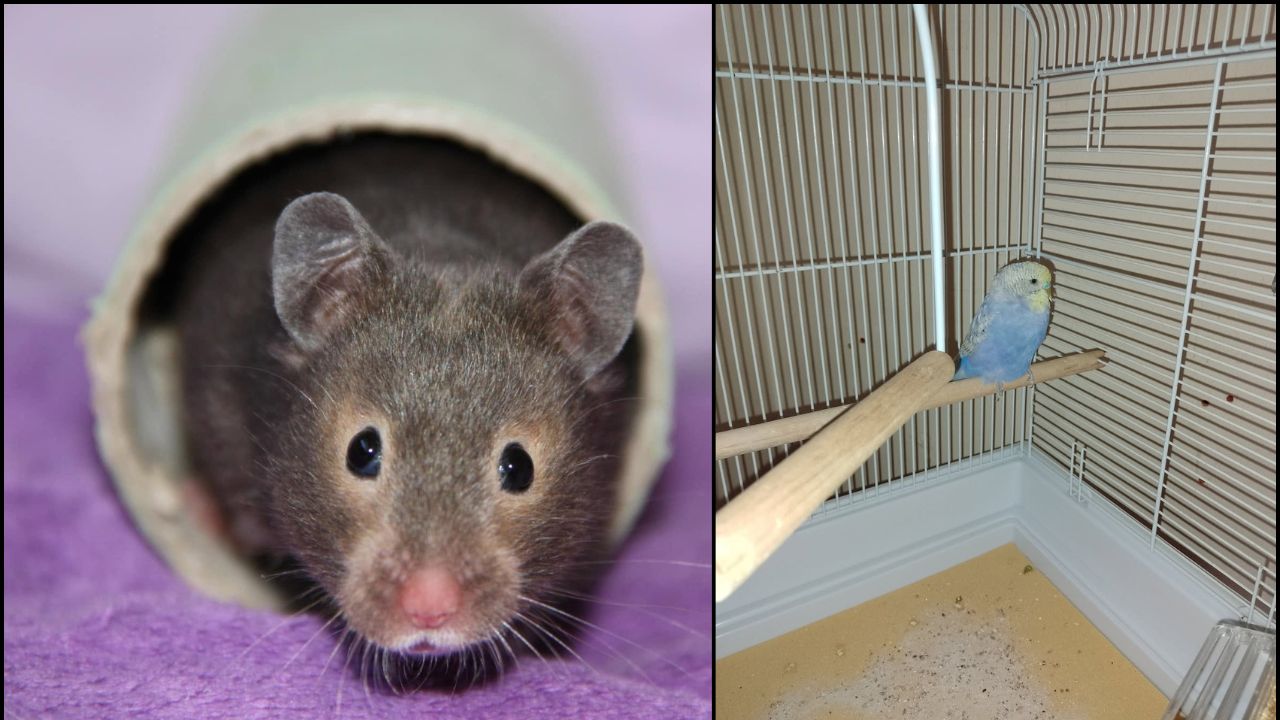

Neil has run Paradise Pets Swindon since 1988 — over 35 years of buying, raising, and selling small animals. The question of price comes up almost every week — “why should I pay for one here when I can get one for free?” This is his honest, practical answer, based on three and a half decades of seeing what happens to UK families who took the cheaper route versus those who paid the proper price.
A father came in with his daughter last summer. She wanted a hamster. He had done his research, as most parents do now, and he had found hamsters being given away locally for nothing. He wanted to know, very reasonably, why he should pay for one here when he could get one for free down the road.
It is a fair question. I have never minded being asked it, because the answer is not complicated — it just requires knowing a few things that most people do not.
I told him — the price is not for the animal. The price is for everything that happened to the animal before it arrived in front of you.
He bought the hamster. He came back a few months later to tell me it was doing well. He also mentioned that a friend of his had taken one of the free hamsters from the same ad. That animal had been unwell within a fortnight and had died within six weeks.
I am not telling that story to be unkind about free animals or the people who offer them. I am telling it because it illustrates, very directly, what the price difference actually represents — and why understanding it matters more than most UK families realise before they choose.
This article is the conversation I have at the counter with families weighing this question. By the end of it, you will understand what actually goes into the price of a properly-sourced pet shop animal, what “free to good home” usually means in practice, how the costs move rather than disappear, what questions to ask wherever you buy, and how to make the decision in a way you will not regret.
What “Free to Good Home” Usually Means
I want to be careful here, because I am not saying that every free animal is unhealthy or that everyone offering animals for free is being irresponsible. Some free animals come from genuinely good situations — a litter that was unplanned, an owner who can no longer keep an animal and wants to find it a good home rather than a financial transaction.
But the category as a whole carries risks that are worth understanding clearly.
The most significant is health history. When you take an animal from a private individual, you are almost always taking it with no verified health background. You do not know what it has been fed. You do not know whether it has been checked by a vet, or when. You do not know the conditions it has been kept in, the health of the animals it has been housed near, or whether the person offering it has the knowledge to recognise that the animal is unwell.
The second issue is age. Animals offered free are frequently older than advertised, or at the end of a breeding cycle, or being moved on precisely because something about them has become inconvenient. None of this is always true. But it is true often enough that it matters.
The third issue is breeding. Free animals are rarely from pairs with any thought given to genetic health, temperament, or the avoidance of hereditary problems. Again — this is not universal. But it is common.
The patterns I see at the counter when UK families come in with free animals that have gone wrong:
- Respiratory infections within the first few weeks — often from animals kept in damp or unsuitable conditions
- Mites, parasites, or skin conditions — common in animals housed without proper care
- Behavioural problems — animals that were not handled or socialised properly during critical periods
- Pregnancy — yes, this happens regularly with “free” small animals, particularly females presented as males
- Wrong species identification — dwarf hamster sold as Syrian, gerbil pair sold as same-sex when they are not
- Genetic problems — congenital issues in animals from related parents
- Aggression toward handling — animals never properly tamed
- Wrong age — particularly older animals presented as young
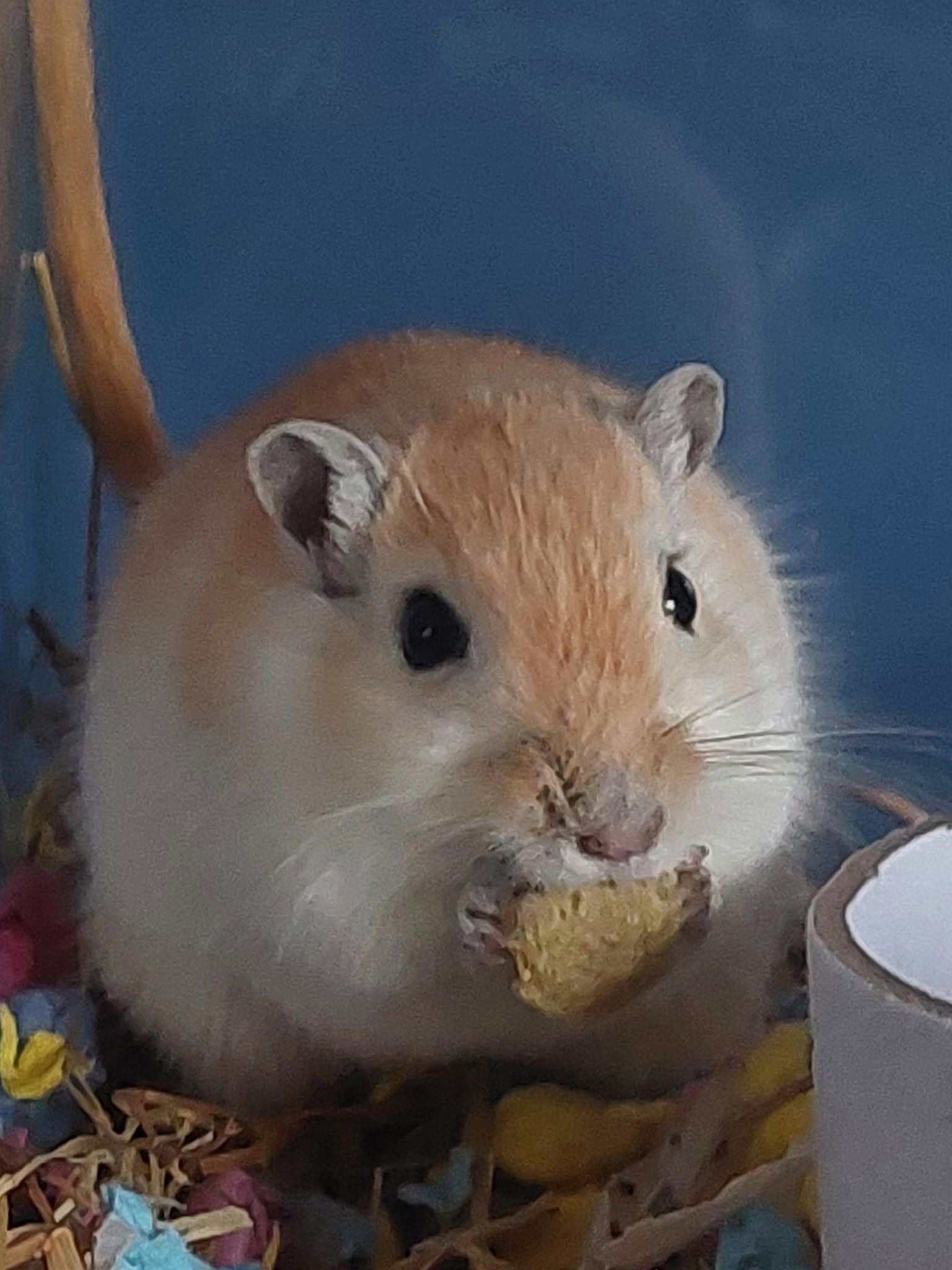
What Actually Goes Into the Price of a Shop Animal
I can only speak directly for what we do here, but the principles apply across reputable shops across the UK. After 35 years of running Paradise Pets, here is exactly what the price covers.
Sourcing From Known Breeders
Every animal we sell comes from a breeder we know. Not a supplier we found online. Not an intermediary. A person whose animals we have seen, whose setup we understand, and whose practices we are satisfied with. Building those relationships takes years. Maintaining them means turning down cheaper sources when the quality is not right.
That sourcing work has a cost. It means we sometimes cannot get the volume we could get if we were less particular. It means we pay more per animal than shops that buy from whoever is cheapest. That cost is in the price.
Veterinary Checks
Animals that come to us are checked. Health problems that are identified are dealt with before any animal goes on sale — or the animal does not go on sale. Animals that are unwell are not sold on the basis that the buyer will sort it out. They are treated, recovered, and then sold, or they are not sold at all.
A vet check costs money. Treatment costs money. The time an animal spends in our care before it is ready to sell costs money. None of this is visible when you look at an animal in a cage. But it is in the price.
Diet and Nutrition During the Critical Early Weeks
The weeks an animal spends with us are not dead time. Young animals are being fed correctly — species-appropriate diets, fresh food, the right balance of nutrients during a period when nutrition has a lasting effect on development and long-term health.
A hamster fed on good quality mixed diet during its early weeks is genuinely different, in health terms, from one fed on whatever was cheapest or most convenient. You will not see this difference immediately. You will see it across the animal’s lifespan.
Housing and Welfare Standards
Our animals are housed in appropriate conditions — correct cage sizes, appropriate bedding, enrichment, separation of animals that should not be housed together, temperature and lighting that support normal behaviour. These standards cost money to maintain.
The person giving away hamsters from a single cage in a shed is not bearing those costs. The costs do not disappear — they are simply not being paid. The animal carries the consequences.
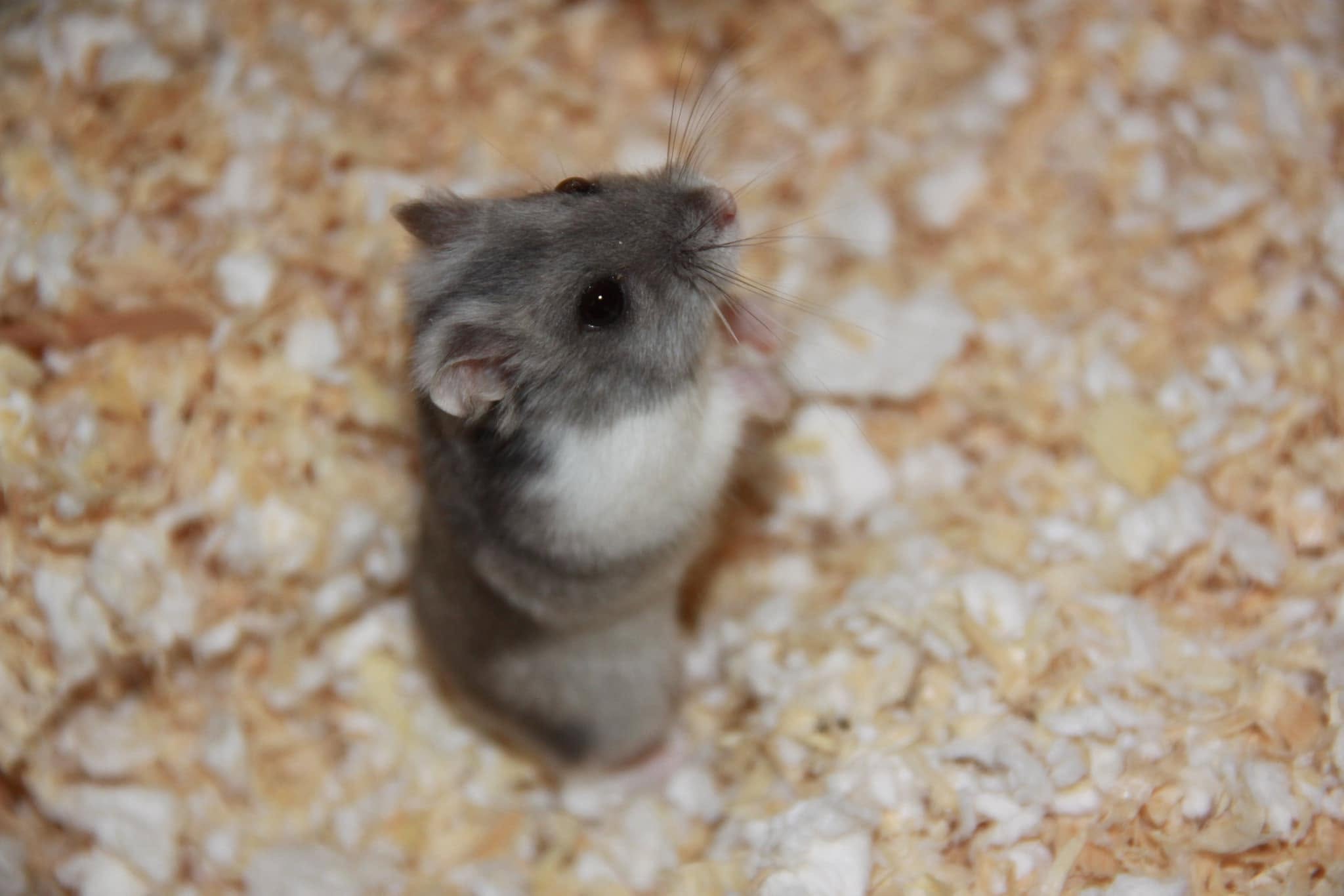
Staff Knowledge
When you ask us a question about the animal you are buying, you are getting an answer from people who actually know the answer. Not guesswork. Not what someone read online last week. Knowledge built from years of working with these animals, dealing with their health problems, understanding their behaviour, knowing what goes wrong and why.
That knowledge is part of what you are paying for. And when something goes wrong six months after you take the animal home and you come back in to ask what you should do, it is still there.
The Costs That Move, Not Disappear
This is the point I come back to most often at the counter, because it is the one that genuinely changes the calculation for UK families who think it through clearly.
When an animal is free, the costs of responsible sourcing, veterinary care, proper nutrition, and appropriate housing have not been eliminated. They have simply not been paid. Which means they are still coming — they are just going to be paid by you, after the fact, if and when the consequences of those omissions appear.
A hamster from a well-managed source that lives two and a half years costs you the purchase price plus your ongoing care.
A hamster from an unknown source that develops a respiratory infection at eight weeks, requires veterinary treatment, and dies at four months costs you nothing upfront and a great deal more across the whole experience — in vet bills, in your time, and in the distress of a child who has lost a pet far sooner than they should have.
The free animal is not always the cheaper animal. It is the animal where the costs are deferred and uncertain rather than paid upfront and known.
| Cost Type | Reputable Shop Animal | Free Or Cheap Source Animal |
|---|---|---|
| Purchase price | Paid upfront, transparent | Nothing or minimal upfront |
| Sourcing verification | Known breeder, traceable | Unknown, often anonymous |
| Initial vet check | Done before sale, included | Not done, you pay or skip |
| Early-life nutrition | Proper diet during critical weeks | Often whatever was cheapest |
| Housing during early weeks | Welfare-standard conditions | Variable, often inadequate |
| Health history available | Yes, full transparency | Usually none |
| Ongoing expert advice | Available after purchase, free | None — you are on your own |
| Risk of early illness | Low — properly checked | Significantly higher |
| Typical first-year vet costs | Routine only, predictable | Often substantial unexpected bills |
| Total cost over lifespan | Higher upfront, lower lifetime | Lower upfront, often higher lifetime |
After 35 years, I can confirm — the families I see come back with hamsters thriving at two years and gerbils thriving at three are almost always the ones who paid the proper price at the start. The families I see come back distressed in the first three months are almost always the ones who took a free or cheap unknown animal.
What to Ask, Wherever You Buy
I am not asking you to take my word for any of this. I am asking you to ask the right questions — of us, and of anyone else you consider getting an animal from.
- Where did the animal come from?
A specific answer — breeder name, location, type of setup — not vague reassurance. - Can you tell me about the breeder or original source?
A reputable seller will know this. An unknown source will not. - Has the animal been checked by a vet?
Yes or no, when, and what was found. Specifics matter. - What has the animal been eating during your care?
Quality diet versus whatever was cheapest changes long-term health significantly. - How old is the animal exactly?
Most UK pet shop animals should be 6-10 weeks at point of sale for small mammals. - What sex is the animal?
Confident answer with reasoning. Free sources frequently get this wrong. - What conditions has the animal been kept in?
Cage size, bedding, with what other animals, temperature. - What signs of health and illness should I watch for?
A knowledgeable source will explain this in detail. Lack of knowledge here is a warning sign. - Can I come back if I have problems or questions?
A reputable source welcomes follow-up. An unwilling one tells you something. - What happens if the animal becomes unwell within the first few weeks?
Good shops will help. Free sources almost never will.
A reputable source will answer these questions without hesitation, with specific information rather than vague reassurances. If the answers are unclear, incomplete, or if the questions are met with defensiveness, that tells you something.
This applies to pet shops as much as it applies to private sellers. Not every pet shop operates to the same standard. The questions are the same either way.
The Rehoming Question
There is a version of this conversation that involves genuine rehoming — an animal that needs a new home through no fault of its own, from an owner who has cared for it well but can no longer keep it.
That is a different situation from the typical free-to-good-home ad, and it deserves to be treated differently. A genuinely well-kept animal from a responsible previous owner, coming with a real health history and an honest account of its care, can be a very good option.
The way to tell the difference is the same as above — ask the questions and see what the answers look like. An owner who has genuinely cared for an animal will know what it has been eating, when it was last checked, what its normal behaviour looks like, and what its history is. An owner who has not will not.
Signs of genuine rehoming versus problem rehoming:
- Genuine rehoming — clear reason for the move (life change, moving abroad, allergy), detailed health history available, animal arrives with proper equipment and food, owner asks YOU questions about your suitability
- Genuine rehoming — owner offers to take animal back if it does not work out, willing to share vet records, knows the animal’s habits in detail
- Problem rehoming — vague reason for the move, no health history, “just needs to go” urgency, no questions asked of you, animal arrives with minimal equipment
- Problem rehoming — owner cannot answer specific questions about the animal’s care, evasive about how long they have had it, no vet record
Rehoming from a rescue or shelter also falls into a different category, and is something I would encourage UK owners to consider for the right species and situation. Shelters are typically transparent about health history and behavioural information, and the animals have usually been assessed.
The True Cost Comparison — Over A Pet’s Lifetime
For UK families who want to think honestly about the financial comparison, here is the realistic picture across a typical pet’s lifetime. These are not abstract numbers — these are what I see happen at the counter year after year.
The maths is genuinely simple. A £20 difference at the time of purchase is rarely the biggest financial factor in pet ownership. The unexpected vet bills, the shortened lifespans, the equipment that has to be replaced because the first version was wrong for the actual animal — these dwarf the initial price difference almost every time.
A Word on Price and Value
I want to be direct about one more thing, because it comes up in the conversation sometimes in a way that I think is worth addressing.
The price of an animal from a reputable source is not set to extract as much as possible from people who love animals. It is set to cover the real costs of doing things properly. In 35 years, I have never made significant money on the animals themselves. The margin on a hamster or a budgie, once sourcing, vet costs, housing, feeding, and staff time are accounted for, is not large.
What the price represents is a minimum floor below which the costs of proper care cannot be paid. An animal offered at well below that floor — or for nothing — has those costs missing somewhere. It is worth knowing where they went.
For more on choosing the right pet for your household, our guide on what pets are best for children covers the wider decision picture, and our article on the 5 best small pets for UK families goes into the species comparison in detail.
Common Mistakes UK Families Make
For balance, here are the genuine mistakes I see at the counter when UK families weigh this decision. Avoiding these helps you make a better choice.
- Focusing only on the purchase price, not lifetime cost — purchase price is rarely the biggest expense
- Assuming all “free to good home” ads are equivalent — they vary enormously in quality
- Not asking the source the right questions — accepting vague reassurances
- Believing pet shops are profit-driven on the animals themselves — margins are small once proper care is paid for
- Skipping the vet check on a free animal — costs more later, almost always
- Not budgeting for the ongoing costs — food, bedding, vet care over years
- Bringing children to choose, then committing emotionally before checking source — child attachment makes leaving without buying very hard
- Confusing “rescue” with “random free animal” — they are genuinely different situations
- Comparing prices without comparing what is included — knowledge, follow-up, health verification have value
- Assuming the cheaper option is the kinder one — it often is not, for the animal
The single most common mistake I see is owners who focus exclusively on the purchase price difference without considering what that price actually represents. A £20 saving at point of purchase that becomes a £200 vet bill three months later is not a saving — it is just a delayed payment with extra suffering for the animal.
What To Do If You Are Genuinely On A Budget
For UK families where the price difference genuinely matters — and I understand that for many households it does — here are the honest options that can work without compromising on welfare.
- Save toward a properly-sourced animal
A few weeks of putting money aside often makes the difference between £25 and £50 manageable. - Consider rescues from established UK shelters
RSPCA, local rabbit rescues, small animal rescues. Animals are usually assessed, often less than shop prices, and the welfare case is genuinely good. - Wait for a species that costs less to acquire
A budgie is significantly cheaper than a parrot. A hamster pair is cheaper than rabbits. Pick the species that matches your budget honestly. - Reduce setup costs by buying equipment second-hand
Cages, water bottles, exercise wheels can often be bought second-hand for a fraction of new prices. - Choose carefully even when budget is tight
A cheap source with hidden problems will cost more than a proper source. The budget calculation needs the whole picture. - Ask shops about payment plans or holding arrangements
Some shops can hold an animal while you save up, or accept staged payments. Worth asking. - Be honest about whether now is the right time
If the budget is really stretched, it may be worth waiting until the situation eases. Animals need ongoing investment, not just initial purchase. - Avoid emotional purchase pressure
Bringing children to “look” often becomes emotional commitment. Look first without them; buy with them only when you have decided.
The point is not that everyone has to buy expensive animals from premium shops. The point is that the choice of source matters more than the saving on price — and that there are genuine budget-friendly routes that do not compromise on the animal’s welfare or your long-term experience.
Frequently Asked Questions
Are all free animals unhealthy?
No — not all of them. Some genuinely come from good situations. But without being able to verify the source, health history, diet, and conditions, you are taking on uncertainty that does not exist when you buy from a source that can account for all of those things. The risk is not guaranteed — it is simply unquantifiable, and that matters when an animal’s wellbeing is at stake.
What if I cannot afford a pet shop price?
That is an honest situation and worth thinking about honestly. The purchase price is typically the smallest cost involved in keeping an animal. Food, housing, bedding, and veterinary care over a lifespan will usually cost significantly more than the initial purchase. If the purchase price is a stretch, it is worth considering whether the ongoing costs are manageable before committing. Rescues, saving up, or waiting for a more affordable species are all genuine alternatives.
Do pet shops mark up prices unfairly?
A reputable shop does not, in my experience — not on the animals themselves. The price reflects the costs described in this article. Shops that cut costs by sourcing poorly, skipping health checks, or housing animals inadequately can undercut on price, but the saving is coming from somewhere, and that somewhere is usually the animal’s welfare and your risk. The honest margin on small animals at a properly-run pet shop is quite modest.
Is a rescue shelter a better option than buying?
For some species and some situations, yes, absolutely. Shelters are generally transparent about what they know and what they do not. The animals have usually been assessed. And there is a real case to be made for giving an animal that needs a home a good one. It depends on the species, the shelter, and what you are looking for. For UK families considering this seriously, established rescues like the RSPCA and species-specific rescue groups are excellent starting points.
How do I know if a pet shop is reputable?
Ask questions and watch how they are answered. A reputable shop will tell you where animals come from, what they have been eating, when they were checked, and what the normal signs of health and illness look like for that species. Staff should have knowledge, not just enthusiasm. The housing should be appropriate, clean, and not overcrowded. If a shop cannot or will not answer these questions specifically, look elsewhere — regardless of how appealing the prices are.
What questions should I ask about a free animal?
The same ones you should ask anywhere — where did it come from, what has it been eating, has it seen a vet, what conditions has it been kept in, how old is it, what sex is it. The difference is that a free source is much more likely to either not know or be evasive. The willingness and ability to answer these questions specifically is the key indicator of source quality.
Where can I get honest pet purchase advice in Swindon?
Come and see us at Paradise Pets, Manor Garden Centre, Cheney Manor, Swindon SN2 2QJ. We will give you honest advice on whether buying from us is right for your situation, what to look for elsewhere, and how to approach the decision properly. We have turned away as many sales as we have made when the match was not right. Ring us on 01793 512400. The advice is free and we have been doing this for 35 years.
One Last Thing
The father who came in with his daughter last summer did not come back to tell me I had been wrong. He came back to tell me the hamster was doing well, and to buy more supplies.
He also told me what had happened to his friend’s free hamster. He was not angry about it. He just understood, with the clarity that comes from experience, what the price difference had actually meant.
That is what I want for every UK family who walks through the door. Not a sale. An animal that does well, in a home that is prepared for it, with owners who understood what they were taking on. After 35 years at the counter, I have come to see this as the most important thing we can offer — not the cheapest animals, but the most honest information about what the choice actually involves.
If you are reading this with a decision to make, please ask the questions. Of us, of any seller, of any source. The willingness to answer those questions clearly and specifically tells you almost everything you need to know — about the animal, about the source, and about what you are likely to experience over the next two or three years of pet ownership. Free is not always cheap. Expensive is not always worth it. The thoughtful question is what separates the two.
If you want to talk through any of this before you decide, come and find us at Manor Garden Centre, Cheney Manor, Swindon SN2 2QJ. Get in touch here or call 01793 512400. We have honest conversations about this every week, and we are always glad to have them.
Want Honest Advice Before You Buy A Pet? Come And See Me
We stock small animals year-round from verified sources, but more importantly we give honest advice on whether you should buy from us or look elsewhere for your situation. Free advice based on 35 years of seeing what works and what does not. That is how we have done things since 1988.