
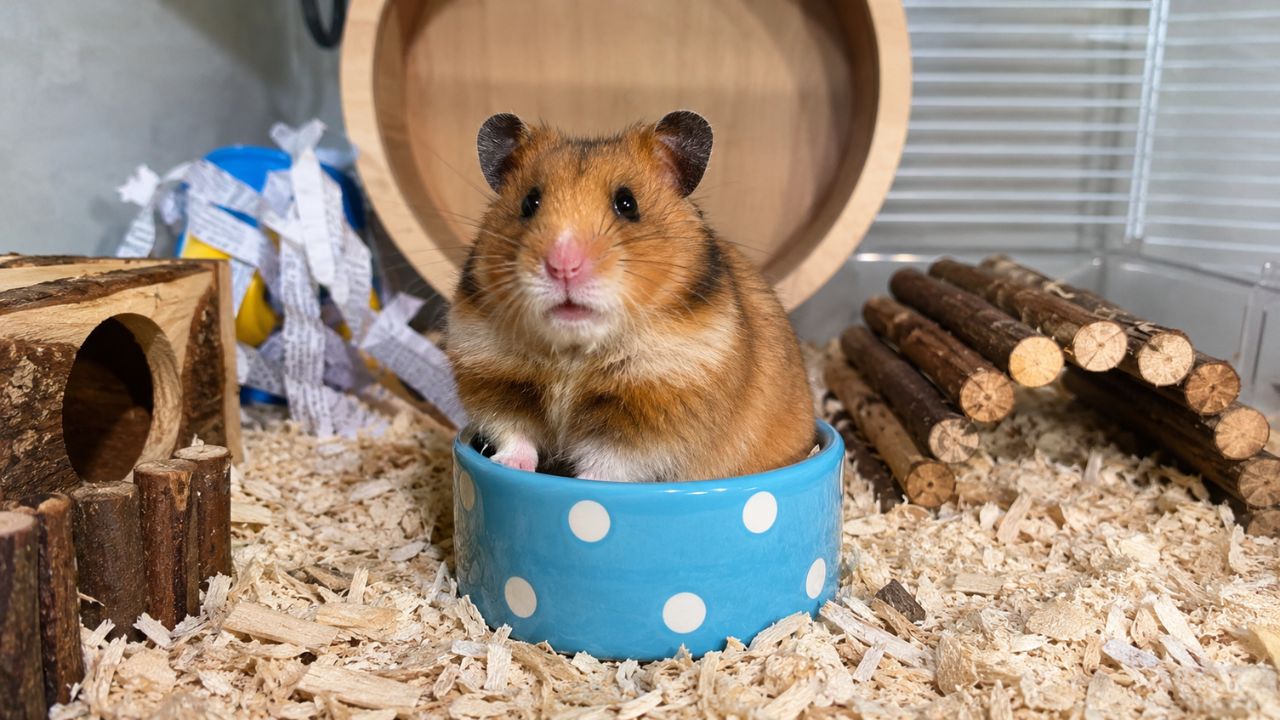

Neil has kept, bred, and sold hamsters at Paradise Pets Swindon since 1988 — over 35 years of first-hand experience with these animals. In that time, he has had more conversations about hamster lifespan than almost any other topic. This article is his honest guide to what actually determines how long a hamster lives — and what every UK owner can do about it.
A father came into the shop on a Saturday morning looking slightly awkward. His daughter — ten years old, he said — had asked him how long her hamster was going to live, and he did not know the answer. He had told her he would find out, and here he was.
I appreciated the honesty of that. A lot of parents come in and ask on behalf of a child, but they are usually hoping I will give them an answer they can use to avoid a difficult conversation. This father wanted the truth so he could have it properly with his daughter.
I told him that a Syrian hamster — which is what his daughter had — typically lives between two and three years. Some reach three and a half. Occasionally, with excellent care and a bit of luck, you see one reach four. But two to two and a half years is the honest average for a well-kept Syrian hamster in a UK home.
He looked a bit surprised. “That’s not very long,” he said.
No, I said. It is not. And that is something every family should understand before they bring one home — not to put them off, but so that they go in with clear eyes and can prepare their children for what is coming.
That conversation happens in my shop more often than people might think. And this article is my attempt to give every UK hamster owner the same honest answer — along with everything I know about what actually affects lifespan and what you can do to give your hamster the best possible chance.
How Long Do Hamsters Actually Live — By Species
This is where I need to start, because the answer varies significantly depending on which type of hamster you have — and a lot of owners do not realise they have different species with different lifespans.
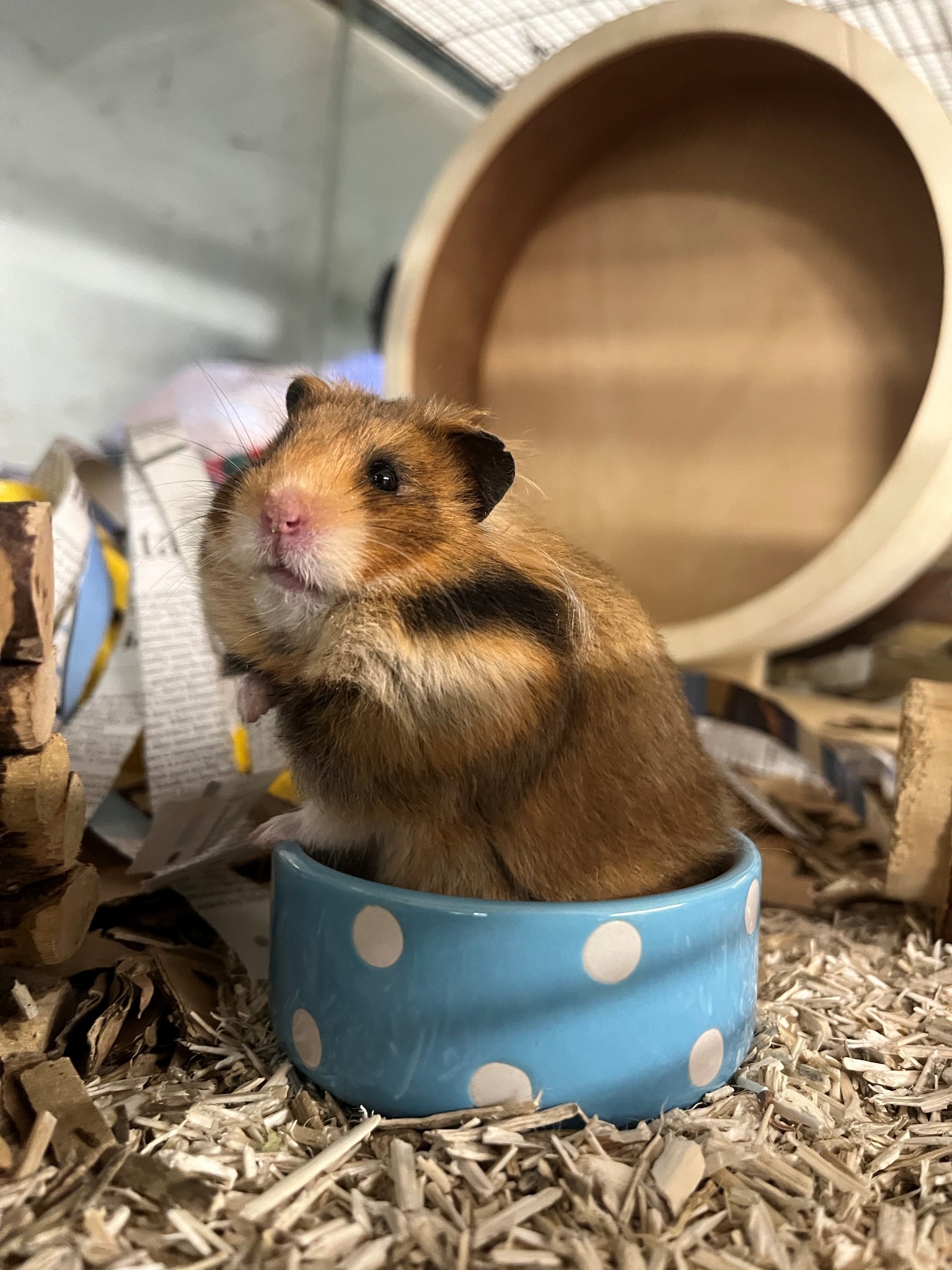
Let me go through each type clearly.
**Syrian hamsters** — also called golden hamsters or teddy bear hamsters — are the largest and most commonly kept pet hamster in the UK. They live between two and three years on average, with some reaching three and a half. I have seen a very small number reach four years, but that is genuinely exceptional and requires both excellent care and good genetics.
**Dwarf hamsters** — including the Russian Campbell, the Winter White, and the Chinese hamster — have noticeably shorter lifespans than Syrians. The realistic average is one and a half to two years. Some do not make it to eighteen months. This is worth knowing if you are buying a dwarf hamster for a child — the loss can come sooner than anyone expects.
**Roborovski hamsters** — the very small, very fast type that most owners keep in pairs — are actually the longest-lived of the commonly kept pet hamsters. They can reach three to three and a half years with good care. They are also significantly more difficult to handle and are better observed than interacted with directly, which is something I always make clear before anyone buys one.
Why Hamster Lifespans Feel So Short
I want to address this directly, because I think it is important — particularly for families buying a hamster for a child.
A hamster that lives two and a half years from the day it comes home is a hamster that has lived its full, natural lifespan. This is not a failure of care. This is simply the biology of the animal. Hamsters live fast — they mature quickly, they are sexually mature at just a few weeks old, their bodies age rapidly. Two to three years is what they are designed for.
The difficulty is that by the time a child has formed a real attachment to a hamster — learned its name, its routines, its personality — that hamster may be approaching the end of its natural life. There is no way around this. It is the honest reality of keeping hamsters as pets, and I think families are better served knowing it clearly than discovering it unexpectedly.
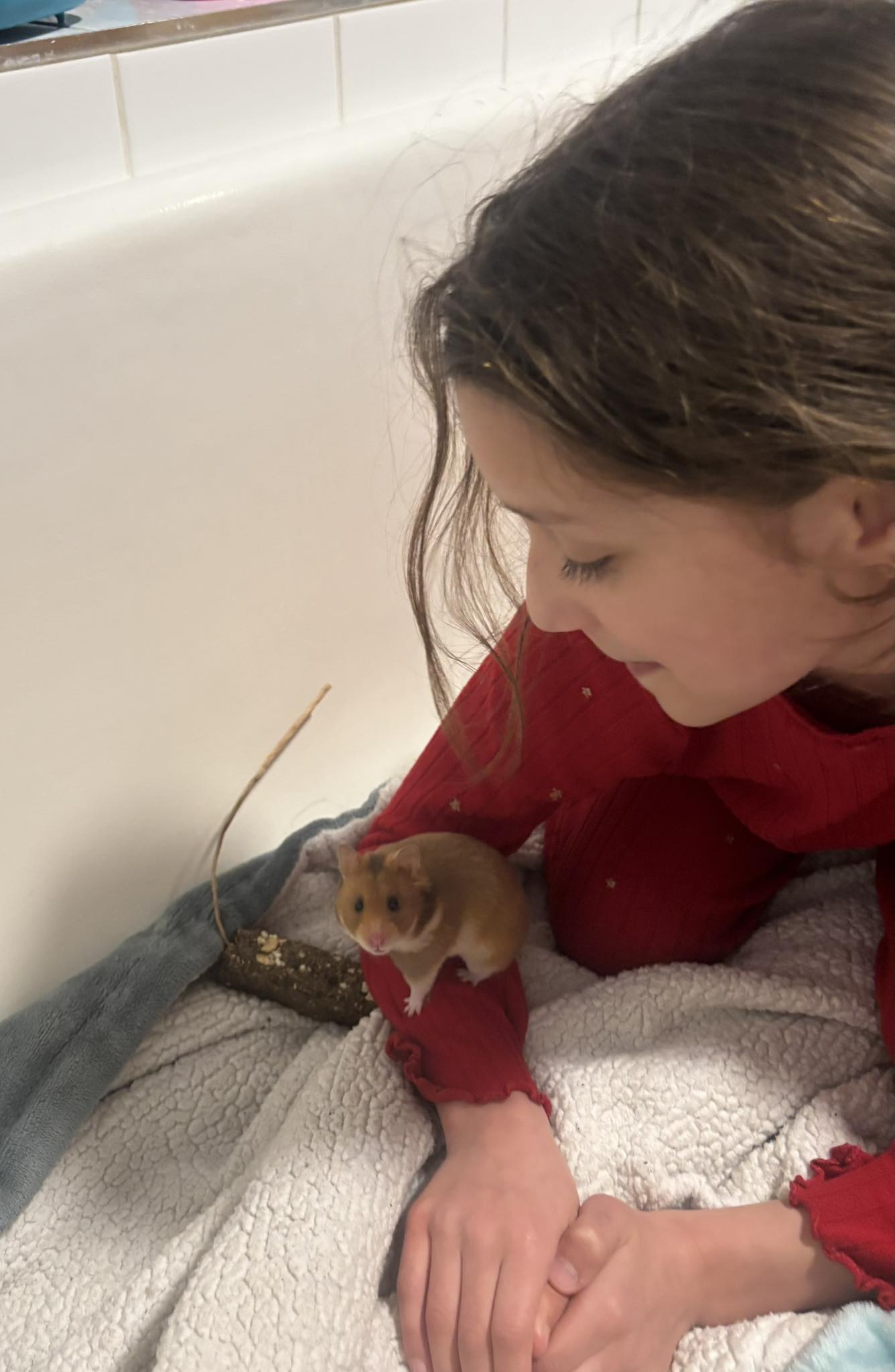
What I tell parents is this — the short lifespan is not a reason not to have a hamster. It is a reason to go in with honest expectations, to appreciate every day with the animal, and to have the conversation about death and loss with your child as something real and natural rather than a shock. In my experience, handled well, that conversation can be one of the most valuable things a first pet teaches a child.
What Shortens a Hamster’s Life — The Honest List
Within the constraints of the animal’s natural lifespan, there is genuinely a lot that care can affect. I have seen hamsters live significantly shorter lives than they should because of preventable causes — and I have seen others reach the upper end of the range because their owners got the fundamentals right.
Here is what I see most commonly shortening hamster lives in UK homes.
1. A Cage That Is Too Small
This is the single most common welfare problem I see in hamster keeping in the UK — and it is the one the pet industry has done the least to address.
The standard hamster cages sold in UK pet shops as starter packages are, in most cases, too small. A Syrian hamster in the wild travels several miles per night. In a small plastic cage with one wheel and two levels, it has almost nowhere to go. The chronic stress of inadequate space affects the immune system, shortens the animal’s healthy years, and contributes significantly to the repetitive behaviours — bar chewing, obsessive wheel running — that are signs of a deeply stressed animal.
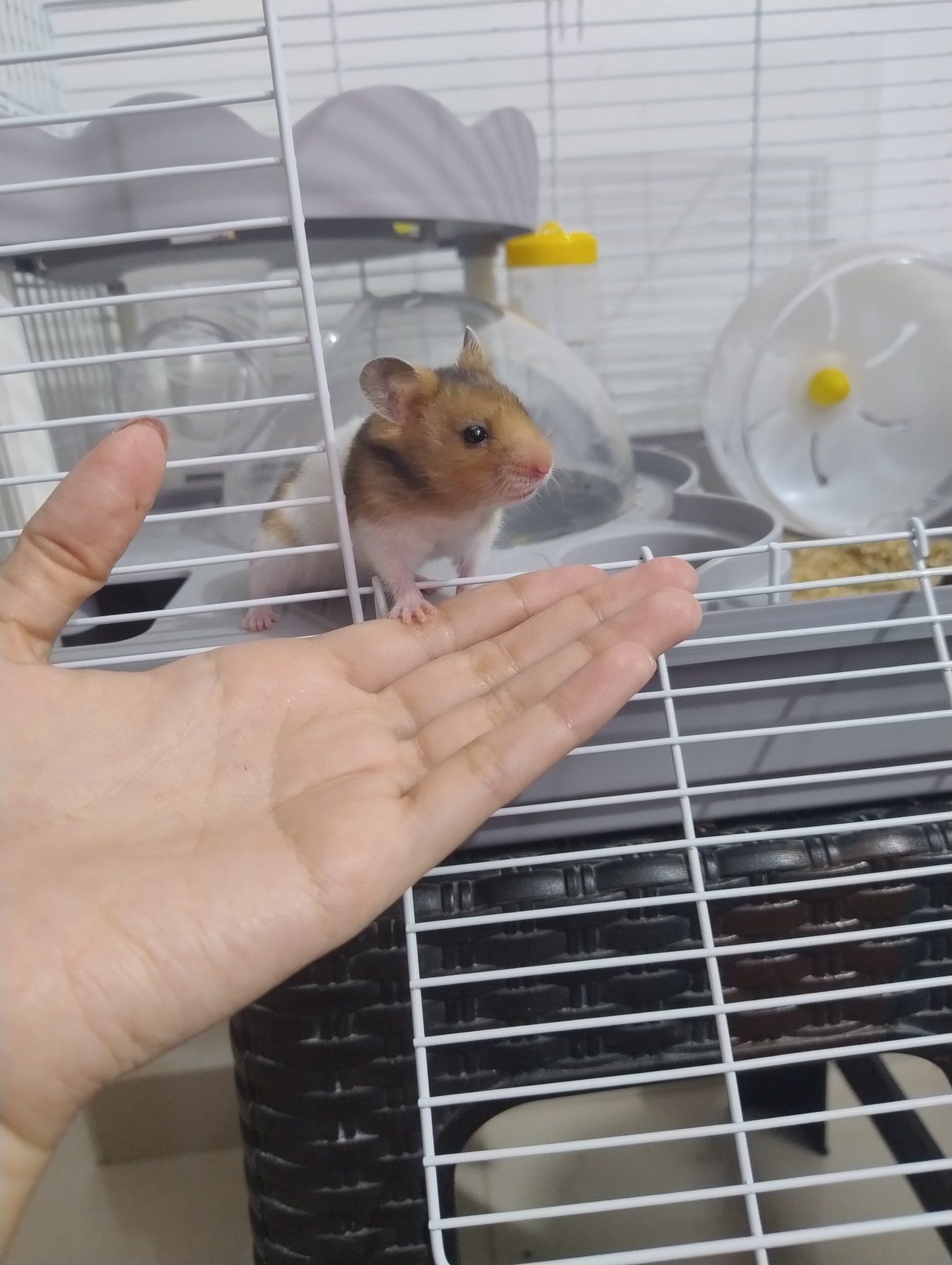
The minimum enclosure size I recommend for a Syrian hamster is 80cm by 50cm of floor space — and bigger is always better. Bar cages, large glass tanks, and deep plastic storage boxes are all suitable as long as ventilation is adequate and the dimensions are right. The depth of bedding matters too — hamsters need at least fifteen to twenty centimetres to burrow properly.
2. Insufficient Bedding Depth
Hamsters are burrowing animals. In the wild, they dig complex tunnel systems to sleep, store food, and feel safe. A shallow tray of wood shavings does not allow for any of this. A hamster that cannot burrow is a chronically stressed hamster — and chronic stress shortens lives.
This is one of the easiest and cheapest things to fix. Deep paper-based bedding, fifteen to twenty centimetres minimum, in an appropriately sized enclosure transforms a hamster’s quality of life almost immediately. You will see the difference in the animal’s behaviour within days.
3. Temperature Extremes — Especially Cold
I have written about this in our guide on hamsters that stop moving, but it is worth repeating here. Hamsters are sensitive to cold and will enter torpor — a dangerous, hibernation-like state — if the room temperature drops below around fifteen degrees Celsius.
In a UK home, this means thinking carefully about where the cage is kept. Spare bedrooms, conservatories, and garages can get very cold overnight in autumn and winter. A hamster that repeatedly enters torpor is a hamster under significant physiological stress. Keep the cage in a room that stays between eighteen and twenty-four degrees Celsius at all times.
4. Poor Diet
Hamsters are omnivores — they eat seeds, grains, vegetables, and in the wild, small insects and other protein sources. A diet of cheap mixed seed alone, while better tolerated by hamsters than by budgies, is still not nutritionally complete.
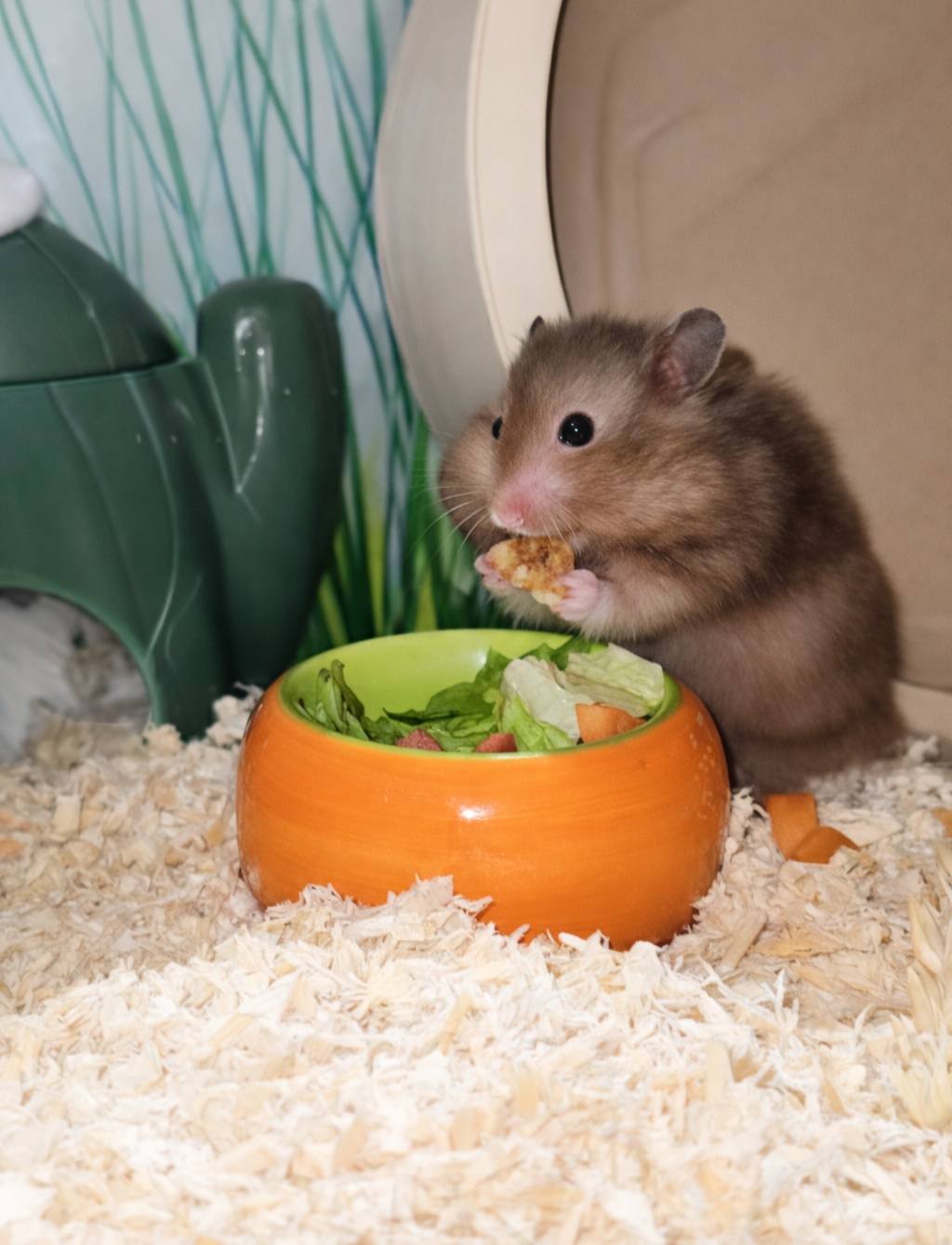
A good hamster diet includes a quality pellet or mix as the base, supplemented with small amounts of fresh vegetables a few times a week — cucumber, broccoli, carrot, kale in small amounts. Occasional protein — a tiny piece of hard-boiled egg, a mealworm — is also beneficial. Fresh water changed daily, provided in a bottle, is essential.
What to avoid — citrus fruits, onions, garlic, sugary foods, anything salty, and iceberg lettuce which has almost no nutritional value. Dwarf hamsters are particularly prone to diabetes, so sweet fruits and sugary treats should be very limited or avoided entirely.
5. Stress From Over-Handling
Hamsters are solitary, independent animals. They are not naturally cuddly — they can become tame with patient, consistent handling, but they do not seek physical contact the way a dog or cat does. A hamster that is handled too frequently, too roughly, or by too many different people is a chronically stressed hamster.
This is particularly relevant when hamsters are kept as children’s pets. Young children who want to pick up and play with the hamster every day, who do not read the animal’s body language, and who handle it when it is frightened or sleepy, contribute significantly to chronic stress. Adult supervision of all handling is essential — not just for the child’s safety but for the animal’s wellbeing.
What Extends a Hamster’s Life — What Actually Works
Right. Here is the positive version — what I have consistently seen make a real difference in hamsters that reach the upper end of their natural lifespan.
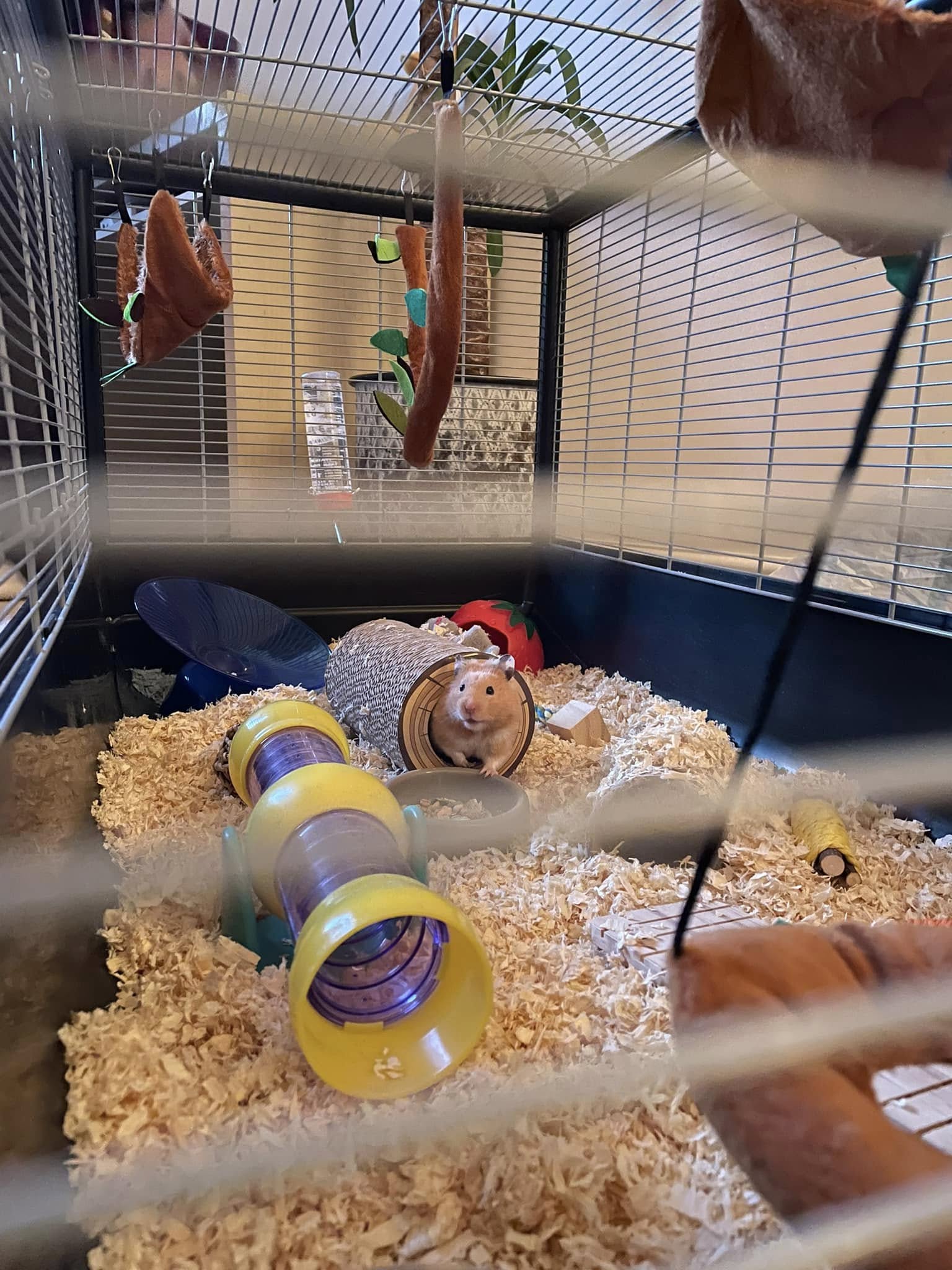
- A properly sized enclosure with deep bedding — this is the foundation. A hamster that can burrow, explore, and express natural behaviours is a significantly healthier animal than one kept in a small starter cage.
- Consistent temperature — eighteen to twenty-four degrees Celsius, every night, all year. No cold rooms, no conservatories, no garages in winter.
- A varied, appropriate diet — quality pellets or mix as a base, fresh vegetables a few times a week, fresh water daily. Simple and consistent.
- A proper wheel — a solid-surface wheel of at least twenty-five to thirty centimetres diameter for a Syrian hamster. Not a barred wheel, which can injure legs and toes. Running is essential — it is one of the most important outlets for a hamster’s energy and mental health.
- Plenty of enrichment — things to chew, things to climb, things to investigate. Cardboard tubes, wooden chews, paper to shred for nesting. A hamster with things to do is a hamster that is not sitting bored in a corner.
- Daily observation — watching the hamster in the evening when it is naturally active, knowing what normal looks like, and acting promptly when something changes.
- A vet who has small animal experience — found before you need one.
Signs Your Hamster Is Ageing Well — vs Signs Something Is Wrong
As a hamster approaches the end of its natural lifespan — typically from around eighteen months to two years for a Syrian — it will naturally slow down. This is normal and expected. But it is worth knowing the difference between healthy ageing and something that needs veterinary attention.
- Normal ageing — sleeping slightly more, moving a little less during active periods, eating a little less than it used to, fur becoming slightly less dense
- Normal ageing — gradual weight loss over months as muscle mass reduces — this happens in very old hamsters
- Normal ageing — less interest in the wheel, shorter active periods
- Cause for concern — sudden weight loss over days or a week or two
- Cause for concern — wet fur around the tail — this is wet tail regardless of the hamster’s age and needs same-day veterinary attention
- Cause for concern — laboured or noisy breathing at any age
- Cause for concern — any lump, swelling, or visible growth on the body
- Cause for concern — complete loss of appetite alongside significant lethargy — not just eating less, but eating nothing at all
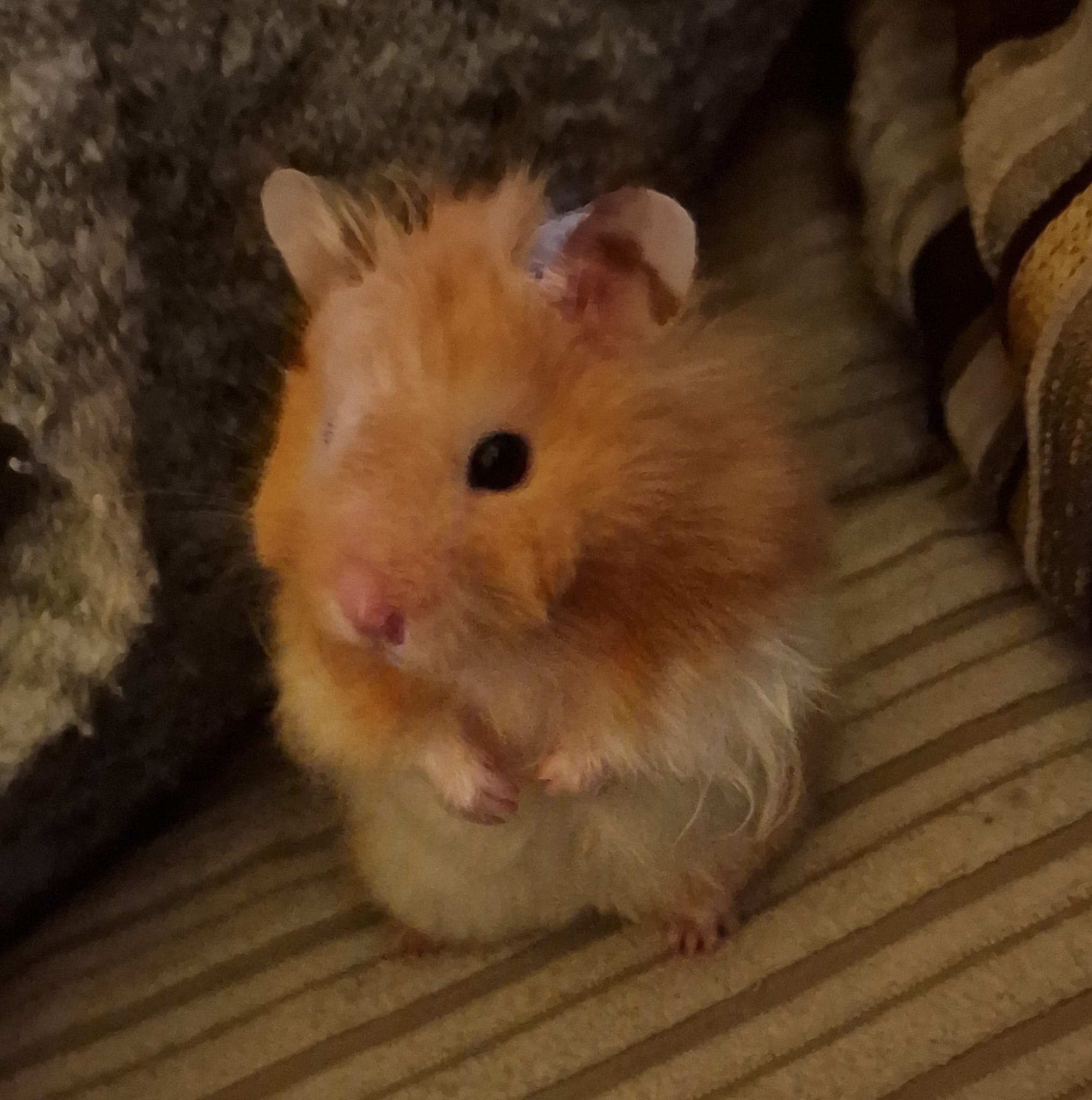
An elderly hamster that is slowing down but still eating, still moving when it chooses to, and still engaging with its environment is a hamster living out its natural lifespan comfortably. That is the outcome you want. What you are managing at that stage is quality of life — making sure the animal is comfortable, warm, well-fed, and not in pain.
If you are not sure whether what you are seeing is normal ageing or something that needs veterinary attention — come in and see us, or ring your vet. A five-minute check is always worth it.
The Conversation About Death and Children
I want to address this directly, because I think it is one of the things parents find hardest about hamster ownership — and because I have watched it play out in my shop more times than I can count.
At some point, your child’s hamster is going to die. If the hamster lives a full and happy life, that will probably happen somewhere between two and three years after you brought it home. Your child will likely be deeply upset. They may ask why. They may feel guilty even though they did nothing wrong.
How you handle that moment matters enormously. And in my experience, the families who handle it best are the ones who have been honest about the hamster’s lifespan from the beginning — who have not promised the animal will live forever, who have talked about the short lives animals like hamsters live, who have prepared their child gently rather than leaving them completely unprepared.
I am not saying you need to discuss death every time the hamster comes out of its cage. I am saying that when your child asks you how long their hamster will live — as they will, sooner or later — the honest answer is always kinder in the long run than a reassuring one.
What To Do Right Now
If you have a hamster at home and want to give it the best possible chance of a long, healthy life within its natural span, here is the practical summary.
| What To Do | Why It Matters | When |
|---|---|---|
| Check the cage size | Inadequate space is the biggest preventable welfare problem | Today — upgrade if needed |
| Deepen the bedding | Burrowing is essential for mental health and stress reduction | This week |
| Check the room temperature | Cold causes torpor — chronic torpor shortens life | Every season |
| Vary the diet | Fresh vegetables a few times a week makes a real difference | This week |
| Check the wheel size and type | A proper solid-surface wheel is essential for Syrian hamsters | Today if needed |
| Observe every evening | Catches problems early, when they are still fixable | Starting tonight |
Frequently Asked Questions
How long do Syrian hamsters live?
A Syrian hamster typically lives between two and three years with good care. Some reach three and a half years, and a very small number reach four — but this is genuinely exceptional. Two to two and a half years is the honest average for a well-kept Syrian hamster in a UK home.
How long do dwarf hamsters live?
Dwarf hamsters — including Russian Campbell, Winter White, and Chinese hamsters — typically live between one and a half and two years. They have noticeably shorter lifespans than Syrians. Some do not make it to eighteen months. This is something families should be aware of before buying a dwarf hamster for a child.
How long do Roborovski hamsters live?
Roborovski hamsters are actually the longest-lived of the commonly kept pet hamsters, reaching three to three and a half years with good care. However, they are also significantly harder to handle than Syrians — they are very fast and do not tame as easily — and are better suited to observation than regular direct handling.
My hamster is two years old — is this old?
Yes, for a Syrian hamster, two years old is entering the elderly stage. At this point you would expect to see some natural slowing down — sleeping a little more, moving a little less, eating slightly less. This is normal. What you are watching for at this stage is anything beyond normal ageing — sudden weight loss, noisy breathing, wet tail, or visible lumps. A vet check at this age is always worthwhile.
Can I do anything to make my hamster live longer?
Within the constraints of the animal’s natural lifespan, yes — good care makes a real difference. A properly sized cage with deep bedding, consistent warm temperature, a varied diet, a proper wheel, and daily observation to catch problems early all contribute to a hamster reaching the upper end of its natural range. You cannot significantly extend a hamster’s lifespan beyond its natural limits, but you can absolutely influence whether it reaches two years or three.
Where can I get honest hamster advice in Swindon?
Come and see us at Paradise Pets, Manor Garden Centre, Cheney Manor, Swindon SN2 2QJ. Or give us a ring on 01793 512400. The advice is free and I have been doing this for over 35 years.
Questions About Your Hamster? Come And See Me
Bring your hamster, bring a video, or just bring your questions. I will have a proper look and tell you honestly what I think. Free advice, no obligation. That is how we have done things for over 35 years.
⭐ Customer Reviews
Amazing Bird Selection
Had a lovley visit today,staff were very friendly and very helpful,such a great petshop,their selection of birds is incredible,really impressed,thank so much to the staff at Paradise Pets

Friendly Helpful Staff
I have been coming to this place for years and they have a great stock of food for all types of pets. Have a great selection of small mammals and a lot of birds. Staff are friendly and helpful.

Great Quality Hutch
Bought a guinea pigs hutch and run combo, very happy with the service, the hutch was put in my car for me without even asking for help. The wood quality is very good, the instructions easy to follow and we are extremely happy with the fully built hutch. A good size for 2 guinea pigs

Response from Paradise Pets | Wiltshire
Thank you Melanie Latus Nice to provide services to you.
Best Bird Shop Around
It’s the best pet shop in and around Swindon. They always have an amazing selection of birds and all you need to keep them happy. I keep birds myself and the guys there are happy to answer questions and really know their stuff. I have seen budgies etc. in chain pet shops in the area looking really unhealthy and ill – I wouldn’t go anywhere else than Paradise Pets for animals.

Highly Recommended Bird Shop
I could not praise this shop enough. Really helped my Grandson buy his first bird and he’s loving it. Travelled from Somerset and was welcomed with open arms.

Great Shop with Competitive Prices
Great shop with amazing selection for small animals, hamsters, mice ect, highly recommend!
Also has a great selection for dogs & cats too & very competitive prices! 💖

