
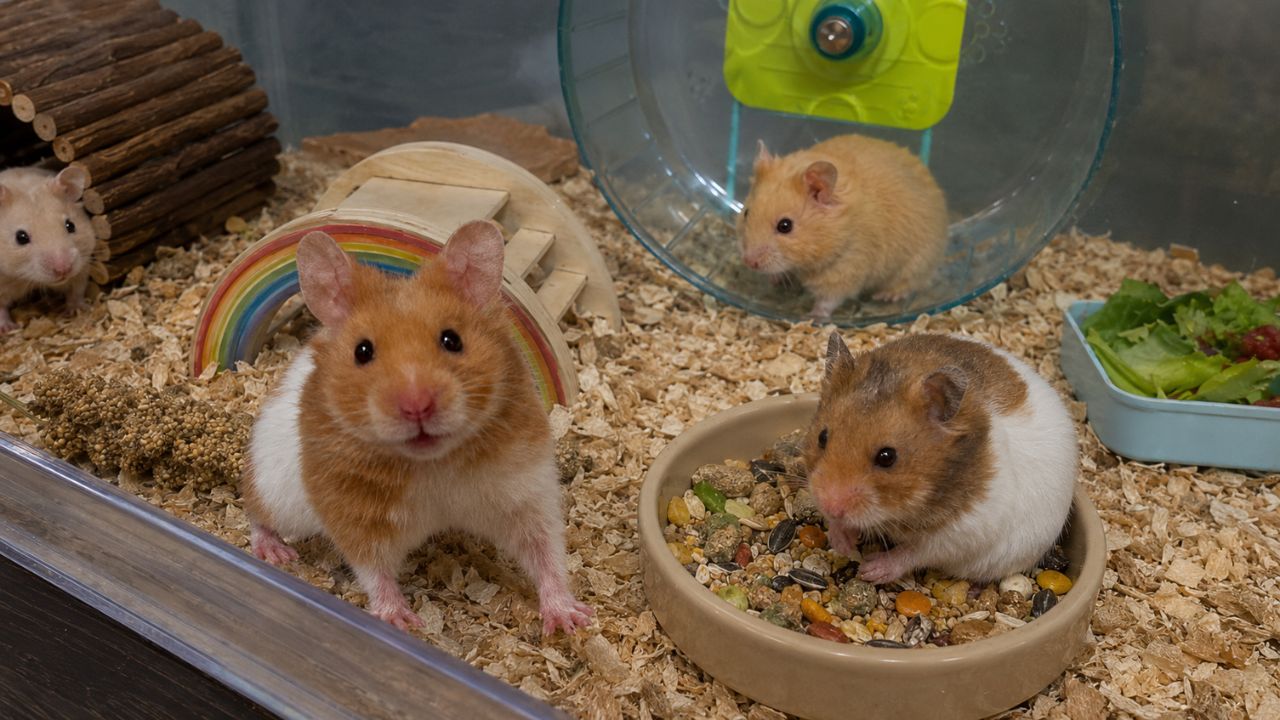

Neil has kept, bred, and sold hamsters at Paradise Pets Swindon since 1988 — over 35 years of first-hand experience with Syrian and dwarf hamsters. In that time, he has seen the same surprises play out with new owners again and again. This article is his attempt to make sure you are not one of them.
I have sold thousands of hamsters over the years. Possibly tens of thousands. Syrian hamsters, dwarf hamsters, Roborovskis — every variety we have ever stocked, I have watched go home with families, couples, children, first-time pet owners, experienced keepers, people who researched for six months and people who decided on the walk from the car park.
And in all that time, one thing has stayed consistent. There is always a moment — usually within the first week — when a new hamster owner discovers something about their animal that genuinely surprises them. Something they did not read in the care sheet. Something nobody thought to mention at the counter.
Usually it is the same thing.
Not always. But usually.
This article is my attempt to get ahead of that moment — to tell you the things that actually matter about hamster ownership before you bring one home, so that the surprises are the good kind rather than the worrying kind.
The Surprise Nobody Mentions — Hamsters Are Nocturnal. Properly Nocturnal.
This is the one. The thing I see catch people off guard more than anything else. And it is something that, once you understand it properly, changes everything about how you keep a hamster successfully.
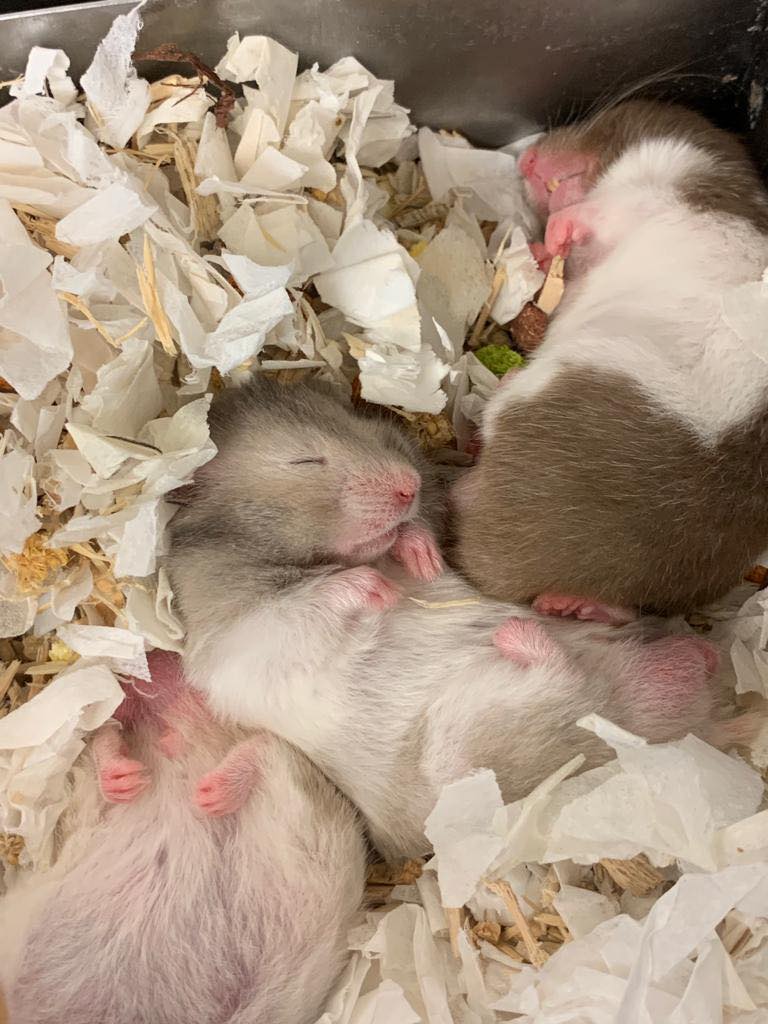
Hamsters are nocturnal animals. Not slightly nocturnal. Not nocturnal-ish. Genuinely, completely, biologically nocturnal. In the wild, Syrian hamsters spend the entire day underground in their burrows — sleeping, conserving energy, staying safe from predators. They emerge at dusk and are active through the night, foraging, running, exploring. At dawn, they go back underground.
That is their nature. It does not change in captivity.
Which means: if you buy a hamster and put it in a cage in your child’s bedroom, planning for the child to play with it after school at four o’clock in the afternoon — you are planning to handle an animal that is in the middle of its sleep cycle. A hamster woken from deep sleep in the afternoon is not a happy, friendly hamster. It is a confused, disorientated, sometimes defensive hamster. It may bite. Not because it is a bad animal — because it is a nocturnal animal being woken at the wrong time by the wrong people for the wrong reasons.
I have had so many parents come back in saying “our hamster is really aggressive, it bites all the time.” And when I ask what time of day they are handling it, the answer is almost always afternoon, after school. That is when the hamster is supposed to be asleep.
- Handling in the afternoon — this is deep sleep time for most hamsters
- Waking the hamster to show it to guests — every time you do this, you erode the animal’s trust
- Putting the cage in a child’s bedroom — the hamster will be active and running its wheel from 10pm until 3am
- Expecting the hamster to be active and friendly during the day — it will not be, and that is correct behaviour, not a problem
- Judging the hamster’s personality based on daytime interactions — you are seeing a sleepy, startled animal, not its actual character
The fix is simple once you understand the problem. Handle your hamster in the evening — from about 7pm onwards, when it is naturally awake and active. That is when it is curious, alert, interested in the world, and genuinely enjoyable to interact with. That is the hamster people imagine when they decide they want one. You just have to meet it on its own terms.
Syrian Hamsters vs Dwarf Hamsters — The Difference That Actually Matters
This is the other conversation I have constantly at the counter, and it is one where getting it right before you buy makes a significant difference to your experience.
Most people come in knowing they want a hamster. They have not necessarily thought about which type of hamster — or they assume all hamsters are basically the same. They are not. The difference between a Syrian hamster and a dwarf hamster is meaningful, and it changes what kind of owner the animal is suited to.
Syrian hamsters — what they are actually like
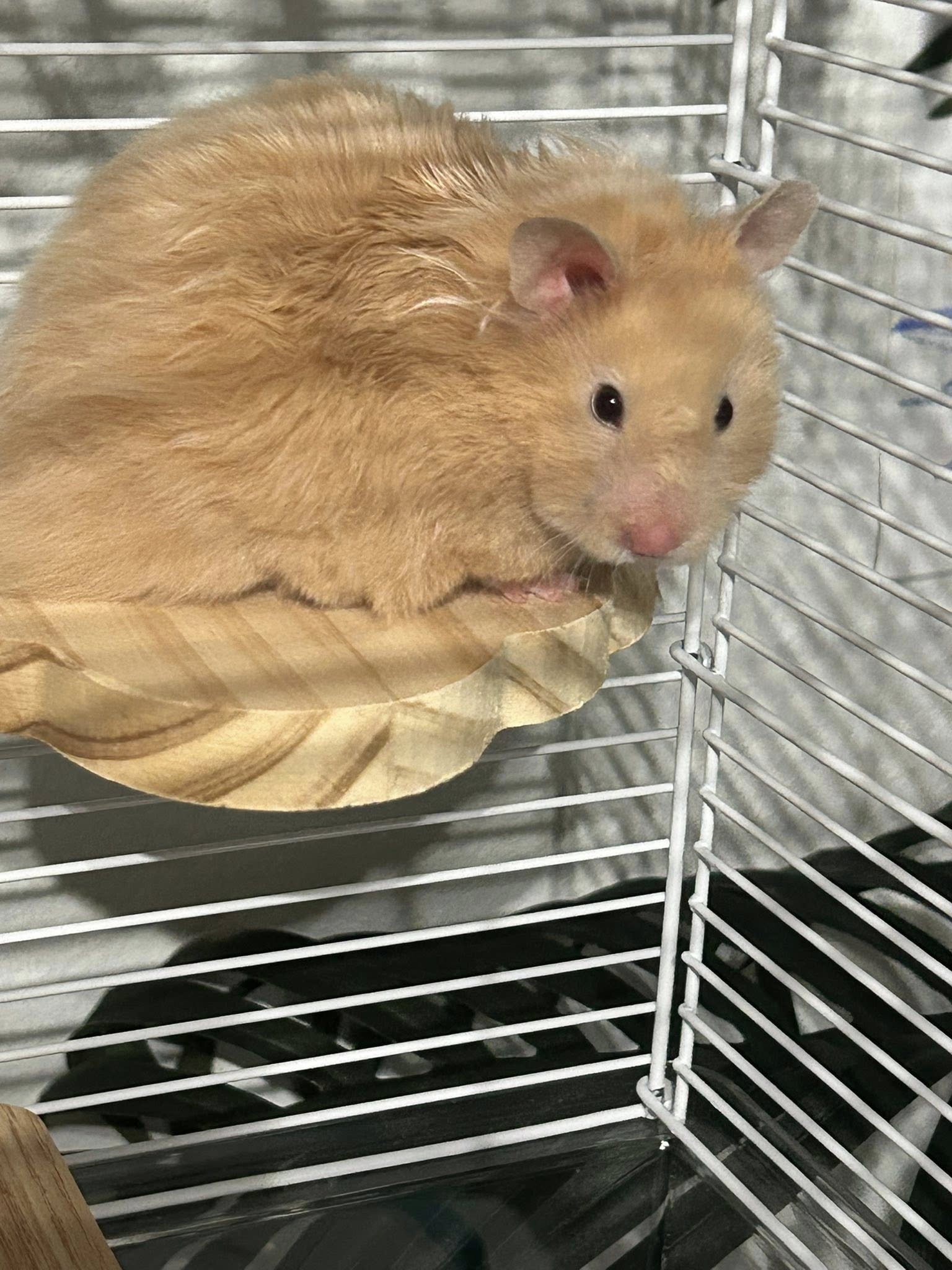
Syrian hamsters are the larger variety — the classic golden hamster that most people picture. They are solitary animals. This is not a preference. It is a biological fact. Syrian hamsters must be kept alone. If you put two Syrians together, they will fight — seriously, injuriously, sometimes fatally. This surprises people who think keeping two together would be kind. It is not. A Syrian hamster alone is a Syrian hamster in its correct living situation.
Syrians are generally the better choice for first-time owners and for children, for one straightforward reason: they are bigger, which makes them easier to handle without dropping, and they tend to be calmer and more tolerant of being picked up once they are properly tamed. A well-handled Syrian that has been socialised from a young age is a genuinely friendly, curious animal that will sit in your hands and explore with interest.
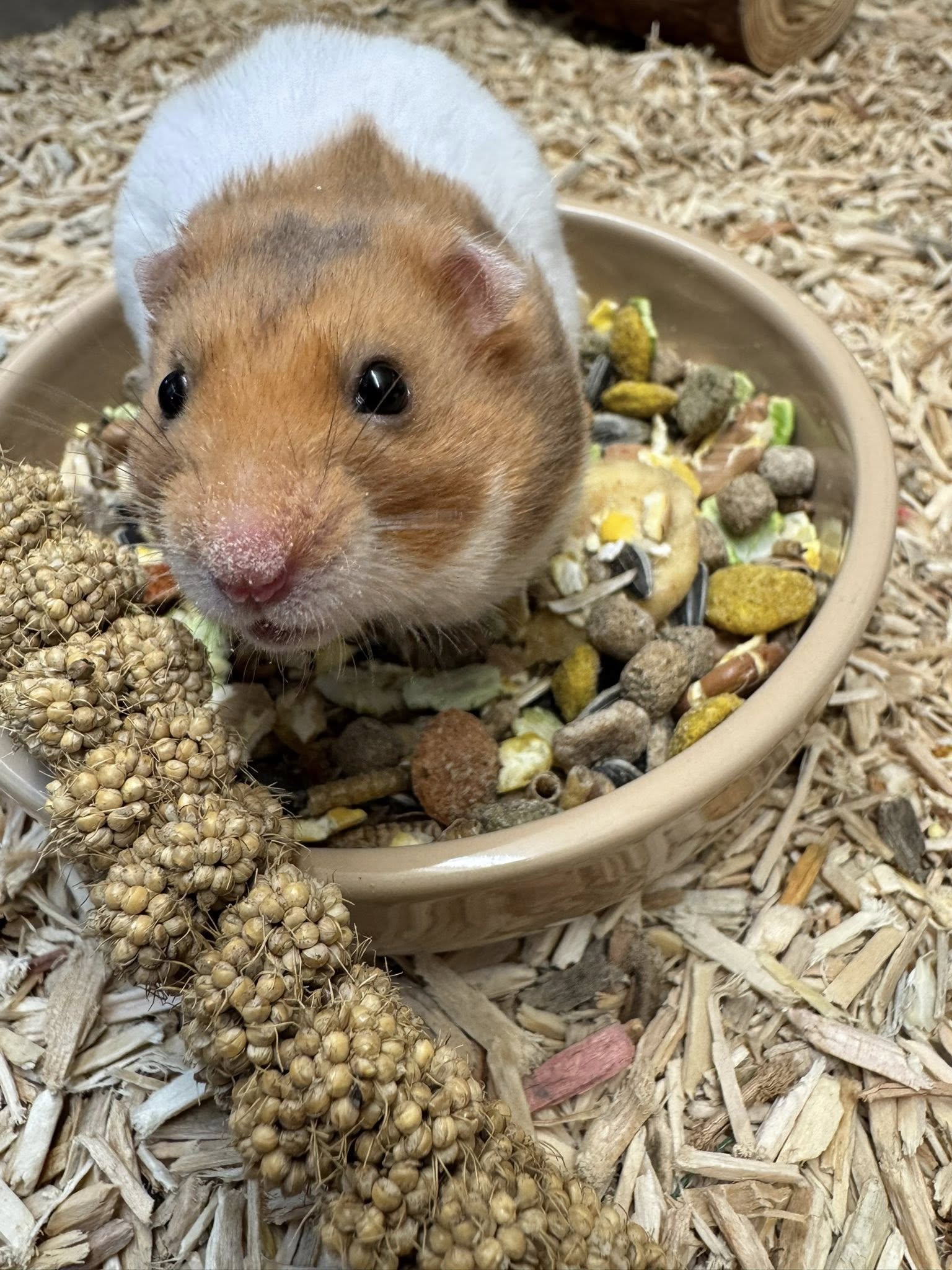
They live for approximately two to three years. Their cage needs to be appropriately sized — and I will come back to cage size shortly, because this is another area where the standard advice in this country is frequently wrong.
Dwarf hamsters — what they are actually like
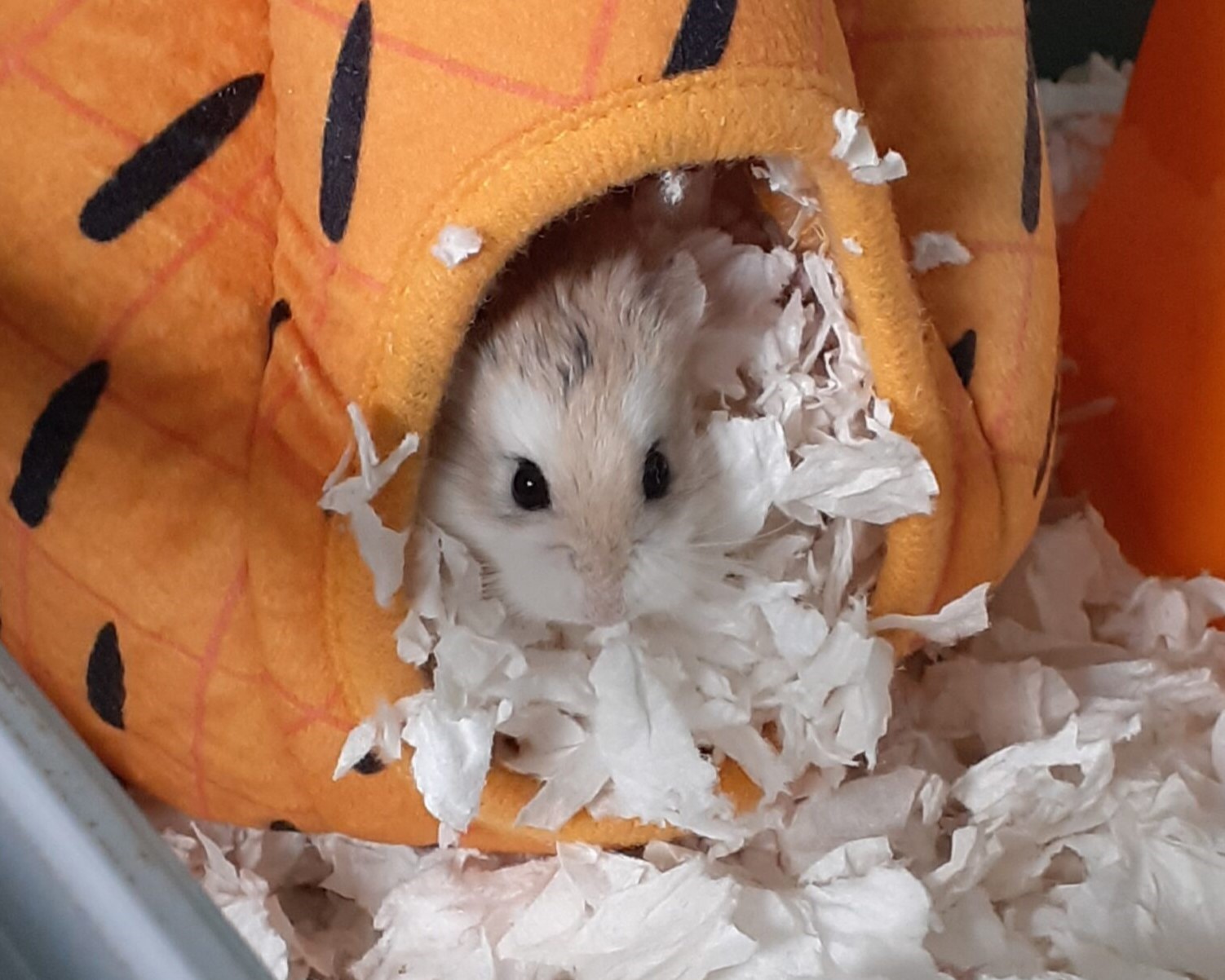
Dwarf hamsters — which at Paradise Pets we stock in the Russian Campbell and Winter White varieties, as well as Roborovskis when available — are smaller, faster, and generally more difficult to handle. They are not worse pets. They are different pets, suited to different owners.
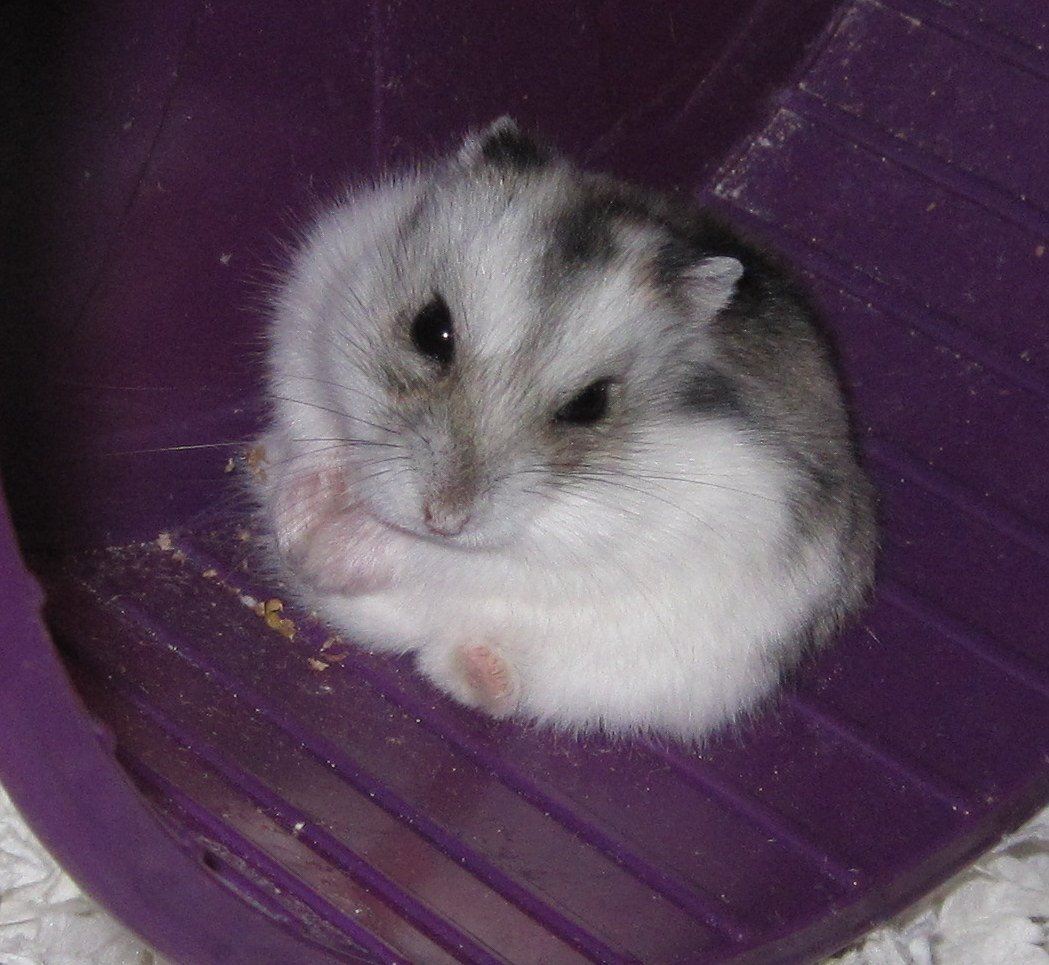 For pet hamsters, this guide follows PDSA’s hamster guide and Woodgreen’s recommendation to house each hamster separately, including dwarf species. This avoids the risk of cage-mate fighting and injury. Hamsters do not need another hamster for company.
Roborovskis in particular are tiny, extraordinarily fast, and genuinely difficult to handle for most people. They are fascinating animals to watch — active, busy, entertaining — but they are not handling animals in the way that Syrians are. If someone comes in wanting a hamster that their young child can hold and interact with, I would steer them away from Robos every time.
The Cage Problem — What Gets Sold vs What Is Actually Needed
This is something that genuinely frustrates me about the pet trade in this country, and I want to be honest about it.
The starter cages that are sold in most UK pet shops for hamsters — the brightly coloured plastic ones with the tubes and the little wheel — are, in the vast majority of cases, too small. They look appealing. They look fun. They are specifically designed and marketed to look like a good home for a hamster. But the floor space they provide is insufficient for an animal that, in the wild, runs up to eight miles in a single night.
For hamster enclosure planning, PDSA’s guide cites a minimum floor area of 100cm by 50cm, while noting limited evidence for an exact size. Provide more space where possible, including for dwarf hamsters.
A hamster in a too-small cage will bar chew — repeatedly gnawing at the cage bars, which is a stereotypic behaviour indicating stress and insufficient space. People sometimes think bar chewing means the hamster wants to come out and play. Sometimes it does. But primarily it means the animal does not have enough space and is frustrated. A hamster in an appropriately sized cage with deep bedding and proper enrichment almost never bar chews.
The bedding question
This is the other cage-related issue that surprises new owners. Hamsters are burrowing animals. PDSA recommends a bedding layer at least 25cm deep so hamsters can burrow. A layer of wood shavings two centimetres deep in a small plastic tray is not appropriate bedding for a Syrian hamster. It is a floor covering.
We recommend paper-based or hemp bedding, deep enough for the hamster to actually dig into and create tunnels. When you set this up correctly and the hamster spends an evening rearranging it all to its own specifications — which they will, enthusiastically — you understand immediately that this is an animal with its own preferences and intelligence. That is a different experience entirely to watching a hamster sit in two centimetres of wood shavings.
The Wheel — Not Optional, Not a Toy
Every hamster needs a wheel. Not a cheap, noisy, wire-spoked wheel that is too small — a proper, solid-surface wheel that is appropriately sized. PDSA recommends a wheel at least 30cm in diameter for Syrian hamsters. Check that your hamster can run without curving its back and that the running surface is solid.
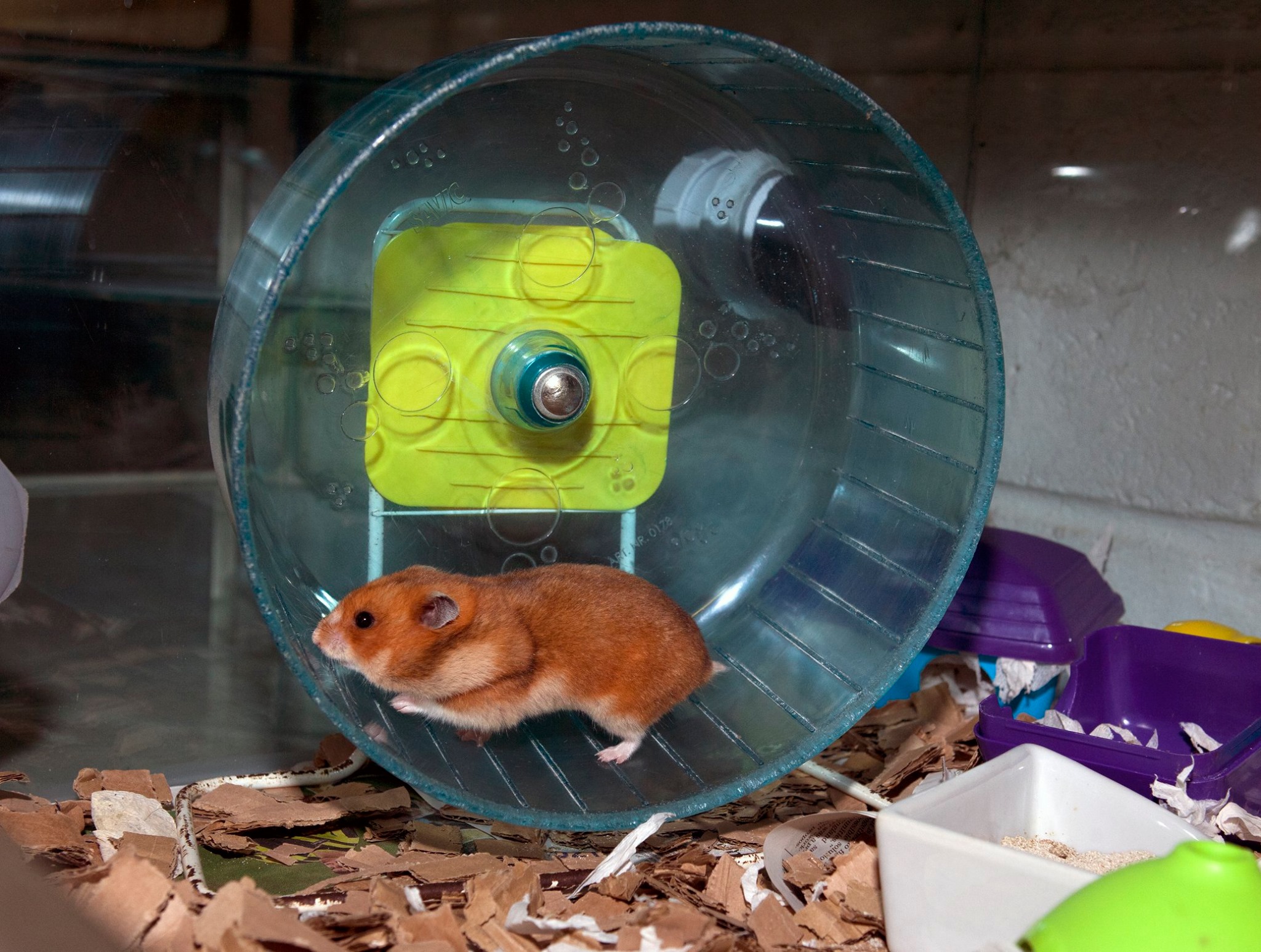
The wheel is not enrichment. It is not an optional extra. It is a necessity — the primary way a hamster meets its need to move large distances every night. A hamster without a proper wheel is like a dog kept in a flat with no walks. The energy has to go somewhere, and if it cannot go into running, it goes into stress behaviours.
Silent spinner wheels are worth the extra cost. A good wheel that runs quietly means you can sleep. A cheap wheel that squeaks every rotation means you cannot — and neither can anyone else in the house.
Diet — Simpler Than You Think, But Worth Getting Right
Hamsters are omnivores. In the wild, they eat grasses, seeds, insects, and small amounts of fruit and vegetable. The diet does not need to be complicated in captivity, but it does need to be more than a bowl of commercial seed mix.
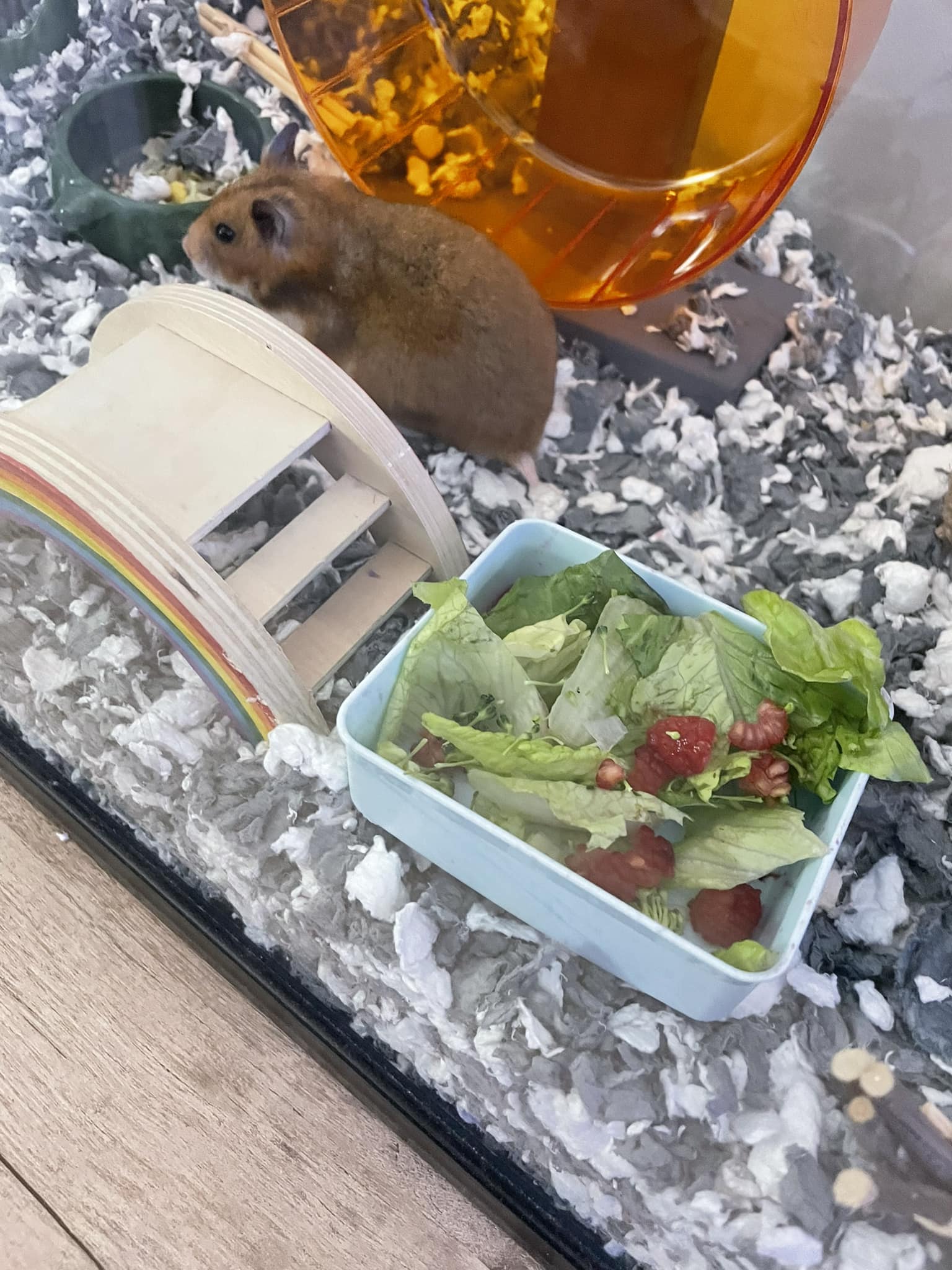
A good hamster diet at Paradise Pets looks something like this. A quality hamster mix as the base — not a cheap colourful one full of sugary yoghurt drops, but a proper seed and grain mix. A small amount of fresh food every day or two — a piece of carrot, a small floret of broccoli, a tiny piece of cucumber. Occasionally a small amount of protein — a mealworm, a tiny piece of plain cooked chicken — particularly for dwarf hamsters, which have a higher protein requirement.
What to avoid: citrus fruits, onion, garlic, sugary treats, anything high in water content in large amounts (which causes diarrhoea), and iceberg lettuce. Hamsters also have cheek pouches — they will stuff food into them to take back to their nest, which is perfectly normal behaviour and not a cause for concern.
- “Two Syrian hamsters will keep each other company” — No. They will fight. Syrians are solitary. This is not negotiable.
- “The hamster is unfriendly — it keeps biting” — Almost always a timing issue. Handle in the evening and this usually resolves completely.
- “Hamsters only live a year” — A well-kept Syrian typically lives two to three years. Some reach four. Lifespan is significantly affected by diet, cage size, and stress levels.
- “The hamster is hibernating” — UK hamsters do not truly hibernate. If your hamster is cold and unresponsive, it may be in torpor due to low temperature — warm the room and the animal carefully, and monitor closely. If it does not improve within an hour, see a vet.
- “Hamsters are easy, low-maintenance pets” — They are manageable pets. But they have specific needs — appropriate cage size, deep bedding, a proper wheel, correct handling times — that make a significant difference to their quality of life.
When a Hamster IS the Right Pet
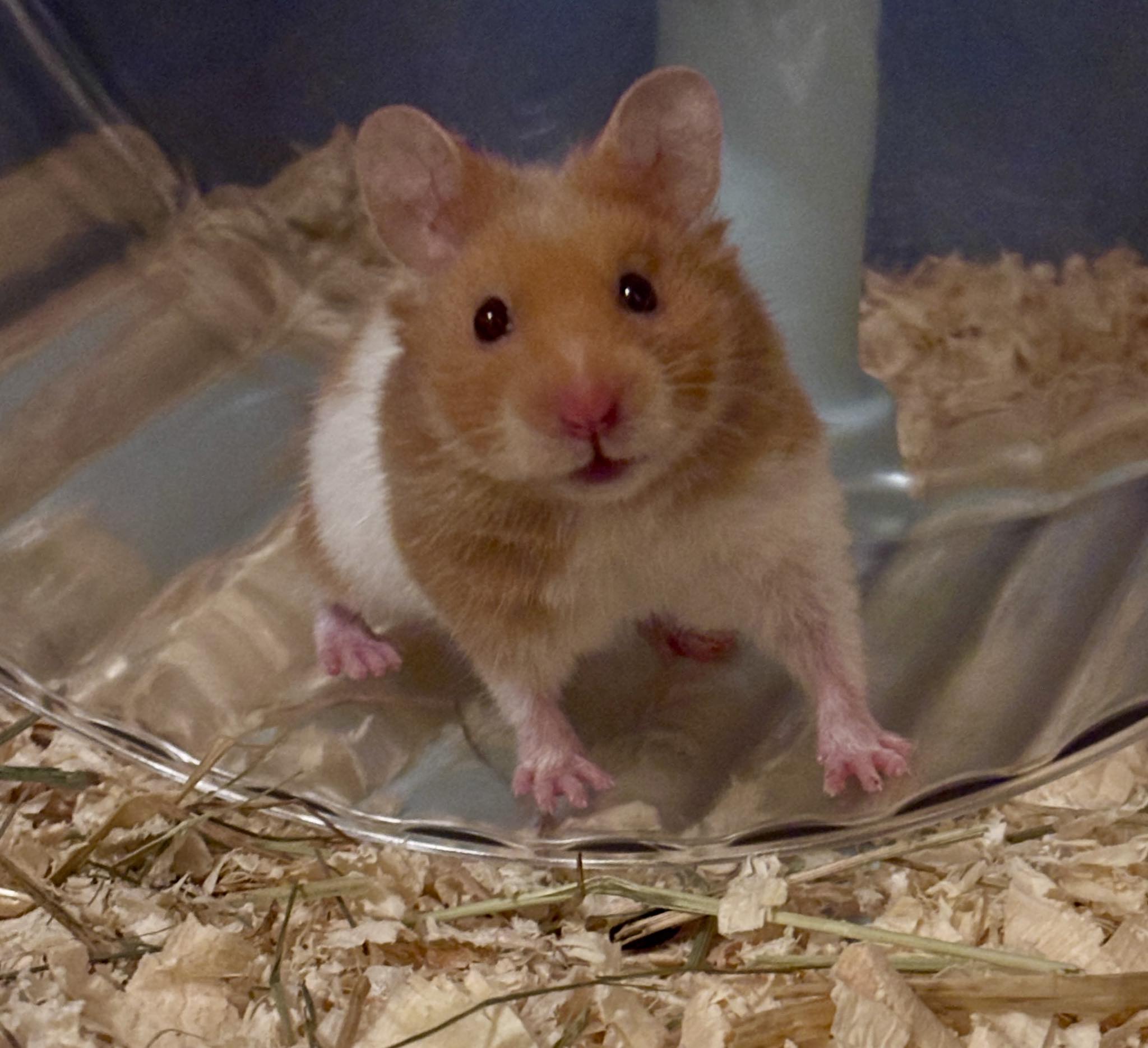
Given everything above, I want to be clear — hamsters are wonderful animals. They are not difficult to keep well. They just need the right things, in the right way, at the right times. When that happens, they are genuinely entertaining, characterful, and rewarding pets.
- Families with children aged eight and above who understand that the animal is nocturnal and will handle it in the evening rather than forcing daytime interaction
- People who are genuinely interested in watching animal behaviour — a hamster in a well-set-up enclosure is fascinating to observe
- Adults or older teenagers who want a solo pet that requires daily care but not the same level of time investment as a dog or a bird
- Anyone who has read this article, understood the nocturnal thing, bought an appropriately sized cage, and is prepared to handle in the evening — that person will have a great experience
- People who have thought honestly about the lifespan — two to three years is meaningful but not a twenty-year commitment
What I Ask Before I Recommend a Hamster
When someone comes in seriously interested, I have a short conversation before we look at which animals might suit them. These questions take five minutes and make a real difference.
- How old are the children who will be handling it?
Young children and hamsters are a difficult combination — not impossible, but it requires realistic expectations. A five-year-old who wants to hold a hamster every afternoon will be disappointed. An eight or nine-year-old who understands evening handling can have a great relationship with one. - What cage are you planning on?
If the answer is a standard starter kit from a chain pet shop, I show them what we stock and explain why size matters. I would rather spend ten minutes on this conversation now than have someone come back with a stressed, bar-chewing hamster in three weeks. - Do you know hamsters are nocturnal?
This sounds like a basic question. But in my experience, fewer than half of new hamster owners come in with a clear understanding of what nocturnal actually means in practice. I explain it every time. - Syrian or dwarf — have you thought about which?
Most people have not. I talk through the differences and help them make a decision that suits their household and their expectations rather than just choosing based on which one looks cutest in the moment. - Where will the cage go in the house?
A hamster cage in a child’s bedroom means a running wheel at 11pm, rustling bedding at midnight, and a very tired child by morning. I always mention this. A living room or a spare room is usually a better location.
The Hamsters We Stock at Paradise Pets
We breed our own hamsters on site and source the remainder from trusted UK breeders only. Every hamster we sell has been born and raised in this country, handled from a young age, and checked carefully before going to a new home. We do not import animals.
| Type | Size | Kept | Best for |
|---|---|---|---|
| Syrian (Golden) | Large (100–150g) | Always alone | First-time owners, families with older children — easiest to tame and handle |
| Syrian (Long-haired) | Large (100–150g) | Always alone | Same as above — requires occasional gentle grooming of the longer coat |
| Russian Campbell Dwarf | Small (40–70g) | House separately — see PDSA guidance above | Owners who want a faster, more active hamster — less suitable for young children |
| Winter White Dwarf | Small (40–70g) | House separately — see PDSA guidance above | Similar to Campbell — coat changes colour in winter. Hardy and active. |
| Roborovski | Tiny (20–25g) | House separately — see PDSA guidance above | Experienced owners only — extremely fast, difficult to handle, better as display animals |
Stock changes regularly — we usually have Syrian hamsters available year-round, with dwarf varieties depending on what our breeders have. It is always worth calling ahead on 01793 512400 if you are looking for a specific variety.
You can also browse our gerbils and hamsters page for more on what we currently stock.
One Last Thing
If you take one thing away from this article, let it be the nocturnal thing. Handle your hamster in the evening. Meet it on its own terms. Give it an appropriately sized cage with deep bedding and a proper wheel. Feed it properly. And then — watch it.
A hamster in a well-set-up enclosure on a Tuesday evening, fully awake and going about its business — rearranging its nest, filling its cheek pouches, running at full speed on its wheel with an expression of total concentration — is a genuinely entertaining animal. More personality than people expect. More intelligence. More going on.
That is the hamster people imagine when they come into my shop. It is entirely achievable. You just need to go in knowing the right things.
Come and see us. We stock a full range of small animals and we are always happy to talk through the right choice before you commit. No pressure, no rush — just honest advice from people who have been doing this for 35 years.
Visit Us at Paradise Pets Swindon
We stock Syrian hamsters year-round, with dwarf varieties including Russian Campbells, Winter Whites, and Roborovskis depending on availability. All UK-bred, most raised on site. Come in and see what we currently have — we are always happy to help you choose the right animal for your household.
We also stock a full range of rabbits, guinea pigs, and an extensive selection of cage and aviary birds including budgies, cockatiels, and canaries.