

Updated 24 September 2026: clarified when to contact a vet and removed waiting-period advice that could delay care. Practical checks or notes must not delay help for an unwell animal. See the supporting welfare guidance.
Neil has kept, bred, and sold gerbils at Paradise Pets Swindon since 1988 — over 35 years of watching owners panic, misread their animals, and occasionally do exactly the right thing at exactly the right time. A gerbil that is not moving is one of the most frightening things a new owner encounters. This is his complete, honest guide to what is actually happening — and what to do about it.
Unusual stillness can be frightening. A gerbil that is unresponsive, struggling to breathe or not eating needs veterinary help immediately. Do not use a shop visit, warming experiment or online checklist to decide whether it is safe to wait.
Start here: call a vet about an unresponsive gerbil
Contact your vet or its emergency service immediately. Note the room temperature and any changes in food intake, droppings or behaviour, but do not delay the call to collect more observations.
Coldness and shallow breathing cannot establish a safe home diagnosis. Do not assume that a motionless gerbil is simply sleeping or in torpor, and do not conclude that it has died because it fails to respond to warming.
What to do while arranging veterinary help
Call your vet or emergency service immediately. Explain whether the gerbil is responsive, breathing normally, eating and drinking, and whether its environment has been cold. Move it away from draughts and direct heat while you follow the vet’s warming and transport advice.
Do not wait ten or twenty minutes to see whether hand-warming works before calling. Do not give food, water or medicine by mouth to an unresponsive animal unless the vet specifically instructs you. Even apparent improvement does not establish that the gerbil is well.
Other Reasons a Gerbil Might Stop Moving
Several situations can change activity. The descriptions below are possibilities, not a way to diagnose an unresponsive animal at home.
Deep Sleep — More Common Than Owners Realise
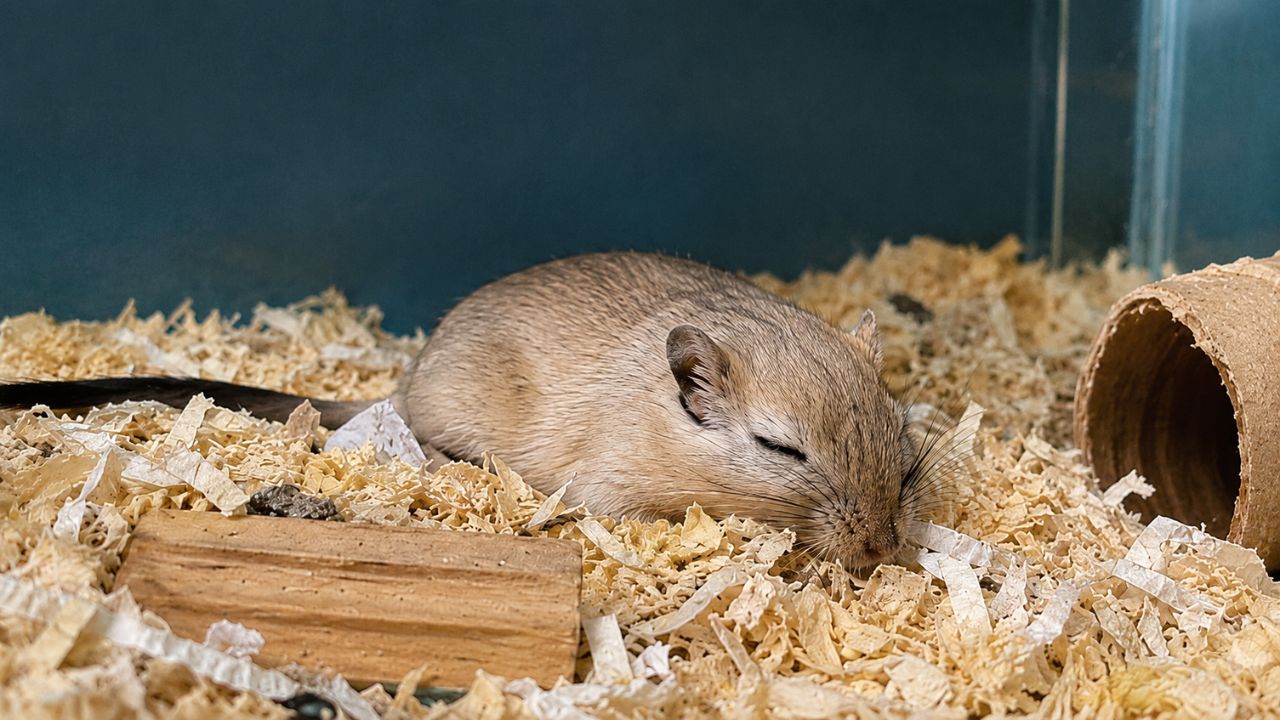
Gerbils sleep deeply. Unlike hamsters, which are strictly nocturnal, gerbils have a polyphasic sleep pattern — they nap in short bursts throughout a 24-hour period. This means they can be found fast asleep at almost any time of day or night, and when they are in a deep sleep they can be surprisingly unresponsive.
A gerbil that is simply sleeping will usually wake up within a few seconds if you tap gently on the side of the cage or rustle something near the entrance to its burrow. It will be warm to the touch and its breathing will be clearly visible. This is not a cause for concern — it is a healthy gerbil doing what gerbils do.
Shock or Fright Response
Gerbils have a strong freeze response to sudden fear. A loud noise, the appearance of a predator animal nearby — a cat, a dog, even a large bird outside the window — or being handled roughly can cause a gerbil to freeze completely. This can last from a few seconds to several minutes and looks, to an inexperienced owner, alarming.
A gerbil in a fright freeze will be stiff, alert, with eyes wide open, and will be holding itself rigid rather than limp. This is different from torpor, where the body is relaxed and unresponsive, and different from illness, where the animal is usually hunched and lethargic rather than rigid.
Remove whatever caused the fright if you can, give the gerbil quiet and space, and it should return to normal behaviour within minutes. If the cage is in a location where it is regularly exposed to other pets or sudden loud noises, that is worth addressing — chronic stress in gerbils is a real welfare problem.
Illness — The Signs That Distinguish It from Torpor
A gerbil that is not moving due to illness usually looks different from one in torpor. The key differences are these:
A sick gerbil is typically still warm — its body temperature has not dropped. It may be hunched rather than lying flat. Its coat may look dull, ruffled, or unkempt. Its eyes may be half-closed or have discharge around them. It may be sitting in an unusual position or in an unusual part of the cage rather than in its normal sleeping area. It may not have touched its food.
A sick gerbil may also be cold or unresponsive. Warmth, posture or response to touch cannot safely distinguish torpor from serious illness at home.
Common illnesses that cause lethargy and reduced movement in gerbils include respiratory infections, Tyzzer’s disease — a bacterial infection that can progress very rapidly — tumours, and dental problems. Older gerbils, particularly those over two years, are more prone to tumours and age-related slowing down that is normal but should still be monitored.
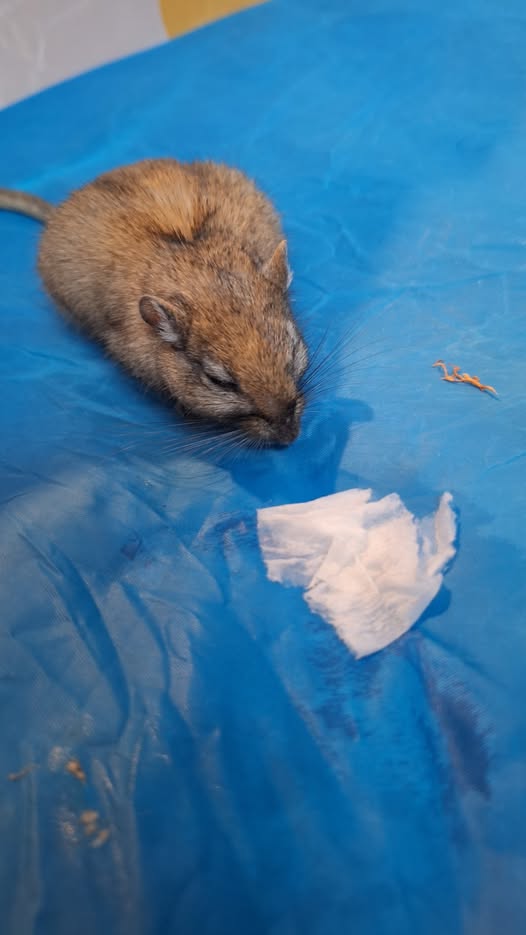
- The gerbil is unresponsive or barely responsive — call a vet immediately, whether it feels warm or cold
- Clicking, rattling, or wheezing sounds when breathing — respiratory infection, can deteriorate very quickly
- Wet fur around the tail area — wet tail is an emergency in any small animal
- Visible swelling, wound, or abnormal posture — injury or tumour, needs assessment
- Eating or drinking less than normal — contact your vet immediately; do not wait for 24 hours
- Discharge from the nose or eyes — sign of infection
- Seizure or twitching — neurological episode, needs immediate attention
Epileptic Seizures in Gerbils — Something Every Owner Should Know About
This is worth a section of its own because it genuinely catches owners off guard, and because the wrong response can make a difficult situation worse.
Seizures or seizure-like episodes can have several causes. Contact your vet about an episode, and seek urgent help if the gerbil does not recover normally, episodes repeat or breathing is affected.
If you witness what looks like a seizure, do not pick the gerbil up during the episode. Do not try to restrain it. Move anything hard or sharp away from it so it cannot injure itself, and let the episode run its course. Gerbils usually recover from seizures without lasting harm.
Do not assume that a brief episode is harmless. Keep a note or a short video if this can be done without delaying help, and ask your vet what assessment is needed.
What triggers seizures? Stress, sudden changes in environment, loud noises, and handling in a nervous gerbil can all trigger episodes in susceptible animals. The more settled and secure the gerbil’s environment, the less frequently seizure-prone animals tend to fit.
How to Tell If a Gerbil Has Died
I will not dance around this. Sometimes the answer to “why is my gerbil not moving” is the hardest one, and owners deserve a clear, honest answer rather than having to search through vague information at a distressing moment.
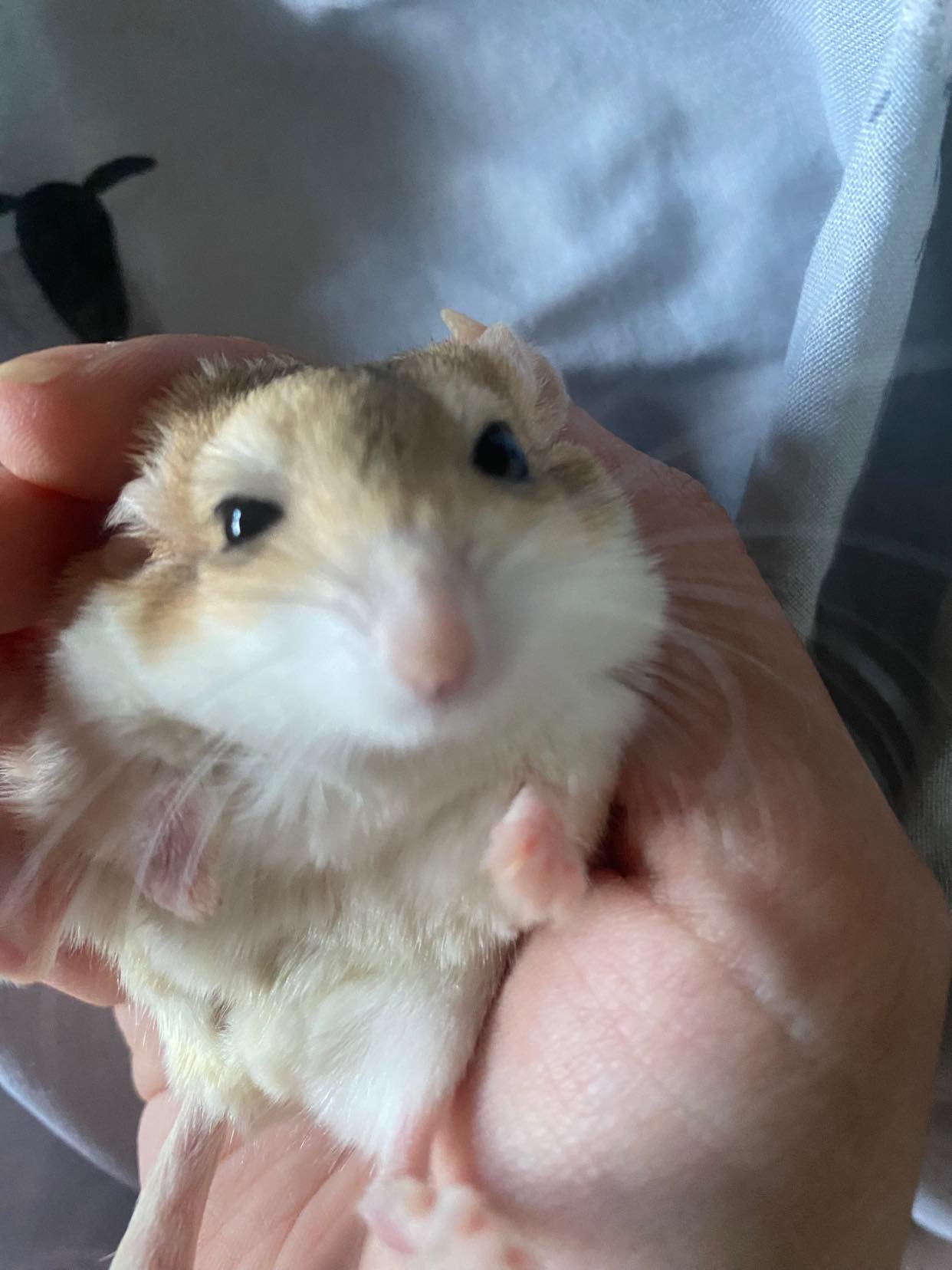
If you are unsure whether a gerbil is alive, call a vet immediately. A general article cannot confirm death or replace an examination.
Coldness or a shallow breathing pattern cannot provide a reliable home diagnosis. Treat an unresponsive gerbil as an urgent veterinary concern.
Do not conclude that a gerbil has died because it fails to respond to warming. Ask a vet for an assessment immediately; the article cannot determine whether an animal is alive.
If you have a second gerbil in the cage, remove the deceased animal promptly but do not be in too much of a hurry with the surviving gerbil. A gerbil that has lost its cage mate will often become withdrawn, less active, and lethargic itself in the days following the loss. This is normal grief behaviour and is not necessarily a sign of physical illness — though it does need to be managed carefully, because a lone gerbil that remains alone for a long period can develop health problems as a result of the isolation and stress.
Come and speak to us if you lose one of a pair. Introducing a new companion to an adult gerbil is not straightforward, but it is possible, and it is almost always better for the surviving animal than leaving it alone.
The Position of the Cage Matters More Than Most Owners Think
I have seen several cases over the years where the root cause of a gerbil regularly entering torpor, or regularly seeming lethargic and unwell, has turned out to be where the cage was positioned in the house.
Gerbils should be kept at a stable temperature between 18°C and 24°C. Not on the floor, which is colder than the room temperature. Not near a window, where temperature fluctuates and cold draughts are possible. Not in a conservatory or garage, where overnight temperatures in a UK winter can drop well below what is safe for them. Not directly next to a radiator, which creates excessive heat when on and cold when off.
A stable temperature environment, away from draughts and extremes, prevents torpor and reduces stress. The number of “my gerbil won’t move” situations I have seen that had nothing to do with illness and everything to do with a cold bedroom or a conservatory cage would surprise you.
Quick Reference — Why Your Gerbil Is Not Moving
| What You’re Seeing | Possible explanation; not a diagnosis | What To Do |
|---|---|---|
| Cold, limp, barely breathing, unresponsive | Cause uncertain; urgent assessment needed | Call a vet immediately and follow its warming and transport instructions. Do not wait for a warming trial. |
| Warm, unresponsive, not breathing | Possible illness or injury | Call a vet immediately. Do not wait. |
| Warm, breathing, eyes half-closed, hunched | Illness — infection, Tyzzer’s, dental | Contact a vet immediately; small animals can deteriorate quickly. |
| Rigid, staring, then twitching, then recovering | Epileptic seizure | Keep the animal safe from falling, avoid restraining it and contact your vet for advice about the episode. |
| Stiff, wide-eyed, freezing but alert | Fear response | Remove fright source. Give quiet and space. Should resolve in minutes. |
| Lying flat, clearly breathing, warm | Deep sleep | If it does not respond normally or you are unsure, call your vet immediately. |
| Cold, stiff, rigid, absolutely no response to warmth | Life status cannot be confirmed here | Contact a vet immediately for assessment; do not assume death from this checklist. |
The Rule I Give Every Gerbil Owner
If your gerbil is not moving and you are not certain why — check the temperature first. That resolves more cases than anything else.
If the temperature is fine and the gerbil is still not moving normally, do not adopt a wait-and-see approach. Gerbils are small animals with limited reserves. A gerbil that is genuinely ill in the morning and left untreated can be in serious difficulty by the evening. The window is short.
Call a vet, describe what you are seeing, and let a professional make the decision about whether a visit is necessary. Most vets who see small animals regularly — and there are good ones in this area — would rather take a two-minute call than see an animal that has been left too long.
I have been at this counter since 1988. The owners whose animals do best are the ones who act early, not the ones who wait and hope. I know it feels like you might be overreacting. You are not overreacting. Act early.
Frequently Asked Questions
My gerbil is not moving but is breathing — what should I do?
Call your vet immediately if the gerbil is unusually inactive, cold or unresponsive. Note the room temperature and any changes in eating or drinking, but do not delay the call to try warming it for a set period.
How do I know if my gerbil is in torpor or has died?
You cannot reliably make that distinction from a home checklist. Contact a vet immediately about an unresponsive gerbil; do not use a twenty-minute warming test to decide that it has died.
My gerbil keeps having episodes where it freezes and twitches — is this serious?
An episode of freezing, twitching or collapse cannot be diagnosed from a description alone. Contact your vet for advice; repeated episodes, impaired breathing or failure to recover require urgent help.
Can a gerbil die from cold overnight?
A cold, unresponsive gerbil can be seriously unwell and needs immediate veterinary advice. Follow the vet’s instructions for warmth and housing; apparent recovery does not rule out illness.
My gerbil is moving slowly and seems less active than usual — should I be worried?
Yes — take gradual lethargy seriously, particularly if it is accompanied by any change in coat condition, eating, or weight. A gerbil that is less active than normal is telling you something. It may be the early stage of an illness, a dental problem making eating painful, or in an older gerbil, a developing tumour. Get it seen rather than waiting to see if it improves.
My gerbil’s cage mate died — now the surviving gerbil is barely moving. Is it grieving?
Gerbils form strong social bonds and the loss of a cage mate genuinely affects them. A surviving gerbil may be less active, less interested in food, and spend more time sleeping in the days after losing its companion — this is real behavioural grief and is not unusual. However, watch carefully: prolonged lethargy, not eating, or weight loss in a bereaved gerbil can quickly become a physical health problem driven by isolation and stress. Come and speak to us about carefully introducing a new companion — it is the most effective long-term solution.
Where can I get gerbils in Swindon?
We keep Mongolian gerbils at Paradise Pets — all from UK breeders, always in pairs or available to be matched to a lone gerbil where appropriate. We are at Manor Garden Centre, Cheney Manor, Swindon SN2 2QJ, or call us on 01793 512400. Happy to answer questions before you visit.
Not Sure What’s Wrong With Your Gerbil? Come and Talk to Us
If your gerbil is unusually still or unresponsive, call a vet immediately. Paradise Pets can help with everyday housing questions after urgent health needs have been addressed.
For changes in eating or drinking, see also RSPCA gerbil feeding guidance: seek veterinary help straight away if intake changes.