
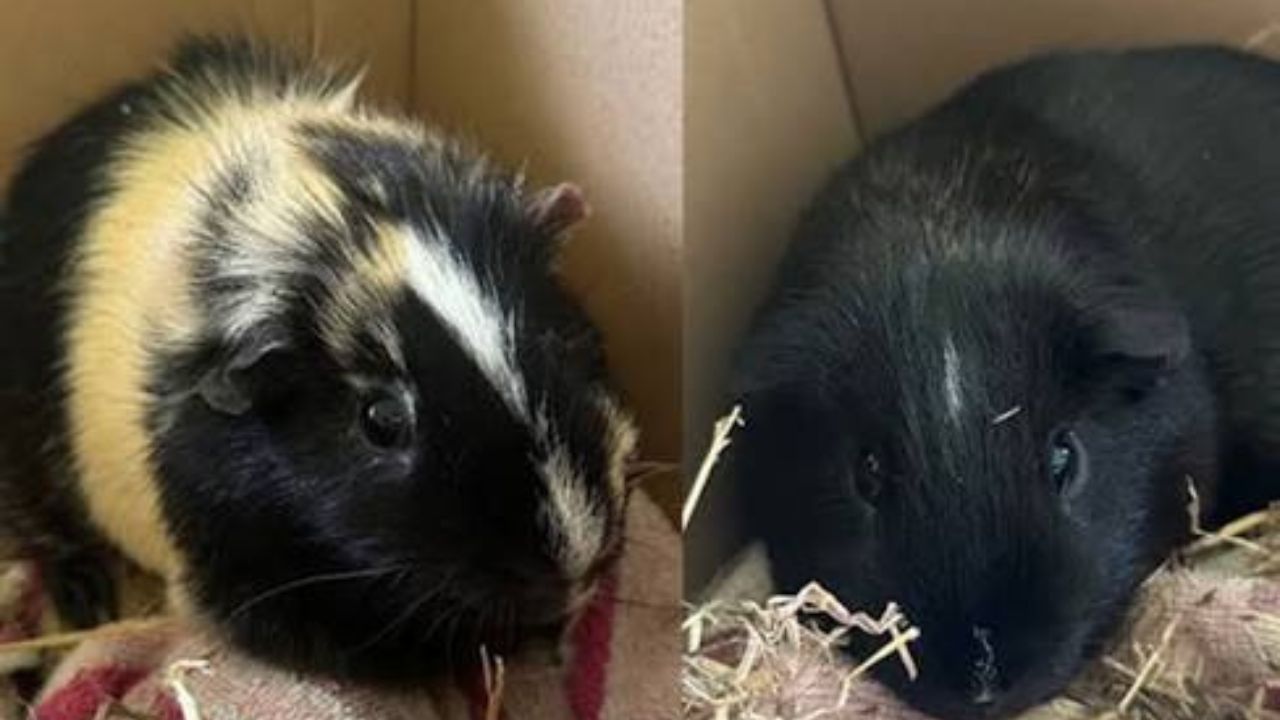

The UK Government has opened a consultation on tighter rules for the loudest fireworks. Neil explains why rabbit, guinea pig, hamster and pet bird owners should not wait until November to prepare.
Fireworks are not only a dog-and-cat problem. Rabbits, guinea pigs, hamsters, gerbils and pet birds can all react badly to sudden bangs, flashing light and changes in routine.
The Government says it is consulting on reducing the maximum noise level of consumer fireworks, with pets and wildlife specifically mentioned as part of the concern. That makes this a timely moment for pet owners to think about prevention, not panic.
In the shop, the families who cope best with noisy nights are usually the ones who prepare early. They do not wait for the first bang. They already know where the cage will go, how the room will be kept calm, and who will check the animal.
Why Fireworks Affect Small Pets So Quickly
Small animals are prey species. Sudden noise can make them freeze, bolt, thump, hide, panic or stop behaving normally. Pet birds can also be startled into flapping, crashing into cage bars or becoming very unsettled.
You cannot explain fireworks to an animal. The best you can do is reduce surprise, reduce stress and make the living space feel secure before the loudest evenings arrive.
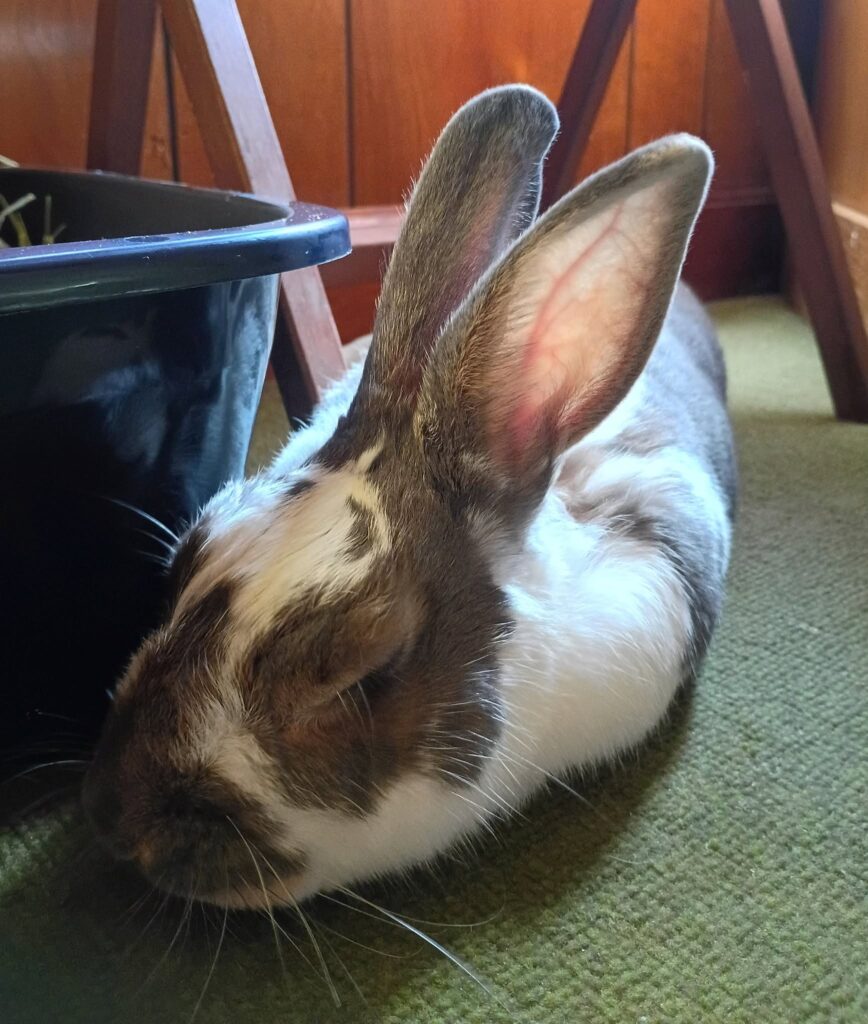
The Noise-Plan Checks To Start Now
- Choose the quietest room
Work out where the cage, hutch or indoor pen can be moved if fireworks are expected. - Keep the routine steady
Feeding, lights and handling should feel predictable, not chaotic. - Add safe hiding places
Rabbits and guinea pigs need somewhere secure to retreat without being trapped. - Protect birds from panic flights
Check cage position, perches and sharp hazards before noisy nights. - Avoid sudden handling
Do not keep pulling a frightened animal out to comfort it if that makes the stress worse.
Neil’s Firework Preparation Plan
- Check the cage location
Move it away from windows, doors, flashing lights and draughts. - Prepare bedding and hides
Use familiar bedding and safe hides rather than new items on the night. - Keep water and hay available
Rabbits and guinea pigs should still have normal access to food and water. - Lower household noise
Television or calm background sound can help mask outside noise without blasting the room. - Know your vet options
If an animal is injured, collapsed or not behaving normally, contact a qualified vet.
What Owners Often Get Wrong
Owners often assume an animal is fine if it is quiet. With prey animals, quiet can mean calm, but it can also mean fear. Look for the wider pattern: appetite, movement, breathing, posture and whether the pet returns to normal.
Another mistake is moving everything at the last second. A sudden cage move, new bedding, new smells and loud fireworks can all stack stress together.
When Noise Becomes A Welfare Problem
If a pet is injured, breathing abnormally, not eating, collapsed, excessively stressed or behaving very differently after fireworks, contact a vet. For birds, check for impact injuries if there has been panicked flapping.
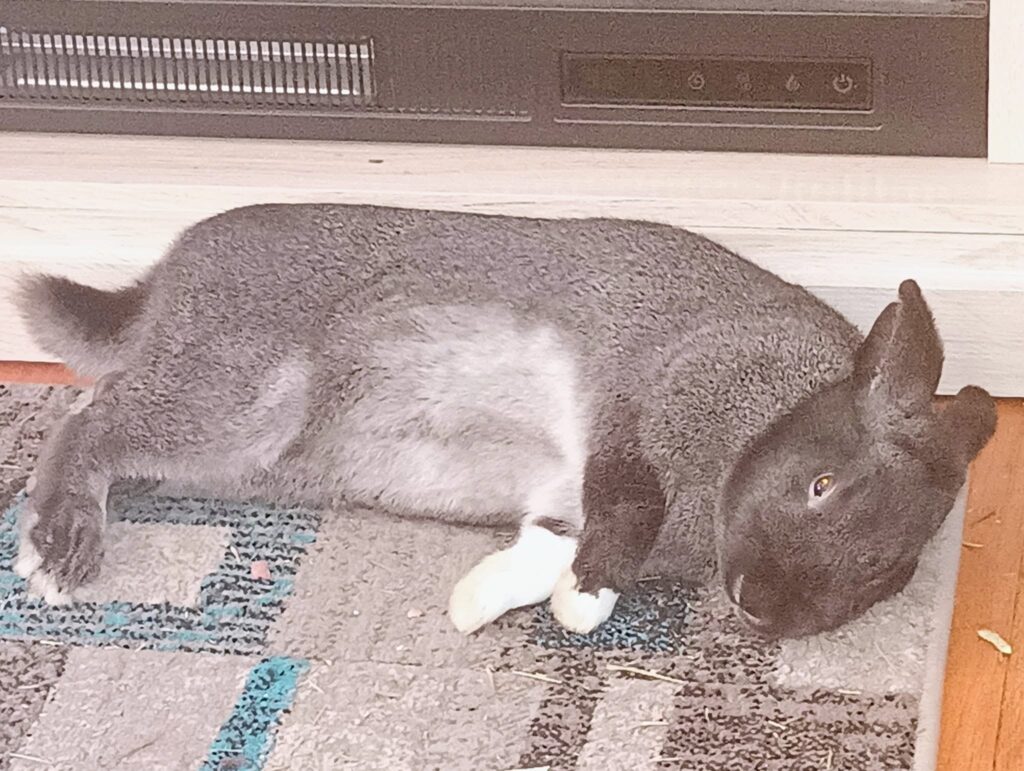
Neil’s Honest Advice
Do not wait for law changes to protect your animals. Whether rules change or not, fireworks will still happen.
A calm room, secure hide, stable routine and sensible checking can make a real difference for small pets and birds.
Need A Firework Setup Check?
Bring your cage or housing questions to Paradise Pets Swindon before the noisy season. We can help you think through safer placement, bedding, hides and routine.