
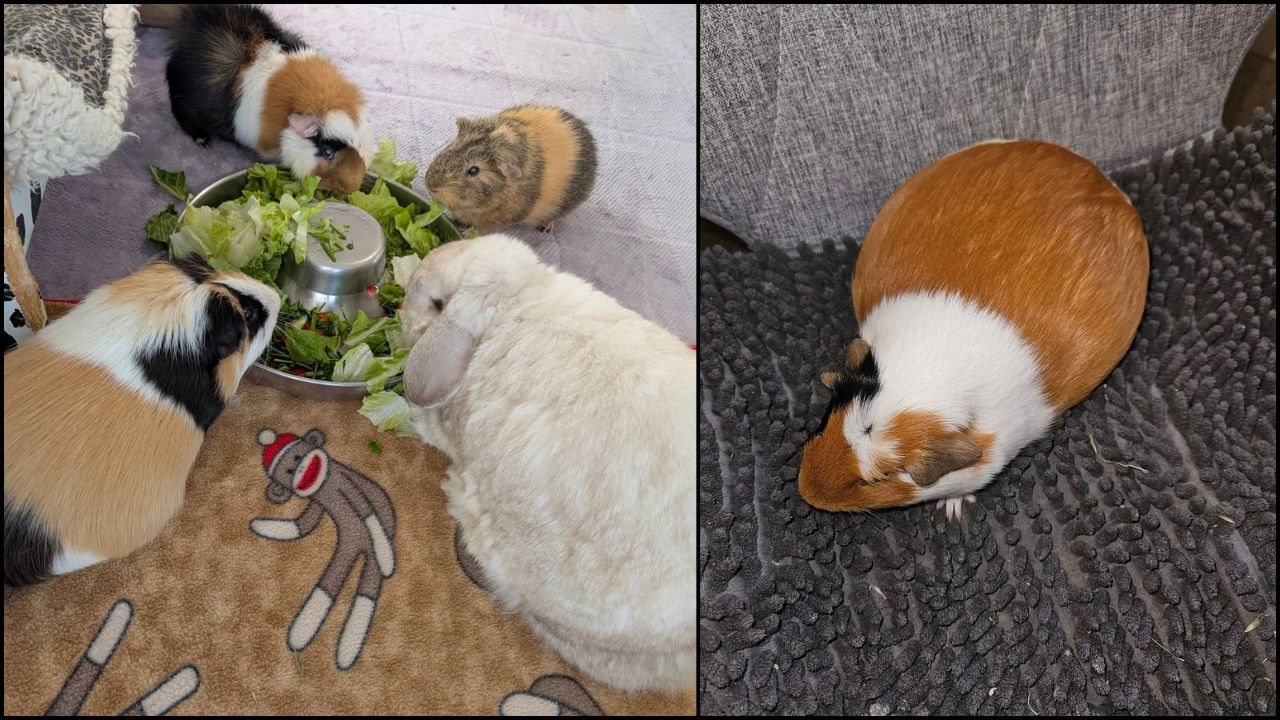

With fireworks back in the news, Neil explains the small-animal behaviour behind sudden panic and why owners should prepare before the first loud evening.
A rabbit thumping in the hutch, a guinea pig hiding without eating, or a budgie crashing around a cage can all be signs that sudden noise has become too much.
The current UK fireworks consultation has put pet distress back into the public conversation. But for small-pet owners, the practical question is not political. It is what to do inside the home before the noise starts.
After more than 35 years serving pet owners in Swindon, I have learned that owners often underestimate how quickly a sudden bang can change an animal’s behaviour.
Why Prey Animals React Differently
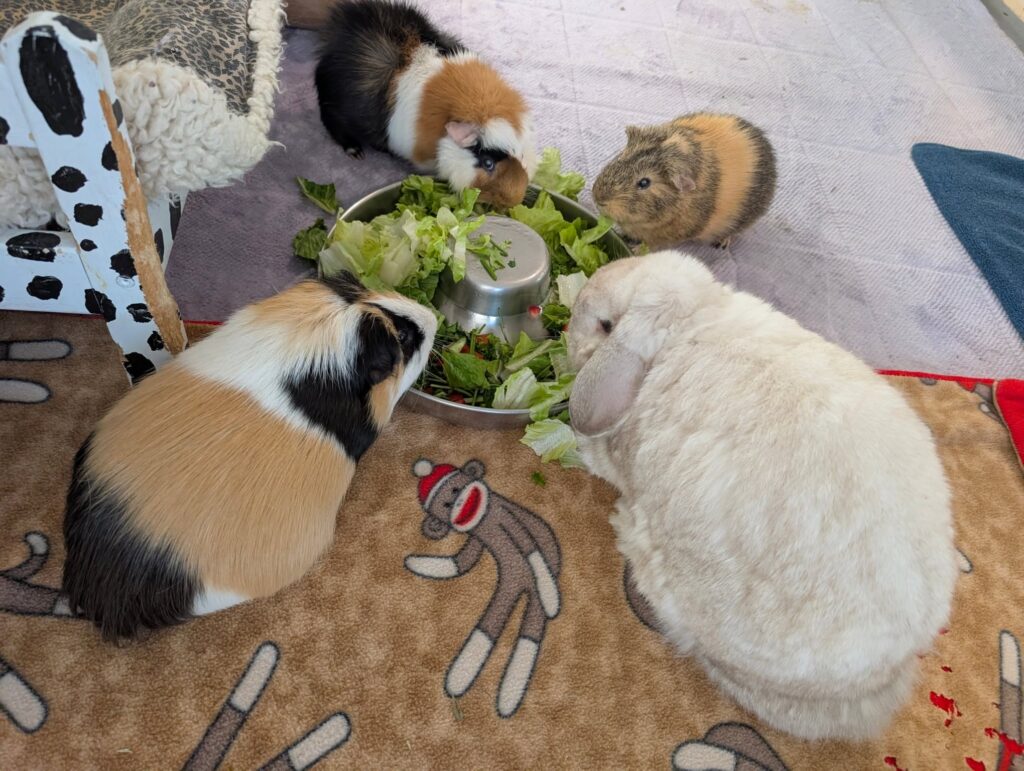
Rabbits and guinea pigs are prey animals. In the wild, sudden noise can signal danger. At home, they may still respond by freezing, hiding, running, thumping or refusing food.
Pet birds can react by alarm calling, flapping suddenly, clinging to cage bars or becoming unsettled. The risk is not only stress. A bird can injure itself if it panics inside the cage.
What To Check Before A Noisy Evening
- Hiding space
The animal should have a familiar, safe hide that is already part of the setup. - Cage stability
A cage or hutch should not wobble, rattle or amplify noise. - Window exposure
Move animals away from flashing light where possible. - Room traffic
Avoid people repeatedly opening doors and disturbing the animal. - Feeding routine
Keep hay, food and water normal so the pet’s routine does not collapse.
Neil’s Calm-Room Plan
- Close curtains
Reduce sudden flashes and movement outside. - Use familiar bedding
Do not add strong new smells or unfamiliar items on the night. - Keep background sound low
Gentle household sound can help, but loud television can add stress. - Check without hovering
Look in calmly, but do not keep disturbing a hiding animal. - Review the next morning
Check eating, droppings, water use and normal behaviour.
What Owners Often Get Wrong
The biggest mistake is over-handling. People want to cuddle a frightened pet, but many small animals feel safer in a hide than in a person’s arms during sudden noise.
Another mistake is thinking pet birds are fine because they are indoors. A bird near a window can still be affected by flashes, bangs and household panic.
Signs That Need More Than Reassurance
Contact a vet if the animal is injured, collapsed, not eating, breathing abnormally, badly stressed, or if a bird has crashed and may have hurt itself. Rabbits that stop eating should always be taken seriously.
Neil’s Honest Advice
The right response is quiet preparation, not dramatic reaction. Build the secure space before the stressful evening arrives.
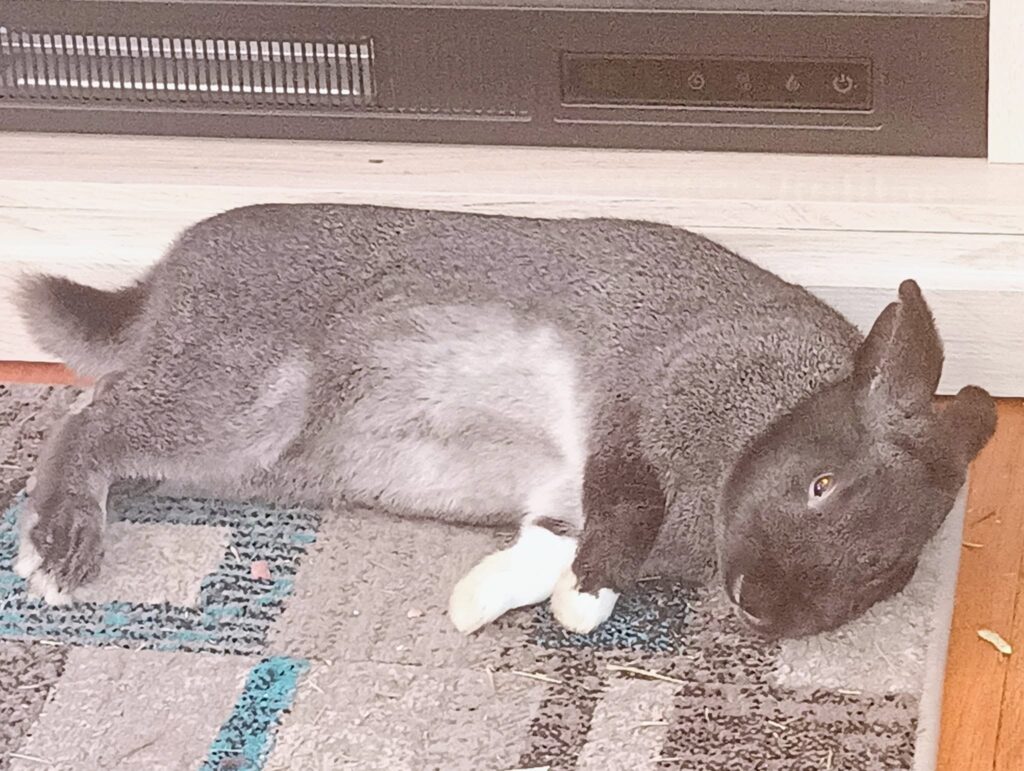
If an animal hides during fireworks but returns to eating and normal behaviour afterwards, that is very different from an animal that stays flat, silent or unwell.
Need Help Choosing Hides Or Cage Placement?
Speak to Paradise Pets Swindon before firework season. We can help with safe hides, cage placement and small-pet housing checks.