

Neil has kept, bred, and sold cage and aviary birds at Paradise Pets Swindon since 1988 — over 35 years of watching what people buy to bring birds into their gardens, and why. UK bird feeder sales have climbed to their highest level on record this year. That sounds like straightforwardly good news. The full picture, when you put it alongside what is actually happening to British bird populations, is more interesting than that.
I have sold a lot of bird feeders over the years, and I have a pretty good sense of how that side of the business has changed across three and a half decades. What I am seeing now, and what the market figures confirm, is a genuine and sustained climb in how many people across this country are buying feeders, seed, and everything that goes with garden bird feeding.
The UK bird feeder market is currently valued at around one hundred and twelve and a half million pounds, and is projected to keep growing steadily over the coming decade. That is not a one-off spike. It reflects a sustained shift in how many ordinary households are choosing to engage with the wildlife in their own garden — and I think it is worth understanding both why that is happening and what it actually means, because the answer is more layered than a simple good-news story about Britain falling back in love with nature.
The Numbers — How Big This Market Has Actually Become
The scale of this is worth setting out plainly, because it has grown well beyond what most people would assume for what still feels, on the face of it, like a fairly modest garden hobby.
The UK bird feeder market specifically was valued at one hundred and twelve and a half million pounds in 2026, and is projected to expand to around one hundred and seventy-two million pounds by 2035 — a steady annual growth rate of just under five per cent sustained over almost a decade. That is the UK feeder market alone, not counting seed, food, and the wider accessories that typically accompany a feeder purchase.
The broader global picture tells a similar story. The worldwide bird feeder market was valued at around two point two billion dollars in 2024 and is projected to grow to roughly three point six billion dollars by 2033. Europe holds approximately thirty per cent of that global market share, with the UK and Germany consistently identified as the two largest and most mature markets on the continent.
What strikes me most is where the demand is concentrated. It is not just rural gardens with established bird tables that have always been there. Urban balcony birding among apartment dwellers is expanding quickly, and demand within the UK market specifically concentrates heavily in Greater London and the Southeast England corridor — exactly the kind of densely urban environment where, a generation ago, garden bird feeding might not have seemed like an obvious household priority at all.

Why So Many More People Are Buying Feeders
The market research is fairly consistent on what is driving this growth, and several of the reasons line up closely with conversations I have at the counter on a near-daily basis.
Rising disposable income and an increasing interest in outdoor leisure activities and gardening more broadly are cited consistently across the market analysis as foundational drivers — bird feeding has become one element of a much wider cultural shift toward people investing time and money in their immediate outdoor space, whether that is a full garden or a single balcony.
Growing environmental awareness and a genuine increase in concern about wildlife conservation specifically are also identified repeatedly as factors behind the growth, and this aligns closely with what I observe directly — far more customers now arrive already aware of declining bird populations and explicitly framing their feeder purchase as something they want to do to help, rather than purely as a decorative garden accessory.
There is also a meaningful technology dimension to this that did not exist when I started in this trade. The rising adoption of smart and innovative feeder designs, including camera-enabled and sensor-based products, has opened the hobby up to a different kind of customer — people drawn in by the idea of identifying and monitoring exactly which species are visiting their own garden, sometimes sharing what they capture on social media, in a way that adds a genuinely new layer of engagement to what used to be a simpler, more passive activity.
And there is a straightforward demographic factor behind the urban growth specifically: increasing urbanisation has meant more people living in flats and houses without traditional gardens, and the market has responded with balcony and window-mounted feeder designs specifically aimed at that audience — a product category that, as far as I remember, barely existed in any meaningful commercial sense even fifteen years ago.
The Uncomfortable Contrast — Record Sales Against Declining Numbers
Here is the part of this story I think deserves the most honest attention, because it is the part that complicates the simple good-news framing.
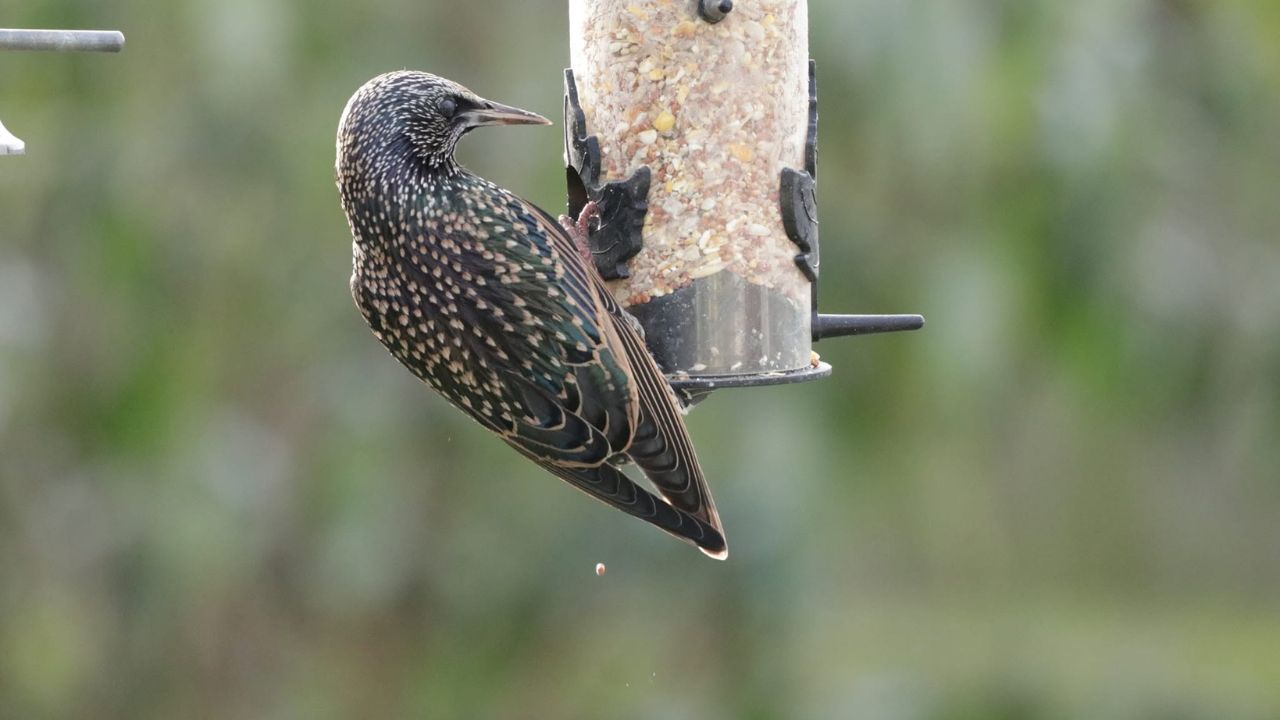
At the same time that bird feeder sales are climbing toward record levels, several of the UK’s most familiar garden bird species are recording some of their steepest declines on record. This year’s RSPB Big Garden Birdwatch found that House Sparrow numbers, despite still topping the rankings, have fallen by around sixty per cent since 1979, with this year’s average count the lowest recorded since 1998. Starling numbers have fallen by over eighty per cent over the same period. Greenfinch numbers are down by roughly sixty-seven per cent and the species is now formally on the UK Red List, with disease spreading at feeding stations identified as a primary driver of that specific decline.
I do not think this contradiction means that feeding birds is somehow making things worse in any simple, direct sense — the RSPB’s own scientists are clear that feeding provides genuine benefits and should continue. But it does mean that the relationship between more people feeding birds and the actual welfare of those birds is genuinely more complicated than a straightforward more feeders, more birds equation.
Part of what is happening, frankly, is that more feeders means more opportunities for disease to spread between birds gathering at close quarters, if those feeders are not maintained correctly — which is precisely why the RSPB issued updated hygiene guidance this year specifically targeting the feeding behaviours most associated with disease transmission. A market that is growing rapidly, without the hygiene practices growing alongside it at the same pace, has the potential to make a documented disease problem worse rather than better, even while the underlying intention behind every individual purchase is entirely positive.

What This Growth Actually Means, Done Well
I do not want to leave the impression that record feeder sales are themselves a problem, because I do not believe that is the right conclusion to draw from any of this.
More households engaging directly with garden wildlife, more disposable income directed toward supporting birds rather than away from them, and a growing cultural awareness of conservation issues are all, on balance, genuinely positive developments. The market growth reflects real public concern translating into real action, at a scale that simply did not exist a generation ago. That matters and should not be dismissed.
What this growth actually requires, to deliver the benefit it is capable of delivering, is that it is matched by an equivalent growth in awareness of correct feeding practice — the hygiene routines, the feeder design choices, the seasonal adjustments that current evidence increasingly points toward as essential rather than optional. A market this size, doing things well, has real conservation value. The same market, doing things carelessly, risks magnifying exactly the disease transmission problem that is already driving some of the steepest declines currently showing up in the bird population data.
This is, in a sense, the same lesson that applies to almost everything in this trade. The growth of interest is unambiguously good news. What we do with that growth — whether the practice keeps pace with the popularity — is the part that actually determines the outcome for the birds themselves.

What I Tell People at the Counter
When someone comes in wanting their first feeder, genuinely excited about the idea of bringing more birds into their garden, I am glad they are there, and I tell them so. This market growth represents real people making a real choice to do something for the wildlife around them, and that is worth encouraging rather than treating with suspicion.
But I also use that moment to make sure they leave with the current best-practice guidance, not the version of feeding advice that was correct a decade ago. The right feeder design, a weekly cleaning routine, and an understanding of which months carry the highest disease risk are not optional extras tacked onto an otherwise simple purchase — they are the difference between this growing market genuinely helping the birds it is intended to help, and inadvertently contributing to the problem it is trying to solve.
If you are one of the many people behind these record sales figures, or thinking about becoming one, come in and let us make sure you have the full picture before you start. We are at Manor Garden Centre, Cheney Manor Industrial Estate, Swindon, SN2 2QJ — open every day. Or call us on 01793 512400.

- “More feeders automatically means healthier bird populations” — The relationship is more complicated than this. Several of the steepest UK bird declines on record are happening at the same time as feeder sales reach record highs, with disease spreading at poorly maintained feeding stations identified as a contributing factor in some of those declines specifically.
- “This is just a passing trend that will fade” — Market projections show steady, sustained growth in the UK bird feeder market through to at least 2035, driven by structural factors including urbanisation, rising environmental awareness, and growing interest in technology-enabled wildlife monitoring — not a short-term spike likely to reverse quickly.
- “This is mainly older, rural hobbyists buying these feeders” — Current market analysis specifically identifies urban balcony birding among apartment dwellers, including in cities like Manchester and Birmingham, as one of the fastest-growing segments — a meaningfully different demographic from the traditional image of garden bird feeding.
- “Buying a feeder is the end of the responsibility” — Ongoing maintenance — weekly cleaning, appropriate feeder design, seasonal adjustment of what is offered — is now understood to matter as much as the initial purchase decision in determining whether feeding actually benefits the birds visiting a particular garden.
- “Smart, camera-enabled feeders are just a gimmick” — While certainly a premium product category, technology-enabled feeders are identified in market research as a genuine driver of deeper engagement, helping draw in a wider range of people who might not otherwise have taken up garden bird feeding at all, and in some cases supporting citizen science data collection alongside personal enjoyment.
Visit Us at Paradise Pets Swindon
We stock a full range of feeders, designed around current best-practice hygiene guidance, alongside cage and aviary birds and everything else bird-related. If you want advice before buying your first feeder, or you want to update an existing setup, come in and talk to us.
We also stock gerbils and hamsters, guinea pigs, and rabbits.